📖 About this Collection
November 1943: The Month the Tide of War Turned
The Historical Context
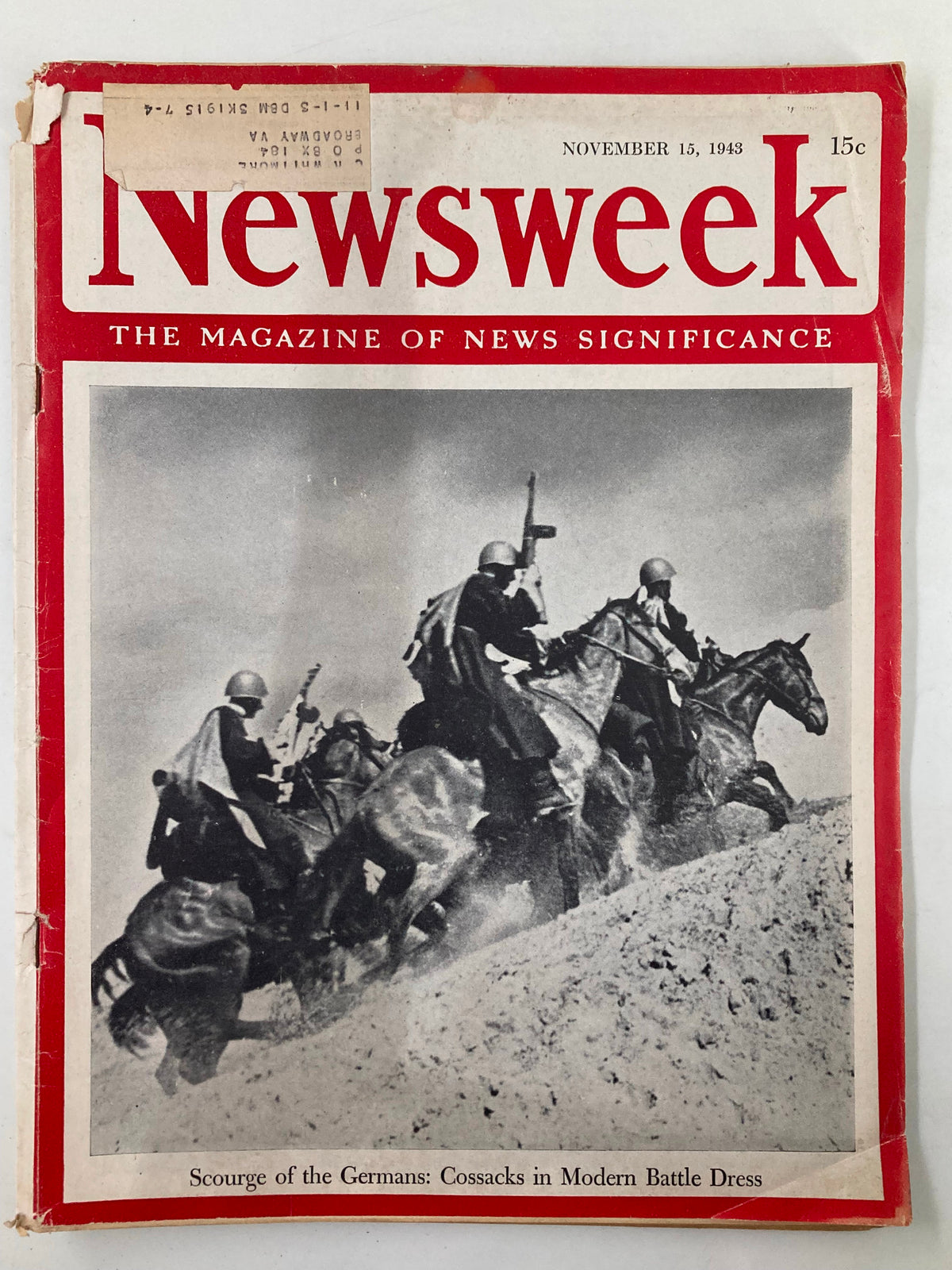
November 1943 arrived with the unmistakable feeling of a war in motion—grinding, consequential, and suddenly, cautiously hopeful. The month's defining moment came when Franklin D. Roosevelt, Winston Churchill, and Joseph Stalin convened at the Tehran Conference in Iran on November 28, the first meeting of all three Allied leaders together. Their agenda: to coordinate the final strategy that would bring the Axis powers to their knees. The world held its breath. Days earlier, Roosevelt and Churchill had already met with Chinese leader Chiang Kai-shek at the Cairo Conference, mapping out the Pacific theater with the same cold, determined precision. On the Eastern Front, Soviet forces reconquered Kiev on November 6, a psychologically crushing blow to German ambitions—the ancient Ukrainian capital, lost since 1941, was back in Soviet hands. And in the Pacific, US Marines fought through some of the most savage combat of the war, wresting control of Tarawa and Makin Atoll in the Gilbert Islands from Japanese forces by November 23. For someone born that November, they entered a world balanced on the knife-edge of history.
Culture and Life in November 1943
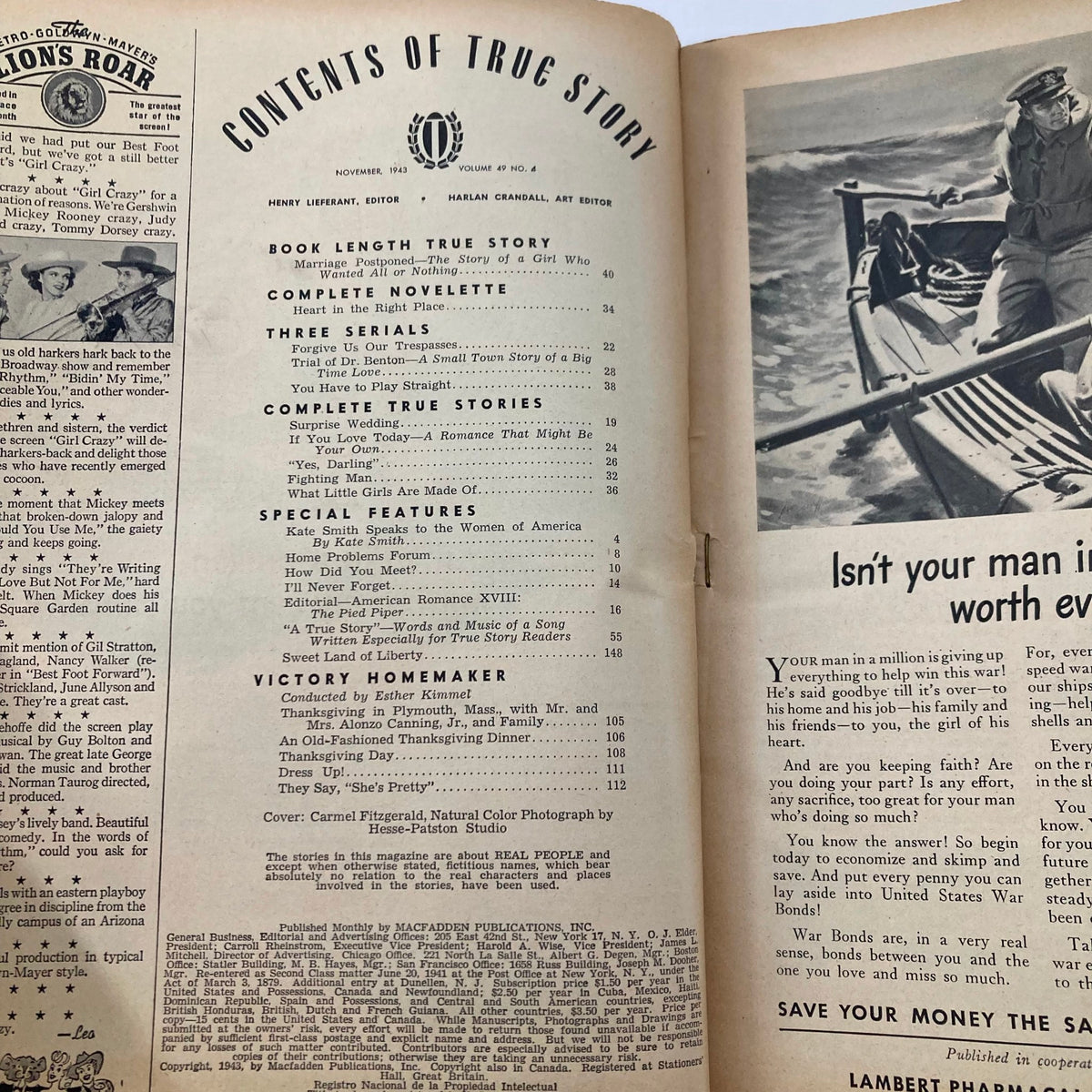
Even as war consumed the headlines, American life found its rhythms. At the movies, MGM released the final pairing of Girl Crazy on November 26—the last of nine films to star Judy Garland and Mickey Rooney together, a bittersweet swan song for Hollywood's most beloved on-screen partnership, adapting the Gershwin brothers' celebrated stage musical. On the radio and in living rooms, the Mills Brothers dominated with "Paper Doll," beginning a remarkable 12-week run at number one on November 8—a song that would ultimately sell over 10 million copies and become one of the defining recordings of the era. In concert halls, Dmitri Shostakovich premiered his monumental 8th Symphony in Moscow on November 3, a work of profound wartime gravity that left audiences shattered. Original magazines from November 1943 capture all of it: the cautious optimism, the Hollywood glamour, the music that kept people going. The pages of Life, Look, and Time carried war dispatches alongside advertisements for nylons and war bonds, painting a vivid portrait of a nation at full stretch.
Curator's Checklist: What to Look for in Your November 1943 Magazine
- The Tehran and Cairo Conferences: Issues of Time, Life, and Newsweek featuring coverage of these landmark Allied summits, illustrated with photographs of Roosevelt, Churchill, Stalin, and Chiang Kai-shek—rare magazines documenting the moment the Allied endgame began to take shape.
- The Battle of Tarawa: Life and Look issues chronicling the ferocious Pacific island fighting, often featuring front-line photography from the Gilbert Islands that shocked American readers with its unflinching portrayal of combat.
- Soviet Recapture of Kiev: News and photo-driven vintage magazines showcasing the Eastern Front's dramatic shift, with maps and battlefield imagery that illustrated how decisively the momentum of the war was changing.
- Judy Garland and Mickey Rooney in Girl Crazy: Entertainment and fan publications—alongside Variety advertisements—celebrating the final Garland-Rooney collaboration, capturing Hollywood's wartime golden era in its fullest bloom.
- The Mills Brothers' "Paper Doll": Music and entertainment pages in issues from this month showcase the song's meteoric rise, reflecting the popular culture that provided comfort and connection to millions of Americans separated by war.
The Perfect Gift
For someone born in November 1943, an original magazine from this pivotal month isn't just a birthday gift—it's an authentic time capsule of the world they entered, preserved in the genuine headlines, advertisements, and photography of the most consequential weeks of the Second World War.