📖 About this Collection
November 1959: The Month America Chose Its Future
The Historical Context
The nation stood at a crossroads in November 1959, balanced between Cold War anxieties and unprecedented cultural optimism. Charles Van Doren's confession on November 2nd that the quiz show "Twenty-One" was fixed sent shockwaves through living rooms nationwide, shattering America's trust in television just as the medium reached its peak influence. Meanwhile, the brutal murders of the Clutter family in Kansas on November 15th—later immortalized in Truman Capote's "In Cold Blood"—would come to symbolize the dark undercurrents beneath suburban prosperity. Yet Israel's elections saw David Ben-Gurion regain power, the UN adopted the Universal Declaration of Children's Rights, and Pope John XXIII published his missionary encyclical, all suggesting humanity's persistent reach toward progress despite violence and deception. This was the world your loved one entered: one grappling with authenticity, searching for heroes, and beginning to question its own mythologies.
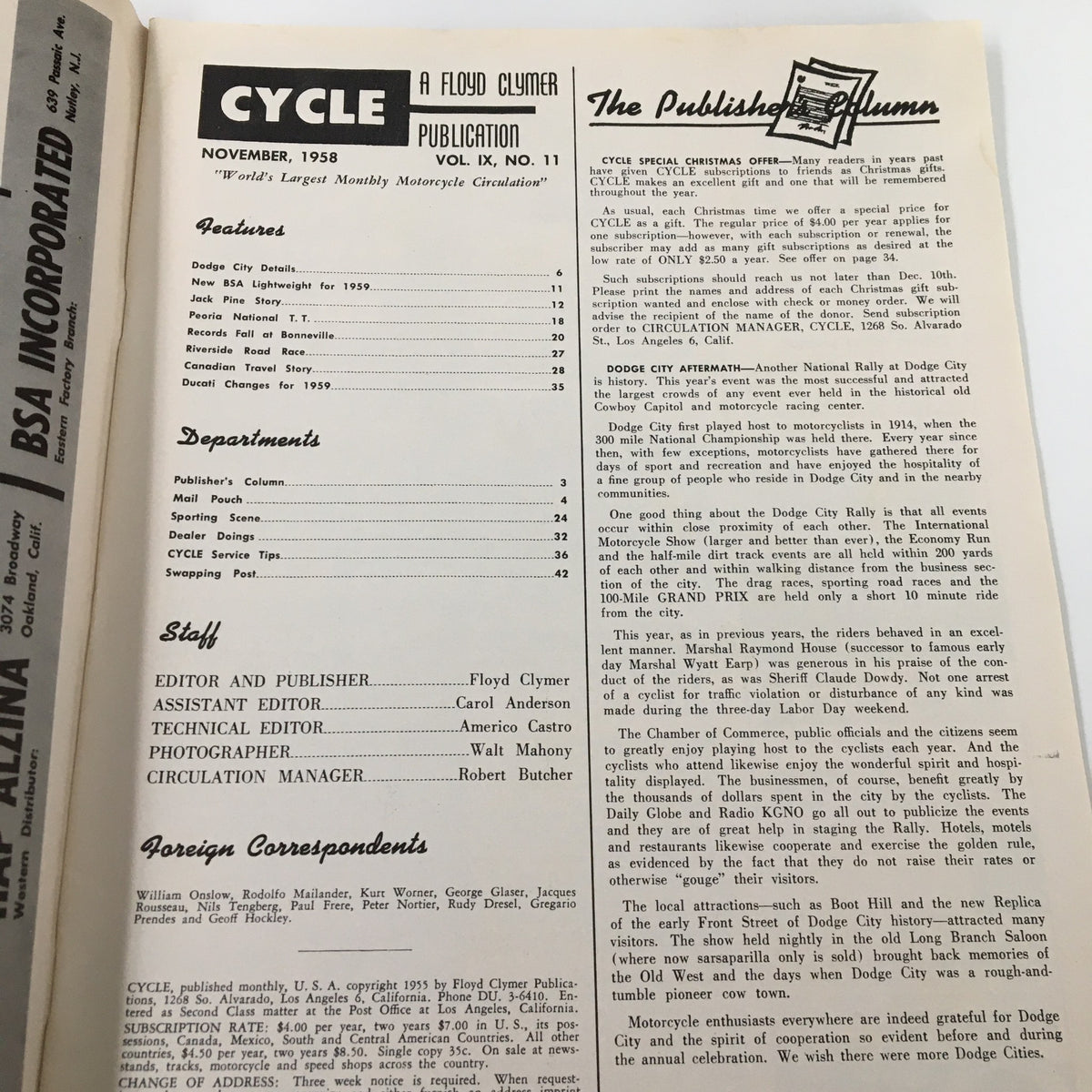
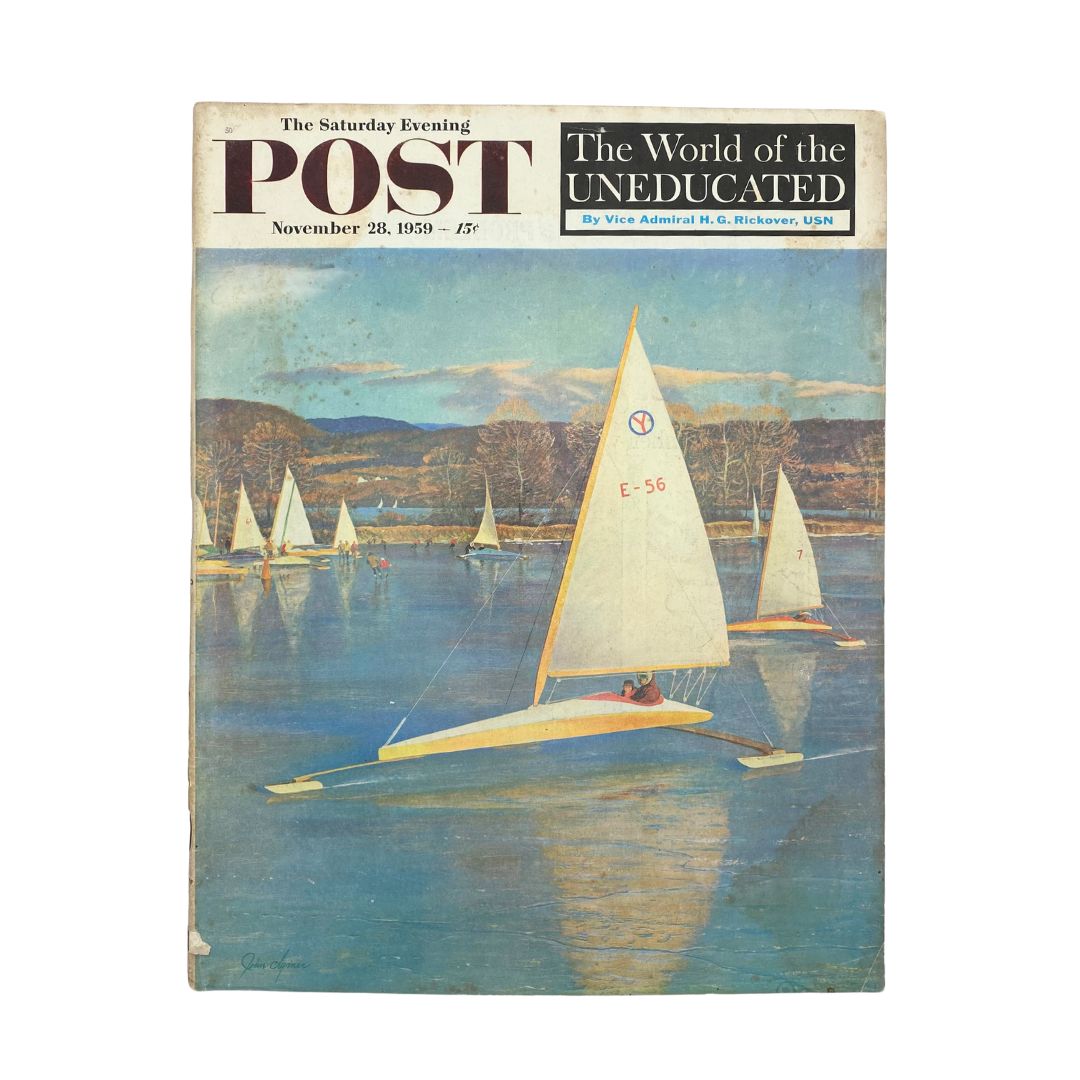
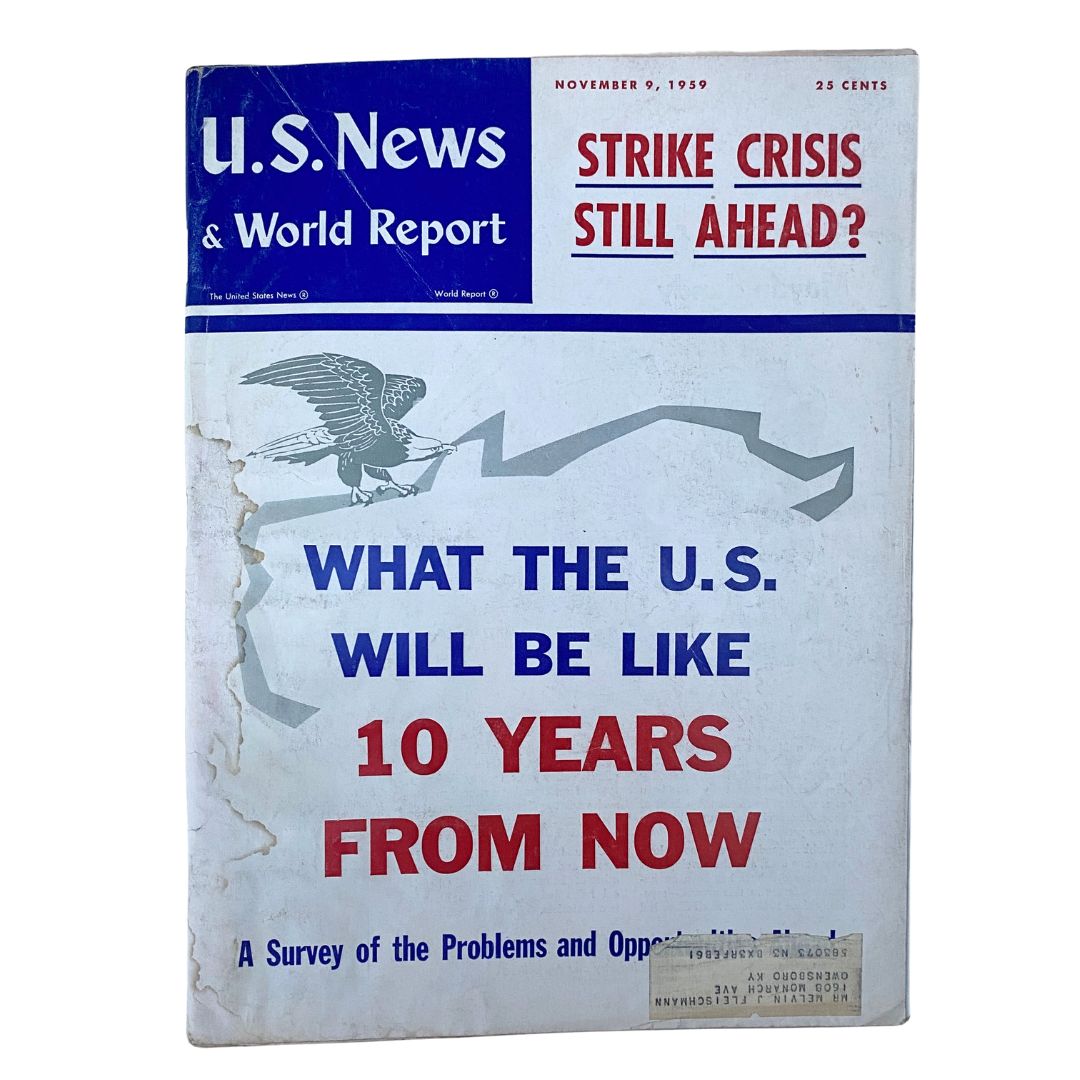
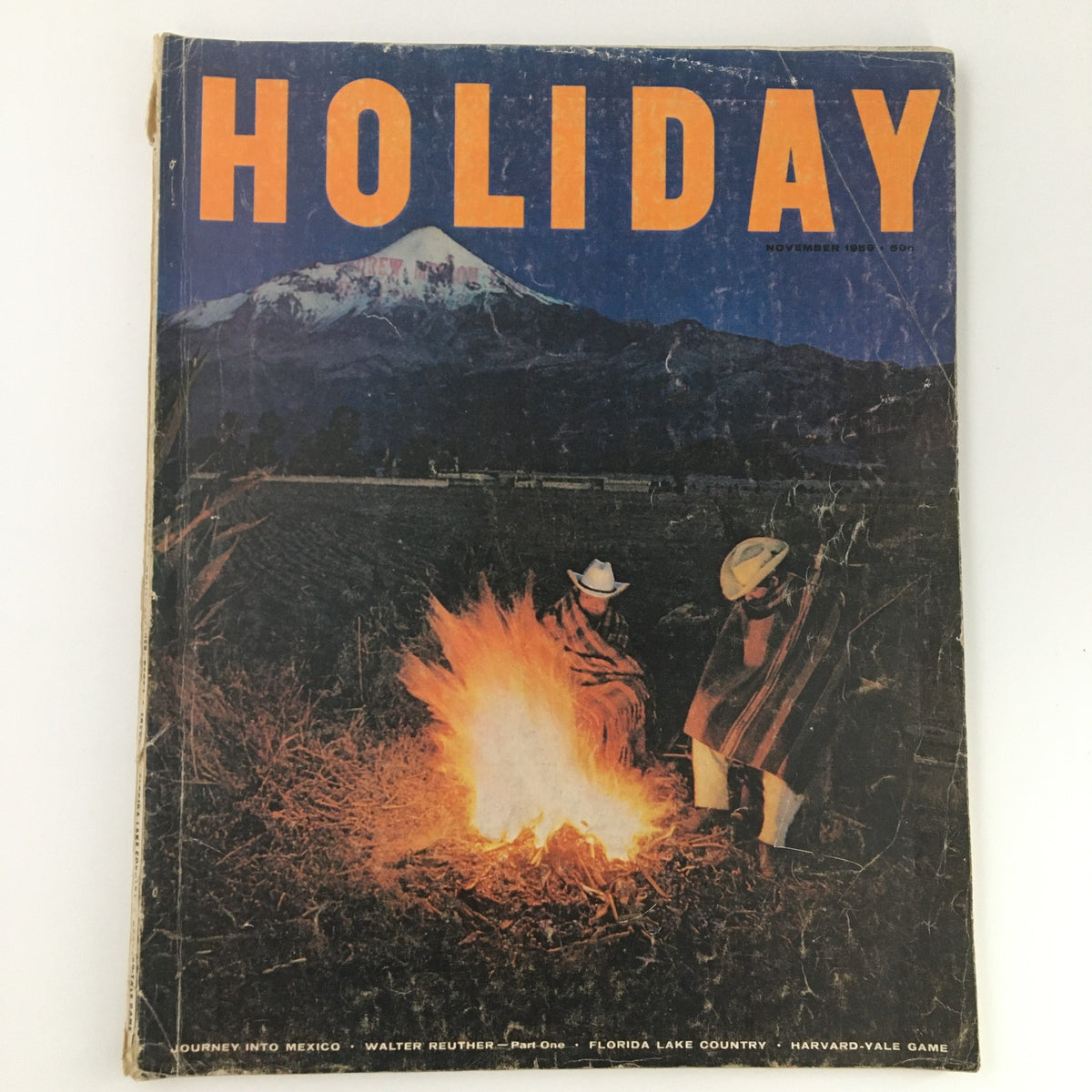
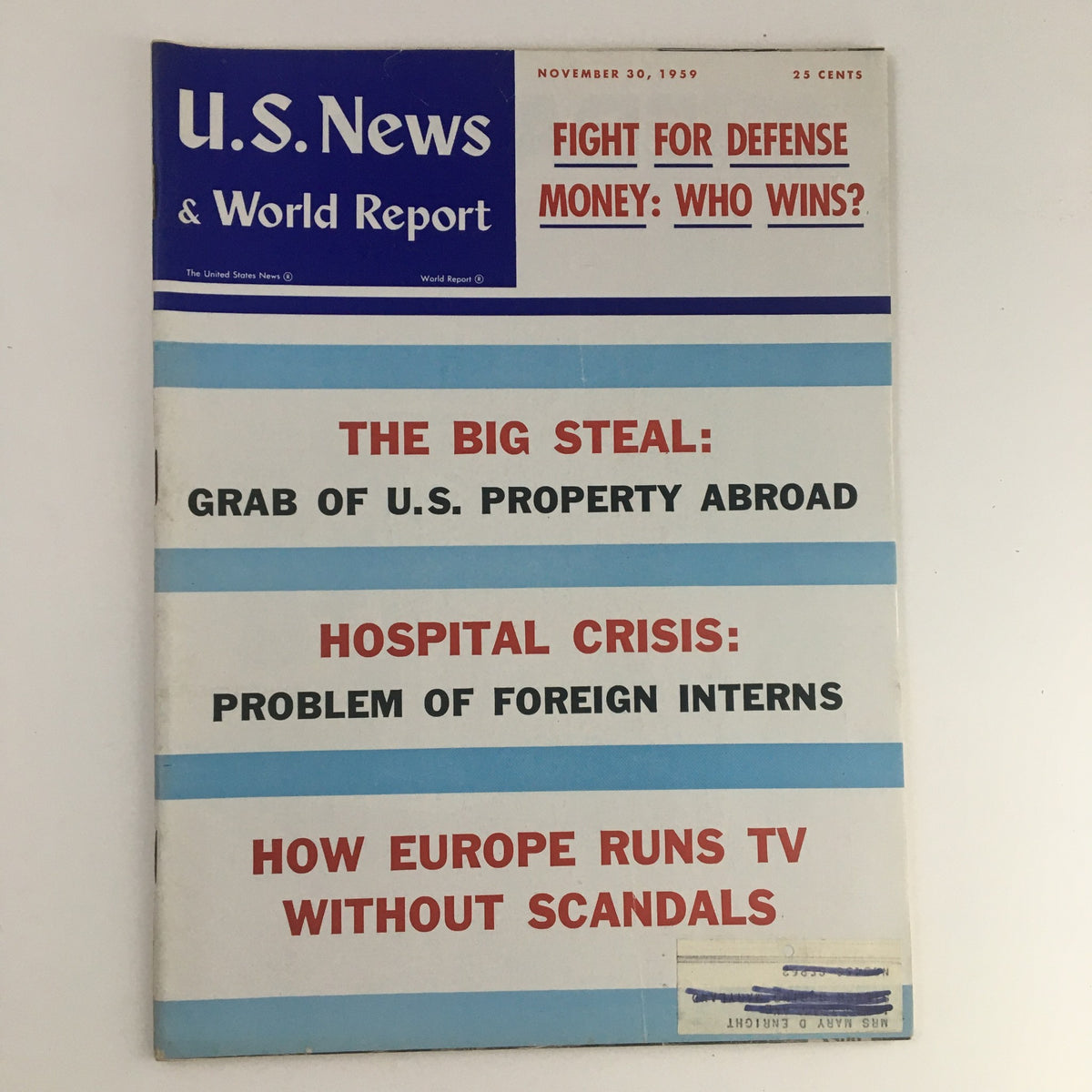
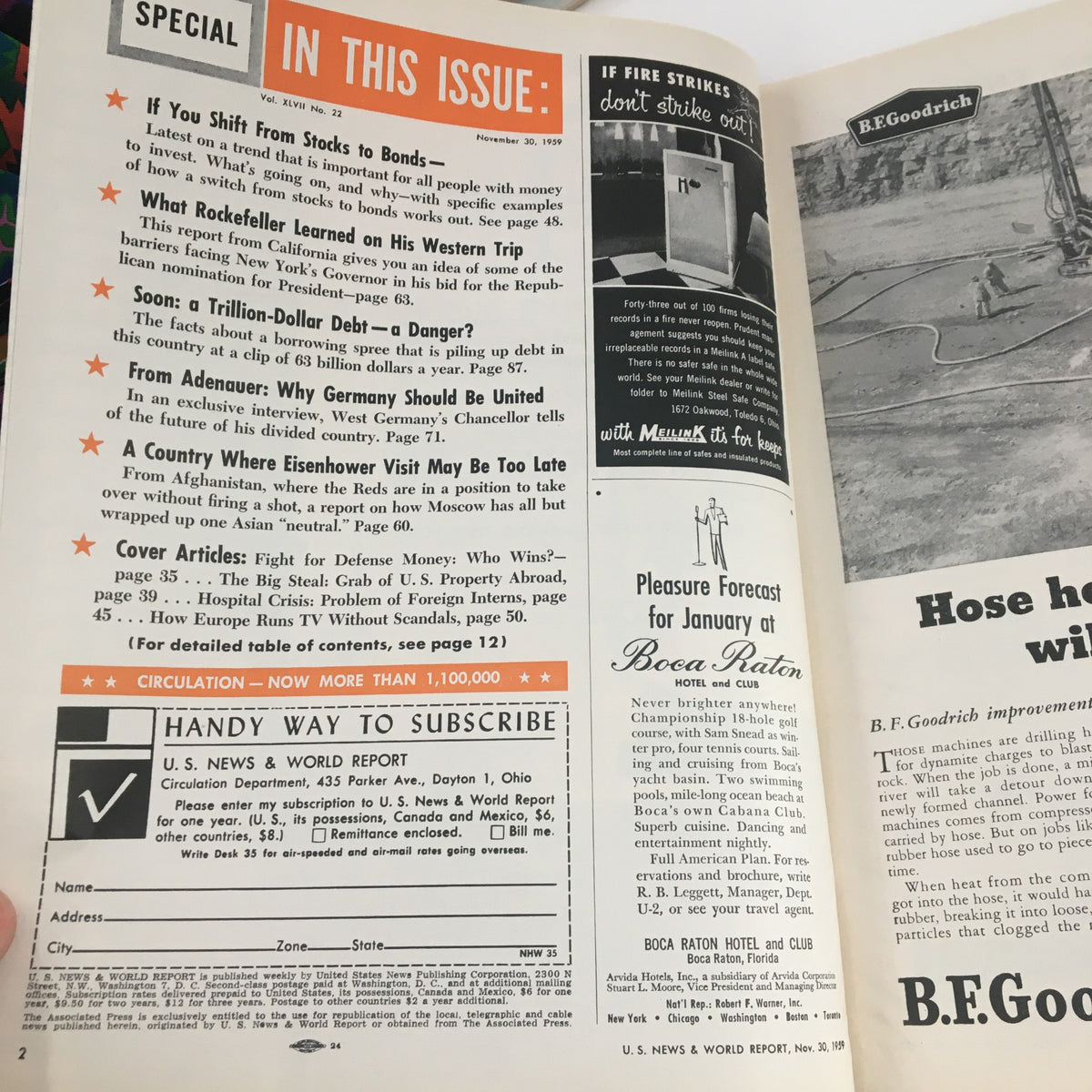
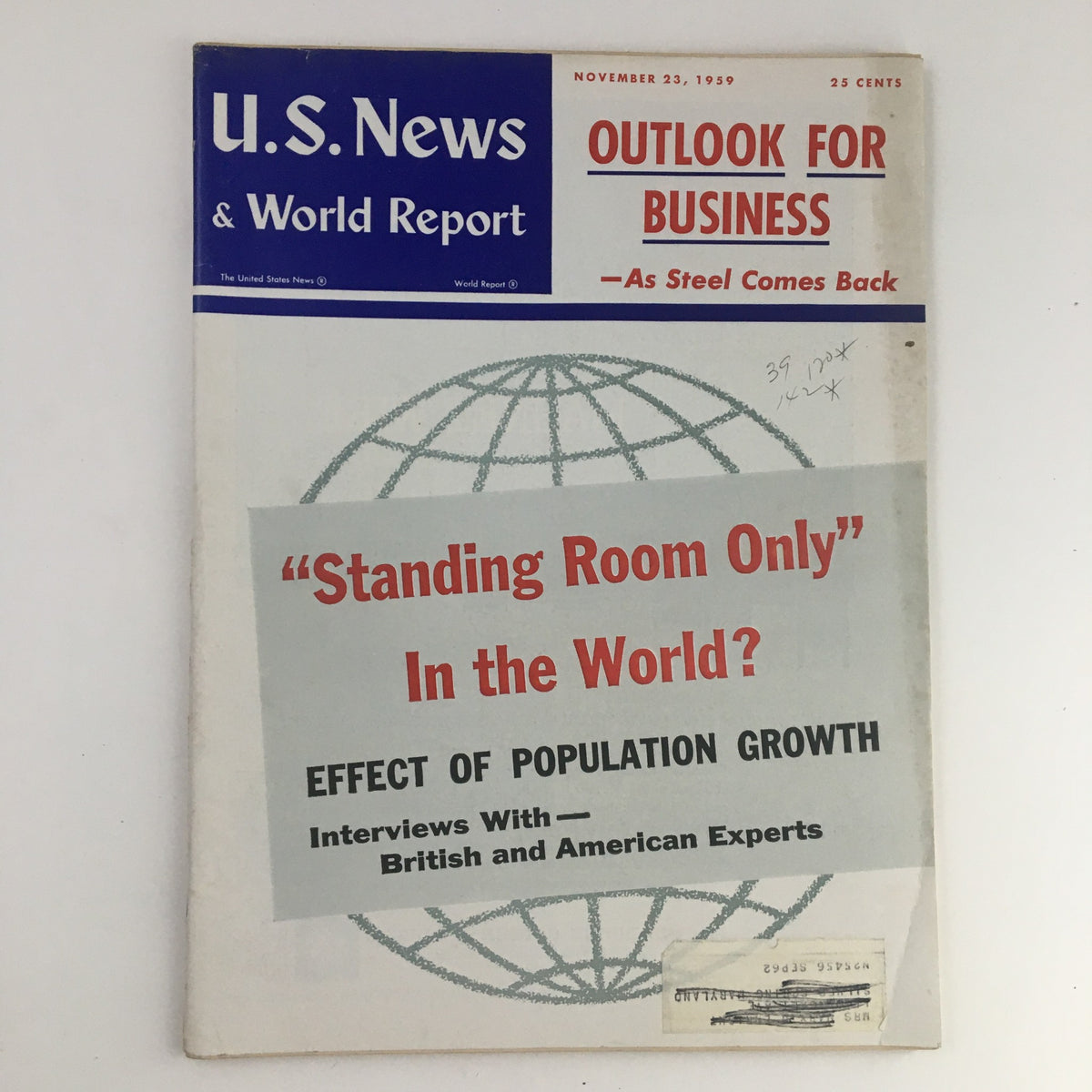
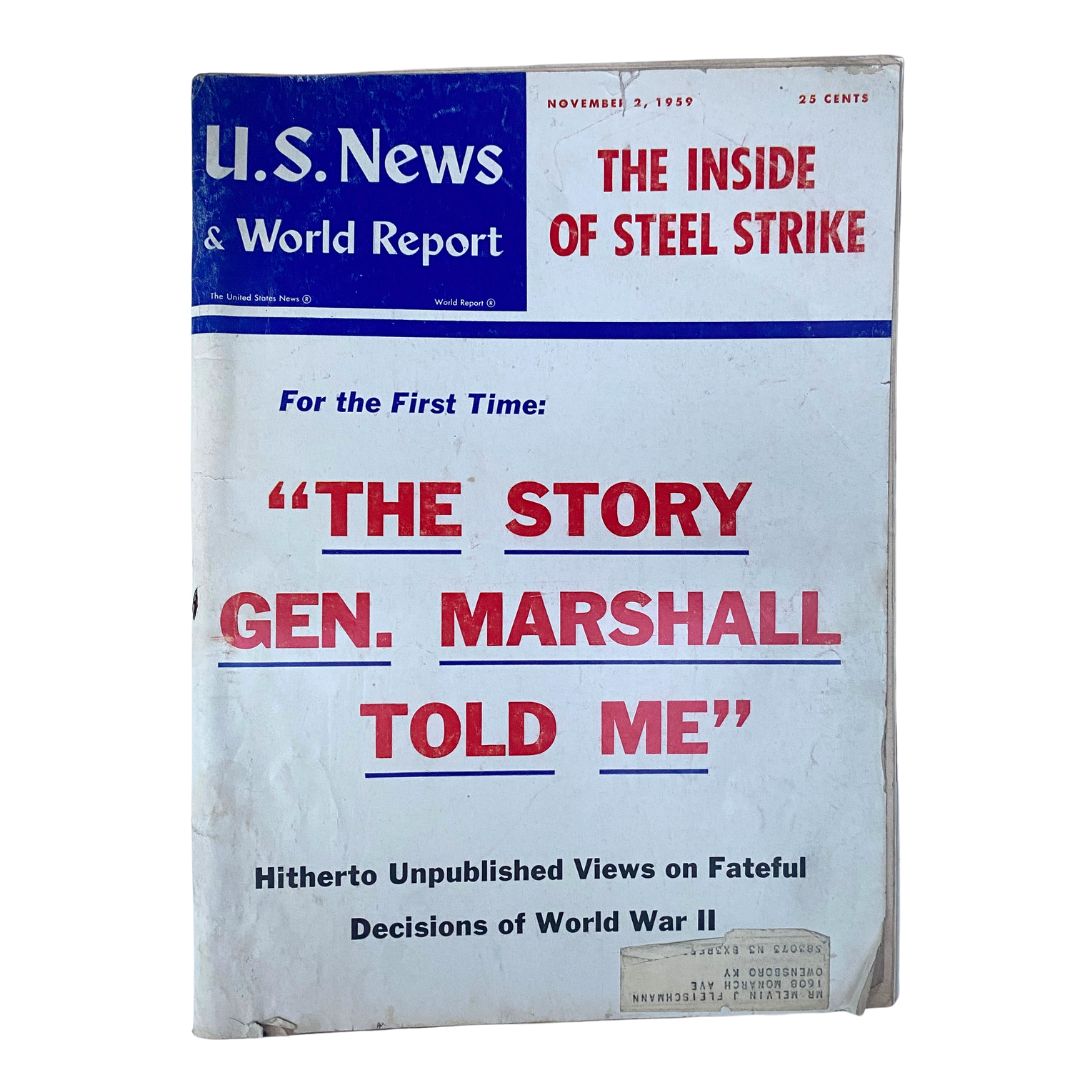
Broadway blazed with creativity as November brought theatrical landmarks that would define American entertainment for generations. "The Sound of Music" opened at the Lunt-Fontanne Theatre on November 16th, Rodgers and Hammerstein's final collaboration destined for 1,443 performances, while "Fiorello!" premiered on November 23rd, eventually claiming three Tony Awards. Movie palaces prepared for "Ben-Hur," which premiered in New York on November 18th and would sweep the 1960 Academy Awards. Sports fans witnessed Jim Brown's five-touchdown explosion for Cleveland, Jacques Plante revolutionizing hockey by becoming the first NHL goalie to wear a protective face mask, and the American Football League conducting its inaugural draft. The 2nd Grammy Awards crowned Bobby Darin's "Mack The Knife" as Record of the Year while Frank Sinatra's "Come Dance with Me!" took Album honors. Fashion magazines captured mod sensibilities emerging alongside traditional elegance, all preserved in original magazines from November 1959 where advertisements showcase tail-finned automobiles (before Ford cancelled the ill-fated Edsel on November 19th) and the atomic-age optimism that defined the era's aesthetic.
What to Look for in Vintage Magazines from November 1959
-
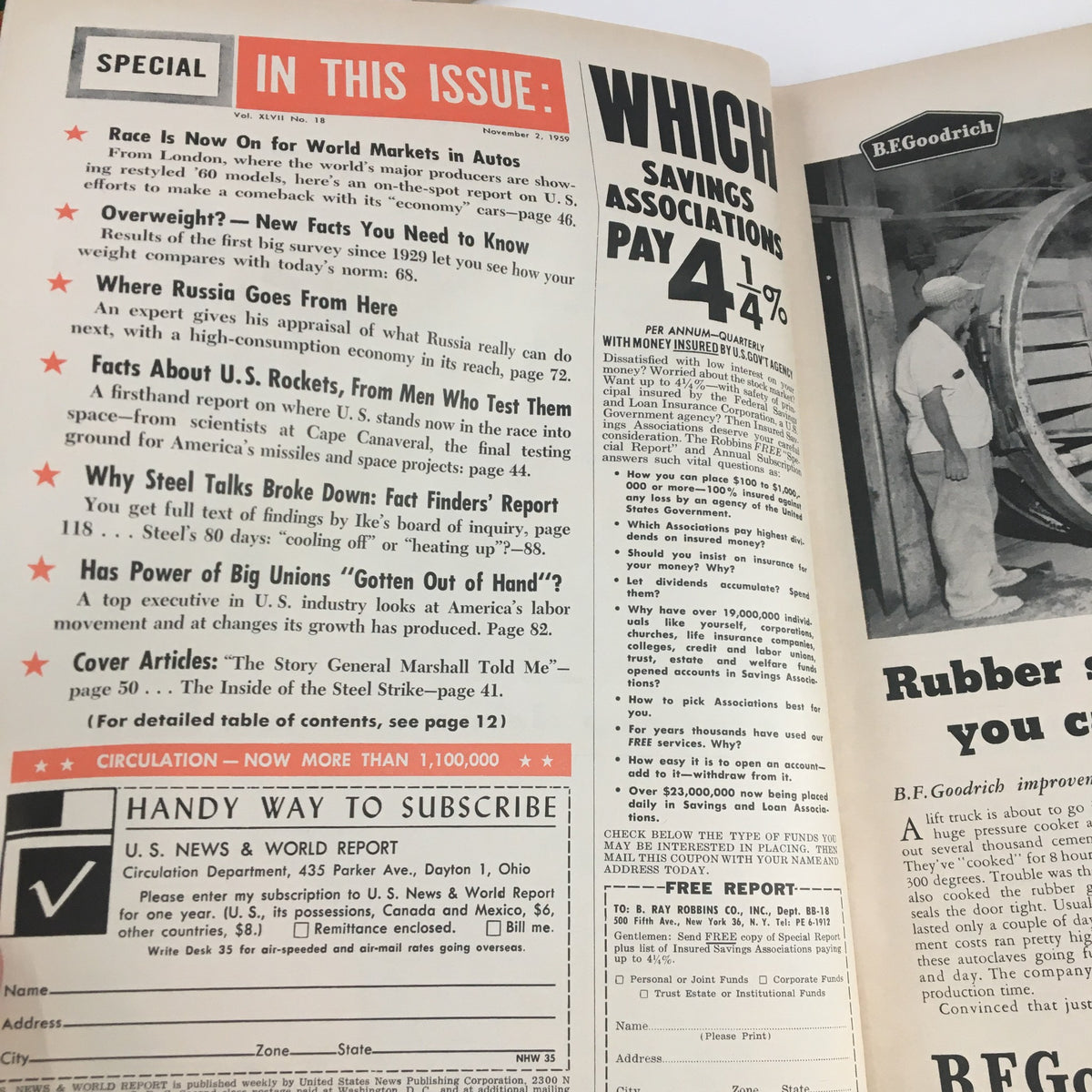
The Quiz Show Scandal: News weeklies like Time and Life featuring Van Doren's congressional testimony, with photos of the fallen intellectual hero and dissections of how television had betrayed public trust—dramatic black-and-white photography capturing America's disillusionment with its newest medium.
-
Ben-Hur's Spectacular Premiere: Entertainment magazines and vintage magazines showcasing the epic's New York debut, featuring Charlton Heston in costume, behind-the-scenes chariot race photography, and advertisements for the sword-and-sandal spectacle that would dominate 1960's Academy Awards.
-
Broadway's Golden Moment: Theater coverage in Variety and lifestyle publications chronicling "The Sound of Music" and "Fiorello!" openings, complete with cast photographs, set designs, and reviews of Rodgers and Hammerstein's final masterwork alongside the political musical that would win Best Musical.
-
The Birth of the AFL: Sports Illustrated and rare magazines dedicated to football featuring the new American Football League's formation, draft coverage from Minneapolis, franchise announcements including Billy Sullivan's Boston Patriots, and analysis of how this upstart league would challenge the NFL's dominance.
-
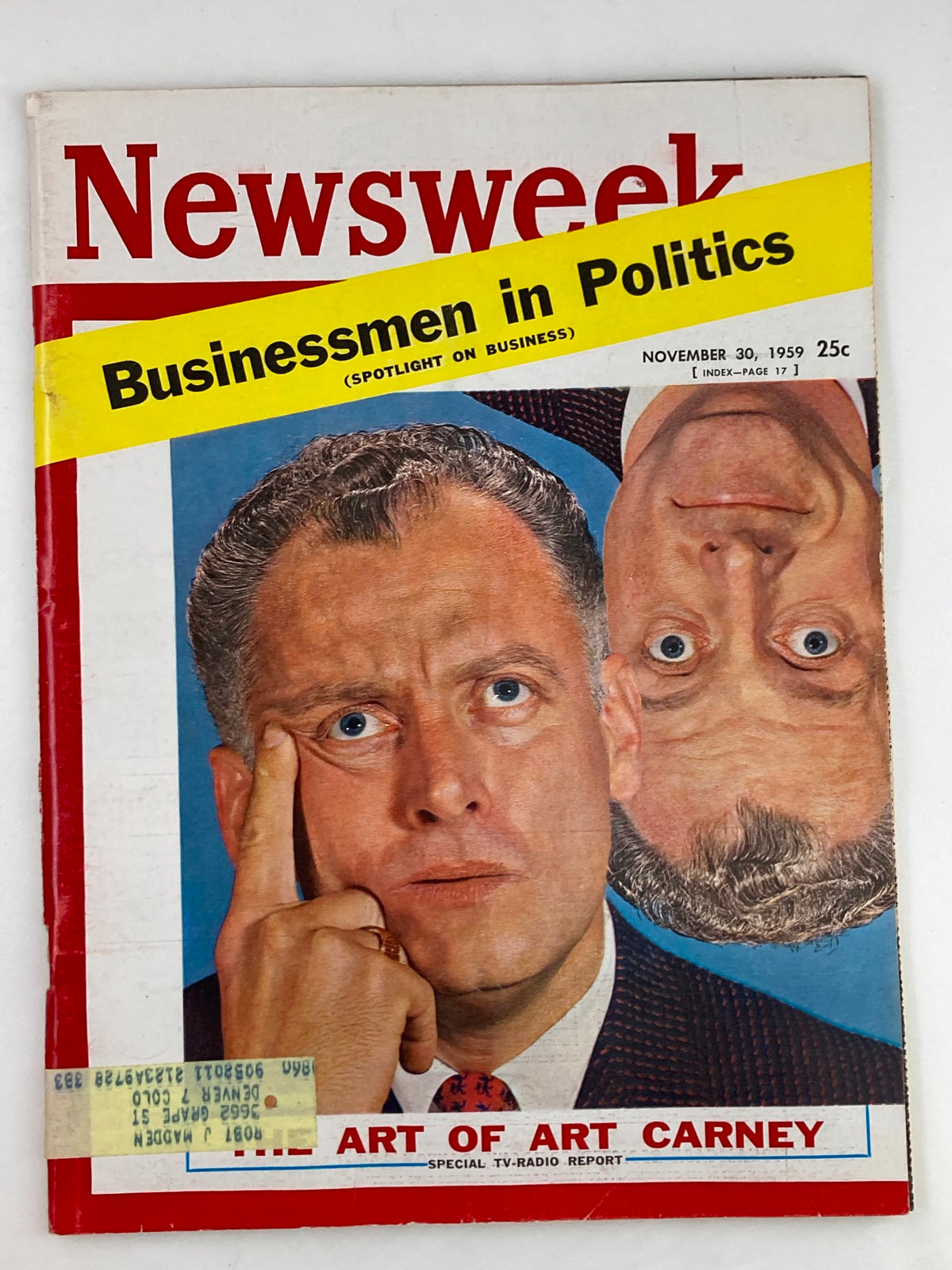
Cold War Tensions in the Congo: International news coverage in Newsweek and Look documenting Patrice Lumumba's arrest in the Belgian Congo, illustrated with authentic photography of African independence movements, anti-colonial demonstrations, and the geopolitical chess match playing out across the developing world.
The Perfect Gift
For someone born in November 1959, an original magazine from this pivotal month isn't just nostalgia—it's an authenticated portal to the exact moment when American innocence collided with harsh reality, preserved in genuine advertisements, headlines, and photography that museums simply cannot replicate.