📖 About this Collection
October 1957: The Month That Launched the Space Age
The Historical Context
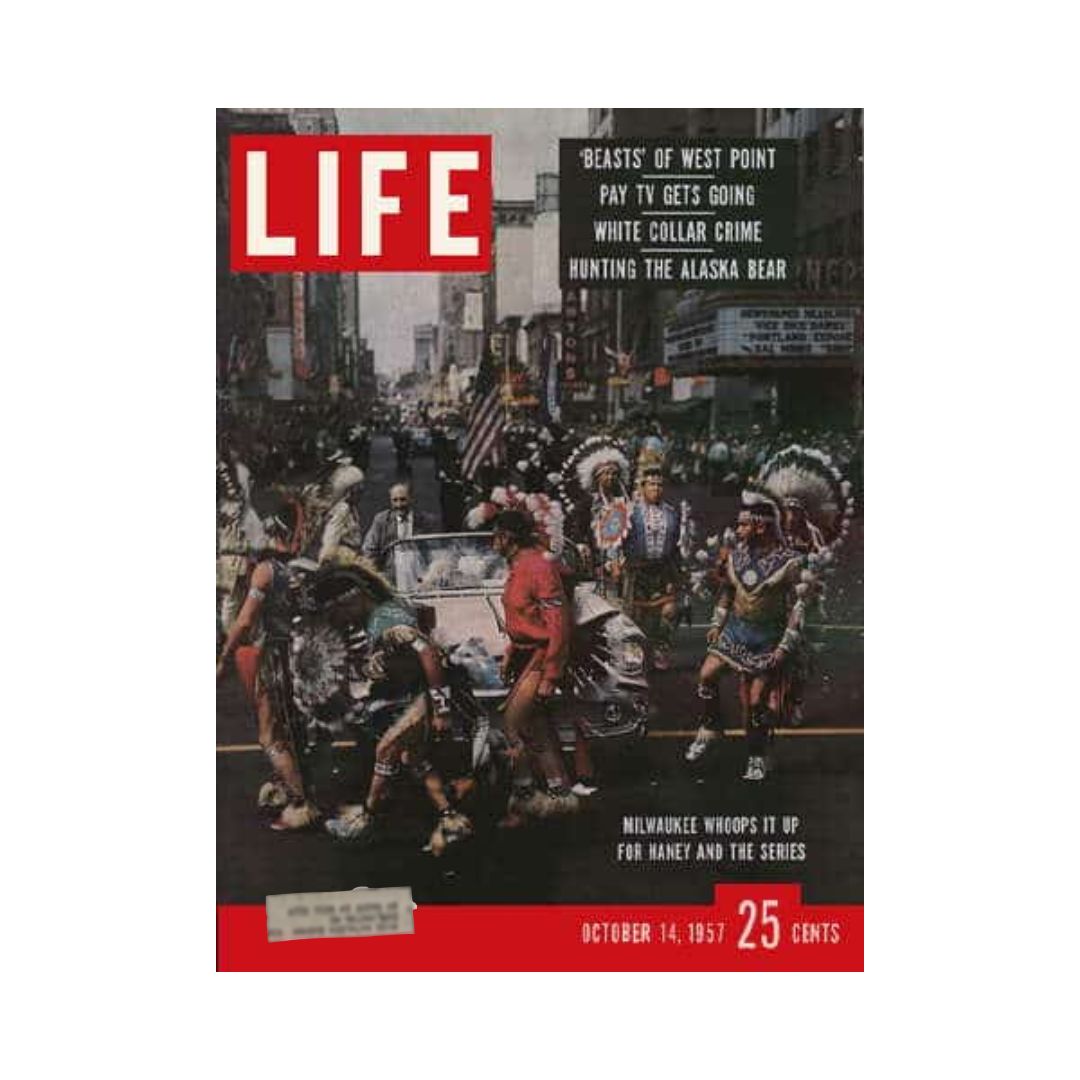
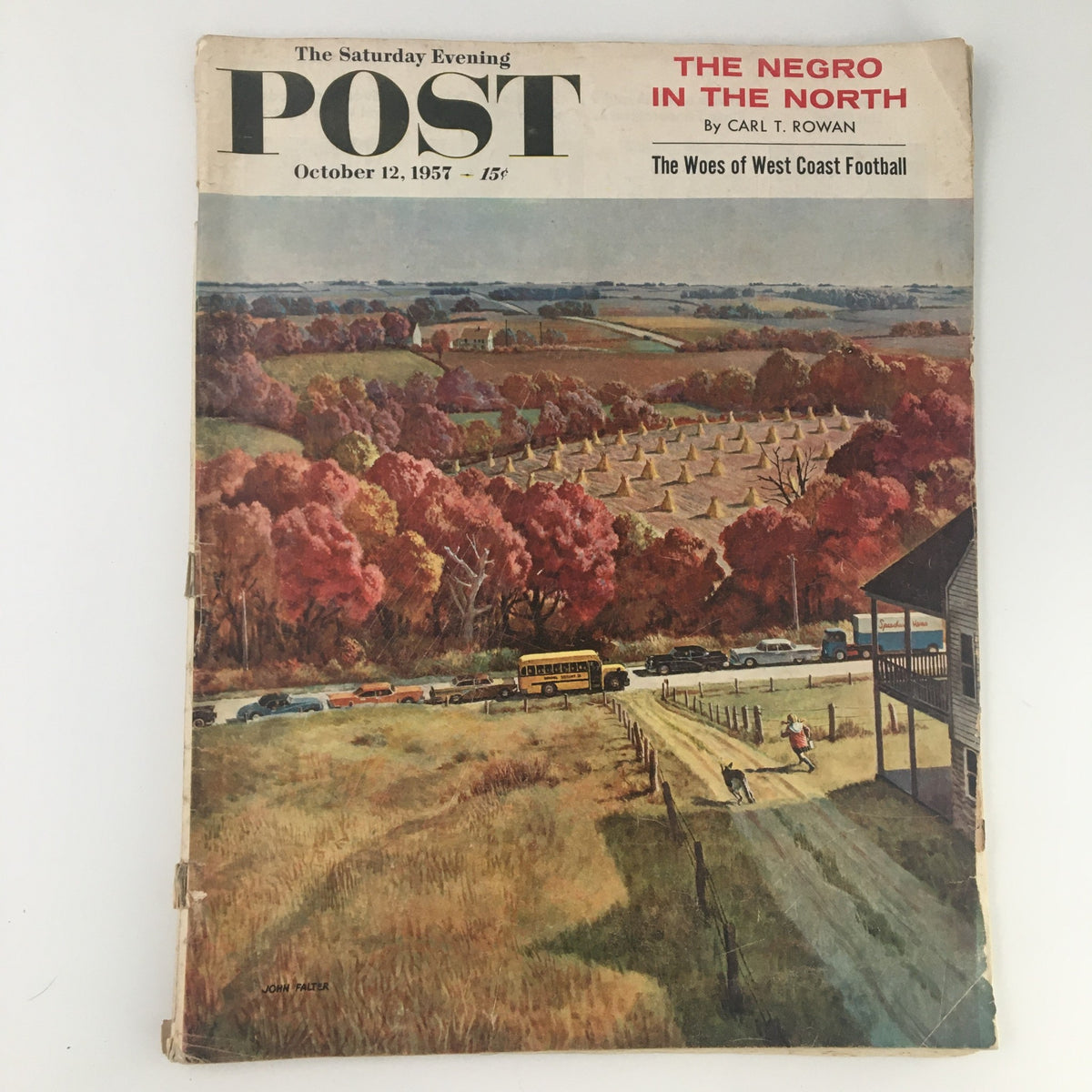
The world crackled with nervous energy in October 1957 as Cold War tensions reached new heights—not on battlefields, but in the heavens above. On October 4th, the Soviet Union stunned the West by launching Sputnik I, the first artificial satellite to orbit Earth, marking humanity's dramatic leap into the Space Age. The small beeping sphere, no larger than a beach ball, triggered an existential crisis across America as citizens gazed upward and contemplated Soviet technology circling overhead every 96 minutes. Meanwhile, the Milwaukee Braves captured their first World Series championship in franchise history, defeating the Yankees in seven games behind the pitching mastery of Lew Burdette. Britain faced its first major nuclear accident when fire erupted at the Windscale plant, and organized crime made headlines when mob boss Albert Anastasia was assassinated in a Manhattan barbershop. This was the world your loved one entered—a moment when humanity's gaze shifted skyward while earthly dramas unfolded with equal intensity.
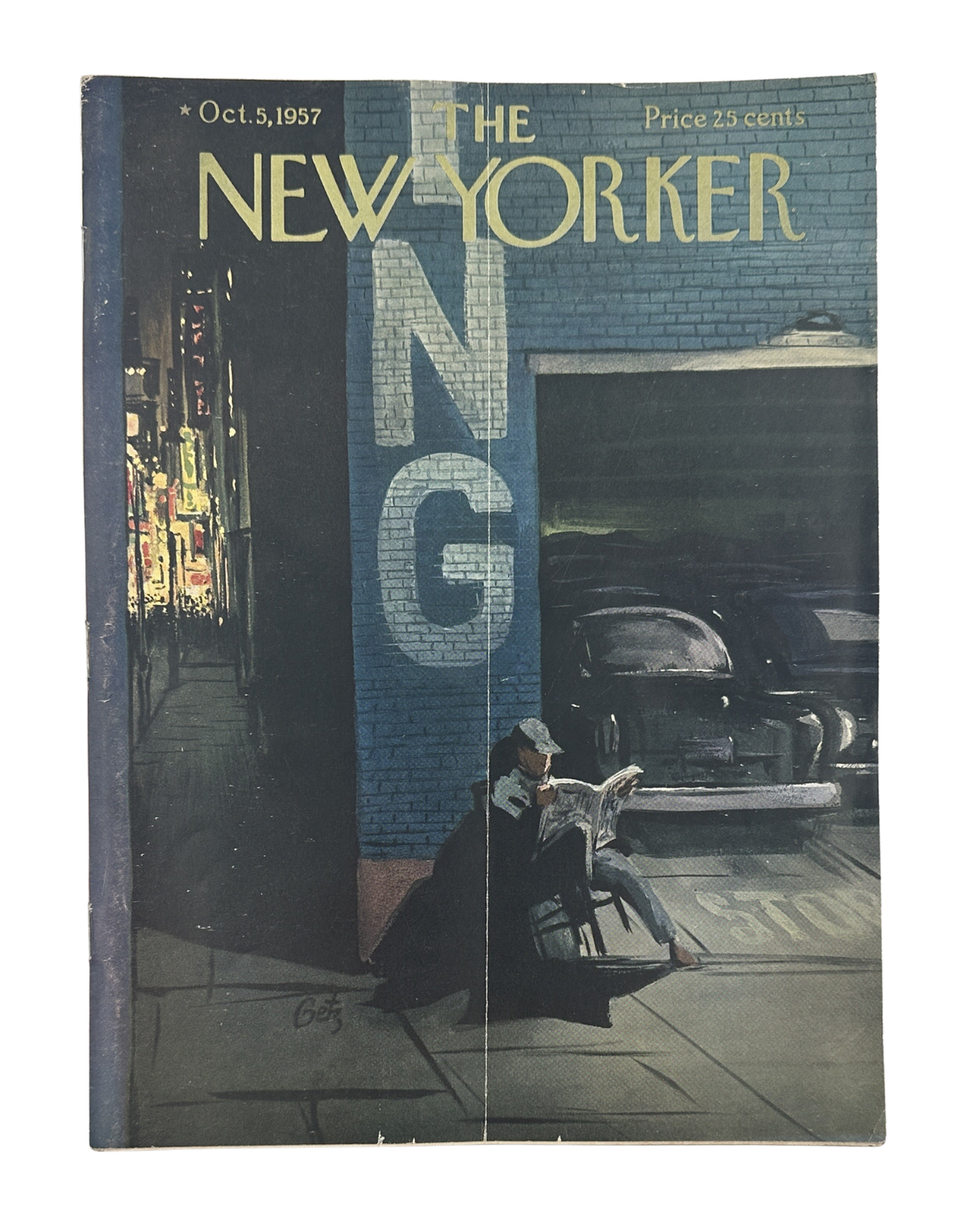
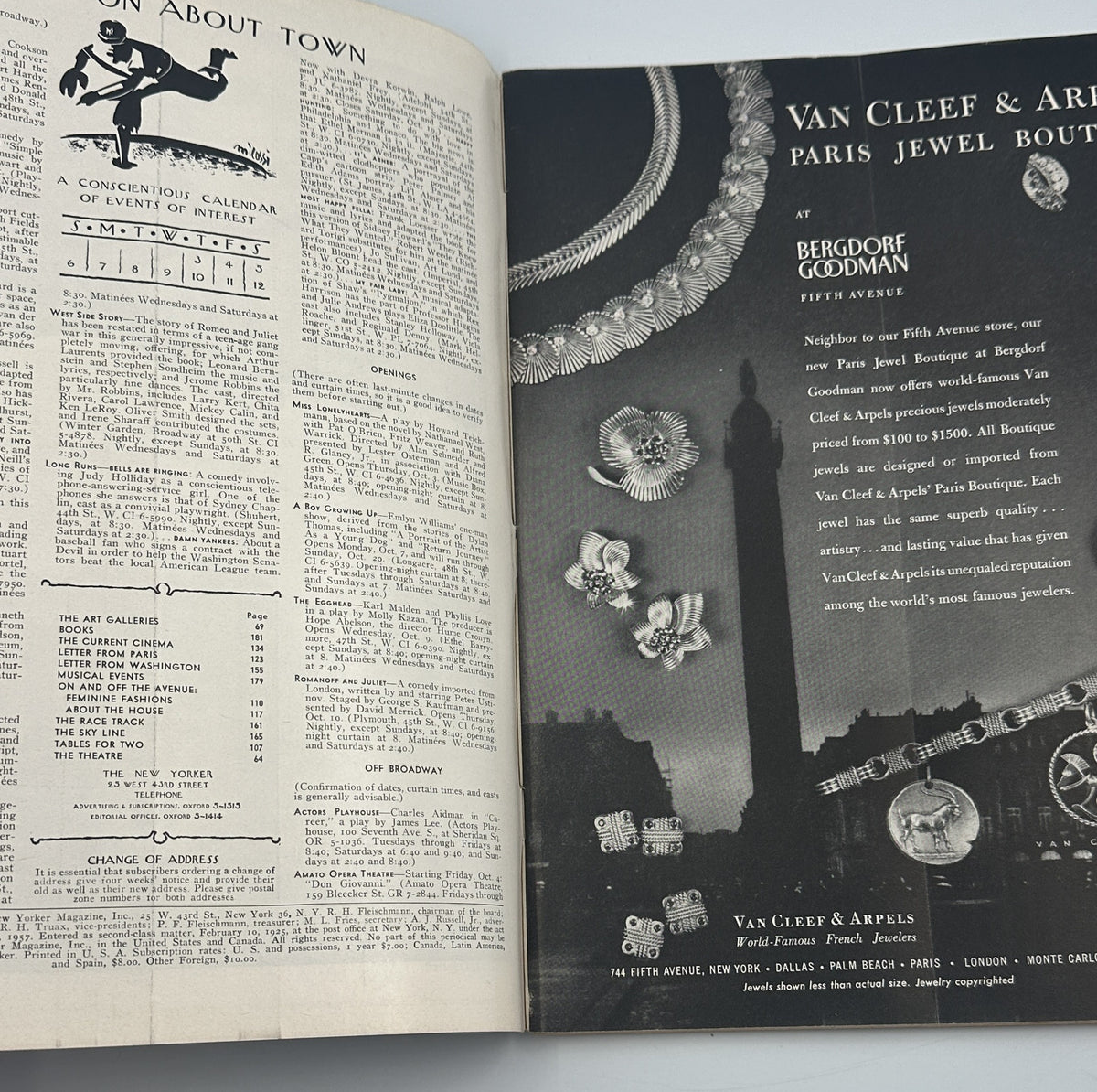
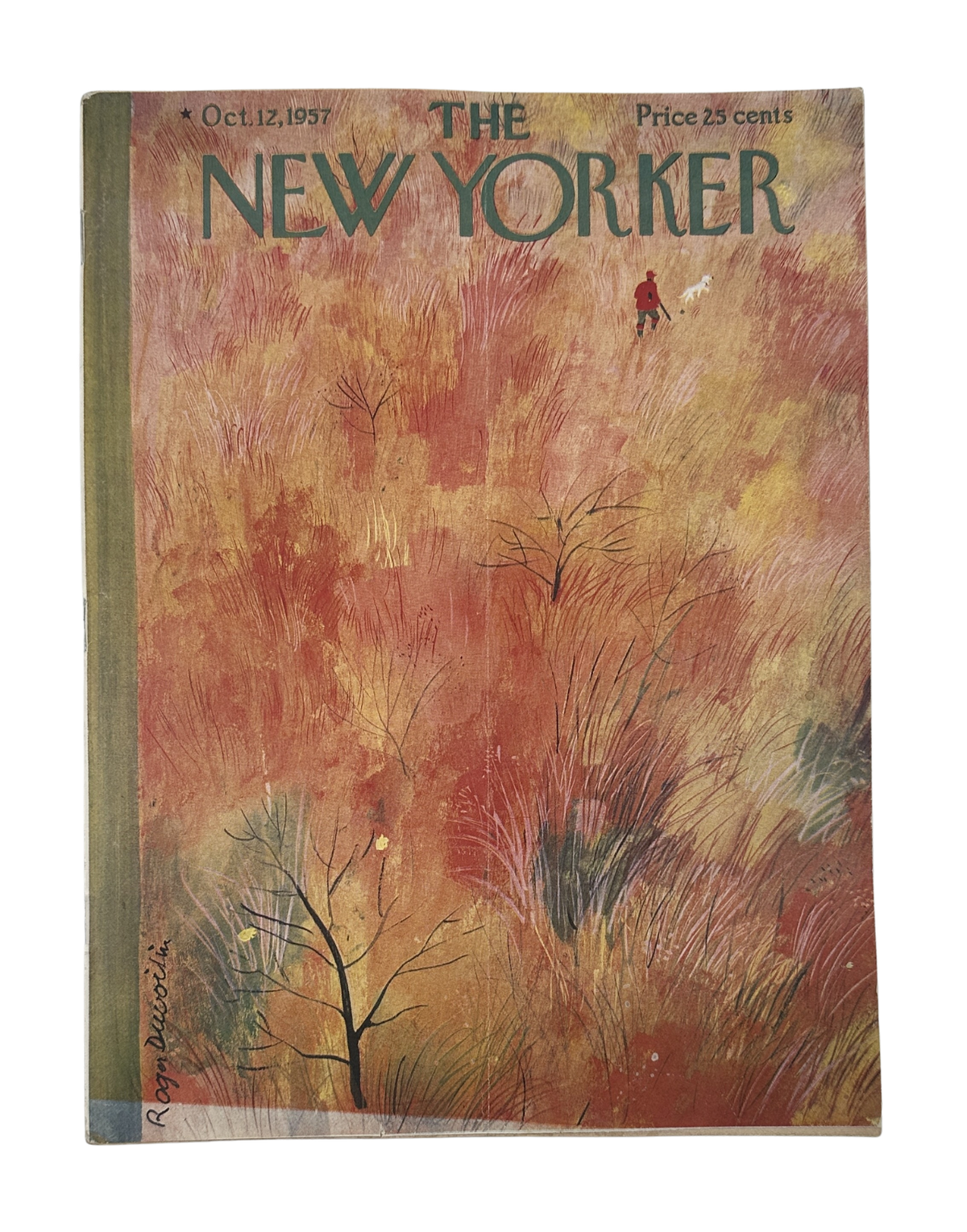
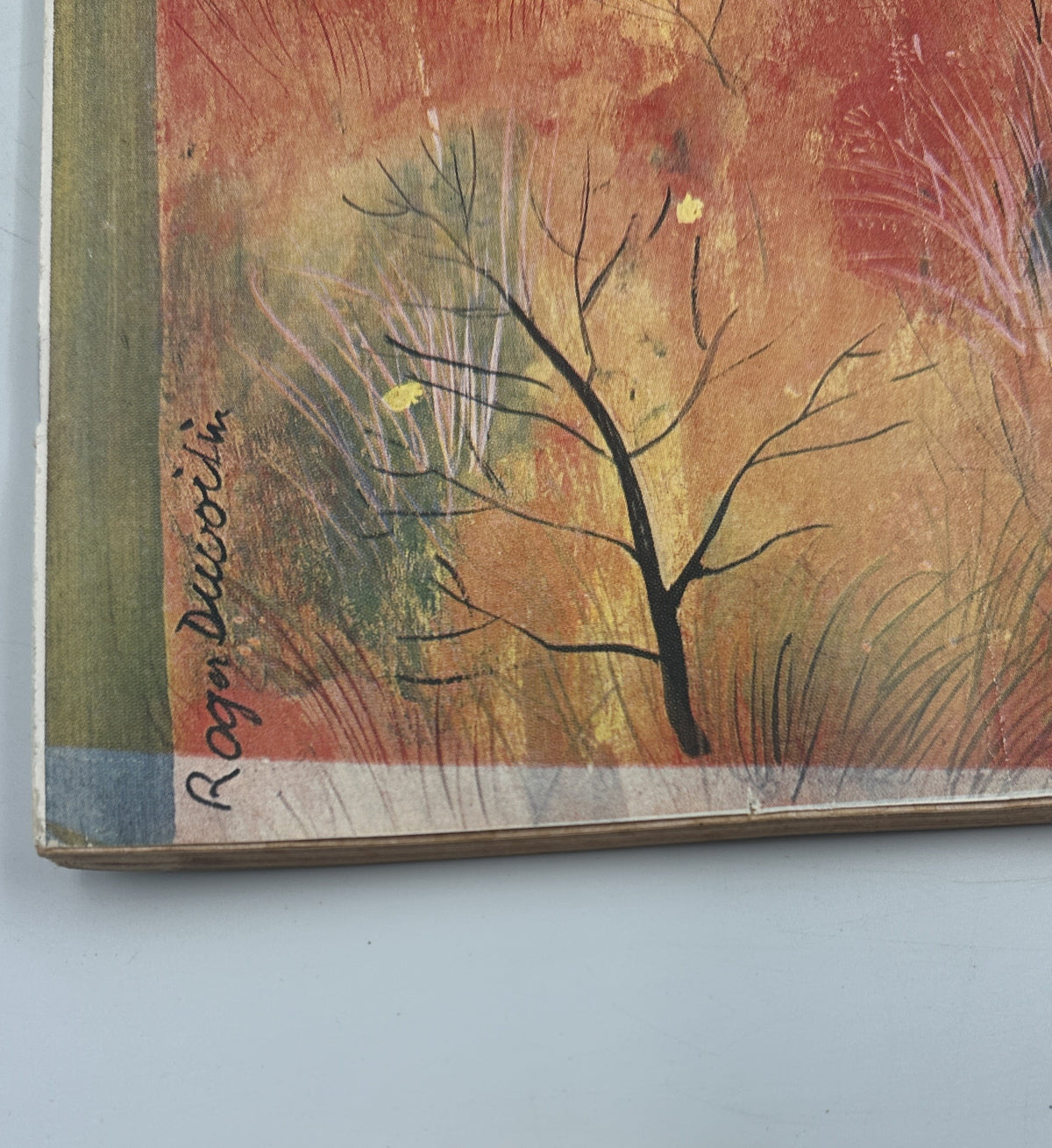
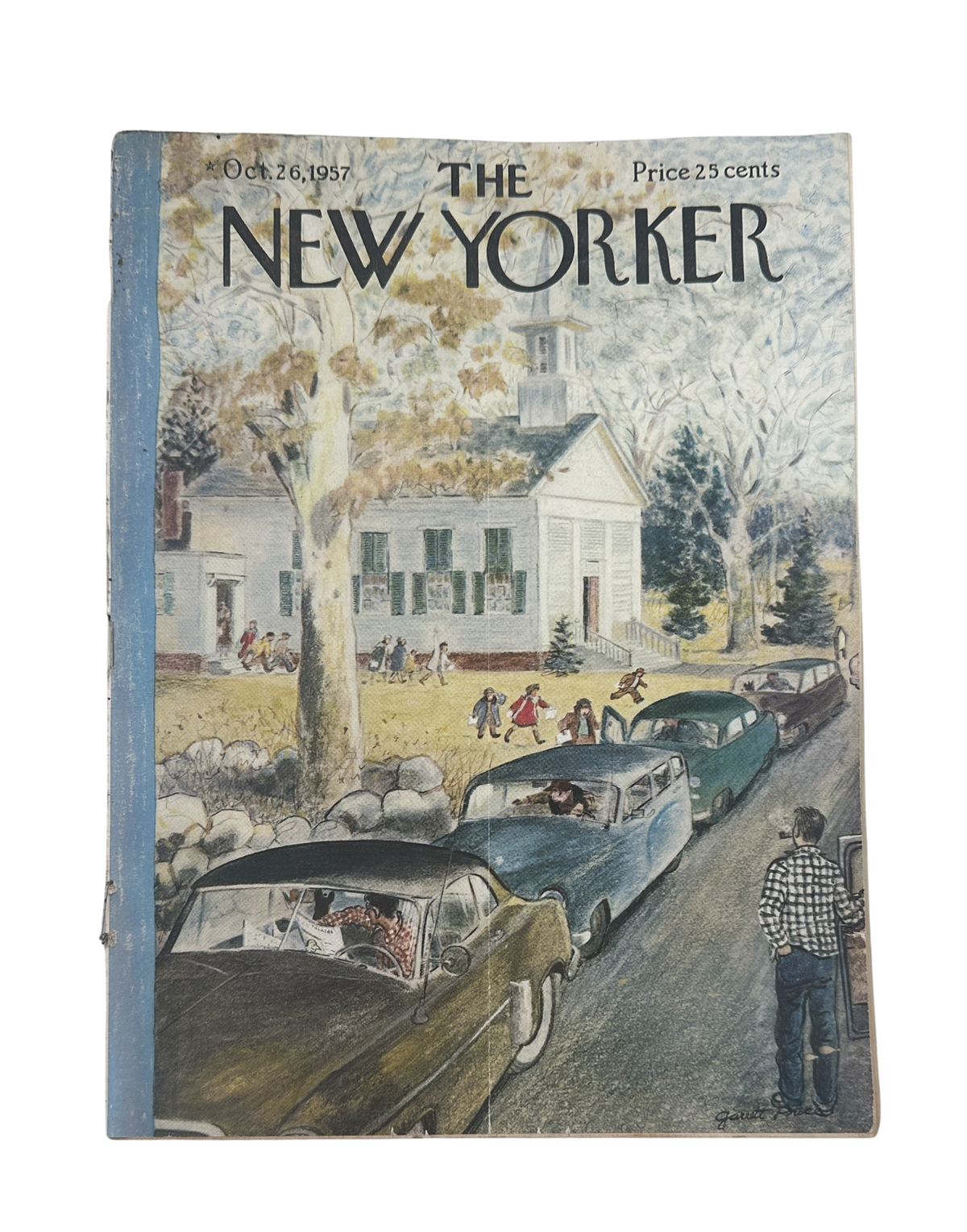
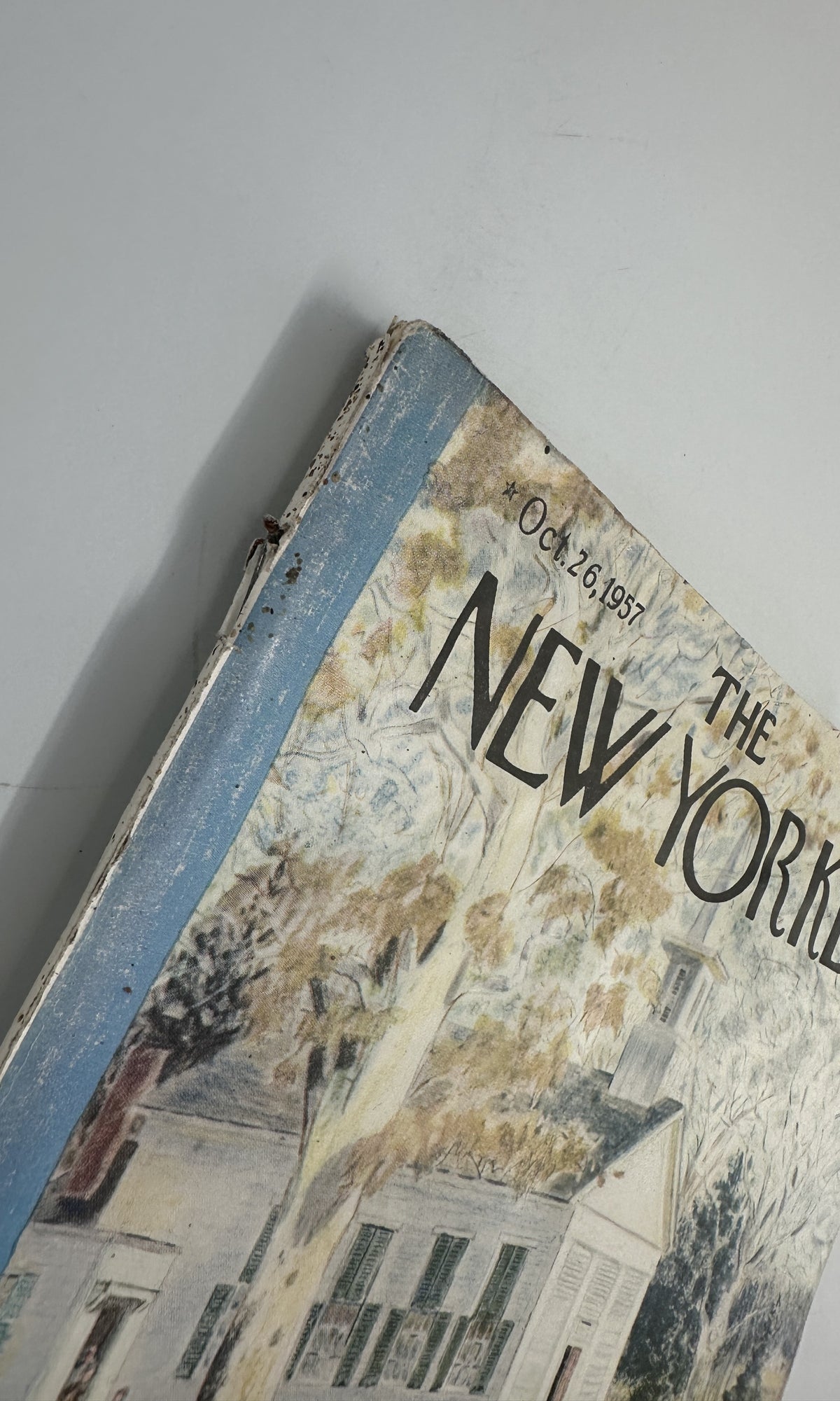
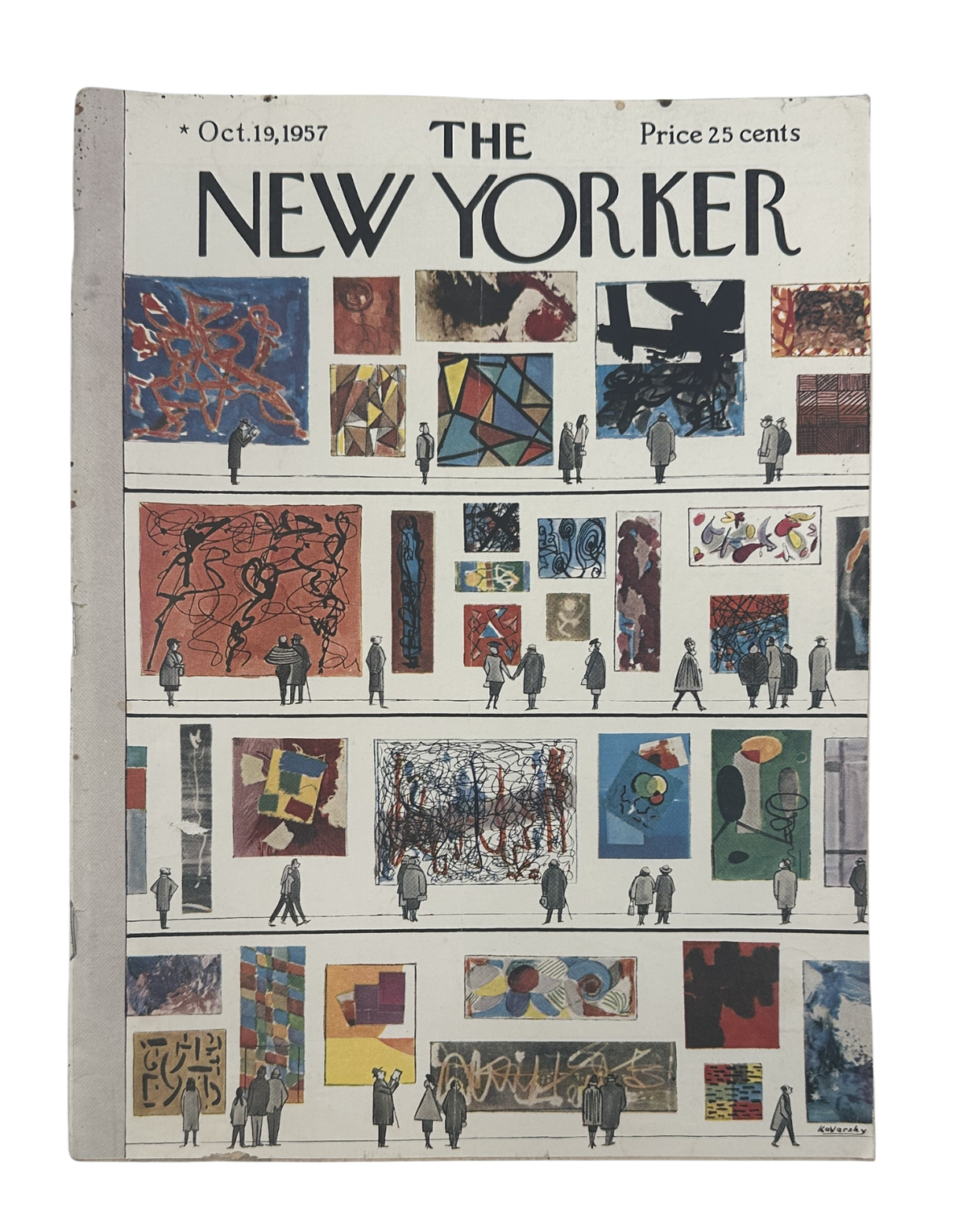
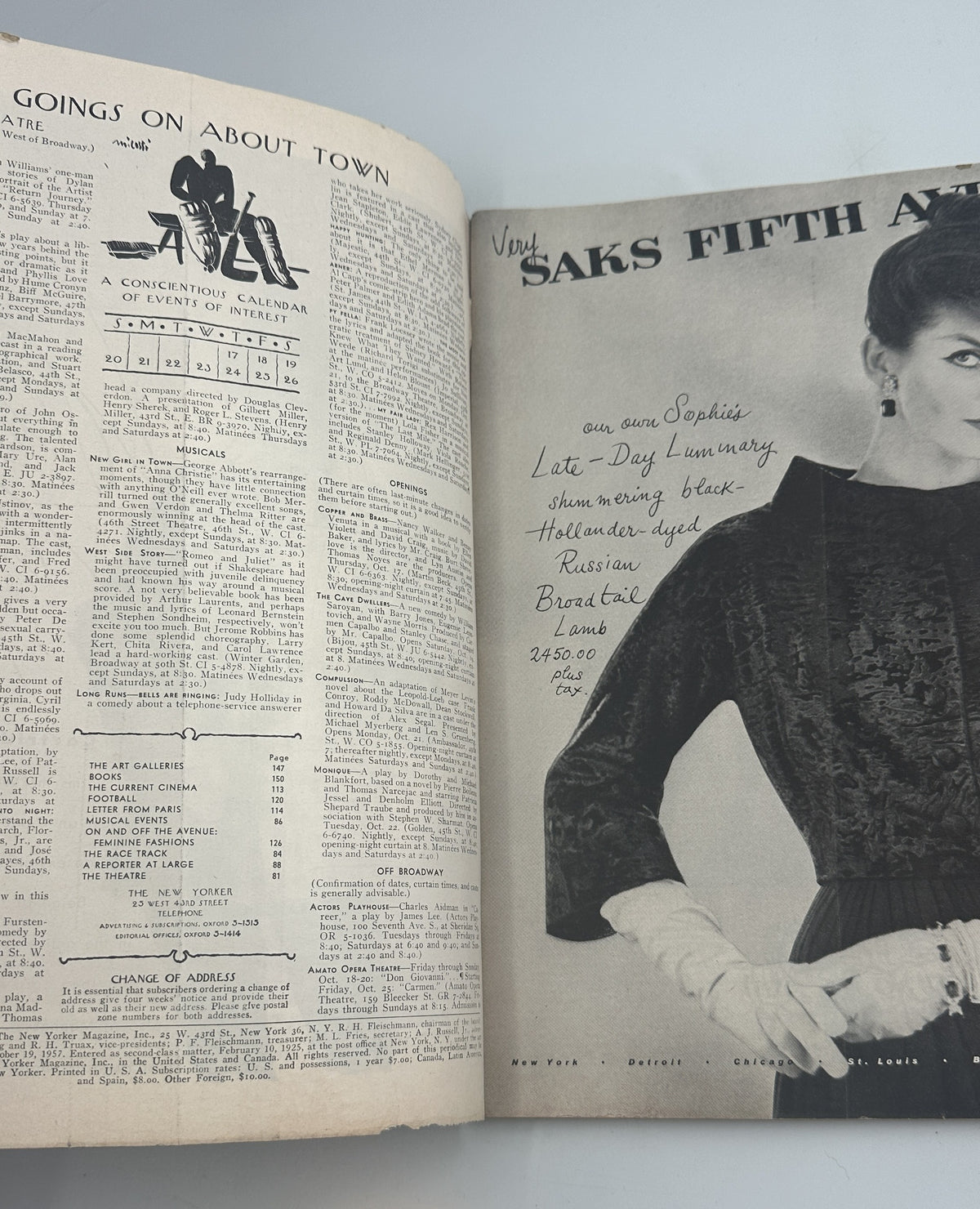
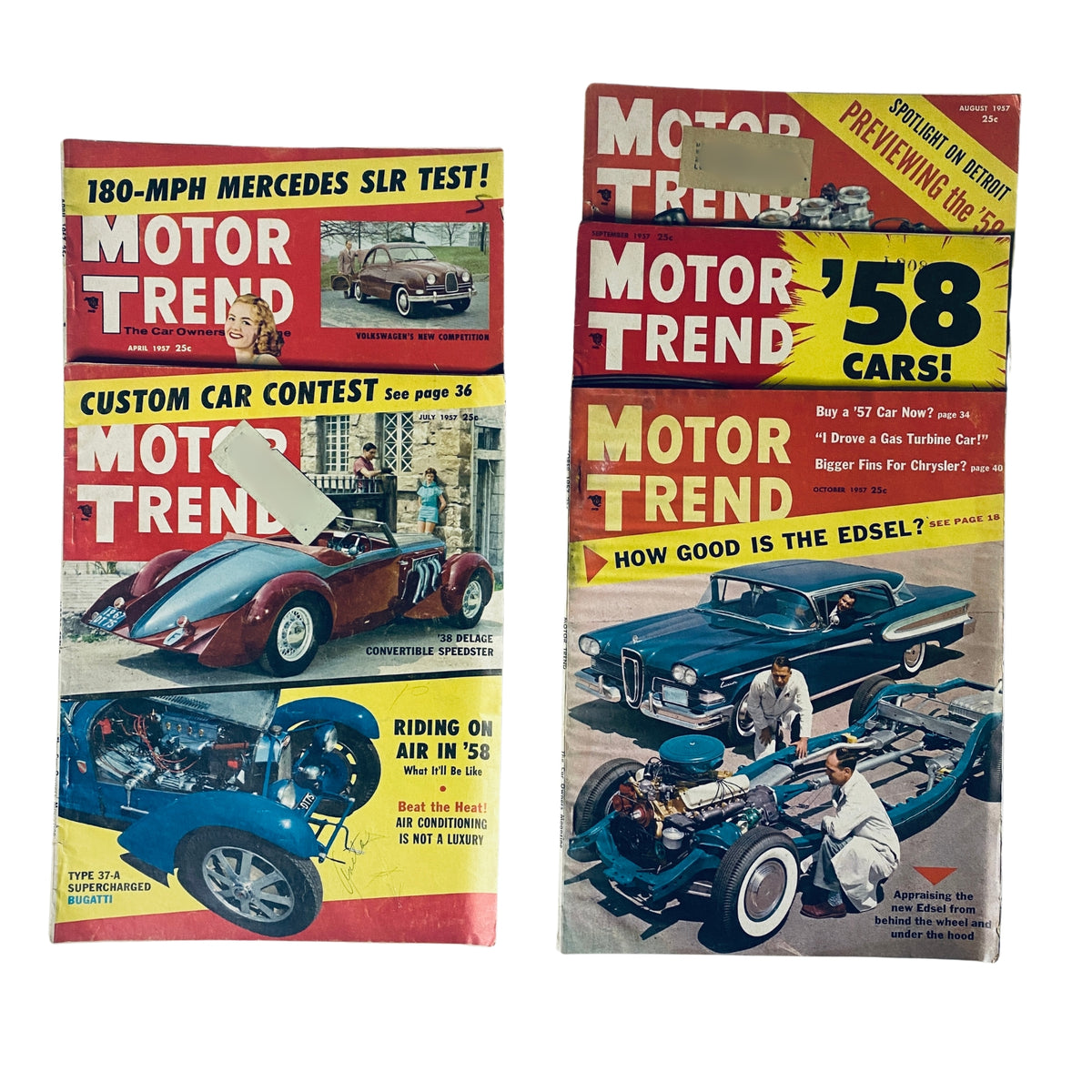
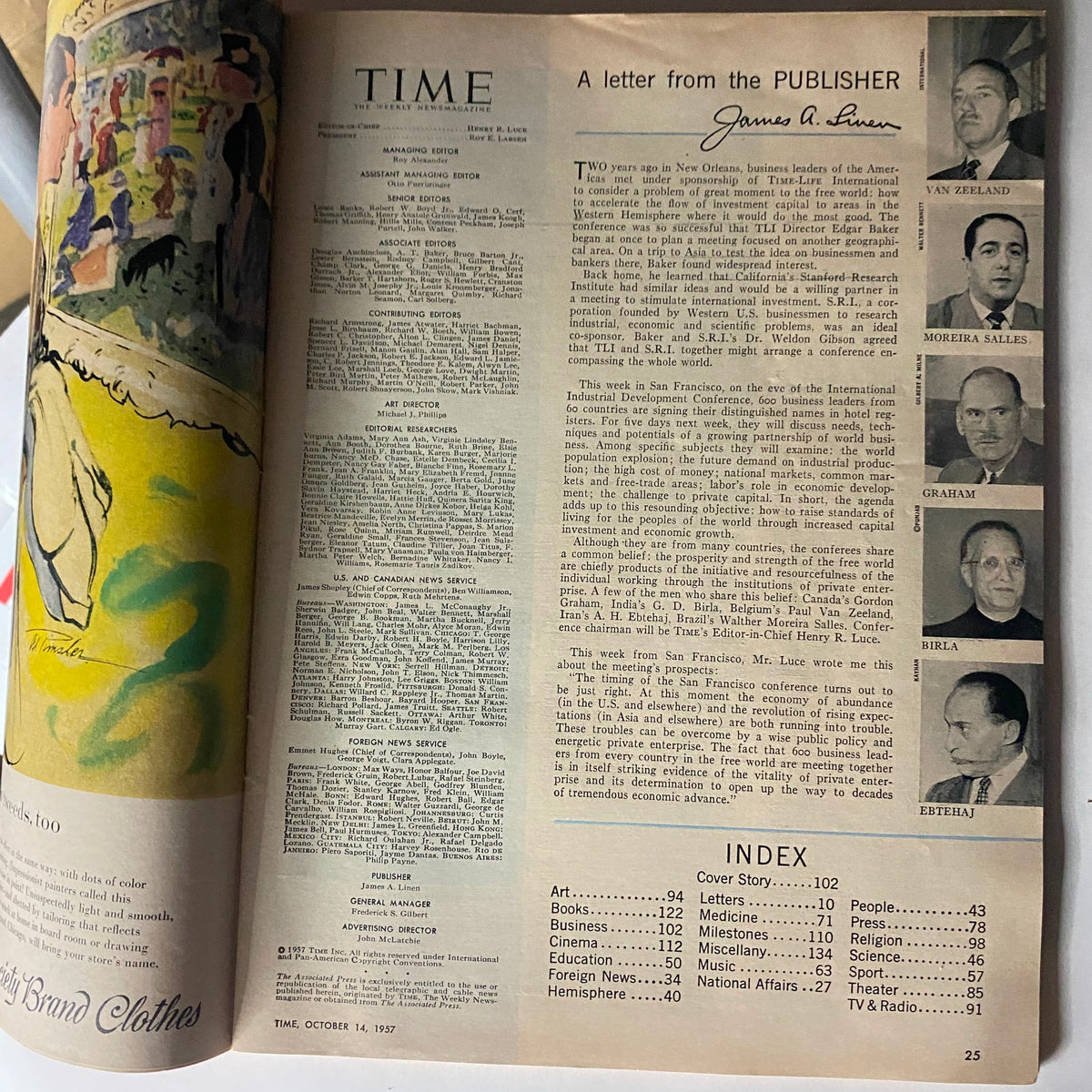
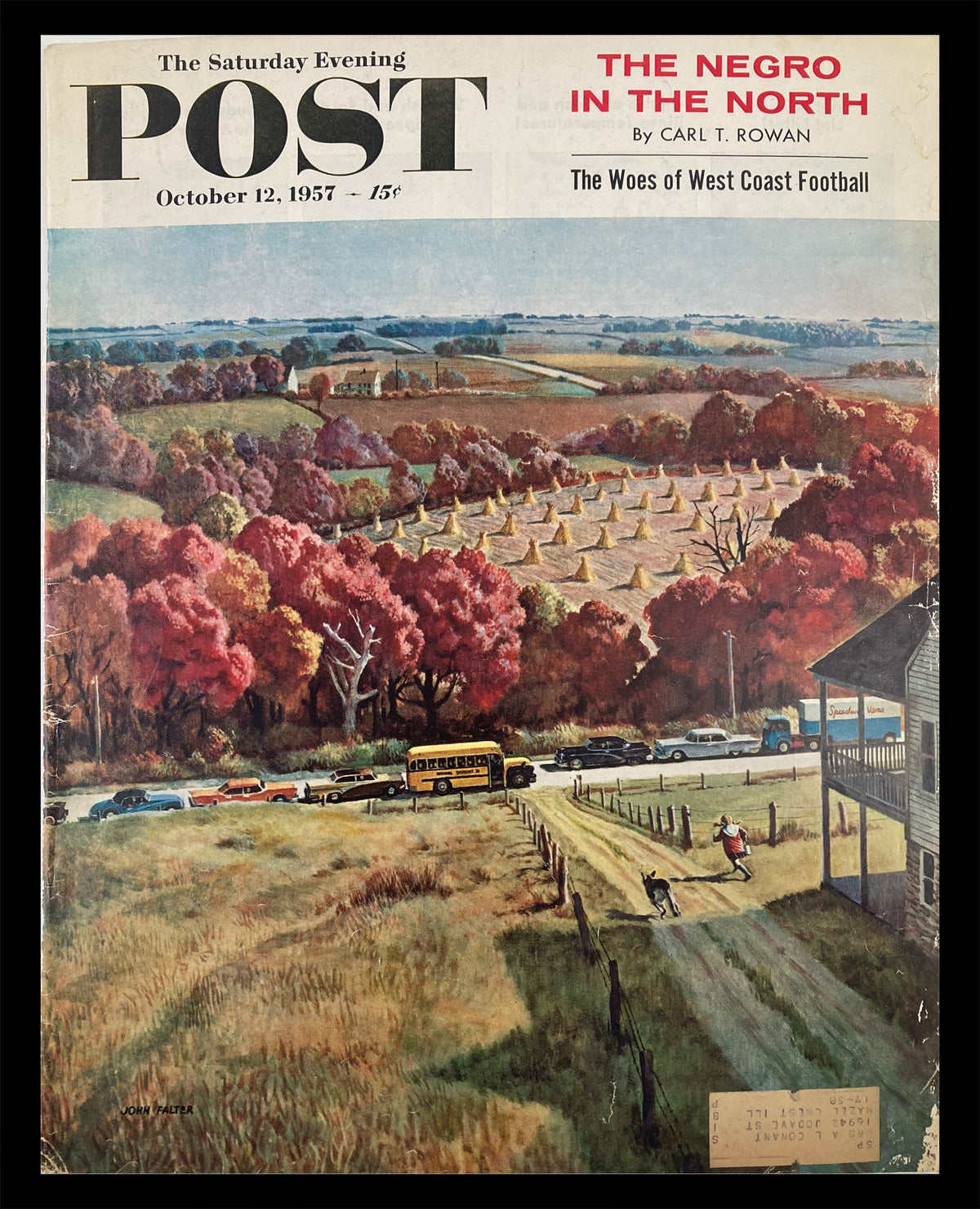
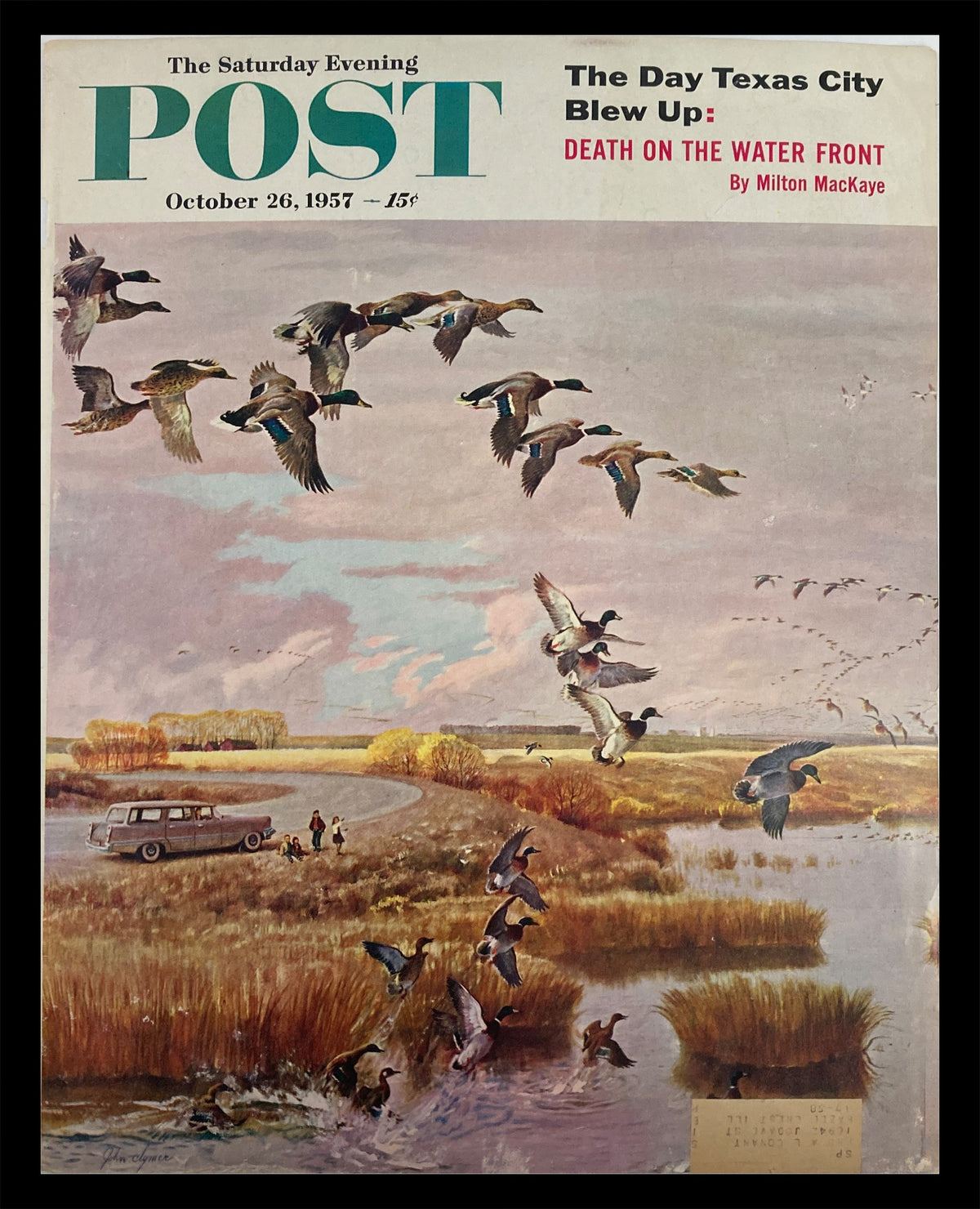
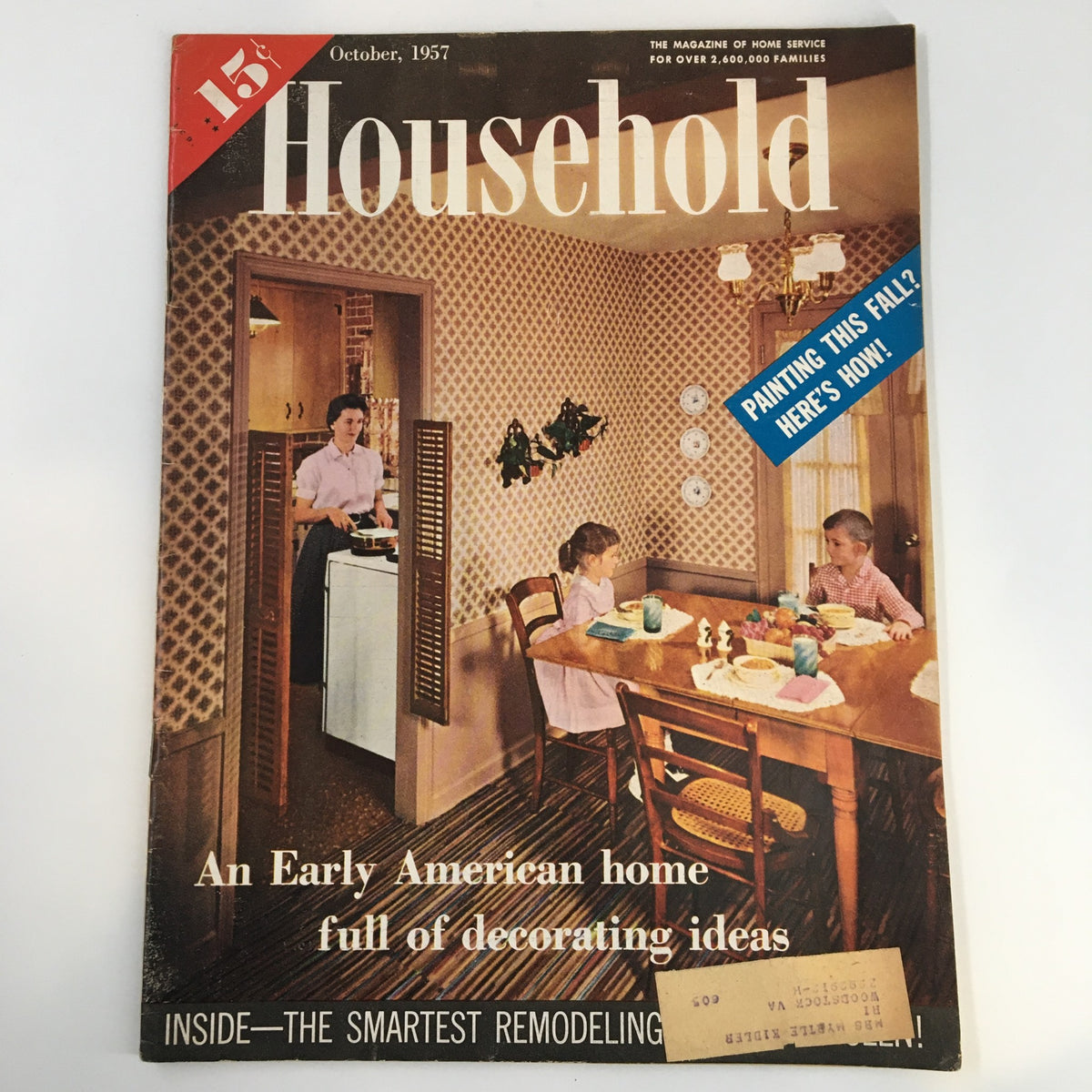
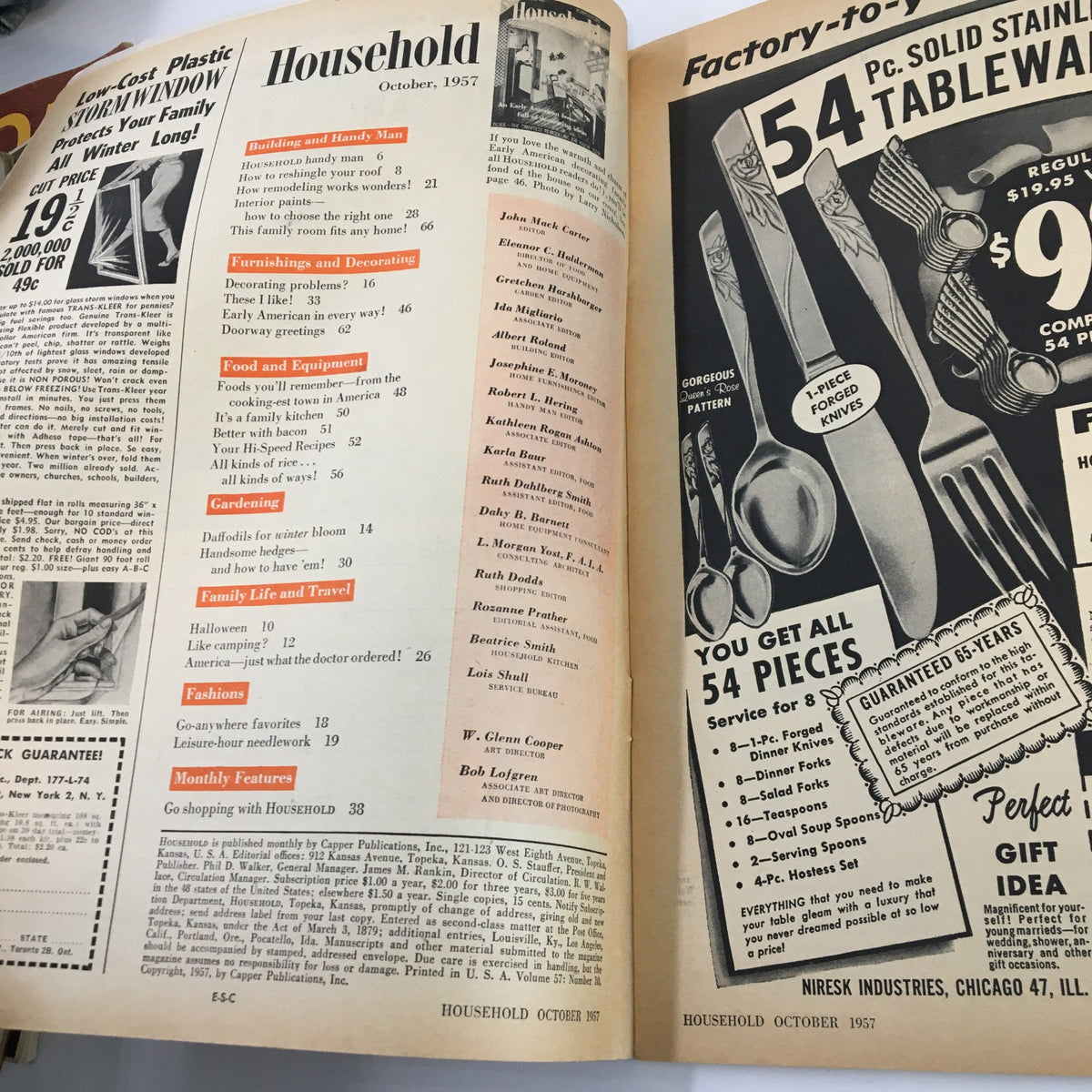
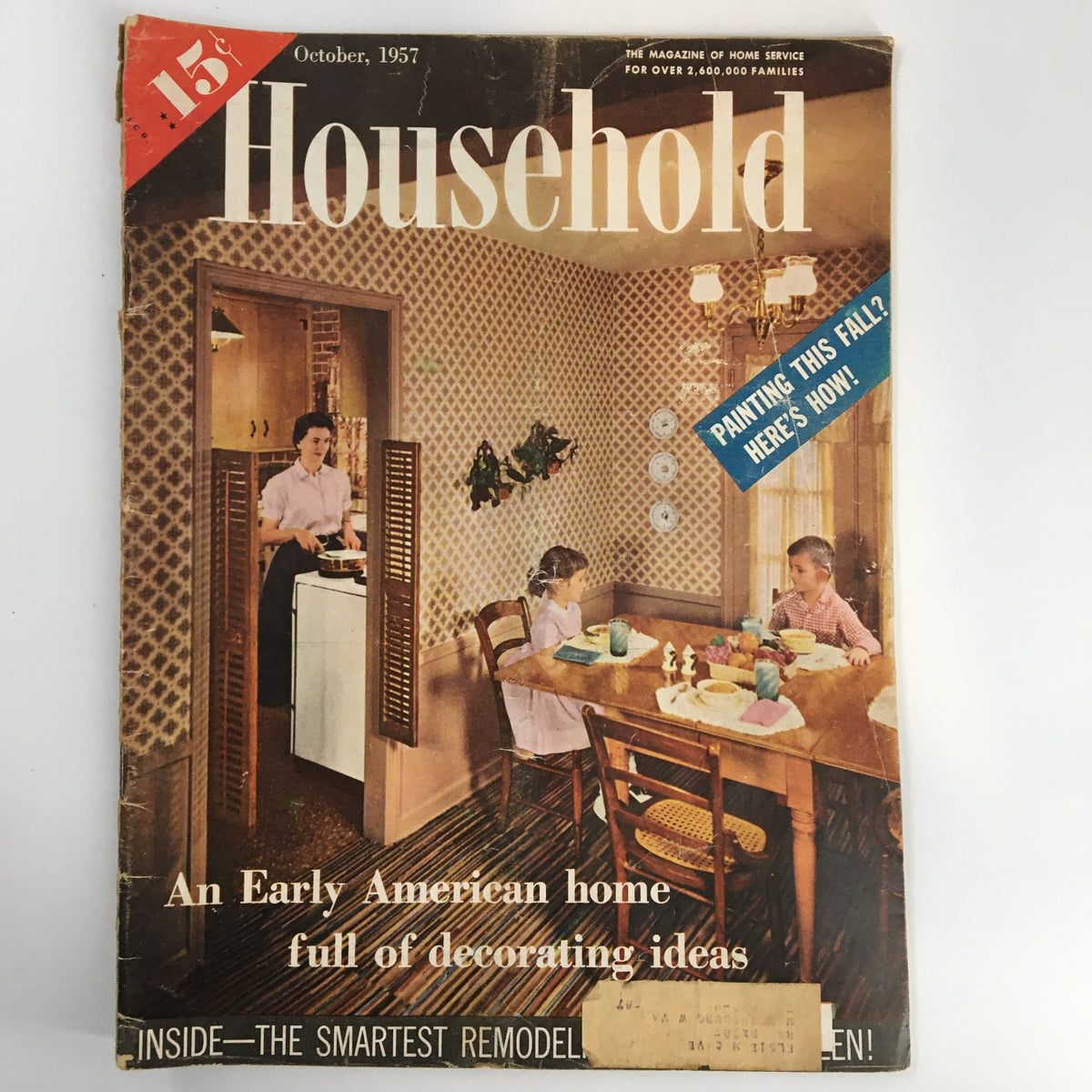
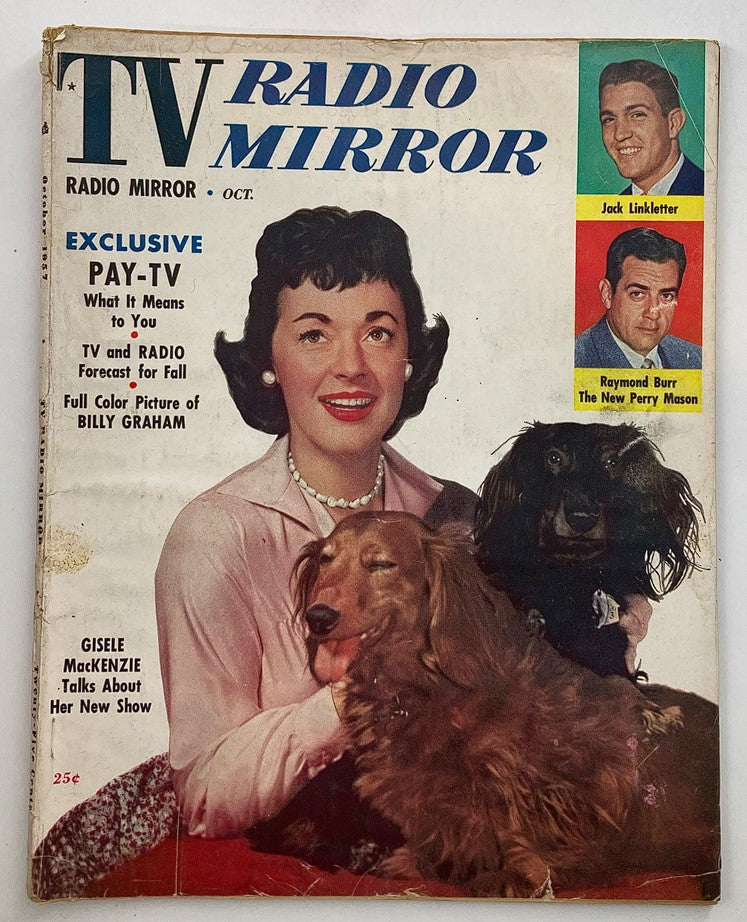
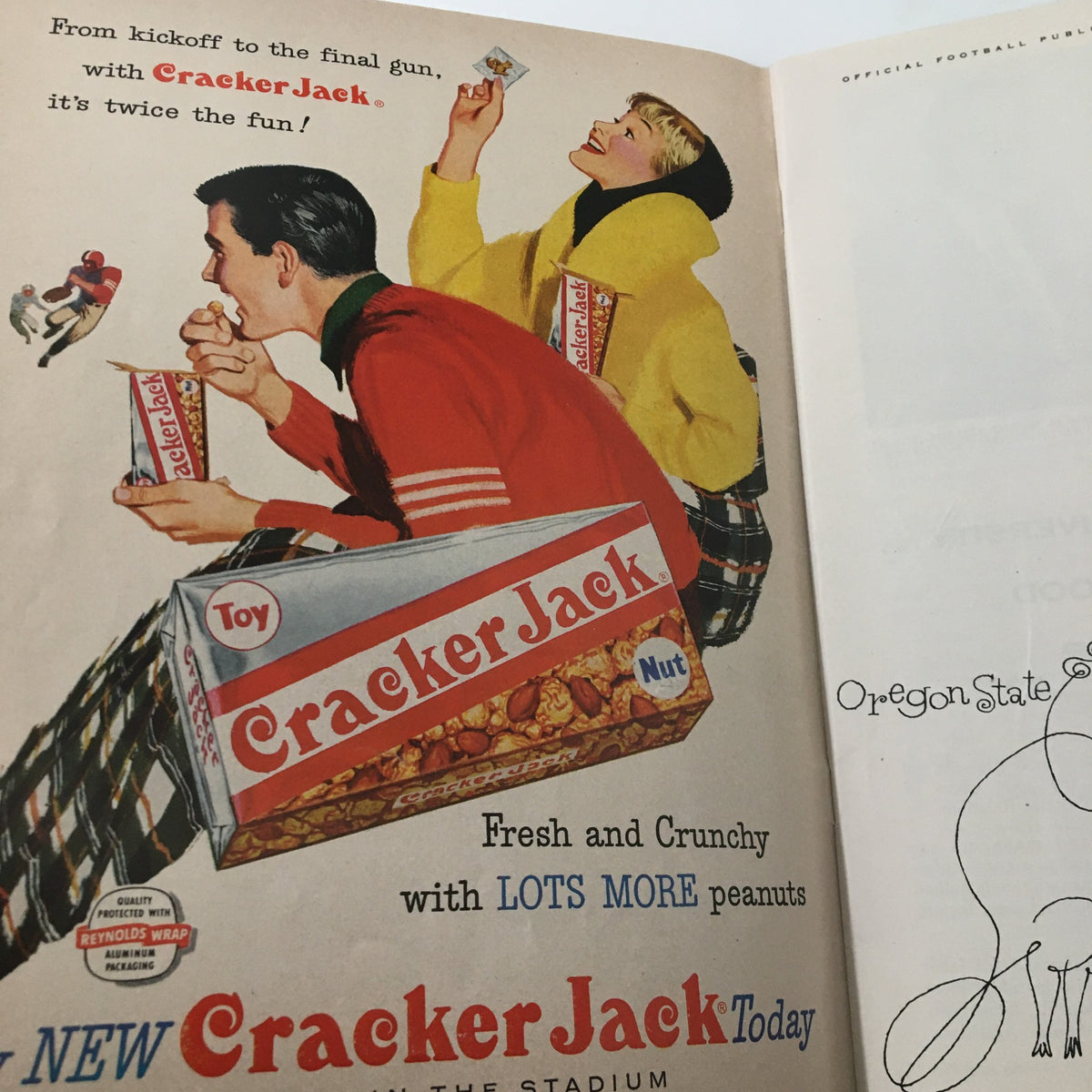
Entertainment provided welcome distraction from geopolitical anxiety as audiences flocked to see David Lean's "The Bridge on the River Kwai," which premiered on October 2nd and would go on to win the Academy Award for Best Picture. Elvis Presley's "Jailhouse Rock" electrified theaters with its revolutionary dance sequences, while television welcomed "Leave It to Beaver" to CBS and Frank Sinatra's ambitious variety show to ABC. Walter Cronkite began his long association with history programming by hosting "The Twentieth Century" documentary series. The Everly Brothers' "Wake Up Little Susie" topped the charts, and Broadway welcomed Lena Horne in the musical "Jamaica." Fashion magazines showcased the era's elegant silhouettes alongside advertisements for the latest household appliances and automobiles. Sports fans witnessed Maurice "Rocket" Richard become the NHL's first 500-goal scorer. These moments of cultural vibrancy filled the pages of original magazines from October 1957, where authentic advertisements, photography, and headlines captured both the tension and triumph of this pivotal month.
What to Look for in Your October 1957 Magazines
-
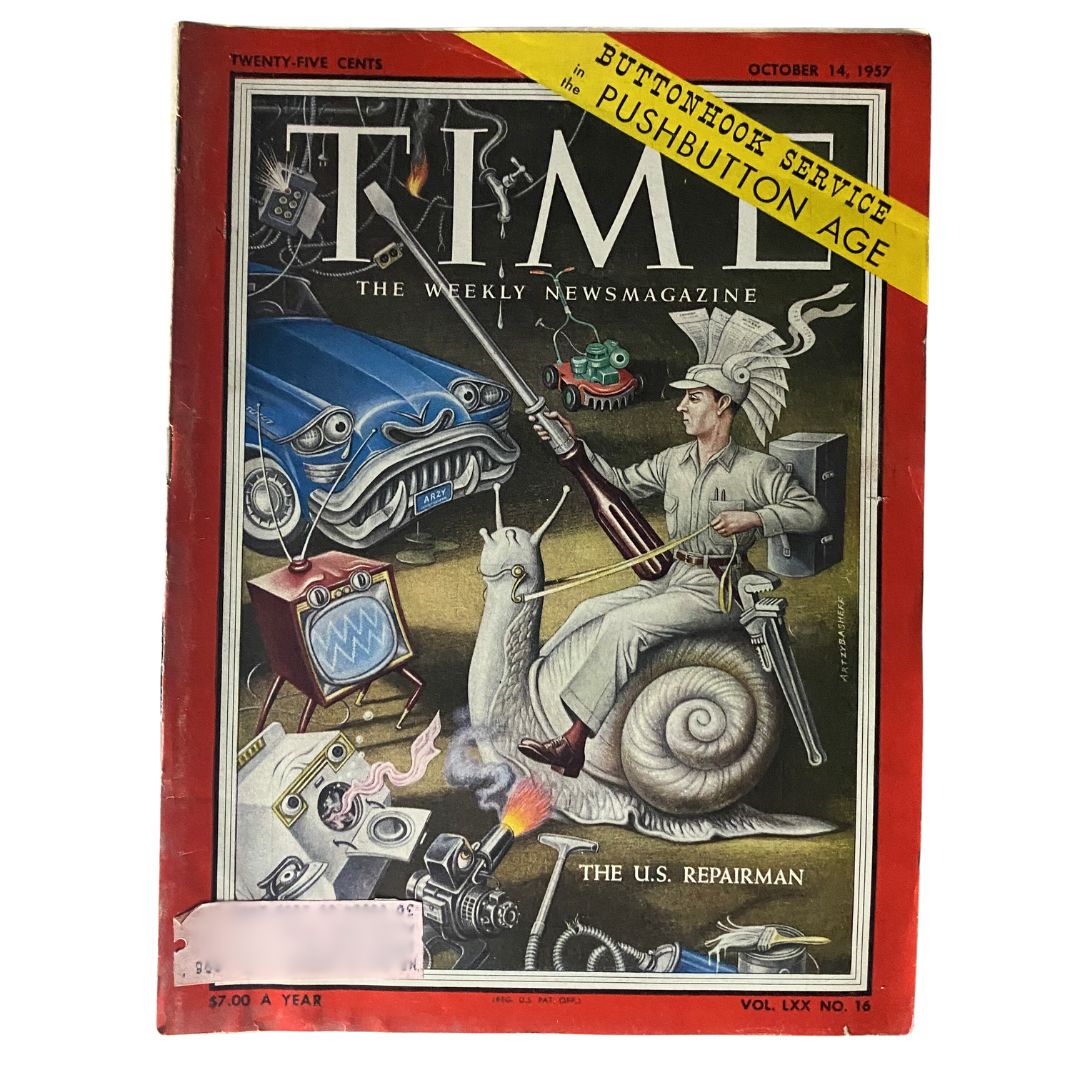
Sputnik Coverage: News weeklies like Time, Life, and Newsweek featuring dramatic illustrations and photography of the satellite launch, with technical diagrams explaining orbital mechanics and anxious editorials about America's response to the Space Race alongside genuine period advertisements for fallout shelters and patriotic messaging.
-
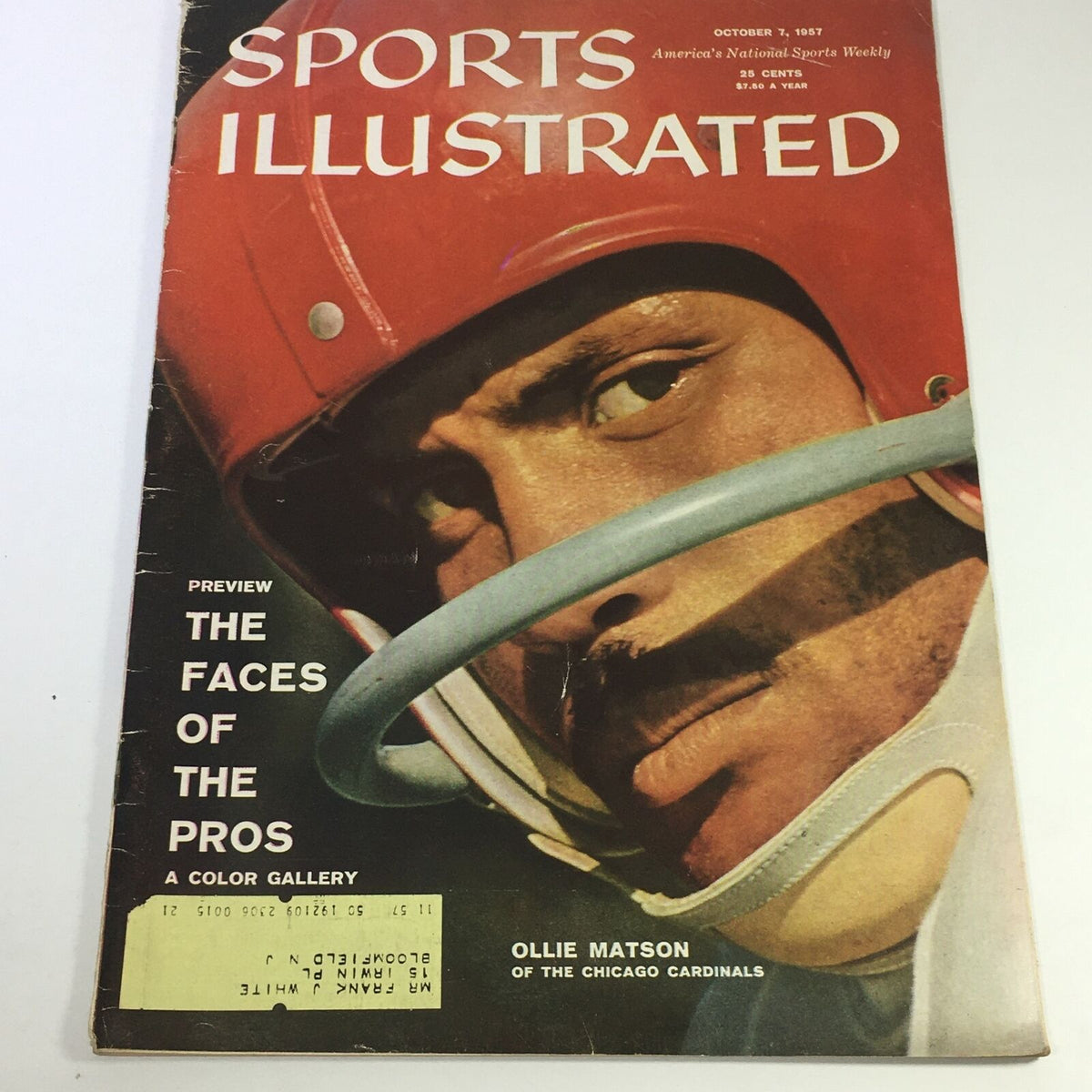
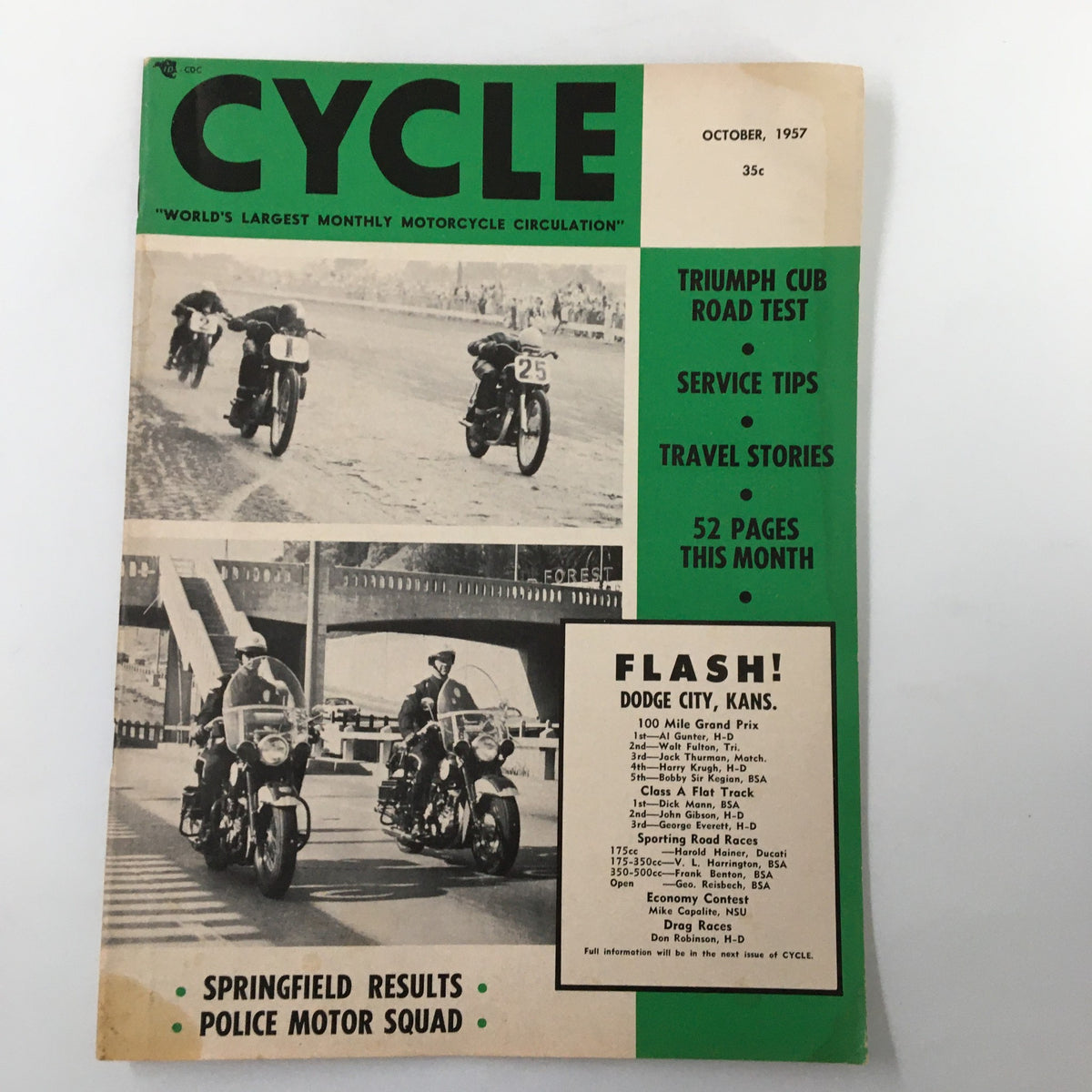
World Series Victory: Sports publications and general interest magazines showcasing the Milwaukee Braves' championship triumph, with action photography of Lew Burdette's dominant performances, vintage baseball card advertisements, and the celebratory scenes from County Stadium that captured Milwaukee's first title.
-
Hollywood's Prestige Season: Entertainment magazines and rare magazines featuring reviews and promotional spreads for "The Bridge on the River Kwai" and "Jailhouse Rock," with original movie advertisements, studio publicity photographs, and the distinctive typography and layout design that defined 1950s cinema marketing.
-
Cold War Tensions: Political magazines chronicling the Windscale nuclear accident, Defense Minister Zhukov's sudden dismissal in the USSR, and B-52 bombers beginning round-the-clock alert status, illustrated with dramatic photojournalism and maps that conveyed the era's pervasive anxiety about nuclear confrontation.
-
Royal Visit and Civil Rights: Feature stories in vintage magazines documenting Queen Elizabeth II's historic White House visit and President Eisenhower's unprecedented apology to Ghana's finance minister after discrimination in Delaware, representing the complex intersection of Cold War diplomacy and America's ongoing struggle with racial equality.
The Perfect Gift
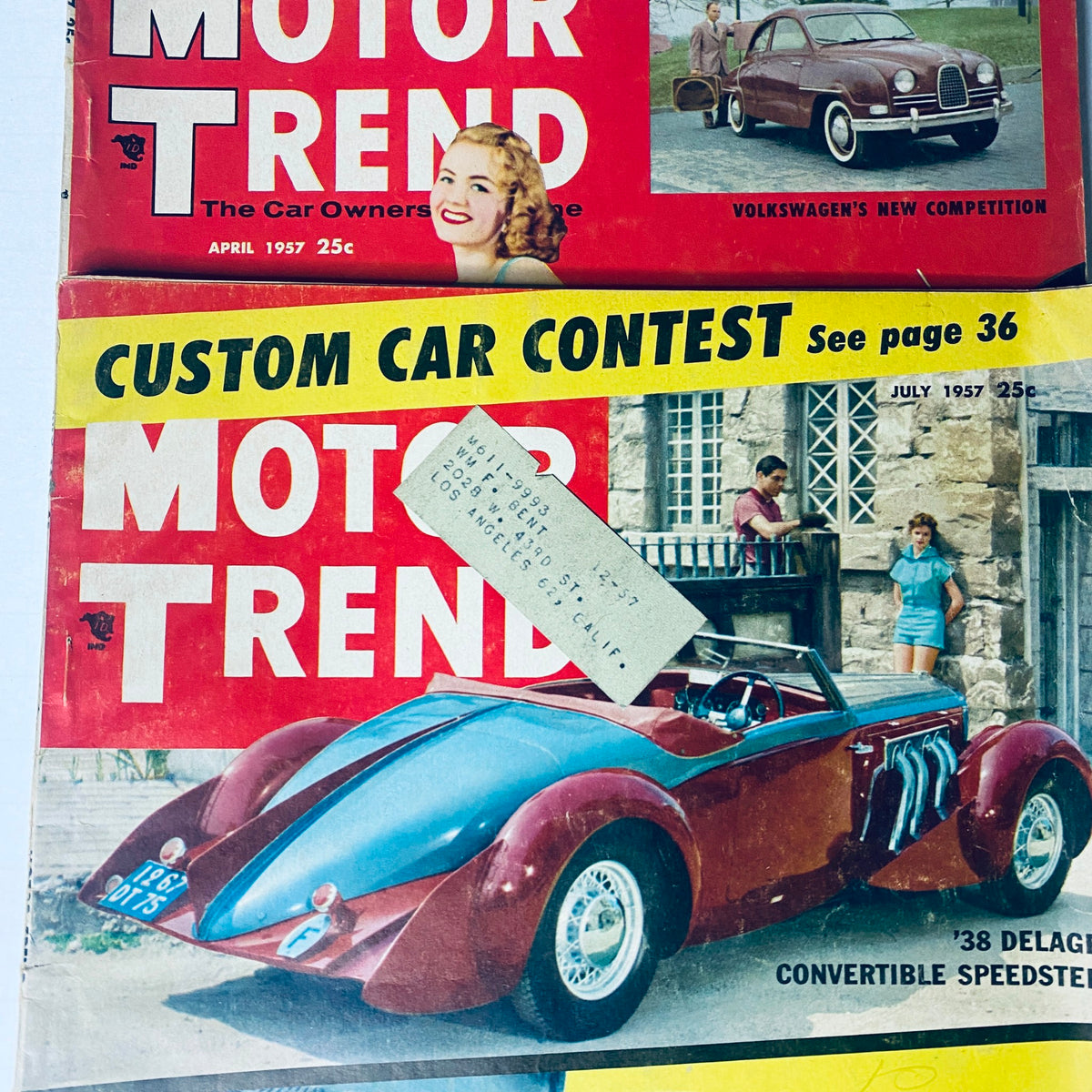
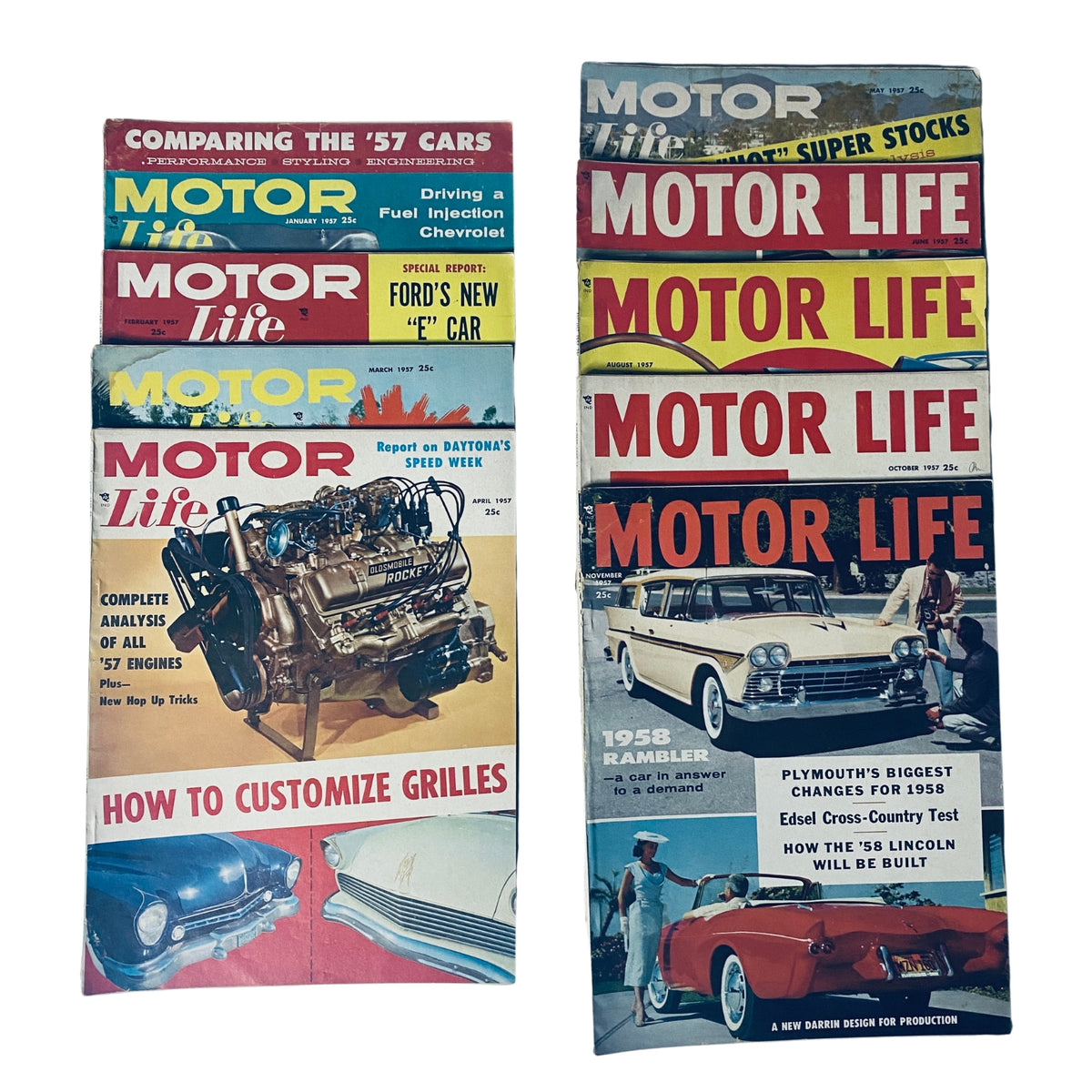
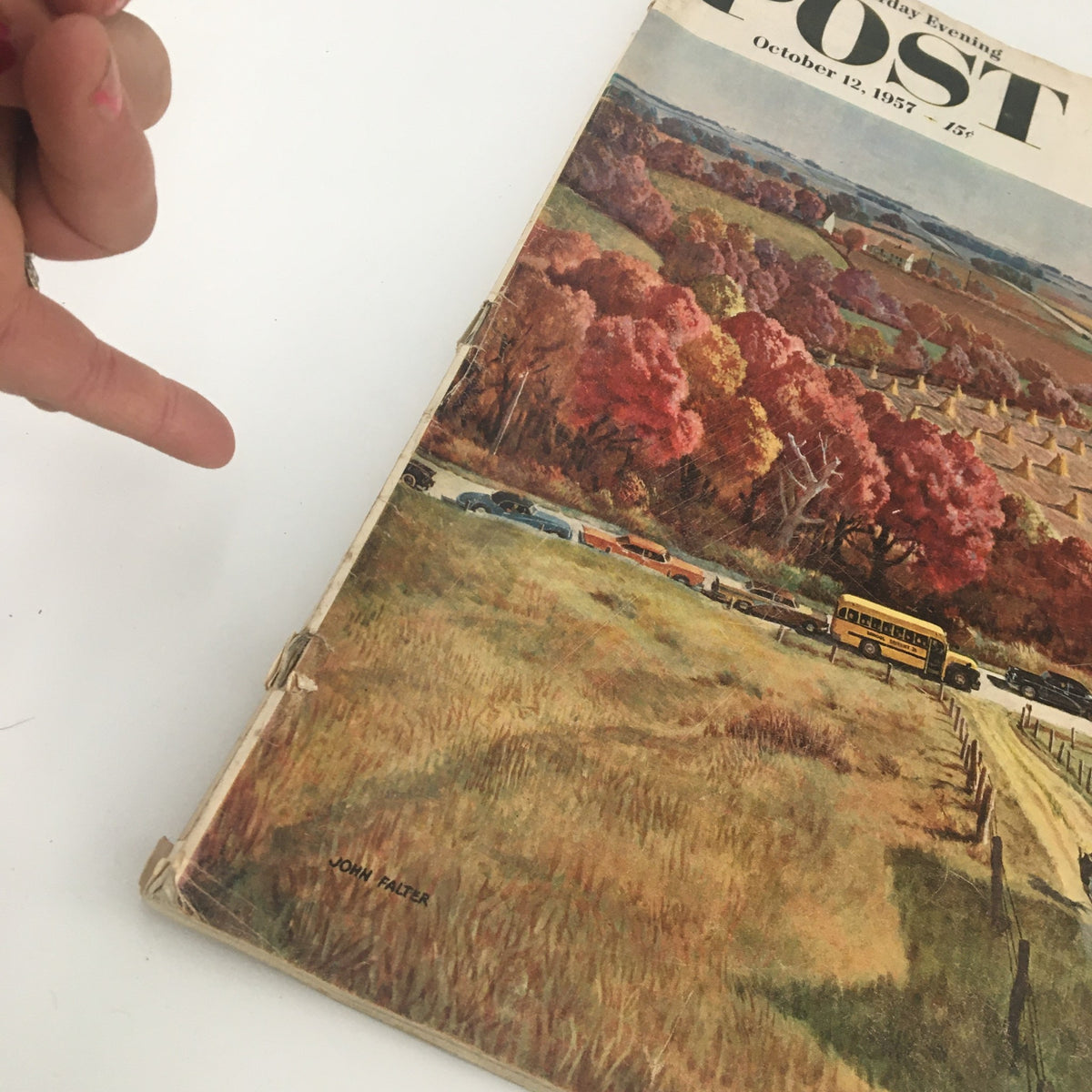
For someone born in October 1957, an original magazine from this historic month isn't just a collectible—it's an authenticated portal to the dawn of the Space Age, preserved in genuine newsprint, period advertisements, and the unmistakable design aesthetic of an era when humanity first reached beyond Earth's bounds.