📖 About this Collection
October 1983: The Month the Cold War Turned Hot
The Historical Context
October 1983 crackled with the tension of a world on edge. The deadliest terrorist attack against American forces since World War II shook Beirut on the morning of October 23rd, when a suicide truck bomb killed 243 U.S. Marines stationed as peacekeepers in Lebanon. Days later, on October 25th, American forces invaded Grenada, launching Operation Urgent Fury after a Marxist coup destabilized the tiny Caribbean island nation. Meanwhile, hundreds of thousands marched through European capitals—400,000 in Brussels, 550,000 in Amsterdam—protesting NATO's planned deployment of cruise missiles, while the arms race escalated with nuclear tests in China and the Soviet Union. Polish Solidarity leader Lech Wałęsa received the Nobel Peace Prize on October 5th, a symbolic victory for resistance movements behind the Iron Curtain. This was the world your loved one entered in October 1983—a month when geopolitical fault lines cracked open and the possibility of global conflict felt terrifyingly real.
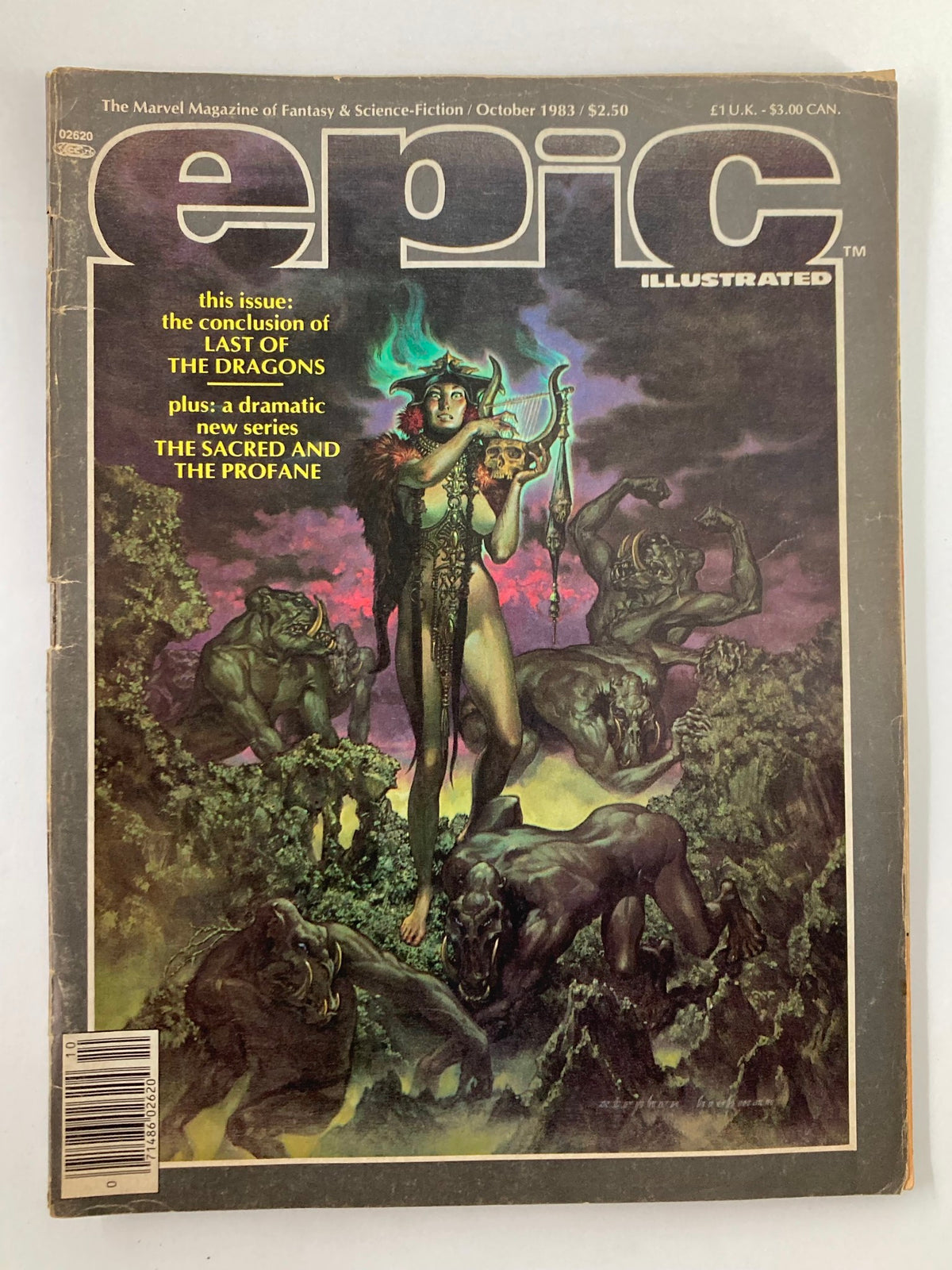
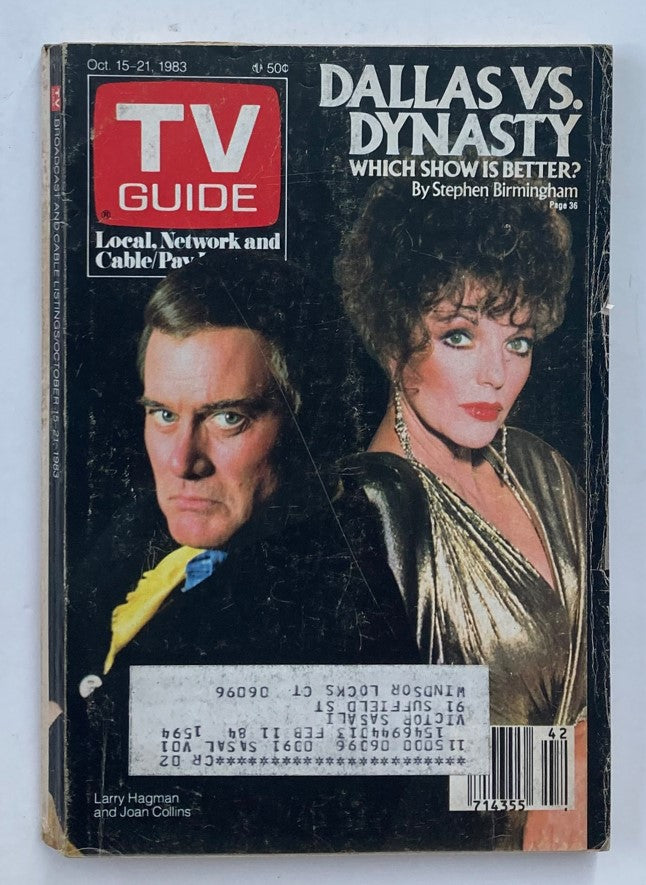
Beyond the headlines dominating news magazines, American culture offered moments of joy and achievement. Paul McCartney and Michael Jackson's duet "Say, Say, Say" hit record stores on October 3rd, becoming an instant chart sensation. Lionel Richie released "Can't Slow Down" on October 11th, an album that would define mid-80s pop sophistication. Sports fans witnessed Carl Yastrzemski's emotional final at-bat on October 2nd, closing a legendary 23-year career with the Boston Red Sox, while the Baltimore Orioles clinched the World Series over the Philadelphia Phillies. Wayne Gretzky began an astonishing 51-game scoring streak with the Edmonton Oilers on October 5th, cementing his status as hockey's greatest talent. The Sally Jessy Raphael Show debuted on October 17th, launching a talk show format that would dominate daytime television for decades. Original magazines from October 1983 preserved these cultural milestones alongside advertisements for early cellular networks—Ameritech launched America's first commercial cell service in Chicago on October 13th—and the last hand-cranked telephones disappearing from rural Maine.
What to Look For: Curator's Checklist
-
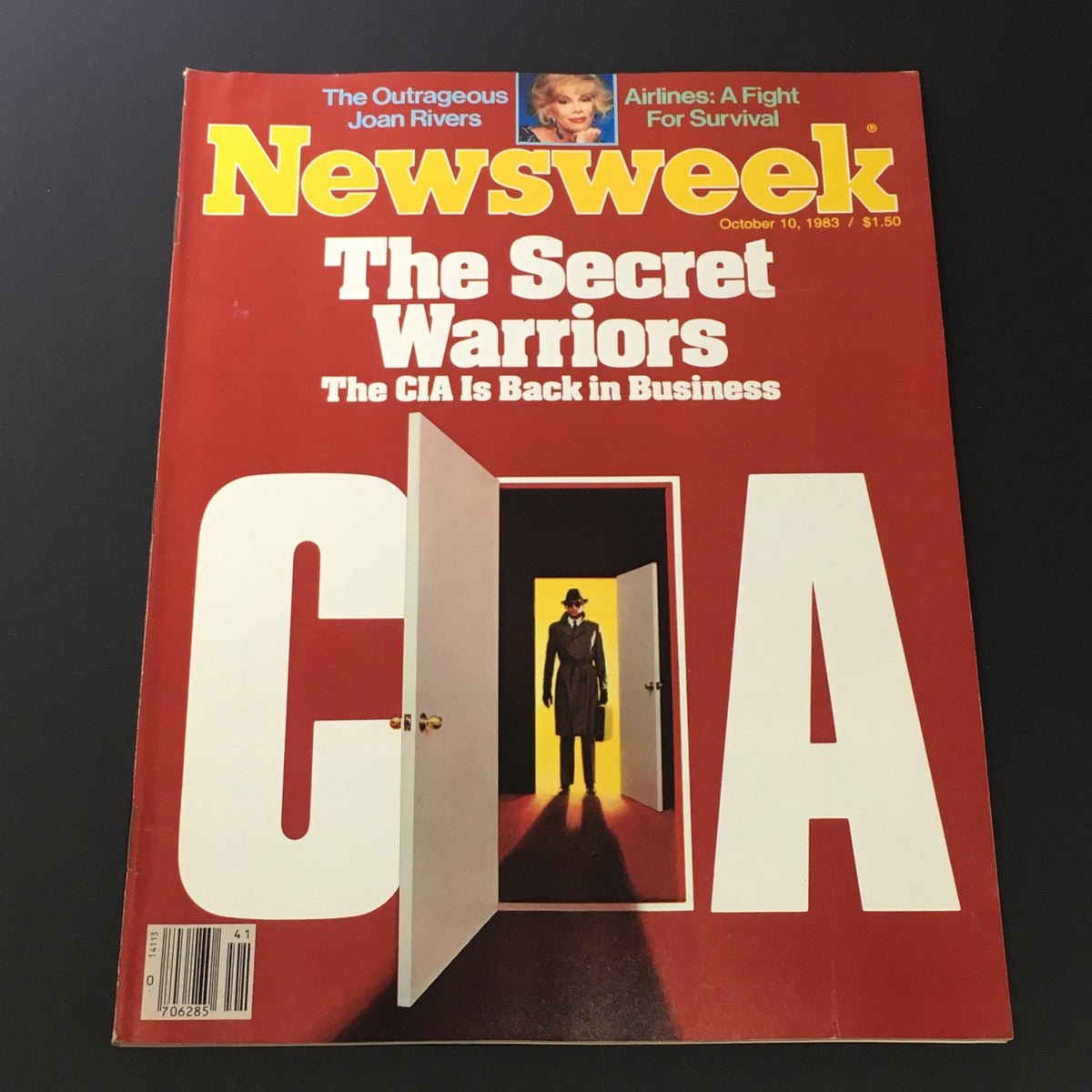
The Beirut Bombing and Grenada Invasion: News magazines like Time, Newsweek, and Life featuring dramatic photography of the Marine barracks devastation and Caribbean military operations, often with maps chronicling the 48-hour invasion timeline and editorial debates about American intervention.
-
Anti-Nuclear Demonstrations: European coverage in rare magazines and international editions showcasing aerial photographs of massive peace rallies, illustrated with protest imagery that captured Cold War anxieties about nuclear proliferation in vivid detail.
-
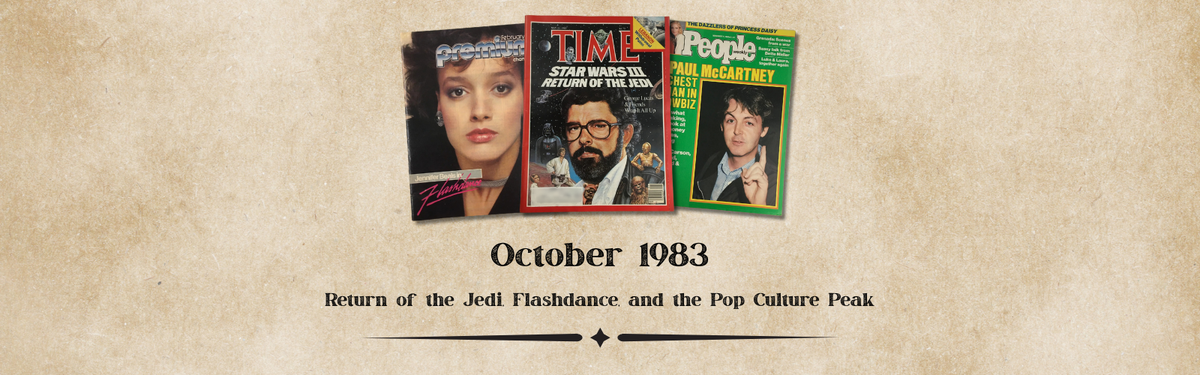
McCartney-Jackson Collaboration: Entertainment and music publications featuring promotional photography of the decade's most unlikely musical partnership, with vintage magazines preserving the original album artwork and early reviews of this pop culture phenomenon.
-
World Series Victory: Sports Illustrated and newspaper special editions chronicling Rick Dempsey's MVP performance, illustrated with game action photography and the Orioles' championship celebration at Veterans Stadium in Philadelphia.
-
Technology Transitions: Popular Mechanics and business magazines showcasing advertisements for the revolutionary Ameritech cellular network and IBM PC-DOS 2.1, capturing the precise moment when America began shifting from analog to digital communication.
The Perfect Gift
For someone born in October 1983, an original magazine from this turbulent month isn't just a reproduction—it's an authenticated portal to the exact geopolitical tensions, cultural milestones, and technological transformations that shaped their birth month, preserved in genuine newsprint, photography, and period advertising.