📖 About this Collection
O.J. Simpson: From the Pinnacle of Glory to the Heart of a Nation's Reckoning
The Legend & The Legacy
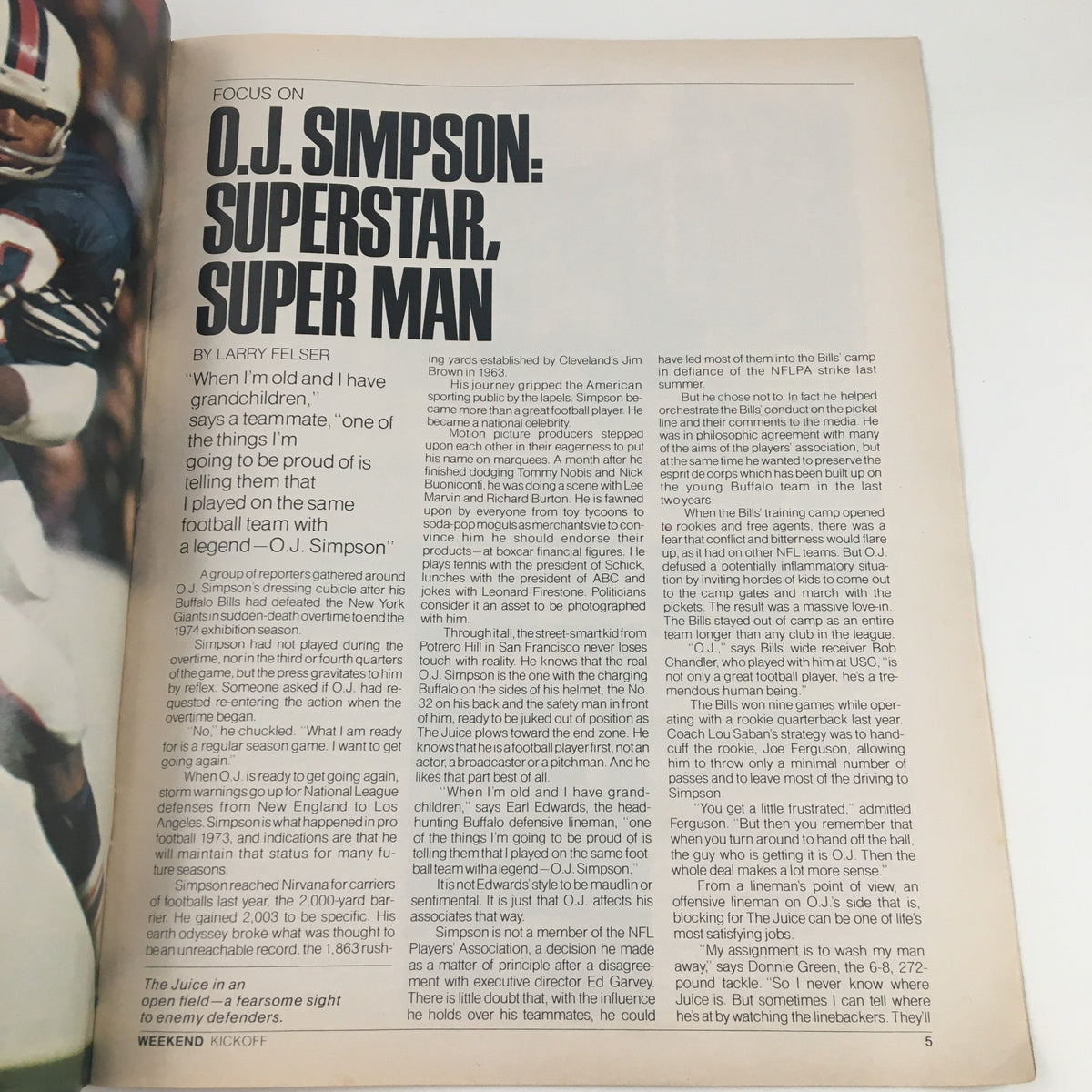
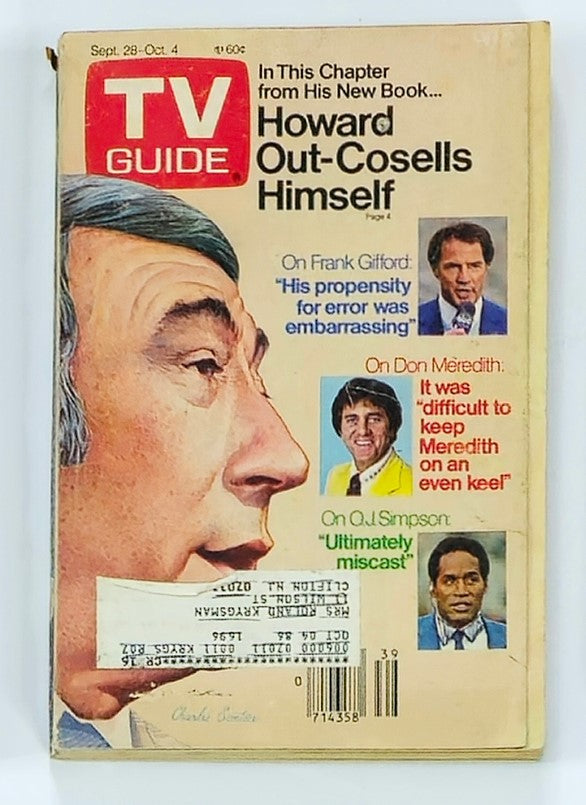
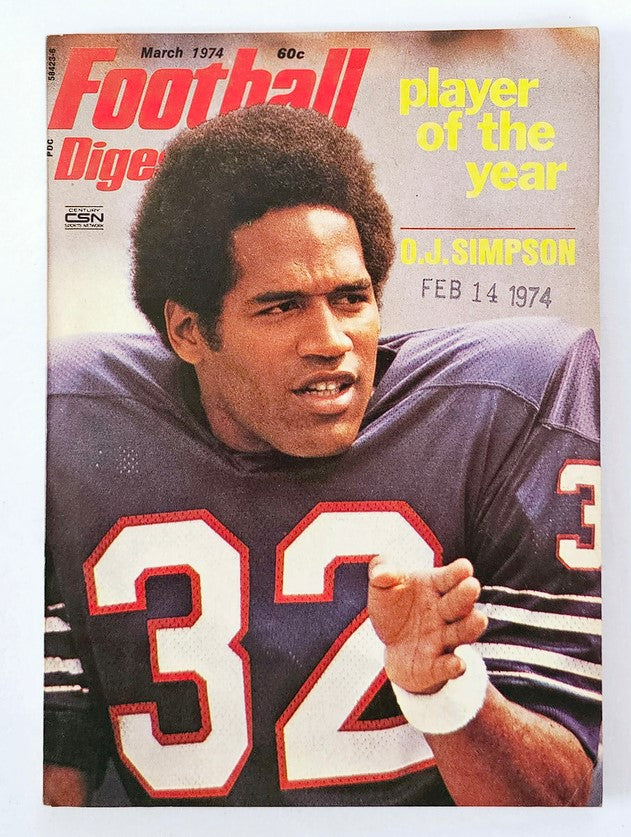
Few figures in twentieth-century American life traversed the full spectrum of public adoration and infamy quite so dramatically as Orenthal James Simpson. In the years before cable news cycles and internet comment sections, his story unfolded in slow, deliberate chapters — each one absorbed by the public through the weight of a printed page. He first entered the national consciousness as a figure of almost supernatural athletic grace, a Heisman Trophy winner who became the first NFL running back to rush for over 2,000 yards in a single season, then pivoted seamlessly into the warm glow of Hollywood and Madison Avenue. Americans knew his face from television commercials, from movie screens, from the glossy covers that stared up at them from airport newsstands. Then, in the summer of 1994, the world watched a slow-speed chase on live television, and everything changed — though in those breathless days that followed, it was still the printed word, the full-page photographs, and the long-form journalism of physical magazines that gave the story its gravity, its nuance, and its permanence.
Inside the Archive
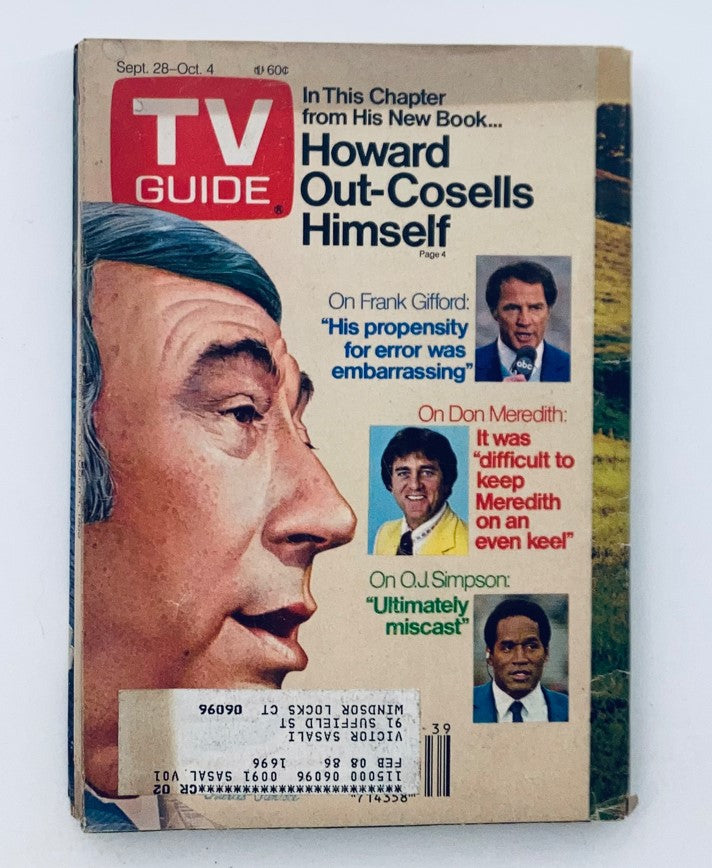
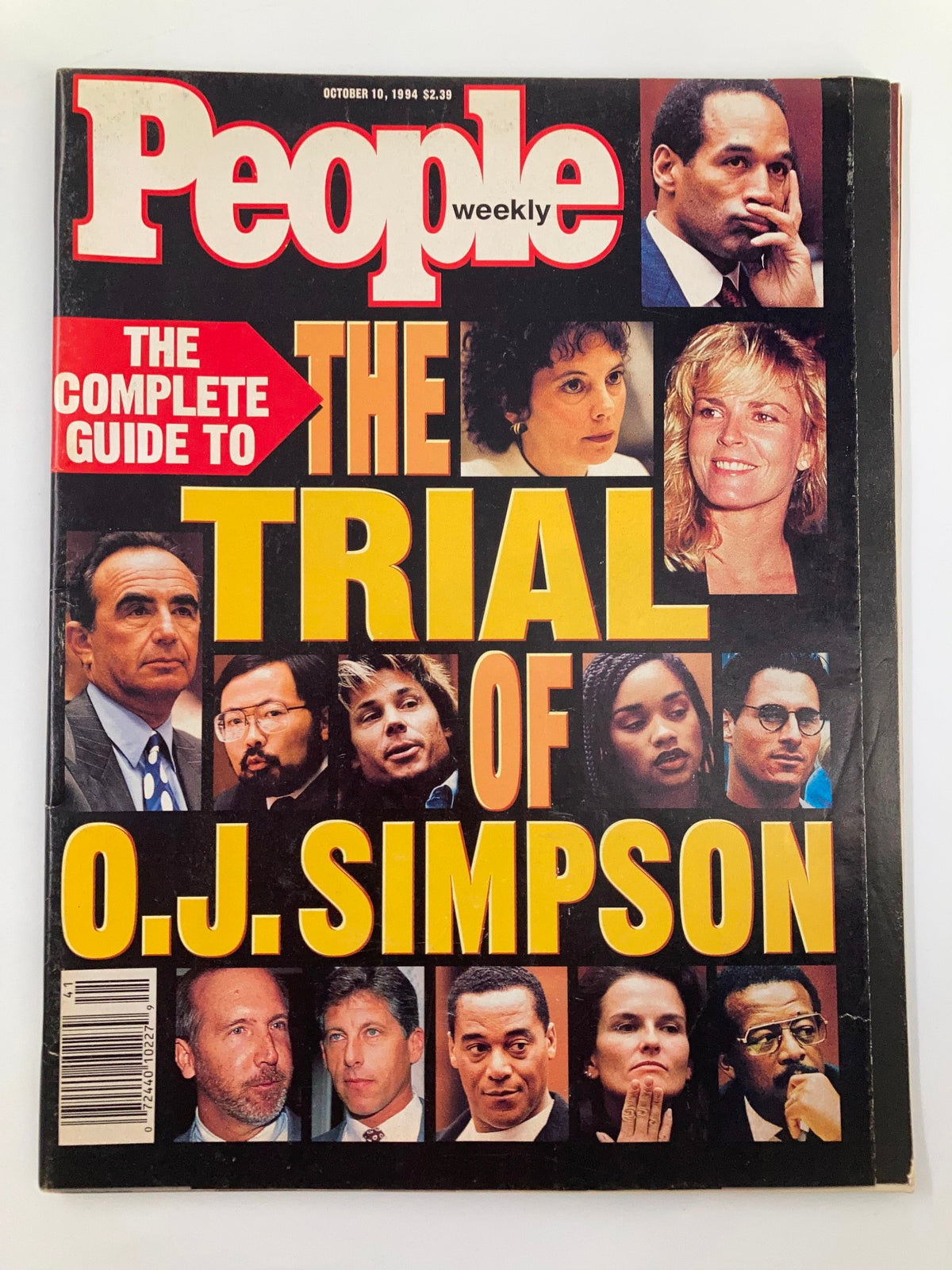
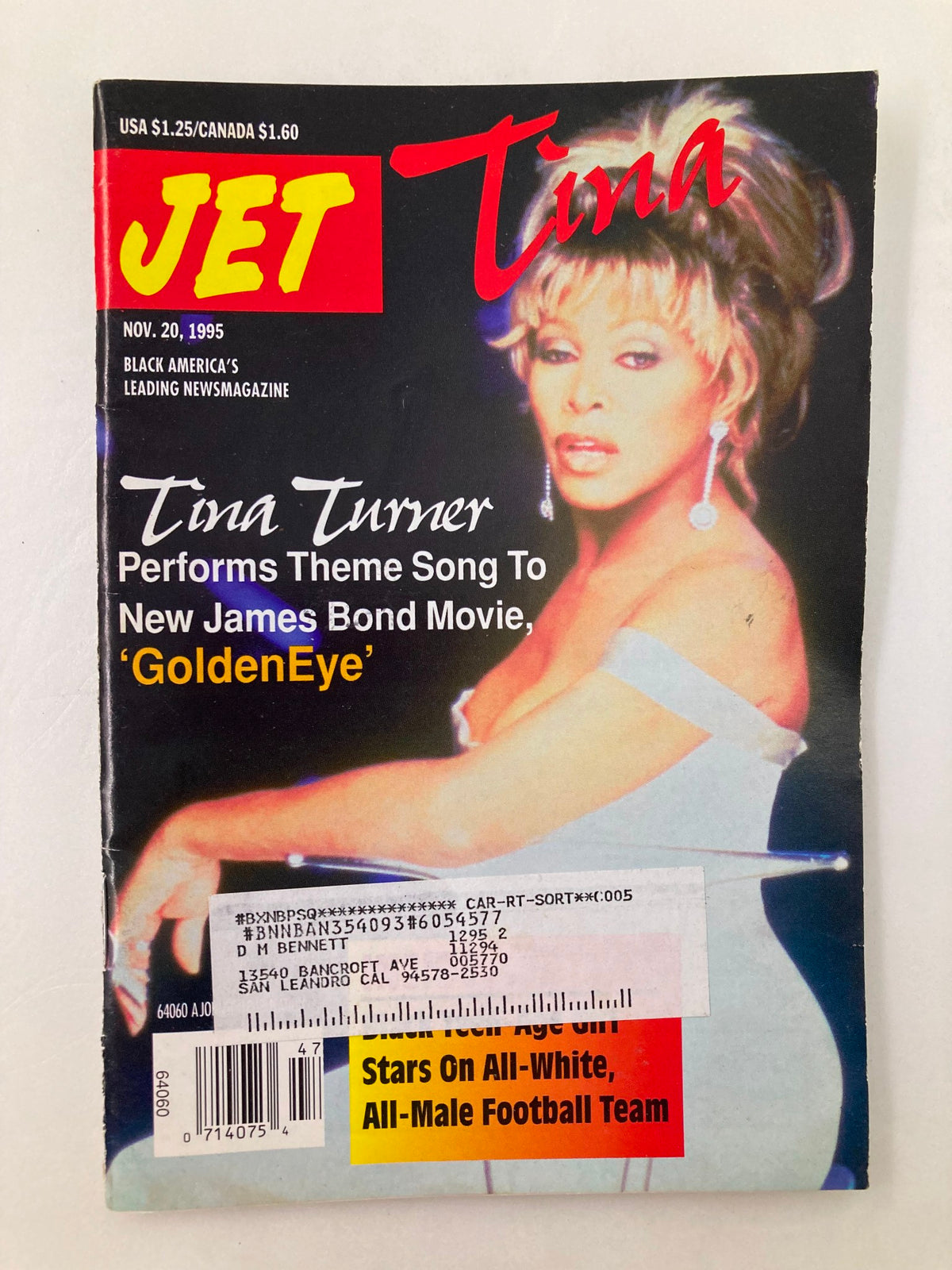
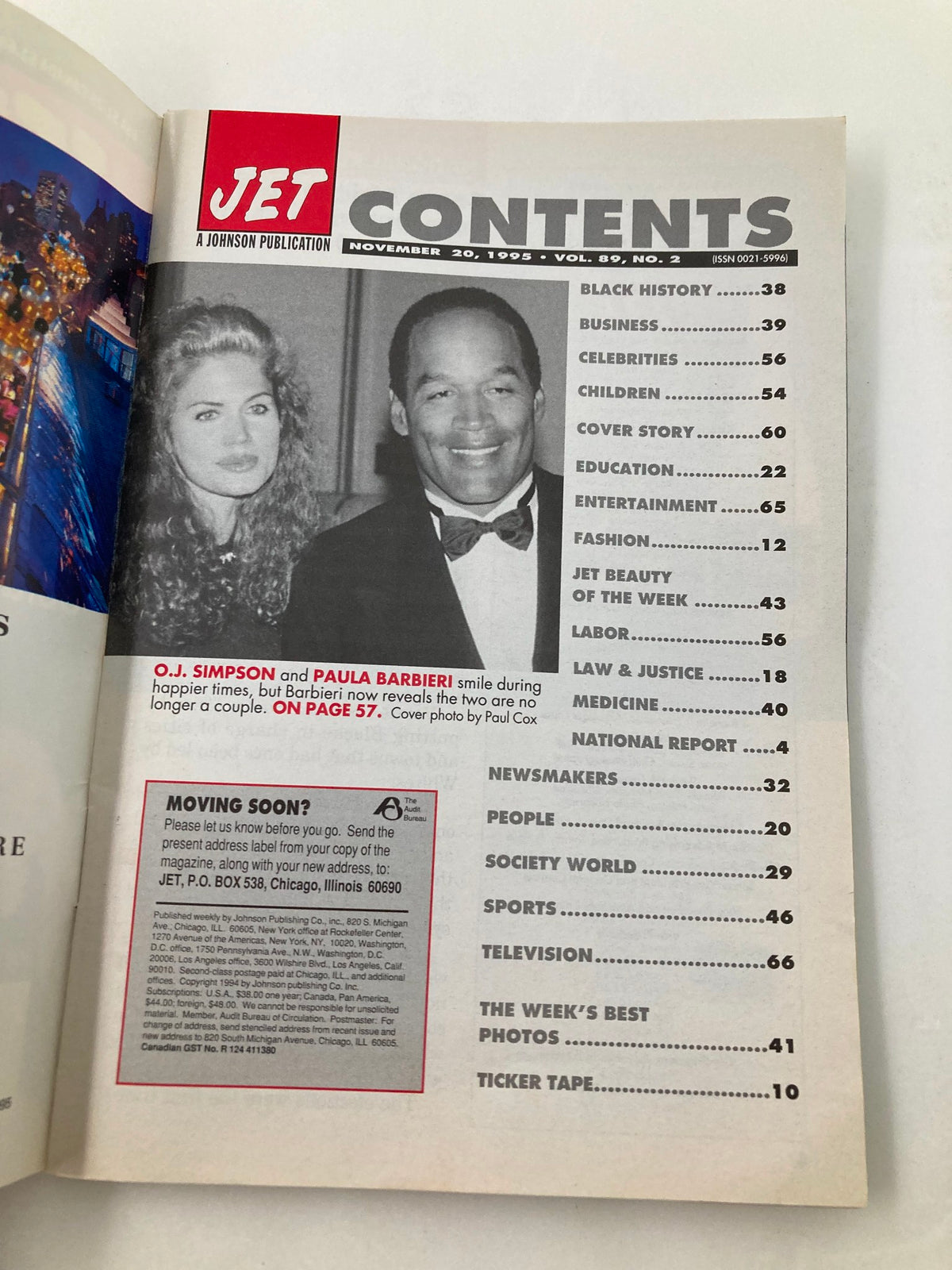
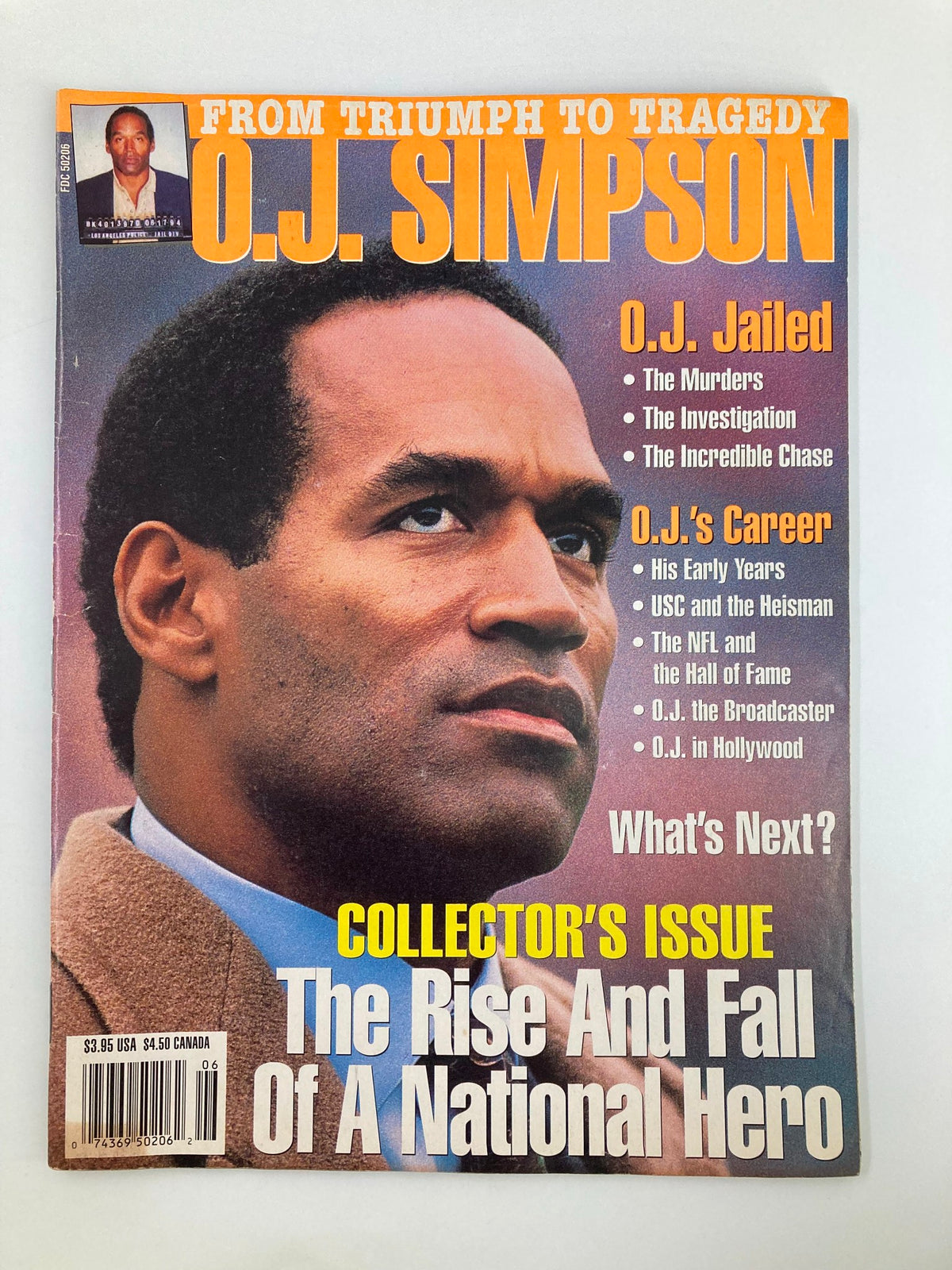
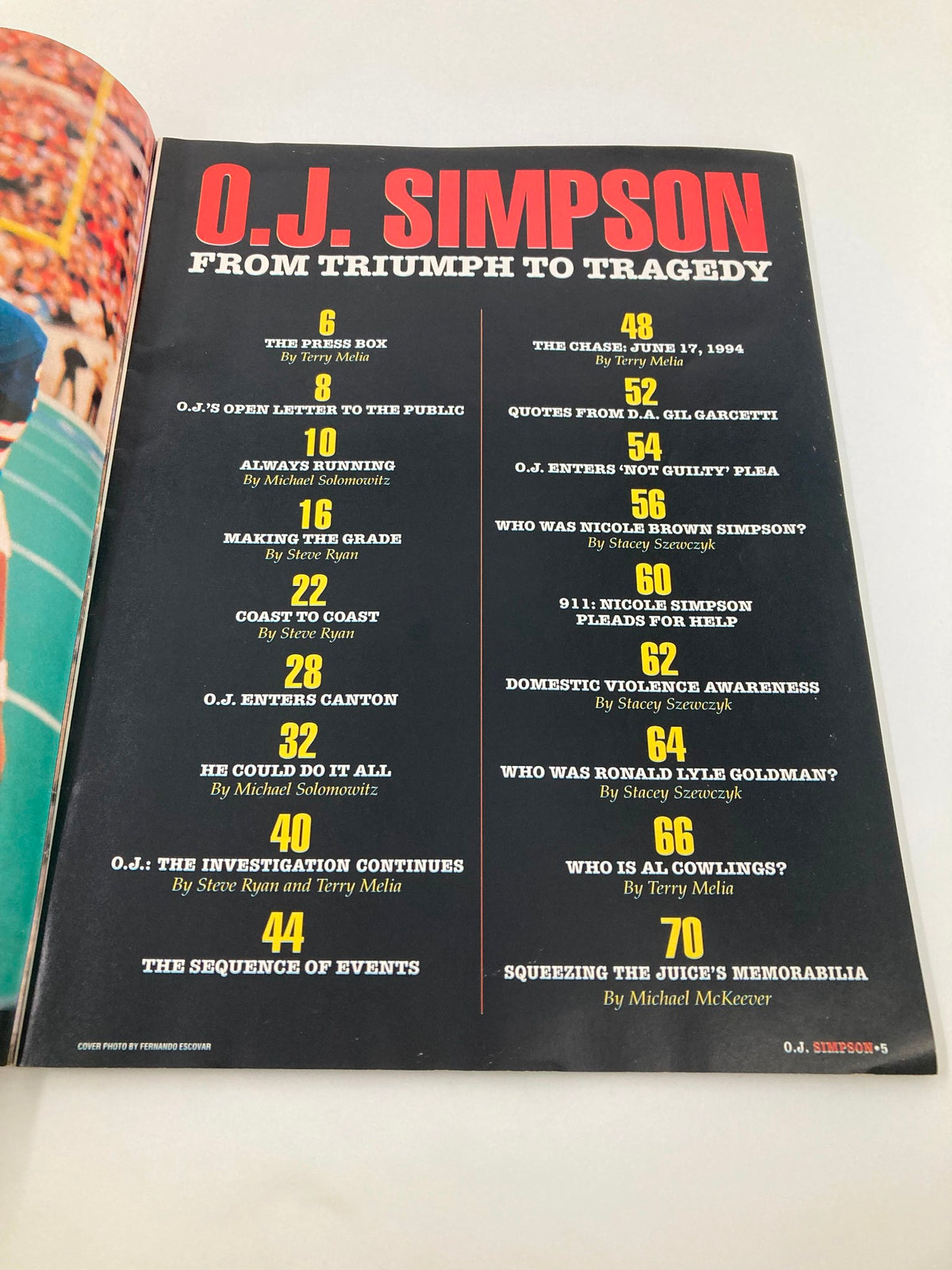
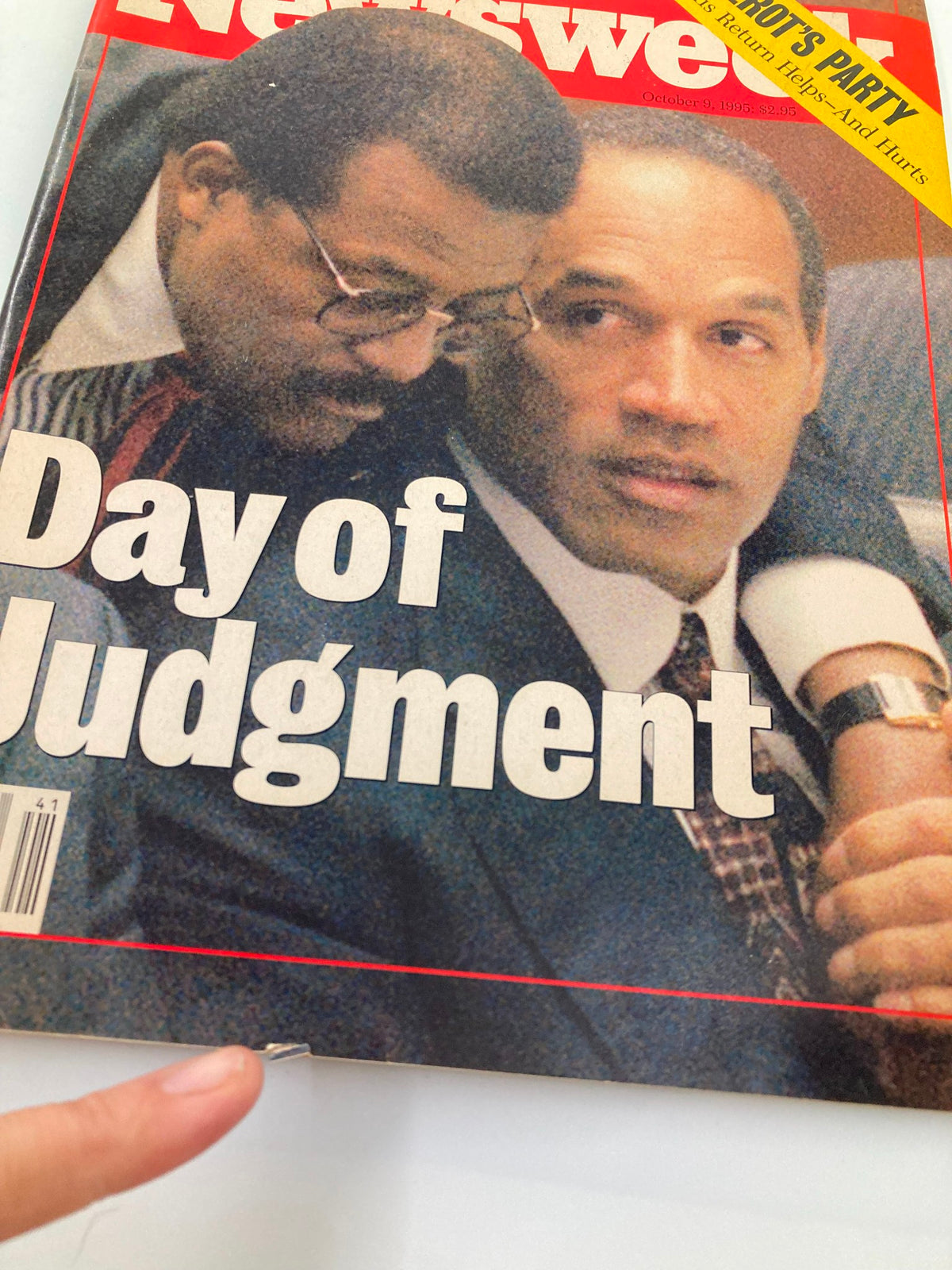
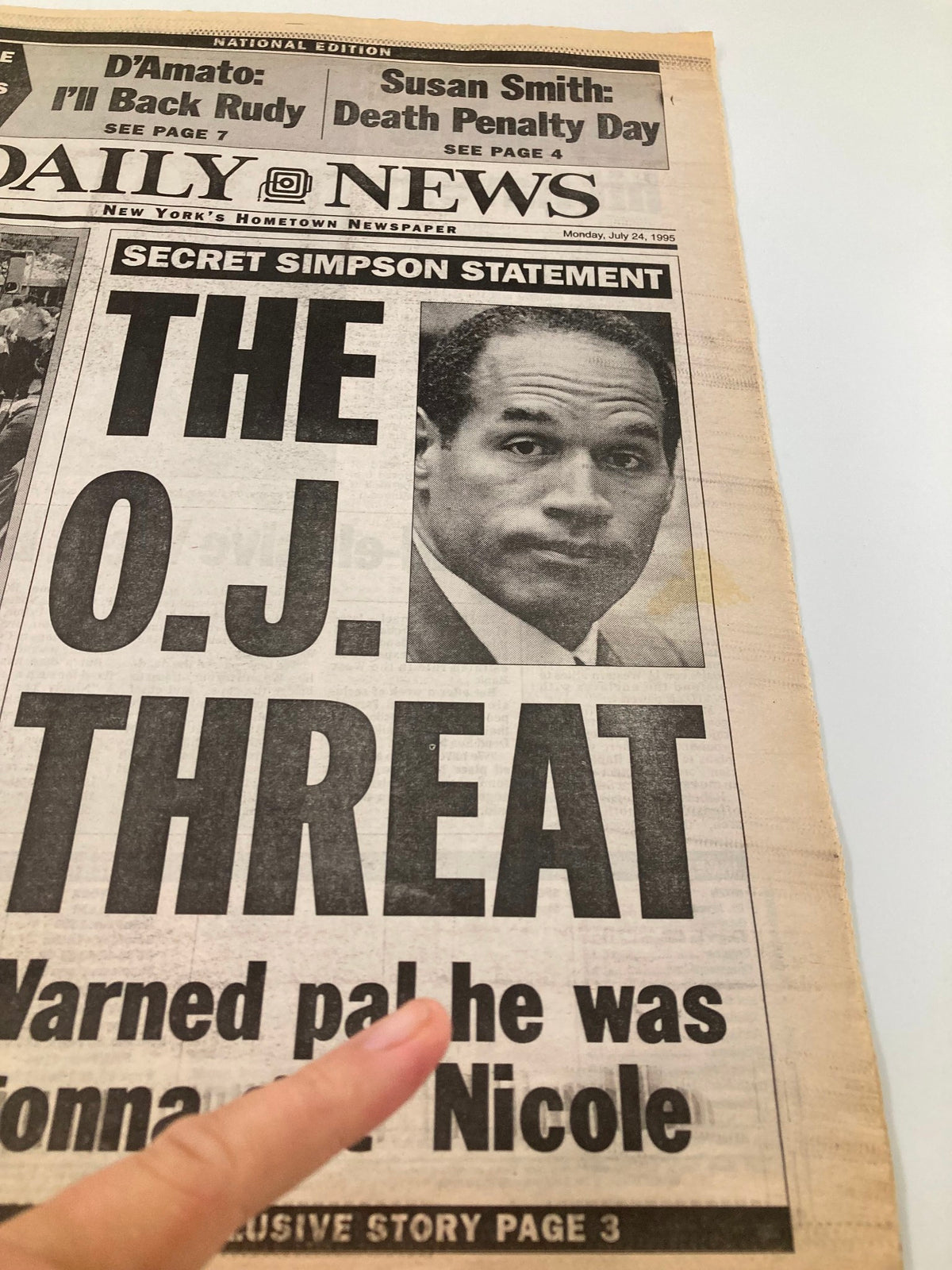
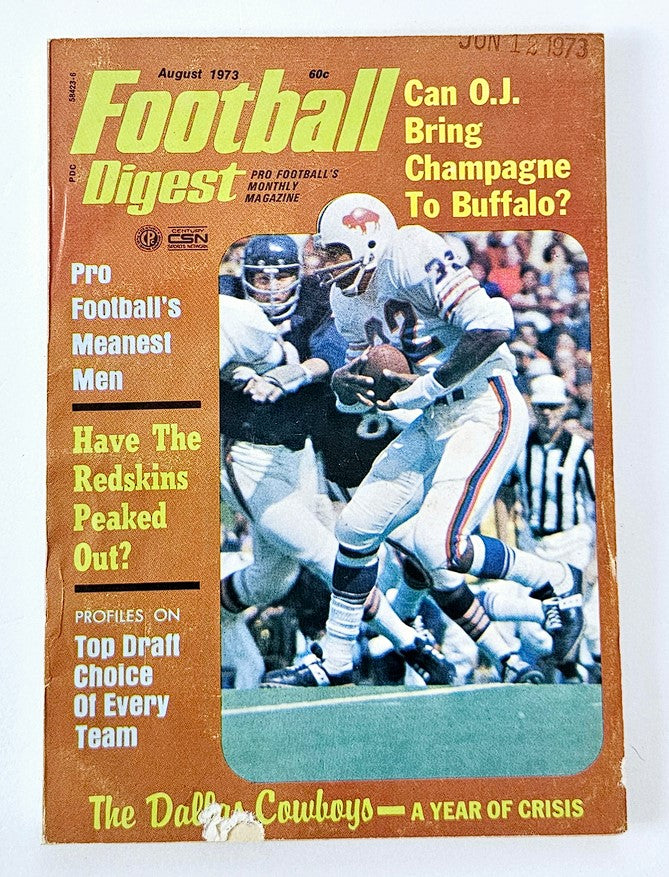
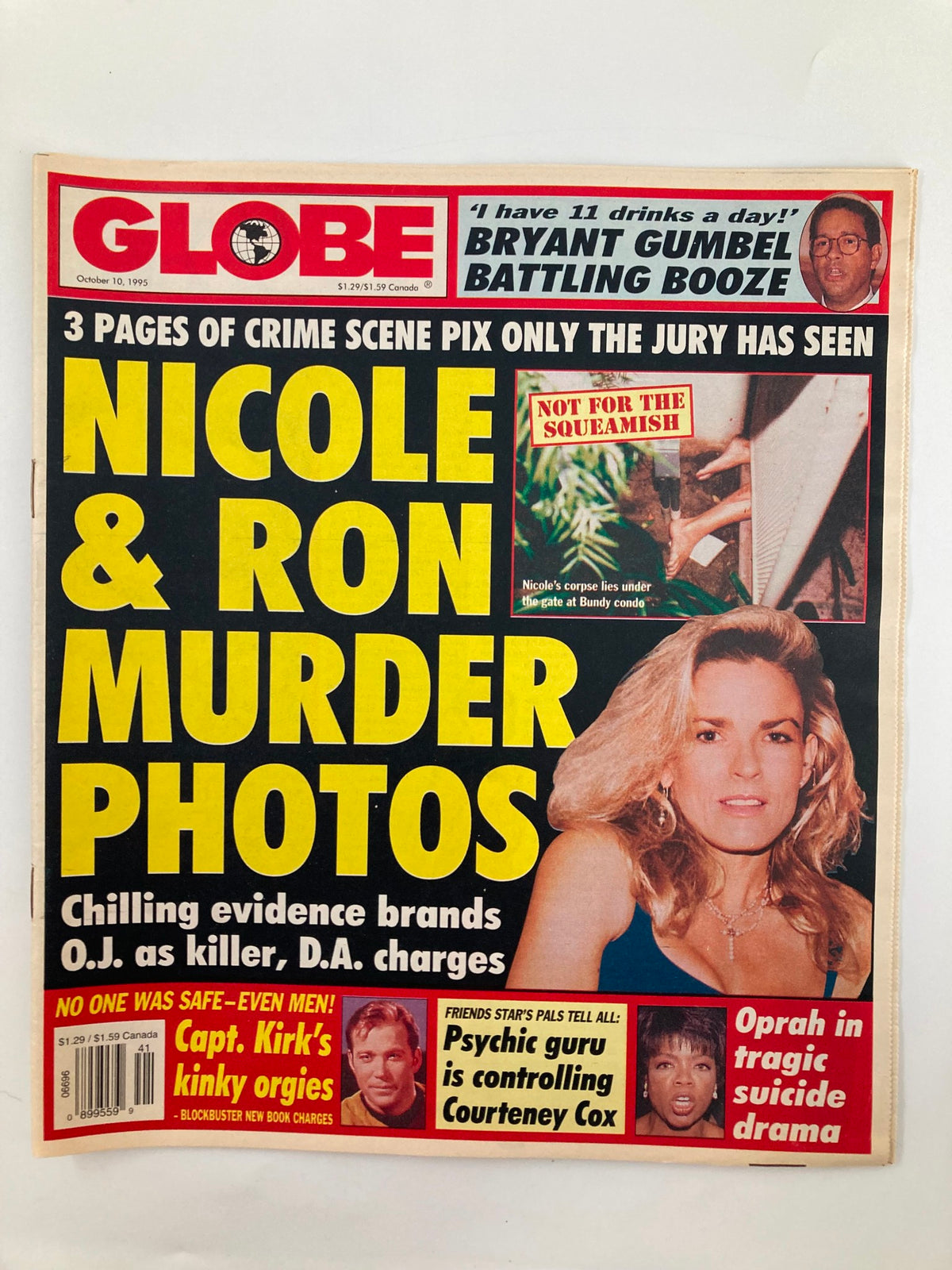
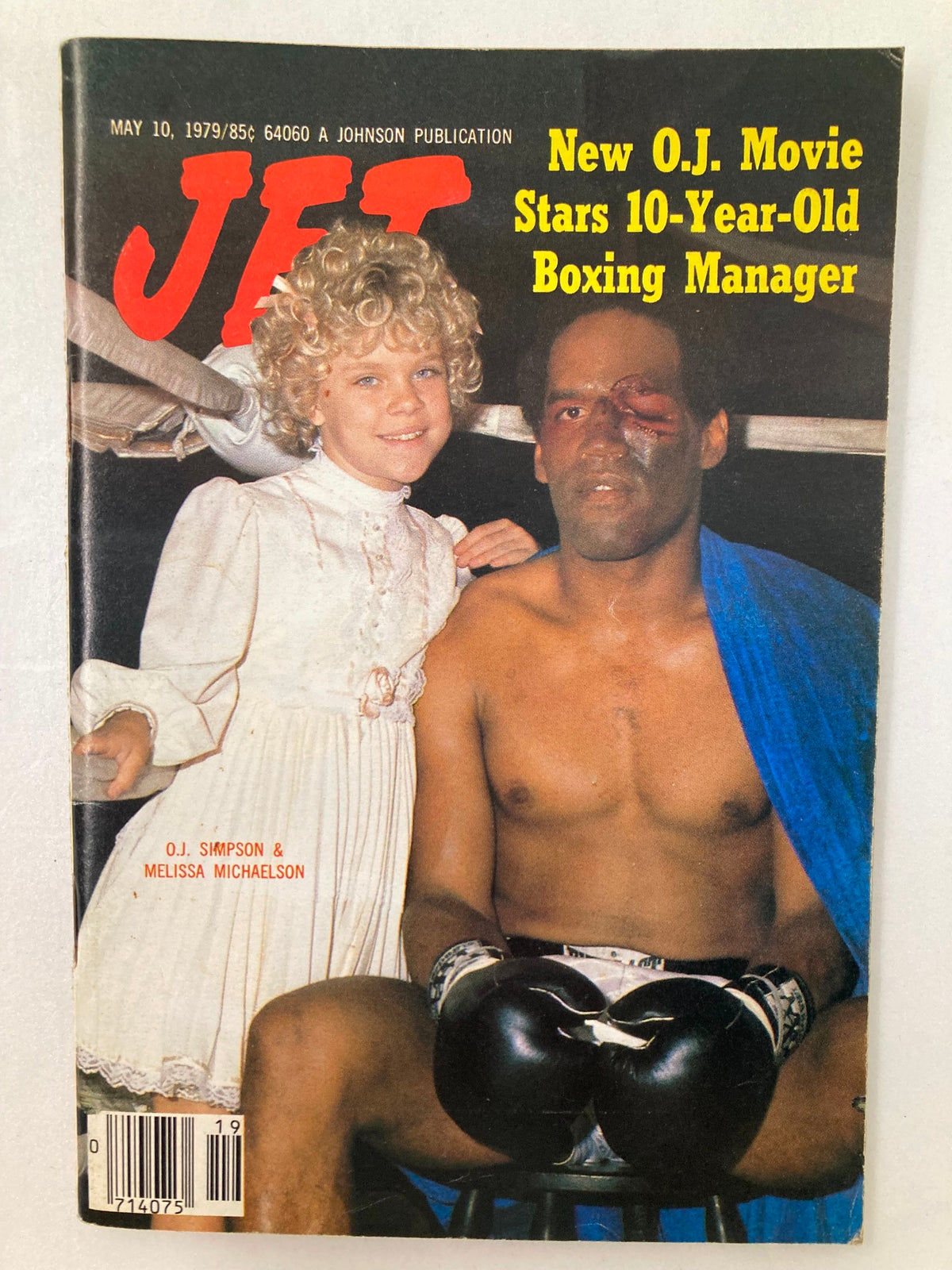
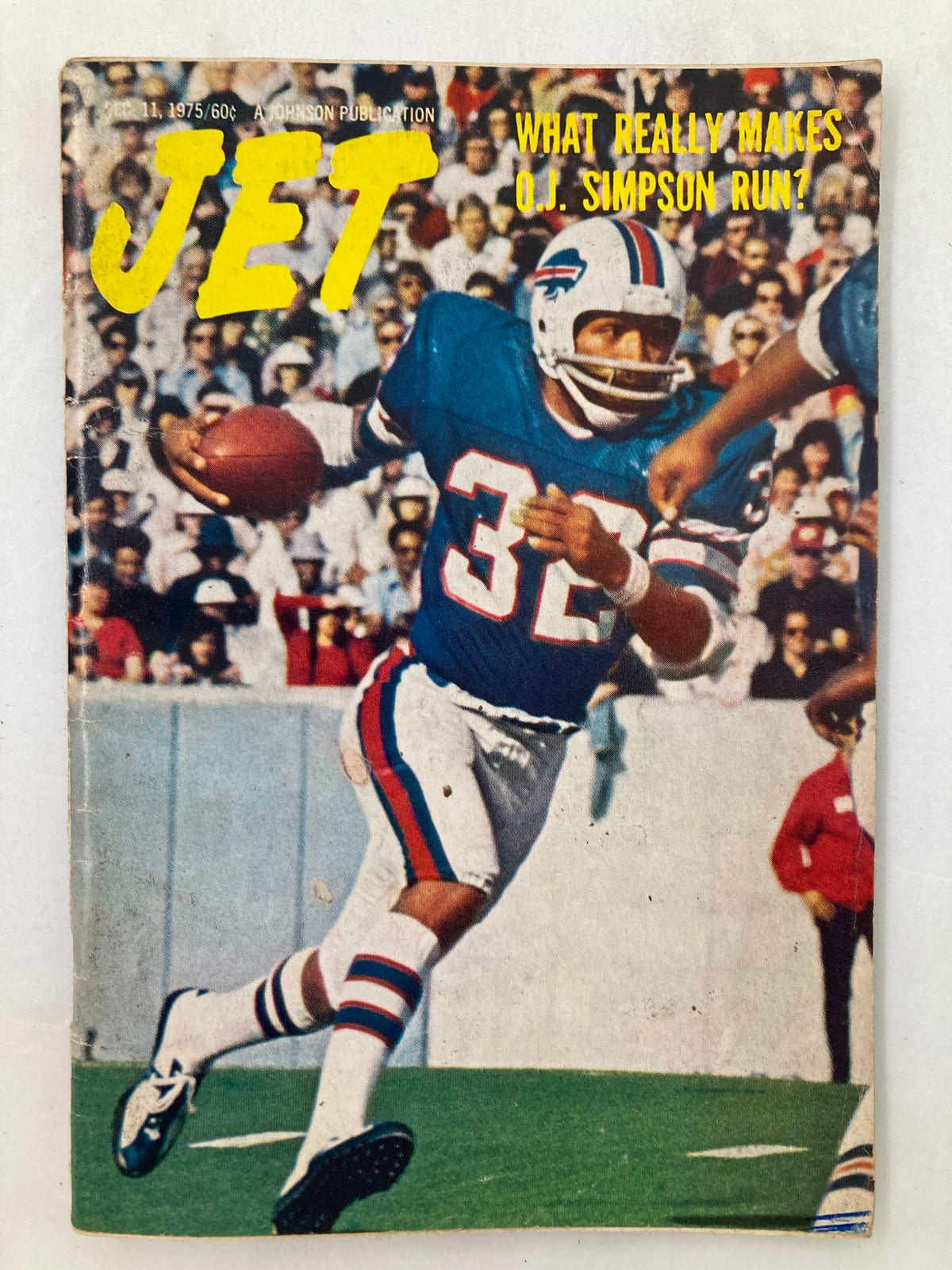
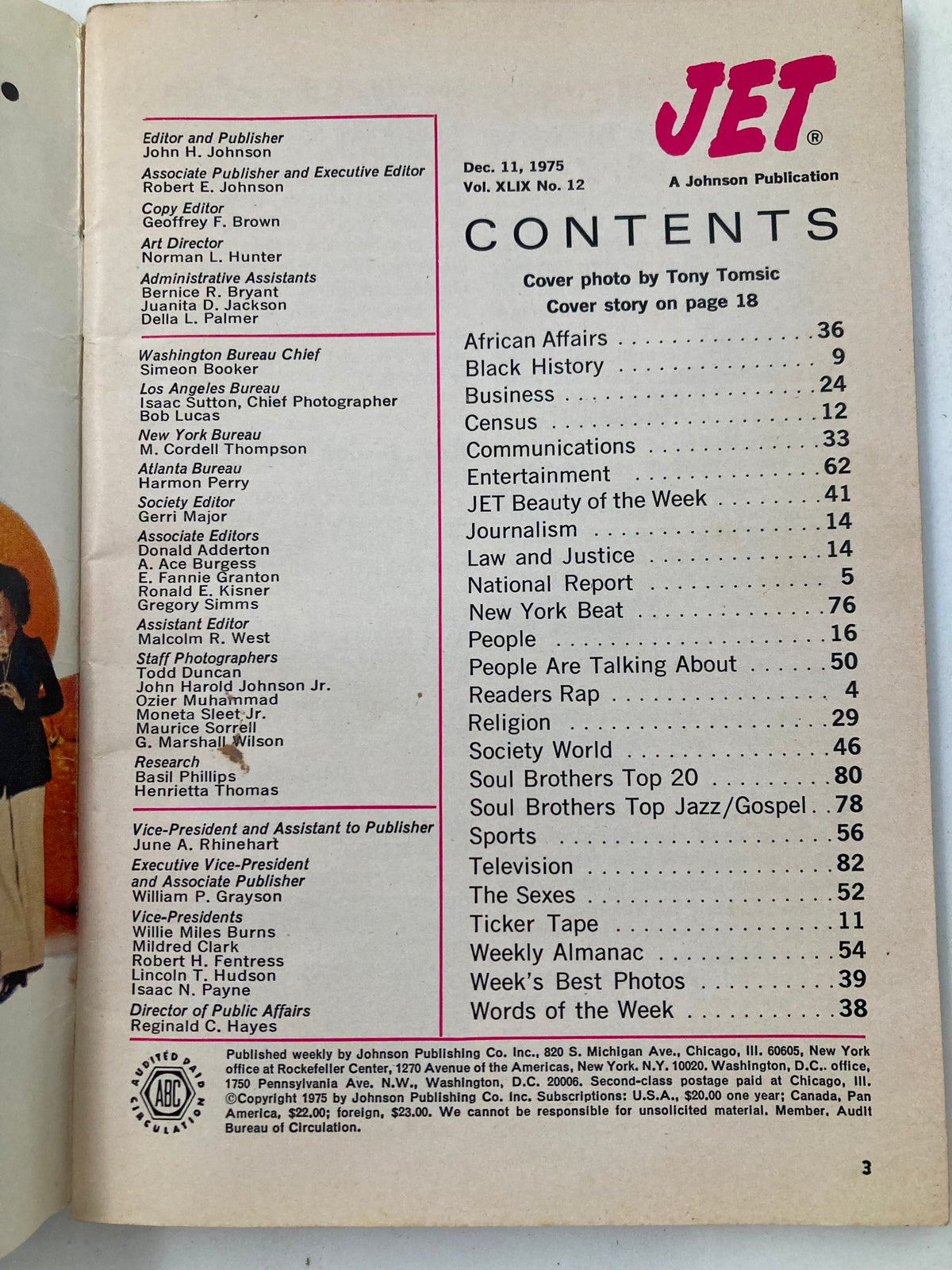
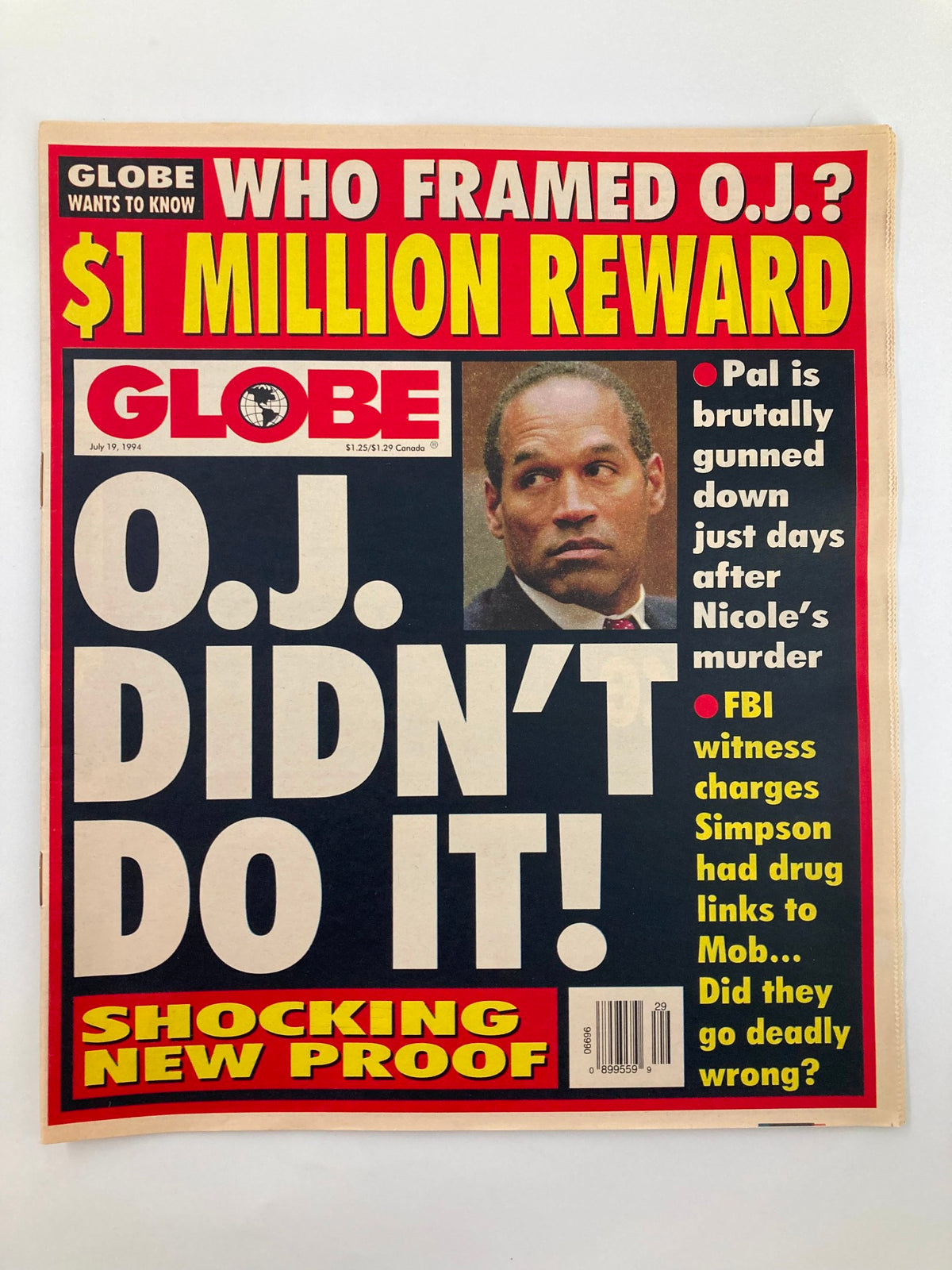
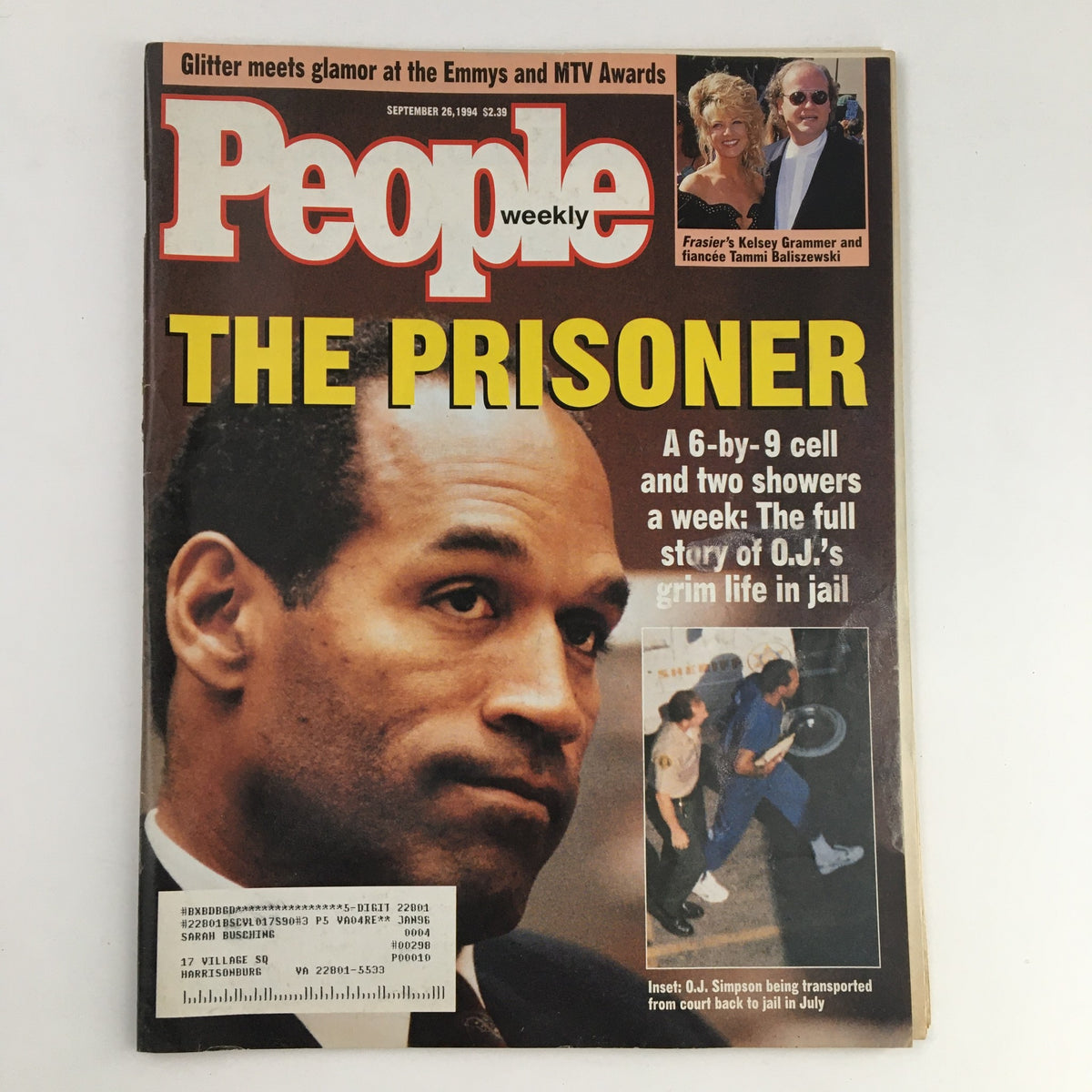
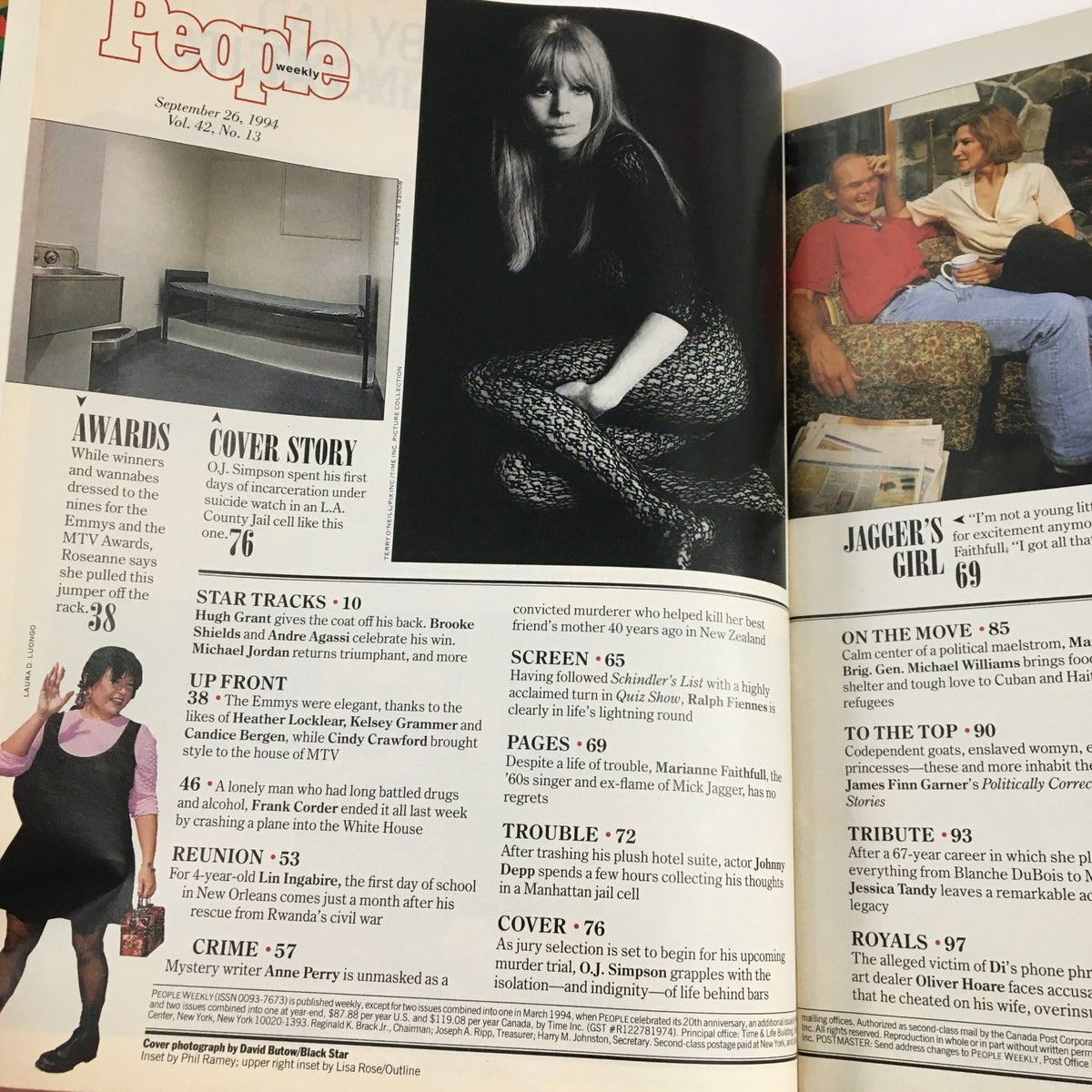
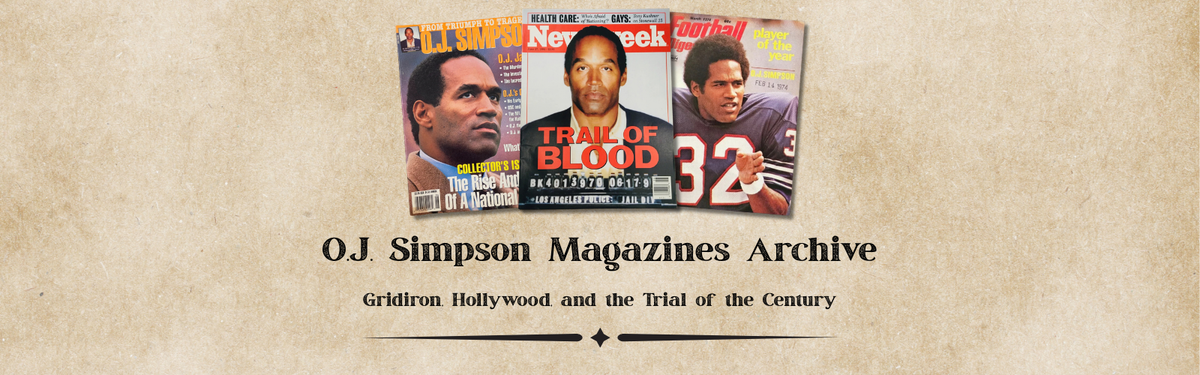
The magazines that chronicled this story represent some of the most arresting print journalism of the late twentieth century. During his athletic peak in the early 1970s, Sports Illustrated placed him on its cover with the reverence reserved for generational talents — dynamic action photography that captured both his explosive power and his improbable elegance in motion. Ebony and Jet followed his career with particular pride, documenting a Black American athlete who had crossed over into mainstream commercial stardom at a time when such crossings were still rare and freighted with cultural meaning. Then came the trial. From 1994 onward, People, Time, and Newsweek gave the case a relentless, serialized treatment — their editorial tones shifting from bewilderment to obsession, their covers cycling through courtroom sketches, family photographs, and the iconic imagery of the criminal and civil proceedings that transfixed the nation. The photography across these years ranges from triumphant and luminous to stark and unflinching, a visual archive of American celebrity and its discontents.
Curator's Checklist: Highlights Often Include
- Early athletic triumph coverage — issues from the late 1960s and early 1970s documenting his record-breaking college career at USC and his dominant years with the Buffalo Bills, often featuring full-spread action photography and breathless statistical analysis
- Crossover celebrity features — mid-to-late 1970s profiles exploring his transition from the gridiron to film roles and his ubiquitous presence as a commercial spokesman, reflecting an era fascinated by the athlete-as-entertainer
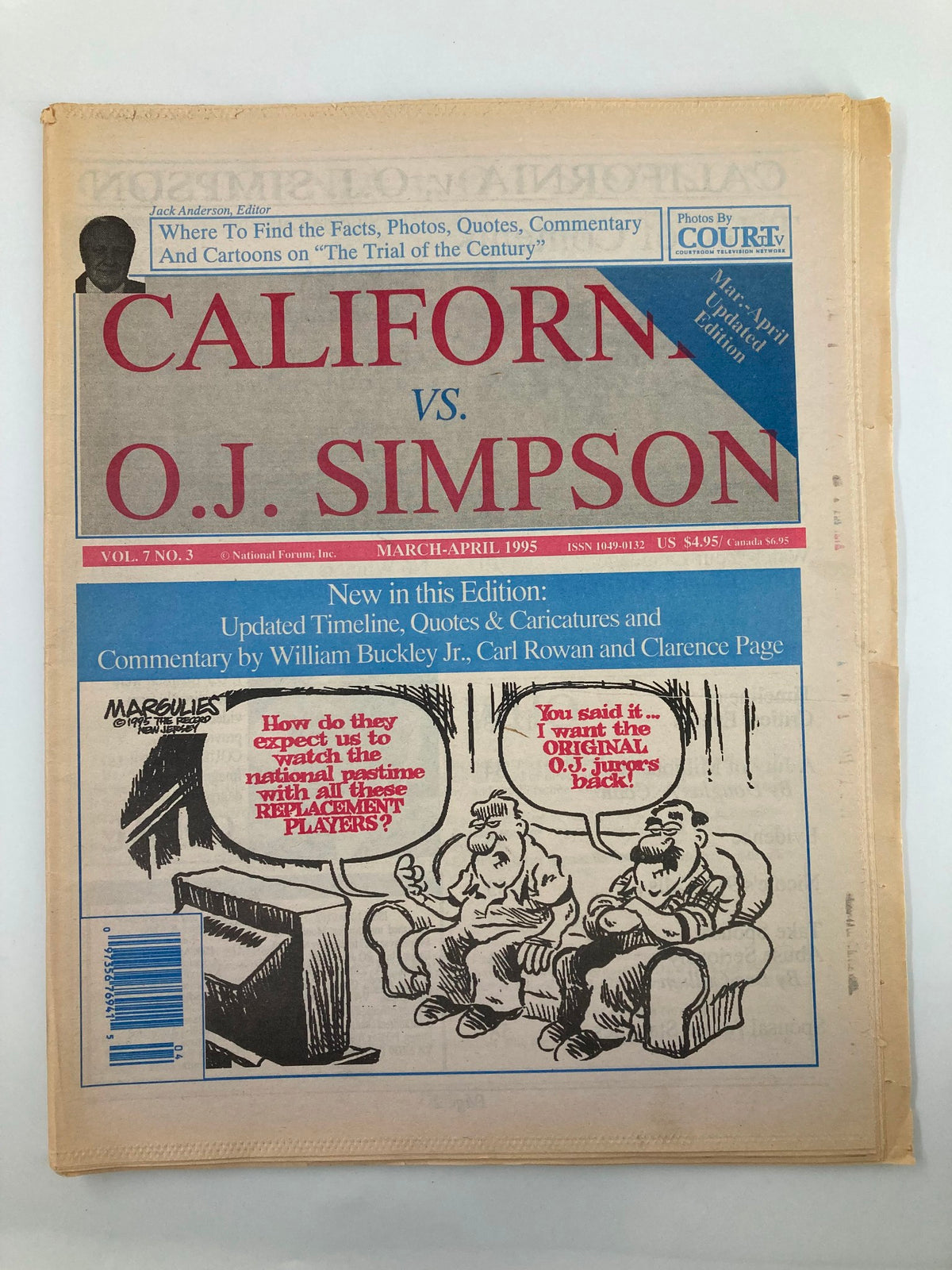
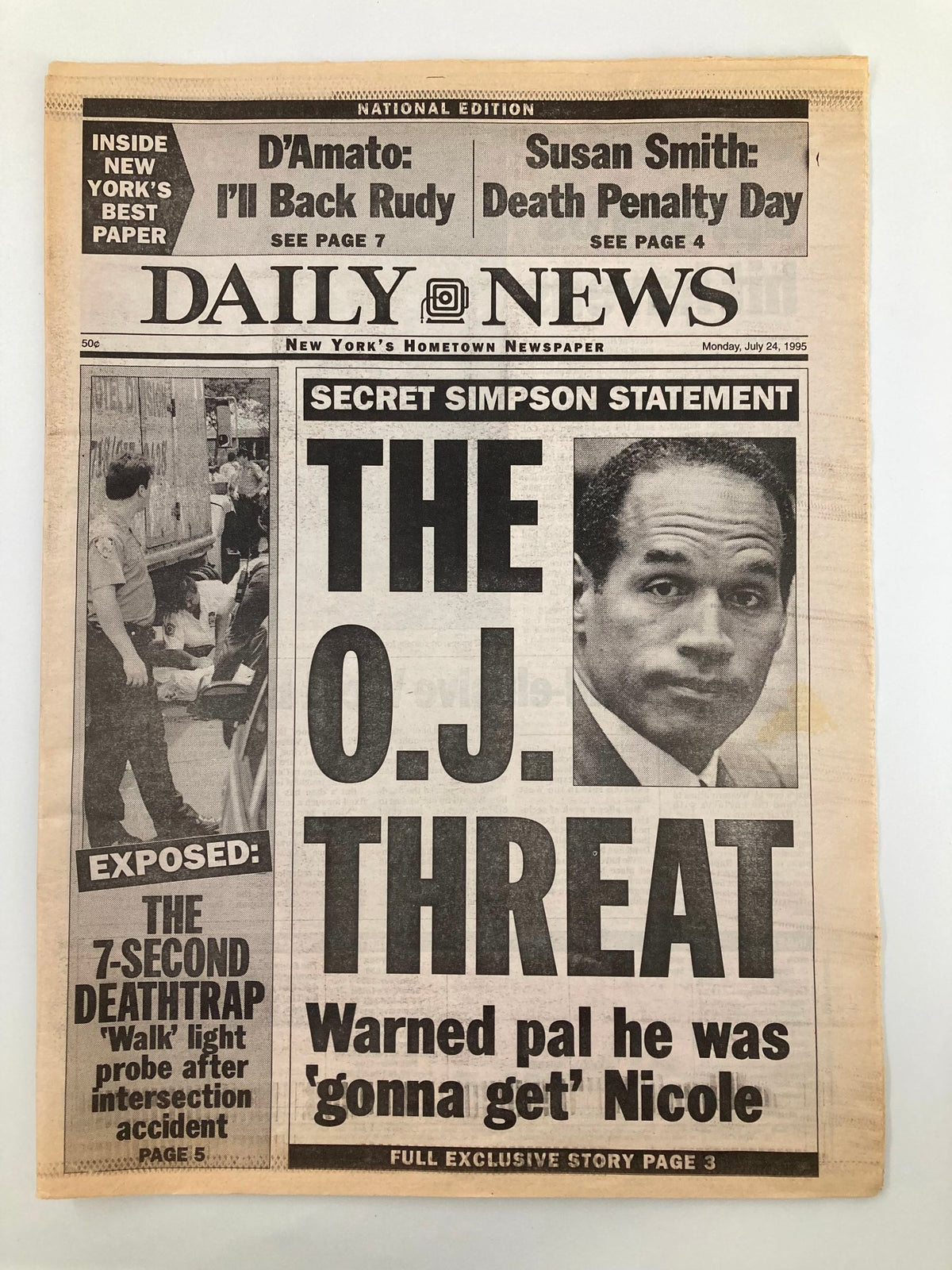
- The arrest and criminal trial — 1994 and 1995 issues offering week-by-week coverage of what many publications called the "trial of the century," including detailed courtroom reporting and cultural commentary on race, justice, and celebrity in America
- The civil verdict and its aftermath — 1997 coverage examining the landmark civil liability ruling and its divergent reception across different American communities
- Cultural retrospectives and anniversary issues — later publications revisiting the case's legacy, its impact on the legal system, and its enduring place in the American psyche
The Collector's Value
To hold one of these magazines is to hold a primary document of American cultural history — not a digital scan, not a reprint, but the original object itself, printed in the moment history was being made. The slightly stiffened pages, the particular weight of the coated stock beneath your fingertips, the faint cedar-and-ink scent that rises when you turn a leaf — these are irreplaceable sensory connections to the world that produced them. Surrounding the central editorial content, the period advertisements offer their own quiet time capsule: the fashion, the automobiles, the consumer aspirations of an era that no longer exists. For collectors of true crime history, African American cultural archives, or landmark moments in American sports journalism, these publications offer something no streaming documentary or Wikipedia article can replicate — the unmediated, in-the-moment record of how an entire society processed one of its most complex and consequential stories. Explore the current available inventory below and find the issue that speaks to you.