📖 About this Collection
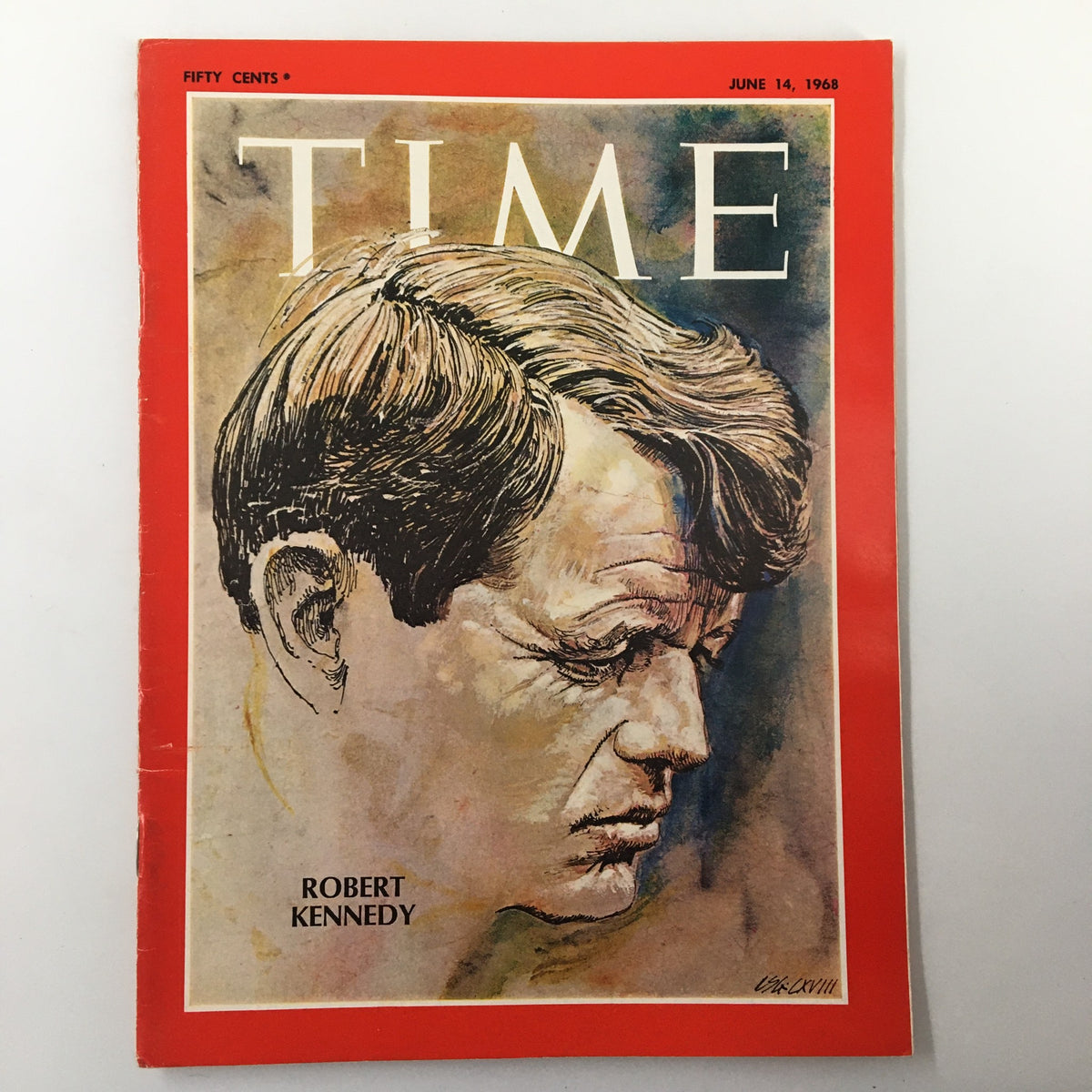
Robert Kennedy: The Last Brother's Crusade
The Legend & The Legacy
In the tumultuous landscape of 1960s America—a nation torn by racial injustice, economic inequality, and an unpopular war—one voice cut through the chaos with raw moral clarity. The younger Kennedy brother transformed from his role as the administration's enforcer into something far more dangerous to the establishment: a prophetic figure who dared to imagine America could live up to its promises. His journey from the corridors of power to the barrios of California, from Appalachian poverty to the ghettos of urban America, represented a evolution that terrified some and electrified millions. When bullets found him in a Los Angeles hotel pantry in June 1968, they didn't just end a campaign—they shattered what many believed was the country's last chance for redemptive change.
Inside the Archive
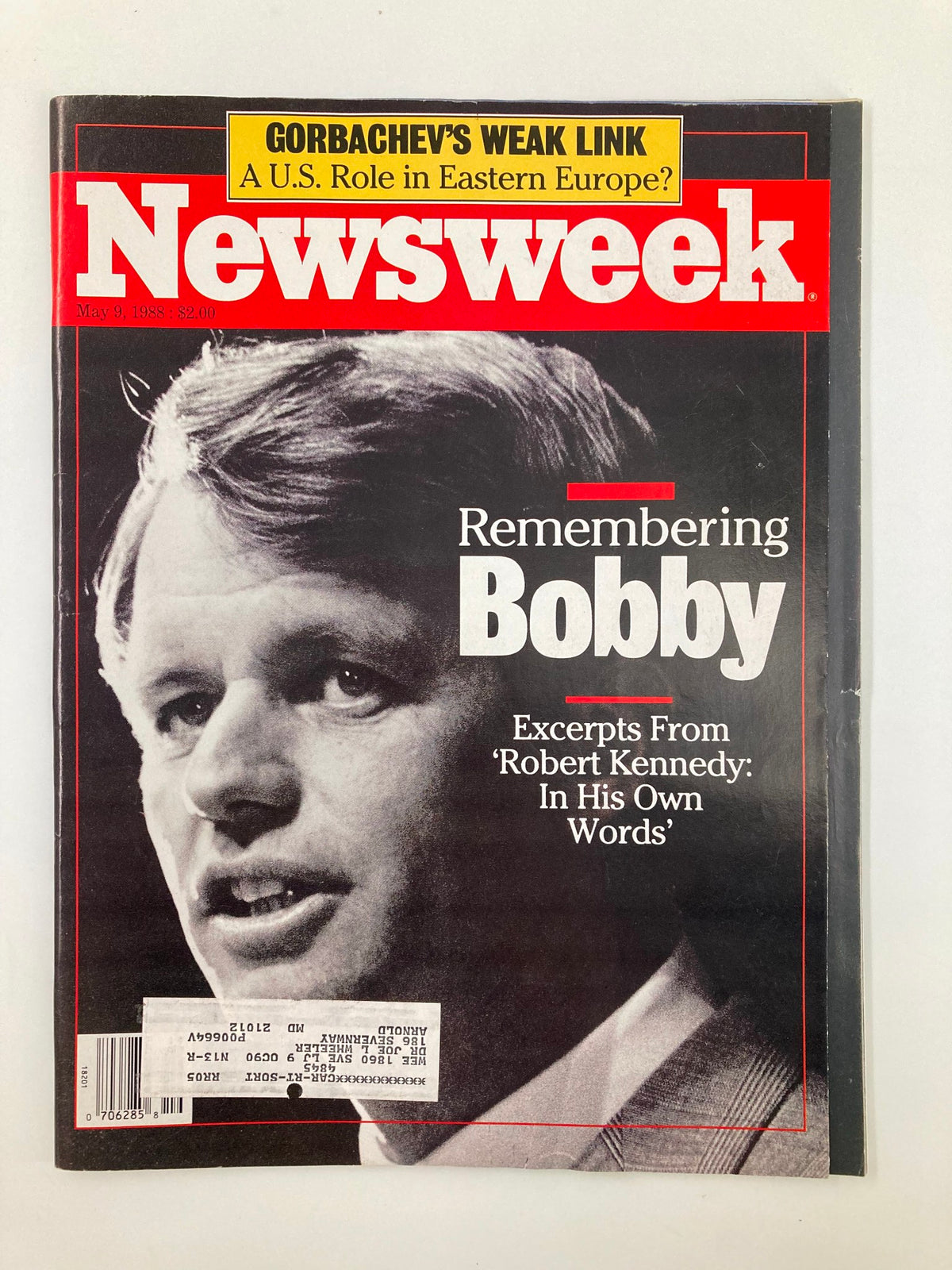
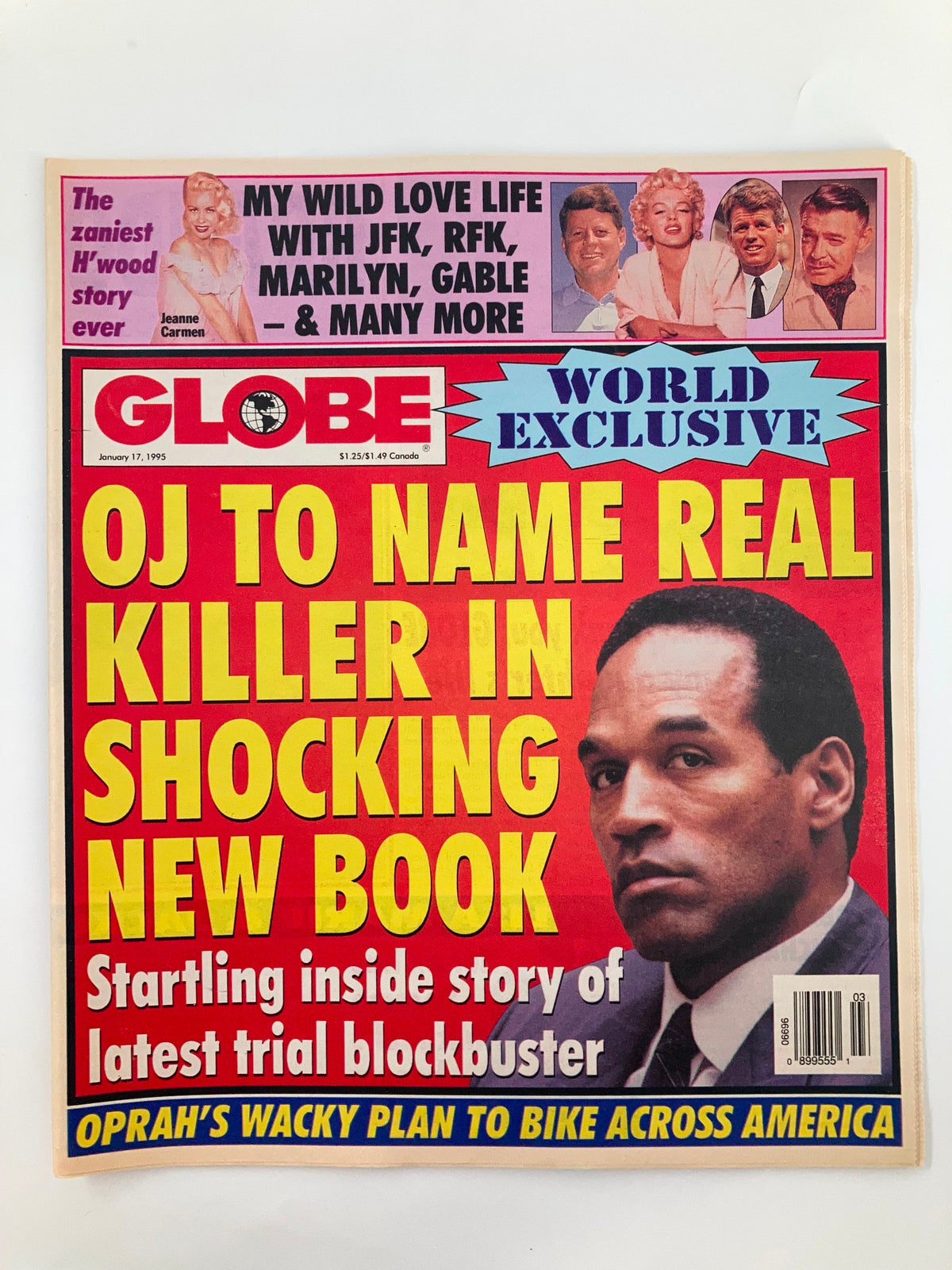
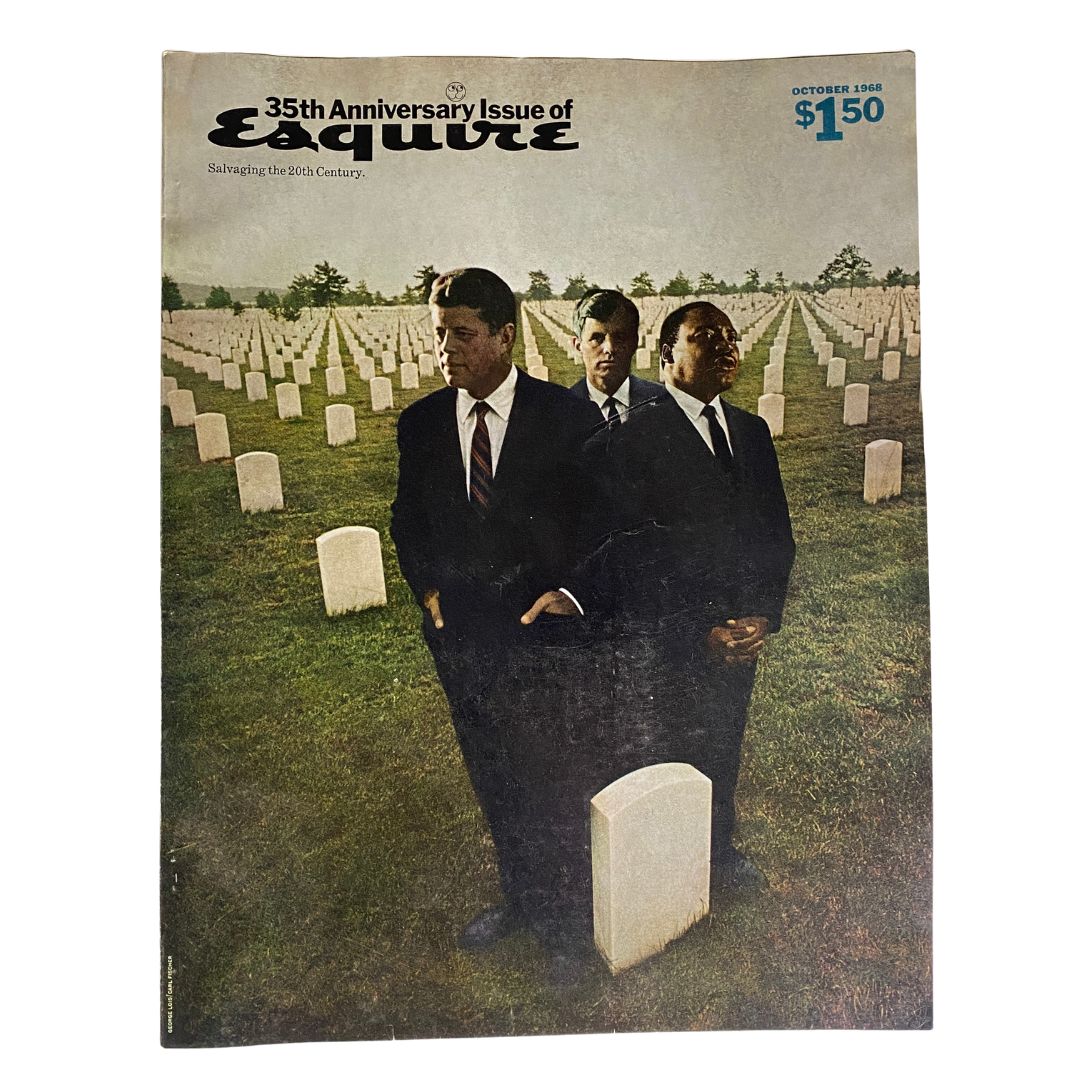
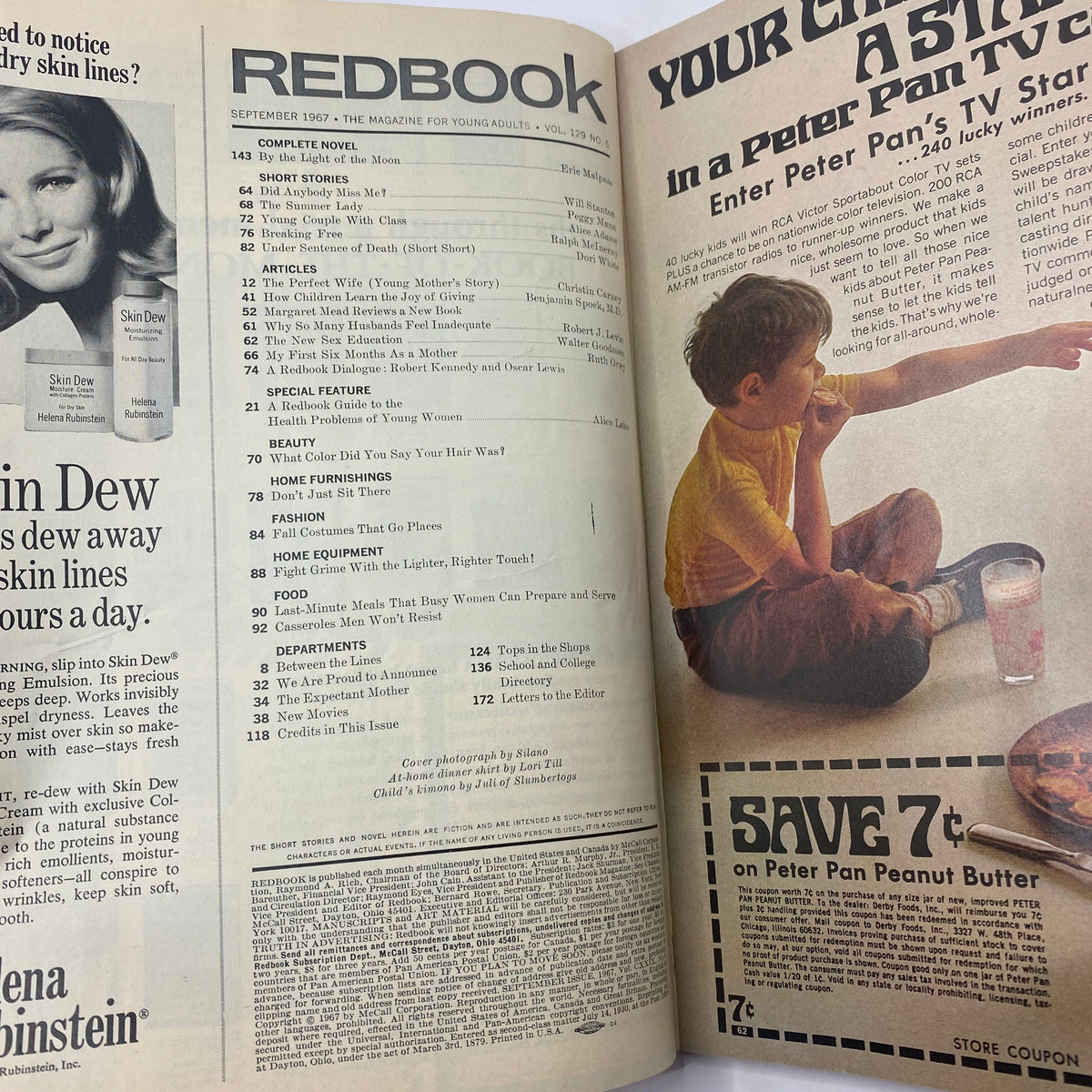
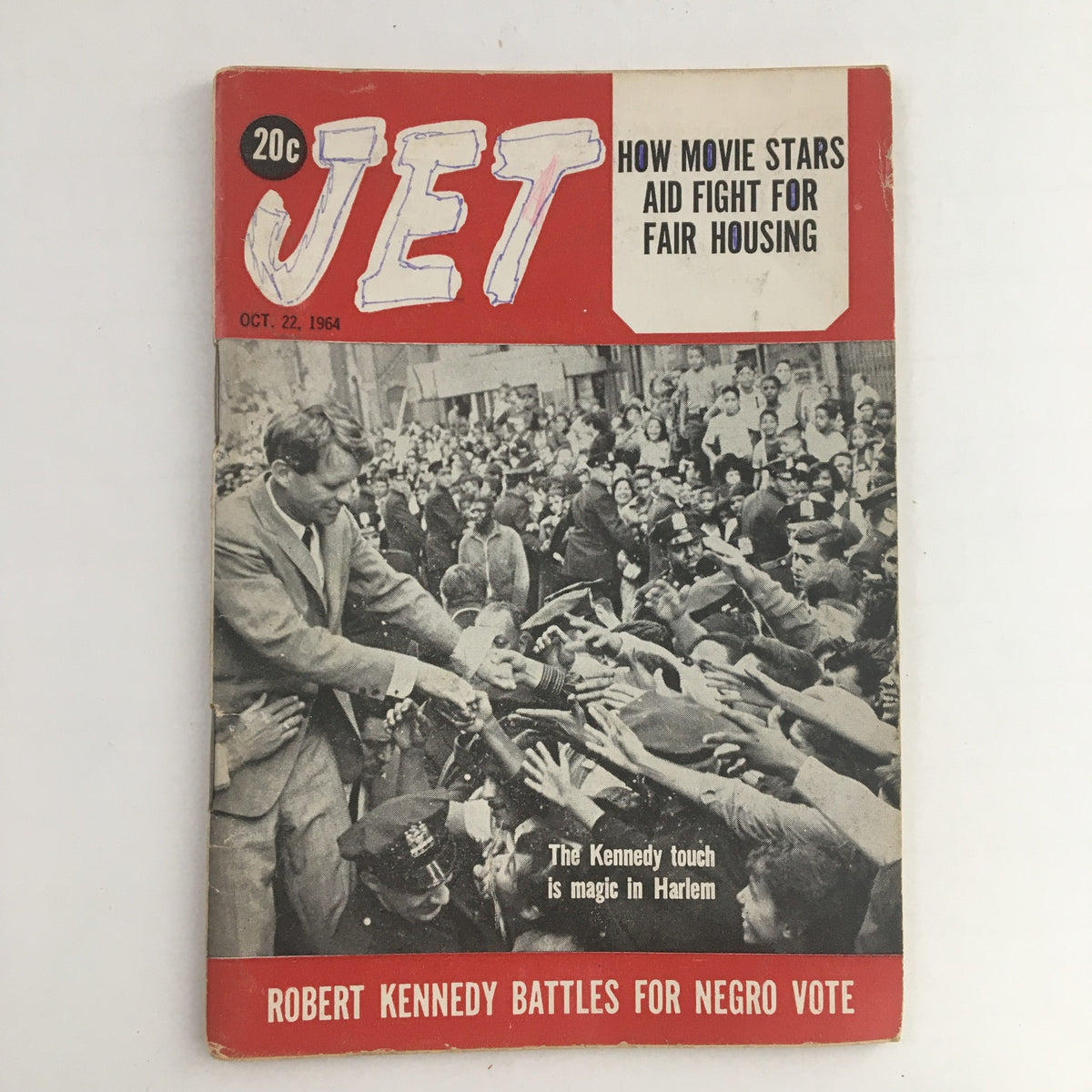
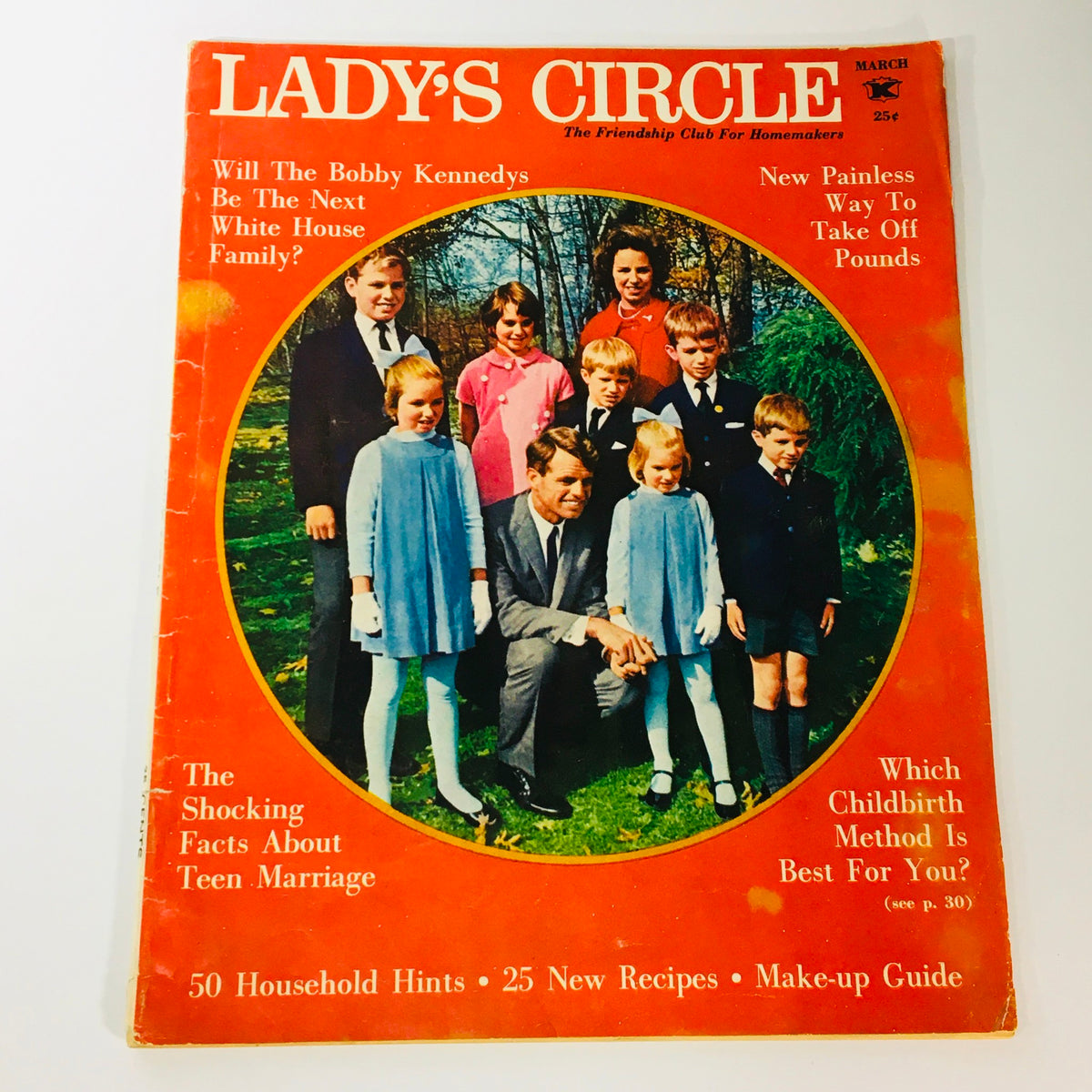
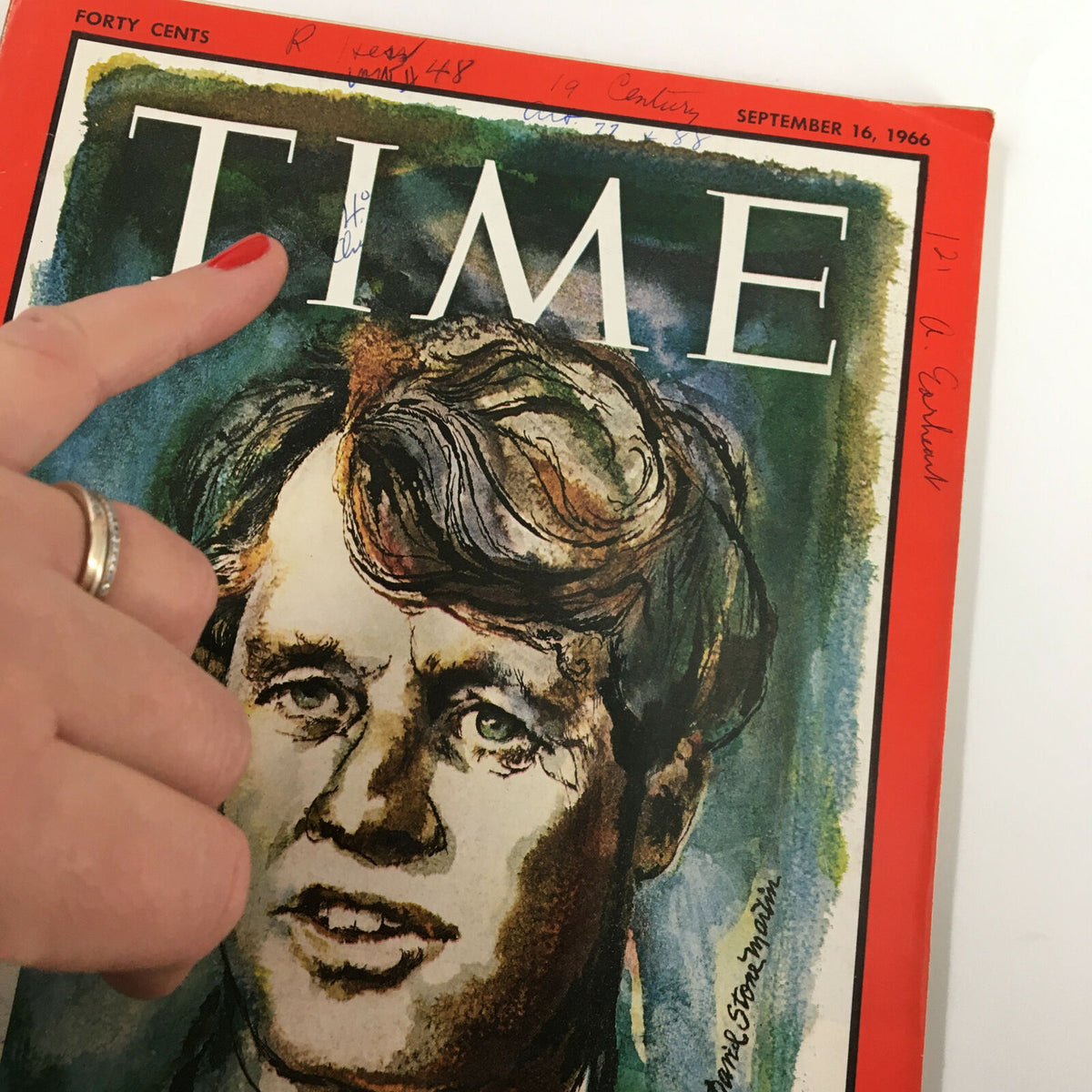
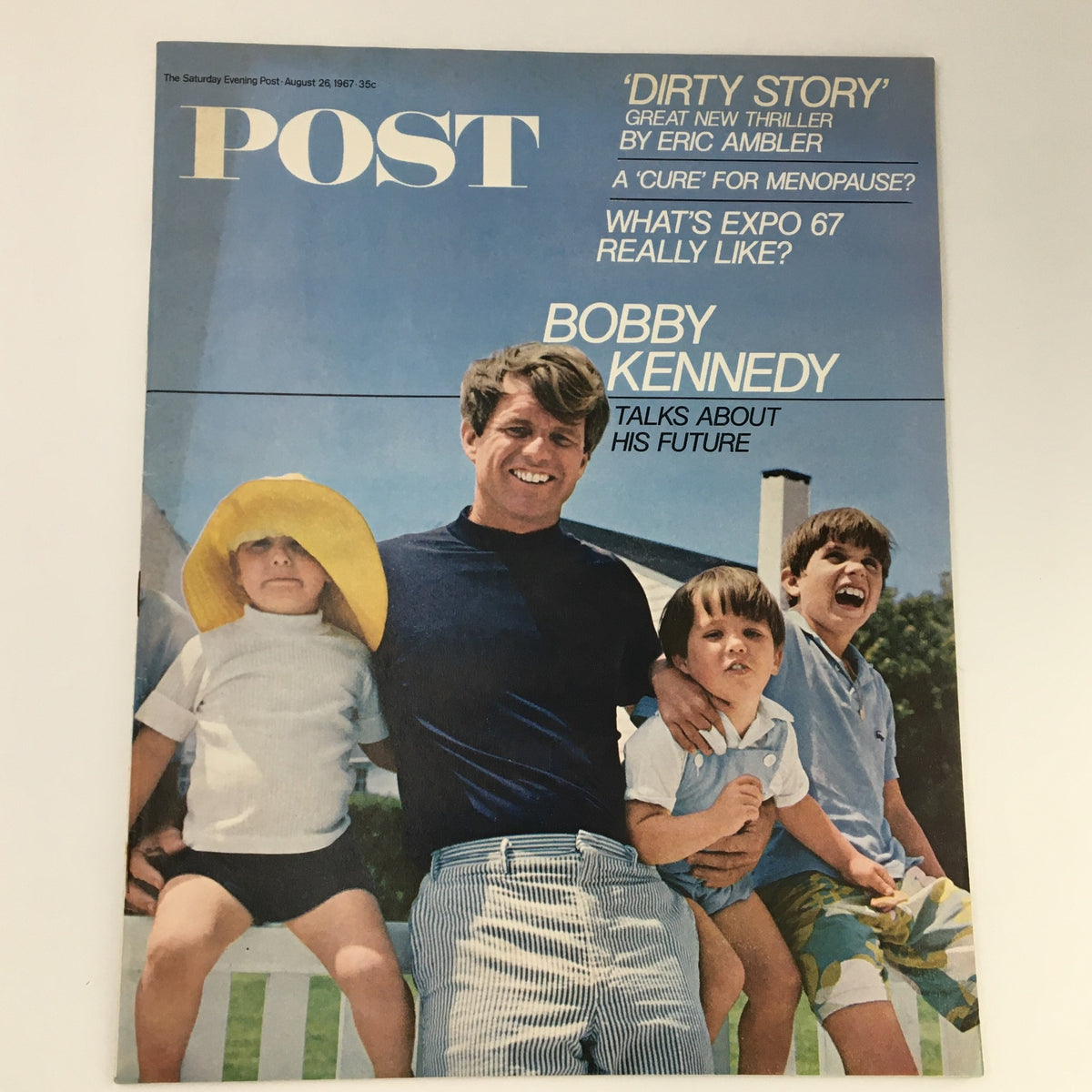
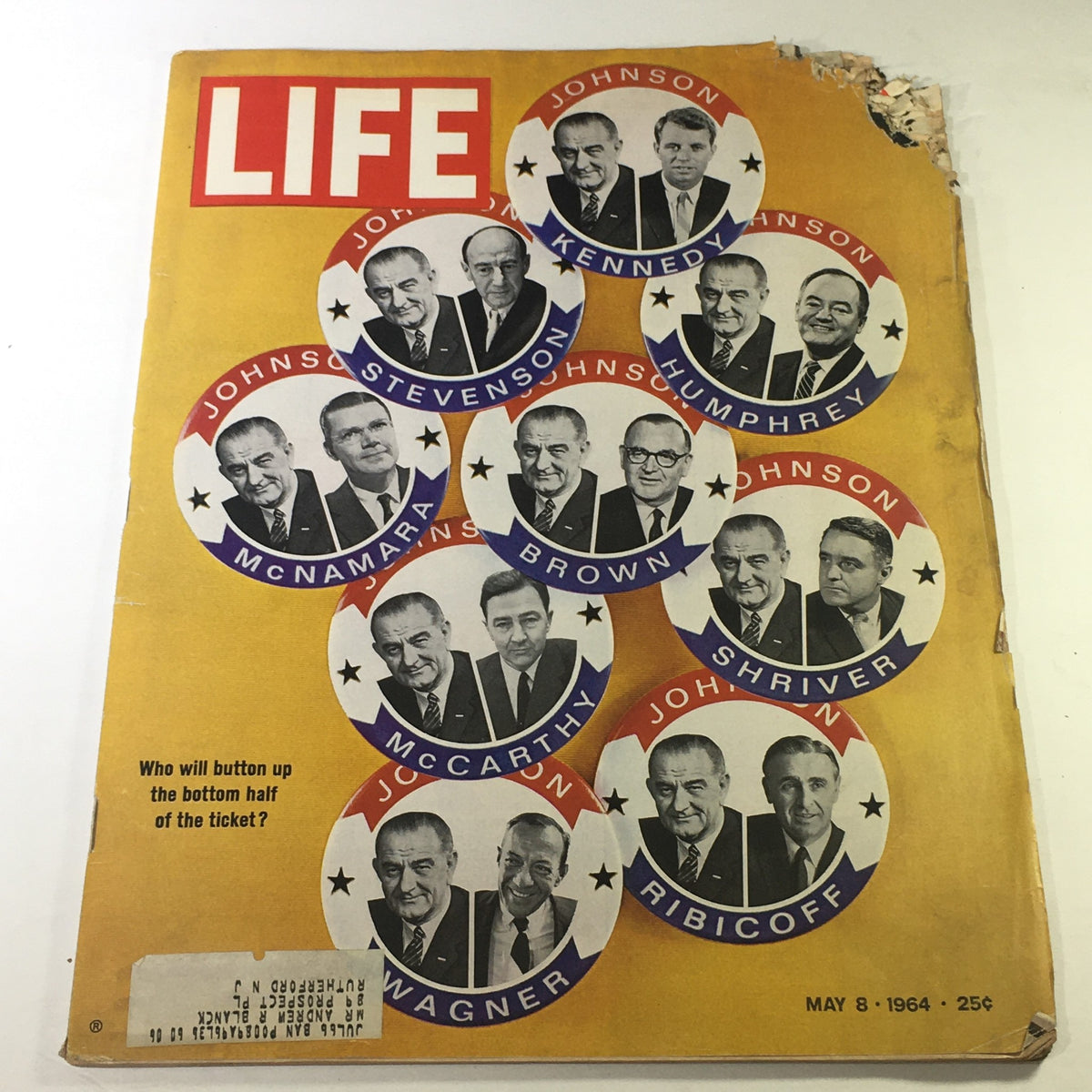
The magazine journalism covering this era captured both the public crusade and private transformation in real time. Publications like Life, Look, and Newsweek deployed their most seasoned photographers to document everything from tense confrontations with Southern governors to unguarded moments on the campaign plane. The reportage oscillated between hagiography and hard investigation—some writers saw a cynical political operator reinventing himself, while others witnessed genuine conversion. What makes these issues invaluable is their immediacy: the uncertainty before tragedy became history, the candid shots that reveal exhaustion and determination, the contemporaneous analysis trying to make sense of a figure who defied easy categorization. These weren't retrospectives; they were drafts of history written in the present tense.
Curator's Checklist: Highlights Often Include
- The Attorney General Years: Coverage of organized crime prosecutions, Freedom Rider protection, and the bitter showdowns with segregationist governors that defined his Justice Department tenure from 1961-1964.
- Campaign Trail Insurgency: Features from the 1968 presidential race—rolling through Indiana, Nebraska, and California with a coalition that united Black voters, Chicano farmworkers, white working-class communities, and idealistic students in an alliance that has never been replicated.
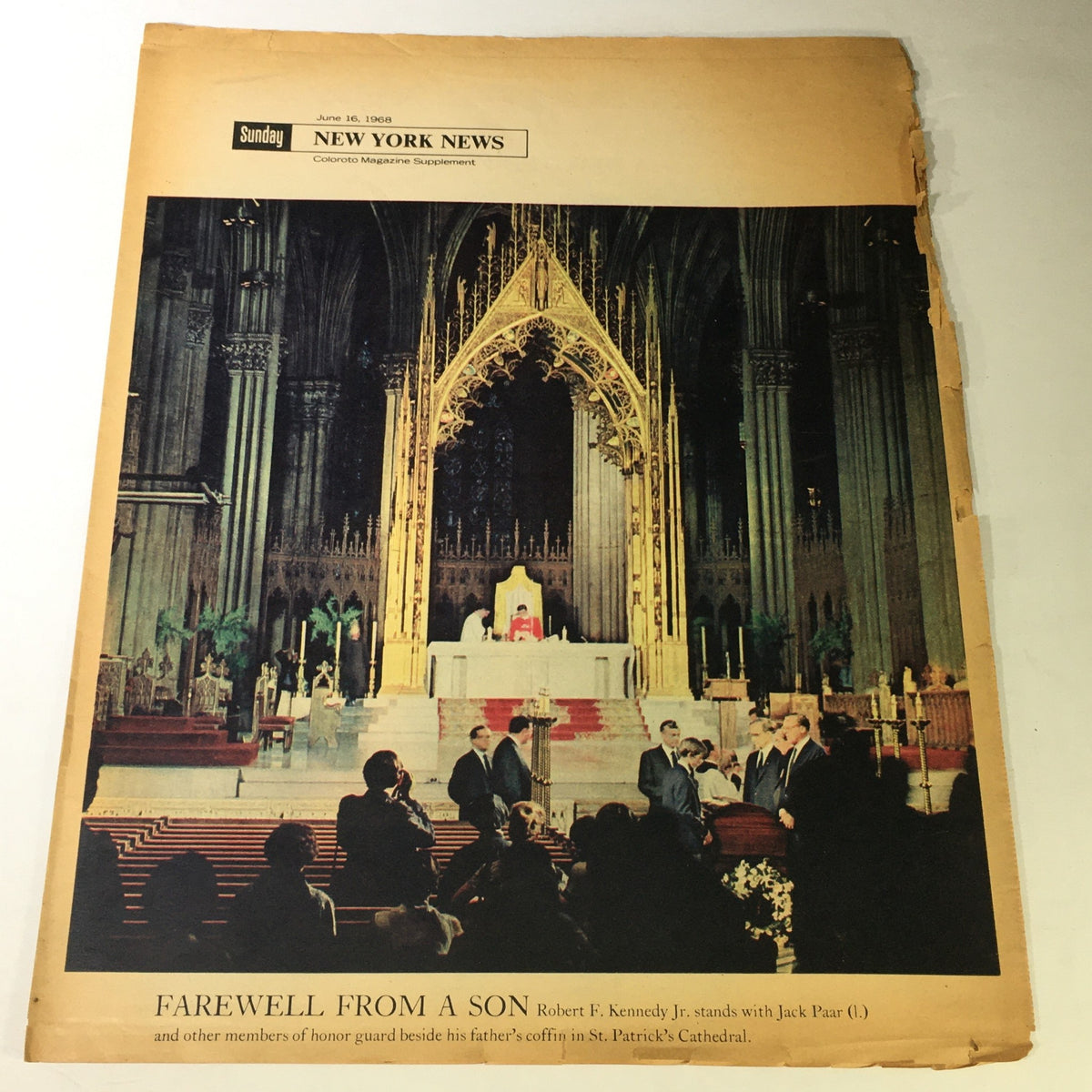
- Grief and Assassination: The immediate aftermath issues from June 1968, with their haunting photography of the Ambassador Hotel, the funeral train to Arlington, and a nation processing its second Kennedy murder in five years.
- The Ripple of Hope: Reproductions of landmark speeches and moments—the Indianapolis address on the night MLK was killed, the "Mindless Menace of Violence" at Cleveland, the Cape Town University address that gave dissidents worldwide a rallying cry.
- Family Dynasty Narratives: Explorations of the Kennedy mystique, the complicated relationship with LBJ, the burden of carrying both his brother's legacy and his own ambitions into an increasingly radical moment.
The Collector's Value
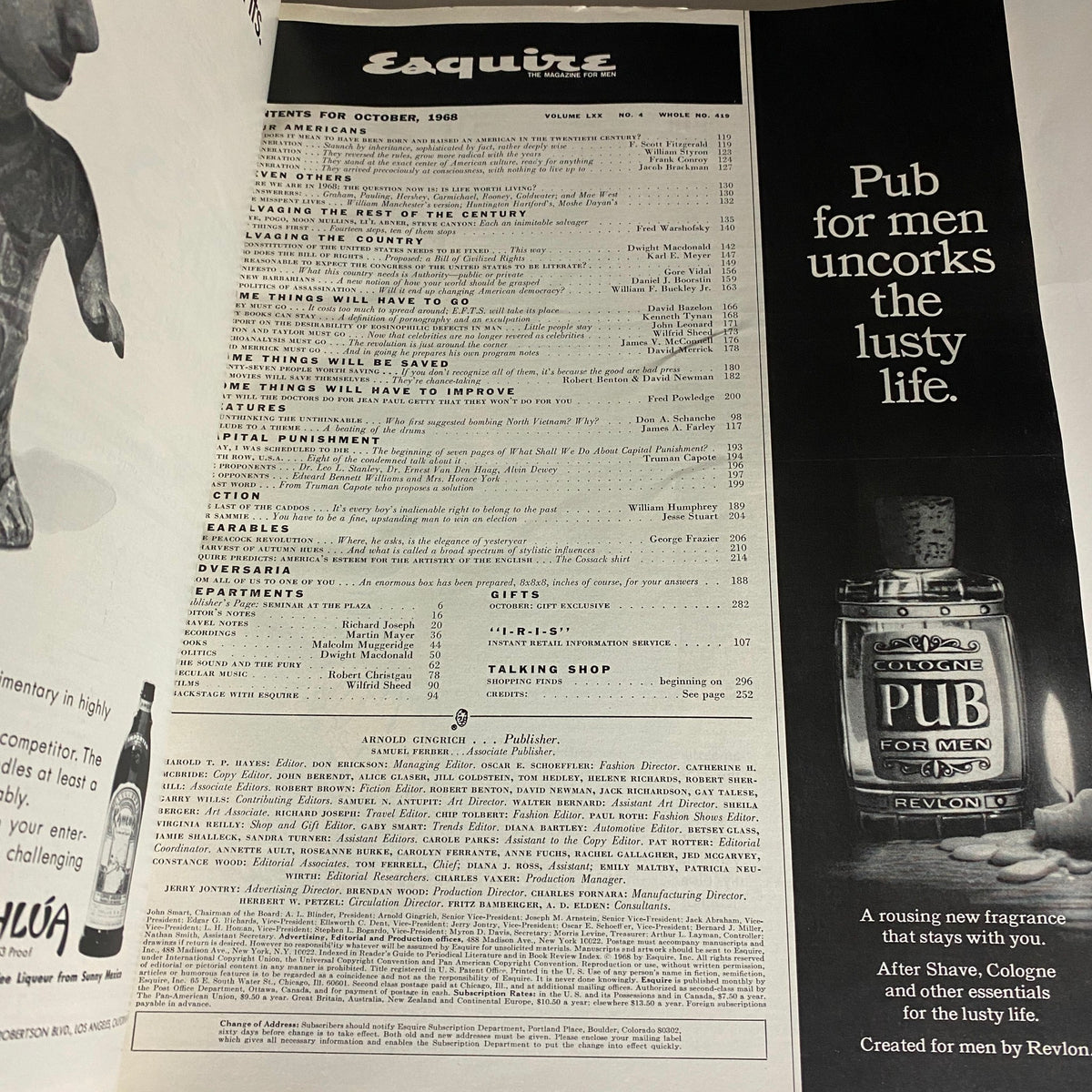
These magazines don't just document a political career—they preserve the emotional texture of American hope and heartbreak at a hinge point in history. Original issues offer something no digital archive can replicate: the weight of the paper, the period advertisements, the sense of holding the same object someone clutched while processing breaking news in real time. For collectors of political history, civil rights memorabilia, or 1960s Americana, these publications represent primary sources that capture both the man and the moment before nostalgia softened the edges. Explore our current inventory below to discover which chapter of this unfinished crusade is available today.