📖 About this Collection
September 1943: The Month the Axis Began to Crack
The Historical Context
The summer of 1943 had been building toward something—and September is when it broke open. On the 8th of that month, General Dwight D. Eisenhower's voice crackled over the radio with news that stopped the world: Italy had surrendered. Pietro Badoglio's government, which had quietly signed the Armistice of Cassibile five days earlier, was now out of the war. Church bells rang across Allied nations. Newsrooms tore up their front pages.
But the relief was short-lived. Within hours, German troops occupied Rome and seized control of the Vatican. Nazi commandos executed one of the war's most audacious operations—SS officer Otto Skorzeny's glider assault on the Gran Sasso mountain stronghold freed Benito Mussolini, who was swiftly installed as head of a German puppet state. The liberation of one man threatened to undo the liberation of an entire nation. Meanwhile, Allied forces stormed ashore at Salerno in Operation Avalanche, fighting through bitter German counterattacks across the Italian peninsula. This was the world—violent, pivotal, and transforming—into which your loved one arrived.
Culture & Life in September 1943
On the home front, life carried its particular wartime rhythm—anxious, resourceful, and occasionally thrilling. Baseball provided its customary relief: the New York Yankees clinched their 14th American League pennant on September 14th, and the Cardinals locked up the National League, setting the stage for an all-American World Series that offered brief, blessed distraction. At Forest Hills, Joe Hunt defeated Jack Kramer in a gripping US National Championship final, and Pauline Betz defended her women's title with characteristic authority—sporting pages in Life and Look celebrated both victories.
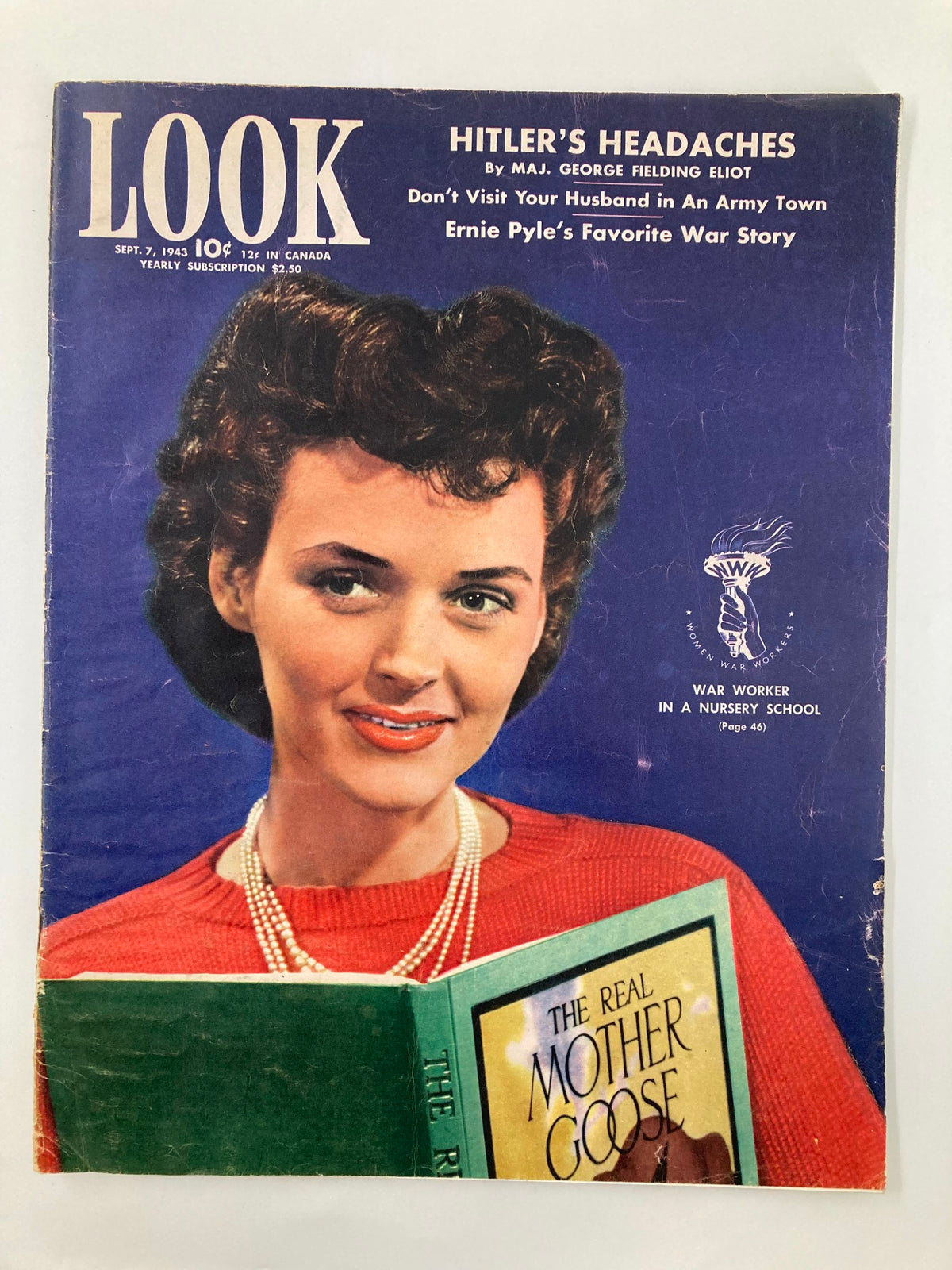
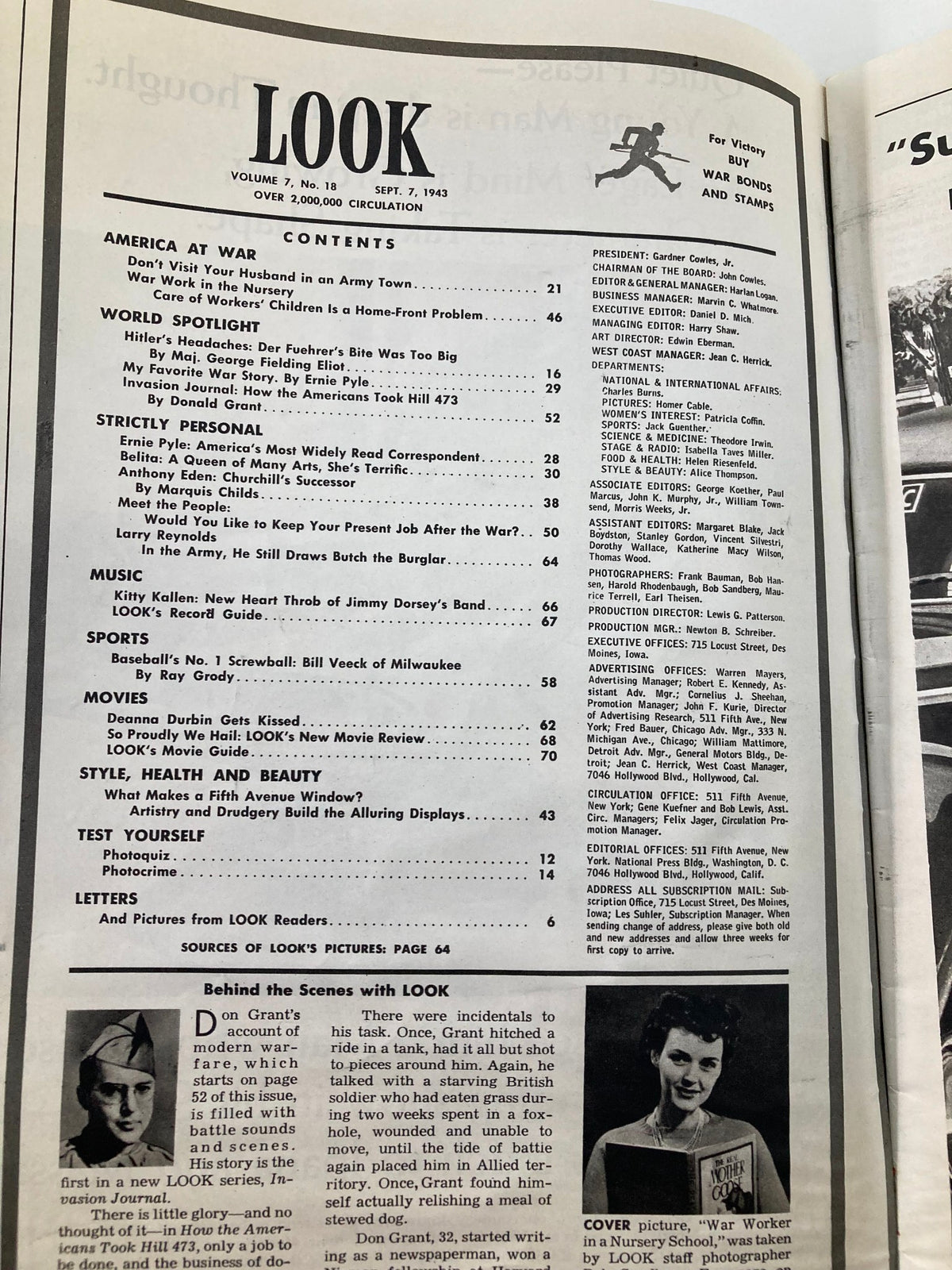
In the cinemas, Hollywood was deep in its wartime production cycle, turning out films that balanced escapism with patriotic purpose. Time and Newsweek ran the Italian armistice across their covers in bold wartime typography. Life photographers were embedded with Allied forces at Salerno, capturing the amphibious landings in grainy, extraordinary detail. Original magazines from September 1943 carry the particular visual energy of a nation at war—rationing advertisements alongside war bond drives, fashion spreads featuring practical utility styles, and editorial layouts dense with maps, dispatches, and urgent photographic reportage. These are rare magazines that documented history as it was still being written.
Curator's Checklist: What to Look for in September 1943 Magazines
- Italy's Surrender: Issues of Time, Life, and Newsweek featuring front-page coverage of the Armistice of Cassibile announcement, often illustrated with photographs of Allied generals and maps of the Italian peninsula showing the Allied advance northward.
- Operation Avalanche at Salerno: Combat photography and tactical maps from the amphibious landings, particularly in Life and Look, showcasing the dramatic imagery of US, British, and French troops storming Italy's southwestern coastline under fire.
- The Rescue of Mussolini: Coverage of the audacious Gran Sasso raid appeared swiftly in news weeklies—vintage magazines from this month capture the world's genuine astonishment at Skorzeny's glider operation and Mussolini's return as a German figurehead.
- The American League Pennant Race: Sports Illustrated did not yet exist, but Life and the Saturday Evening Post regularly featured sporting coverage; look for Yankees pennant clinch coverage and previews of the upcoming World Series matchup with the Cardinals.
- Wartime Advertising and Fashion: Authentic period advertisements throughout these magazines chronicle the home-front economy—war bond promotions, practical utility fashions, and Victory Garden messaging that made each issue a genuine time capsule of civilian life in 1943.
The Perfect Birthday Gift
For someone born in September 1943, an original magazine from this pivotal month isn't just a piece of paper—it's an authenticated window into the exact week the world held its breath, preserved in genuine wartime headlines, photographs, and advertisements that no reproduction can replicate.