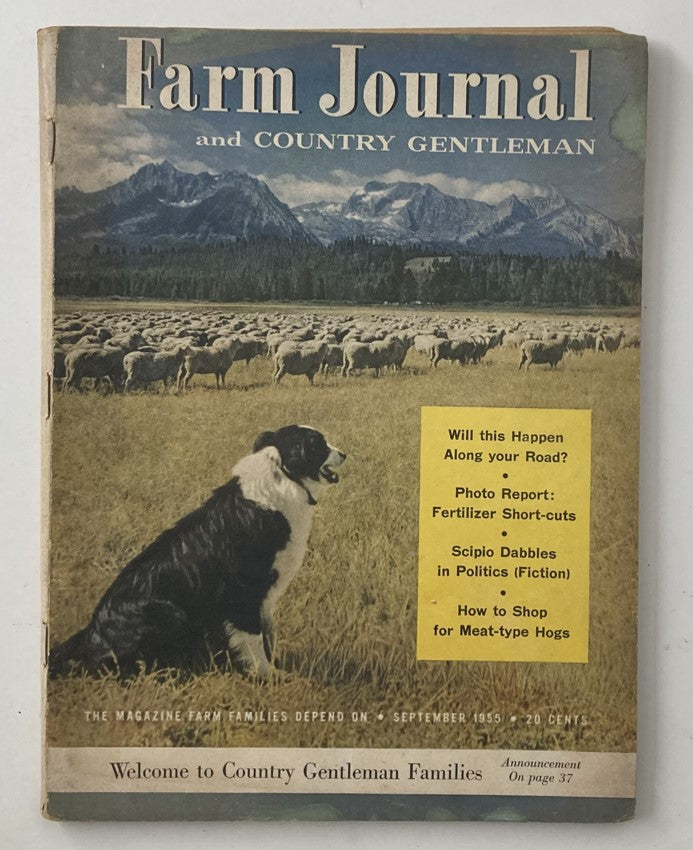
📖 About this Collection
September 1955: The Month America's Innocence Fractured
The Historical Context
The nation stood at a crossroads in September 1955, caught between the gleaming optimism of postwar prosperity and the harsh realities that would define the coming decade. The brutal murder of Emmett Till and the subsequent acquittal of his killers sent shockwaves through the nation, galvanizing the civil rights movement in ways that would reshape American society. Meanwhile, President Eisenhower's heart attack on September 24th threw the country into uncertainty, as doctors worked to stabilize the beloved commander-in-chief at a Denver hospital. The stock market plunged in response, recording its worst decline since 1929. Yet even as these seismic events unfolded, everyday Americans witnessed the final fight of undefeated heavyweight champion Rocky Marciano, who knocked out Archie Moore in the ninth round at Yankee Stadium before retiring with a perfect record. This was the world your loved one entered—a moment when the comfortable certainties of the early 1950s began to crack, revealing the struggles and transformations that lay ahead.
On newsstands and in living rooms, September 1955 crackled with cultural energy that masked deeper tensions. Little Richard's recording of "Tutti Frutti" on September 14th unleashed rock and roll's rebellious spirit with that immortal opening: "A-wop-bop-a-loo-mop-a-lop-bam-boom." The song would dominate jukeboxes and scandalize parents within weeks. Television expanded its reach as Gunsmoke premiered on CBS, bringing adult westerns into prime time, while Ford Star Jubilee launched with Judy Garland's spectacular comeback performance. Baseball dominated the sports pages as Willie Mays became only the seventh player to hit 50 home runs in a season, while the Brooklyn Dodgers clinched the National League pennant earlier than any team in history. Britain entered the television age with its first-ever commercial—for Gibbs SR toothpaste—marking ITV's historic launch. Original magazines from September 1955 captured these transformations through genuine advertisements for the new consumer products flooding the market, from television sets to the latest Detroit automobiles, alongside editorial coverage of the era's triumphs and tragedies.
What to Look For in Vintage Magazines from This Month
-
Emmett Till Coverage: News magazines like Time, Life, and Newsweek documented the Mississippi trial that shocked the nation, featuring powerful photography and reporting that exposed the brutal realities of racial injustice in the segregated South.
-
Eisenhower's Health Crisis: Publications across every category reported on the President's heart attack and recovery, often with front-page urgency and medical diagrams explaining the cardiac event that paralyzed Washington and rattled Wall Street.
-
Rocky Marciano's Farewell: Sports sections and rare magazines like Sport and early issues of Sports Illustrated chronicled the champion's final bout with vivid ringside photography, cementing his legacy as the only heavyweight to retire undefeated.
-
Birth of Rock and Roll: Music and entertainment publications began grappling with the phenomenon of Little Richard and the explosive new sound sweeping youth culture, though mainstream magazines often struggled to understand or acknowledge this musical revolution.
-
British Television Milestone: International news coverage in major American publications documented ITV's launch and Britain's first television commercial, marking the end of the BBC's monopoly and signaling the global spread of commercial broadcasting.
The Perfect Gift
For someone born in September 1955, an original magazine from this pivotal month isn't just a nostalgic keepsake—it's an authenticated witness to the moment when America's postwar consensus began to shatter, preserved in genuine advertisements, headlines, and photography from the exact month they entered a changing world.