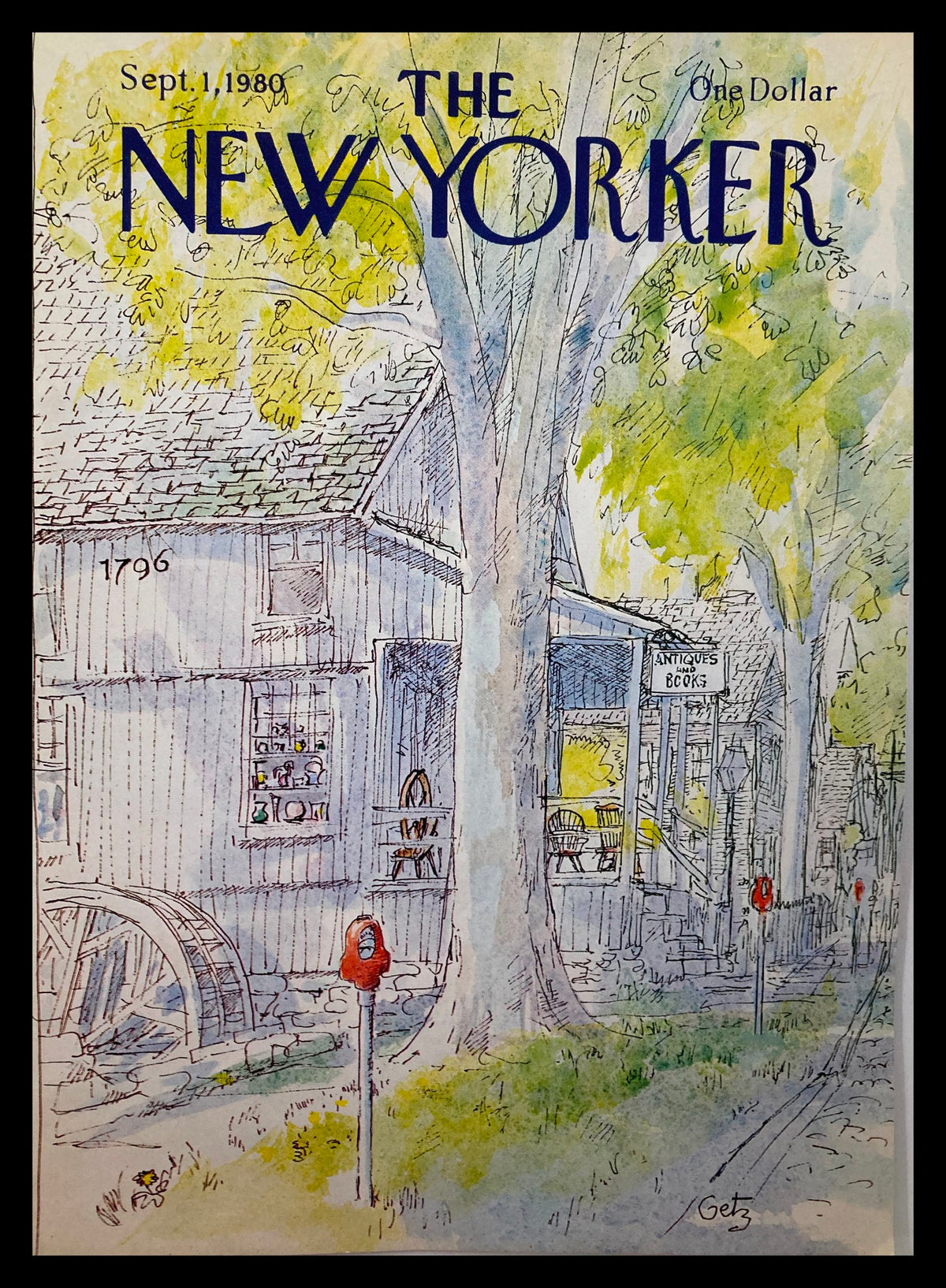
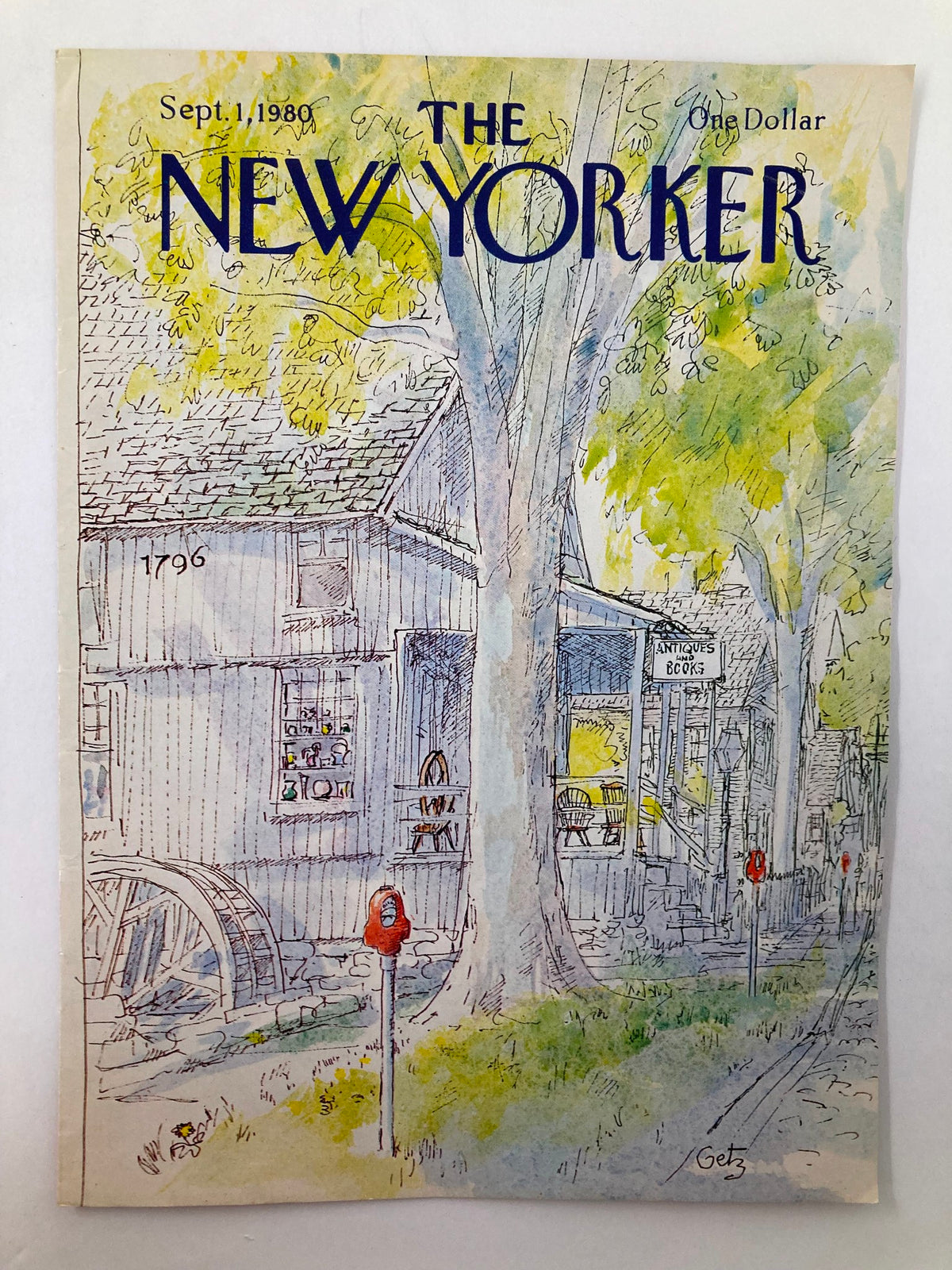
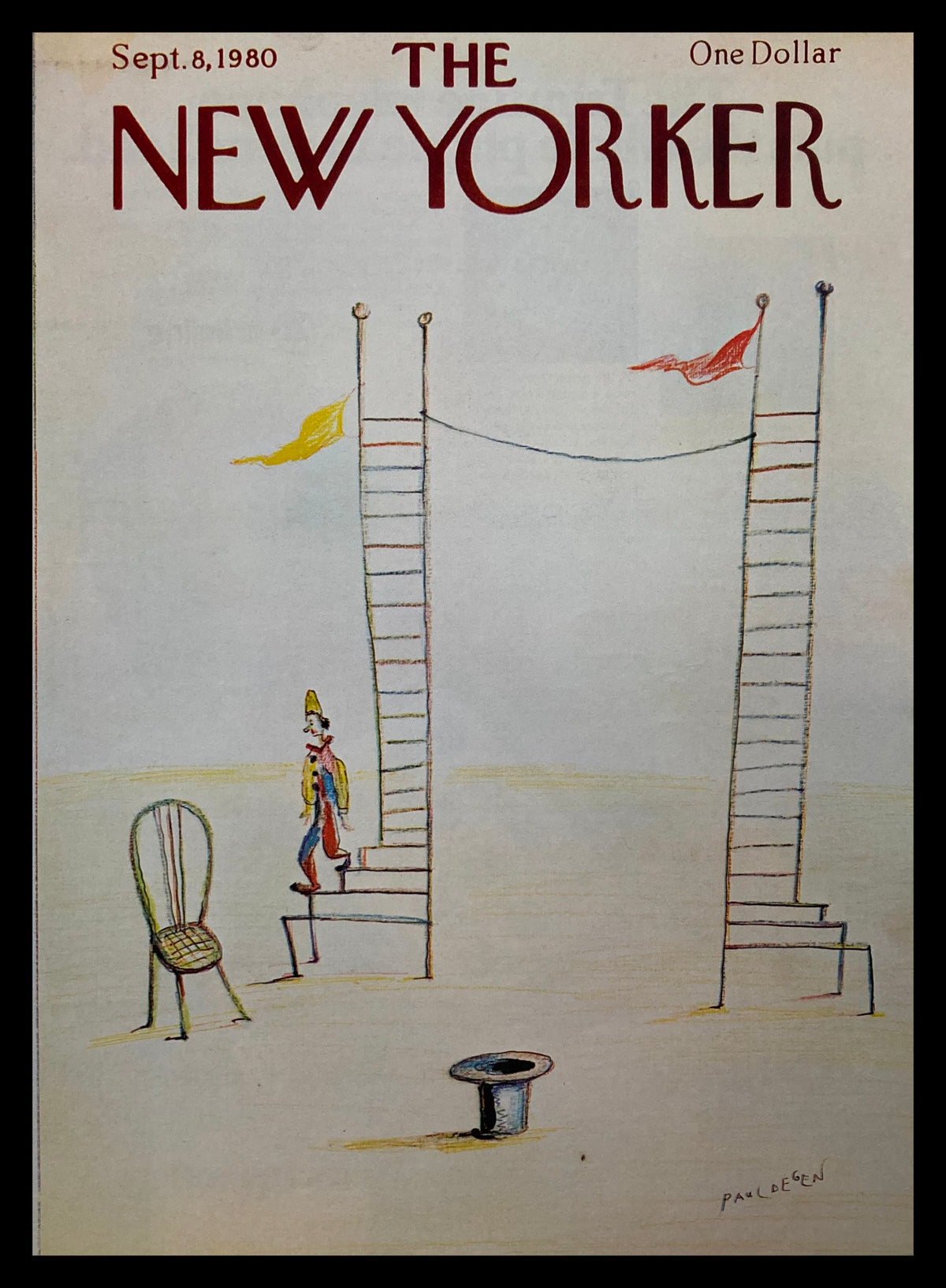
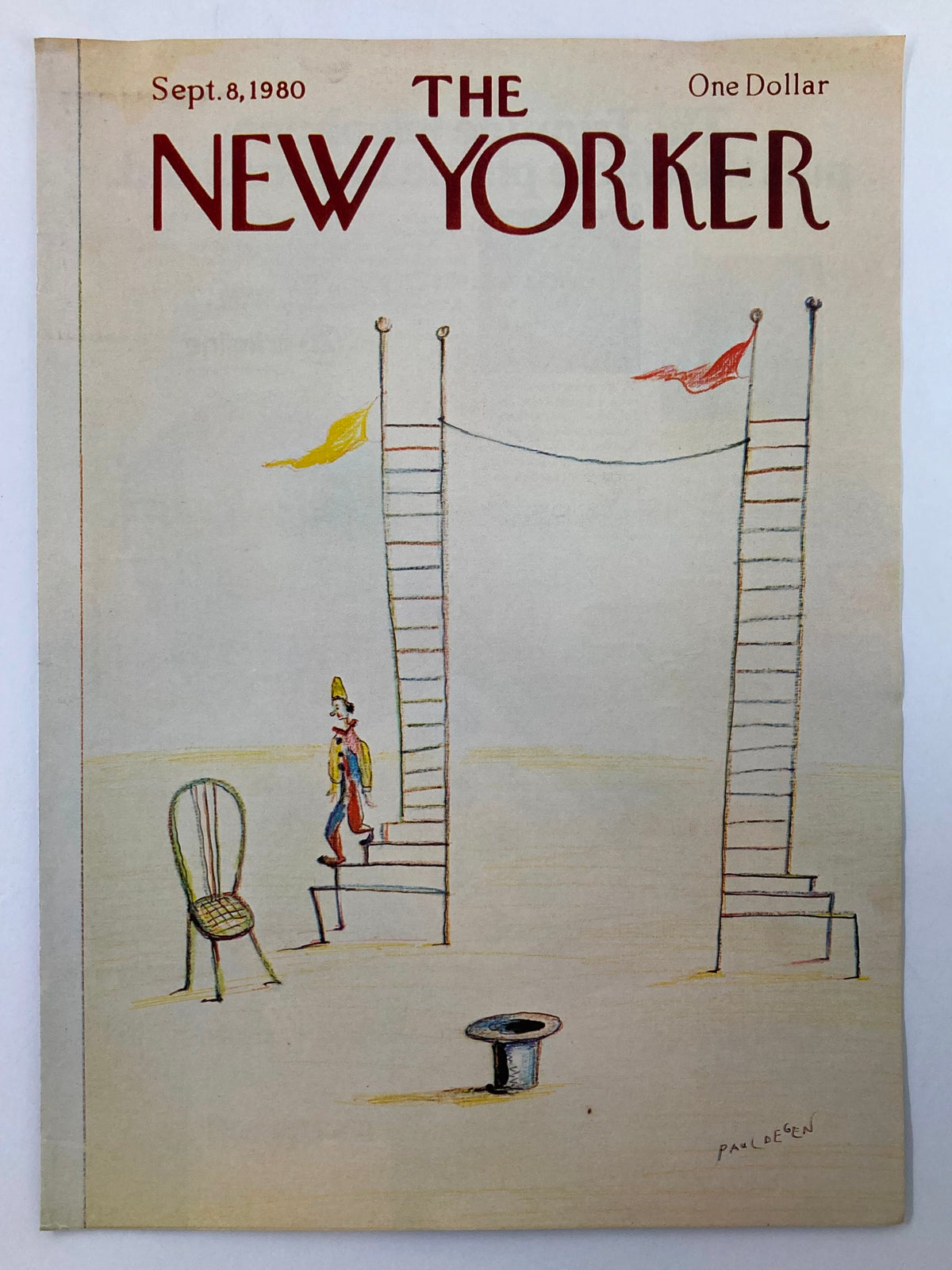
📖 About this Collection
September 1980: The Month the World Ignited
The Historical Context
The world crackled with tension in September 1980, a month when distant conflicts became immediate crises and cultural shifts accelerated toward an uncertain decade ahead. Iraq's invasion of Iran on September 22nd shattered regional stability, plunging the Middle East into what would become a devastating eight-year war as Iraqi forces crossed the border and encircled the strategic city of Abadan. The Iran-Iraq War dominated headlines in Time, Newsweek, and Life, their pages filled with dramatic photography of desert battlefields and geopolitical analysis. Meanwhile, Turkey's military coup on September 12th under General Kenan Evren dissolved the civilian government, adding another layer of Cold War complexity to a volatile region. In Poland, workers under Lech Wałęsa founded the Solidarity movement at the Gdańsk Shipyard on September 17th—a seismic act of defiance against Communist authority that would ultimately help topple the Eastern Bloc. This was the world your loved one entered: one where the post-war order was fracturing, where grassroots movements challenged authoritarian power, and where the evening news brought distant wars into American living rooms with unprecedented immediacy.
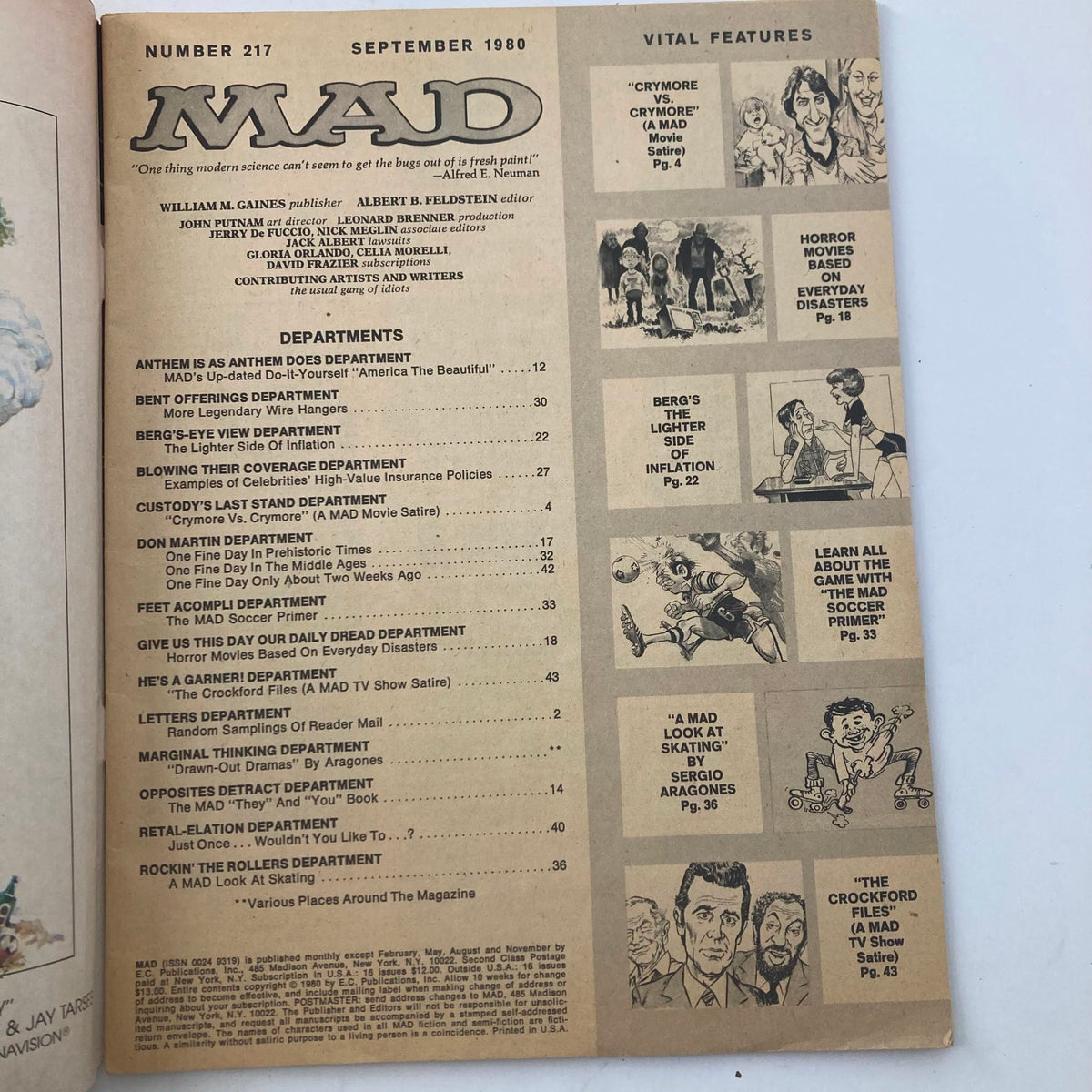
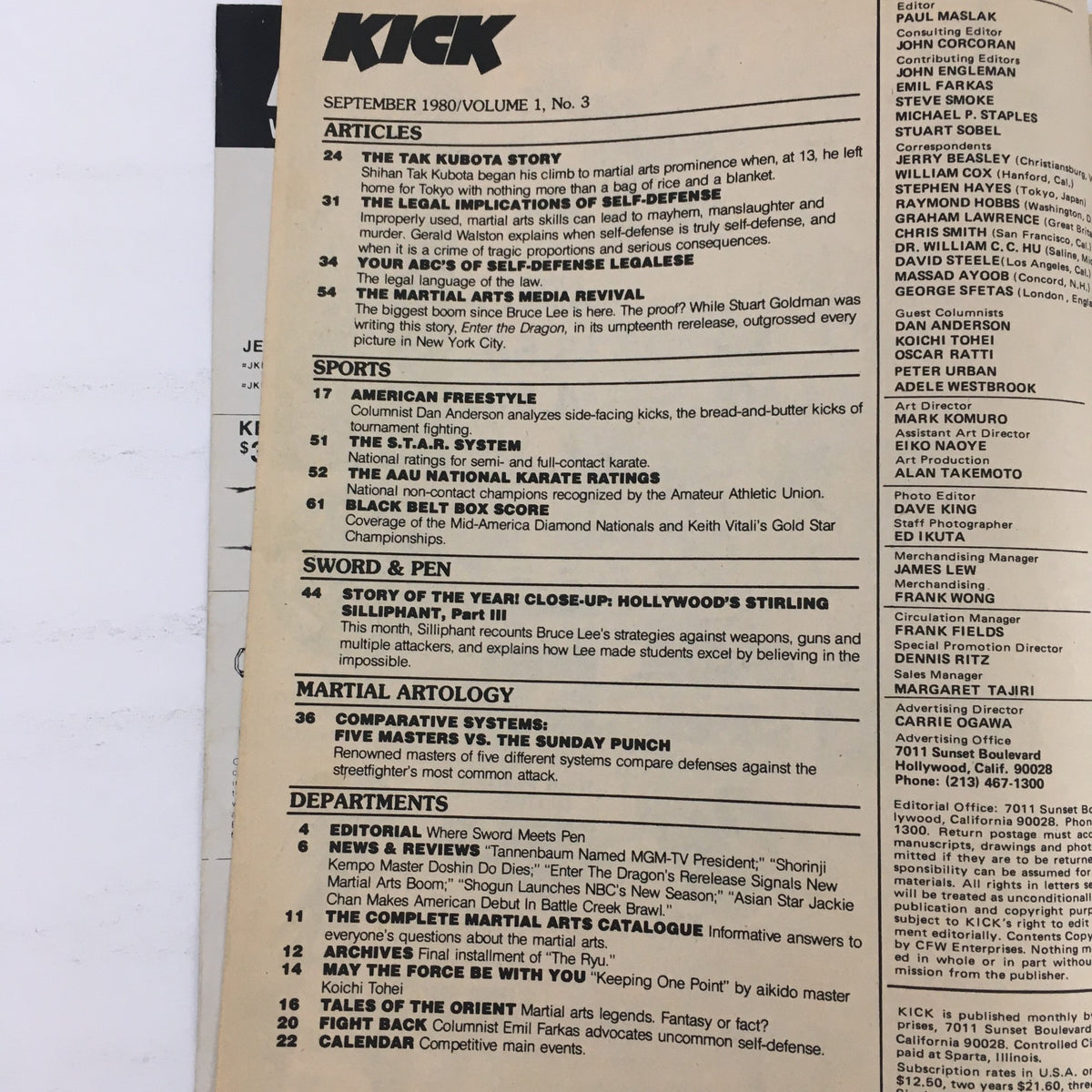
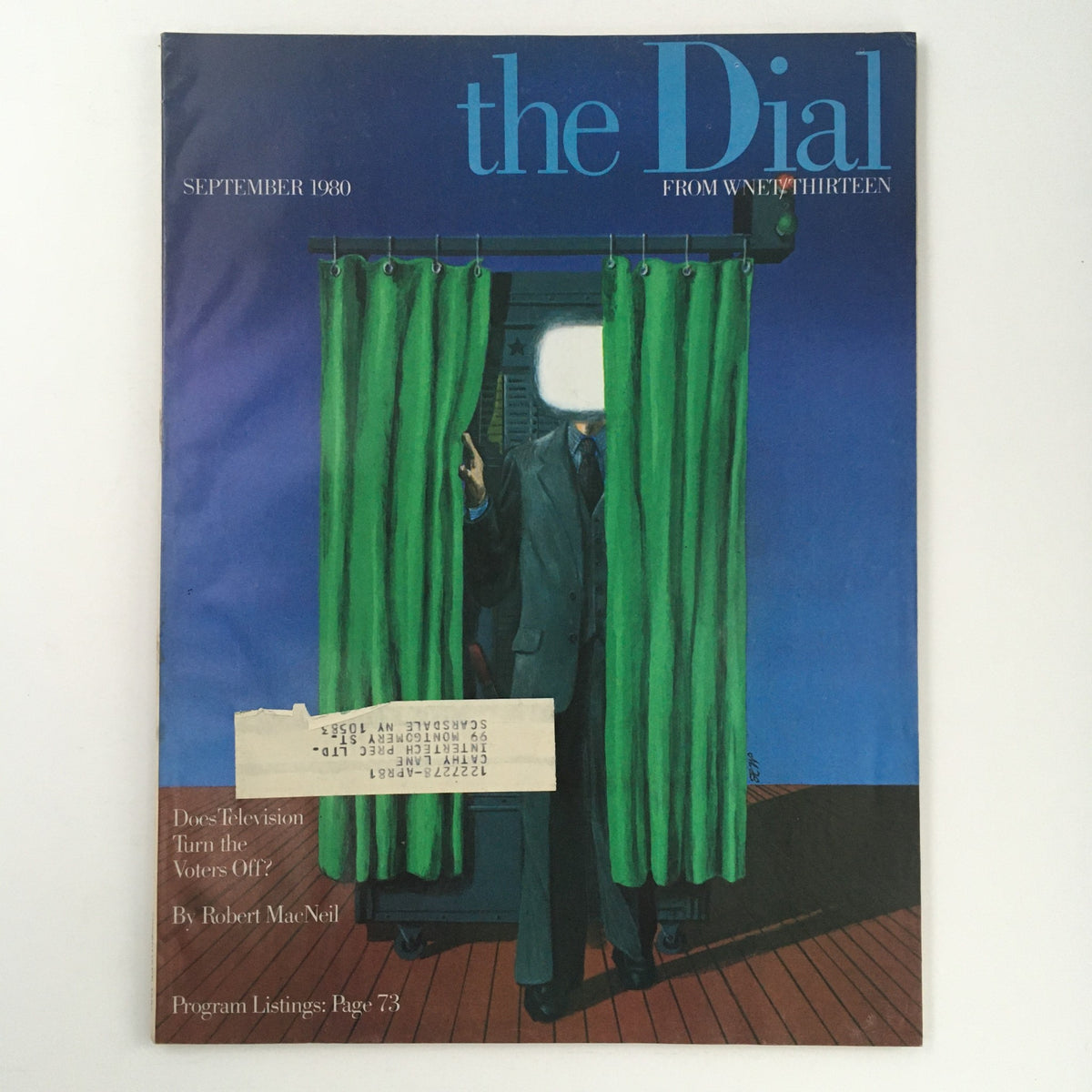
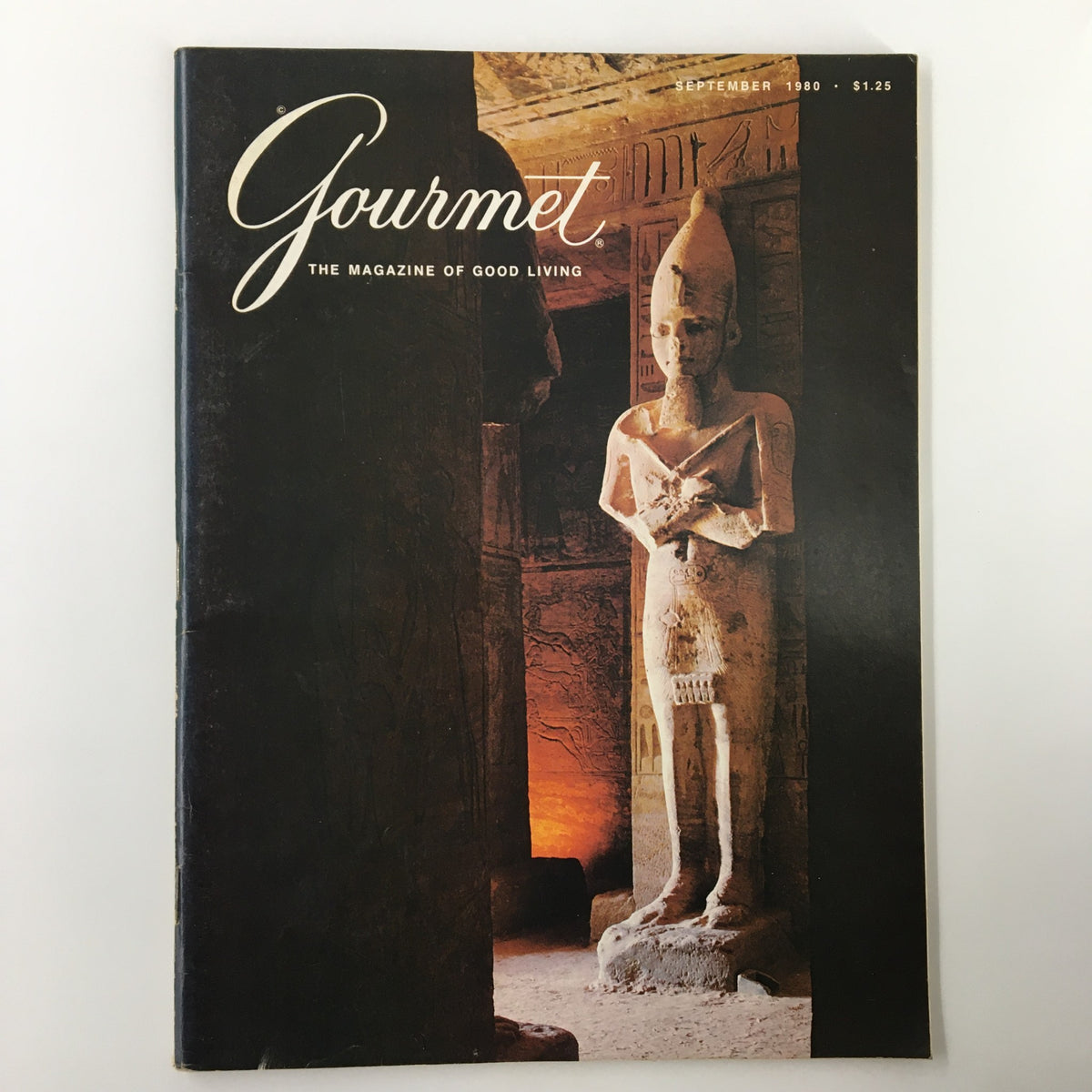
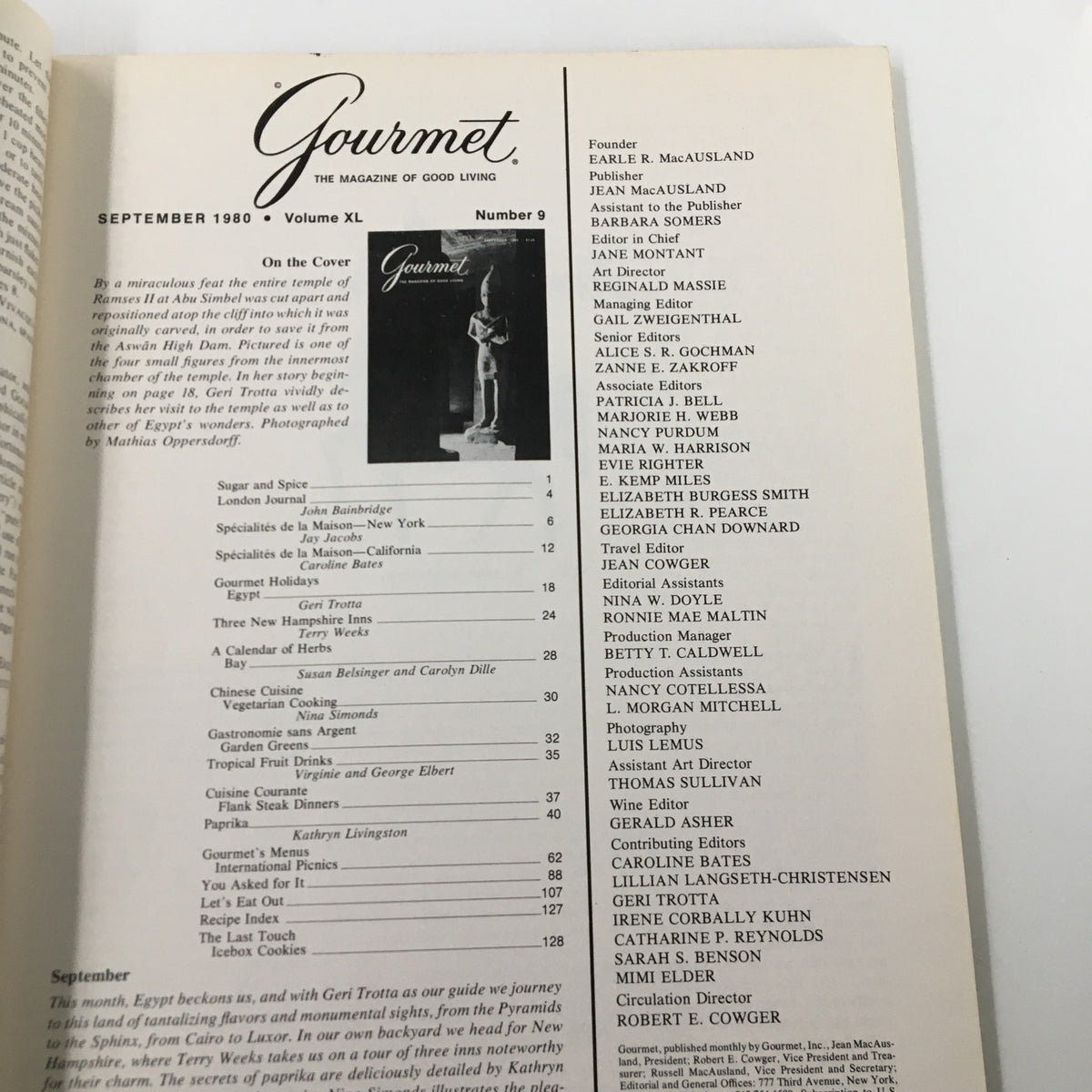
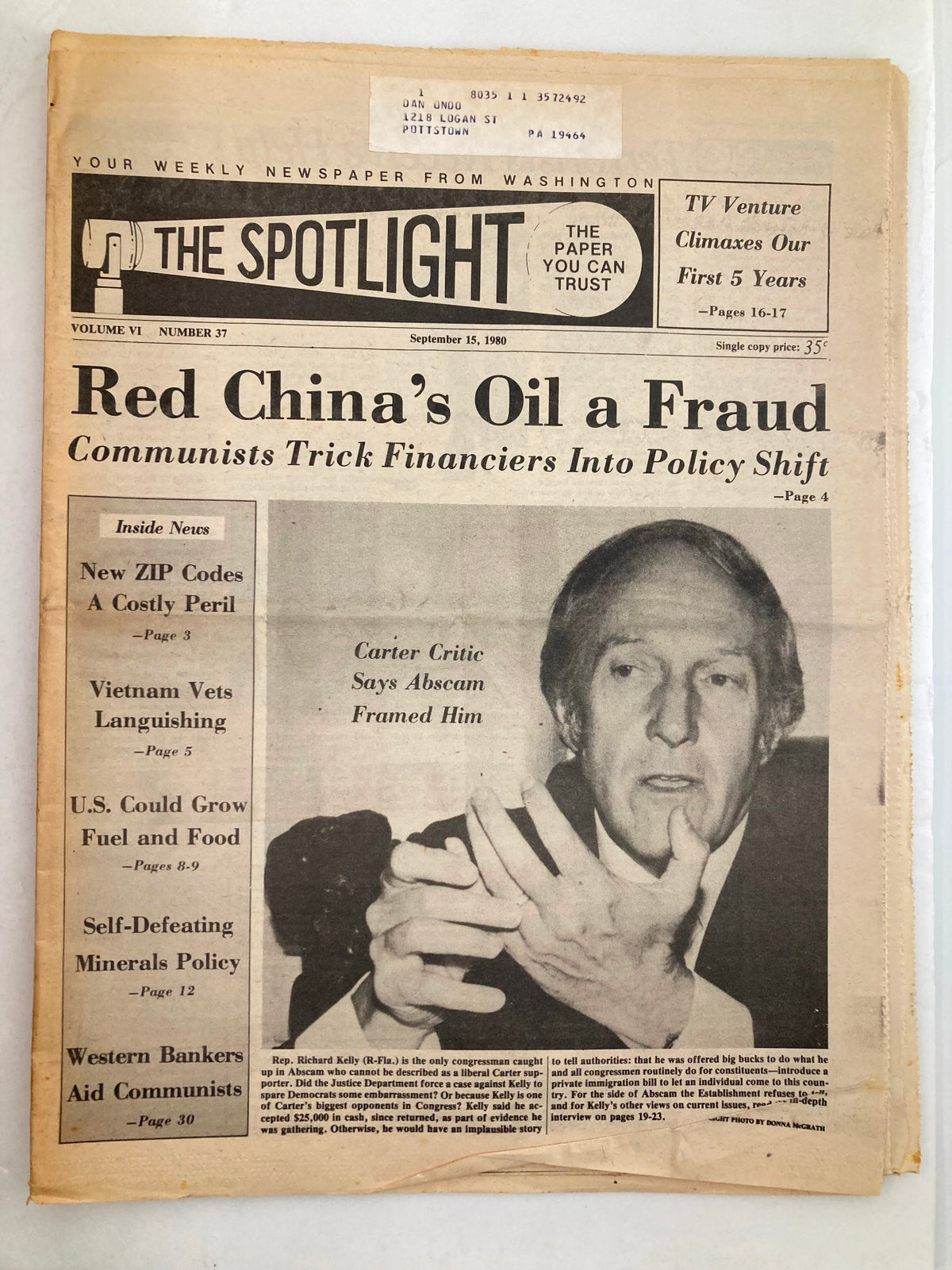
While headlines chronicled global upheaval, American popular culture offered both escape and reflection. Robert Redford's directorial debut "Ordinary People" premiered on September 19th, its unflinching examination of family trauma and suburban dysfunction setting the tone for a new era of intimate, psychologically complex cinema that would dominate the early 1980s. Music lovers witnessed historic transitions: the progressive rock group Yes performed their final concert at Madison Square Garden on September 4th, while Ozzy Osbourne released "Blizzard of Ozz" on September 12th, launching his solo career and heavy metal's ascendance. Sports Illustrated chronicled George Brett's failed chase for a .400 batting average and John McEnroe's epic five-set triumph over Björn Borg in the centennial US Open final. Carl Sagan's groundbreaking series "Cosmos" premiered on PBS on September 28th, igniting public fascination with science and the universe. Original magazines from September 1980 showcase these cultural moments through authentic advertisements for nascent technologies, fashion editorials capturing the transition from 1970s excess to 1980s minimalism, and entertainment coverage of an era poised between two distinct decades.
What to Look for in Vintage Magazines from September 1980
-
The Iran-Iraq Conflict: News weeklies like Time and Newsweek featuring dramatic war photography, detailed maps of the Shatt al-Arab waterway dispute, and analytical essays on Middle East oil politics that shaped global economics for the next decade.
-
Solidarity's Birth: International coverage in Life and Look chronicling Lech Wałęsa and the Gdańsk shipyard workers, often illustrated with powerful images of ordinary laborers confronting Communist authority—a revolutionary moment preserved in rare magazines from this pivotal month.
-
Cinema's Introspective Turn: Entertainment magazines showcasing "Ordinary People" with interviews of Robert Redford, Mary Tyler Moore, and Donald Sutherland, plus advertisements for the film's theatrical run that signaled Hollywood's shift toward character-driven drama.
-
Sports History in Real Time: Issues of Sports Illustrated documenting George Brett's batting average saga, McEnroe vs. Borg at the US Open, and Rickey Henderson breaking Ty Cobb's 65-year-old stolen base record—genuine sports journalism before digital archives existed.
-
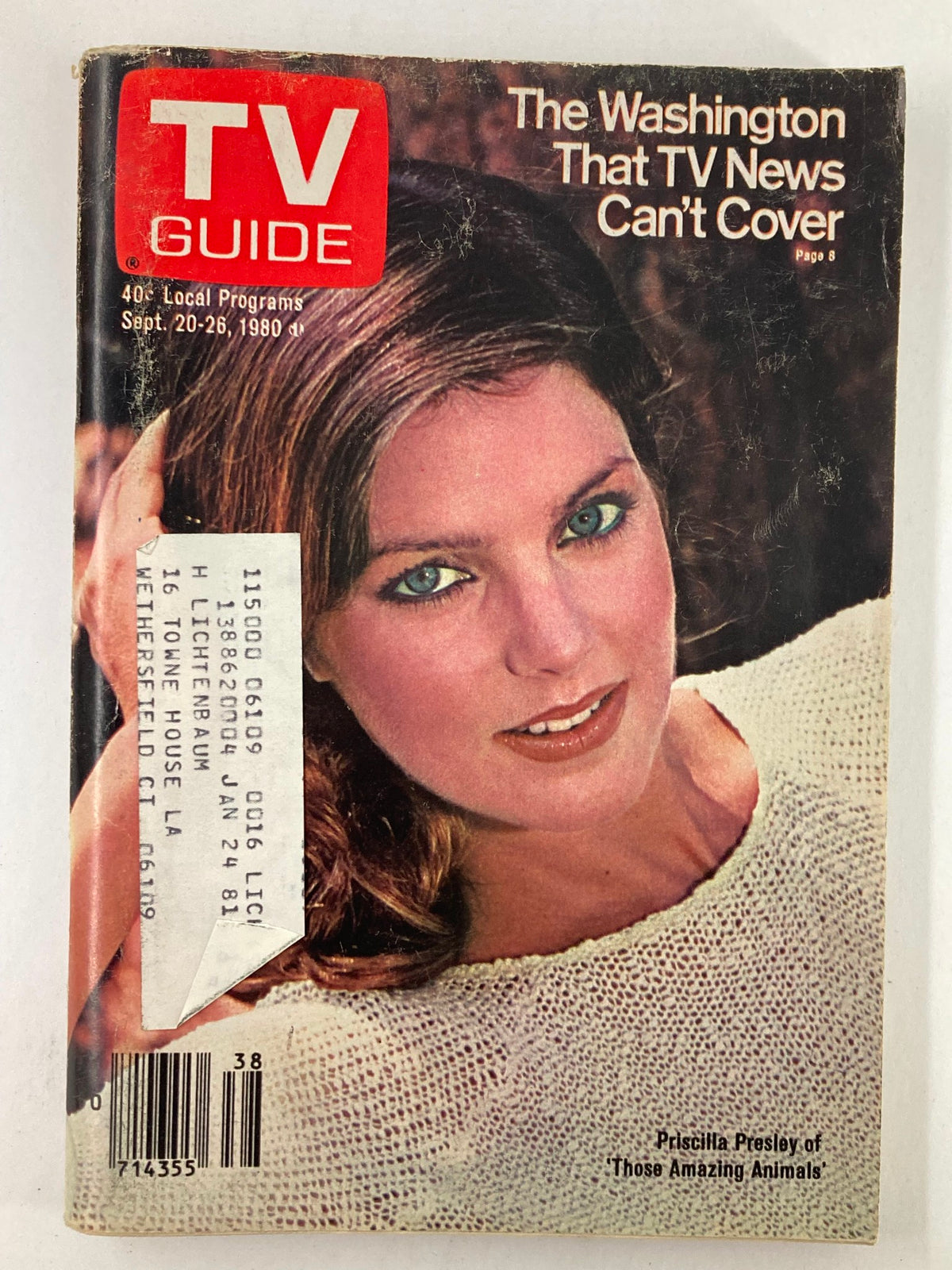
The Space Age Meets Pop Science: TV Guide featuring Carl Sagan's "Cosmos" premiere alongside advertisements for color televisions, capturing the moment when scientific documentary became mainstream entertainment and PBS reached peak cultural influence.
The Perfect Gift
For someone born in September 1980, an original magazine from this consequential month isn't just nostalgia—it's an authenticated witness to the world's transformation, preserved in genuine advertisements, urgent headlines, and photography that no digital archive can replicate.