📖 About this Collection
Shaquille O'Neal: The Mountain That Moved the Earth
The Legend & The Legacy
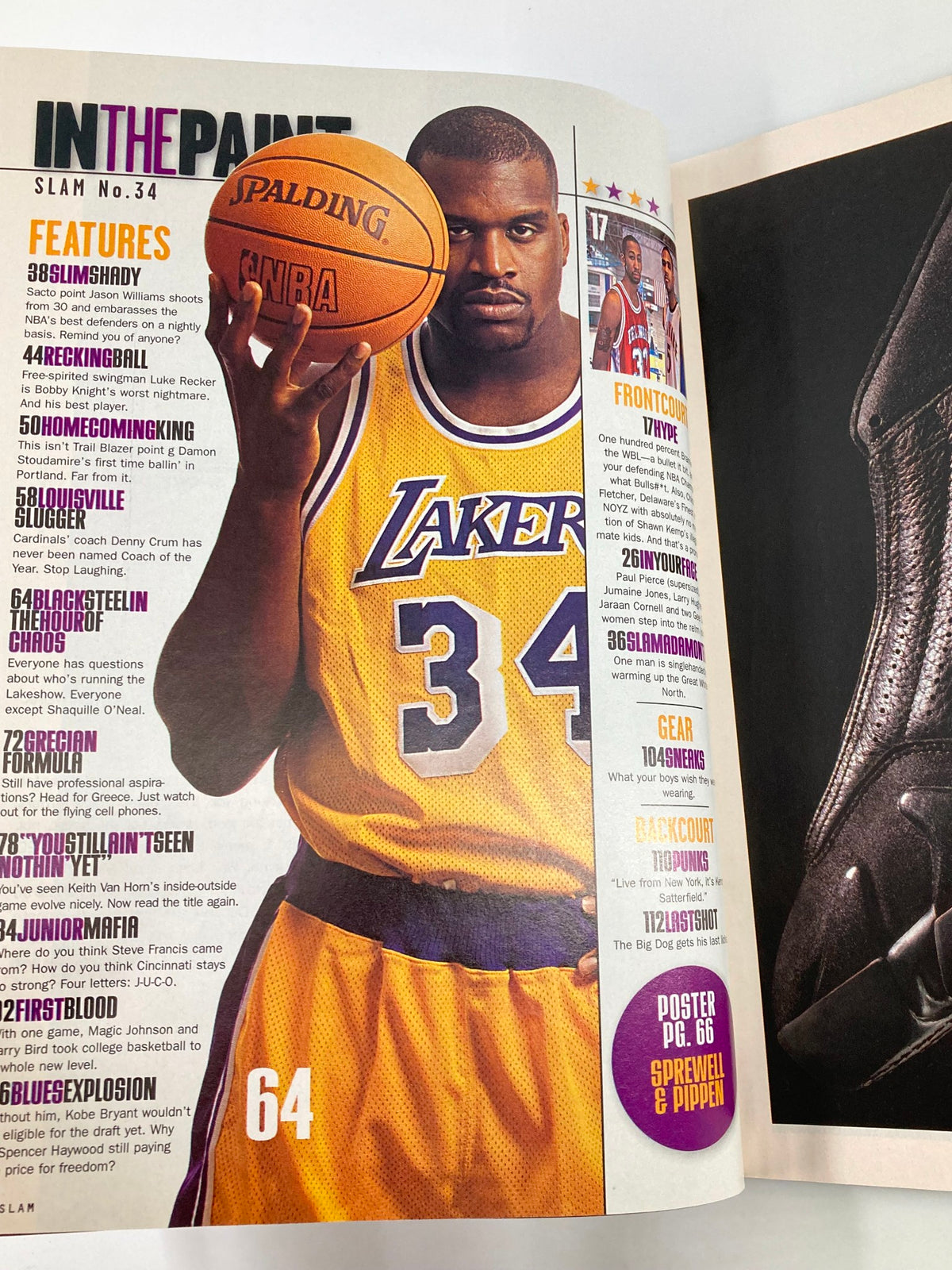
There are athletes, and then there are forces of nature — and in the 1990s and early 2000s, Shaquille O'Neal was both. Standing seven feet one inch tall and carrying a presence that seemed to bend the very architecture of every arena he entered, the Diesel emerged at a moment when American sports culture was hungry for a new kind of giant. Before social media could reduce a career to highlights and hot takes, fans understood their heroes through the printed page — through glossy covers, long-form profiles, and the patient, considered journalism of the magazine world. For millions, their first true reckoning with the physical scale and magnetic personality of this Louisiana-born colossus came not from a screen, but from a photograph spread across two pages of a magazine lying open on a coffee table or a locker room bench. His story — from LSU phenom to Orlando prodigy to Los Angeles dynasty to global entertainer — was told in real time, issue by issue, by the most respected voices in sports publishing.
Inside the Archive
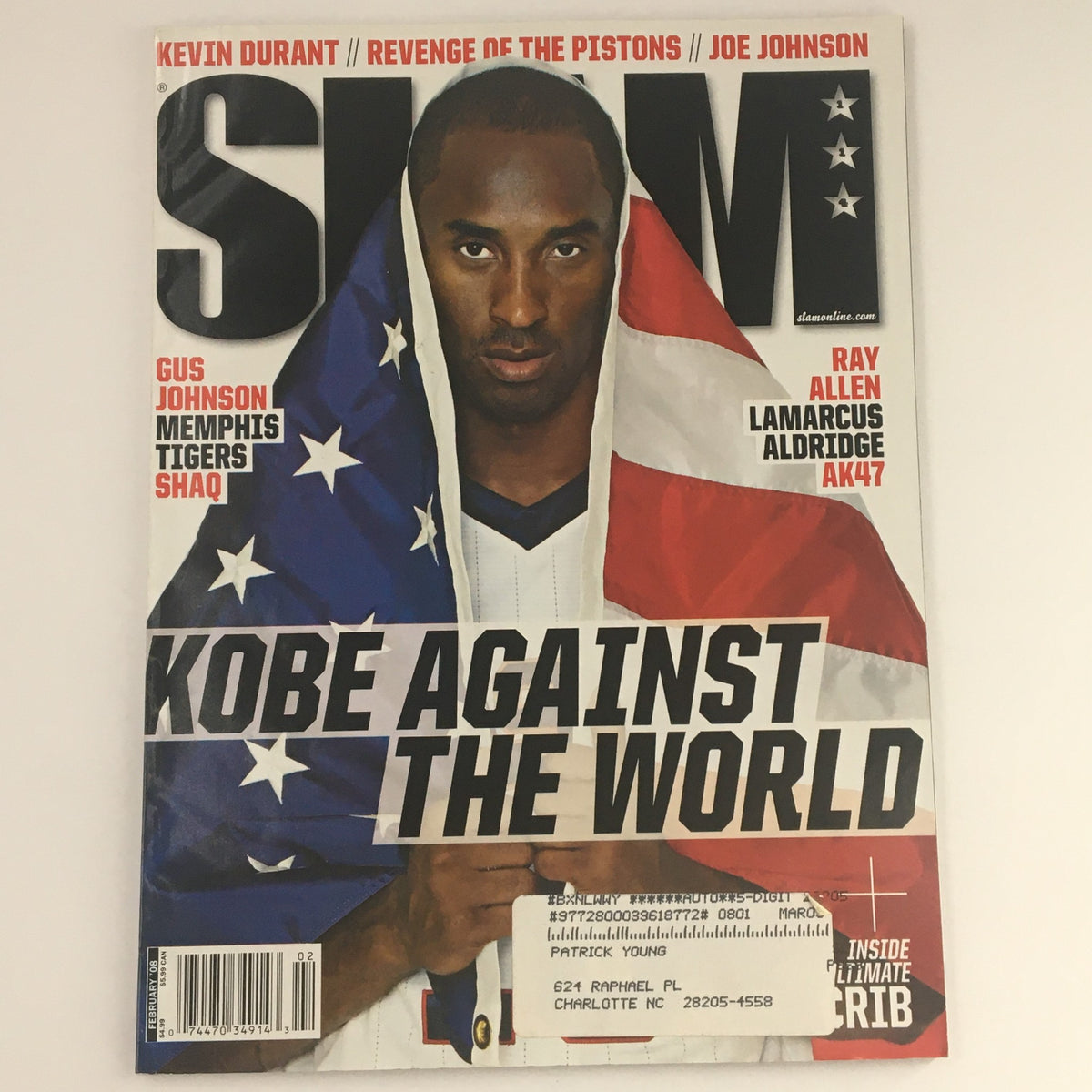
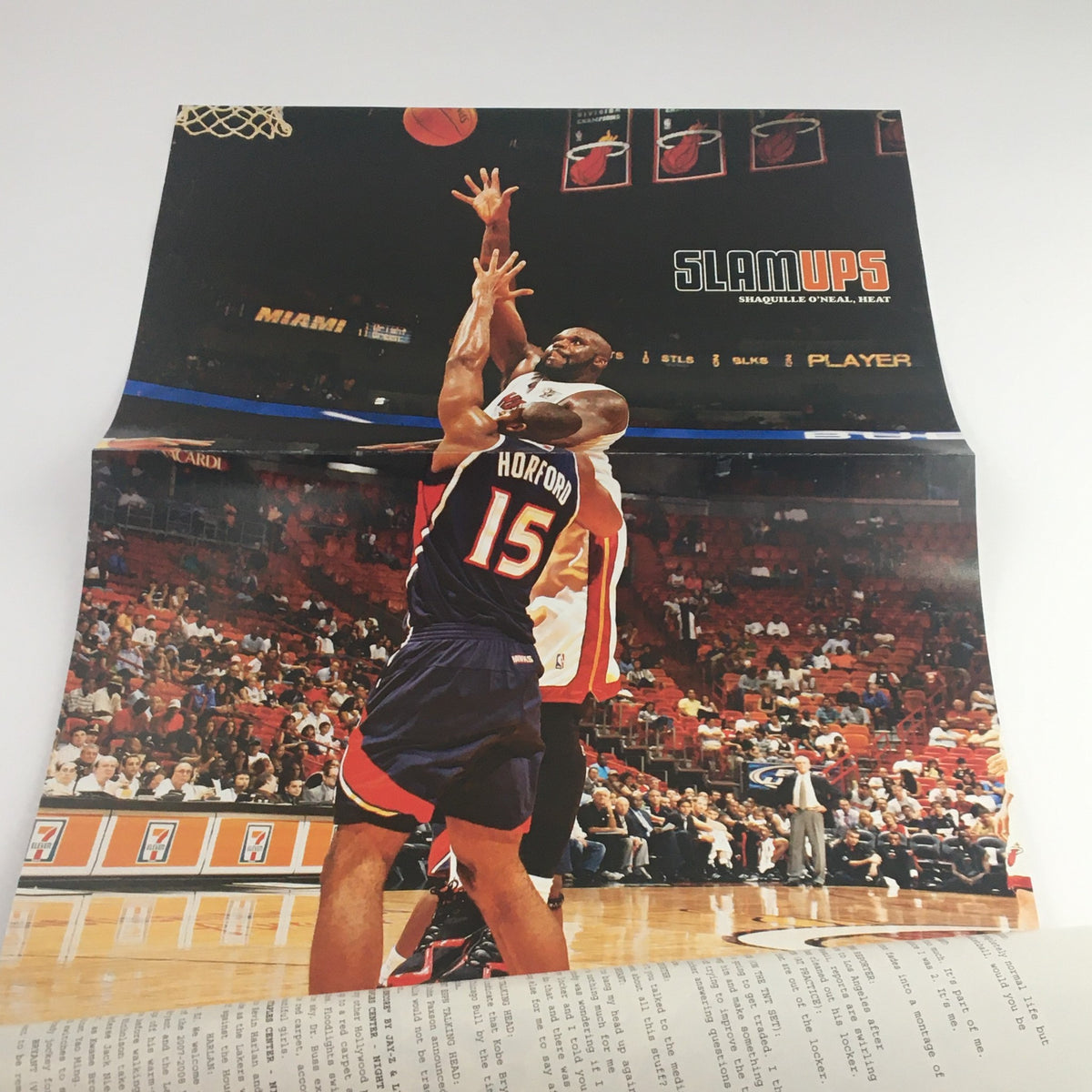
Vintage magazines captured the Diesel with a grandeur that matched the man himself. Sports Illustrated, which made him a cover subject before he had played a single professional minute, returned to him again and again throughout the 1990s — employing dramatic low-angle photography that emphasized his physical dominance while giving space to feature writers who wrestled seriously with his complexity: the gentle wit behind the on-court ferocity, the rap albums, the movie ambitions, the hunger to be more than a body in motion. SLAM Magazine, the irreverent and culturally attuned bible of the basketball generation, treated him as both icon and personality — covers rendered in bold, saturated color with a street-level editorial voice that spoke directly to the culture he embodied. Ebony and Jet chronicled his significance not merely as an athlete but as a symbol of Black American achievement at full, unapologetic scale, placing his success within a broader narrative of pride and possibility. International publications, particularly European sports weeklies hungry for the spectacle of American basketball's global expansion, produced their own striking portraits of the big man during the Lakers' three-peat years, when the world was watching Los Angeles with an almost reverential intensity.
Curator's Checklist: Highlights Often Include
- Rookie-era features and draft coverage from 1992–1993, when publications scrambled to introduce the country to the most anticipated big man since Kareem — issues that capture a young giant on the edge of everything, full of promise and barely contained energy
- Championship-era profiles from the Lakers dynasty years (2000–2002), when the three-peat elevated him to the conversation of all-time greats and major sports publications dedicated extended cover treatment to the dominant force at the center of it all
- Pop culture crossover coverage — issues touching on his music career, his film appearances (Blue Chips, Kazaam, Blue Streak), and his emergence as one of the most recognizable celebrity figures of the late 1990s, blurring the boundary between athlete and entertainer
- Rivalry and drama issues documenting the Shaq-and-Kobe dynamic, the Orlando departure, the Miami redemption arc, and the various championship pursuits that generated some of the most emotionally charged sports journalism of the era
- International and niche sports publications from the peak NBA globalization period, offering non-American editorial perspectives on the league's most physically commanding presence — often accompanied by distinctive foreign photography and design sensibilities
The Collector's Value
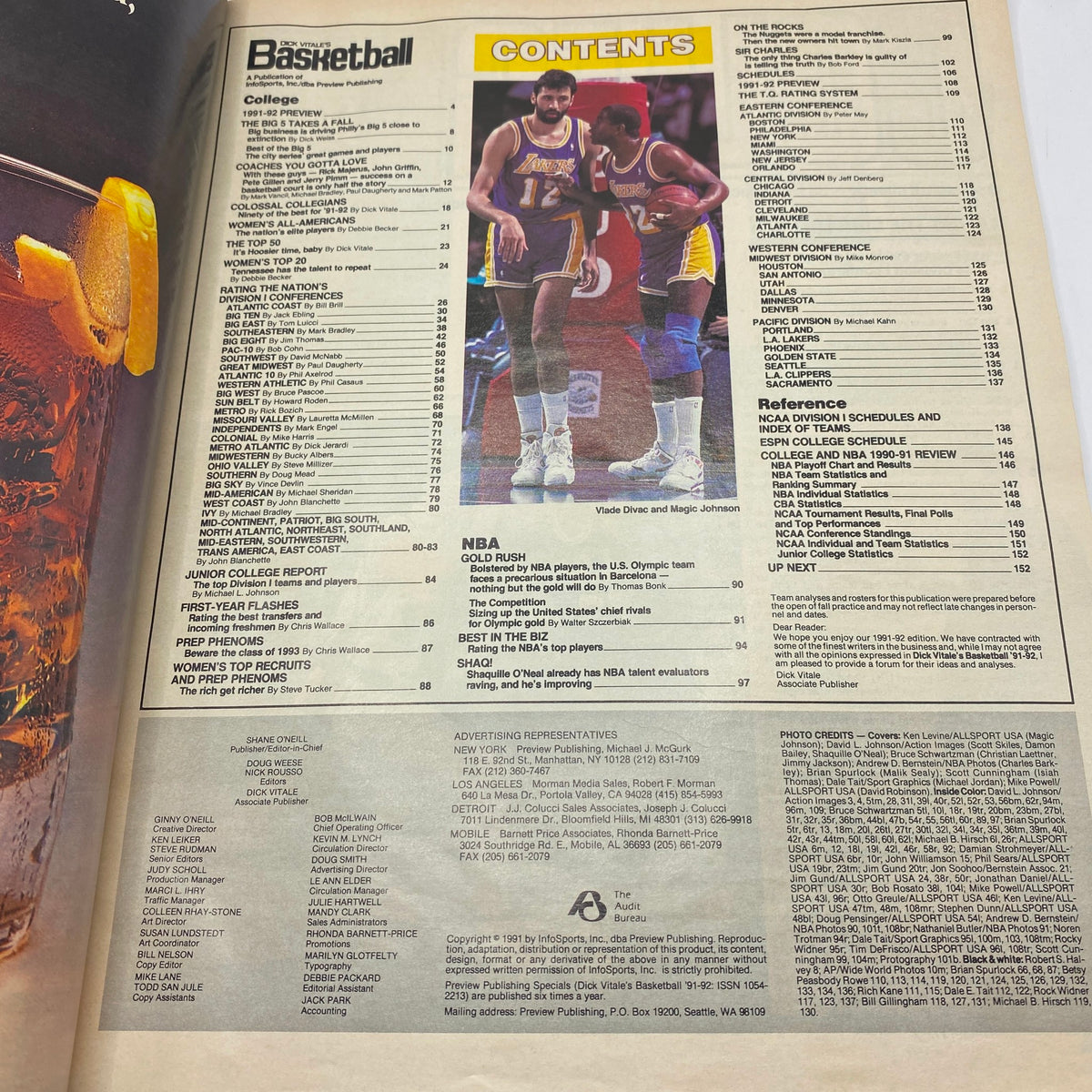
To hold one of these original issues is to be transported — the particular weight of a decades-old Sports Illustrated, its paper stock slightly brittle at the corners, the ink carrying that faint, distinctive smell of a different era of printing, the surrounding advertisements forming an accidental time capsule of the world as it was: sneaker campaigns, fast food dynasties, early cell phone promises. These are not reprints or digital archives. They are primary sources — the actual objects that sat on newsstands, that were pulled from mailboxes, that were read by the people who lived through the era in real time. The photography inside has never been superseded; a Patrick McDermott or Walter Iooss image printed at full magazine scale in its original context carries an authority that no screen can replicate. For collectors of NBA memorabilia, 1990s sports culture ephemera, or African American cultural history, these publications offer something no jersey or trading card can — narrative, context, and the full sweep of a legendary life captured in the moment it was being lived. Browse the current available inventory below and find the issue that speaks to you.