📖 About this Collection
Shirley Temple: America's Dimpled Light in the Darkness
The Legend & The Legacy
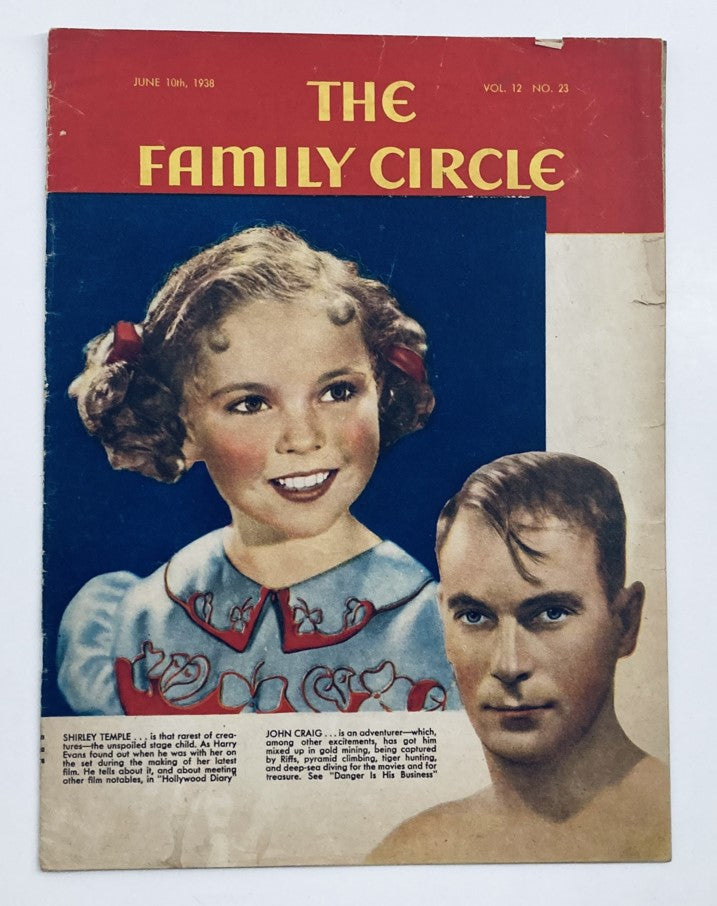
When the world needed her most, a curly-haired dynamo in tap shoes sang and smiled her way into the national consciousness. Shirley Temple didn't just entertain Depression-era America—she became its emotional lifeline, a five-year-old embodiment of optimism that transcended the bread lines and dust bowls. Her phenomenon was unprecedented: a child who could command adult salaries, inspire a cocktail, and move President Roosevelt to declare she'd lifted the nation's spirits more than any policy. The rustle of taffeta, the click of tiny heels on a soundstage floor, the flash of those dimples—this was the soundtrack of survival for millions who couldn't afford a movie ticket but saw her face everywhere. Temple's trajectory from Hollywood's most bankable star to diplomatic service in Prague and Accra proved that her intelligence matched her charm, redefining what a former child actress could become.
Inside the Archive
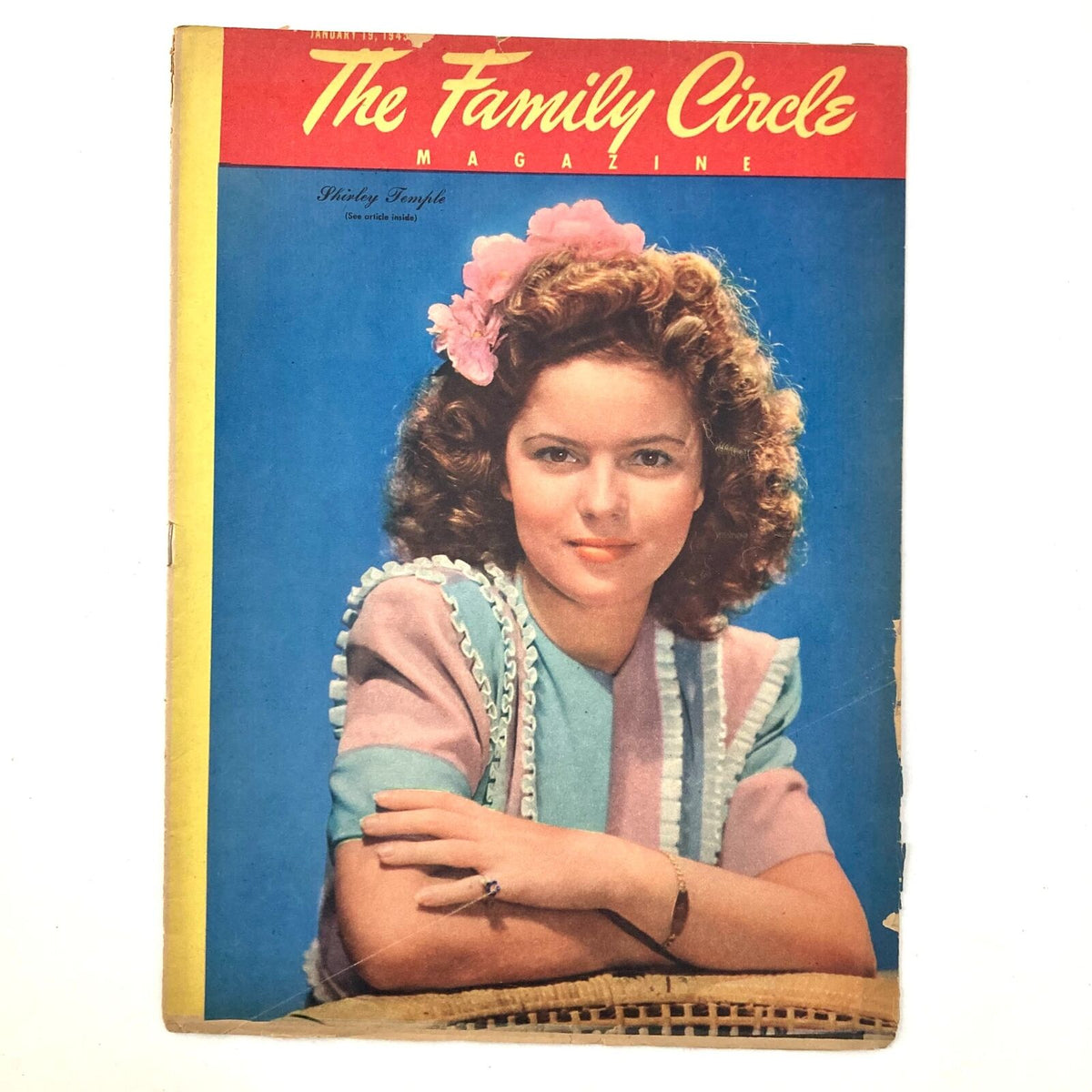
The print coverage of Temple's era crackles with a reverence rarely bestowed upon any performer, let alone a preschooler. Fan magazines deployed lavish rotogravure spreads—her sausage curls perfectly lit, her gingham costumes arranged like museum pieces. Studio publicists fed a ravenous press corps with anecdotes: how many curls (exactly 56), what she ate for breakfast, how her mother coached her through Bright Eyes. Editorial photography oscillated between the saccharine (Temple surrounded by toys, always smiling) and the surreal (Temple shaking hands with Amelia Earhart, posing with J. Edgar Hoover). By the 1940s, as her box office waned, the tone shifted—sympathetic features on the "little girl who grew up too fast," then decades later, respectful profiles of Ambassador Black conducting Cold War diplomacy. The visual grammar evolved from童星 worship to quiet admiration for a woman who'd lived three lives before most people complete one.
Curator's Checklist: Highlights Often Include
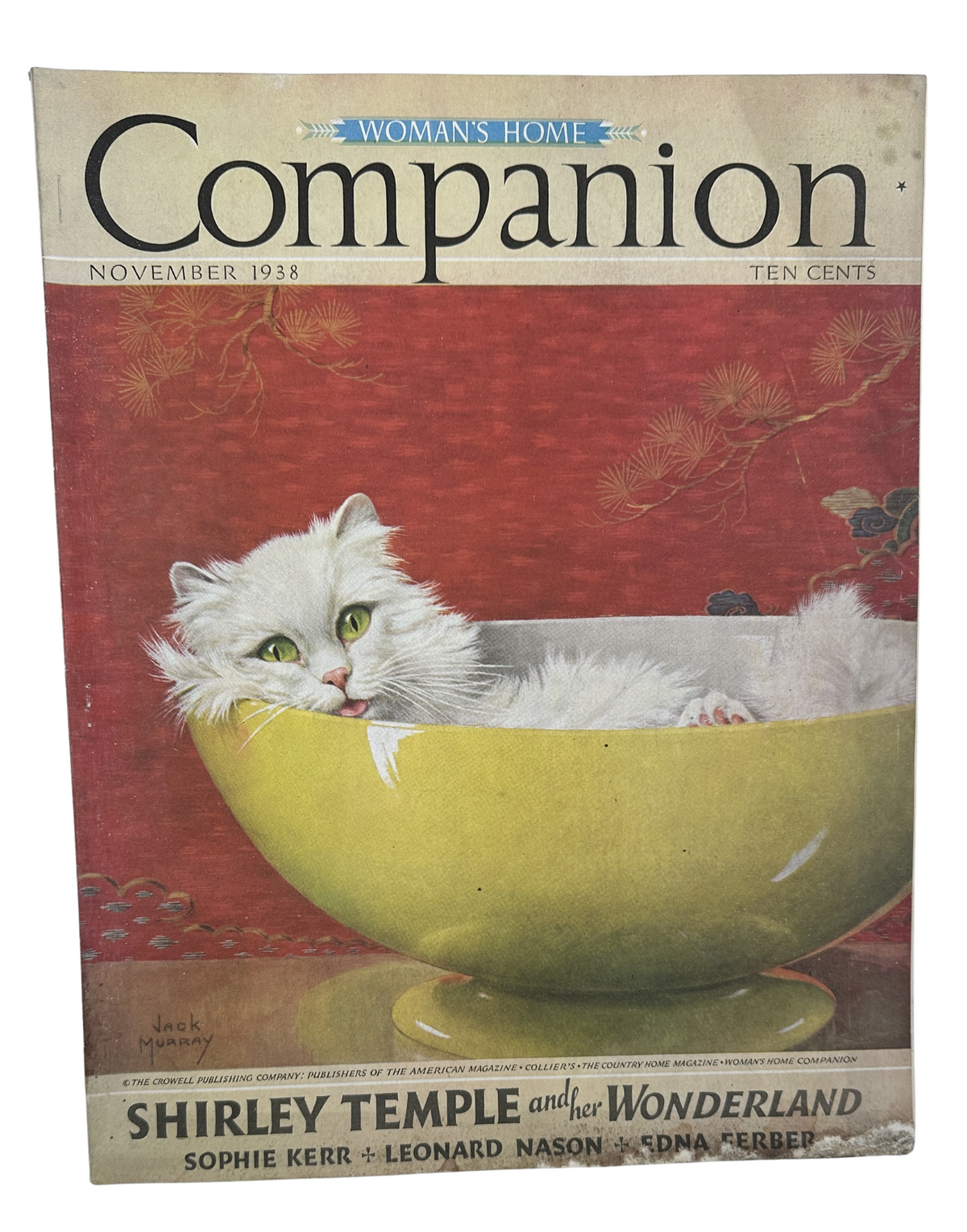
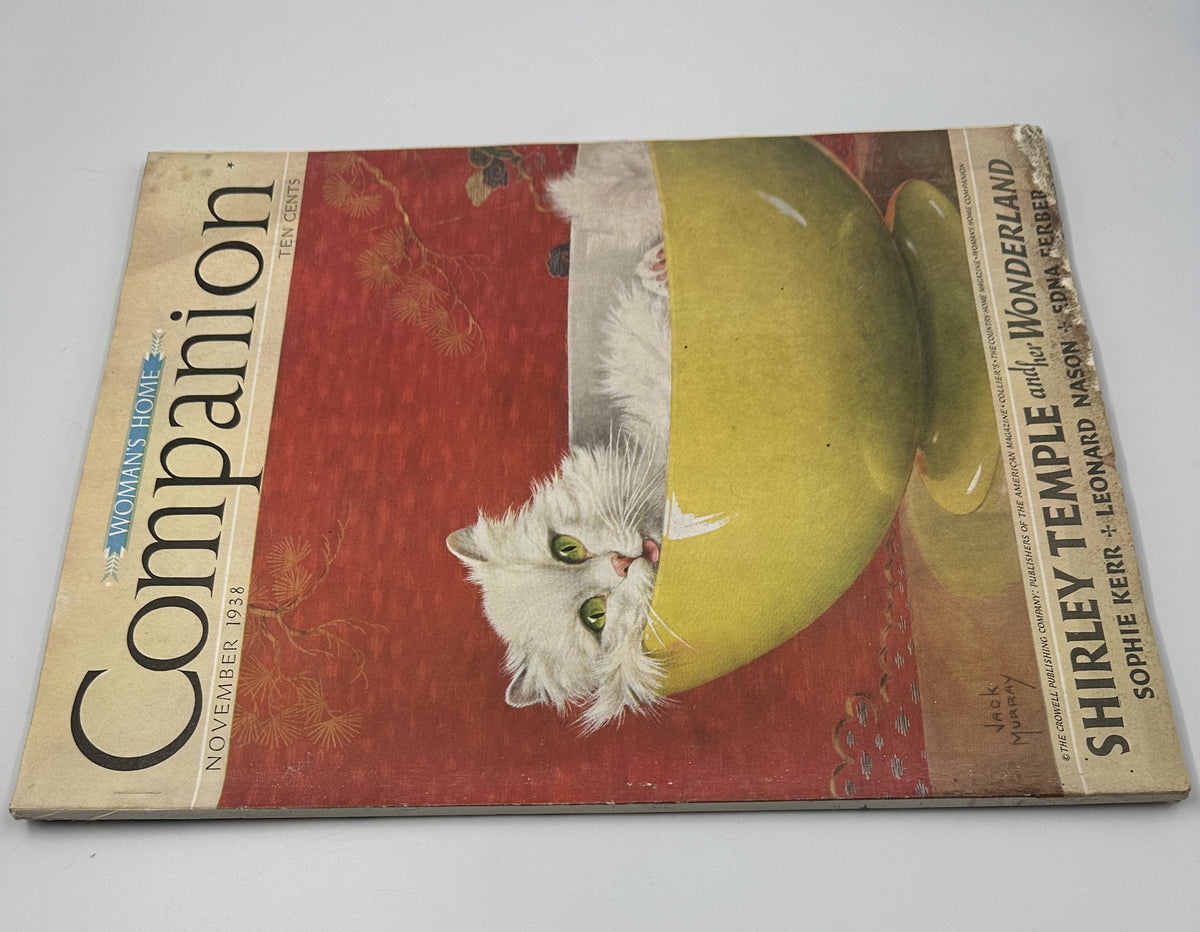
- Depression-Era Iconography: Magazine covers from 1934–1938 showcasing Temple as the antidote to economic despair, often paired with FDR features or New Deal optimism pieces in the same issue.
- Studio System Deep Dives: Fox Film Corporation promotional spreads documenting her on-set tutoring, her relationship with co-stars like Bill Robinson, and the machinery that manufactured 20th Century's most valuable asset.
- The Curly Top Phenomenon: Consumer culture features on Temple merchandise—dolls, dresses, soap—and the first true modern celebrity licensing empire, complete with fan club enrollment forms still tucked inside.
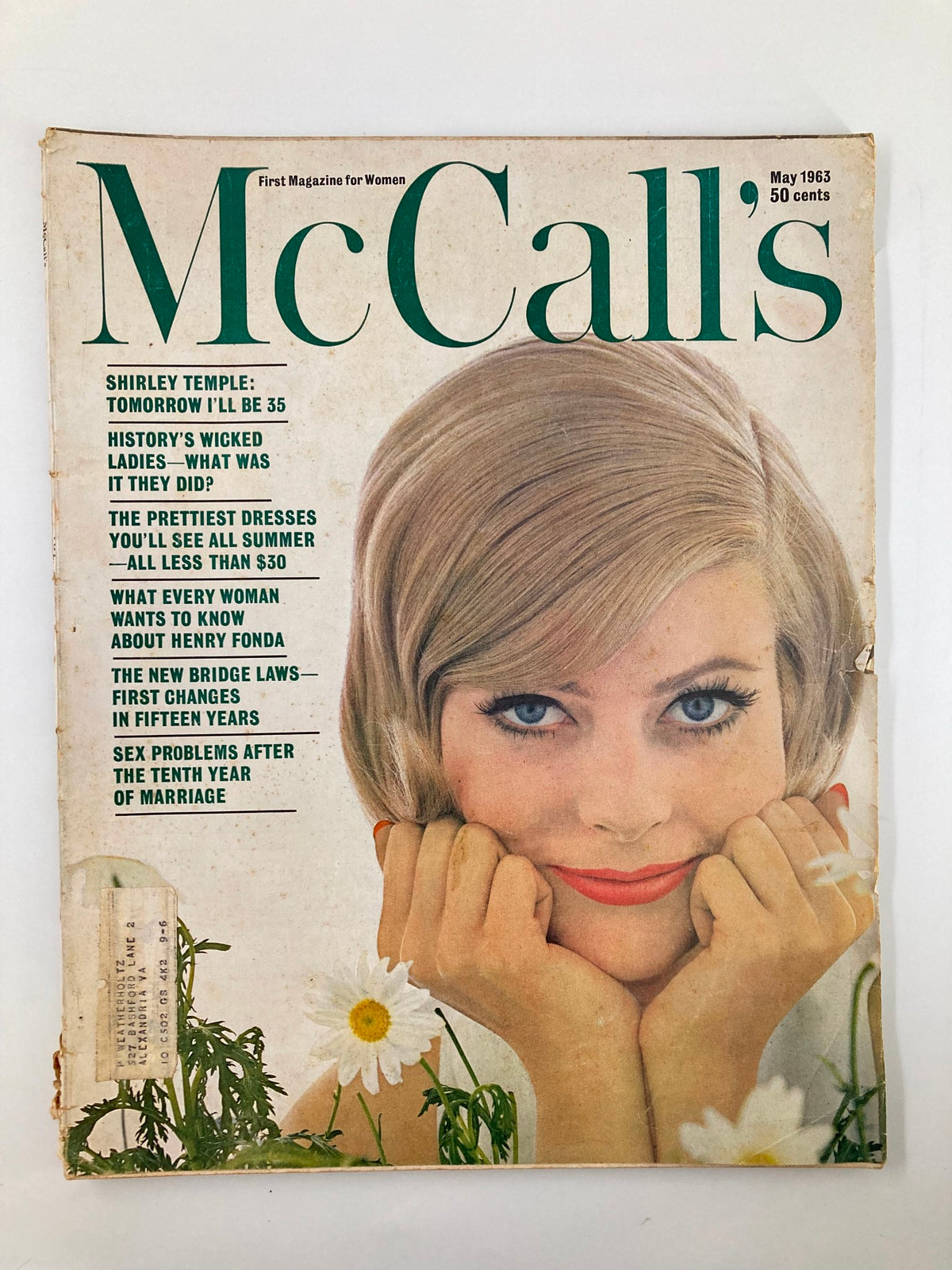
- Reinvention Chronicles: Sympathetic 1950s–60s coverage of her marriage to Charles Black, her political awakening, and the deliberate pivot from celluloid to statecraft that culminated in United Nations and ambassadorial appointments.
- Legacy Reflections: Later tributes examining her influence on child performance, her candid 1988 autobiography revelations, and 2014 memorial issues contextualizing her as the template for every child star who followed—for better and worse.
The Collector's Value
To hold an original magazine featuring Shirley Temple is to touch a peculiar American dream—the belief that innocence could be commodified without corruption, that a child's smile could literally save a nation. These issues aren't merely entertainment ephemera; they're anthropological evidence of how a culture under siege chose its symbols of hope. Collectors recognize that Temple's story—prodigy, survivor, diplomat—offers a complexity that transcends nostalgia, making her print legacy both historically significant and emotionally resonant across generations. Explore our current inventory below to discover which chapter of this extraordinary American story is available today.