
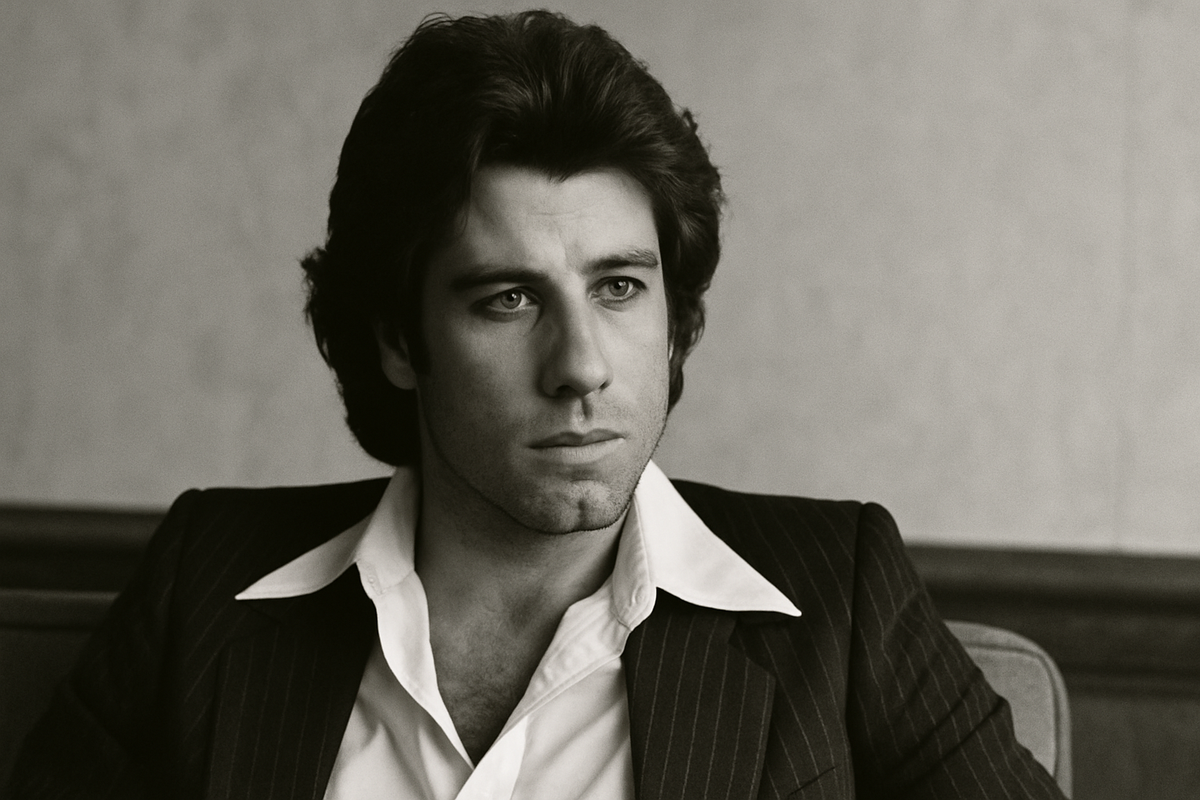
Disco Fever, Stardom, and Masculinity in Transition
John Travolta's 1978 Playboy Interview and the Cultural Moment That Defined a Generation
December 1978. Studio 54 is still the center of the universe. Disco hasn't died yet—it's everywhere, inescapable, the sound of America at maximum confidence and minimum introspection. And John Travolta, just 24 years old, is the biggest star on the planet.
When Americans picked up the December 1978 issue of Playboy Magazine, they weren't buying holiday reading material. They were buying access—to the man who had turned Saturday Night Fever into a cultural detonation, who had just followed it with Grease, and who now represented something America couldn't quite name: the intersection of sex appeal, vulnerability, and a new kind of masculinity that didn't apologize for caring about how it looked.
Playboy understood what it had. This wasn't a puff piece. It was a dissection of fame at the exact moment fame was being reinvented.
Archive Details
Historical Figure: John Travolta
Issue Date: December 1978
Publication: Playboy Magazine
Archive Source: Original Magazines Collection
The Cultural Moment: Disco, Revolution, and the End of a Decade
The late 1970s didn't whisper—it screamed. Disco dominated every radio station, every dance floor, every conversation about what was cool and what was over. Saturday Night Fever (1977) had done more than launch Travolta's career—it had transformed disco from underground subculture into mainstream obsession. Tony Manero's white suit became iconic shorthand for an entire generation's fantasies about escape, style, and sexual freedom.
Grease (1978) proved Travolta wasn't a one-hit wonder. Pairing him with Olivia Newton-John in a nostalgia-soaked musical about 1950s rebellion, the film became one of the highest-grossing movies of all time. By December 1978, Travolta wasn't just famous—he was a phenomenon.
But beneath the glitter was turbulence. The sexual revolution had spent two decades dismantling traditional norms around gender, relationships, and public conversation about desire. Playboy Magazine, launched by Hugh Hefner in 1953, had positioned itself as both documenter and architect of this transformation. Its formula—sophisticated fiction, serious political interviews, and unapologetic sexuality—made it the most influential men's magazine in America.
The December 1978 issue captured all of this in one package: the twilight of disco, the evolution of celebrity culture, and Playboy's unique ability to frame cultural icons through both glamour and substance.
Playboy's Editorial Power: More Than Centerfolds
By 1978, Playboy had proven something crucial: sex could open the door, but intelligence kept readers coming back. The magazine's interviews had become legendary—conversations with Malcolm X, Jimmy Carter, Miles Davis, and Barbra Streisand that revealed layers no other publication could access.
The Travolta feature embodied this duality. The cover promised spectacle—"John Travolta Steps Out: A Very Candid Interview" alongside features on NFL cheerleaders and commentary from Günter Grass and F. Lee Bailey. But the interview itself went deeper. Playboy wanted readers to see both versions of Travolta: the disco god under the lights and the introspective young actor grappling with sudden, disorienting fame.
This wasn't exploitation. It was documentation of a cultural shift in real time.
Inside the Issue: What Made This Interview Matter
The Playboy Interview gave Travolta room to breathe, to complicate his own image. Several themes emerged that resonated far beyond Hollywood gossip:
The Weight of Instant Stardom
Travolta discussed the claustrophobia of being typecast as a disco icon when he wanted to be taken seriously as an actor. He was navigating the oldest trap in show business—being loved for one thing while desperate to prove you're capable of more.
Redefining Masculinity
In an era when American men were questioning what masculinity even meant, Travolta's openness about vulnerability, style, and emotional honesty felt radical. He didn't reject the sex symbol label, but he refused to let it flatten him into caricature.
Loss and Grief
Travolta spoke candidly about Diana Hyland, the actress he had been involved with who died in 1977. His willingness to discuss grief in a magazine known for celebrating hedonism revealed something Playboy understood instinctively: real intimacy requires acknowledging loss, not just pleasure.
The Business of Being a Star
Travolta pulled back the curtain on contracts, career strategy, and how quickly fame distorts every relationship—with fans, friends, and the press. He was learning in public how to protect himself while staying open.
For readers in December 1978, this wasn't entertainment news. It was a blueprint for navigating modern celebrity, delivered by someone who was inventing the rules as he went.
The Interview Format That Changed Journalism
The Playboy Interview wasn't journalism as usual. It was long-form, unrushed, and willing to let subjects talk themselves into revelation. Whether the subject was a world leader, a musician, or an actor, the format delivered depth that television couldn't match and newspapers wouldn't attempt.
Travolta's interview fits this tradition. It wasn't about scandal—it was about youth confronting fame, ambition colliding with loss, and identity forming under public scrutiny. That's why these pages still matter decades later.
Why Collectors Still Hunt for This Issue
The December 1978 Playboy Magazine isn't just memorabilia—it's a primary source document.
Travolta at Peak Altitude
This issue captures him between Saturday Night Fever and the rest of his career—before the backlash, before the comebacks, before Pulp Fiction rewrote his legacy. It's Travolta at the exact moment when he seemed unstoppable.
Cultural Archaeology
The collision of disco, sexual revolution, and Playboy's editorial sophistication makes this issue a Rosetta Stone for understanding late-1970s America. It's all here—the glamour, the anxiety, the contradictions.
The Gala Christmas Issue
As a holiday edition, it carries additional appeal for collectors seeking themed or seasonal issues from Playboy's golden era.
A Landmark Interview
The conversation with Travolta remains one of Playboy's most revealing celebrity features—a window into how fame was being redefined for a generation raised on television and obsessed with authenticity.
Vintage Playboy magazines aren't just reading material. They're artifacts that hold cultural memory—the conversations, obsessions, and tensions of their moment, preserved in ink and paper.
Explore the Archive
If this issue fascinates you, thousands more await—original Playboy magazines from the 1950s through the 2000s, each offering a unique lens on how America wrestled with sex, politics, culture, and celebrity.
Browse Playboy Magazine CollectionWhether you're a seasoned collector, a Travolta devotee, or a student of 1970s cultural history, this issue delivers something rare: unfiltered access to an era when disco ruled, celebrities were reinventing fame, and Playboy pushed journalism into places other magazines feared to go.
Holding History in Your Hands
The December 1978 issue of Playboy Magazine remains one of the decade's most essential cultural artifacts. It captured John Travolta at maximum visibility, balanced provocation with serious inquiry, and reflected the sexual revolution, shifting masculinity, and disco's last full-throated moment.
To hold this issue today is to hold late-1970s America—glamorous, conflicted, and transforming. Thanks to Playboy's editorial vision, those moments aren't lost. They're waiting to be rediscovered.
For collectors, historians, and anyone who believes magazines can be more than ephemera, vintage Playboy issues are living documents. The past speaks through them—if you know how to listen.