
When Rock Chose Discipline Over Destruction
The Circus Magazine Issue That Captured 1977's Turning Point
July 1977. A teenager slides a quarter across the newsstand counter and walks out with the July 21st issue of Circus Magazine. On the cover: Sissy Spacek, fresh from Carrie's box office triumph. Inside: three features that, read together, reveal the exact moment rock stardom stopped being a death wish and became a sustainable career.
Fleetwood Mac were flying home to Britain as conquering Americans. Bad Company were trading whiskey for karate. Procol Harum were staring at a decade-old masterpiece and wondering if anyone still cared.
This wasn't just another music magazine. This was rock and roll at a crossroads, documented in real time.
Archive Details
Publication: Circus Magazine
Issue Date: July 21, 1977
Cover Subject: Sissy Spacek
Featured Artists: Fleetwood Mac, Bad Company, Procol Harum
Historical Context: Summer 1977 – Peak of the Rumours era, punk's emergence, arena rock consolidation
The Summer Everything Changed
By summer 1977, Rumours had turned Fleetwood Mac into a phenomenon that transcended rock. The album's blend of West Coast polish and backstage emotional warfare was reshaping what mainstream audiences expected from a rock record. Their five-year absence from Britain—covered extensively in this Circus issue—marked more than a tour schedule. It symbolized their complete transformation from British blues purists into global pop-rock architects.
Bad Company, meanwhile, were conducting an experiment. After years of what Circus called "road crazies"—the exhausting, self-destructive American tours that had become rock's default mode—Paul Rodgers and his bandmates tried something radical: professionalism. Karate training. Structured routines. Energy management. The article documented a band choosing longevity over mythology, a decision that would ripple across the industry.
Procol Harum's tenth anniversary feature carried a different weight. Ten years after "A Whiter Shade of Pale" became a defining song of 1967's Summer of Love, the band found themselves marking time in an industry that was rapidly moving past progressive rock. Punk was detonating in London. Disco was colonizing radio. Arena rock was consolidating power. The piece celebrated their legacy while quietly asking: What happens to pioneers when the map changes?
Three bands. Three different relationships with survival.
Why Circus Mattered
Circus Magazine occupied crucial territory in the late-1970s rock media landscape. While Rolling Stone positioned itself as the journal of record—analytical, literary, occasionally pretentious—Circus spoke directly to the fans buying concert tickets and hanging posters. Its editorial voice mixed tour reporting, backstage access, and photo spreads that felt intimate rather than promotional.
The inclusion of Sissy Spacek on this issue's cover demonstrated Circus's understanding that celebrity culture was expanding beyond music into a broader entertainment ecosystem. Spacek wasn't a musician, but her presence on a rock magazine signaled that the magazine's young readers consumed culture omnivorously—music, film, fashion, lifestyle as a single experience.
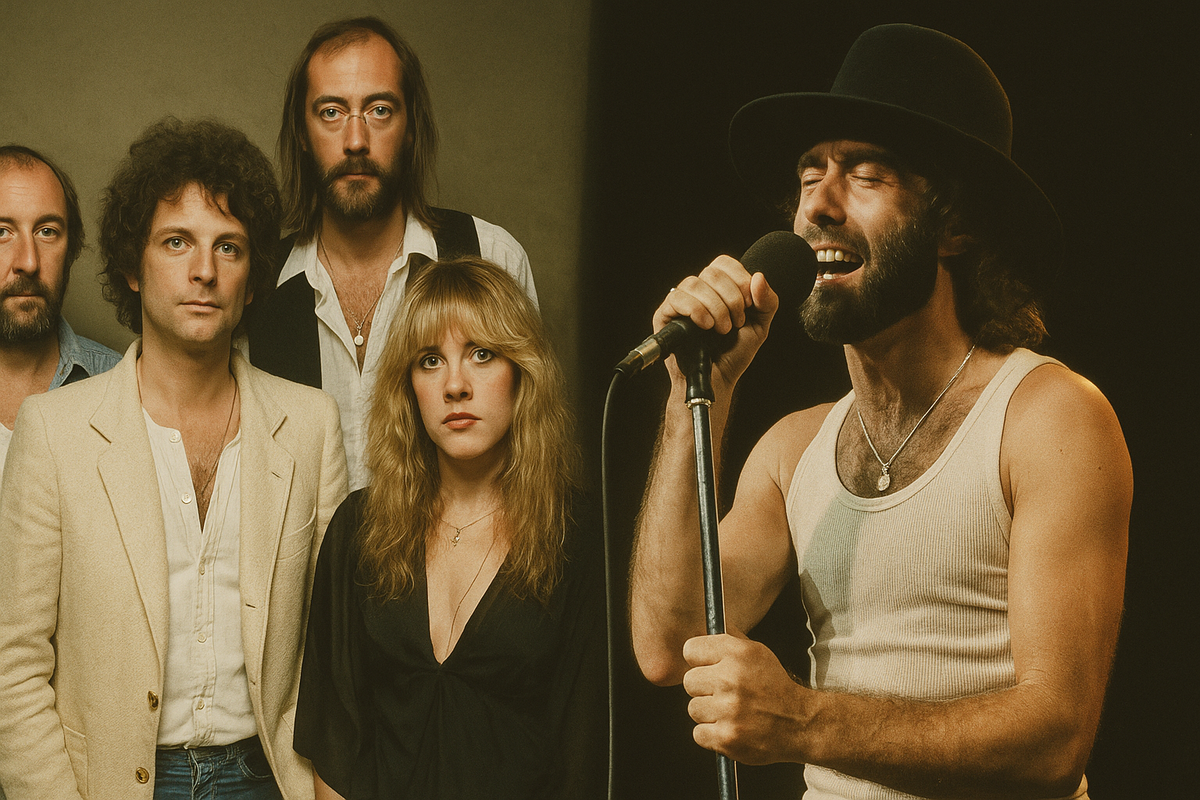
Inside, the photography told its own story. Paul Rodgers gripping the microphone, sweat-soaked and focused. Stevie Nicks photographed not as a rock star but as an ethereal presence. Group shots that captured both unity and the fault lines running through these bands. Circus photographers understood that fans wanted more than publicity stills—they wanted evidence of the human beings behind the spectacle.
Writers like Andy Edelstein, Mick Houghton, and Richard Hogan balanced factual reporting with dramatic narrative. When describing Rodgers' karate routines or Fleetwood Mac's reception at their first British shows in five years, the prose captured both information and stakes. This was journalism that recognized rock stardom as genuine drama.
The Features That Defined the Issue
Bad Company: Choosing Survival
The Bad Company feature centered on transformation. The band's 1976 tour had left them depleted, dangerously close to burnout. Paul Rodgers became the architect of change, implementing karate training and disciplined routines to maintain stamina on the road. Mick Ralphs and Simon Kirke reinforced this philosophy in their interviews, emphasizing sustainable pacing over the spectacular flameout that rock culture had normalized.
Fleetwood Mac: The Homecoming
The Fleetwood Mac coverage focused on their return to Britain and Europe after five years, including their first shows in Japan and Australia. Circus highlighted the paradox: a British band that had become quintessentially American, now returning home as foreigners who happened to be conquering the world.
This wasn't just band news—it was a cultural inflection point. Circus documented the moment when professional touring infrastructure began replacing the chaos that had killed too many careers and too many musicians.
Stevie Nicks and Lindsey Buckingham—the California additions to the McVie-Fleetwood core—represented the band's reinvention. The article captured Rumours not as a finished achievement but as a phenomenon still unfolding, transforming the band from respected musicians into cultural icons whose personal drama was as compelling as their music.
Procol Harum: Legacy and Uncertainty
The Procol Harum anniversary piece walked a careful line between celebration and eulogy. Ten years past "A Whiter Shade of Pale," the band was navigating an industry that had moved away from progressive rock's complexity toward punk's aggression and disco's commercial dominance. The article emphasized lineup changes, particularly Pete Solley's arrival as keyboardist, while wrestling with the central question: Can pioneers remain relevant when the genre they helped create has passed its commercial peak?
For Circus readers in 1977, this feature offered something rare—a meditation on rock history while that history was still being lived.
A Document of Transition
The July 21, 1977 issue of Circus Magazine captured rock and roll at a pivot point. Fleetwood Mac ascending to global dominance while reconnecting with their origins. Bad Company choosing discipline over chaos. Procol Harum marking ten years while the industry moved forward without them.
This wasn't just another issue—it was a snapshot of an industry in transformation, the moment when rock stardom shifted from mythology to management, from rebellion to career.
For collectors and cultural historians, owning this issue means possessing primary-source documentation of 1977's specific gravity—when the 1960s echoes were finally fading and the arena era was solidifying its grip on rock's future.
Why Collectors Pursue This Issue
Historical Documentation
Fleetwood Mac features from the Rumours era are perpetually collectible. The album remains one of the twentieth century's defining records, and primary-source coverage from 1977 captures the band at the precise moment of transformation.
Cultural Shift Evidence
The Bad Company article documents rock touring's evolution from self-destruction to professionalism. For collectors interested in industry history, this is ground-zero documentation of a fundamental change.
Progressive Rock's Twilight
Procol Harum's anniversary reflection provides rare contemporary perspective on a progressive band confronting obsolescence in real time. These moments—when musicians recognize their era is ending—rarely get documented as they happen.
Cross-Media Significance
Sissy Spacek's cover appearance connects rock culture to broader entertainment history, making this issue valuable to collectors beyond music specialists.
Vintage Circus magazines offer what digital archives cannot: the physical experience of holding the same pages fans studied in 1977, complete with the advertisements, typography, and editorial choices that defined the magazine's character.
Explore the Archive
Discover more original Circus magazines and other primary-source rock history. Each issue preserves the stories, photographs, and editorial voices that shaped how generations understood rock stardom.
Browse Circus Magazine Collection