
The Magazine That Documented America's Reinvention
Inside The New Yorker's November 12, 1938 Issue and Its Portrait of a Nation Building Its Way Out of the Depression
On November 12, 1938, while Europe counted down to war and America's poor still crowded into crumbling tenements, The New Yorker published something unexpected: a clear-eyed account of a socialist housing experiment in Brooklyn that might actually work.
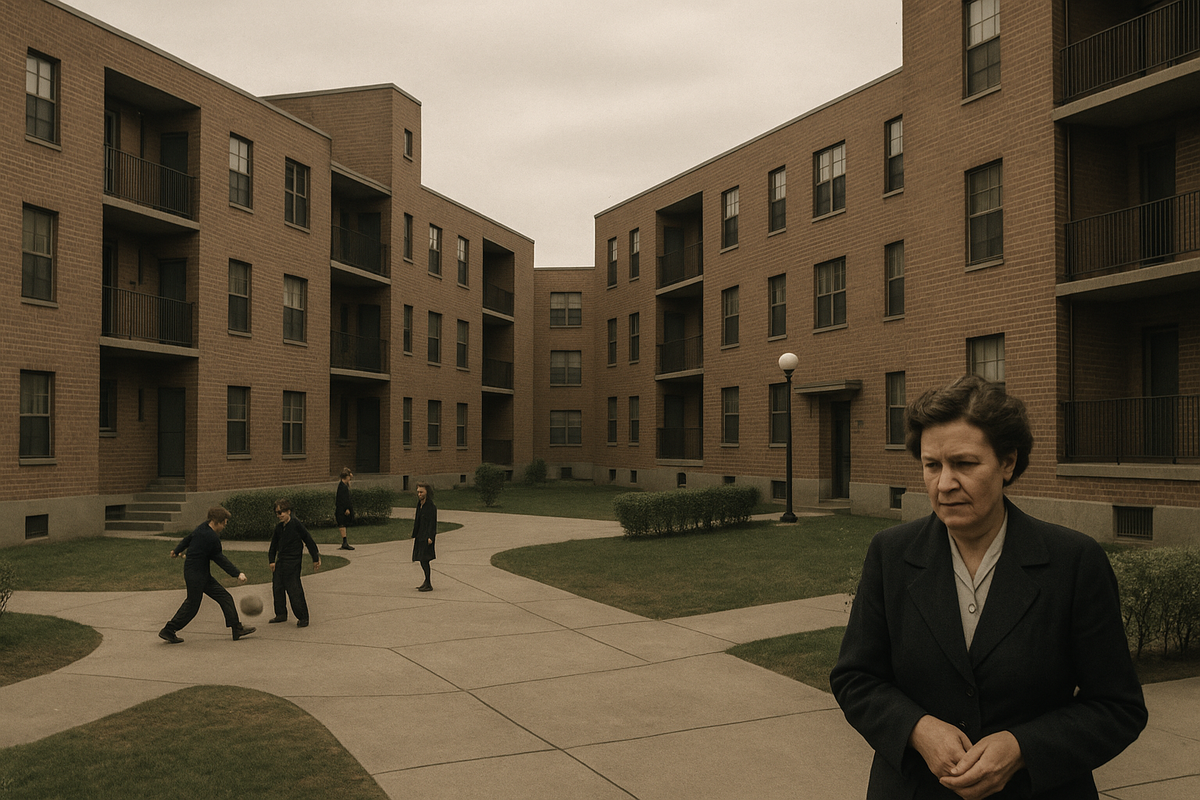
The article was called "Brave New World"—a pointed literary reference that readers would have caught immediately. But this was no dystopia. It was a Reporter at Large piece about the Williamsburg Housing Project, one of America's first massive public housing developments, where old-law tenements were being bulldozed and replaced with brick apartments, landscaped courtyards, and the kind of amenities—bathtubs, electric stoves, casement windows—that poor families had never imagined owning.
The article mattered then. It matters now. Not because it predicted the future of American cities (it didn't—public housing would become far more complicated), but because it captured a singular moment when the country believed government could redesign urban life from the ground up. The New Yorker gave that belief a human face: administrators like Miss Carey collecting rent, children playing in green spaces where garbage had rotted, families adjusting to the strange dignity of functional plumbing.
For collectors, this issue represents more than vintage journalism. It's a snapshot of the last optimistic months before the world burned.
Issue Archive
Publication: The New Yorker
Issue Date: November 12, 1938
Featured Article: "Brave New World" (Reporter at Large)
Subject: Williamsburg Housing Project, Brooklyn, New York
Historical Context: New Deal public housing initiative, late Depression era
Key Figure: Miss Carey, housing administrator
When The New Deal Tried to Rebuild Brooklyn
By 1938, New York's tenement districts were synonymous with failure. Williamsburg, in particular, had become what the article called "a slum of uncompromising drabness"—a neighborhood where old-law tenements sagged under the weight of too many bodies, too little air, and decades of municipal neglect.
The Williamsburg Housing Project, launched jointly by the Public Works Administration and the New York City Housing Authority, proposed something radical: tear it all down. Replace rotting wood with red brick. Replace airless rooms with apartments featuring electric stoves and actual bathtubs. Replace chaos with planning.
The New Yorker's "Brave New World" walked readers through this transformation with the magazine's characteristic eye for telling detail. The piece didn't recite policy briefs. It showed readers the plain face of Miss Carey, the housing administrator. It described the numbered apartment doors, the courtyards where children finally had space to play, the sense that modern architecture might actually improve modern life.
This wasn't abstract theorizing. The article documented families moving from squalor into functioning homes—a process that seemed, in 1938, like proof that the New Deal could work.
The timing was everything. While Hitler's armies prepared to swallow Europe, New York was quietly testing whether brick and planning could create social stability. The contrast wasn't lost on The New Yorker's readers, who understood they were living in the pause before catastrophe.
The New Yorker's Genius: Making Reform Human
By 1938, The New Yorker had already established itself as the magazine of sophisticated urban observation—the publication that could make you laugh at a cartoon on one page and reconsider your politics on the next.
"Brave New World" exemplified that range. The article didn't celebrate the Williamsburg project as propaganda. It treated the experiment with curiosity, skepticism, and attention to the small human details that revealed whether grand ideas actually worked on the ground.
The piece introduced readers to the bureaucrats running the project, the families adjusting to modern plumbing, the tension between government planning and individual lives. It captured the texture of the new apartments—the look of the red-brick buildings, the sound of voices in courtyards, the plain competence of administrators like Miss Carey who had to make idealism function at street level.
This was narrative reportage before the term existed. The New Yorker understood that readers didn't need statistics—they needed faces, rooms, moments. The magazine's genius was making abstract policy concrete, turning housing reform into a story about how people actually lived.
When the Cover Told the Story
The November 12, 1938 cover captured everything the housing article was saying without using words: a sleek modern automobile racing past a junkyard of rusting hulks.
Progress overtaking obsolescence. The streamlined future leaving the broken past behind. New brick apartments replacing collapsing tenements. It was visual commentary disguised as whimsy—The New Yorker's signature move.
The magazine in 1938 was blending journalism, literature, poetry, humor, and art into something no other publication could match. Every element reinforced the others. The cover illustration gave you the metaphor. The housing article gave you the reality. Together, they showed you how America was trying to reinvent itself, one demolished tenement at a time.
This was The New Yorker helping its readers understand the stakes of urban reform without lecturing them. The magazine treated its audience as intelligent enough to see the humor and the gravity simultaneously—to recognize that modernization was both necessary and unsettling, both promise and disruption.
Inside "Brave New World": What The Article Revealed
The End of the Tenements
The piece emphasized how Williamsburg's notorious old-law tenements, with their crumbling walls and lack of sanitation, were being replaced by carefully designed modern housing—a transformation that represented both physical and social engineering.
Life in the New Apartments
Each unit featured electric stoves, bathtubs, and casement windows—amenities unimaginable for most poor families in 1930s New York. The article captured residents adjusting to the strange luxury of functional infrastructure.
Community and Reform
Beyond housing, the project included gyms, clubrooms, lecture halls, and tenants' clubs, reflecting the New Deal belief that architecture could foster civic life and reshape how Americans interacted with their neighbors.
Faces of Reform
The article personalized the story through administrators like Miss Carey, who embodied both the promise and the bureaucracy of this new experiment—showing that grand visions still required plain-faced competence to function.
A Time Capsule of Reform and Uncertainty
The November 12, 1938 New Yorker endures because it captured a contradiction: Americans building a better domestic future while the world collapsed into war. It shows a country seeking order through bricks, courtyards, and community centers—seeking dignity in functional plumbing and green spaces—while Europe's order was about to disintegrate entirely.
The magazine's coverage of the Williamsburg Housing Project wasn't prophecy. Public housing would become far more complicated, far more contested, far less hopeful than this article suggested. But that's exactly why the issue matters. It preserves the moment before those complications arrived. It shows what Americans thought was possible in 1938.
Just as LIFE transported readers to distant battlefields, this New Yorker issue transported readers into the everyday revolutions of city planning. The magazine gave its audience both the wit to see the absurdity of modern life and the insight to recognize when something genuinely important was happening at street level.
That combination—sophistication without cynicism, observation without detachment—is why The New Yorker became one of the most influential cultural magazines in American history. And it's why this particular issue, documenting brick apartments and bureaucrats in Brooklyn, still tells us something essential about who we were in 1938.
Why This Issue Matters to Collectors
Historical Timing
Published less than a year before Germany invaded Poland, this issue captures America focused on domestic transformation while Europe prepared for annihilation. It's a document of the last peacetime optimism.
Urban History
The "Brave New World" article chronicles the beginning of American public housing—an experiment that would reshape cities, spark decades of debate, and ultimately become one of the most contested legacies of the New Deal.
Visual Significance
The cover's metaphor of modernity replacing obsolescence remains one of the era's sharpest visual commentaries on progress. It works as both art and argument.
Cultural Artifact
This issue connects you directly to the moment when America believed government planning could solve urban poverty. That belief didn't last. This magazine captures it when it still seemed possible.
Explore the Archive
Thousands of original New Yorker magazines—from the Jazz Age through the war years and beyond—are available in our collection. Each issue captured the wit, art, and cultural imagination of its moment.
Browse The New Yorker Magazine CollectionWhether you're a collector, cultural historian, or admirer of vintage design, these magazines offer something rare: history as it first unfolded, preserved in ink and paper.