
The Night Detroit's Daughters Became America's Queens
How the June 1, 1967 Jet Magazine captured the Supremes redefining fame, glamour, and possibility in the heart of the Civil Rights Movement
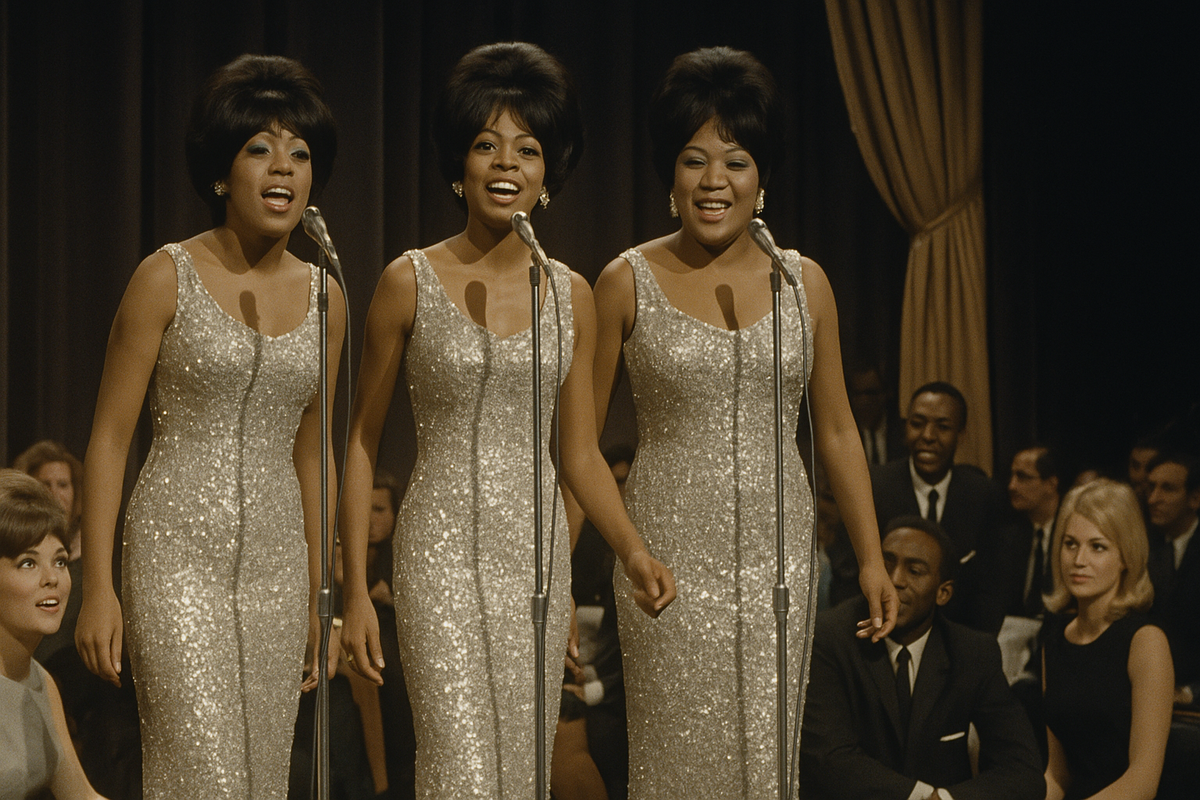
On June 1, 1967, a pocket-sized magazine landed on newsstands across Black America carrying a story that would outlive the week it was printed. Inside Jet, sandwiched between reports on Alabama co-ops and civil rights organizing, three women in sequined gowns stared back at readers with the kind of confidence that made history look inevitable.
The cover line read: "Supremes in a New 'Bag.'"
What it meant: Diana Ross, Mary Wilson, and Florence Ballard had stopped being just chart-toppers. They had become something bigger—ambassadors of possibility in a country that was burning and building itself at the same time.
This wasn't celebrity gossip. This was documentation.
Archive Details
Publication: Jet Magazine
Issue Date: June 1, 1967
Featured Story: "Supremes in a New 'Bag'"
Historical Figures: Diana Ross, Mary Wilson, Florence Ballard (The Supremes)
Context: Published six weeks before the Detroit uprising of July 1967, during the height of the Civil Rights Movement
When Pop Music Became Political
By the summer of 1967, the Supremes had already conquered the Billboard charts. They had appeared on The Ed Sullivan Show. They had made white teenagers scream and Black parents proud. But the Jet feature captured something else: the moment when three young women from Detroit's Brewster-Douglass housing projects transformed themselves into supper club sophisticates without abandoning the teenagers who made them stars.
The Civil Rights Act was three years old. The Voting Rights Act, two. Detroit would explode into one of the deadliest urban uprisings in American history just six weeks after this magazine hit the streets. Against that backdrop, the image of the Supremes gliding across the Copacabana stage in evening gowns wasn't trivial. It was defiant.
Michigan Governor George Romney understood. He called them "Detroit's most exportable product"—a phrase that sounds like economics but read like prophecy. While headlines screamed about riots and unrest, the Supremes were proving that Black artistry could command any room in America.
Jet knew what it was documenting: not just fame, but a redefinition of who got to be glamorous, who got to be excellent, who got to win.
Why Jet Mattered
Mainstream magazines in 1967—Life, Time, Look—covered Black America sporadically, often through the lens of crisis or charity. Jet did something radically different: it treated African American life as the primary story, not the subplot.
Small enough to fit in a coat pocket, bold enough to print Emmett Till's funeral photos, Jet had become the chronicle of Black achievement and survival. It didn't just report on Martin Luther King Jr. and Malcolm X—it covered the Supremes with the same seriousness, understanding that cultural representation was a civil rights issue.
The June 1, 1967 issue made that explicit. Readers saw the Supremes recording soundtracks for The Happening, rehearsing for television, and charming audiences on The Dean Martin Show. These weren't distant celebrities. They were neighbors who had made it, and their success belonged to the community.
The photojournalism reinforced this intimacy. Candid rehearsal shots. Fans screaming in delight. The trio mid-performance, microphones gleaming, sequins catching stage lights. Jet's images didn't create distance—they collapsed it.
The New Nightclub Act That Changed Everything
The story "Supremes in a New 'Bag'" focused on a specific transformation: the group's shift from teenage pop sensations to sophisticated nightclub performers. At the Copacabana, they weren't just singing Motown hits—they were incorporating Broadway standards and Hollywood classics, proving they could master any genre.
This wasn't about abandoning their roots. It was about expansion. The Supremes remembered the teenagers who had made them stars, but they refused to be confined by anyone's expectations of what Black performers could or should be.
Television appearances on The Ed Sullivan Show and The Dean Martin Show brought them into living rooms across America—Black and white households alike. Their elegance and talent challenged every stereotype, proving that African American performers didn't just belong on the national stage. They owned it.
By 1967, the Supremes weren't just Motown's crown jewel. They were among the most recognized and bankable acts in the world, redefining American entertainment on their own terms.
Cultural Transformation
The Supremes' evolution from pop stars to supper club sophisticates represented Black America's demand for recognition across all cultural spaces.
Civil Rights Context
Published between landmark legislation and urban uprisings, this issue captured triumph amid struggle—a complete portrait of Black life in 1967.
Media Representation
Jet's coverage treated the Supremes' success as both entertainment and political statement, understanding that visibility was resistance.
Detroit Pride
Governor Romney's praise and the timing six weeks before the Detroit uprising make this issue a document of a city's dual realities.
The Artifact
For collectors, the June 1, 1967 issue of Jet isn't merchandise—it's evidence.
Evidence that Black excellence existed at the intersection of art and politics. Evidence that three women from Detroit's projects could become global icons without erasing where they came from. Evidence that mainstream success didn't require assimilation, just undeniable talent.
The timing makes it irreplaceable. Published weeks before Detroit erupted, this issue captures the Supremes at their peak—showing the world a different face of their city just before headlines would tell a darker story. It's a reminder that every community contains multitudes: struggle and triumph, rage and grace, desperation and dreams.
Music historians want it for the Supremes documentation. Civil rights scholars want it for the cultural context. Families treasure it as memory.
The magazine has survived because it captured something true: the moment when Black culture stopped asking for permission to redefine American culture. It just did.
What Endures
While digital news dissolves within hours, vintage Jet issues remain physical proof of what mattered. Each page carries the urgency of its moment—the weight of stories that mainstream media minimized or ignored entirely.
The June 1, 1967 issue endures because it documented not just what the Supremes achieved, but what their achievement meant. In a nation fracturing along racial lines, three Black women in sequined gowns became symbols of what was possible when talent met determination met opportunity.
That's not entertainment history. That's American history.
Collector Significance
Historical Timing
Published six weeks before the 1967 Detroit uprising, this issue captures a crucial moment of triumph just before national attention would shift to urban crisis—making it essential documentation of the city's complete story.
Iconic Figures at Peak
Features the Supremes during their commercial and cultural zenith, as they transitioned from pop stars to sophisticated entertainers commanding venues like the Copacabana.
Civil Rights Era Documentation
Illustrates how Black artistry functioned as both entertainment and political statement during the Civil Rights Movement—cultural representation as resistance.
Primary Source Value
Original photojournalism, contemporaneous reporting, and authentic coverage make this irreplaceable for researchers, music historians, and cultural scholars studying 1960s America.
For Collectors and Historians
If you're searching for original documentation of African American cultural transformation, vintage Jet magazines represent primary source material that cannot be replicated. Each issue is a window into an era when Black identity was being reshaped in real time, reported by journalists who understood the stakes.
Browse Jet Magazine CollectionWhether you collect for investment, research, or family legacy, these magazines offer something irreplaceable: history as it was first reported, before revision or nostalgia could soften its edges.
The Legacy in Your Hands
The June 1, 1967 Jet featuring "Supremes in a New 'Bag'" is an artifact of American transformation. It captured three young women from Detroit becoming international stars without losing their connection to the teenagers who loved them first or the community that made them possible.
More than that, it documented how Black culture reshaped American culture in the 1960s—not through permission, but through undeniable excellence.
Holding this issue today means holding a piece of that moment: when the Supremes sparkled as proof of what was possible, when Jet documented it with the seriousness it deserved, and when history was still being written in real time.
For anyone who values cultural memory, this magazine isn't just something to read. It's a record worth preserving.