
The Supremes at Home: How a Single 1966 Jet Magazine Issue Captured Black America's New Dream
When Diana Ross, Mary Wilson, and Florence Ballard bought houses within blocks of each other, they weren't just investing in property—they were rewriting what success looked like for an entire generation
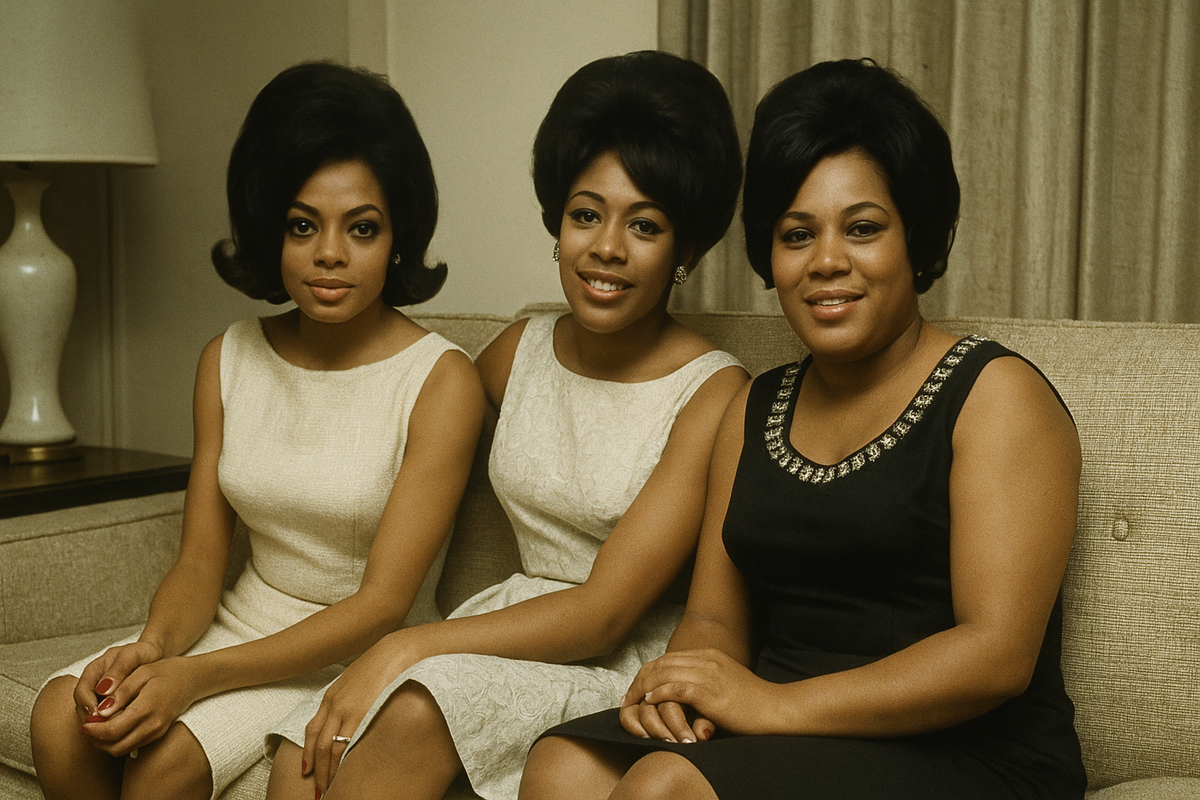
The photograph stops you cold.
Three young Black women in elegant dresses, hair impeccable, gazes steady—staring directly into the camera with the quiet confidence of people who know they've already changed the world. The February 3, 1966 issue of Jet Magazine didn't put The Supremes on stage. It put them at home.
And for millions of African American readers, that choice—showing Diana Ross, Mary Wilson, and Florence Ballard in their living rooms rather than under spotlights—said everything about what success actually meant in 1966 America.
Archive Details
Featured Artists: Diana Ross, Mary Wilson, Florence Ballard (The Supremes)
Issue Date: February 3, 1966
Publication: Jet Magazine
Feature Title: "What The Supremes Do With Their Money"
Historical Context: Published months after the Voting Rights Act of 1965
What Success Looked Like When You Couldn't Take It for Granted
By early 1966, The Supremes weren't just Motown's brightest stars—they were America's top female vocal group, period. Multiple No. 1 Billboard hits. Rivals to the Beatles in global recognition. Three women who had grown up in Detroit's housing projects now commanded stages from the Copacabana to European concert halls.
But Jet understood something mainstream publications missed: for Black readers navigating a nation still convulsing from Selma, still reeling from Watts, still fighting redlining and housing discrimination in every major city, the real story wasn't the sequined gowns or chart positions.
The real story was the houses.
Florence Ballard, Diana Ross, and Mary Wilson had each purchased homes within blocks of one another in Detroit's Russell Woods neighborhood. Not rented apartments. Not temporary lodgings between tours. Homes. Property. Generational wealth in brick and mortar.
Jet's feature, "What The Supremes Do With Their Money," documented this with the precision of a deed registry and the warmth of a family photo album.
Inside the Lives Billboard Never Showed
The issue's interior pages offered something rarely granted by white-owned media: intimacy without condescension, glamour without exoticism.
Florence Ballard, one of twelve children, filled her carefully decorated home with relatives. The photographs showed her relaxed, surrounded by family—a visual argument that fame didn't require abandoning your roots.
Diana Ross shared a spacious apartment with her mother, Ernestine Ross (affectionately called "Mother Supreme" by the group), and her siblings. Even as her star climbed, family remained central, visible, non-negotiable.
Mary Wilson, portrayed as the group's most practical member, rented out part of her property and invested her earnings with an eye toward long-term security. Jet captured her cooking soul food, living modestly—fame hadn't made her forget where comfort actually came from.
The magazine's pocket-sized format meant readers could carry these images everywhere: on buses, into barbershops, to church socials. Jet wasn't just reporting celebrity news. It was circulating proof—tangible, photographic proof—that three young Black women, aged 22 and 23, were building something lasting.
Sisterhood in a Business Built on Breakups
By 1966, whispers about Diana Ross leaving for a solo career had already begun circulating. The music industry thrived on manufactured drama, and Berry Gordy's grooming of Diana as the group's front woman was impossible to miss.
But Mary Wilson shut down the speculation with characteristic directness: "We're just like sisters… Sure we get mad, but we get over it pretty quick."
Whether that assessment proved prophetic or tragically ironic, the 1966 Jet captured a moment of genuine solidarity—three women who understood that their collective success carried weight far beyond record sales. They were proof of concept. Living, singing, property-owning proof that Black women could command respect, wealth, and security on their own terms.
Key Themes in the February 1966 Issue
Homes as Security
Each Supremes member invested in a home within blocks of one another in Detroit's Russell Woods neighborhood, symbolizing stability, family, and permanence in an era of housing discrimination.
Florence's Family Life
One of twelve children, Florence filled her carefully decorated home with relatives, embodying the group's emphasis on giving back to loved ones and maintaining family connections.
Diana's Apartment
Diana shared her large home with her mother, Ernestine Ross ("Mother Supreme"), and siblings—proof that family remained central even as fame soared to unprecedented heights.
Mary's Investments
Mary rented out part of her home, invested wisely, and maintained a down-to-earth lifestyle, portrayed as the most practical and soul food-loving member of the trio.
Youth & Responsibility
At just 22 and 23 years old, The Supremes balanced world tours, international fame, and family obligations while planning for long-term financial security.
Sisterhood Over Splits
Despite rumors of Diana leaving for solo stardom, Mary dismissed speculation about group tensions, emphasizing their bond as "sisters" who work through conflicts quickly.
Jet's Counter-Narrative to Mainstream Media
What made Jet's coverage revolutionary wasn't just what it showed—it was how.
Mainstream magazines in 1966 either ignored Black achievement or framed it through the lens of white curiosity. Jet wrote for Black readers, about Black subjects, with Black dignity as the baseline assumption. There was no need to explain why family mattered, why property ownership carried emotional weight, why these three women buying homes near each other was an act of both practical wisdom and symbolic resistance.
The magazine trusted its audience to understand what the photographs meant: that success could be measured in quiet Sunday dinners and mortgage payments, not just screaming fans and television appearances.
That editorial choice—centering Black readers' perspective rather than translating for white consumption—is precisely why Jet remains essential primary source material for anyone studying mid-century African American life.
Why This Issue Became a Collector's Grail
Cultural Timing
Published mere months after the Voting Rights Act of 1965, this issue arrived as African Americans were redefining what political and economic power could look like.
Peak Popularity
The issue captured The Supremes at their absolute commercial zenith—America's biggest female group, before internal tensions began fracturing the original trio.
Unique Focus
Instead of concert shots or publicity photos, this issue showcased private lives, homes, and values—a rare, intimate artifact of three women at the height of fame.
Historical Evidence
For Black families facing redlining and housing discrimination, The Supremes' story represented tangible proof of possibility—documentary evidence of a specific historical argument about Black excellence.
Where History Lives in Print
Original copies of Jet from the 1950s through 1990s documented decades of African American experience that mainstream media systematically ignored or misrepresented. From Civil Rights battles to Motown stardom, from political organizing to sports triumphs, these pocket-sized magazines carried news, analysis, and representation to communities hungry for both.
The February 3, 1966 issue remains one of the most significant: an artifact capturing how three young women used unprecedented fame to build something their parents' generation could barely imagine—security, ownership, and the radical luxury of staying close to home.
For collectors, historians, and music enthusiasts, these magazines offer more than nostalgia. They offer evidence.
Explore the Archive
From the 1950s through the 1990s, Jet Magazine documented African American life as it happened. Browse our collection of original issues and hold history in your hands.
Browse Jet Magazine CollectionHolding 1966 in Your Hands
When you encounter this particular issue today—whether in archive boxes or private collections—you're not just reading celebrity coverage. You're holding a document that captured African American aspiration at a pivotal crossroads.
The Supremes were more than Motown legends. They were architects of their own security, investors in their families' futures, and symbols of what became possible when talent, timing, and determination converged.
Jet understood that in 1966. The magazine's readers understood it too.
And now, nearly six decades later, the issue still makes its argument: that success, real success, looks like three young women buying houses within walking distance of each other, making sure their families were taken care of, and refusing to let fame erase the values that got them there.
That's not just music history. That's American history—told by the people who lived it, for the people who needed to see it.