
Water, Beauty, and the Wellness Revolution of the Early 1970s
How a February 1971 issue of Vogue anticipated the multi-billion-dollar bottled water industry and transformed hydration into high fashion
Before Perrier became a status symbol in Manhattan bistros. Before Evian appeared in supermarket aisles across America. Before "hydration" became a wellness buzzword and $8 bottles of alkaline water lined the shelves of Whole Foods—there was a single magazine feature that saw it all coming.
February 1, 1971. Vogue magazine published an article about water.
Not water as utility. Water as couture.
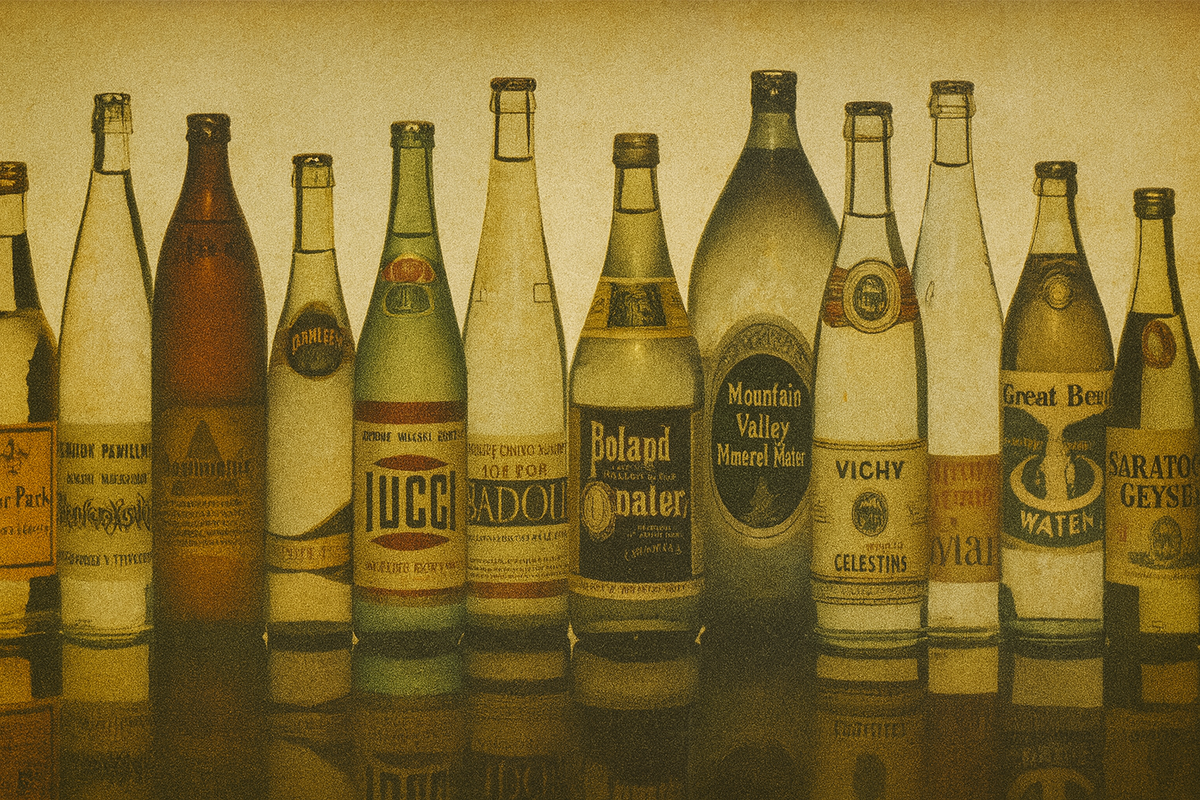
Readers who opened that issue expecting fashion spreads and Avedon portraits found something stranger and more prophetic: bottled mineral waters—Evian, Perrier, Apollinaris, Saratoga Geyser, Poland Spring—positioned alongside silk gowns and designer handbags as luxury goods in their own right. The article treated H₂O with the reverence reserved for Bordeaux, profiling taste notes, mineral content, and sodium levels as though compiling a sommelier's guide.
That Vogue could make water fashionable reveals everything about the early 1970s: a hinge moment when countercultural rebellion began yielding to mainstream wellness, when haute couture gave ground to democratized style, when indulgence ceded to moderation. The magazine didn't just report this shift. It engineered it.
The Cultural Moment
By 1971, the counterculture had done its work. Ideas of natural living, organic foods, and holistic health were migrating from Haight-Ashbury into middle-class kitchens and suburban gyms. Yoga studios opened in American cities. Vegetarian cookbooks climbed bestseller lists. Consumers who had once reached reflexively for pharmaceutical solutions now sought natural remedies.
Simultaneously, diet culture surged. Weight-loss regimens, low-calorie foods, and new beauty standards emphasized slimness and discipline. Into this climate, Vogue introduced water as a "diet drink"—praised for low sodium content, "purity," and supposed digestive benefits. For readers navigating both elegance and health, water offered alignment with the emerging ethos of moderation.
Globally, bottled water was becoming a commercial force. Europeans—particularly in France, Italy, and Germany—maintained deep traditions of sparkling and mineral waters tied to spas and health resorts. By 1971, these imports appeared increasingly in American hotels, restaurants, and homes. Vogue seized the moment, presenting bottled water as both chic and cosmopolitan: European sophistication newly available to the American woman of taste.
The Feature: "H₂O: More on Water, the Connoisseur's Delight"
The February 1971 feature bore two playful headlines: "H₂O: More on Water, the Connoisseur's Delight" and "H₂O Plus? Water, the New Beauty Drink—A Primer to Whet Your Aqua-tite." The wordplay was vintage Vogue: clever, slightly arch, confident readers would appreciate the wit.
The article catalogued celebrated waters with the precision of a sommelier:
Already famous in Paris, linked to clarity and lightness.
Long tied to the health resorts of central France.
Marketed as sparkling, fashionable, daring.
Nicknamed "the Queen of Table Waters."
Praised for purity and American provenance.
A naturally carbonated domestic favorite with spa-town credentials.
These were not casual mentions. They occupied the same aspirational space as couture gowns, photographed in elegant glass bottles, their labels as recognizable as designer signatures.
What Vogue accomplished was remarkable: it applied wine-tasting rigor to water. The text described taste profiles, mineral content, and sodium levels as connoisseur's notes. It documented cultural habits: Hollywood figures sipping it in Beverly Hills bistros, political leaders requesting specific brands abroad, fashionable women substituting sparkling water for cocktails at dinner parties.
This wasn't hydration advice. It was a manifesto.
The Editorial Vision
The February 1, 1971 cover featured Catherine Deneuve, the French actress and international style icon, photographed in New York by Richard Avedon. Her image projected sophistication, global glamour, and cool confidence—perfectly aligned with Vogue's editorial identity under Diana Vreeland, then editor-in-chief.
The water feature reflected this same vision. Just as Deneuve embodied both timeless beauty and modern self-assurance, the article treated water as ancient yet utterly new—a natural element reborn as lifestyle statement.
Editorial Analysis
Photography Style
Clear, minimal, elegant. Bottled waters lined up like couture garments on a runway, each brand given its moment.
Language Tone
Elevated, witty, informed. Phrases like "connoisseur's delight," "the great waters," and "a new beauty drink" reinforced that this was not about thirst. It was about taste, discernment, and identity.
Cultural Integration
By covering mineral waters with the same editorial weight as fashion, Vogue erased boundaries between beauty advice, cultural commentary, and aspirational lifestyle. Few magazines possessed the authority to elevate such a simple subject to the level of art.
Key Themes in the 1971 Feature
Water as Diet Culture
Vogue emphasized low-sodium waters as ideal for slimming regimens, connecting hydration to beauty discipline.
Mineral Chemistry
Detailed notes on bicarbonates, lithium, magnesium, and calcium content gave readers the vocabulary of connoisseurship.
Sparkling vs. Still
The article distinguished between natural sparkling waters and still "table waters," inviting readers to choose as wine drinkers would.
Status & Sophistication
Imported European waters were framed as markers of worldliness and refinement.
Health Resort Lineage
References to Vichy, Evian, and spa culture rooted bottled water in traditions of beauty and healing.
American Prestige Waters
Poland Spring and Saratoga Geyser received equal editorial attention, asserting that the United States had its own claim to distinguished waters.
Alcohol Substitution
Vogue recommended water at social events as a refined, slimming alternative to cocktails—a radical suggestion for the era.
Aesthetic Presentation
The lineup of glass bottles on the feature's second page mirrored perfume advertising in composition and lighting.
Cross-Class Appeal
While elite in positioning, the article hinted that water was affordable compared to other luxuries—accessible aspiration.
Prophetic Vision
Vogue anticipated the rise of bottled water as a global industry and lifestyle essential decades before it became ubiquitous.
Collector Significance
Cultural Timing
It captures the precise moment when wellness culture began merging with mainstream fashion consciousness.
Editorial Legacy
As part of Diana Vreeland's Vogue, it represents one of the most creative and collectible eras in the magazine's 130-year history.
Cover Prestige
Catherine Deneuve, photographed by Richard Avedon, adds substantial collectible appeal. Issues featuring international film stars with major photographers remain in sustained demand.
Unique Content
Few issues so perfectly combine fashion, wellness, and cultural commentary. The water feature stands as a milestone in lifestyle journalism.
Historical Resonance
Today, when bottled water constitutes a multi-billion-dollar global industry, this issue reads like prophecy—an early signal of shifts that transformed consumer culture worldwide.
Collectors, historians, and cultural enthusiasts value these magazines not only for their visual beauty but as artifacts of social history. To hold one is to hold the moment when water became fashion.
Legacy
Vogue's lifestyle features endure because they transcend trend. They are time capsules of cultural aspiration. The 1971 water feature reminds us that beauty and wellness have always been intertwined—and that something as ordinary as water could be elevated into luxury through context, branding, and editorial authority.
Today, when conversations about hydration, mineral content, and premium bottled waters saturate social media and wellness culture, it is striking to realize that Vogue framed this narrative half a century ago. The glossy pages of February 1971 remain not only stylish but visionary.
Explore More Vintage Vogue
If this issue fascinates you, our collection of original Vogue magazines holds many more treasures. From the 1920s through the 1970s, these issues trace the evolution of style, beauty, and cultural aspiration across decades of American life.
Browse Vogue Magazine CollectionFinal Word
The February 1, 1971 issue of Vogue remains one of the most compelling publications of its era. Its feature on water as the "new beauty drink" anticipated the wellness revolution, elevated bottled mineral waters into objects of taste and connoisseurship, and reflected the growing global fascination with health and lifestyle.
Through elegant photography, cultural references, and authoritative prose leavened with wit, Vogue demonstrated once again that it was more than a fashion magazine. It was a cultural force, shaping not just what women wore but how they thought about beauty, health, and identity.
For anyone who values history, style, or the origins of today's wellness industry, this issue is a true collectible—a reminder that even the simplest elements of life become fashion history when seen through the lens of Vogue.