📖 About this Collection
1900: The Dawn of the American Century
The new century arrived with America poised between two worlds—one foot still planted in the Victorian era, the other stepping boldly toward modern empire. The nation watched as President William McKinley secured reelection in November, his victory cementing the Republican vision of industrial prosperity and overseas expansion. But 1900 was marked by contrasts: while McKinley signed the Gold Standard Act in March, stabilizing American currency with mathematical precision, thousands of miles away in China, the Boxer Rebellion erupted in June, trapping American diplomats in a 55-day siege that dominated headlines through summer. Closer to home, September brought unthinkable tragedy when the Great Galveston Hurricane—still the deadliest natural disaster in American history—obliterated the Texas coast and claimed as many as 12,000 lives. This was the world your loved one entered: a nation extending its reach across the Pacific while confronting nature's devastating power at home.
Pop Culture & the American Imagination
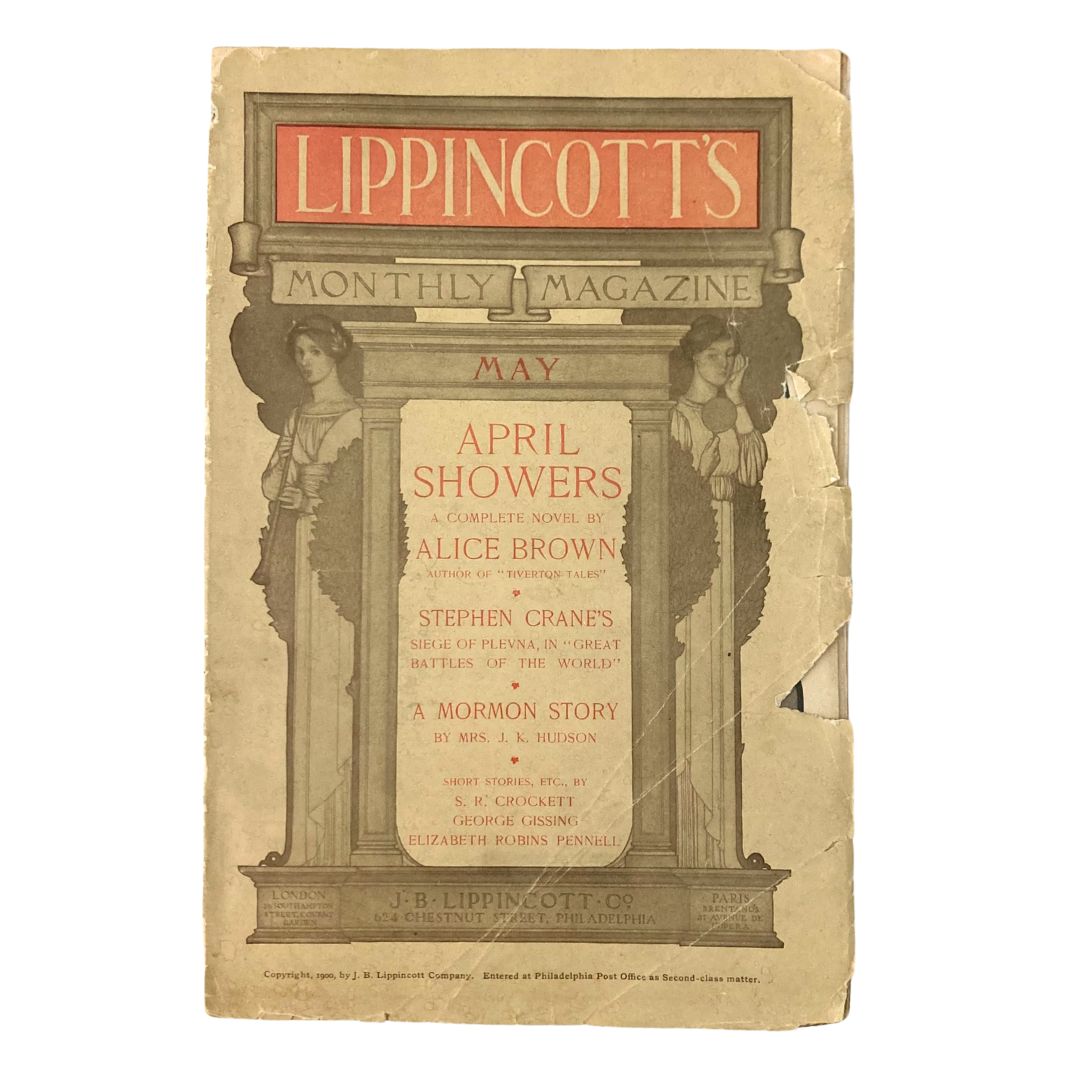
While diplomats endured siege conditions in Beijing, American children discovered a new enchanted world in May when L. Frank Baum's "The Wonderful Wizard of Oz" was published in Chicago, its first 10,000 copies selling out within months. The book's yellow brick road wound through parlors and nurseries nationwide, its story appearing in serialized reviews and children's columns throughout magazines of the period. August brought athletic competition to the fore as the first Davis Cup tennis matches unfolded at Boston's Longwood Cricket Club, with America defeating the British Isles in a victory chronicled by sporting journals. Meanwhile, Hawaii's transformation from independent republic to U.S. territory in April generated illustrated features in news magazines like Harper's Weekly and Leslie's Illustrated, their pages filled with photographs of the Pacific islands now formally under American governance. These original magazines from 1900 preserve an extraordinary threshold moment—the Victorian sensibilities still evident in advertisements for patent medicines and corsetry, yet unmistakably modern ambitions visible in coverage of territorial expansion and international sport.
Curator's Checklist: What to Look for in 1900 Magazines
- The Galveston Hurricane: News weeklies like Harper's and Leslie's featuring haunting photographic documentation of the disaster's aftermath, often with full-page illustrations of the devastated Texas coastline and survivor accounts that brought the tragedy into American homes.
- Boxer Rebellion Coverage: International news magazines chronicling the 55-day siege in Beijing, illustrated with maps of the besieged diplomatic quarter and portraits of trapped American Minister Edwin H. Conger, representing America's growing entanglements abroad.
- Gold Standard Debates: Political and financial journals featuring editorials and economic analysis surrounding McKinley's March signing of the Gold Standard Act, often accompanied by Bryan-McKinley campaign cartoons from the November election rematch.
- Hawaiian Annexation: Vintage magazines showcasing illustrated features on America's newest territory, with photographs of Governor Sanford B. Dole and romantic depictions of Pacific island life now under the Stars and Stripes.
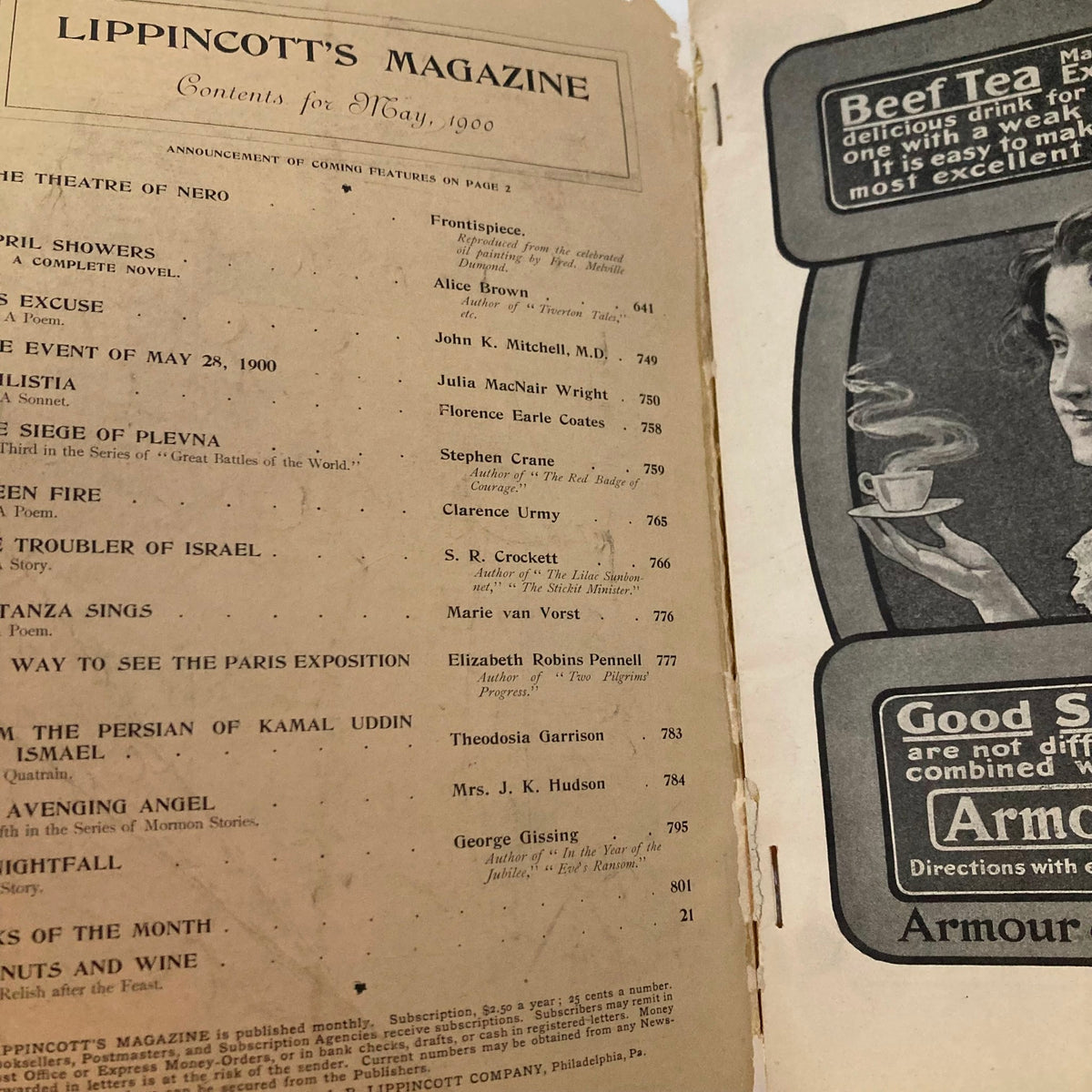
- Turn-of-Century Advertising: Rare magazines preserving authentic Victorian-era advertisements—from Kodak cameras to bicycle manufacturers to elaborate millinery—that document the material culture bridging the 19th and 20th centuries.
The Perfect Gift
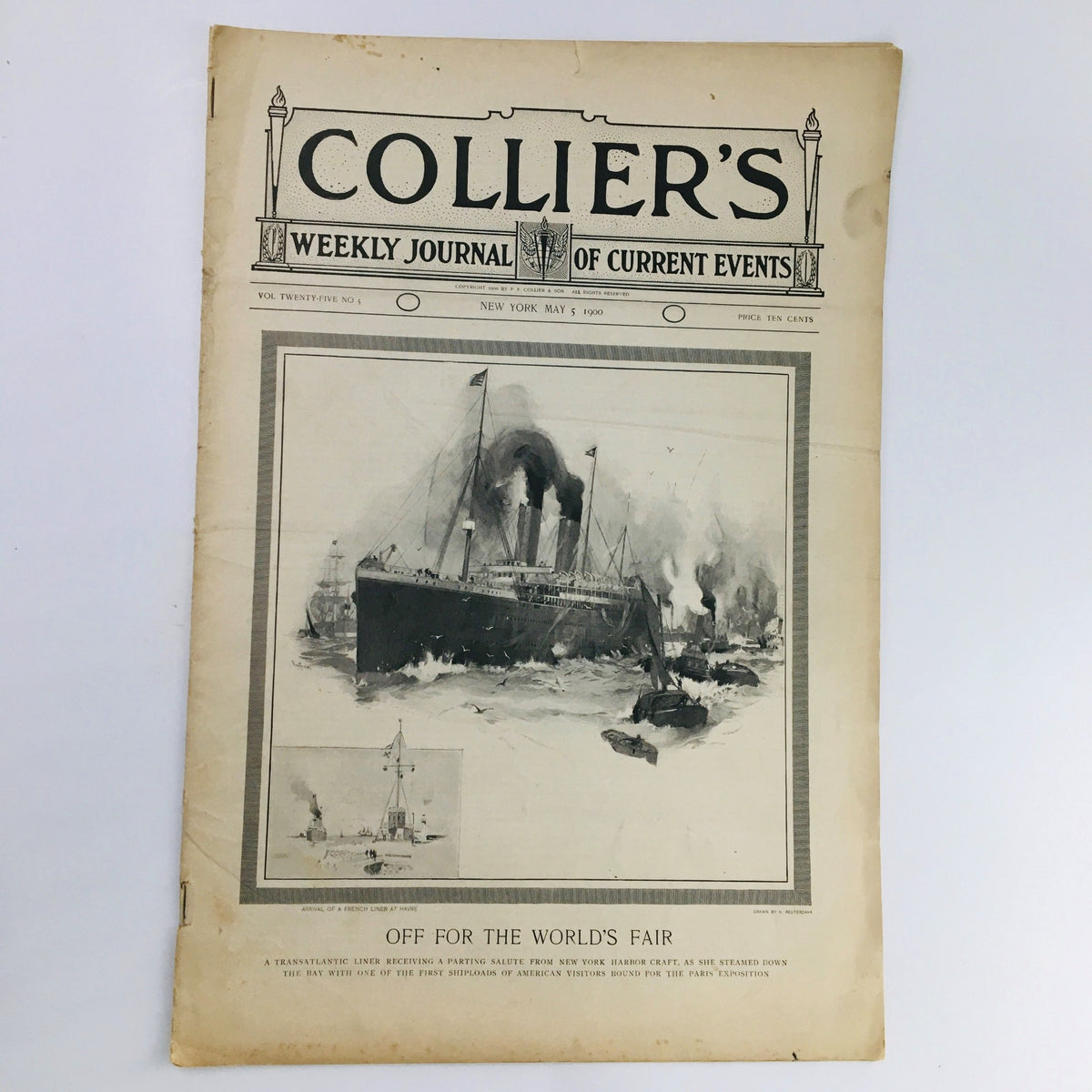
For someone born in 1900, an original magazine from this pivotal year isn't just a collectible—it's an authenticated portal to the moment when America transformed from continental republic to global power, preserved in genuine advertisements, woodcut illustrations, and headlines that announced a new century's uncertain promise.