📖 About this Collection
1902: The Dawn of the American Century
The world stood at the threshold of transformation in 1902, as the United States stepped confidently onto the global stage. President Theodore Roosevelt's vigorous leadership defined the year, from his conservation-minded signing of the Newlands Reclamation Act in June—opening the American West through federally-funded irrigation projects across 20 states—to the November hunting trip that unexpectedly birthed an enduring cultural icon. When Washington Star cartoonist Clifford Berryman depicted Roosevelt refusing to shoot a captive bear cub, toymaker Morris Michtom seized the moment, creating "Teddy's Bear" and launching a phenomenon that would comfort children for generations. In May, the Republic of Cuba formally gained independence as U.S. military occupation ended, though the Platt Amendment ensured American influence would linger. Meanwhile, in Beaumont, Texas, the Texas Fuel Company (later Texaco) was founded in April, capitalizing on the Spindletop oil boom that would fuel America's industrial ascent. This was the world your loved one entered—a nation harnessing natural resources, expanding its reach, and discovering that even presidential moments could spark unexpected magic.
Pop Culture & What Made Headlines
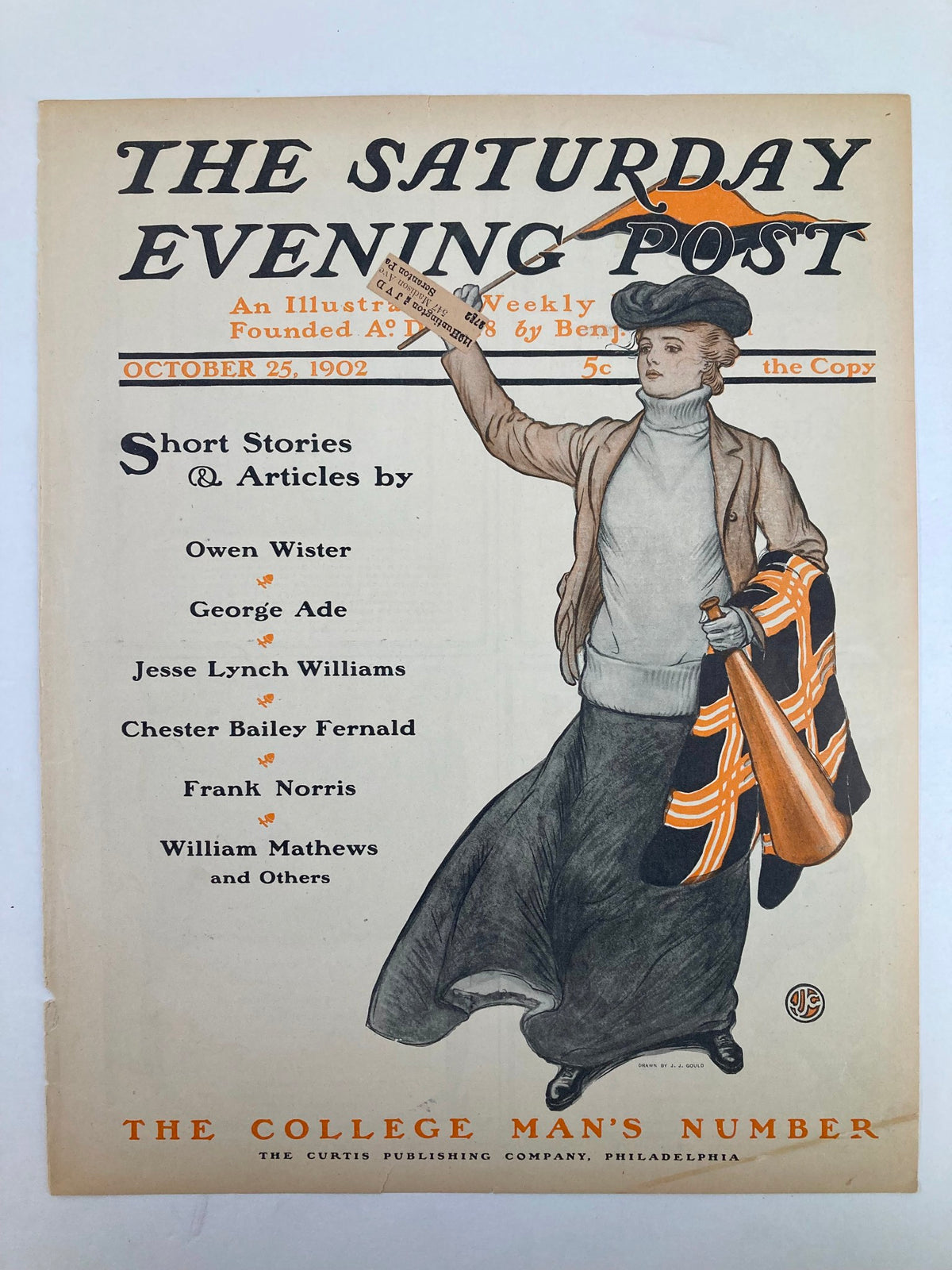
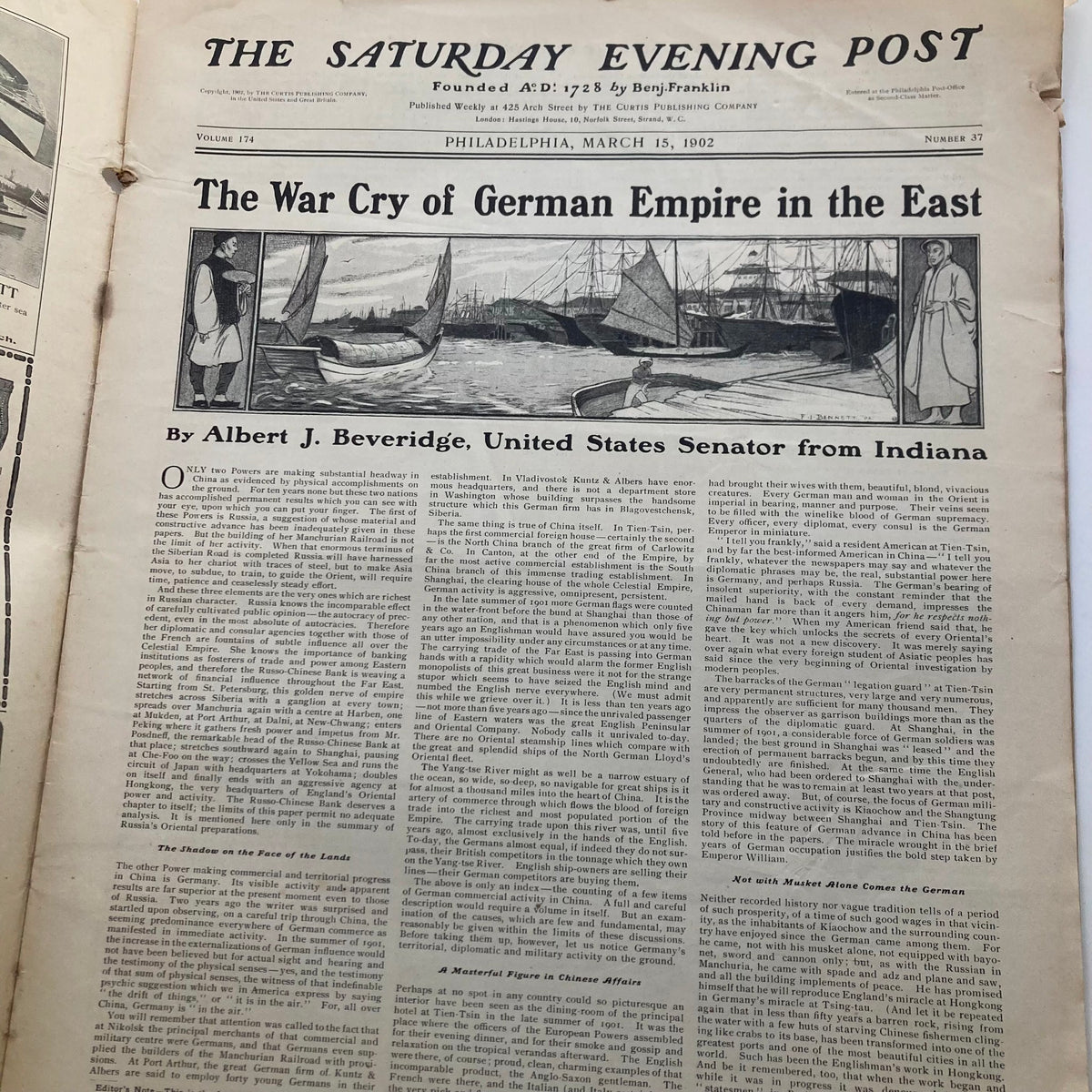
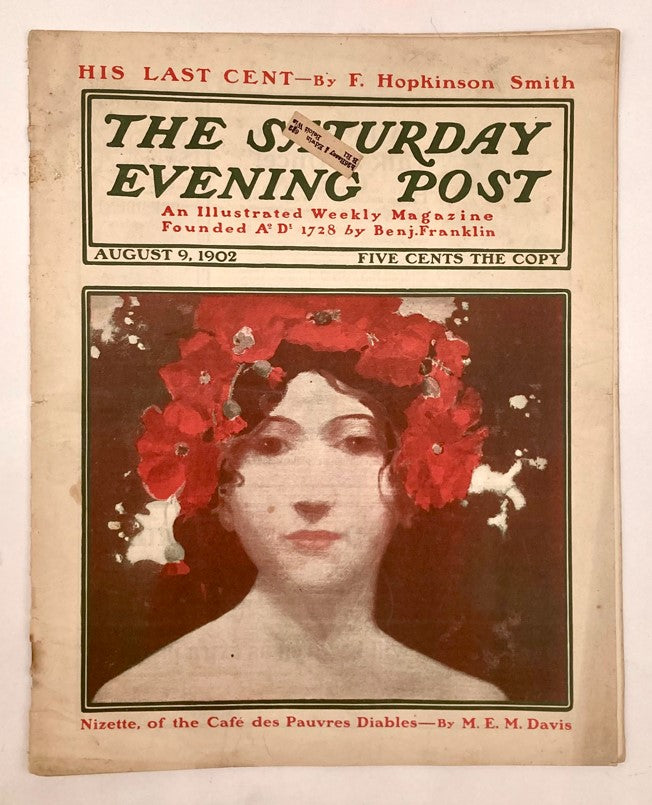
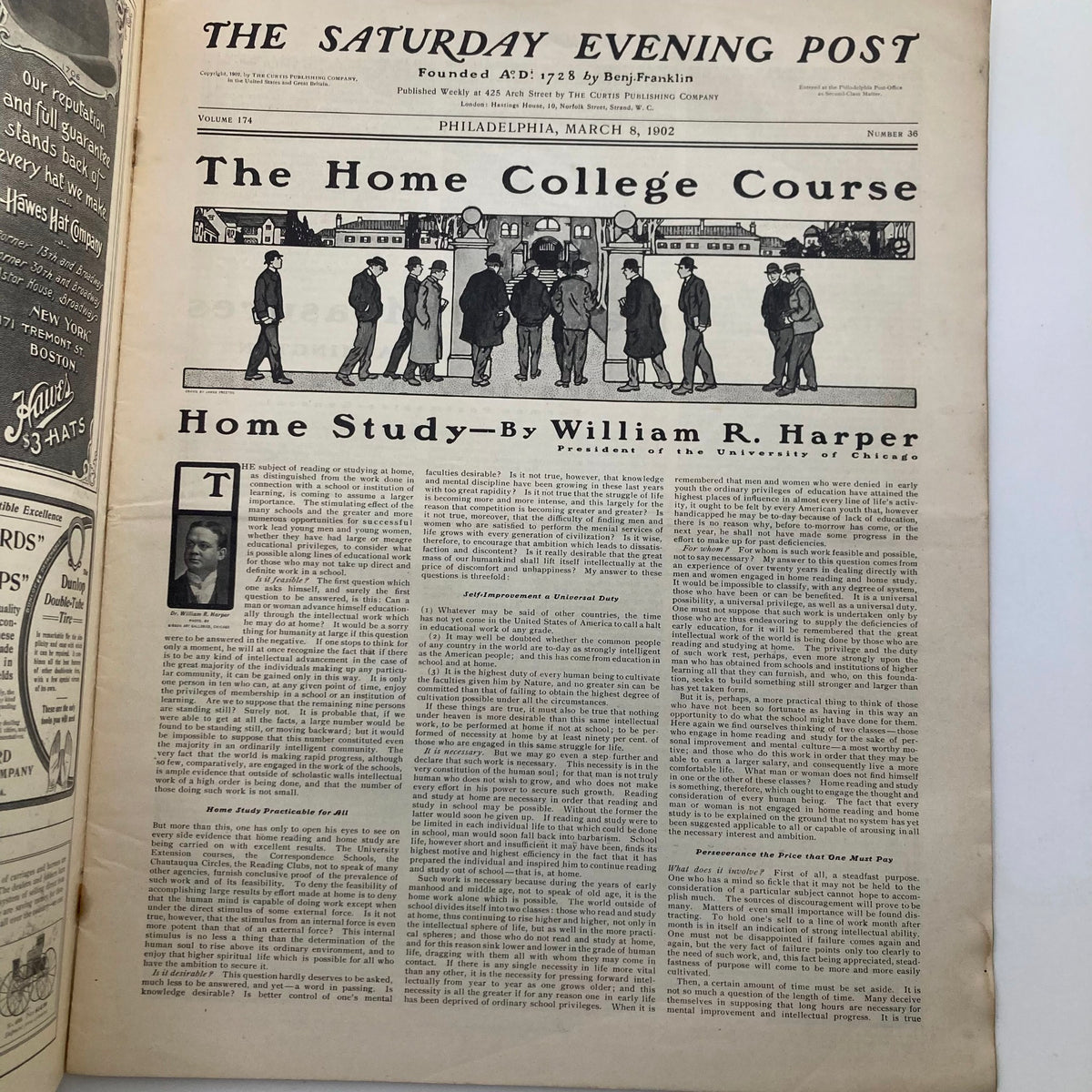
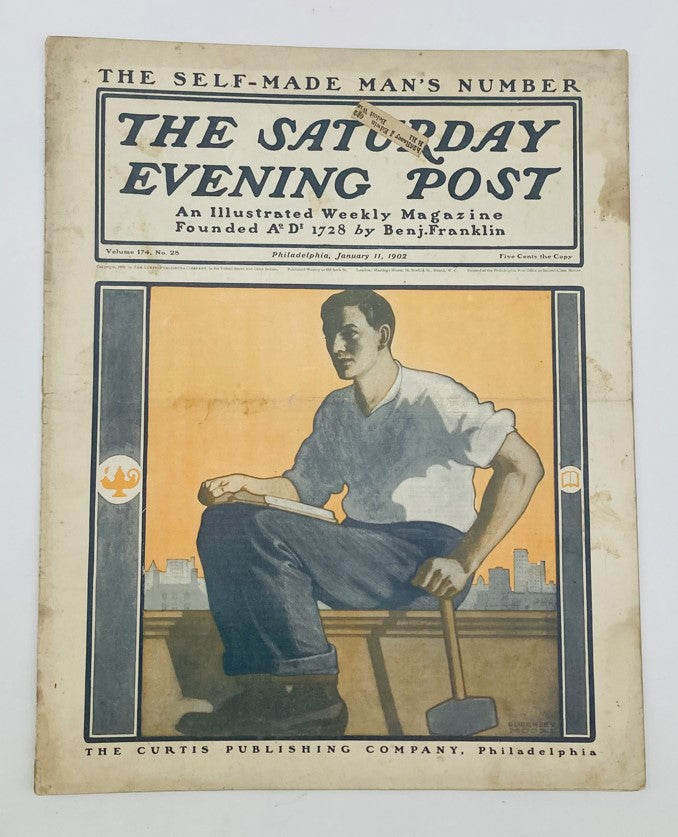
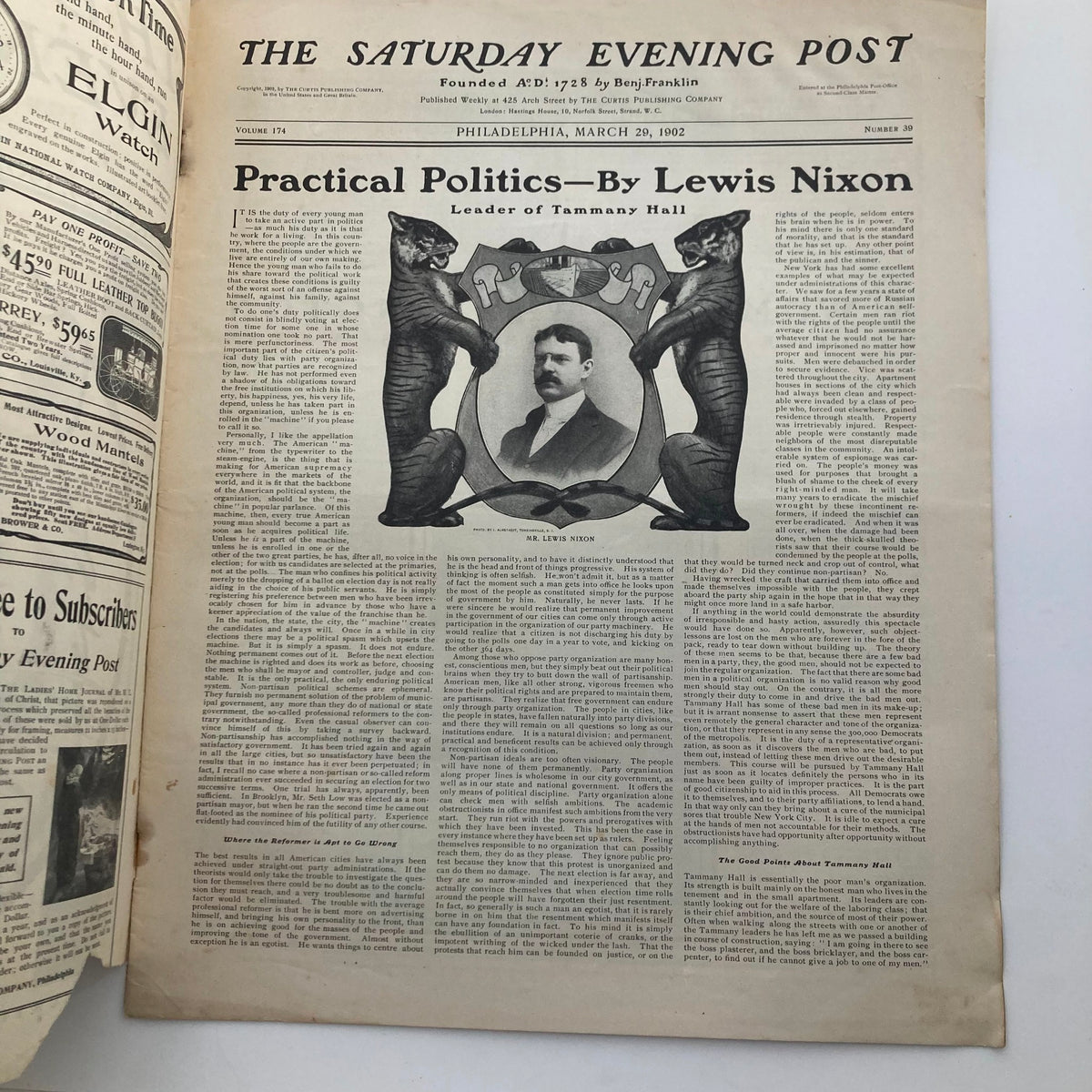
On New Year's Day, the first Tournament of Roses football game electrified Pasadena, California, as Michigan's powerhouse team demolished Stanford 49-0 in what would become the legendary Rose Bowl tradition. Coach Fielding H. Yost's Wolverines showcased the rough-and-tumble spectacle that was making college football America's fastest-growing sport, filling sports pages and capturing the masculine ideal of the Roosevelt era. Original magazines from 1902 chronicled this sporting watershed alongside the booming oil industry's promise of prosperity—advertisements for newfangled automobiles and industrial machinery filled periodicals like Popular Mechanics and Scientific American, while fashion magazines showcased the elaborate Gibson Girl silhouettes that dominated women's wear. The teddy bear craze that emerged from Roosevelt's hunting trip became instant advertising gold, appearing in toy catalogs and women's magazines throughout the holiday season. Time, Life, and the Saturday Evening Post captured a nation discovering its appetite for both rugged frontier values and modern comforts, their pages preserving genuine advertisements for the products that were transforming daily life in this pivotal year.
Curator's Checklist: What You'll Discover in Vintage Magazines from 1902
-
The First Rose Bowl Victory: Sports Illustrated predecessors and general interest magazines featuring Michigan's historic 49-0 triumph, illustrated with early action photography and diagrams of the tournament's Pasadena spectacle that launched America's college football obsession.
-
The Spindletop Oil Rush: Business periodicals and news magazines chronicling the Texas Fuel Company's founding and the Beaumont boom, showcasing authentic advertisements for petroleum products and industrial equipment that fueled the automobile age.
-
Cuban Independence Declared: News weeklies like Time and Newsweek featuring coverage of May's historic handover, often illustrated with photographs of President Tomás Estrada Palma and maps explaining the Platt Amendment's political implications.
-
Roosevelt's Conservation Legacy: Rare magazines documenting the Newlands Reclamation Act signing, featuring Senator Francis G. Newlands and detailed maps of the 20 western states transformed by federal irrigation—a cornerstone of TR's environmental vision.
-
The Teddy Bear Phenomenon: Women's magazines, toy catalogs, and general interest periodicals preserving Clifford Berryman's original "Drawing the Line in Mississippi" cartoon alongside early teddy bear advertisements, capturing the birth of childhood's most beloved companion.
The Perfect Gift
For someone born in 1902, an original magazine from this transformative year isn't just memorabilia—it's an authenticated time capsule from the moment America discovered its modern identity, preserved in genuine advertisements, bold headlines, and the optimistic spirit of a new century taking flight.