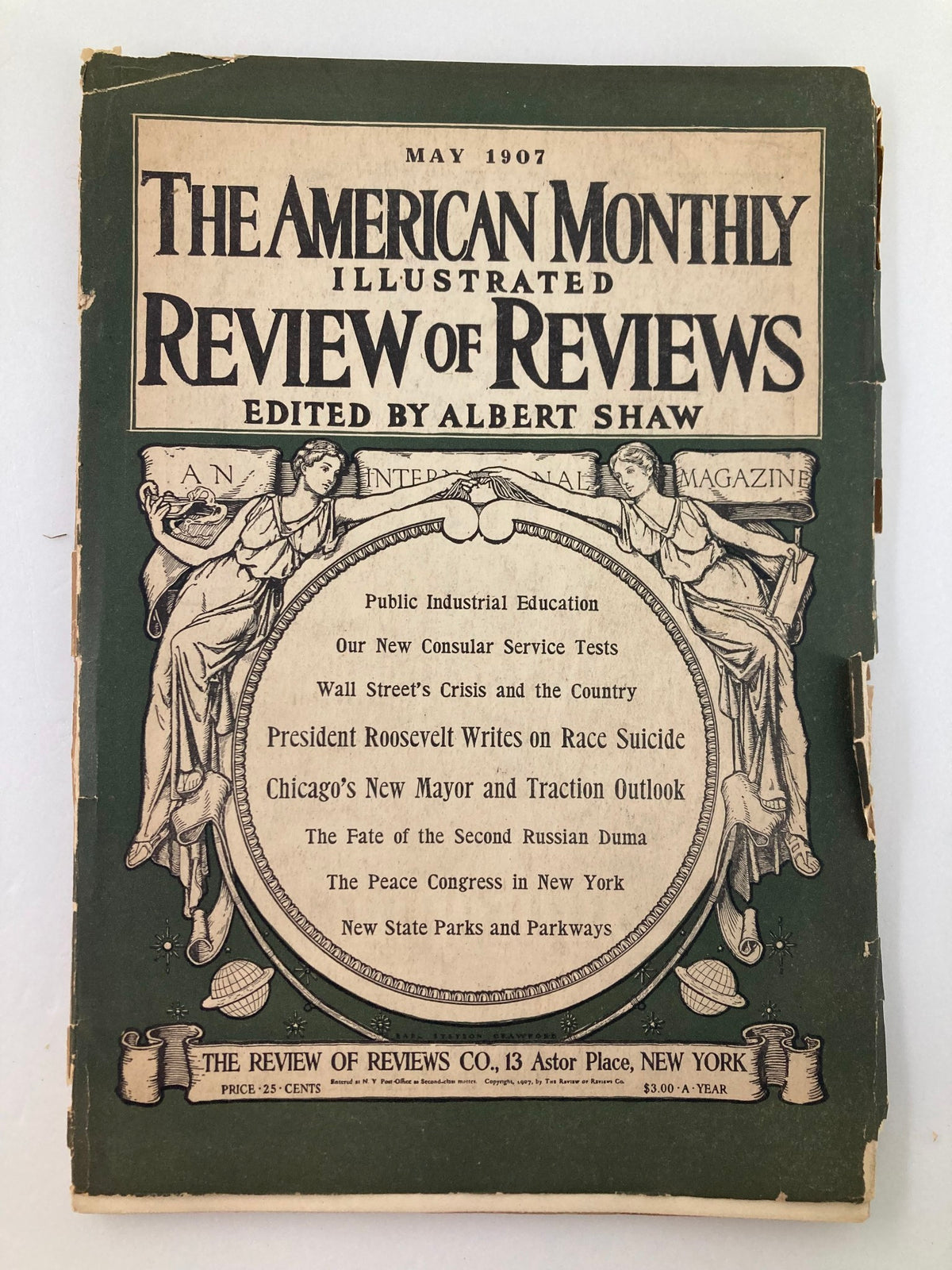
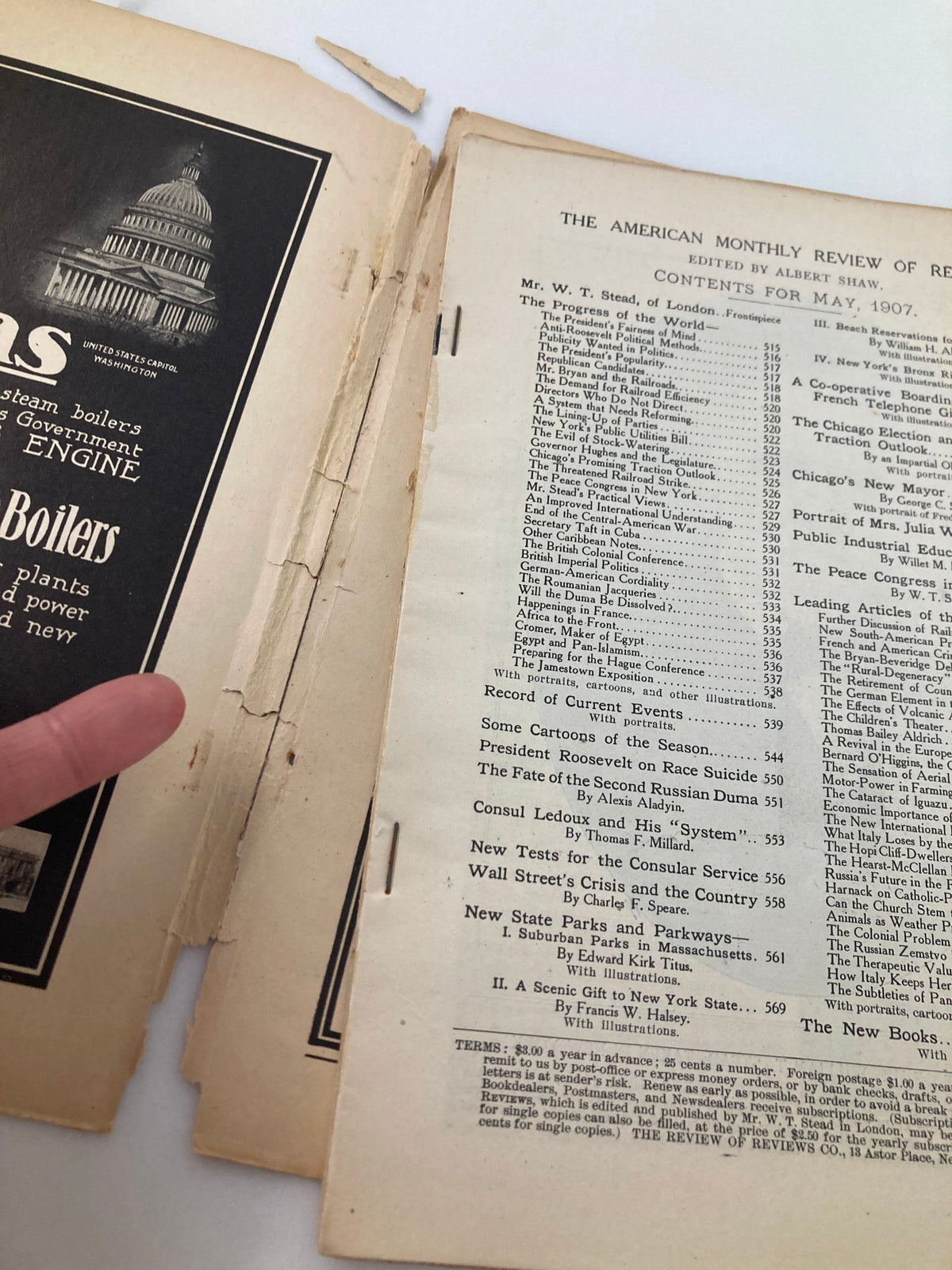
📖 About this Collection
1907: The Year of Power and Panic
America flexed its muscles abroad while its financial system buckled at home in 1907, a year that tested the nation's strength on multiple fronts. On October 14th, a speculative scheme to corner United Copper stock collapsed spectacularly, triggering bank runs and a financial panic that threatened to paralyze the economy until financier J.P. Morgan personally orchestrated a rescue that prevented total catastrophe. Congress had already signaled the era's anxieties on February 20th by passing the Immigration Act, establishing the Dillingham Commission and granting the President authority to restrict Japanese immigration through what became the Gentlemen's Agreement. The nation expanded on November 16th when Oklahoma Territory and Indian Territory merged to become the 46th state under Governor Charles N. Haskell's leadership. Yet it was December 16th that captured imaginations worldwide, as President Roosevelt dispatched the Great White Fleet—sixteen battleships painted gleaming white—on a globe-circling voyage under Rear Admiral Robley D. Evans to demonstrate American naval supremacy. This was the world your loved one entered—a nation simultaneously projecting imperial confidence and confronting the fragility of its gilded prosperity, learning that true power required both battleships and sound banking.
Pop Culture & What Made Headlines
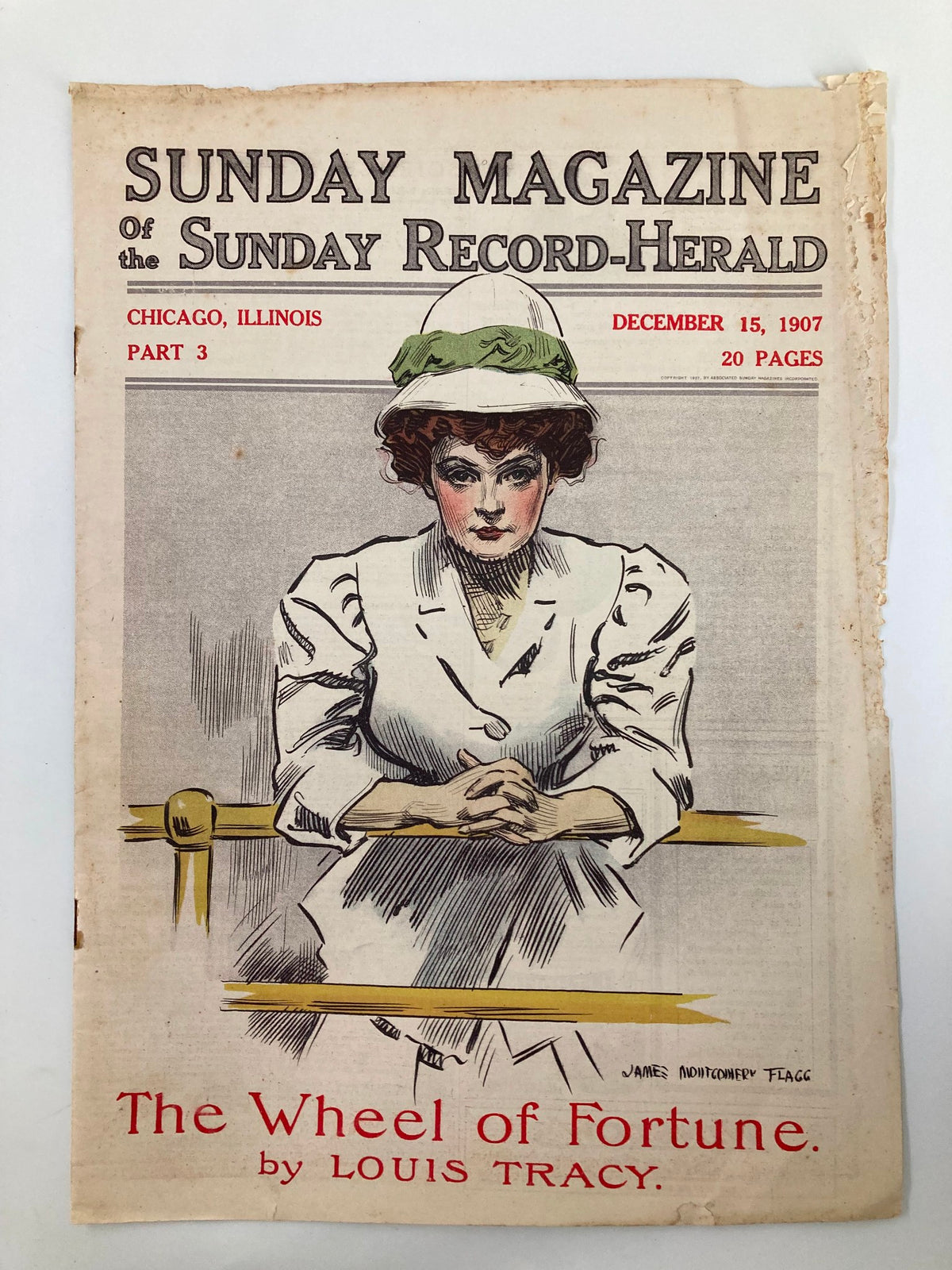
The Great White Fleet's December departure dominated illustrated periodicals and news magazines, with Life and the Saturday Evening Post featuring dramatic paintings of the pristine battleships leaving Hampton Roads, while naval journals published technical specifications and maps of the planned circumnavigation route. The spectacle captured America's imperial ambitions in an era when naval power meant global prestige. The Panic of 1907 gripped financial pages throughout October and November, as newspapers chronicled the bank runs with photographs of anxious depositors and editorial cartoons depicting J.P. Morgan as savior—or puppet master—of American capitalism. Original magazines from 1907 preserved the crisis in authentic advertisements for trust companies and savings banks attempting to restore public confidence. Oklahoma's statehood celebration filled November periodicals with illustrations of the new state seal, maps showing the merged territories, and portraits of Governor Charles N. Haskell. Fashion magazines like Vogue and Harper's Bazaar showcased the S-bend corset's final years and the emerging straighter silhouettes that would define the approaching decade, while Popular Mechanics covered both naval engineering marvels and the immigration debates that filled political discourse in this year of dramatic contrasts.
Curator's Checklist: What You'll Discover in Vintage Magazines from 1907
-
The Great White Fleet's Departure: Naval journals and illustrated weeklies featuring December coverage of Roosevelt's dramatic naval demonstration, showcasing paintings and photographs of the sixteen white-painted battleships under Rear Admiral Robley D. Evans beginning their globe-circling voyage.
-
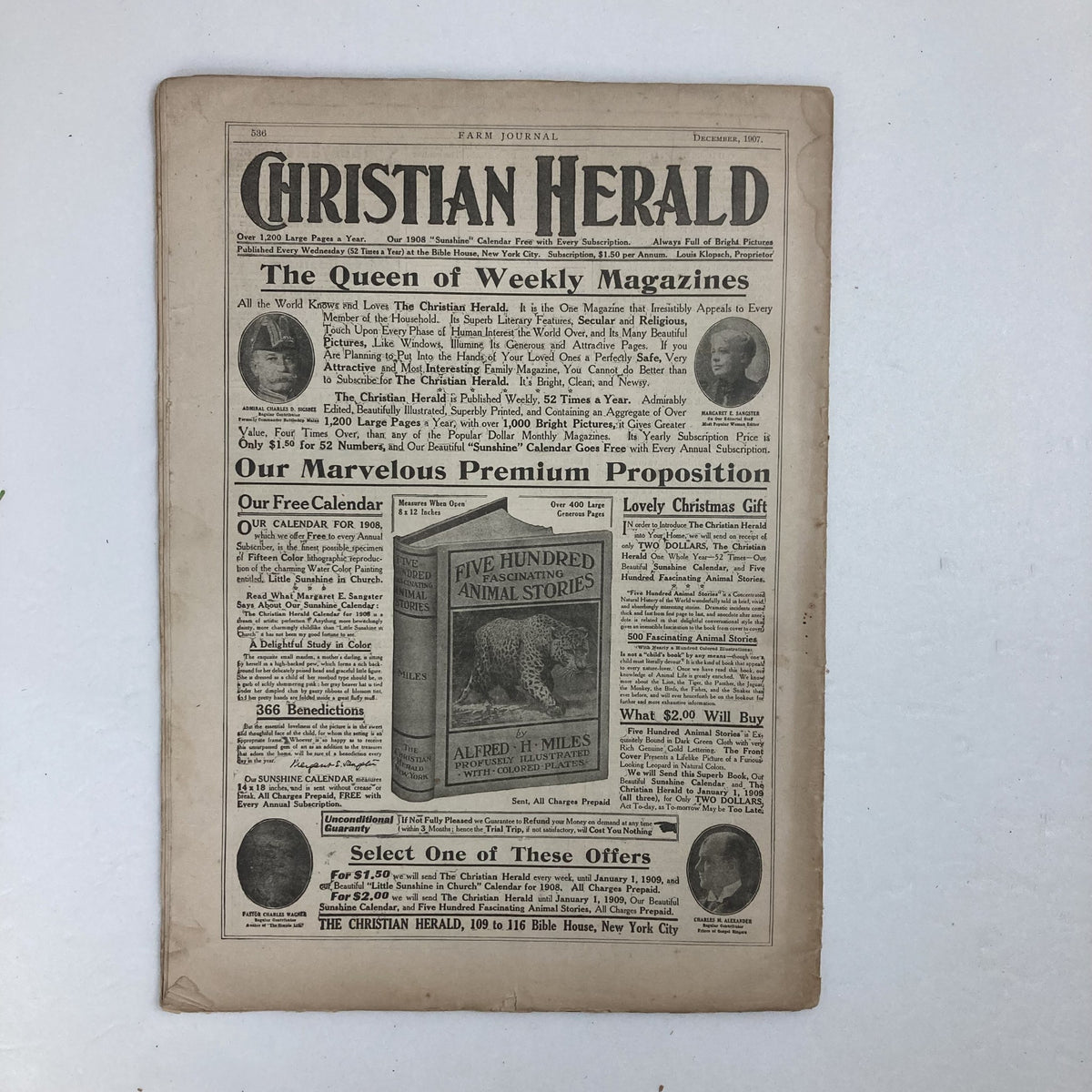
The Panic of 1907 Crisis: Rare magazines and financial periodicals documenting October's banking catastrophe, illustrated with photographs of bank runs, editorial cartoons of J.P. Morgan's rescue intervention, and authentic advertisements from embattled financial institutions.
-
Oklahoma's Historic Statehood: News magazines like Time and Newsweek preserving November's admission of the 46th state, featuring maps of the merged Oklahoma and Indian Territories, celebratory coverage, and portraits of first Governor Charles N. Haskell.
-
Immigration Act Debates: Political weeklies and vintage magazines chronicling February's restrictive legislation, showcasing coverage of the Dillingham Commission's creation and Senator William P. Dillingham's role in shaping the Gentlemen's Agreement with Japan.
-
Naval Power and Imperial Ambition: Military periodicals and general interest magazines capturing 1907's projection of American strength, featuring technical diagrams of battleship construction, recruitment advertisements, and coverage connecting the Great White Fleet to Roosevelt's "speak softly, carry a big stick" philosophy.
The Perfect Gift
For someone born in 1907, an original magazine from this dramatic year isn't just nostalgia—it's a genuine time capsule from the twelve months when America learned the limits of speculation and the reach of its navy, preserved in authentic headlines, financial advertisements, and the bold confidence of a rising power.