📖 About this Collection
1915: The Edge of War
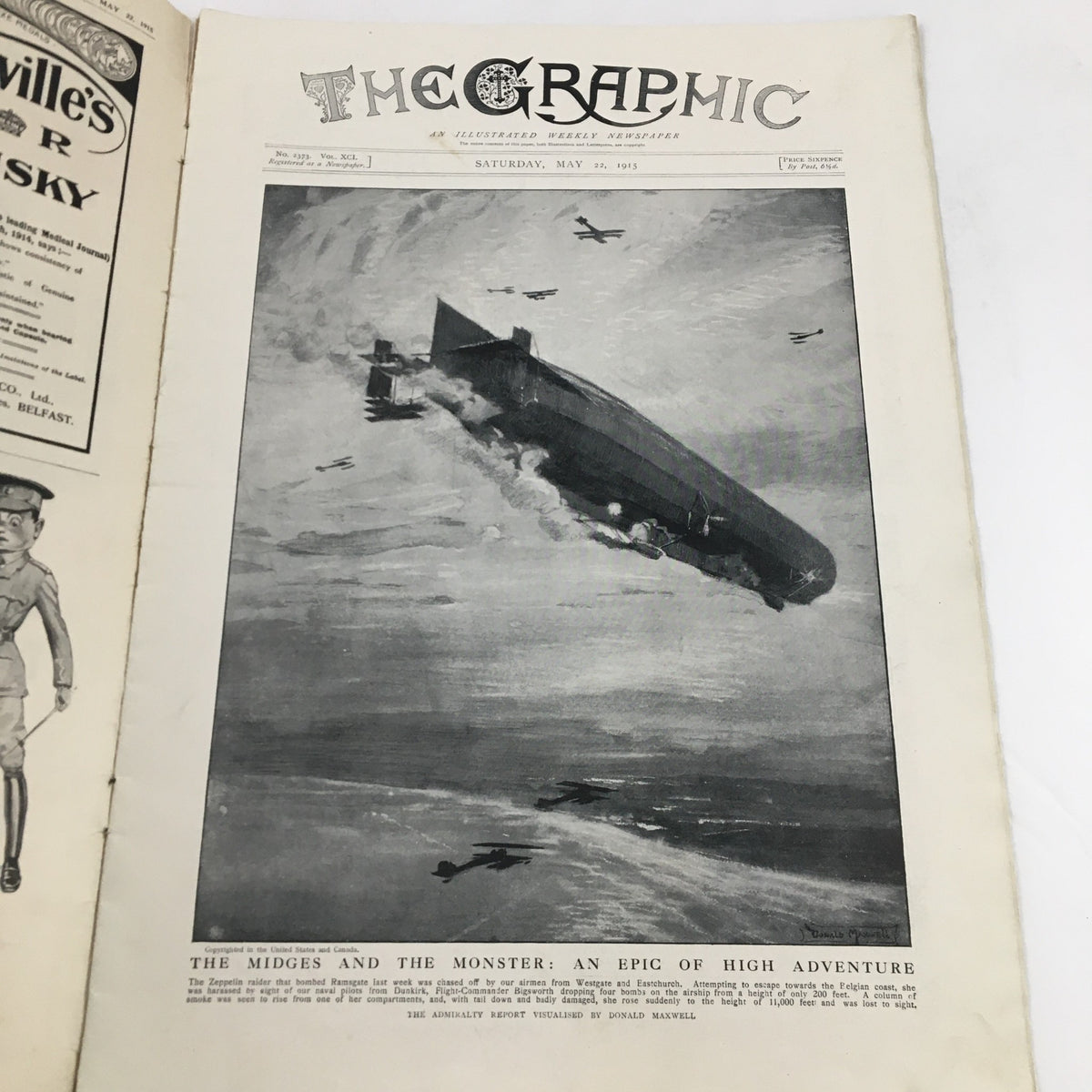
The world held its breath in 1915, caught between marvels of progress and the machinery of destruction. While the Great War convulsed Europe in its second brutal year, the sinking of the RMS Lusitania on May 7th sent shockwaves across the Atlantic—a German U-boat's torpedo claimed 1,198 lives, including 128 Americans, and suddenly the conflict felt uncomfortably close to American shores. The tragedy dominated newspaper headlines and magazine coverage for months, shifting public opinion and foreshadowing America's eventual entry into the war. Yet even as the world descended into unprecedented violence, human ingenuity pushed forward: Alexander Graham Bell made the first transcontinental telephone call from New York to San Francisco on January 25th, connecting a nation from coast to coast for the first time. By December, the one millionth Model T rolled off Henry Ford's assembly line, cementing America's industrial might and the automobile's transformation of daily life. This was the world your loved one entered—a year suspended between the old century's certainties and the modern age's promises and perils.
Pop Culture & Everyday Life
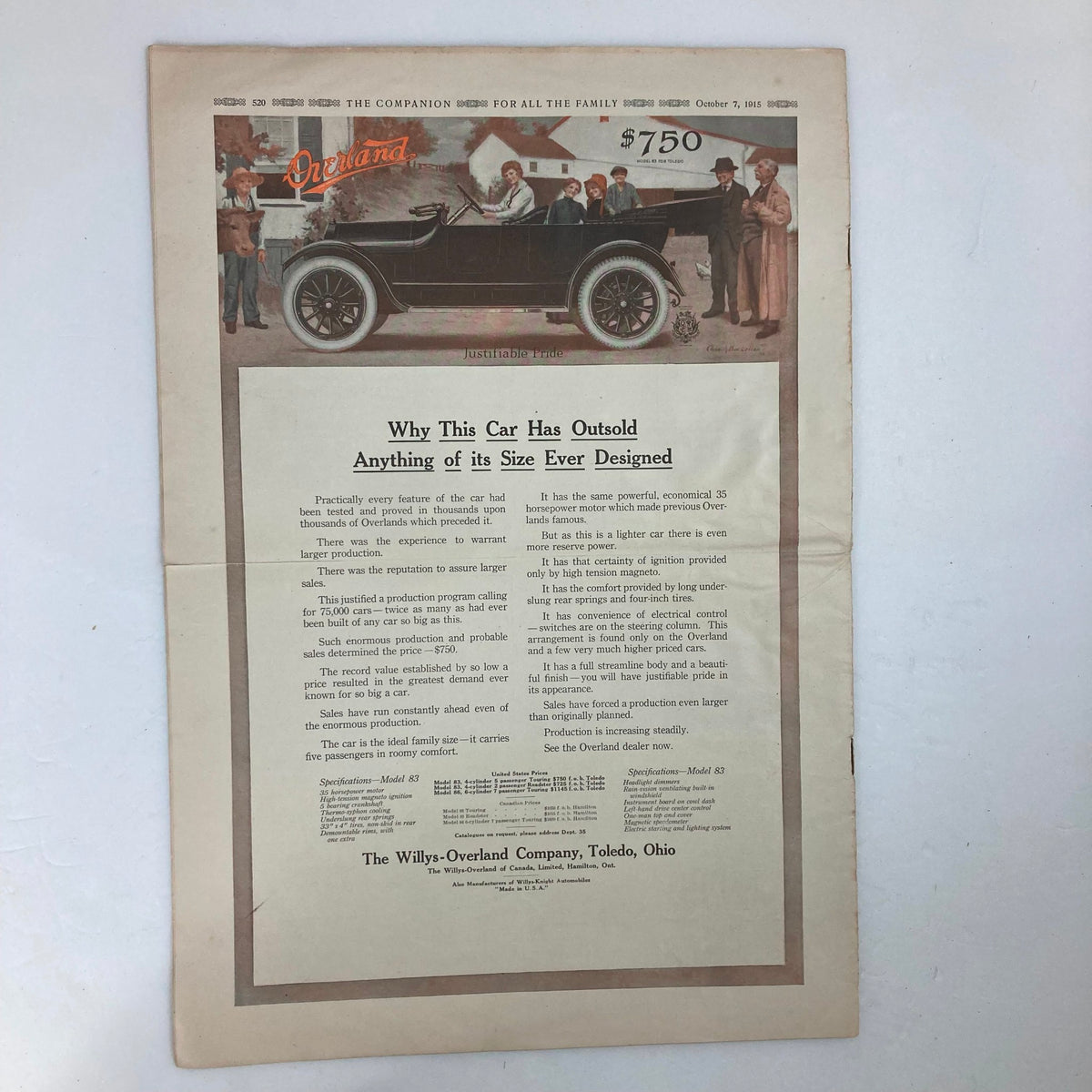
The cultural landscape of 1915 reflected the era's contradictions. D.W. Griffith's "The Birth of a Nation" premiered in February, revolutionizing cinema with unprecedented technical innovations—sweeping battle sequences, sophisticated editing techniques, and emotional close-ups that would define filmmaking for decades. Yet the film's glorification of the Ku Klux Klan sparked immediate controversy and protests, making it both a box office phenomenon and a cultural lightning rod. Magazines chronicled the debate intensely, with publications like Variety and theater journals documenting both the film's artistic achievements and the moral outrage it provoked. The automobile's ascendance continued to reshape American life, visible in the advertising pages of popular magazines where Ford and its competitors promised freedom and modernity on four wheels. Fashion magazines like Vogue captured women's styles transitioning from the restrictive Edwardian era toward simpler silhouettes, while men's publications featured the practical suits and fedoras of the business age. Original magazines from 1915 preserve these transformative moments in genuine advertisements, theatrical reviews, and lifestyle features that documented a world changing faster than anyone could have imagined.
Curator's Checklist: What You'll Discover
-
The Lusitania Tragedy: News magazines like Life, Collier's, and Literary Digest featuring dramatic illustrations of the sinking, survivor testimonies, and editorial debates about American neutrality, often accompanied by somber memorial photography and lists of the lost.
-
"The Birth of a Nation" Controversy: Entertainment and general interest magazines showcasing elaborate advertisements for the film's theatrical run, critical reviews debating its artistic merit versus moral content, and illustrated features on Griffith's groundbreaking cinematography techniques.
-
The Transcontinental Telephone: Scientific and business publications like Popular Mechanics and The Saturday Evening Post chronicling Bell's historic coast-to-coast call, complete with technical diagrams and enthusiastic predictions about the communication revolution.
-
Ford's Million: Automotive and industrial magazines featuring the Model T's milestone achievement, with vintage advertisements promising affordability and reliability, alongside factory photographs showing the assembly line's revolutionary efficiency.
-
Wartime Fashion & Society: These rare magazines captured the transition in women's wear through Vogue and Harper's Bazaar fashion plates, while society pages showed a world maintaining elegance even as Europe burned, preserved in genuine period photography and hand-drawn illustrations.
The Perfect Gift
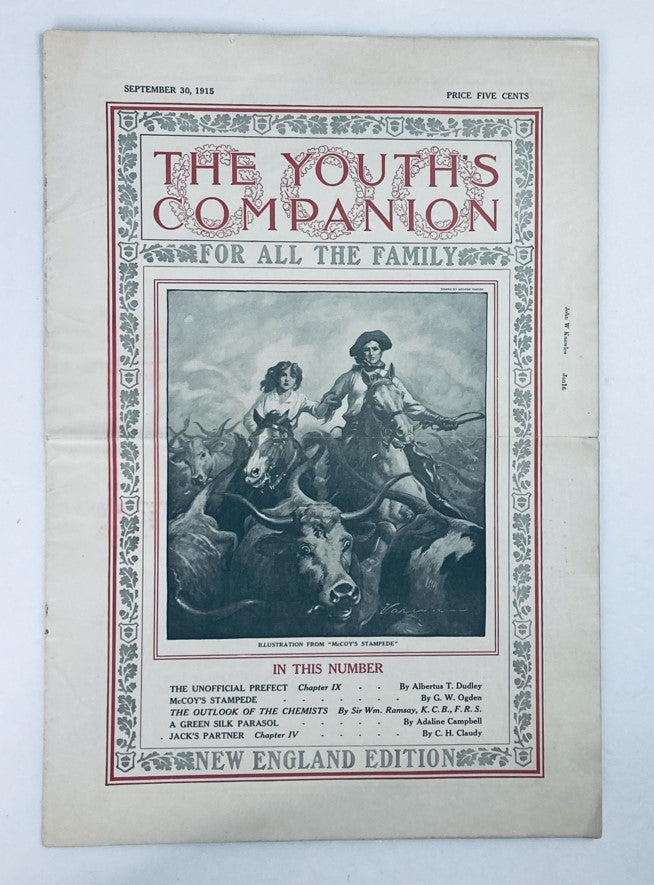
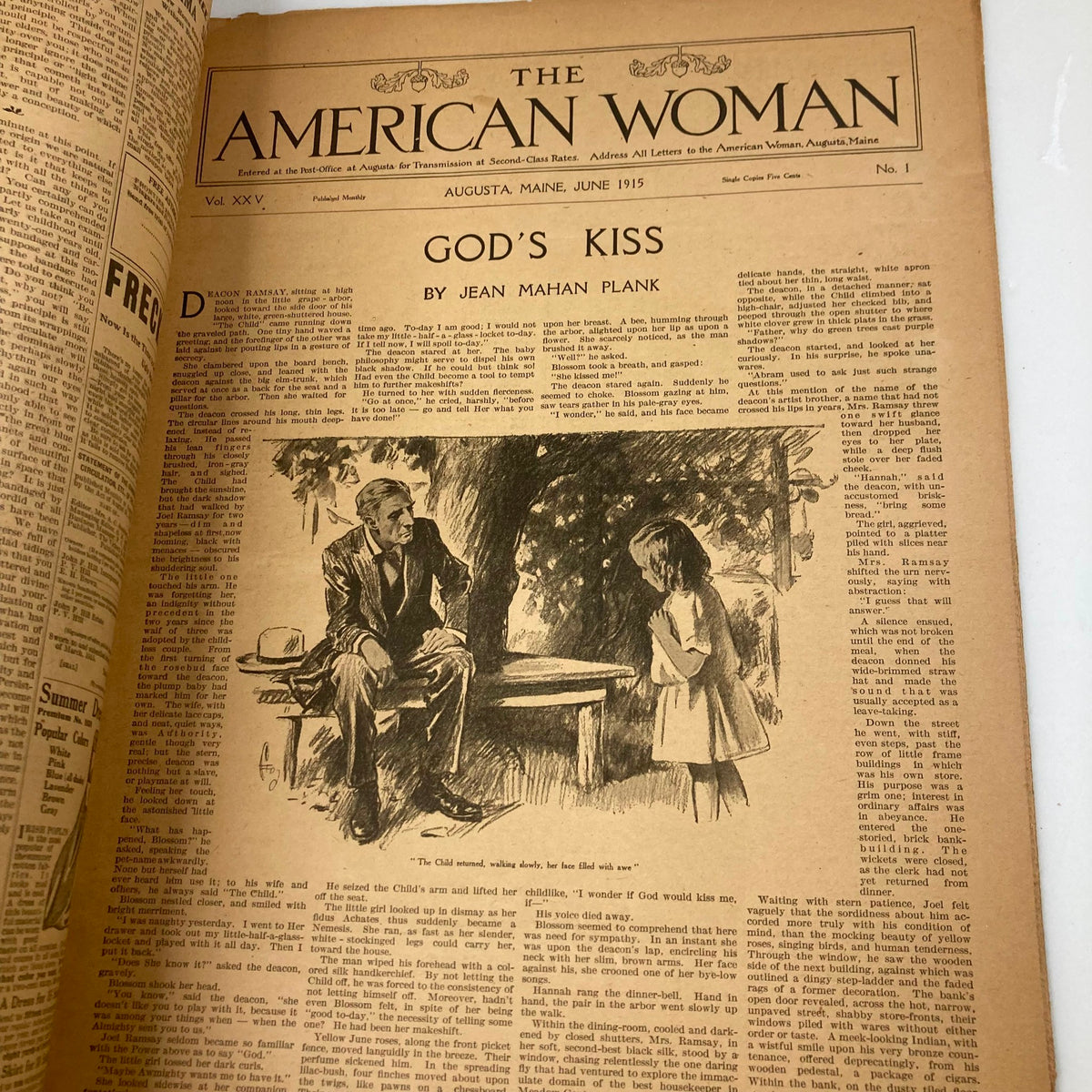
For someone born in 1915, an original magazine from this pivotal year isn't just a nostalgic keepsake—it's an authenticated time capsule from the threshold of the modern world, preserved in genuine advertisements, wartime headlines, and the advertisements that promised progress amid uncertainty.