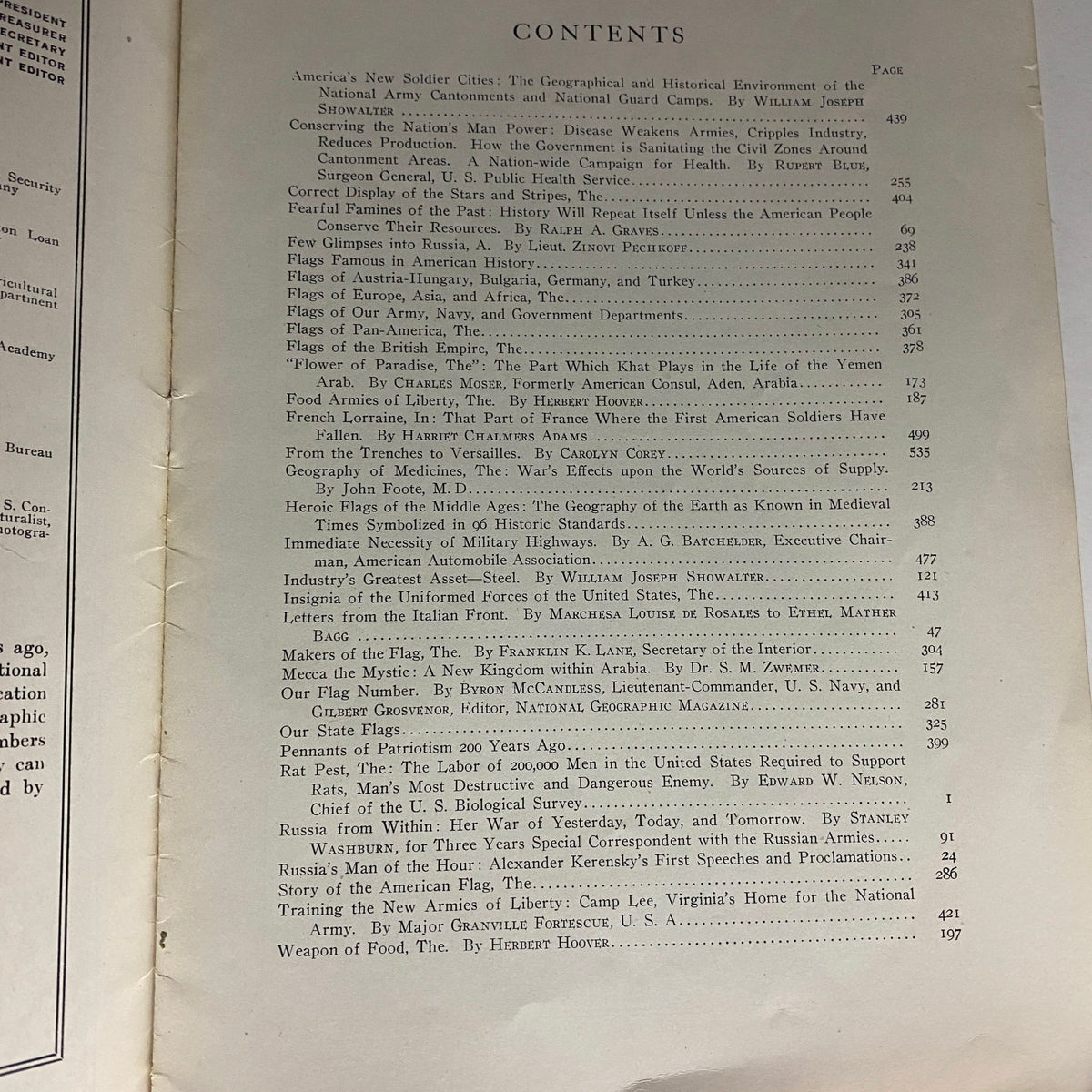
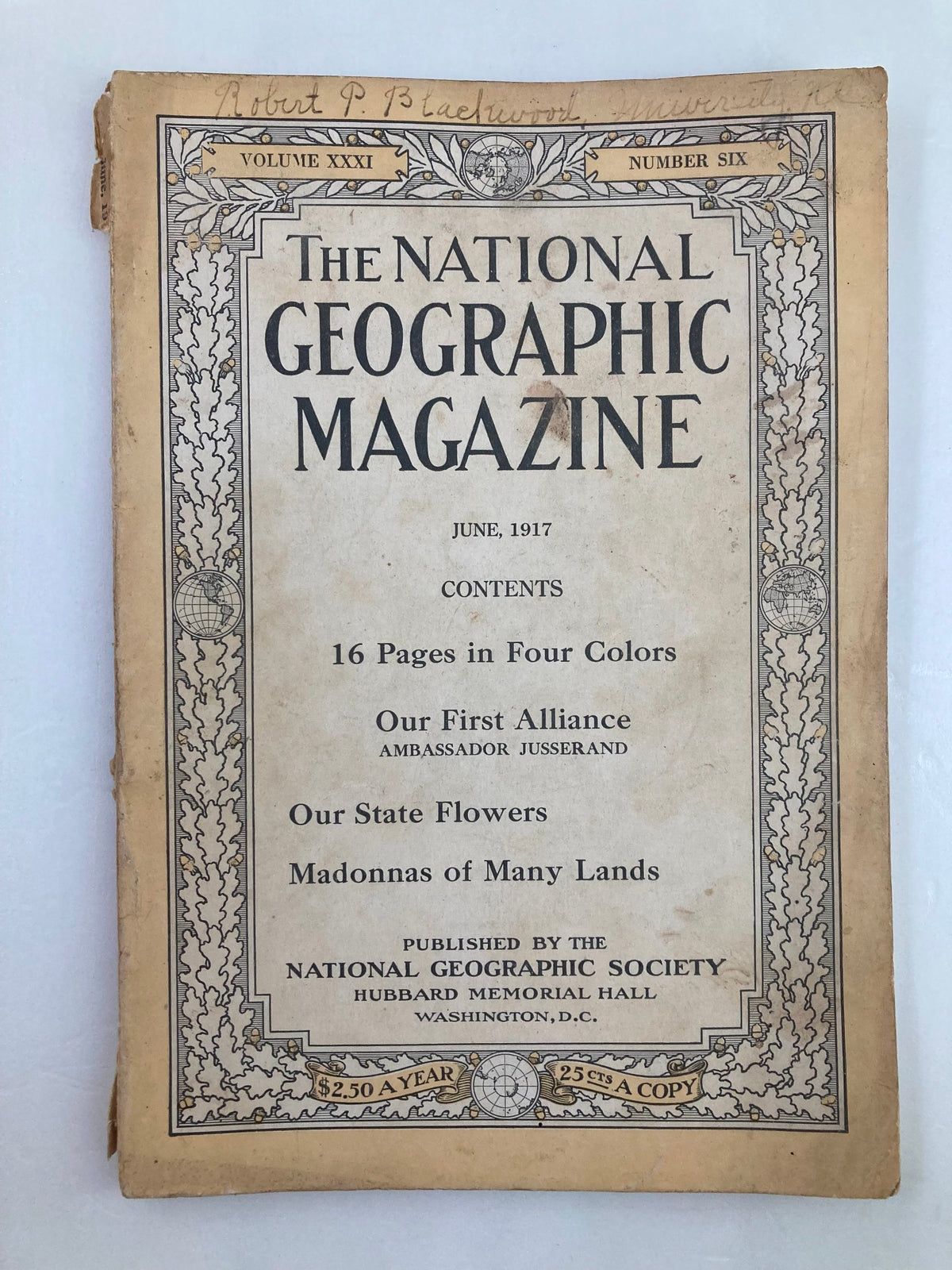
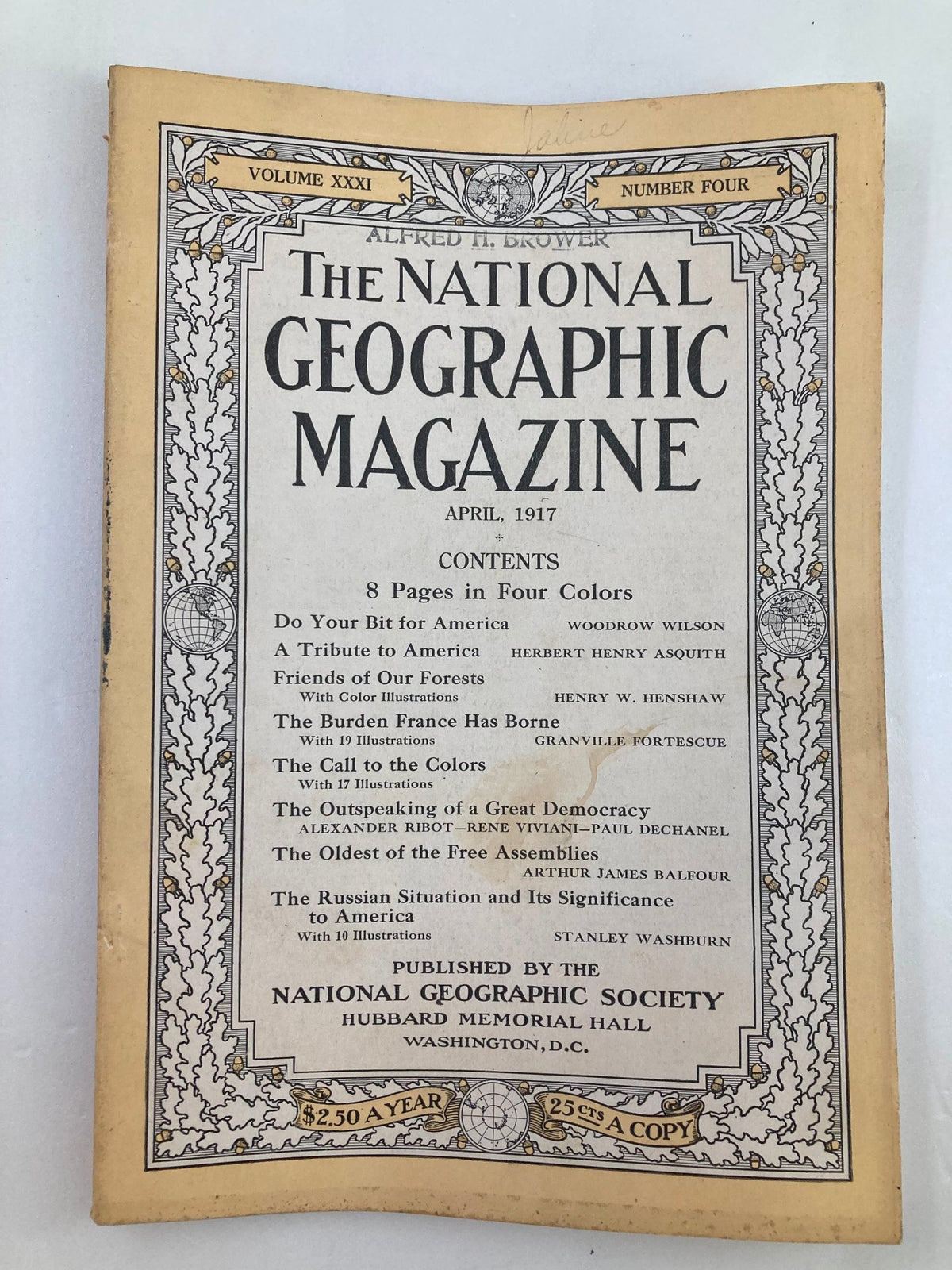
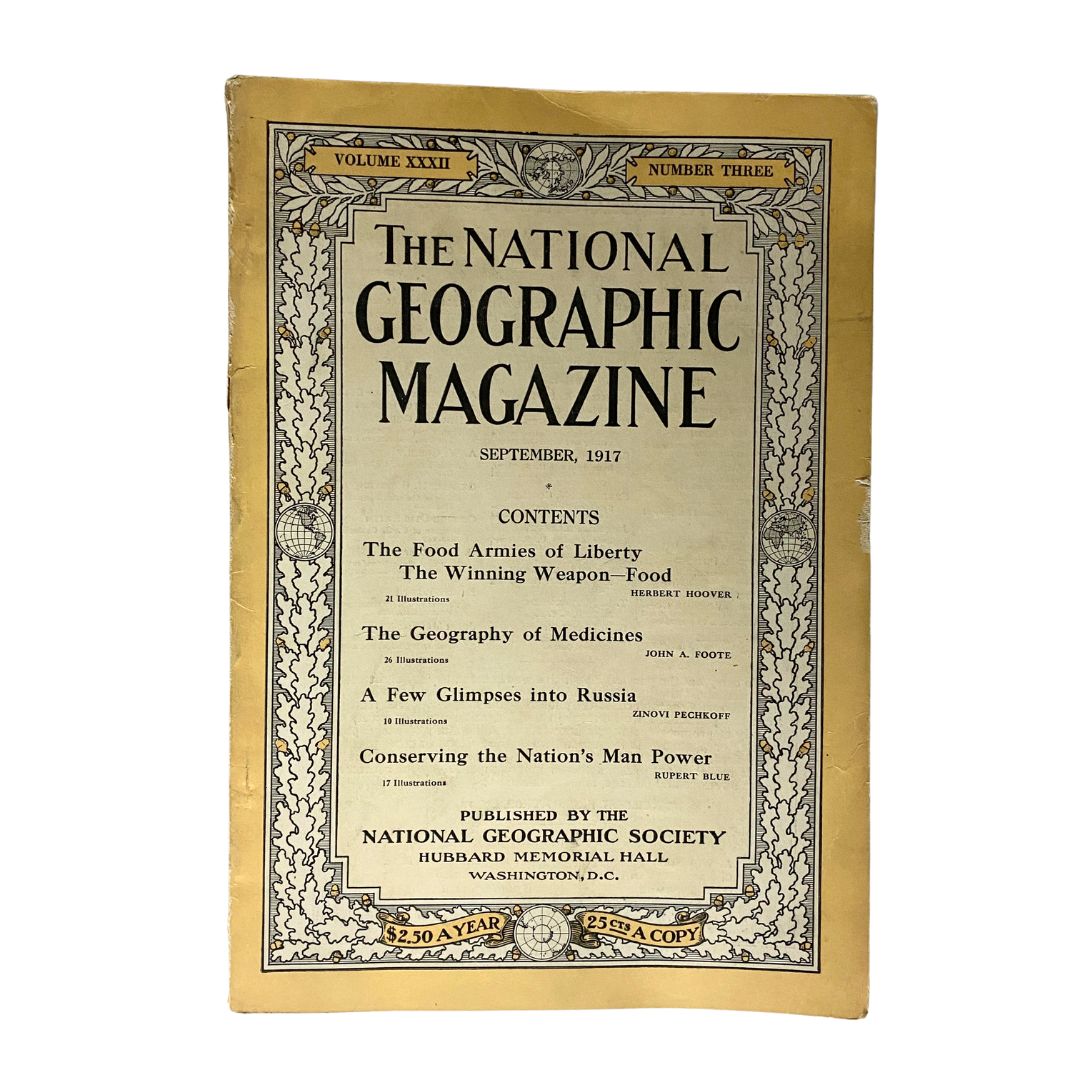
📖 About this Collection
1917: The Year America Went to War
The world stood at a crossroads in 1917, and the United States could no longer remain on the sidelines. On April 6th, Congress declared war on Germany, plunging the nation into the Great War that had already consumed Europe for three brutal years. The decision came after mounting tensions, including the shocking revelation of the Zimmermann Telegram in March—a secret German proposal urging Mexico to attack the United States. As American soldiers mobilized for the trenches of France, the home front transformed overnight. Congress passed the Espionage Act in June, criminalizing dissent and ushering in an era of heightened surveillance and prosecution of anti-war voices. Meanwhile, halfway across the globe, Vladimir Lenin and his Bolsheviks seized power in Russia's October Revolution, toppling the centuries-old Romanov dynasty and planting the seeds of communism that would later fuel America's first Red Scare. This was the world your loved one entered—a nation galvanized by war, gripped by suspicion, and witnessing the violent birth of ideologies that would define the century ahead.
Pop Culture & Lifestyle
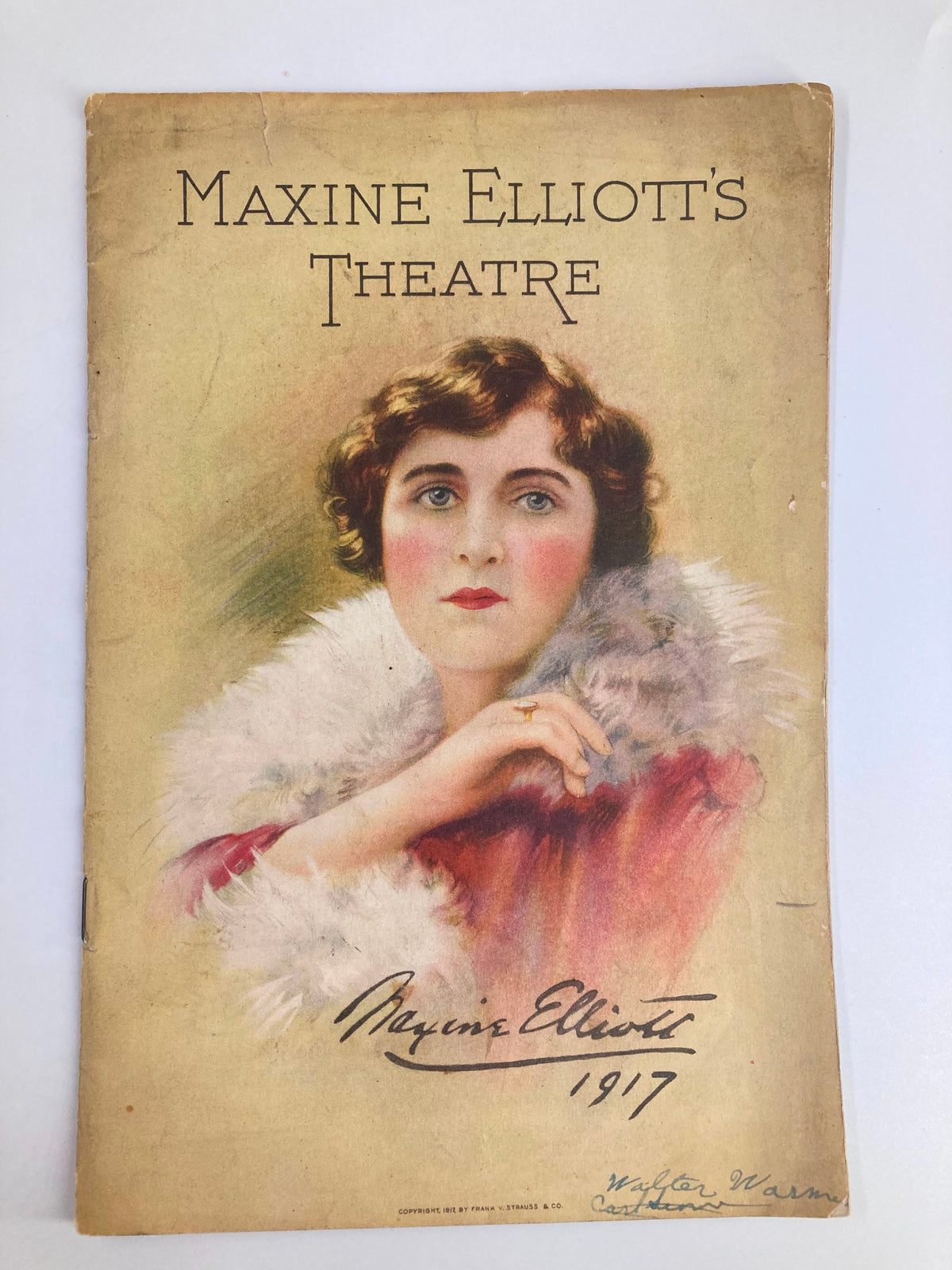
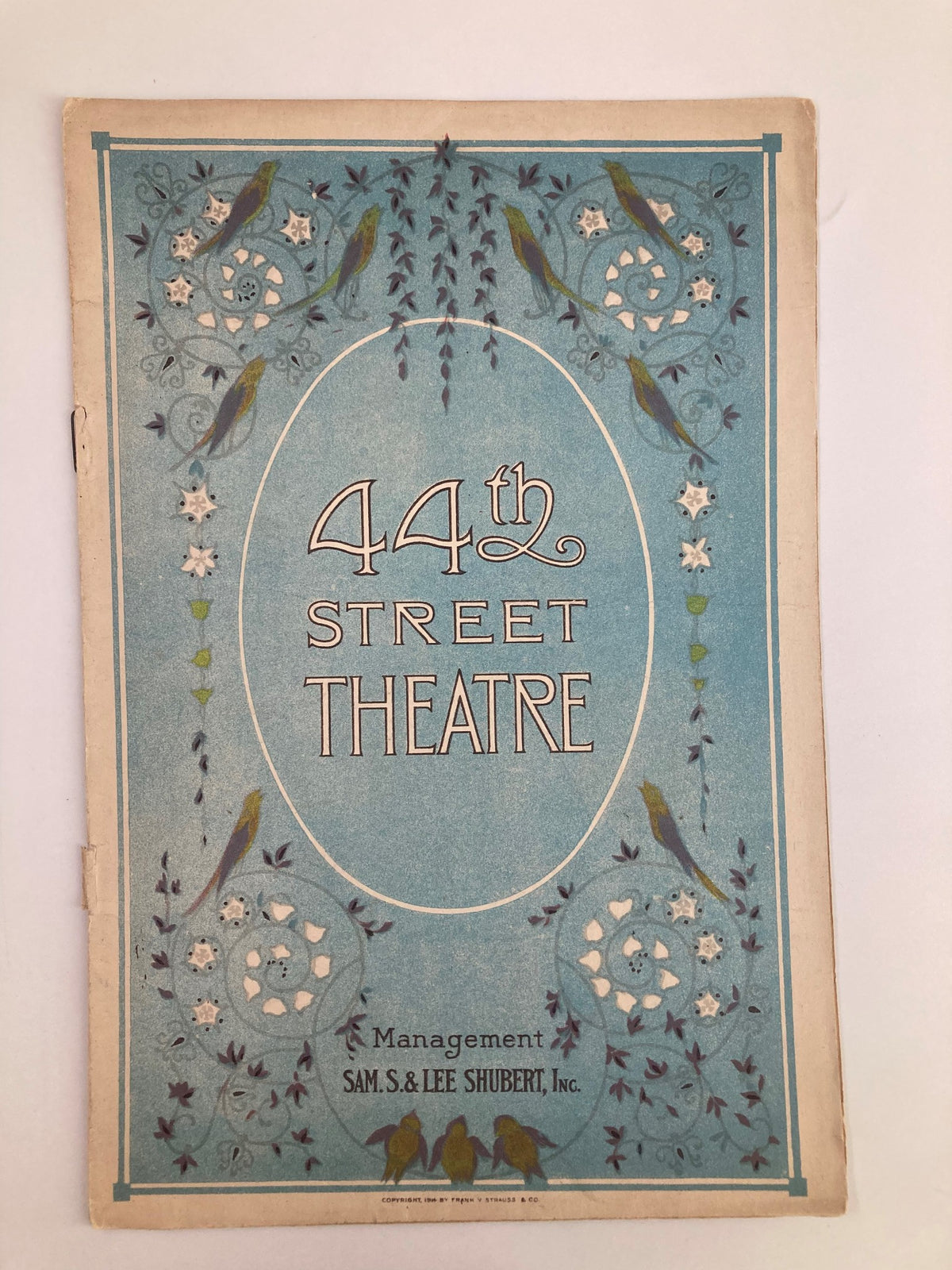
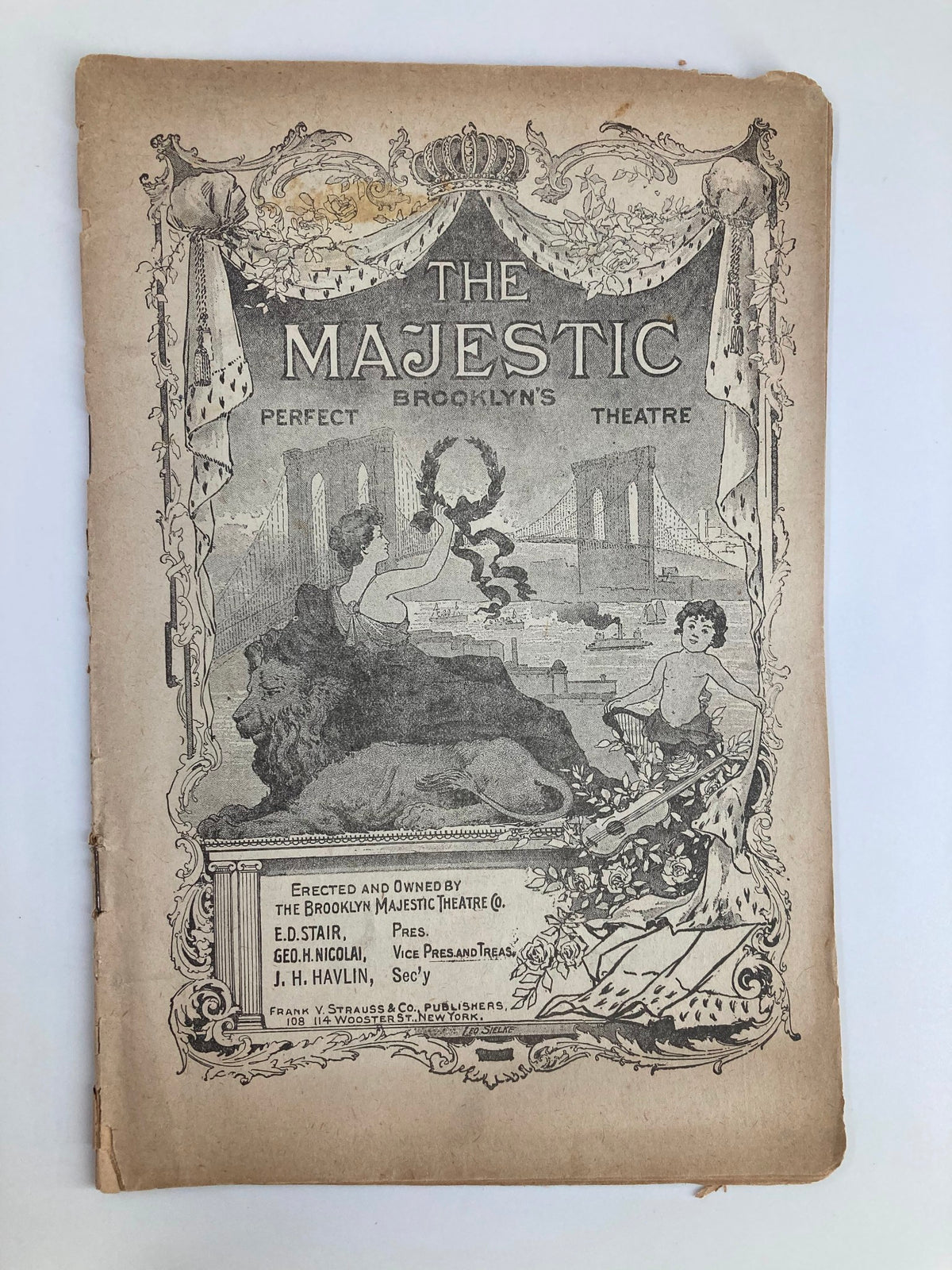
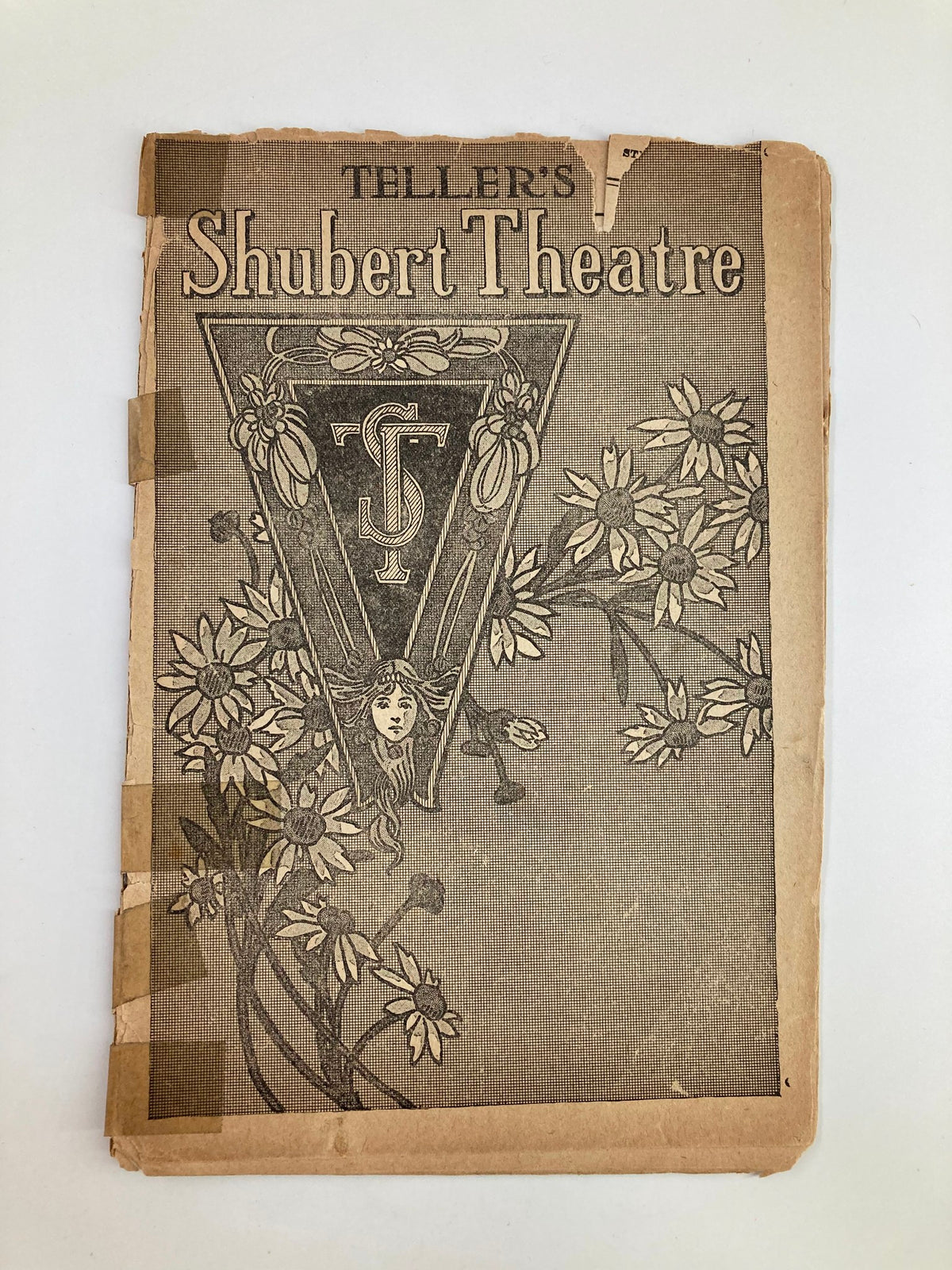
While headlines screamed of war and revolution, American life was rapidly modernizing in ways captured vividly in the pages of original magazines from 1917. Silent films dominated entertainment, with Charlie Chaplin's comedy shorts drawing massive crowds seeking escape from wartime anxiety. Broadway theaters remained packed despite the war effort, while vaudeville circuits continued their national tours. On newsstands, publications like Life, The Saturday Evening Post, and Collier's featured patriotic cover illustrations and Liberty Bond advertisements alongside their regular features. Women's magazines such as Vogue and Harper's Bazaar documented the practical shift in fashion—hemlines rose for the first time as women entered factories and offices to replace departed soldiers, while military-inspired silhouettes appeared in department store ads. Sports fans followed the Chicago White Sox to their World Series victory, though baseball would soon lose players to military service. These rare magazines preserve the authentic texture of daily life during America's transformation from observer to combatant.
Curator's Checklist: What You'll Find in 1917 Vintage Magazines
-
The Zimmermann Telegram Scandal: News weeklies like Time and Newsweek (predecessor publications) featuring front-page coverage of the intercepted German communication, often illustrated with facsimiles of the decoded message and maps showing the proposed Mexican-American war scenario that never materialized.
-
America Mobilizes for War: Patriotic imagery throughout general interest magazines, showcasing recruitment posters ("I Want You"), Liberty Bond campaigns with bold typography, and advertisements for war-related goods from manufacturers pivoting to support the military effort.
-
The Espionage Act and Dissent: Political journals and detective magazines chronicling the controversial prosecutions of anti-war activists, featuring courtroom sketches and photographs of prominent defendants like labor leader Eugene V. Debs, capturing America's wartime erosion of civil liberties.
-
Lenin's Bolshevik Revolution: International news coverage in illustrated weeklies featuring dramatic photographs from Petrograd, artist renderings of the Winter Palace seizure, and early attempts to explain communism to bewildered American readers unfamiliar with this radical ideology.
-
Wartime Fashion and Domesticity: Women's magazines documenting the practical revolution in dress—shorter skirts, tailored jackets, and the disappearance of ornate Edwardian excess—alongside recipes for food conservation and knitting patterns for soldiers' socks and scarves.
The Perfect Gift
For someone born in 1917, an original magazine from this watershed year isn't just a nostalgic keepsake—it's a genuine artifact from the moment America abandoned isolationism forever, preserved in authentic advertisements, war bond appeals, and headlines that still echo today.