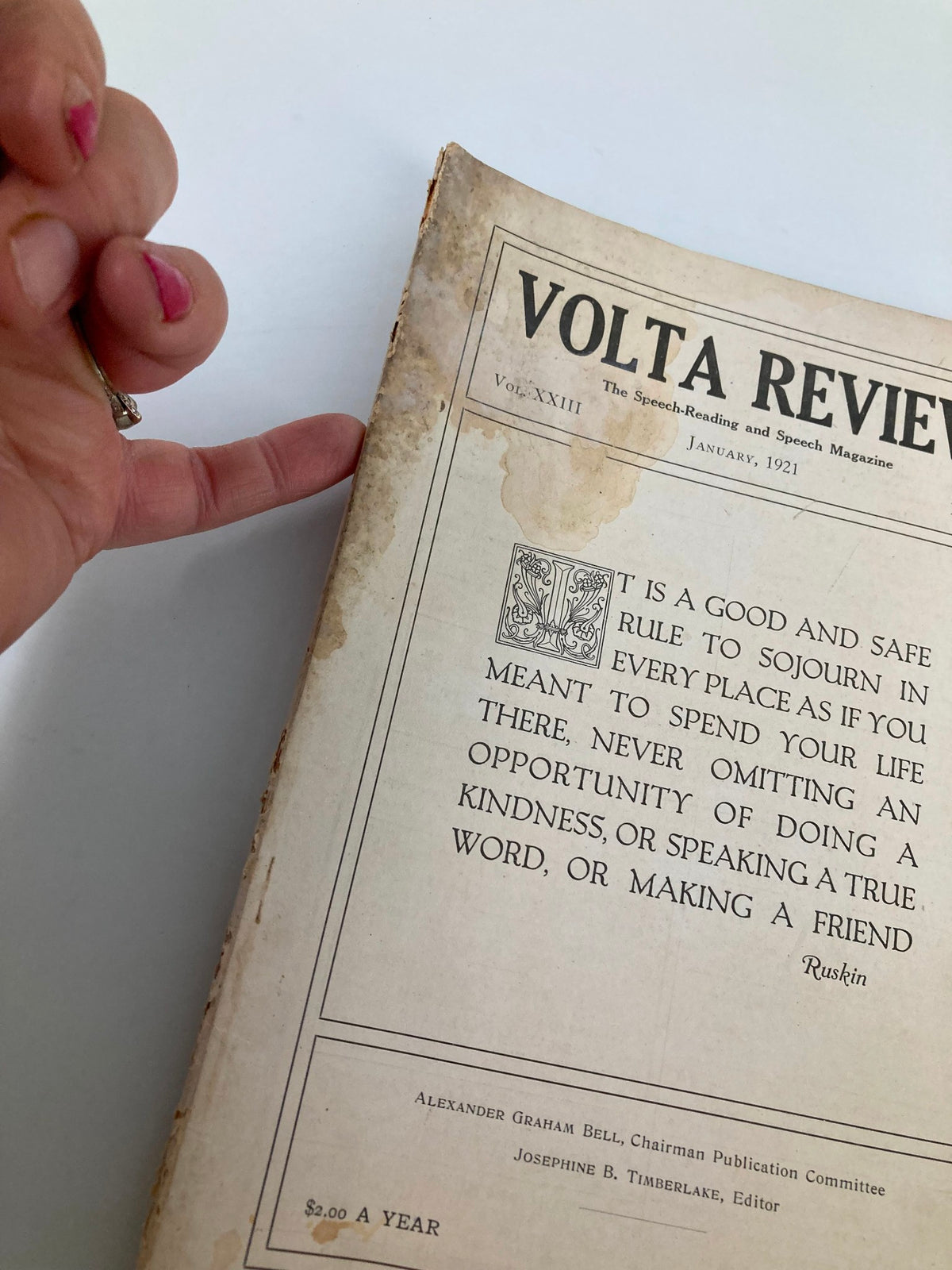
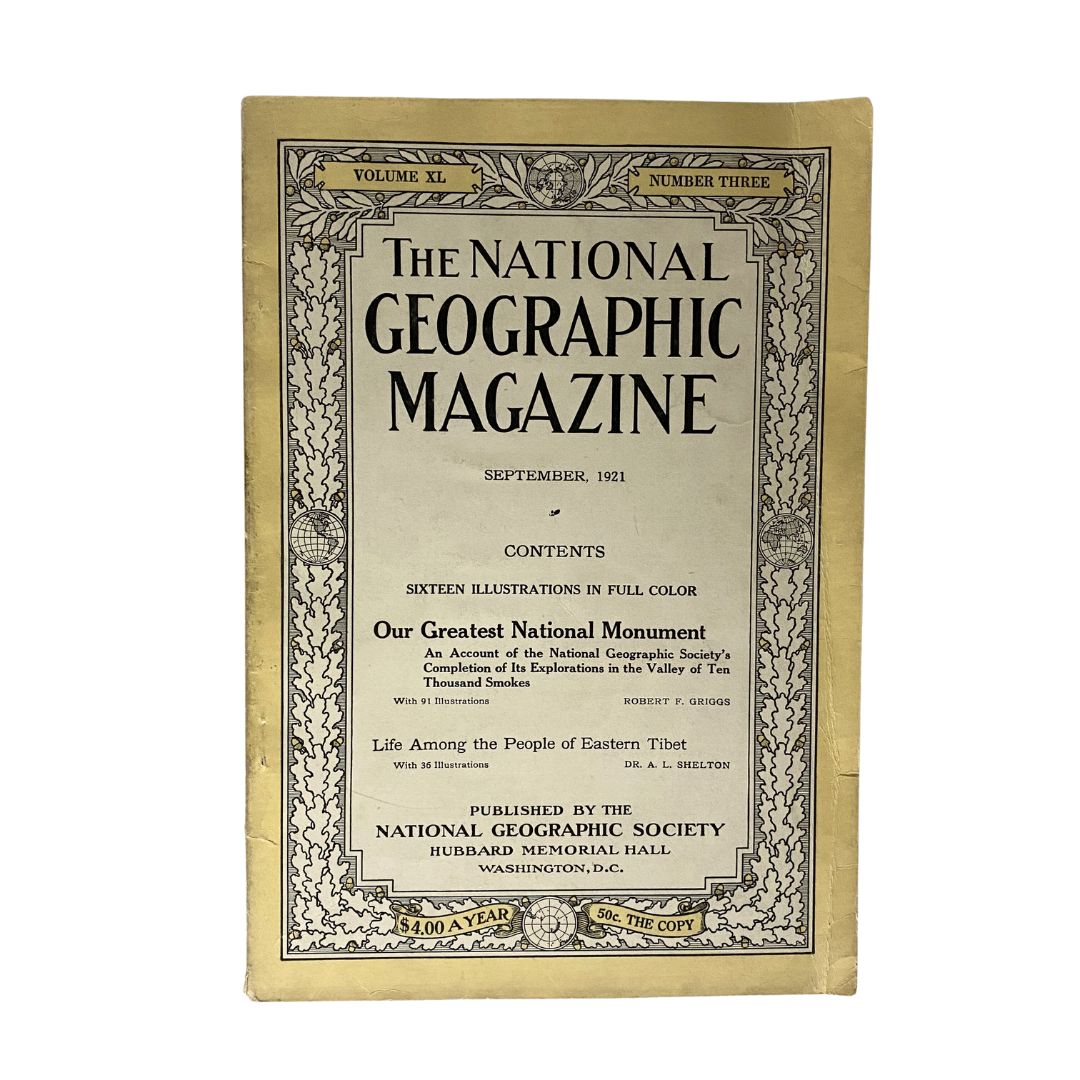
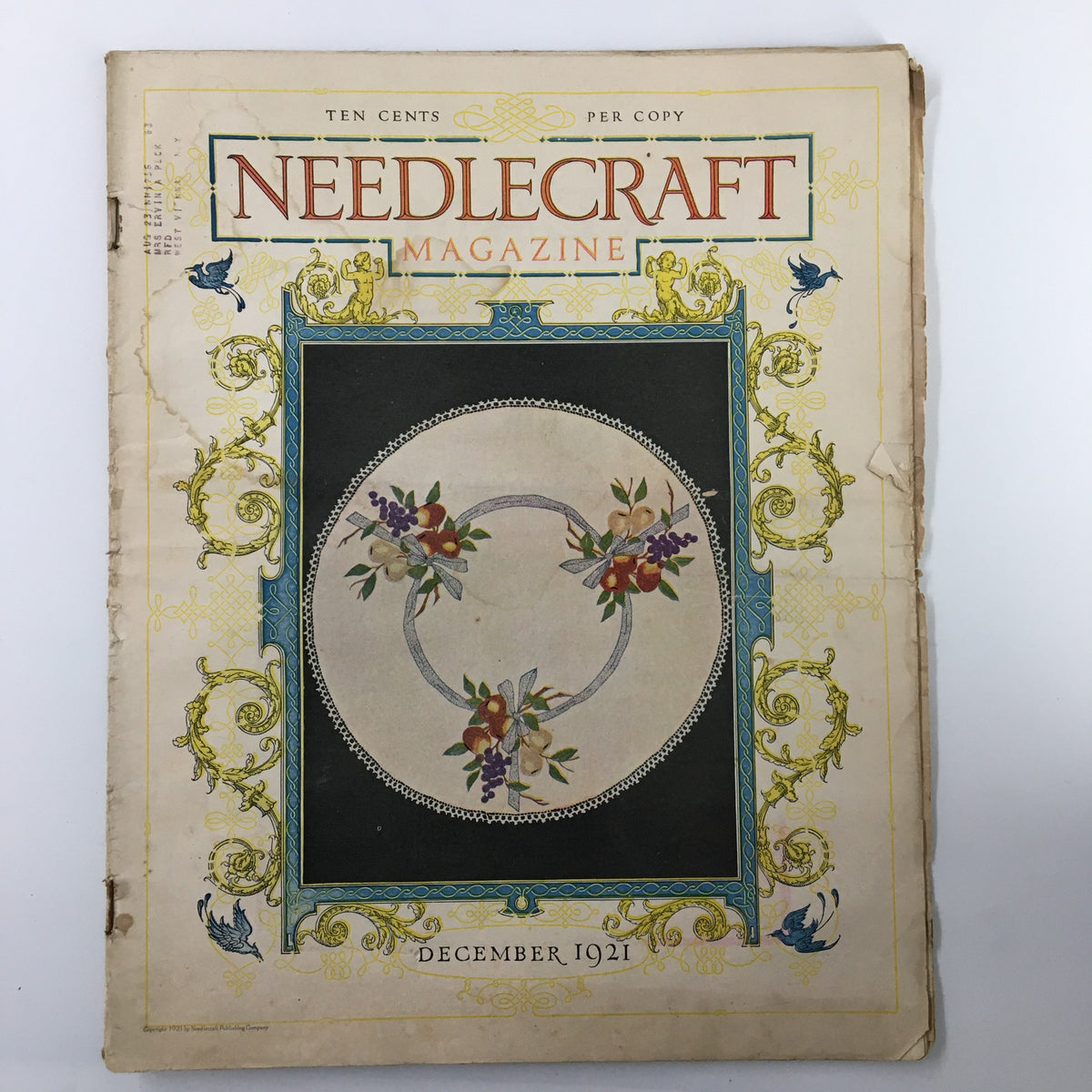
📖 About this Collection
1921: The Year America Closed Its Doors
The year 1921 dawned on an America wrestling with its own identity—torn between isolationist impulses and the jazz-age exuberance just beginning to stir beneath the surface. The nation that had helped win the Great War now turned inward, erecting legislative barriers to immigration even as the promise of the Roaring Twenties beckoned. But beneath this surface tension, darker currents ran deep. On May 31st, the prosperous Black neighborhood of Greenwood in Tulsa, Oklahoma—known as "Black Wall Street"—was attacked by a white mob that destroyed 35 blocks and killed an estimated 300 people in what remains one of the worst incidents of racial violence in American history. That same summer, the trial and conviction of Italian anarchists Nicola Sacco and Bartolomeo Vanzetti on July 14th ignited international protests over justice and prejudice in American courts. Congress had already set the nation's course in May with the Emergency Quota Act, restricting immigration to 3% of each nationality's 1910 census population. This was the complex, contradictory world your loved one entered in 1921.
Pop Culture & Lifestyle in 1921
While headlines chronicled violence and restriction, American popular culture sought lighter fare. On September 8th, sixteen-year-old Margaret Gorman became the first "Miss America" in Atlantic City, New Jersey, winning the "Golden Mermaid" trophy in a pageant that would become an enduring American institution. The silent film era continued its golden age, with movie palaces drawing crowds eager to escape into flickering fantasies. Vaudeville still dominated live entertainment, while radio broadcasting—though in its infancy—began whispering promises of a connected future. Women's hemlines crept upward, bobbed hair shocked traditionalists, and the sheet music industry churned out popular tunes for parlor pianos across the nation. These cultural shifts, from beauty pageants to changing fashions, were captured in vivid detail in original magazines from 1921, where authentic advertisements for automobiles, household appliances, and the latest fashions preserved the era's aspirational lifestyle alongside its troubled headlines.
Curator's Checklist: What to Look for in 1921 Magazines
-
The Tulsa Race Massacre: News magazines like Time and general-interest publications featuring scarce contemporary coverage of the Greenwood destruction, often buried in brief news roundups alongside attorney B.C. Franklin's documentation efforts—a tragic historical record rarely preserved in mainstream press of the era.
-
Sacco and Vanzetti Trial: Vintage magazines showcasing the international controversy surrounding the Italian anarchists' conviction, illustrated with courtroom sketches, photographs of Judge Webster Thayer, and editorial commentary reflecting the period's anti-immigrant sentiment and political radicalism fears.
-
Immigration Restriction Debate: Publications chronicling the Emergency Quota Act's passage, featuring political cartoons about Congressman Albert Johnson's legislation, demographic charts, and opinion pieces revealing America's struggle between its immigrant heritage and nativist anxieties.
-
The First Miss America: Rare magazines from September 1921 showcasing Margaret Gorman's Golden Mermaid trophy win in Atlantic City, often featuring fashion illustrations, bathing costume advertisements, and the evolving standards of American beauty and femininity.
-
Jazz Age Emergence: Entertainment and lifestyle magazines capturing the transitional moment between post-war austerity and Roaring Twenties exuberance, with advertisements for phonographs, sheet music, automobile travel, and the consumer goods that would define the decade.
The Perfect Gift
For someone born in 1921, an original magazine from this tumultuous year isn't just a collectible—it's a genuine time capsule from the moment America stood at a crossroads, preserved in authentic advertisements, headlines, and photographs that no reproduction can replicate.