📖 About this Collection
1927: The Year Sound Changed Everything
The crackling hush of silent film gave way to synchronized voices in 1927, a year when technology rewrote the rules of what was possible. On October 6th, Warner Bros. premiered The Jazz Singer, featuring Al Jolson's electrifying performance—the first feature-length "talkie" with synchronized dialogue that would render the silent era obsolete within two years. While Hollywood transformed itself, Charles Lindbergh captured the world's imagination on May 21st, landing his Spirit of St. Louis in Paris after the first solo non-stop transatlantic flight from New York. The nation also confronted nature's fury when heavy April rains broke Mississippi River levees, flooding 27,000 square miles and displacing hundreds of thousands—a disaster that thrust Commerce Secretary Herbert Hoover into the national spotlight. By November, the Holland Tunnel opened beneath the Hudson River, the world's first mechanically ventilated underwater vehicular tunnel connecting Manhattan and Jersey City. This was the world your loved one entered—a moment when America stood between two eras, watching the future arrive in talking pictures and transcontinental flight.
Pop Culture & Lifestyle
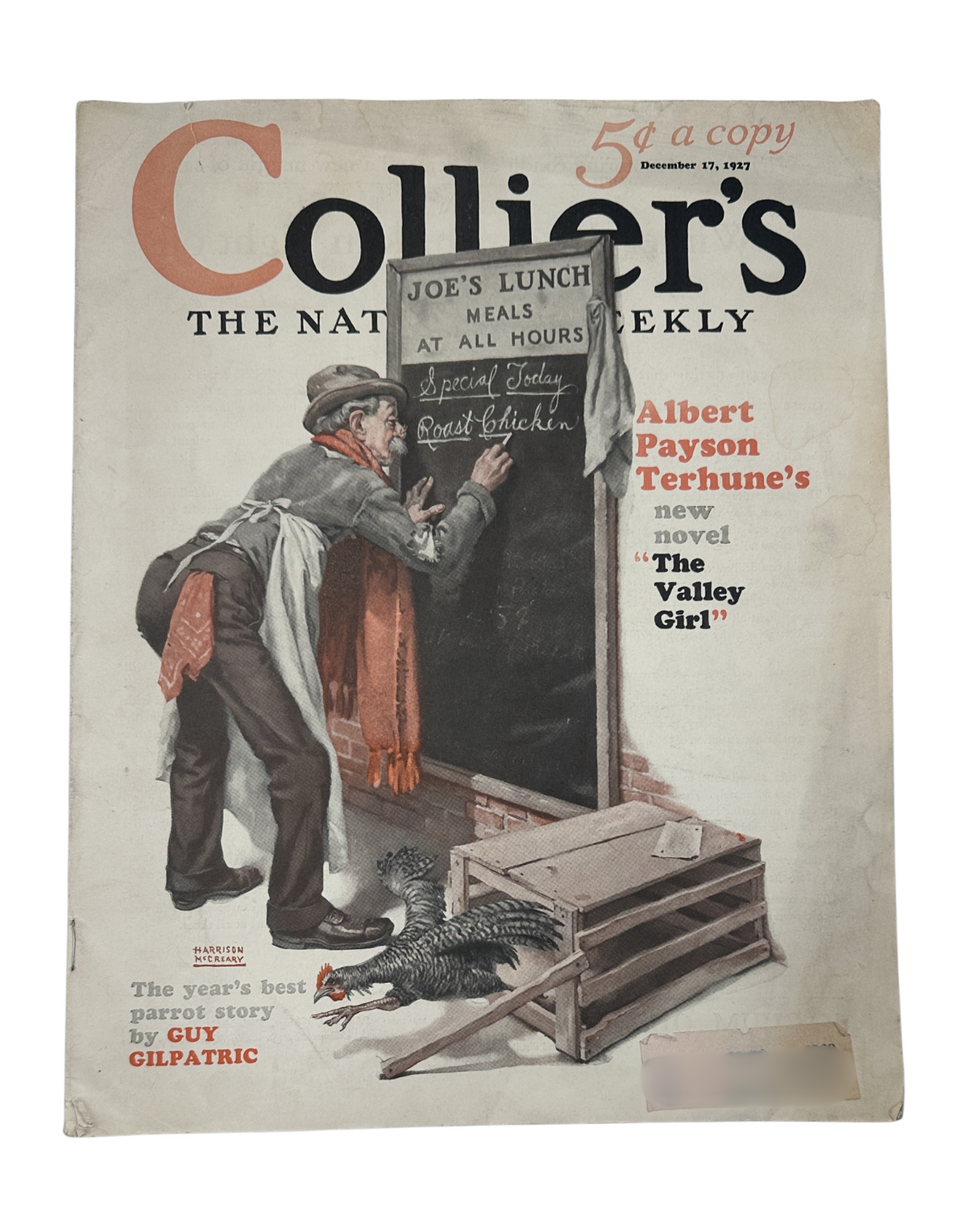
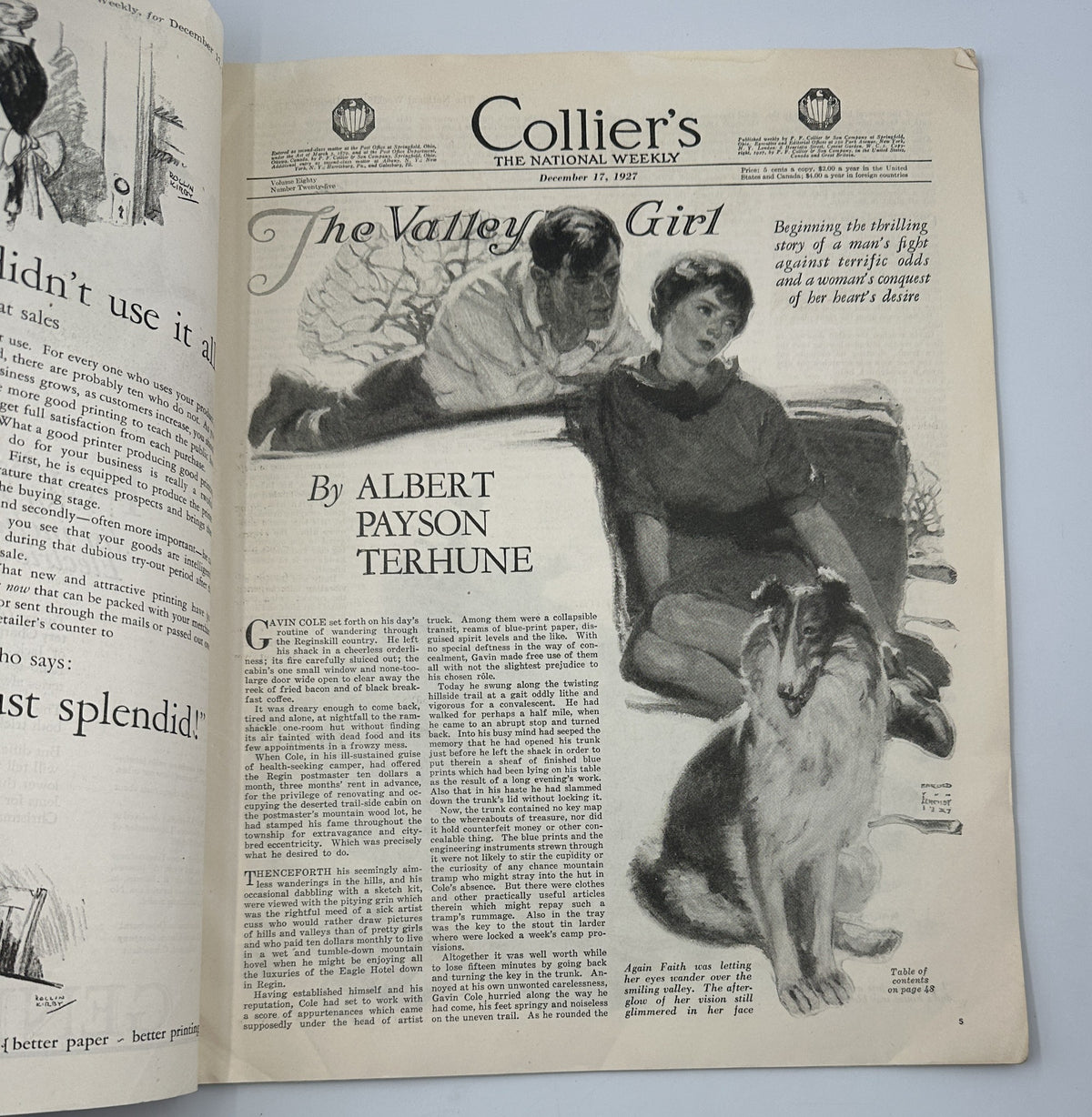
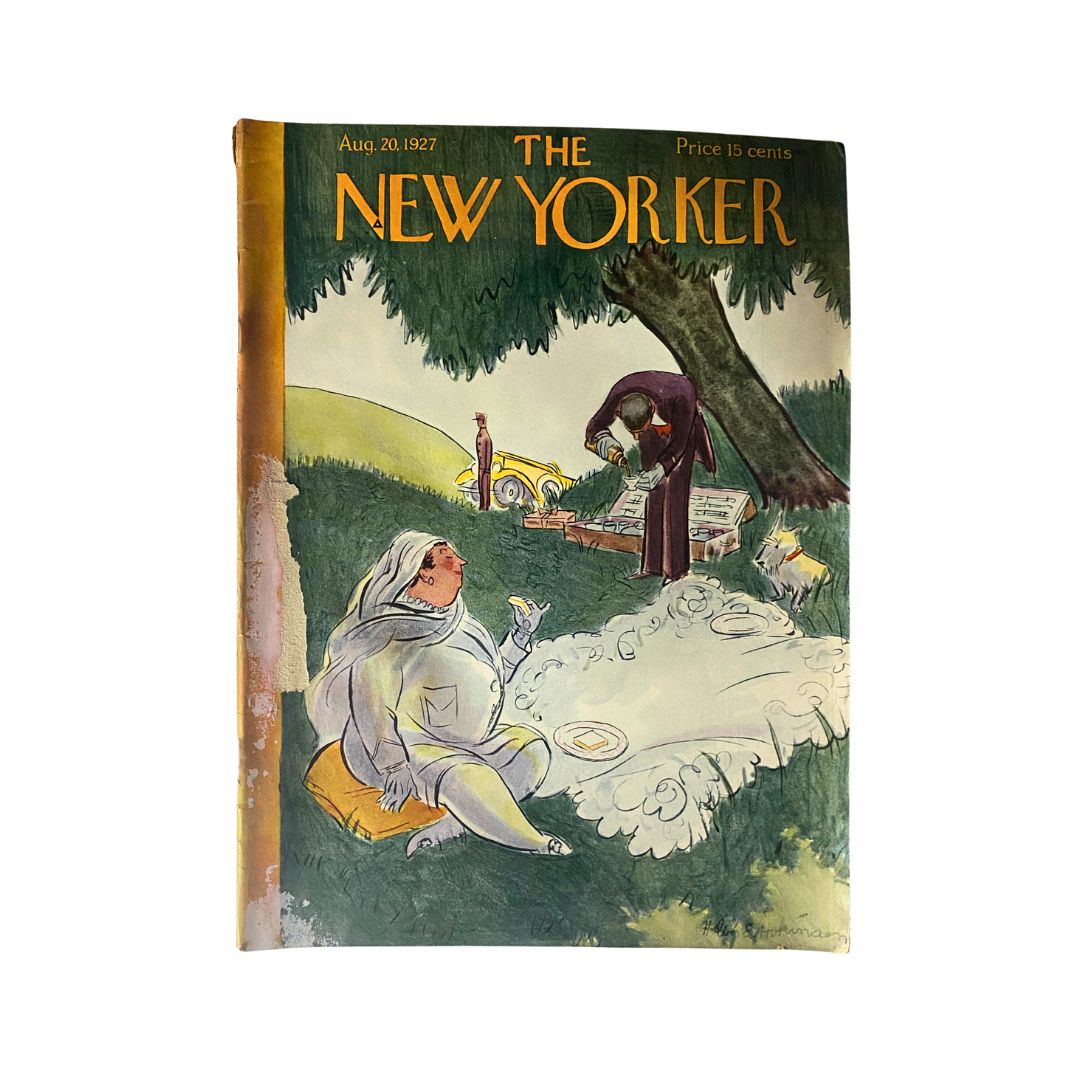
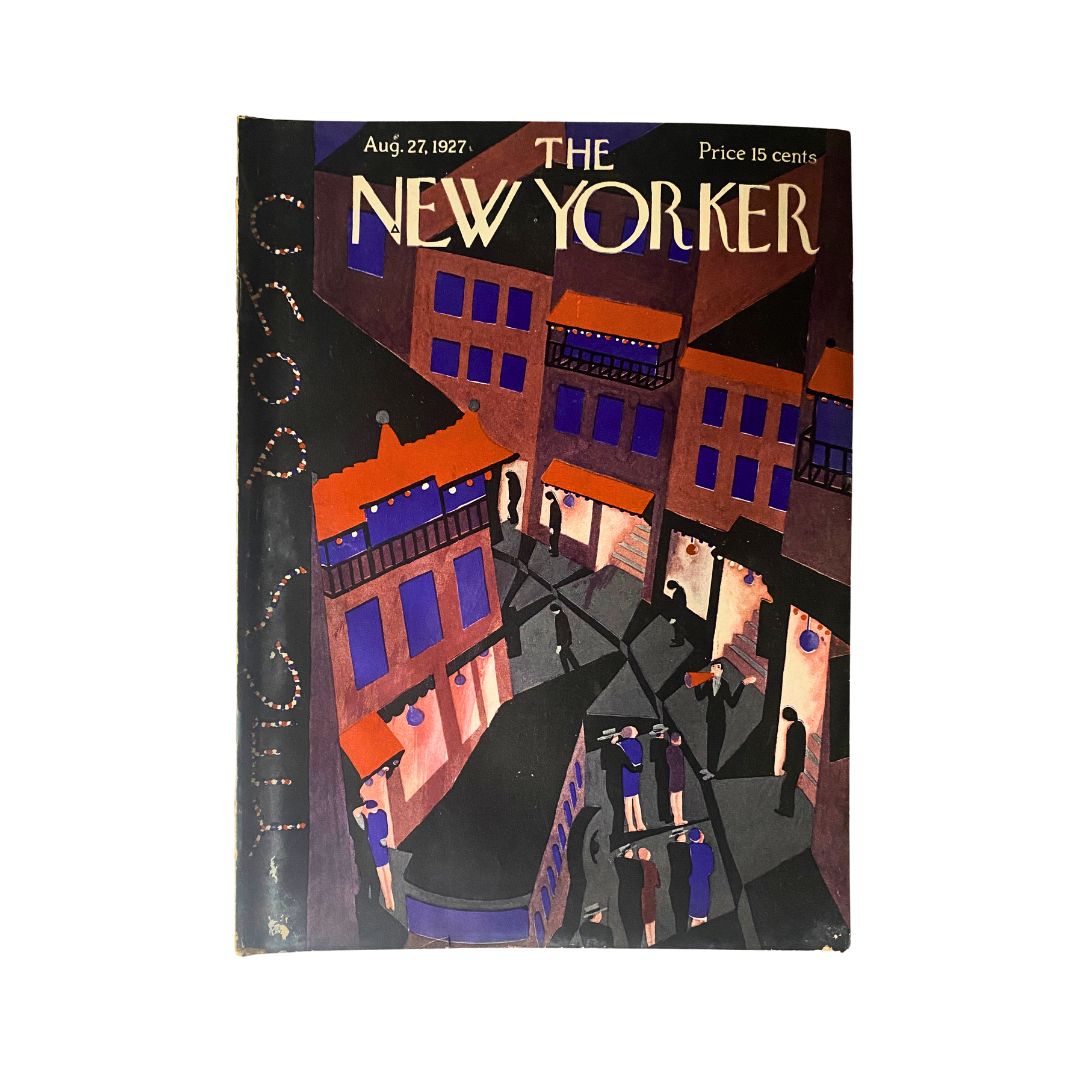
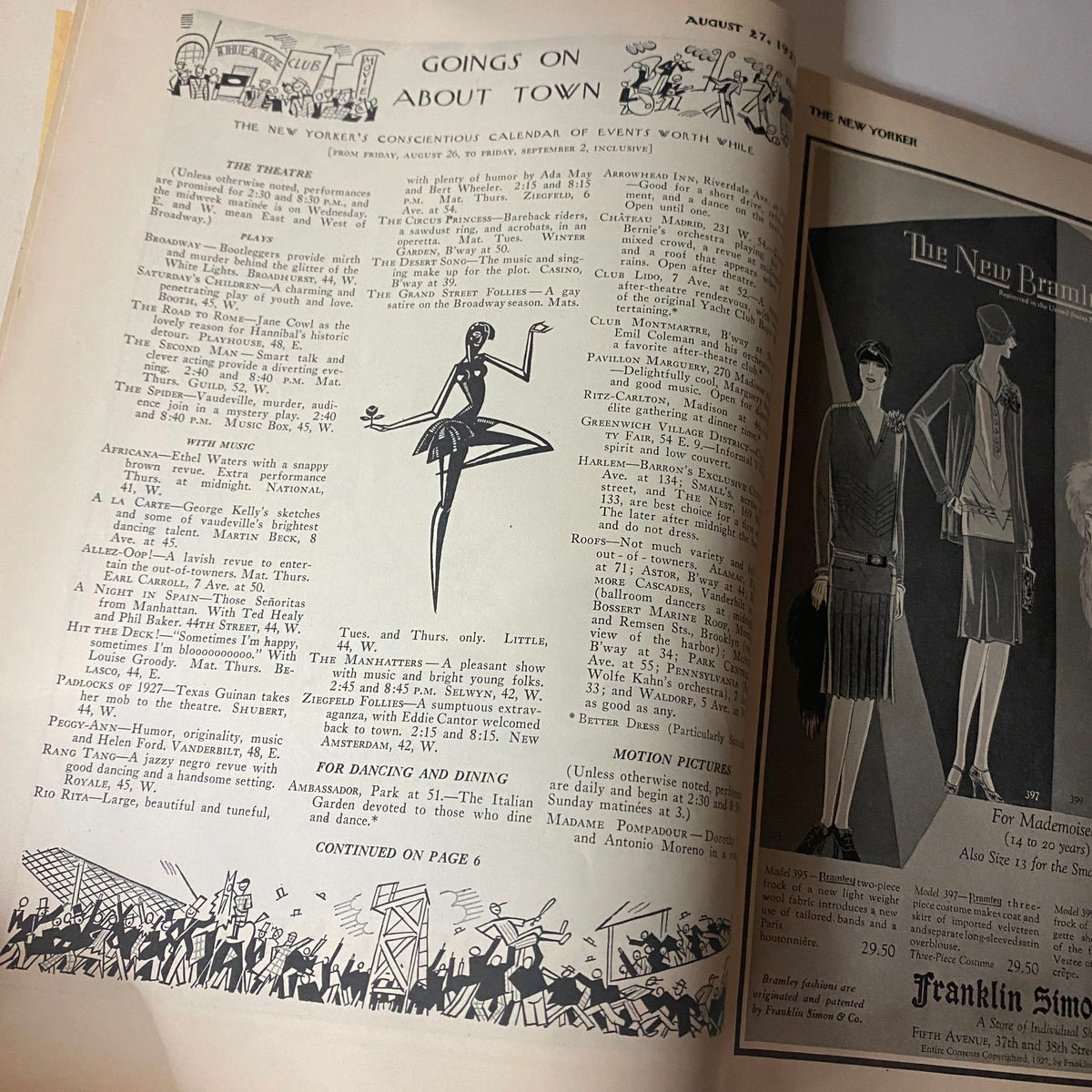
Audiences packed movie palaces in 1927 to witness the revolution firsthand—Al Jolson's voice booming "You ain't heard nothin' yet!" from screens that had been silent for three decades. While film studios scrambled to retrofit theaters for sound, Lindbergh-mania swept the nation with his boyish face appearing on everything from sheet music to breakfast cereal. Sports fans followed Babe Ruth's Yankees battling for supremacy while reading about it in original magazines from 1927, where full-page advertisements sold newfangled electric refrigerators and the latest radio consoles that brought jazz music into American parlors. Fashion magazines showcased dropped-waist flapper dresses and cloche hats, the uniform of the Roaring Twenties now at full volume. Time and Life magazines chronicled the Mississippi flood's devastation through haunting photography, while engineering journals marveled at the Holland Tunnel's ventilation systems—a feat that promised to reshape urban transportation. These vintage magazines captured a society accelerating into modernity, one headline and advertisement at a time.
Curator's Checklist: What You'll Discover in 1927 Magazines
-
The Jazz Singer Revolution: Entertainment publications featuring articles about the "talkie" phenomenon, often illustrated with dramatic photographs of Al Jolson in blackface performance and advertisements for sound-equipped theaters installing Western Electric systems.
-
Lindbergh Fever: News magazines like Time, Life, and Newsweek showcasing front-page coverage of the transatlantic flight, complete with technical diagrams of the Spirit of St. Louis and commemorative advertisements capitalizing on aviation's golden boy.
-
Mississippi Flood Coverage: Rare magazines documenting the disaster through powerful photojournalism, featuring images of displaced families, broken levees, and Herbert Hoover's relief coordination efforts that would propel him toward the presidency.
-
The Holland Tunnel Opening: Engineering and automotive publications chronicling this mechanical marvel, with cross-section illustrations showing the revolutionary ventilation fans and lifestyle features promoting the new era of automobile commuting.
-
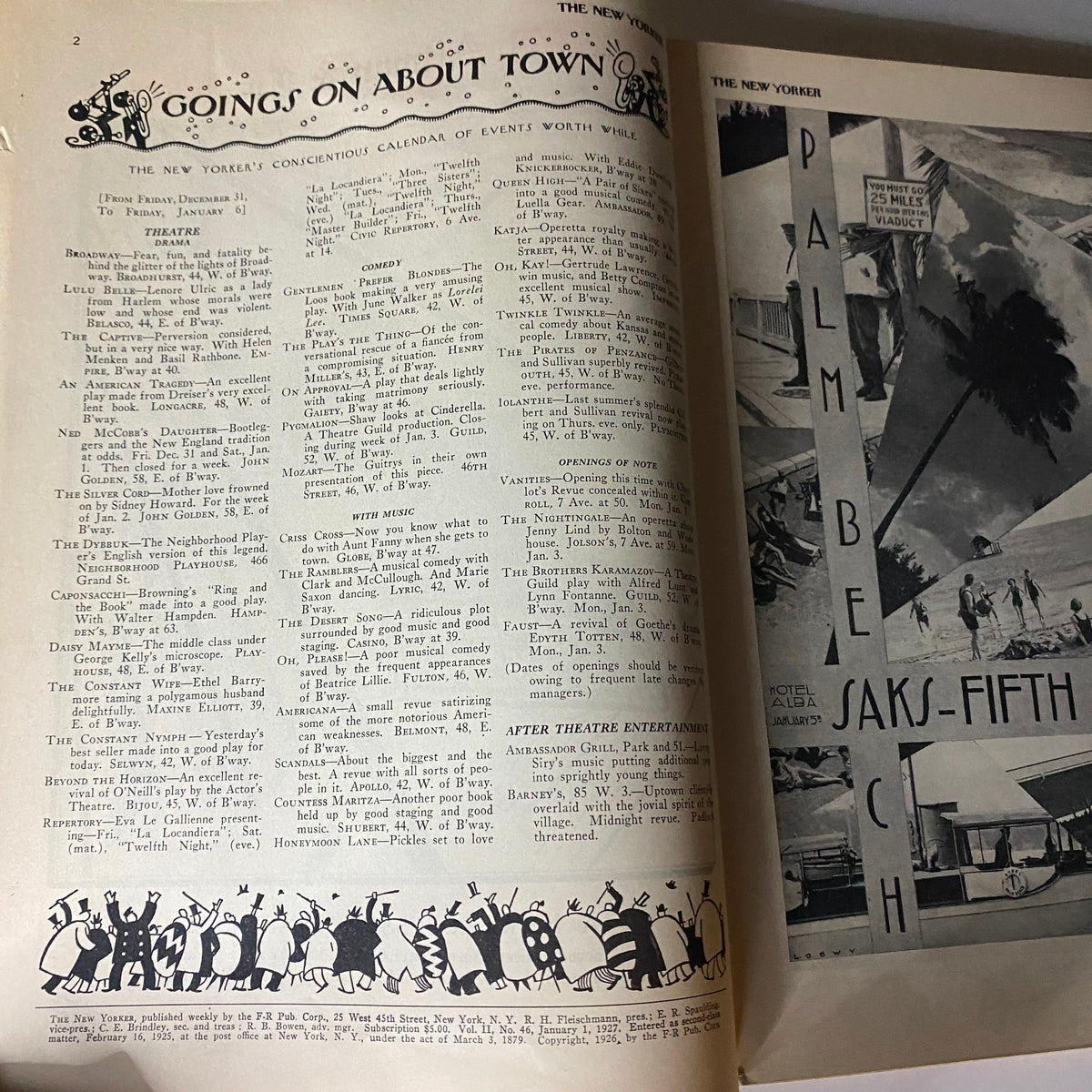
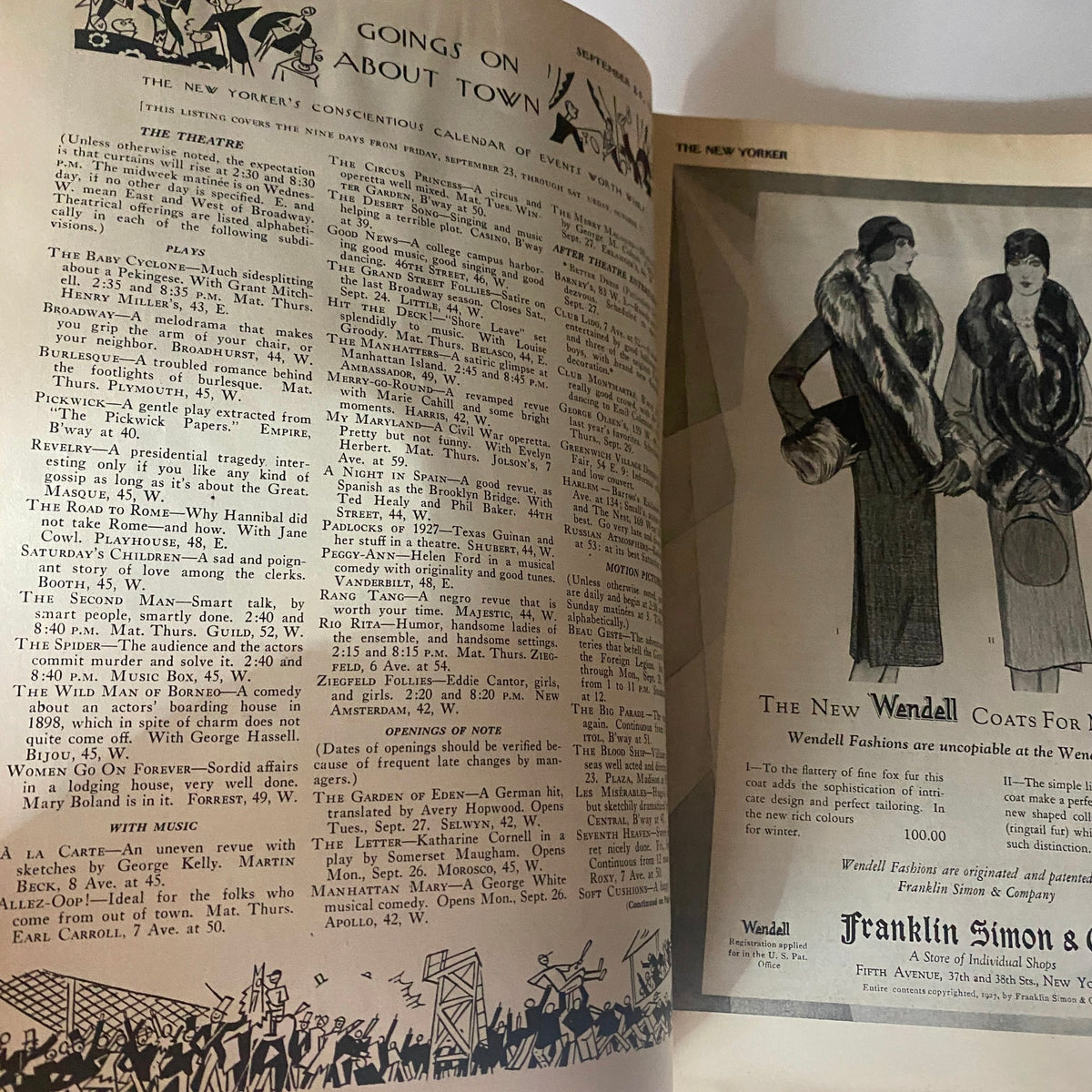
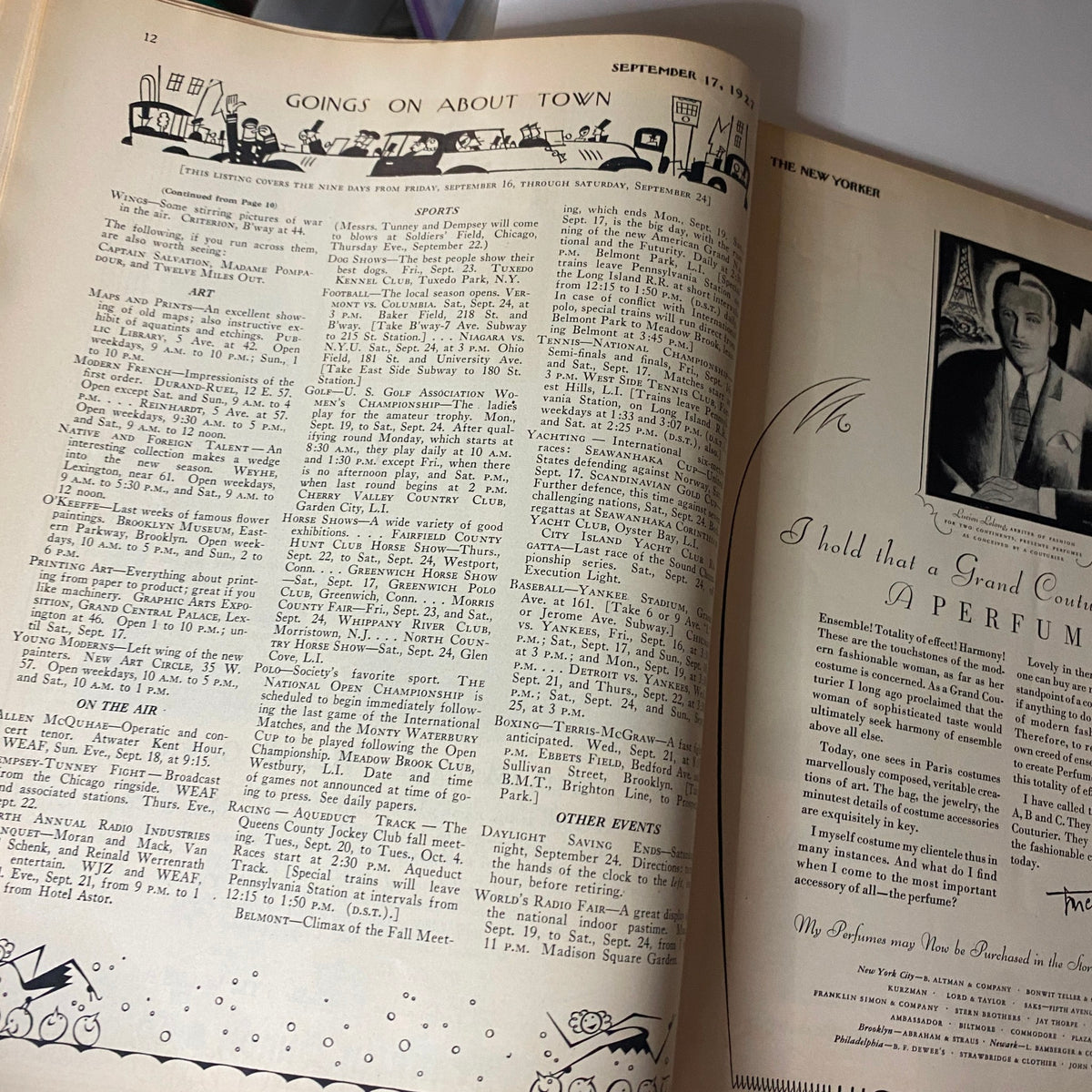
Jazz Age Advertising: Authentic period advertisements throughout these vintage magazines revealing what 1927 Americans bought—electric appliances, radio sets, flapper fashion, and the consumer products of prosperity just two years before the crash.
The Perfect Gift
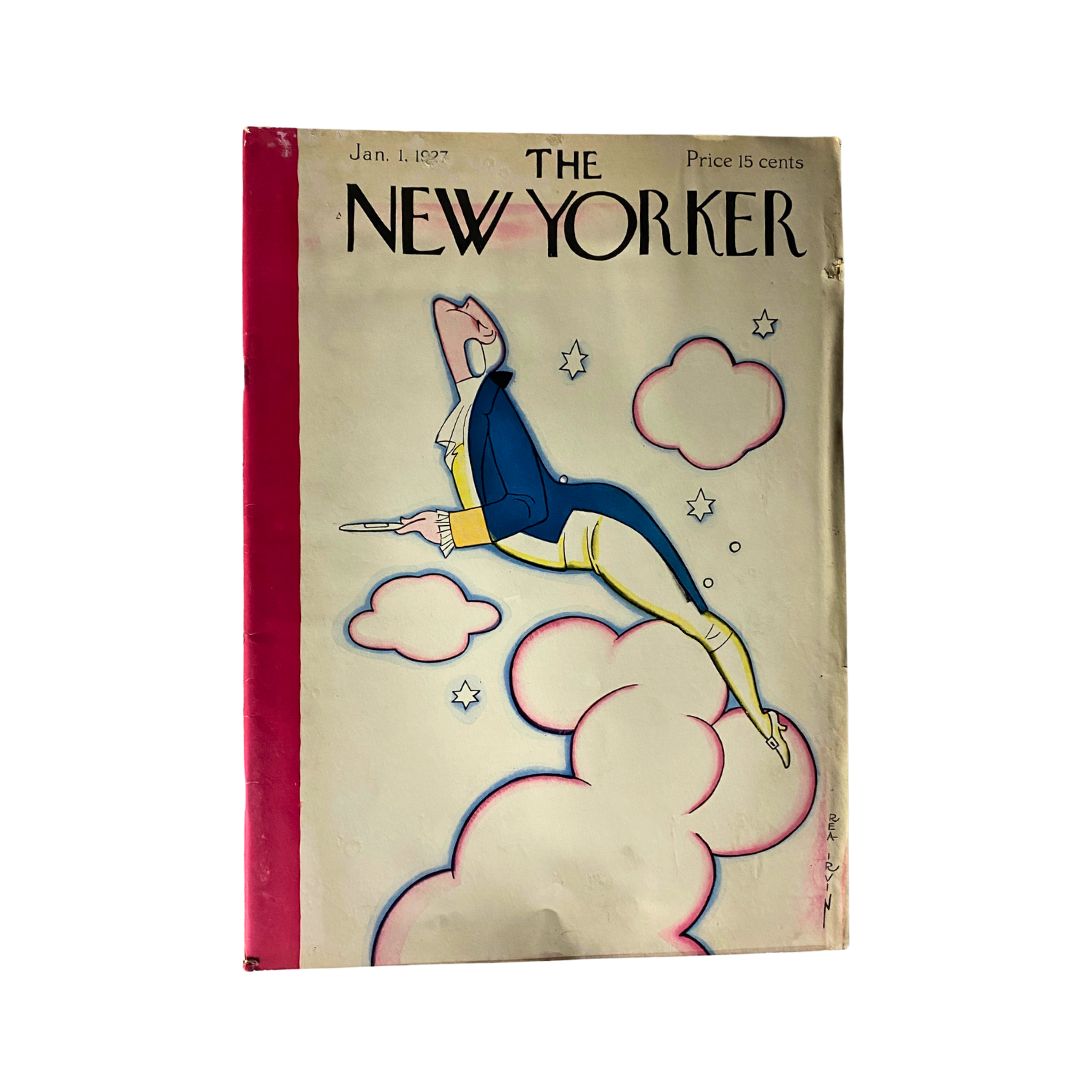
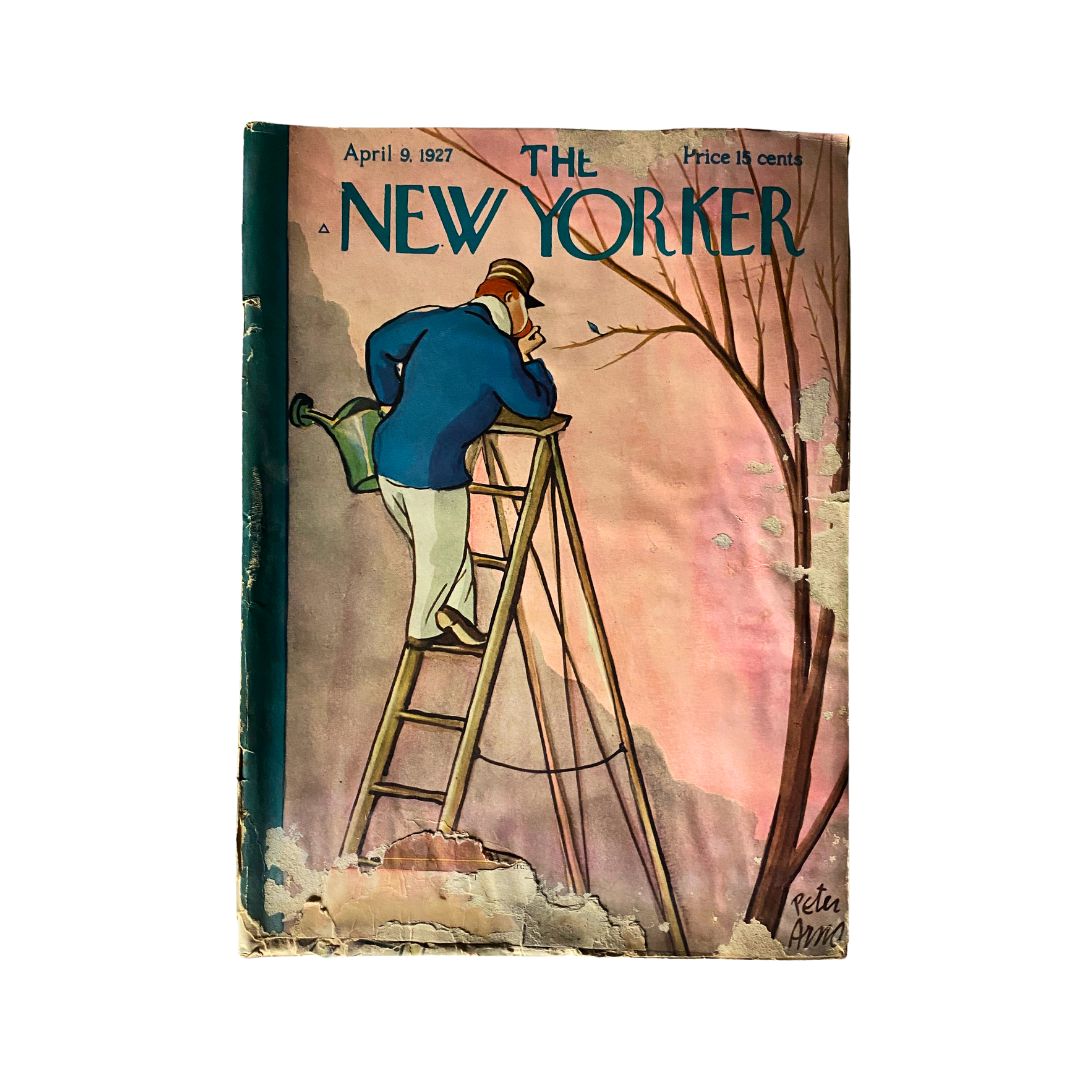
For someone born in 1927, an original magazine from this transformative year isn't just nostalgia—it's a tangible witness to the moment when silent pictures learned to speak, when a lone pilot conquered the Atlantic, preserved in genuine advertisements and photography that no reproduction can replicate.