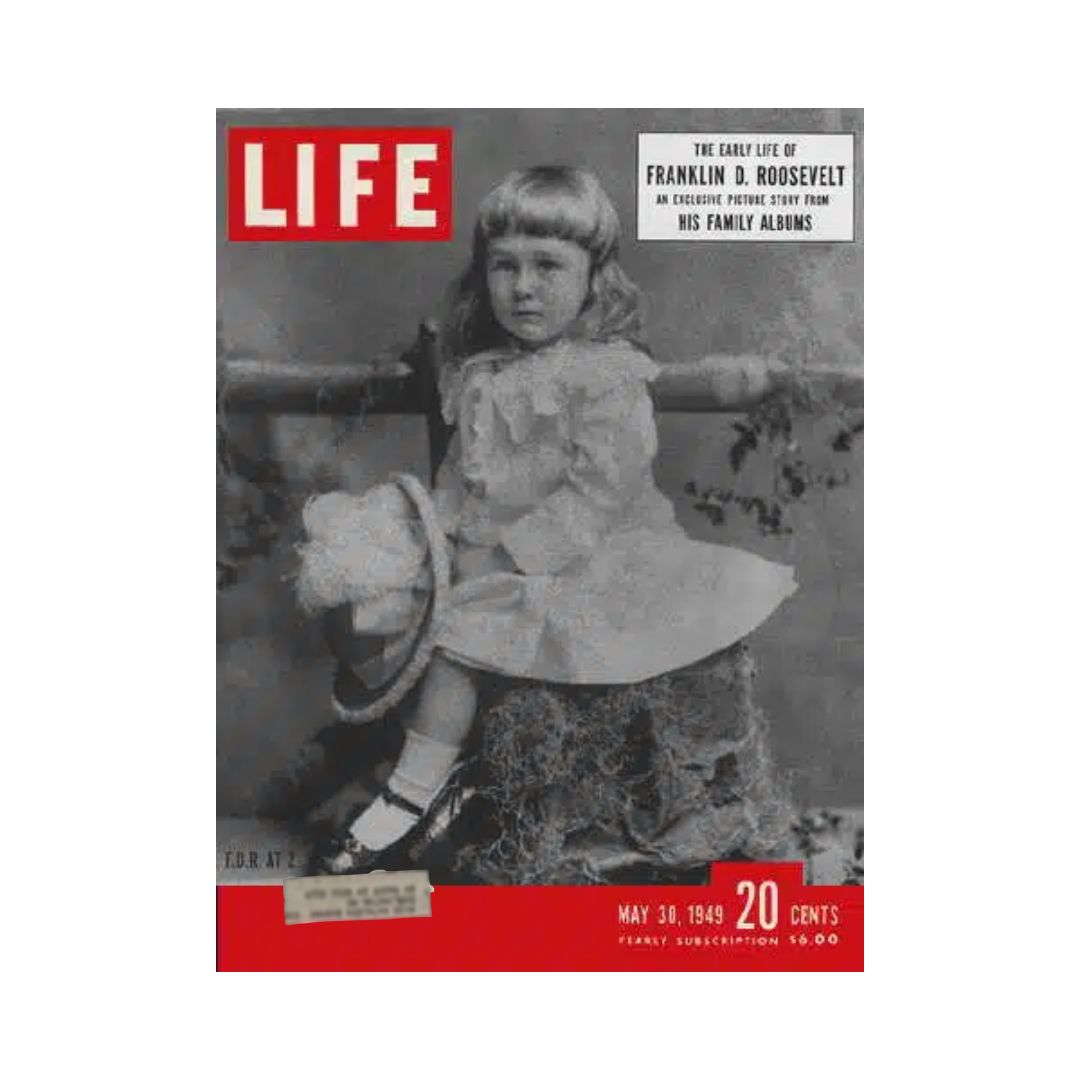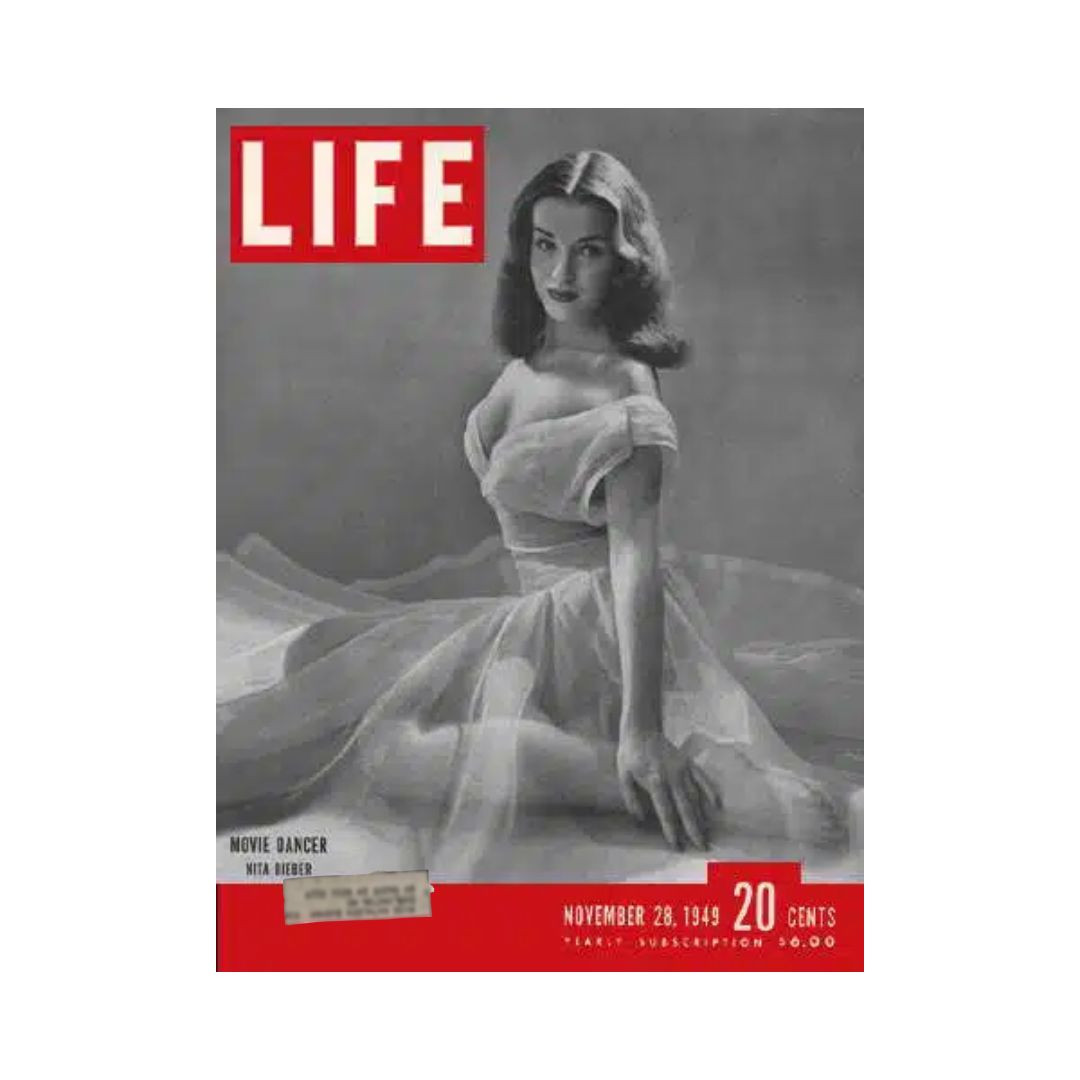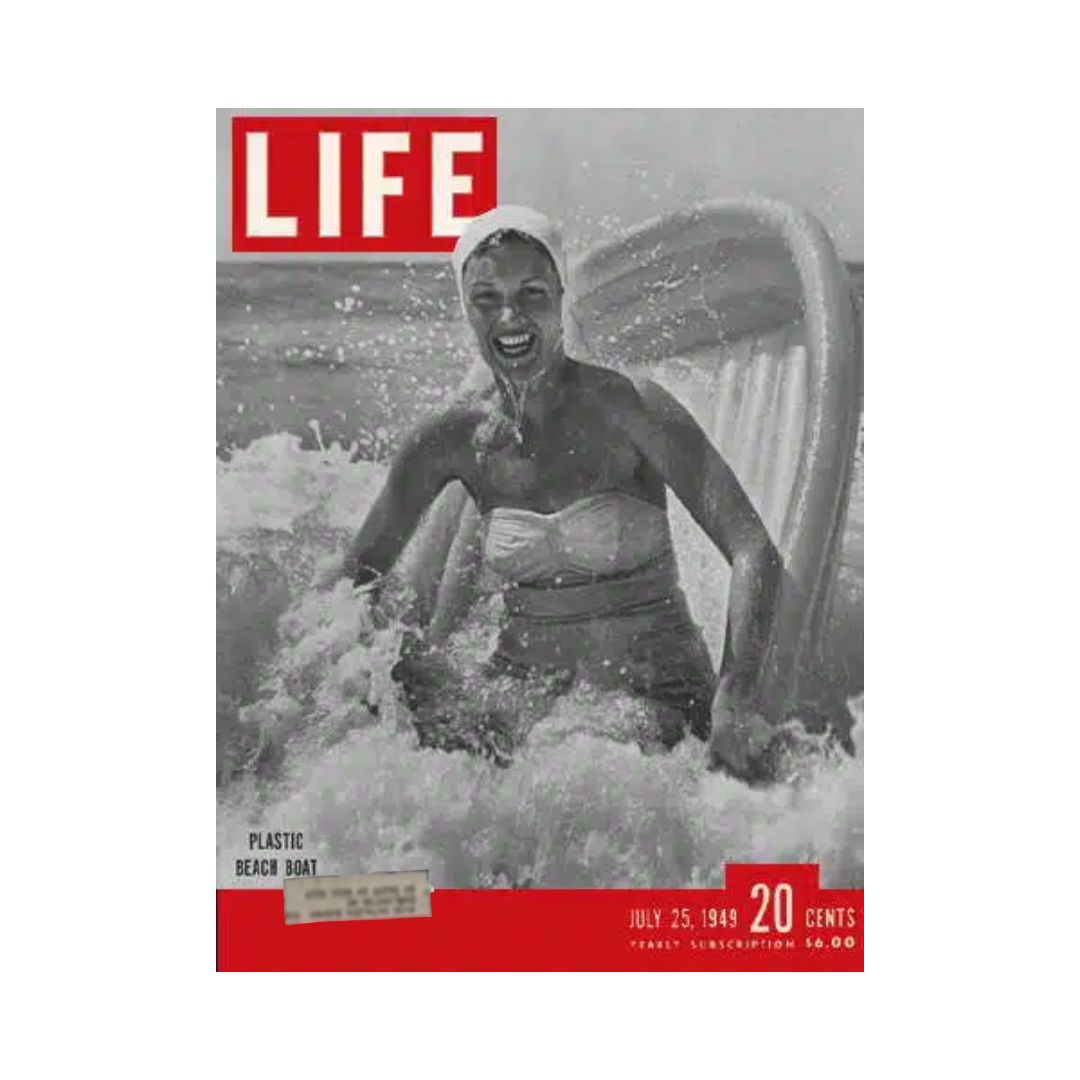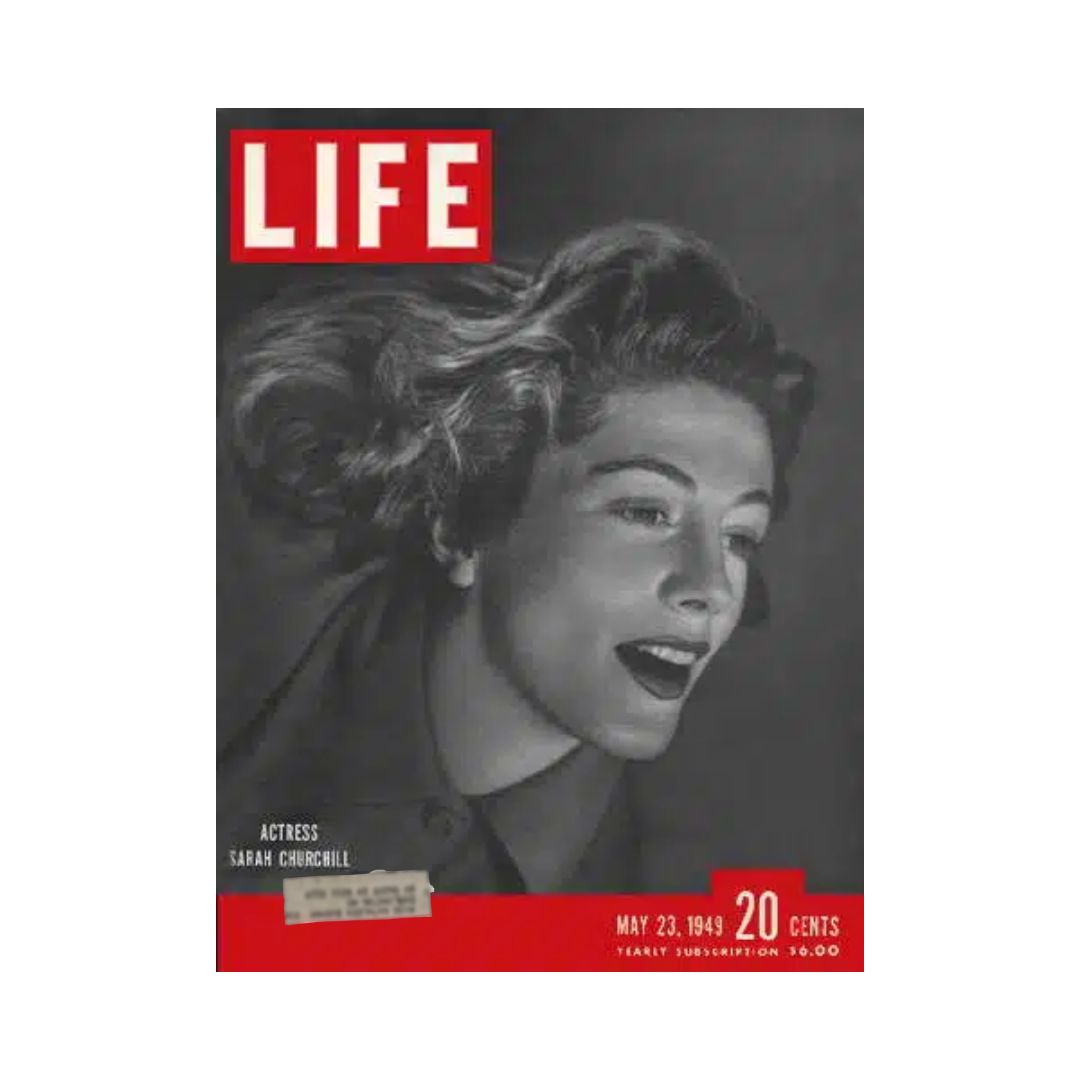
📖 About this Collection
1949: The Year the World Divided
The world stood at a crossroads in 1949, suspended between hope and fear as the fragile peace following World War II fractured into new allegiances. On April 4th, the North Atlantic Treaty Organization was born—twelve nations binding themselves in collective defense against Soviet expansion, a diplomatic maneuver that would define international relations for generations. Just months later, on August 29th, the Soviet Union detonated its first atomic bomb in the deserts of Kazakhstan, shattering America's nuclear monopoly and plunging the globe deeper into Cold War uncertainty. Across the Pacific, October 1st brought Mao Zedong's proclamation establishing the People's Republic of China, as Communist forces completed their victory over the Nationalists and reshaped the world's most populous nation. Amid this geopolitical upheaval, humanity still reached for the skies—the B-50 Superfortress Lucky Lady II completed the first non-stop flight around the world in March, a technological triumph that magazines chronicled with pride. This was the world your loved one entered in 1949: a planet reorganizing itself along ideological lines, where every headline carried the weight of history in the making.
Pop Culture & Lifestyle
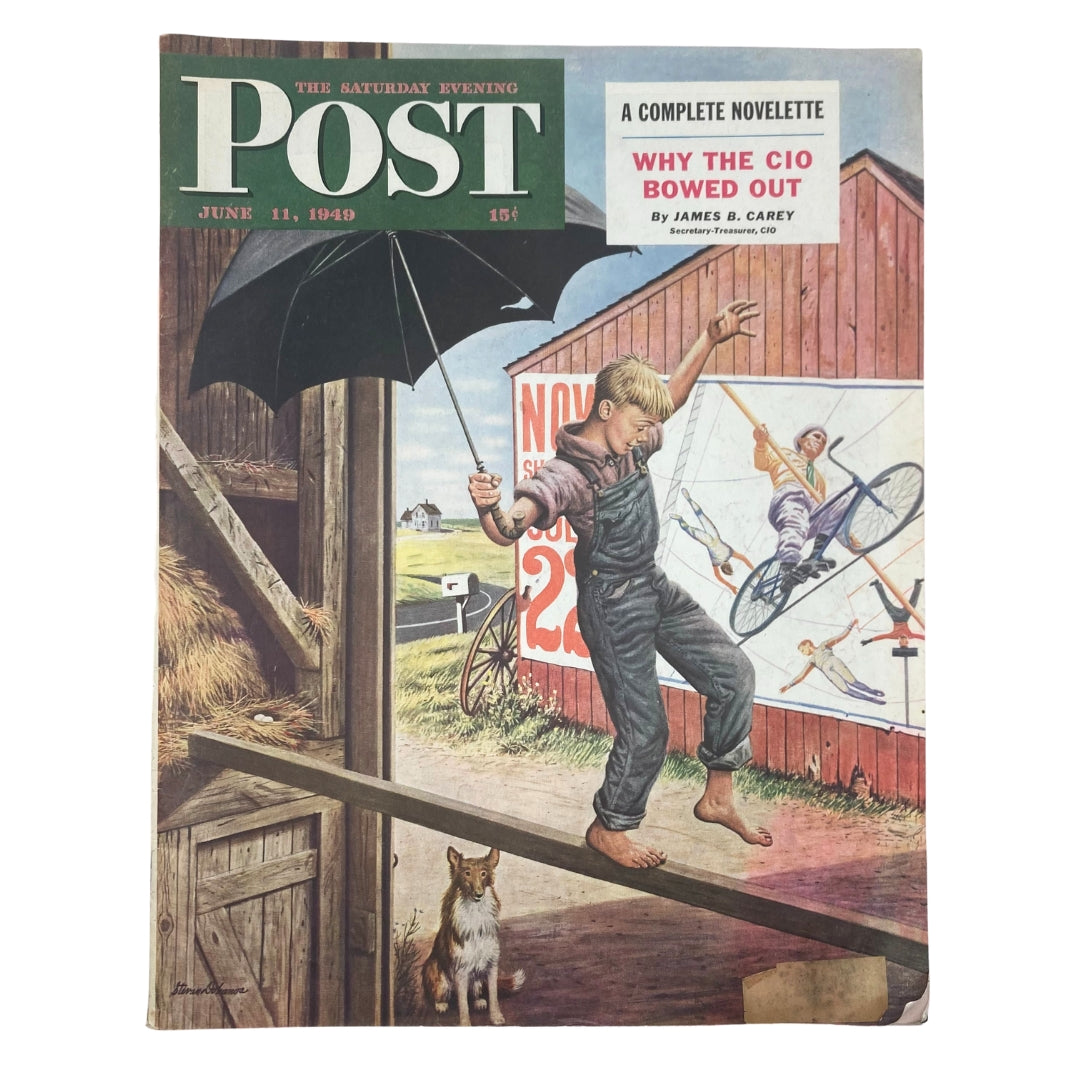
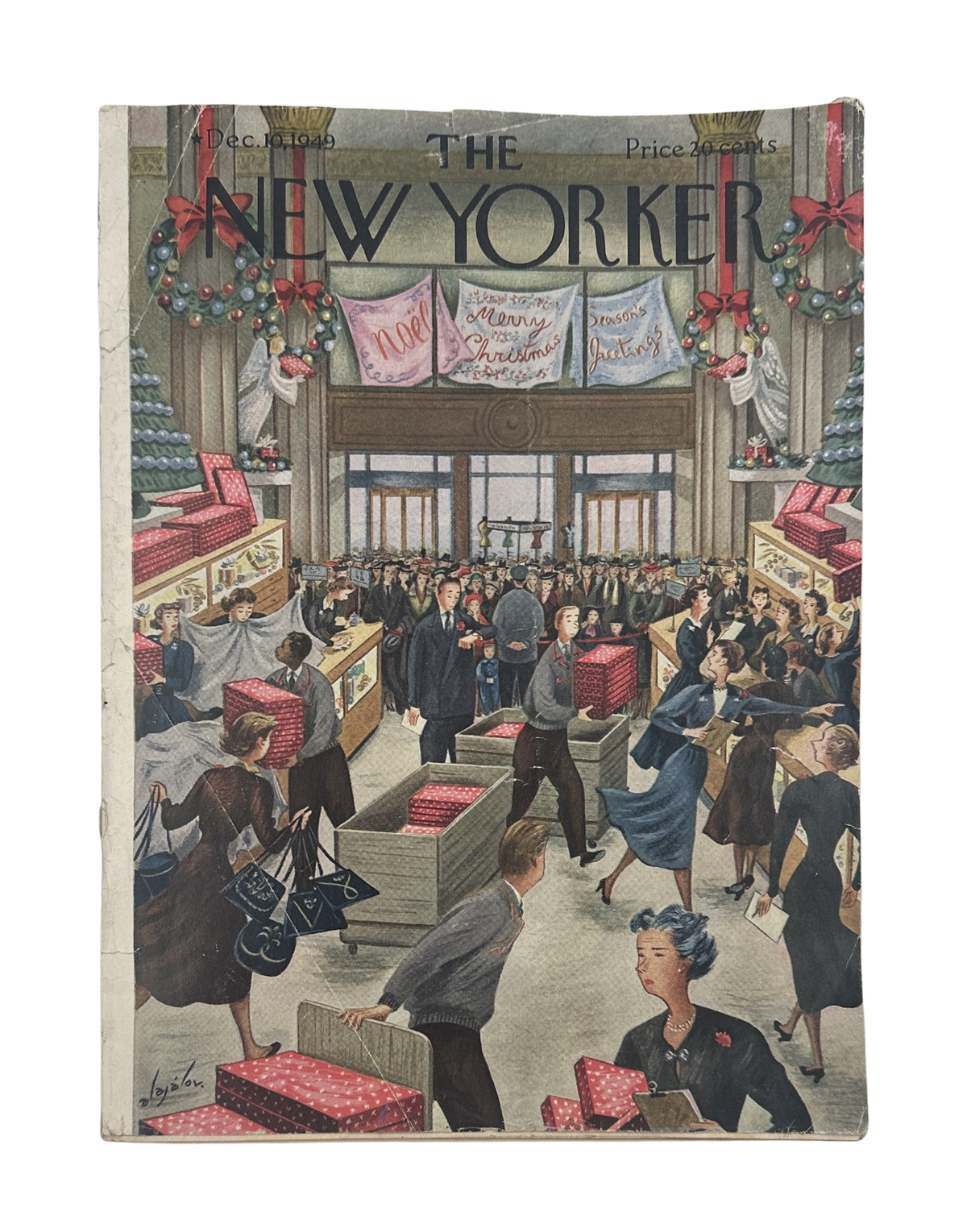
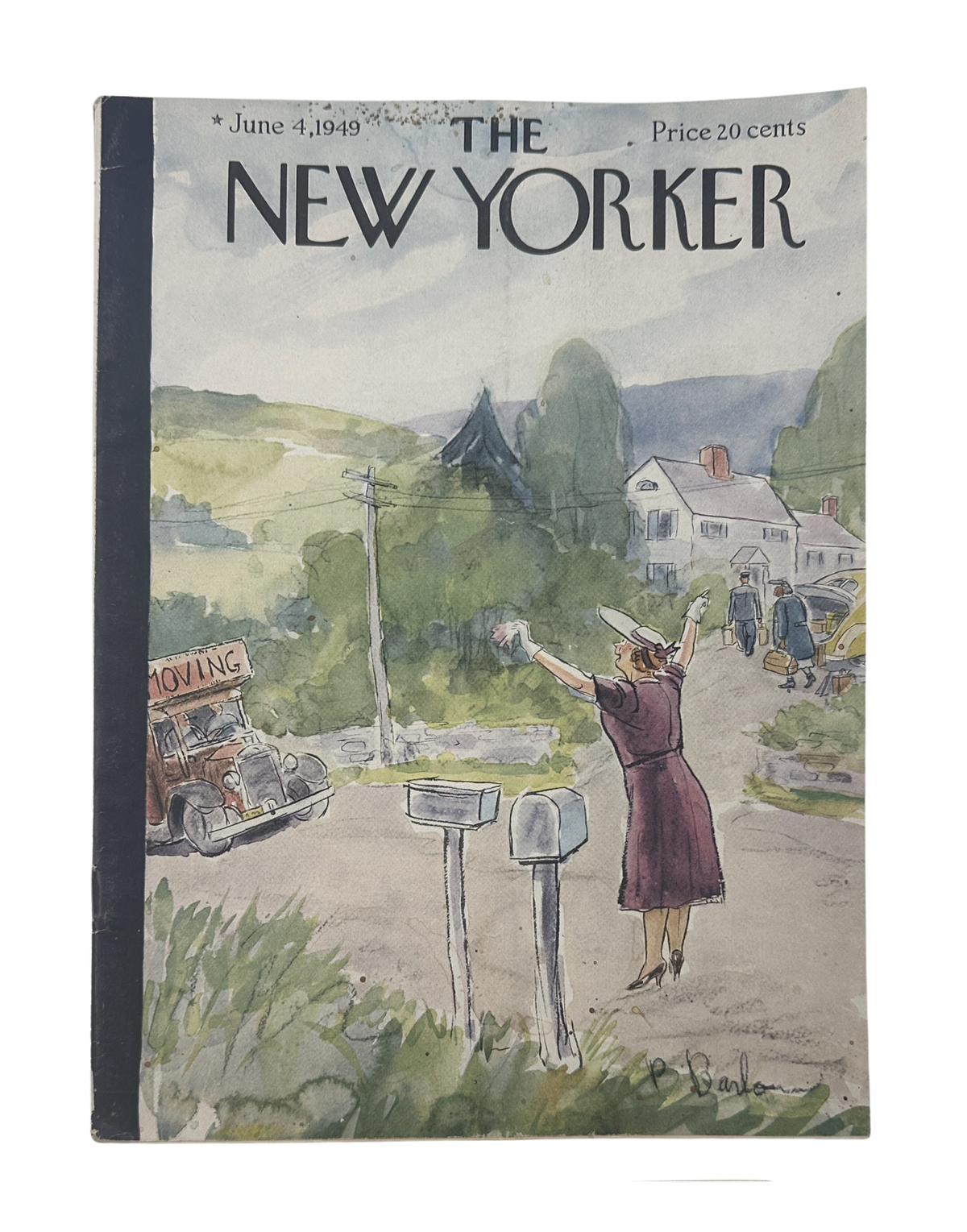
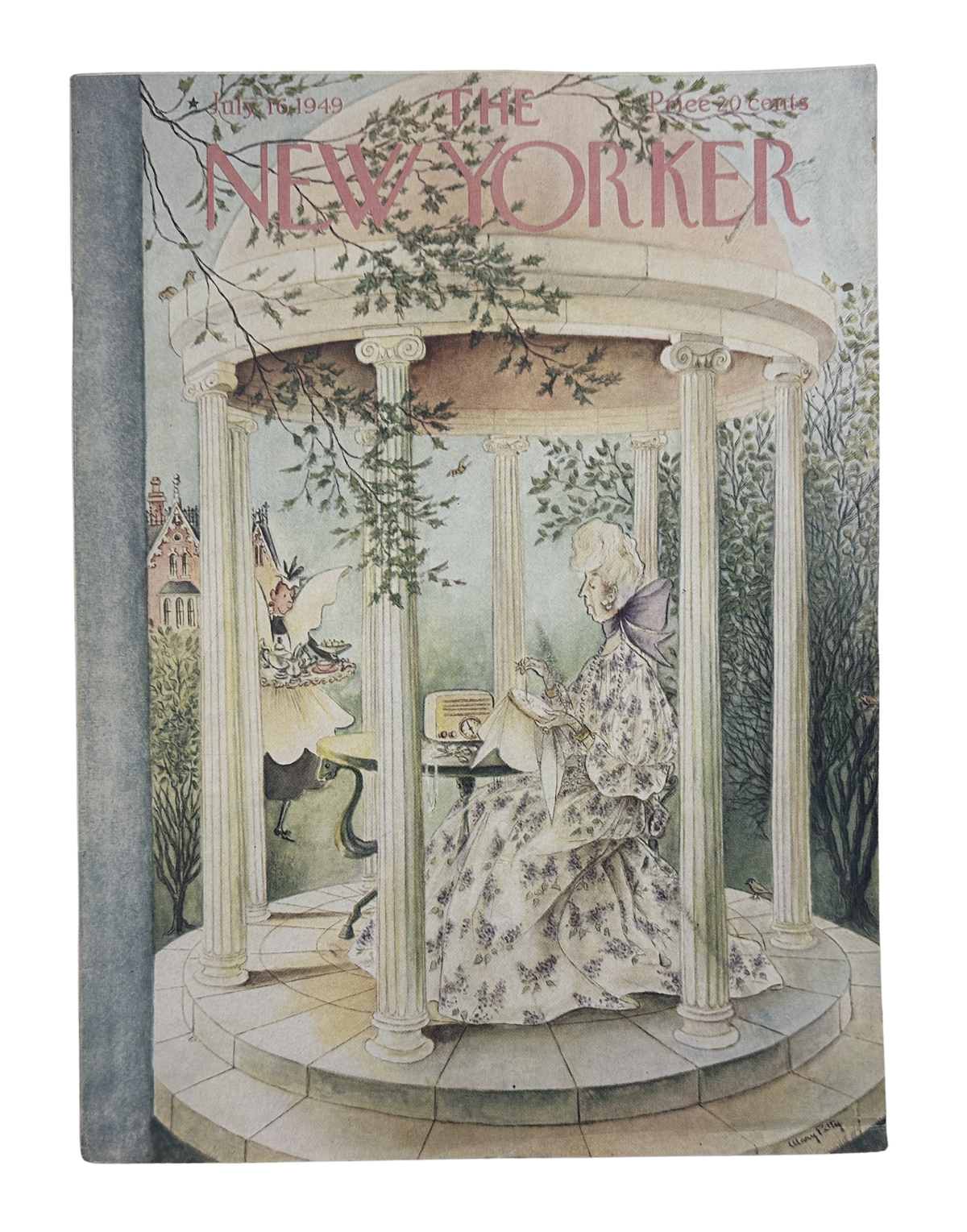
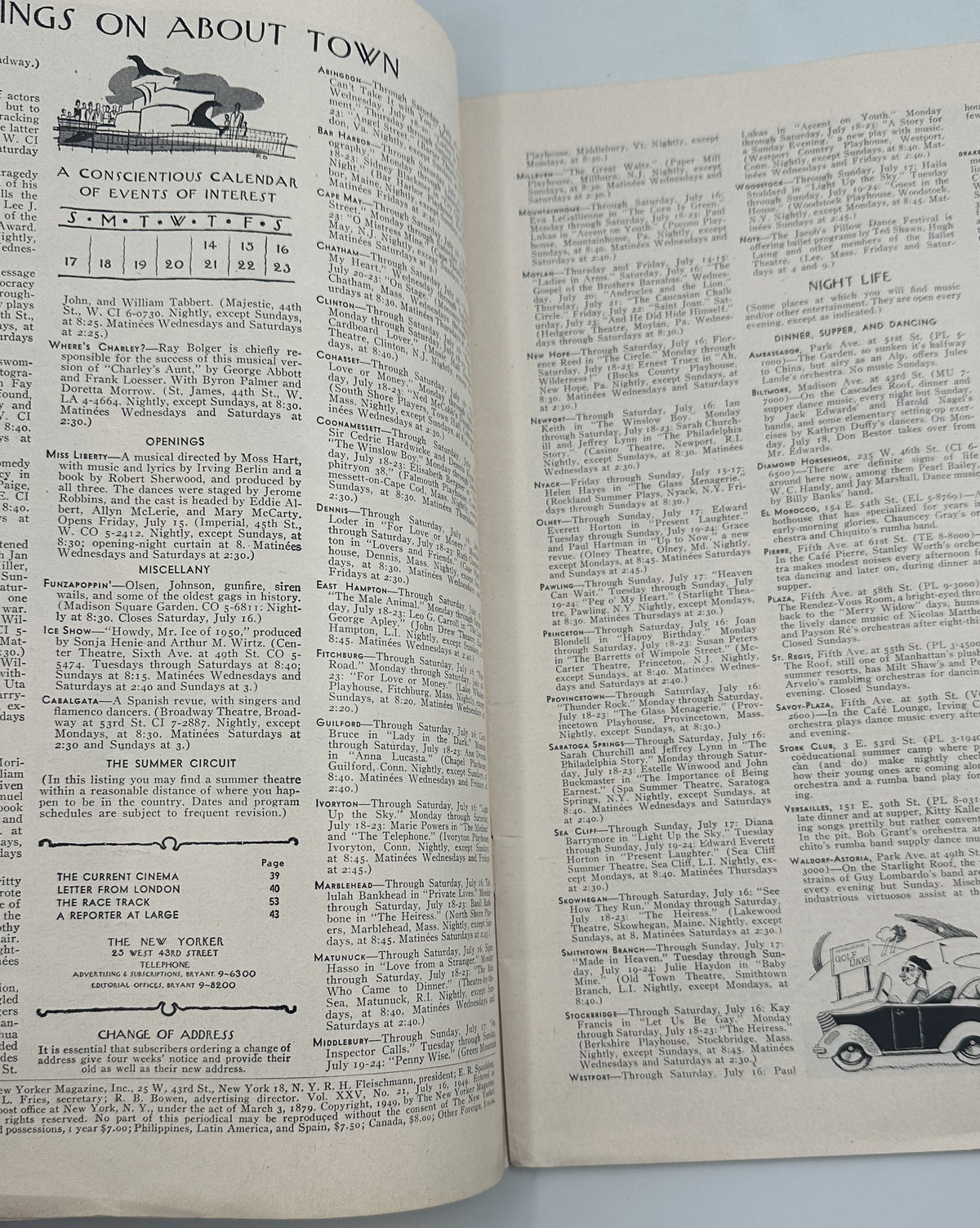
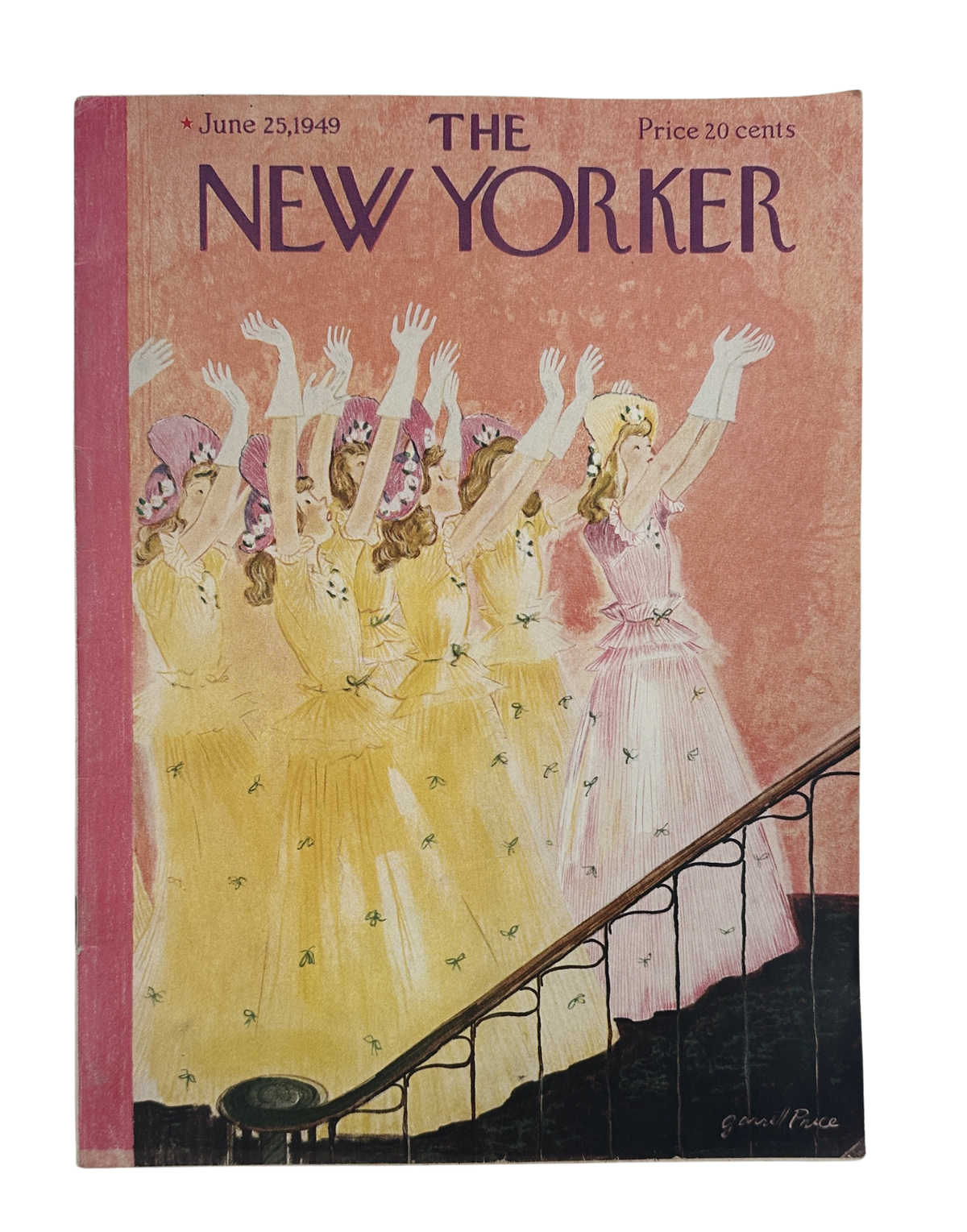
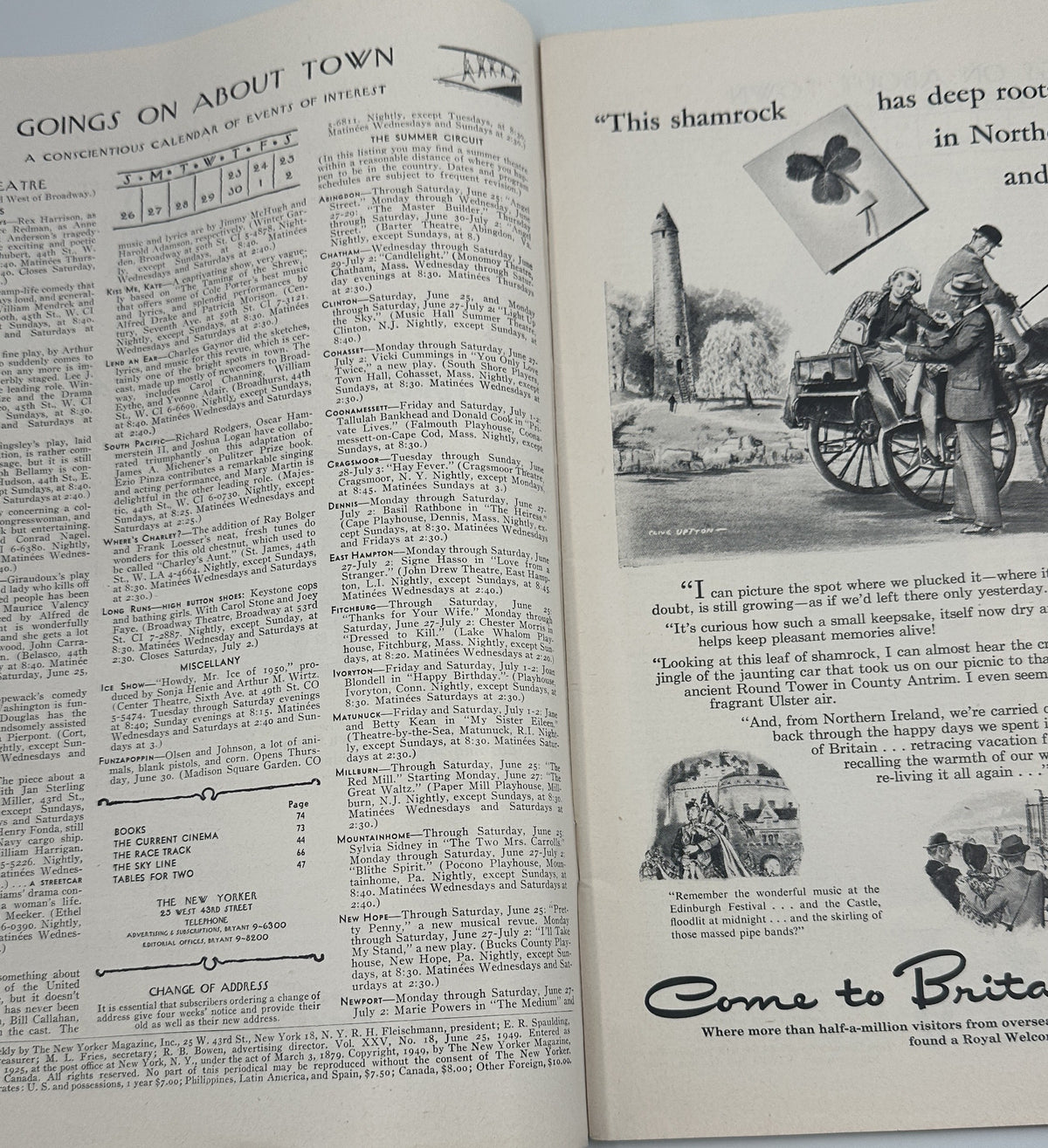
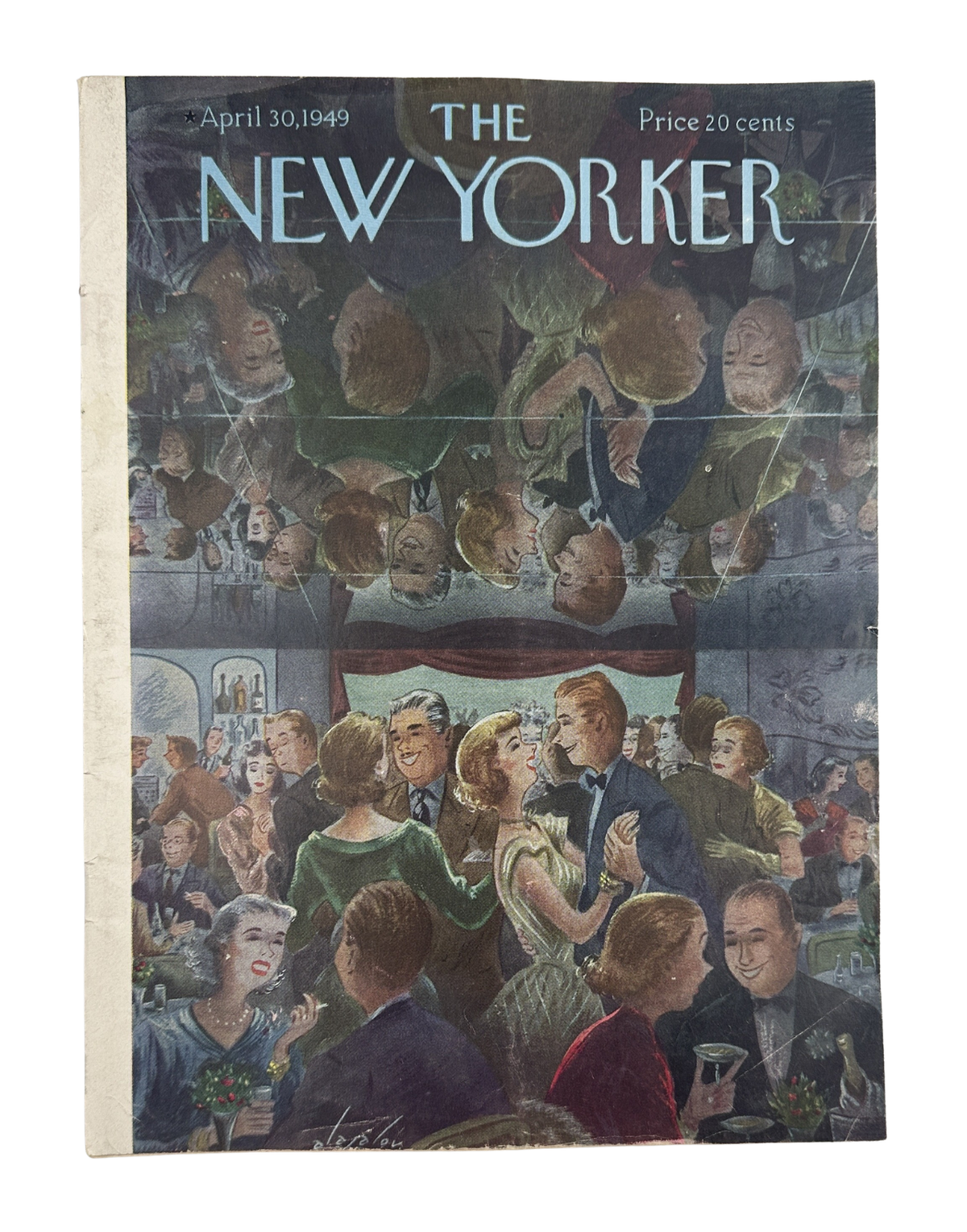
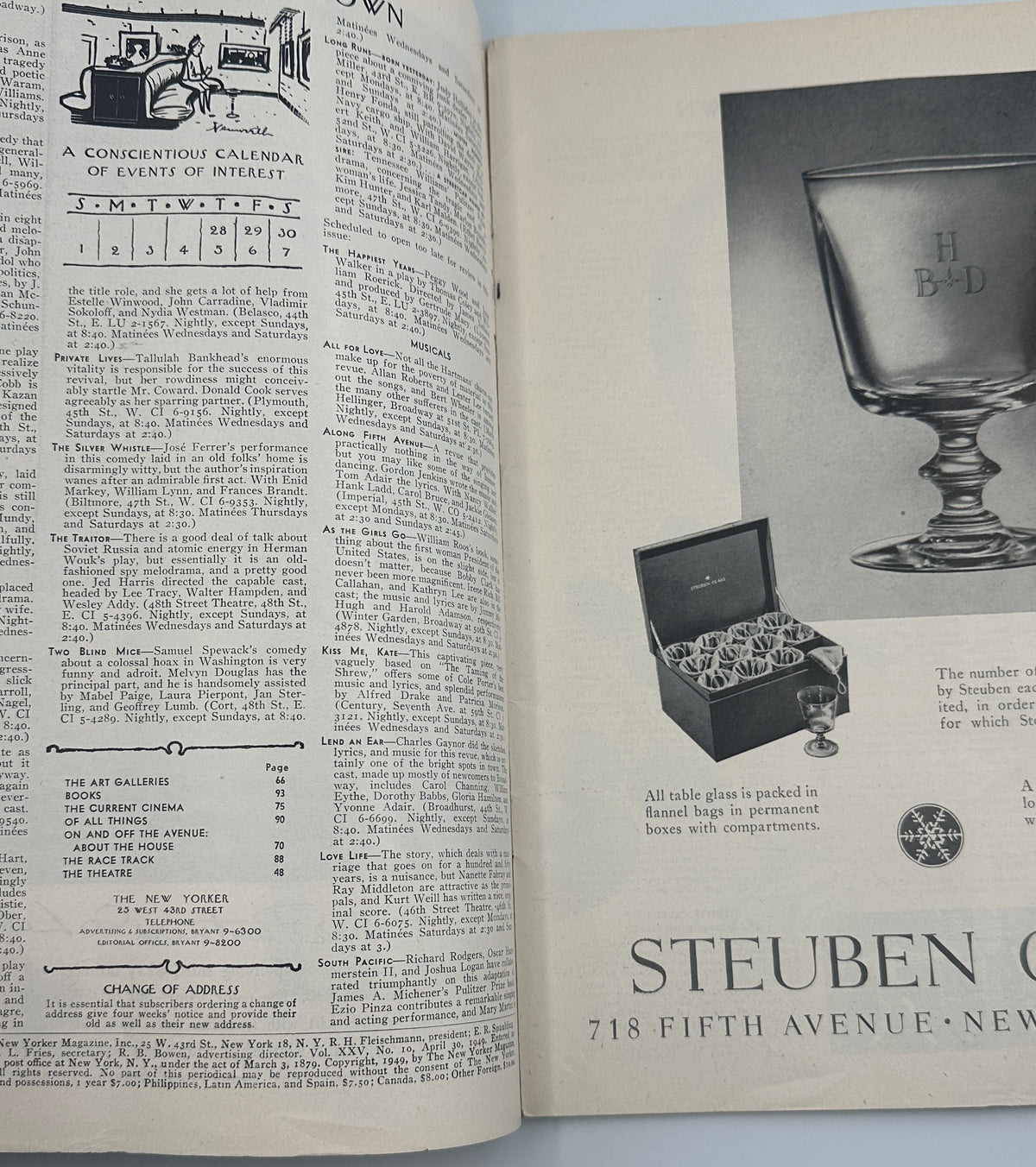
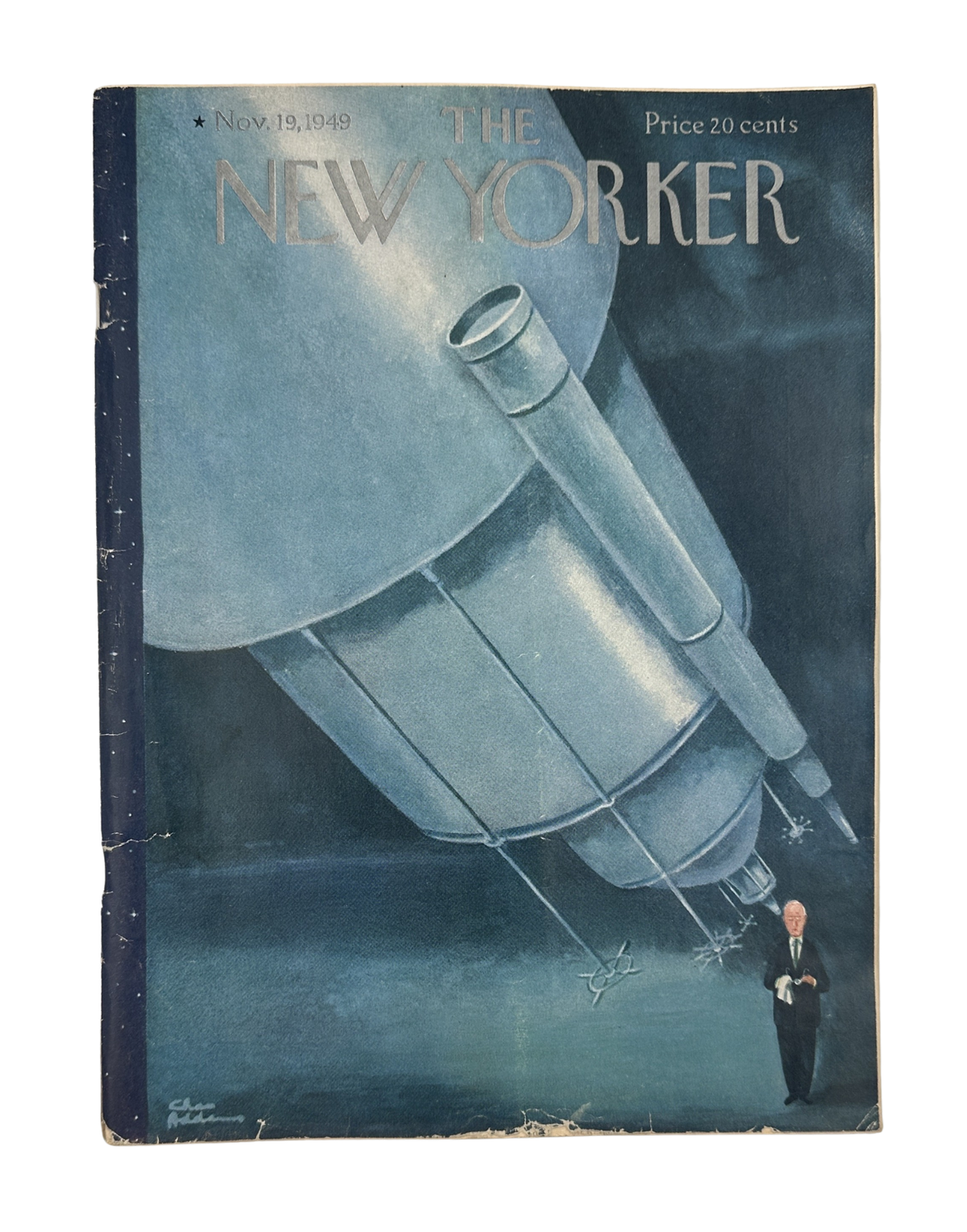
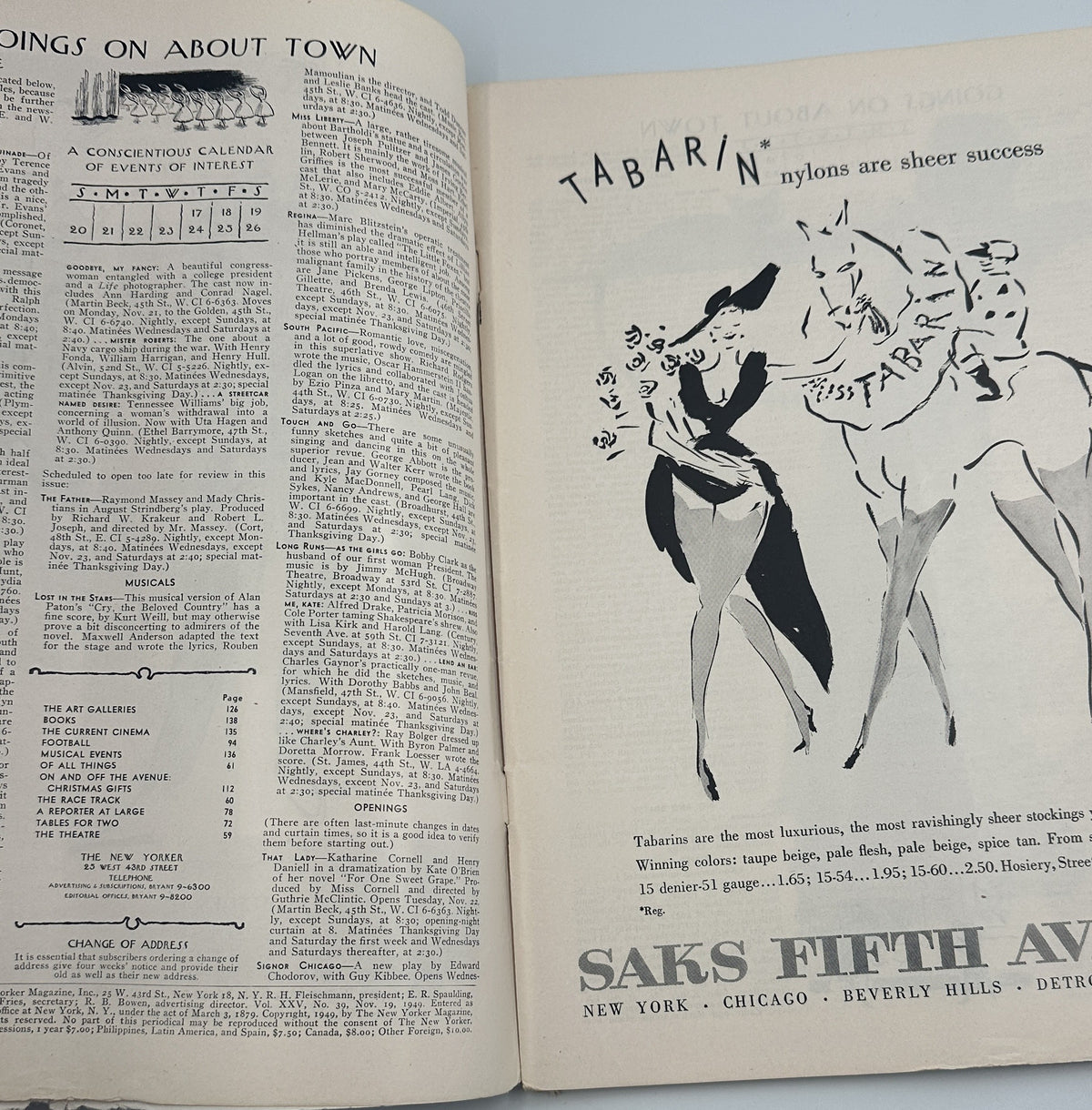
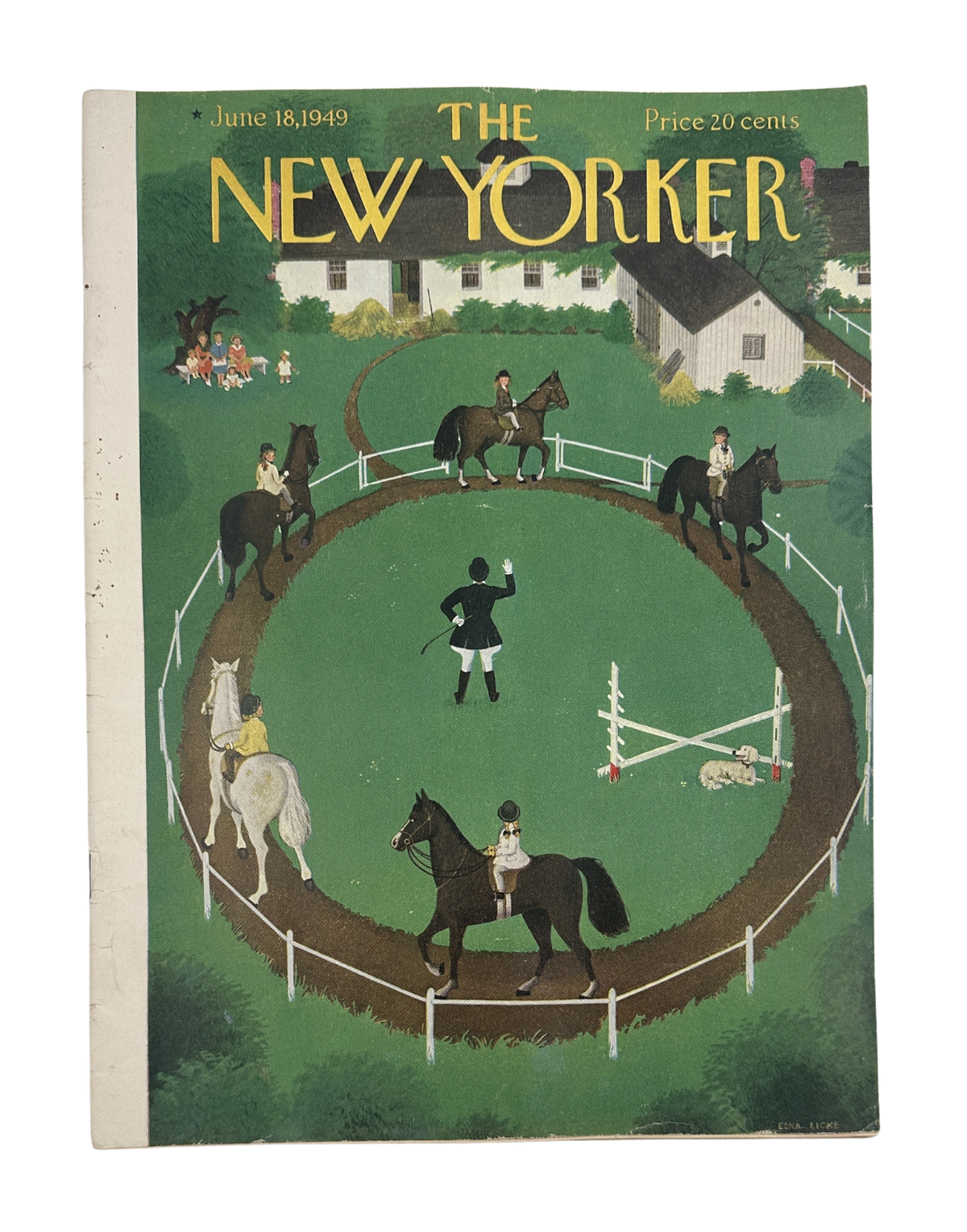
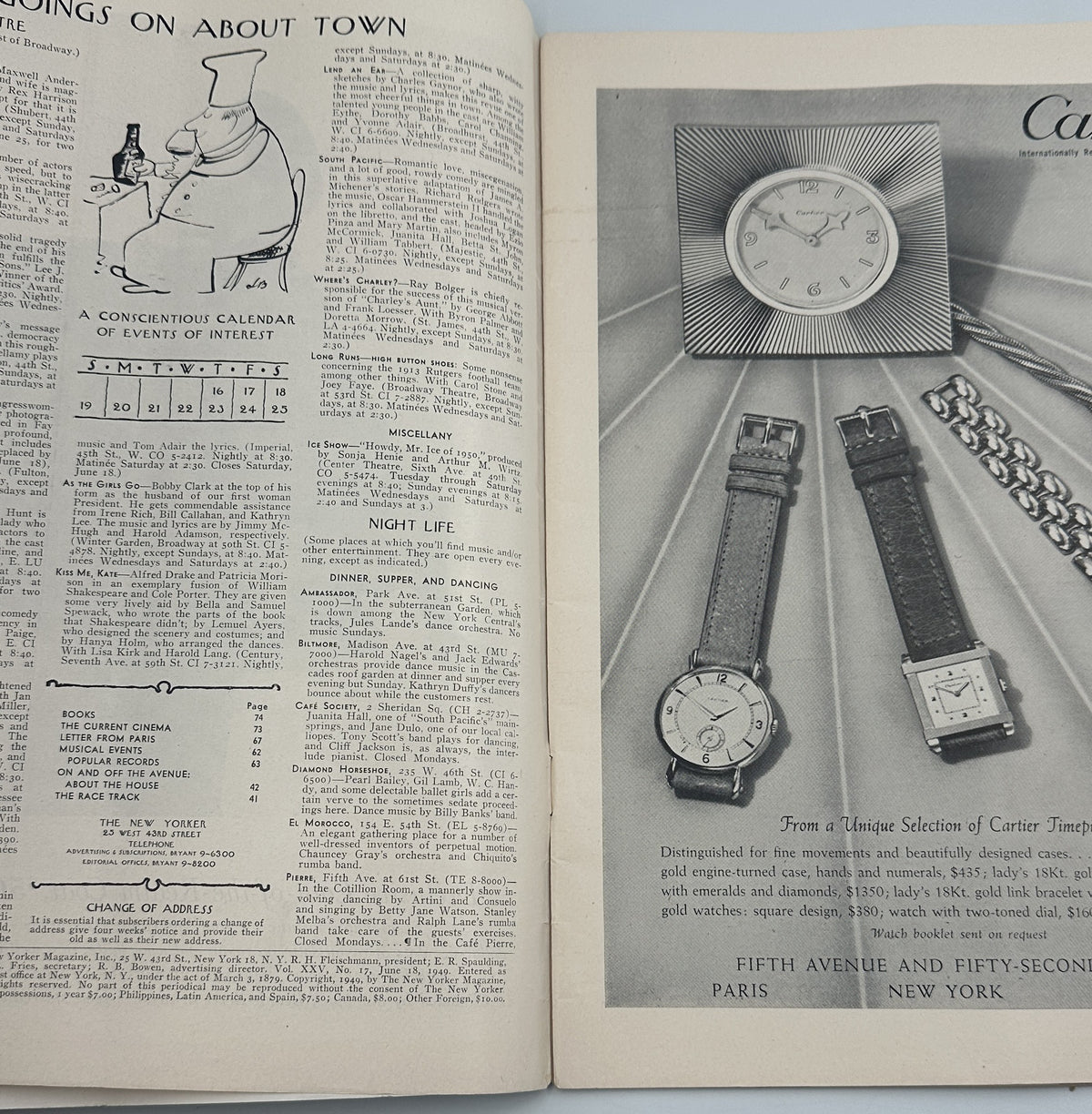
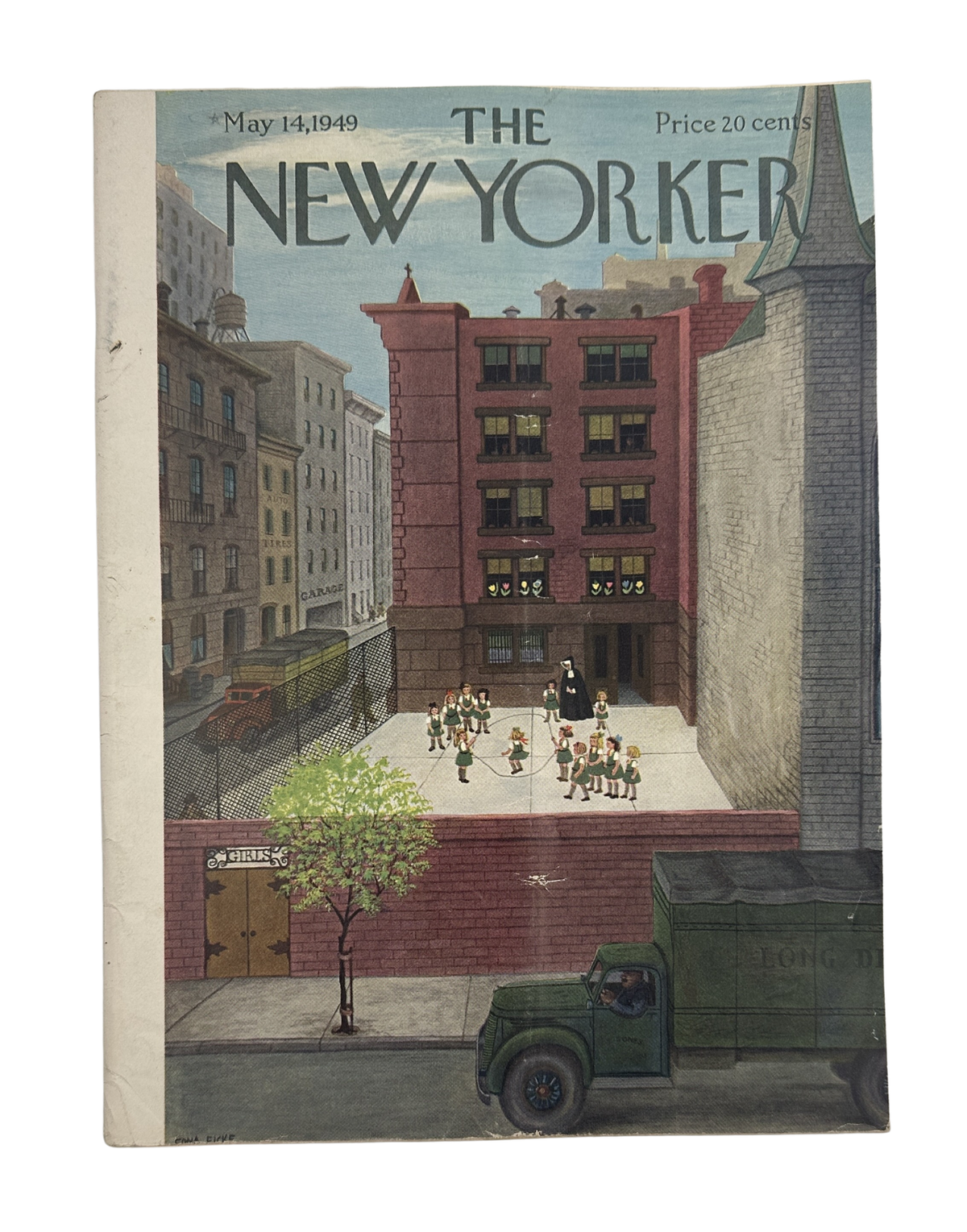
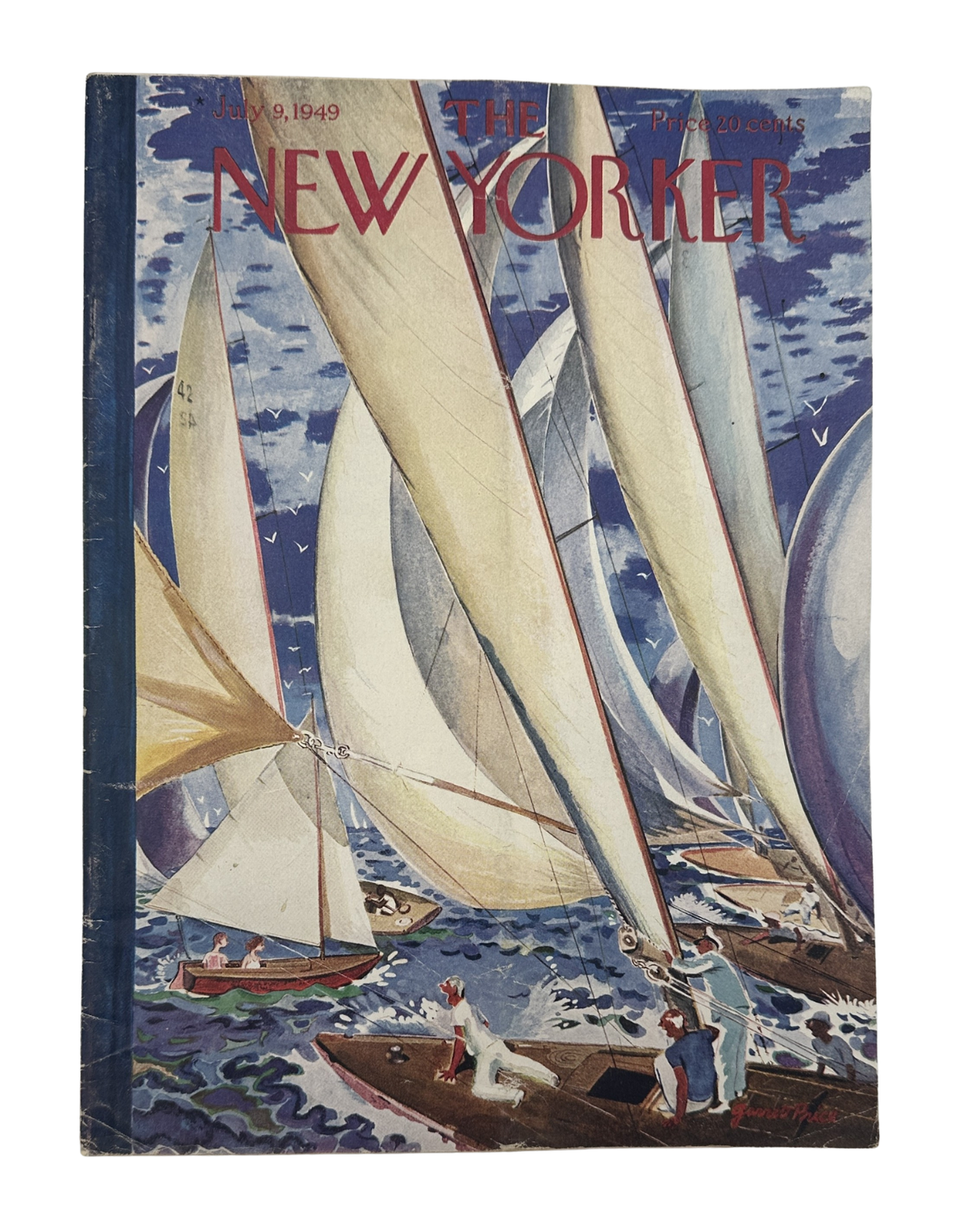
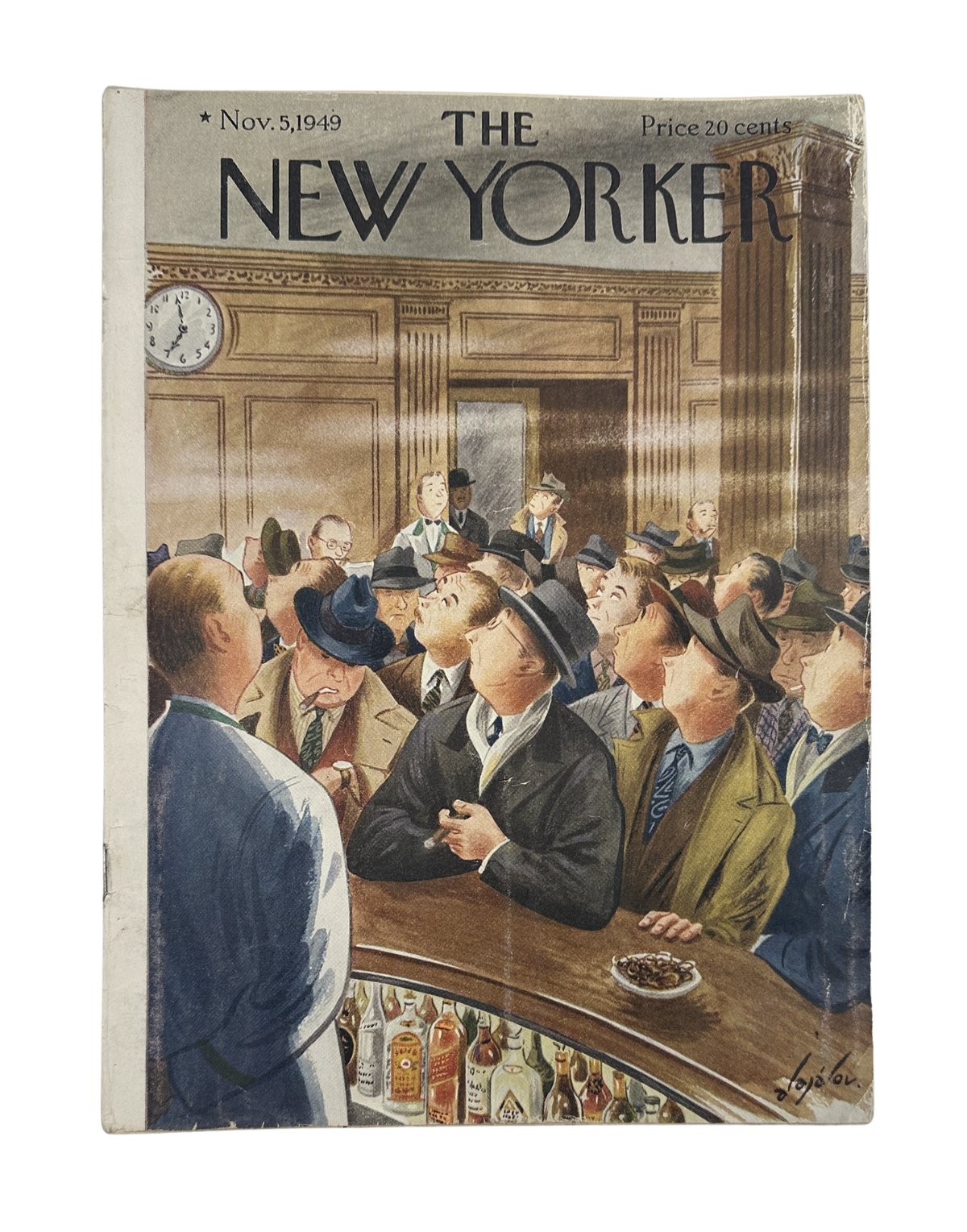
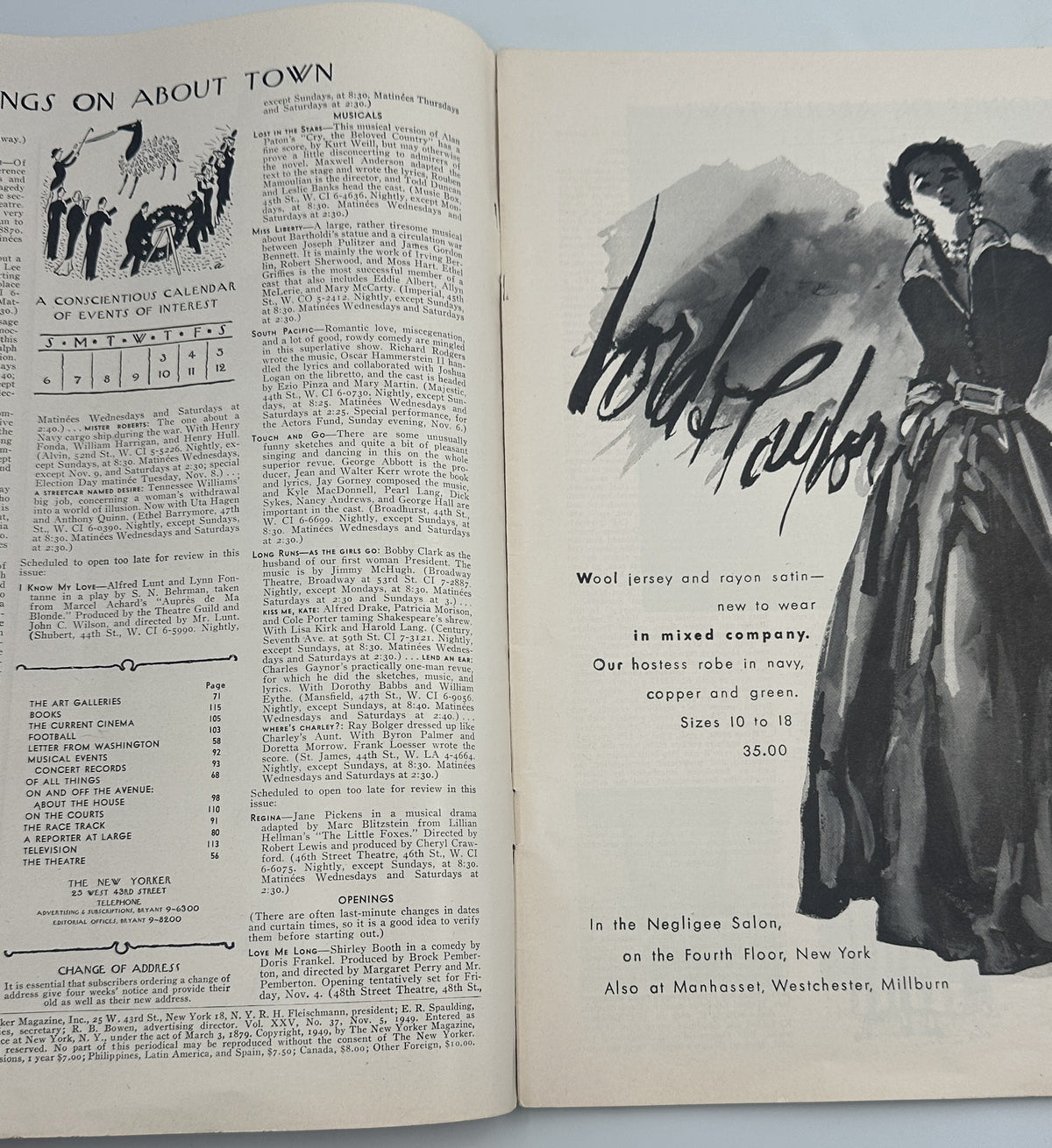
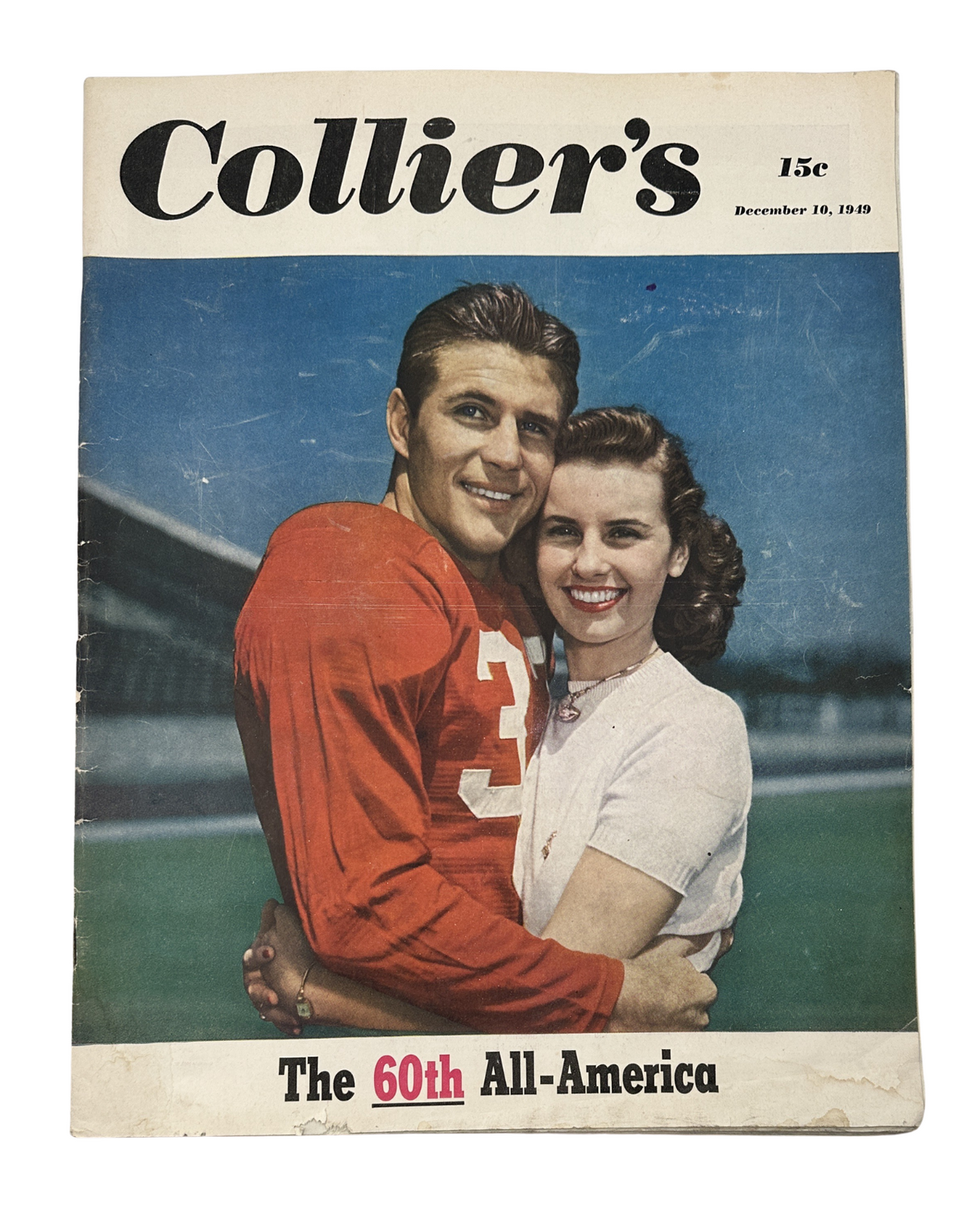
While newspaper editors tracked atomic developments and diplomatic summits, American living rooms and theater seats offered escape and wonder. Movie audiences flocked to see Gene Kelly splashing through MGM's Singin' in the Rain precursor productions, while television sets—still a luxury commanding premium space in department store windows—began appearing in more middle-class homes. The Brooklyn Dodgers and New York Yankees battled in another Subway Series, keeping sports fans glued to radio broadcasts, and Arthur Miller's Death of a Salesman opened on Broadway to instant acclaim, capturing post-war American anxieties on stage. Fashion magazines showcased Christian Dior's "New Look" as it continued reshaping women's silhouettes with cinched waists and full skirts, while advertisements in original magazines from 1949 promoted everything from gleaming Frigidaire refrigerators to sleek Studebaker automobiles. These vintage magazines preserve not just the news, but the textures of daily life—the products families aspired to own, the entertainment they discussed, the visual language of an era caught between wartime austerity and prosperous modernity.
Curator's Checklist: What to Look For
-
NATO Formation Coverage: News magazines like Time, Life, and Newsweek featuring dramatic photography of the treaty signing ceremony, illustrated with maps showing the new alliance stretching from North America to Western Europe, often accompanied by stern portraits of Secretary of State Dean Acheson and analysis of Soviet containment strategy.
-
Soviet Atomic Breakthrough: Rare magazines from late summer and fall chronicling the shocking end of America's nuclear monopoly, showcasing mushroom cloud imagery, diagrams of atomic technology, and anxious editorials about the escalating arms race that would define the next four decades.
-
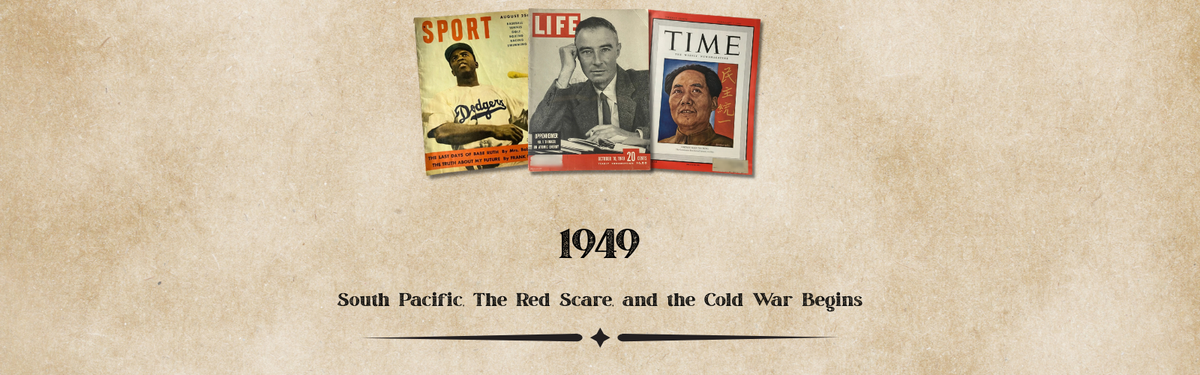
Communist China's Founding: International affairs periodicals and newsweeklies documenting Mao Zedong's October 1st proclamation in Tiananmen Square, featuring photographs of massive crowds, Red Army celebrations, and maps illustrating the Communist victory that reshaped a quarter of humanity.
-
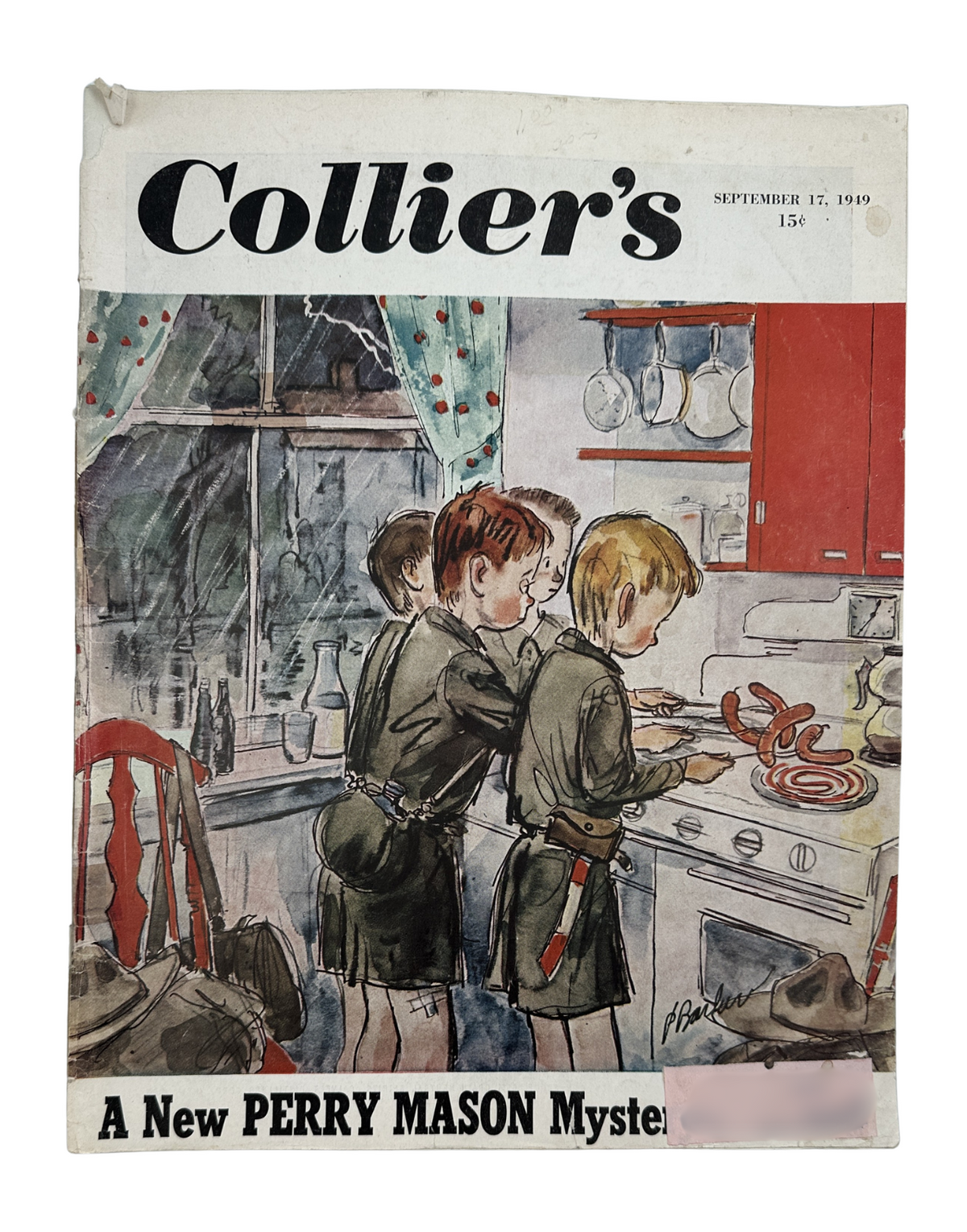
Aviation Achievement: Popular Mechanics, Collier's, and general interest magazines celebrating the Lucky Lady II's circumnavigation, illustrated with technical cutaways of the B-50 Superfortress, mid-air refueling photography, and proud profiles of Captain James Gallagher's crew.
-
Cold War Advertising: Period advertisements throughout these authentic publications revealing how consumer brands marketed security and prosperity amid global tension—fallout shelter features, "atomic age" product designs, and aspirational imagery of American abundance as ideological counterpoint.
The Perfect Gift
For someone born in 1949, an original magazine from this pivotal year isn't just a nostalgic keepsake—it's an authenticated portal to the moment when our modern world took shape, preserved in genuine headlines, advertisements, and photography that no reproduction can replicate.