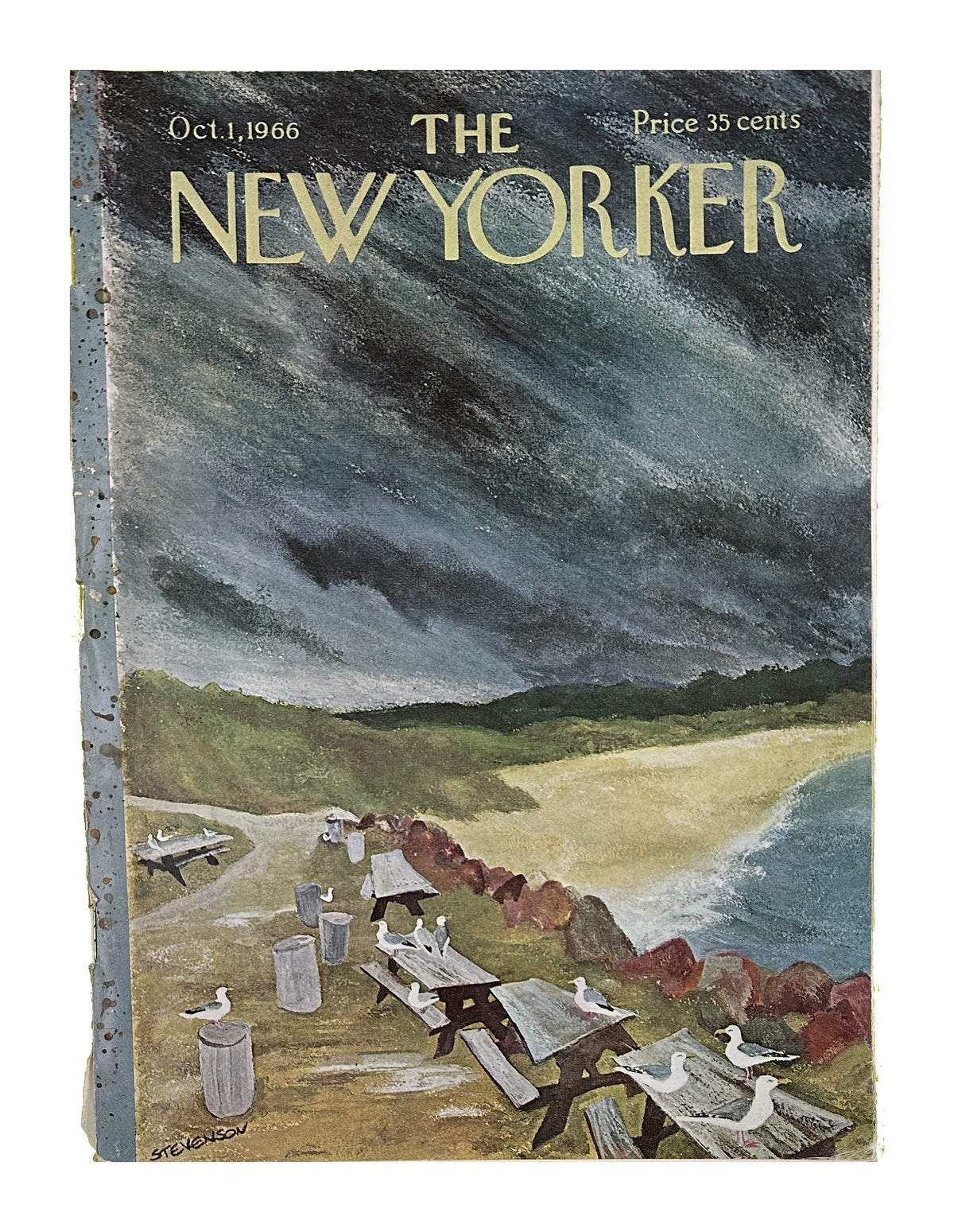
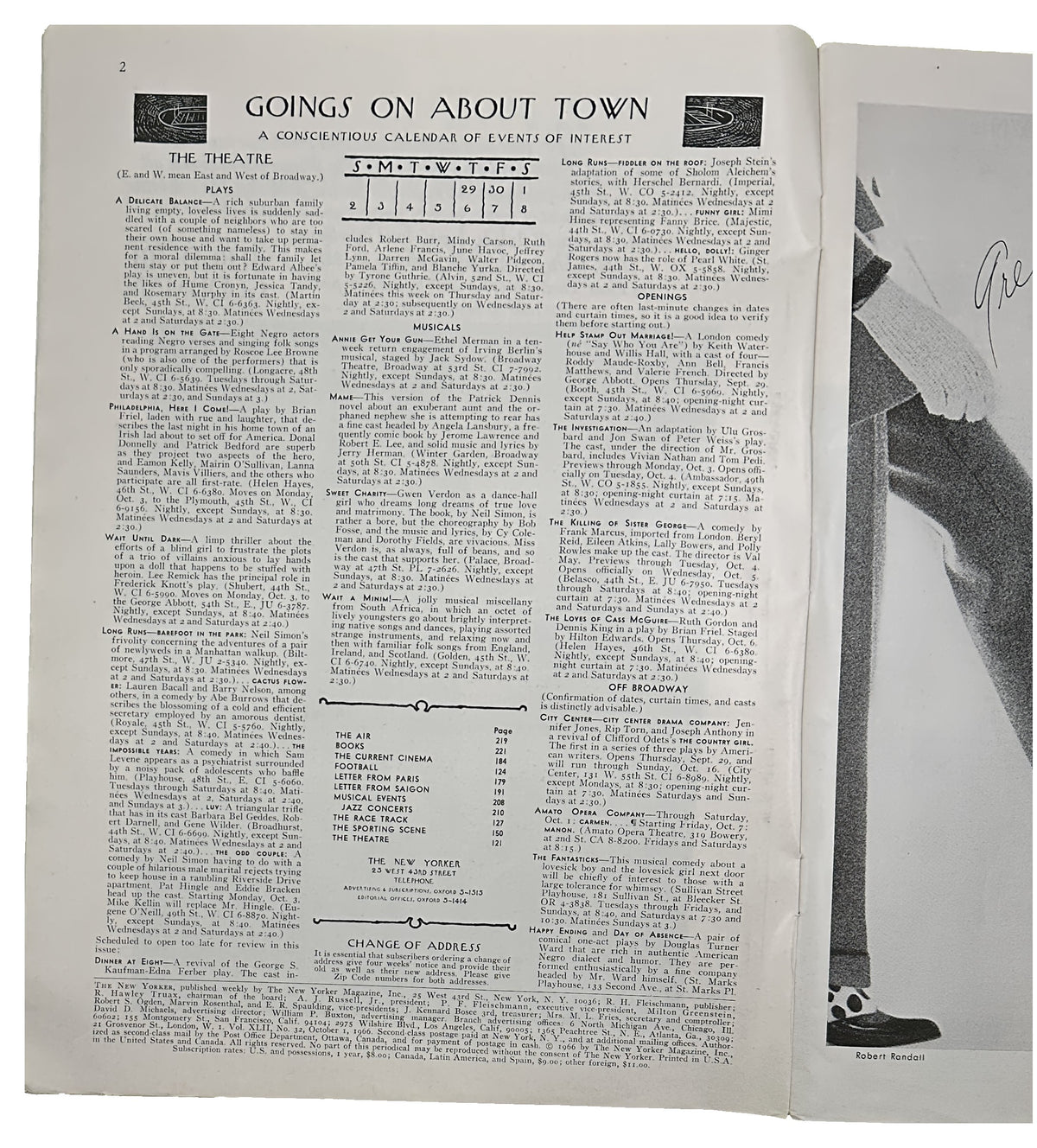
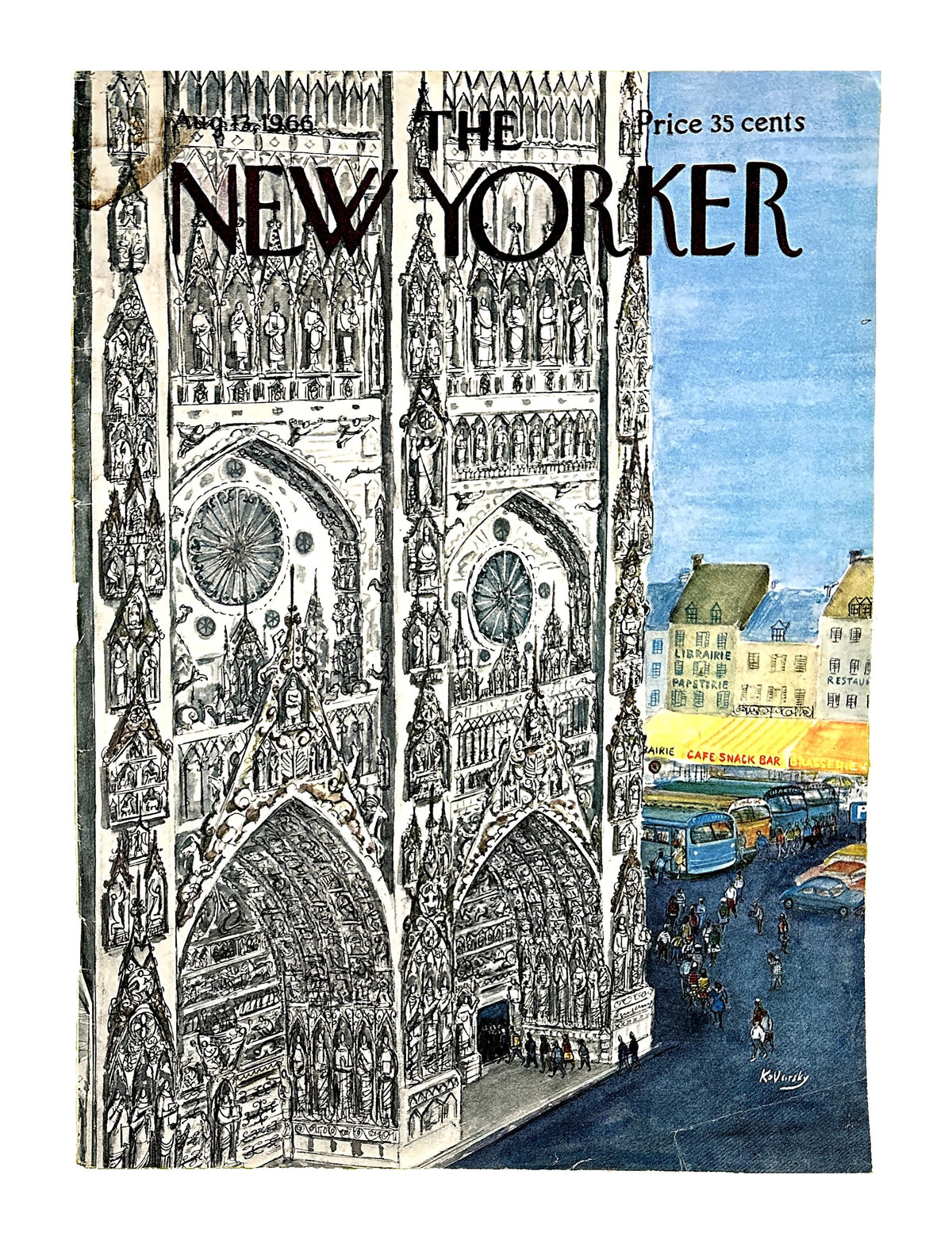
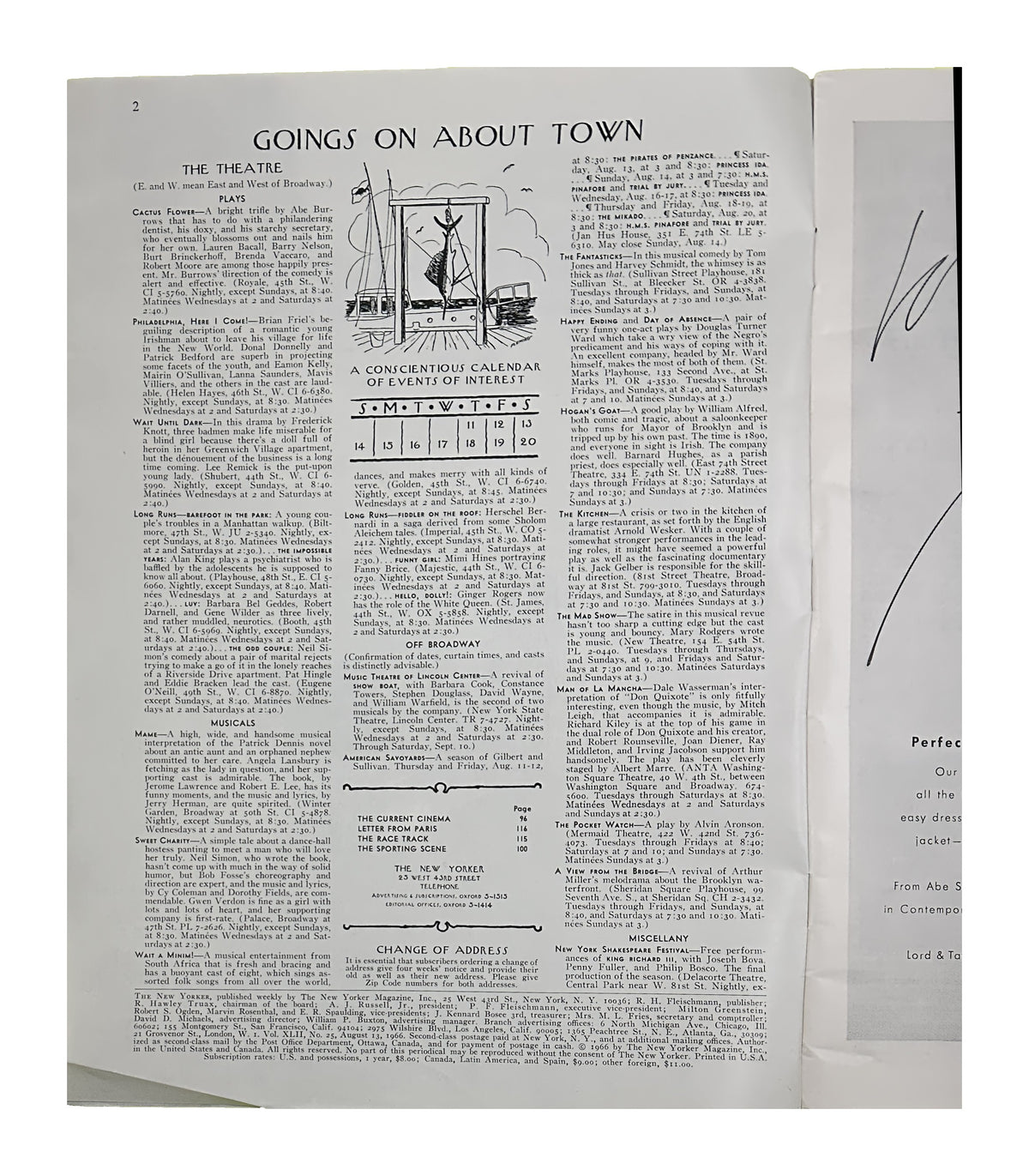
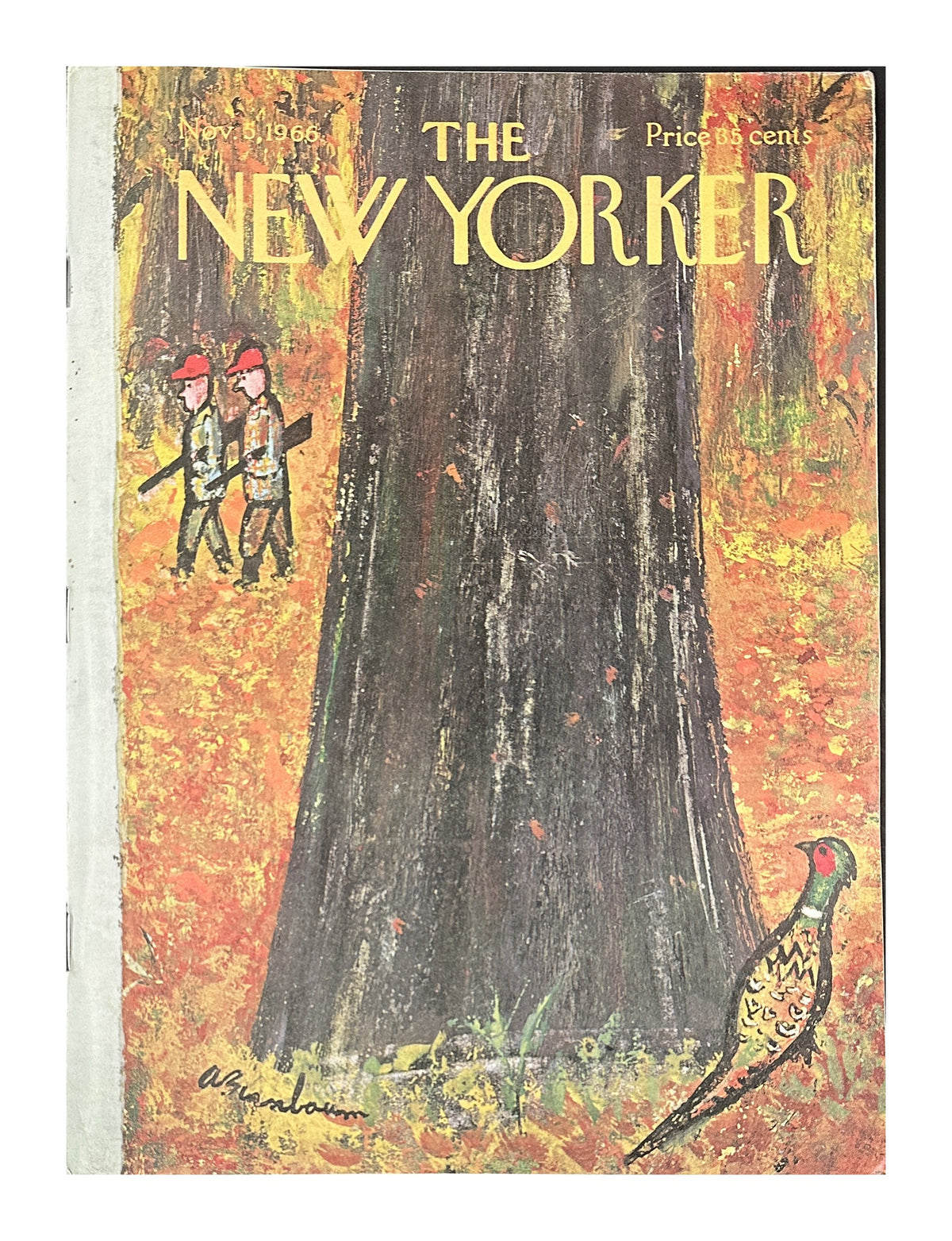
📖 About this Collection
1966: The Year America Questioned Everything
The world stood at a crossroads in 1966, caught between tradition and transformation. On June 13th, the Supreme Court's landmark Miranda v. Arizona decision fundamentally altered American justice, establishing that police must inform suspects of their rights to silence and counsel before interrogation—words that would echo through every arrest for decades to come. This ruling reflected a nation increasingly questioning authority and demanding accountability. Three months later, Gene Roddenberry's Star Trek premiered on NBC on September 8th, offering a utopian vision of humanity's future that stood in sharp contrast to earthbound tensions. Though it would last only three seasons, the series became a cultural phenomenon, imagining a universe where diversity and exploration triumphed over conflict. On October 15th, Huey Newton and Bobby Seale founded the Black Panther Party for Self-Defense in Oakland, California, directly challenging police brutality and systemic racism. This was the world your loved one entered in 1966—a year when Americans dared to reimagine justice, equality, and possibility itself.
Pop Culture & The American Experience
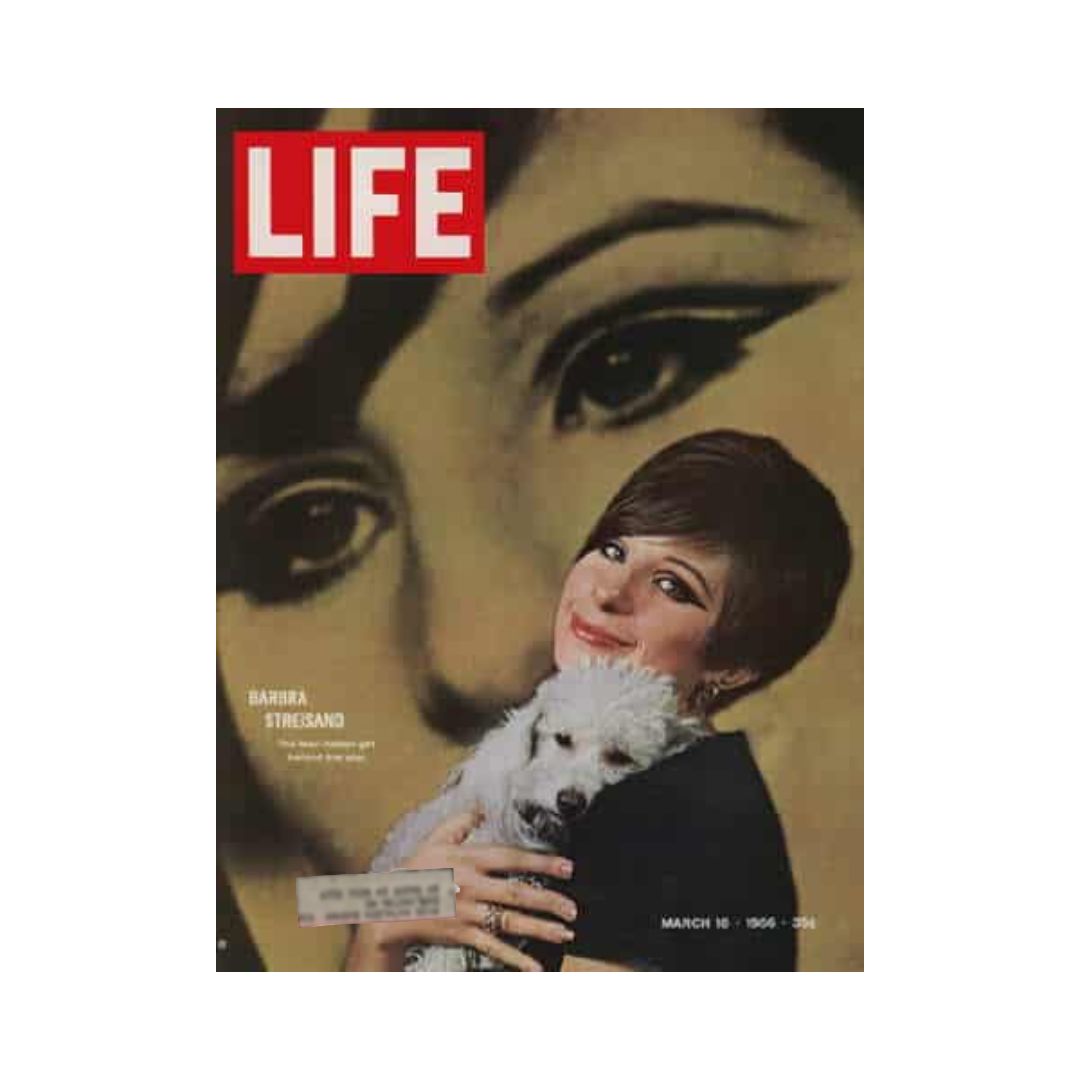
Entertainment in 1966 reflected the nation's restless energy and hunger for new frontiers. Star Trek's debut brought science fiction into American living rooms with unprecedented sophistication, its multi-racial crew and moral dilemmas appearing in original magazines from 1966 through enthusiastic TV Guide features and behind-the-scenes coverage in Life magazine. Sports reached a milestone on January 15th when the Green Bay Packers, led by legendary Coach Vince Lombardi, defeated the Kansas City Chiefs 35-10 in the first AFL-NFL World Championship Game—an event that would eventually be known as Super Bowl I. The game merged two rival leagues and launched what would become America's most-watched annual sporting event, with Sports Illustrated capturing the historic matchup in vivid photographic spreads. Vintage magazines from this year showcase the collision between establishment values and emerging counterculture, with advertisements still depicting idealized suburban life while articles grappled with civil rights, space exploration, and social upheaval. Fashion magazines like Vogue chronicled the rise of mod styles and youth culture, while news weeklies like Time and Newsweek devoted covers to the Vietnam War, the civil rights movement, and the Space Race.
Curator's Checklist: What to Look for in 1966 Magazines
-
Miranda Rights Coverage: News magazines like Time, Life, and Newsweek featuring front-page analysis of the Supreme Court decision, often illustrated with courtroom photography and legal breakdowns that shaped American criminal justice forever.
-
Star Trek's Television Revolution: Rare magazines including TV Guide premiere announcements and entertainment weeklies showcasing Gene Roddenberry's groundbreaking series, complete with cast photos of the Enterprise crew and sci-fi artwork that defined a generation.
-
Black Panther Party Emergence: Look magazine and news periodicals chronicling the founding of the Black Panther Party, featuring early photography of Huey Newton and Bobby Seale alongside articles examining police brutality and activism in American cities.
-
Super Bowl I Historic Coverage: Sports Illustrated and general interest magazines capturing the first AFL-NFL Championship Game, with action photography of Vince Lombardi's Packers and advertisements reflecting the optimistic consumer culture of mid-sixties America.
-
Cultural Crossroads: Harper's Bazaar, Esquire, and Saturday Evening Post documenting 1966's unique moment when space-age optimism, mod fashion, civil rights consciousness, and Vietnam-era anxiety coexisted in genuine advertisements and editorial spreads.
The Perfect Gift
For someone born in 1966, an original magazine from this transformative year isn't just a nostalgic keepsake—it's an authentic time capsule from the moment America began questioning its assumptions, preserved in the headlines, advertisements, and photography that defined the era.