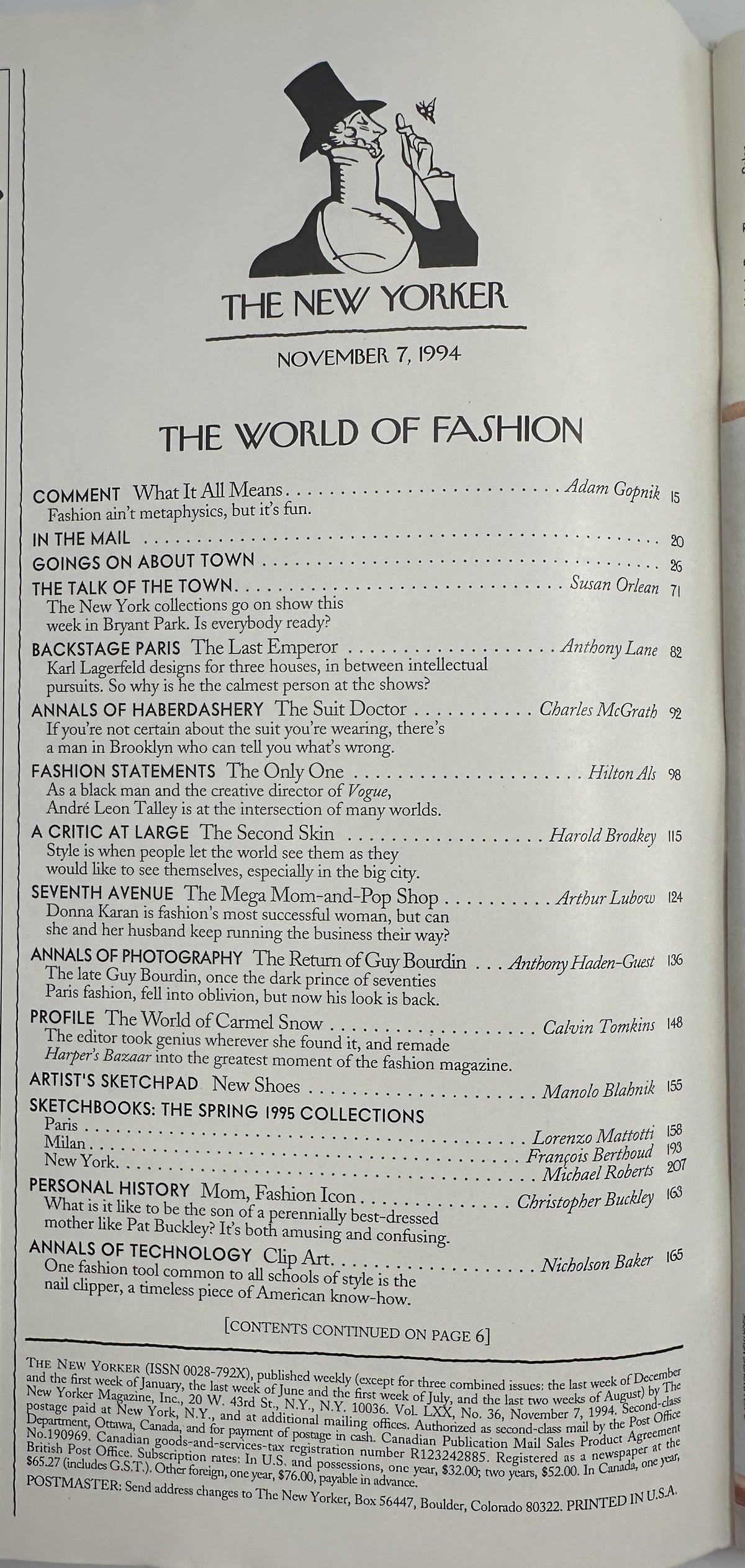
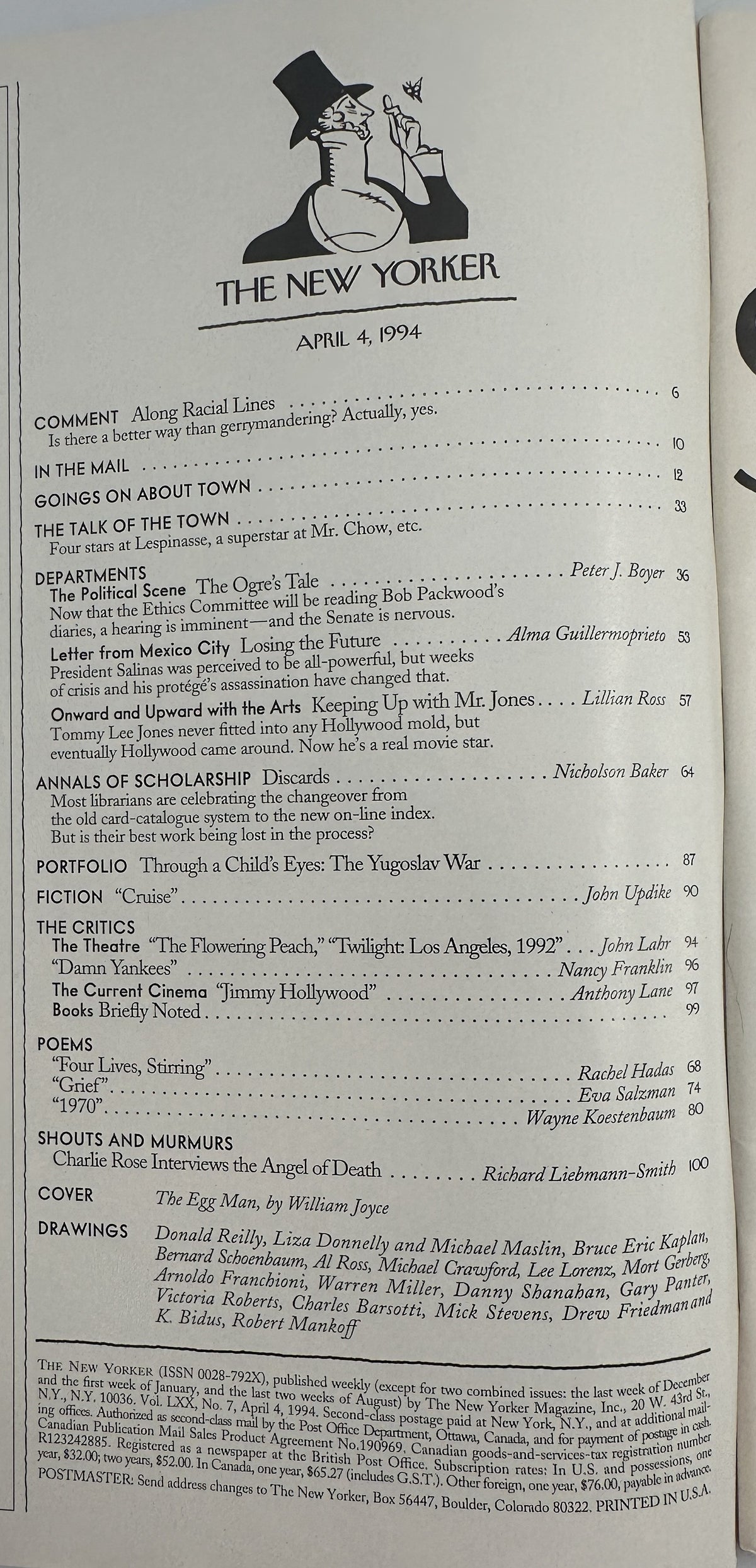
📖 About this Collection
1994: The Year Pop Culture Collided with Reality
The world of 1994 crackled with a strange energy—the optimism of the early Internet age shadowed by tragedy and spectacle that blurred the line between news and entertainment. In April, the suicide of Nirvana's Kurt Cobain sent shockwaves through a generation that had claimed grunge as its anthem, his death at 27 cementing his status as the reluctant voice of disaffected youth. Two months later, 95 million Americans abandoned the NBA Finals to watch O.J. Simpson's surreal white Bronco chase wind through Los Angeles freeways, a watershed moment when live television transformed criminal proceedings into national theater. Newsweek, Time, and Life magazines dedicated cover after cover to these seismic events, their pages preserving the raw disbelief of a culture trying to process fame, violence, and media saturation all at once. This was the world your loved one experienced in 1994—a year when the personal and the public collided on magazine stands across America.
Pop Culture Captured in Print
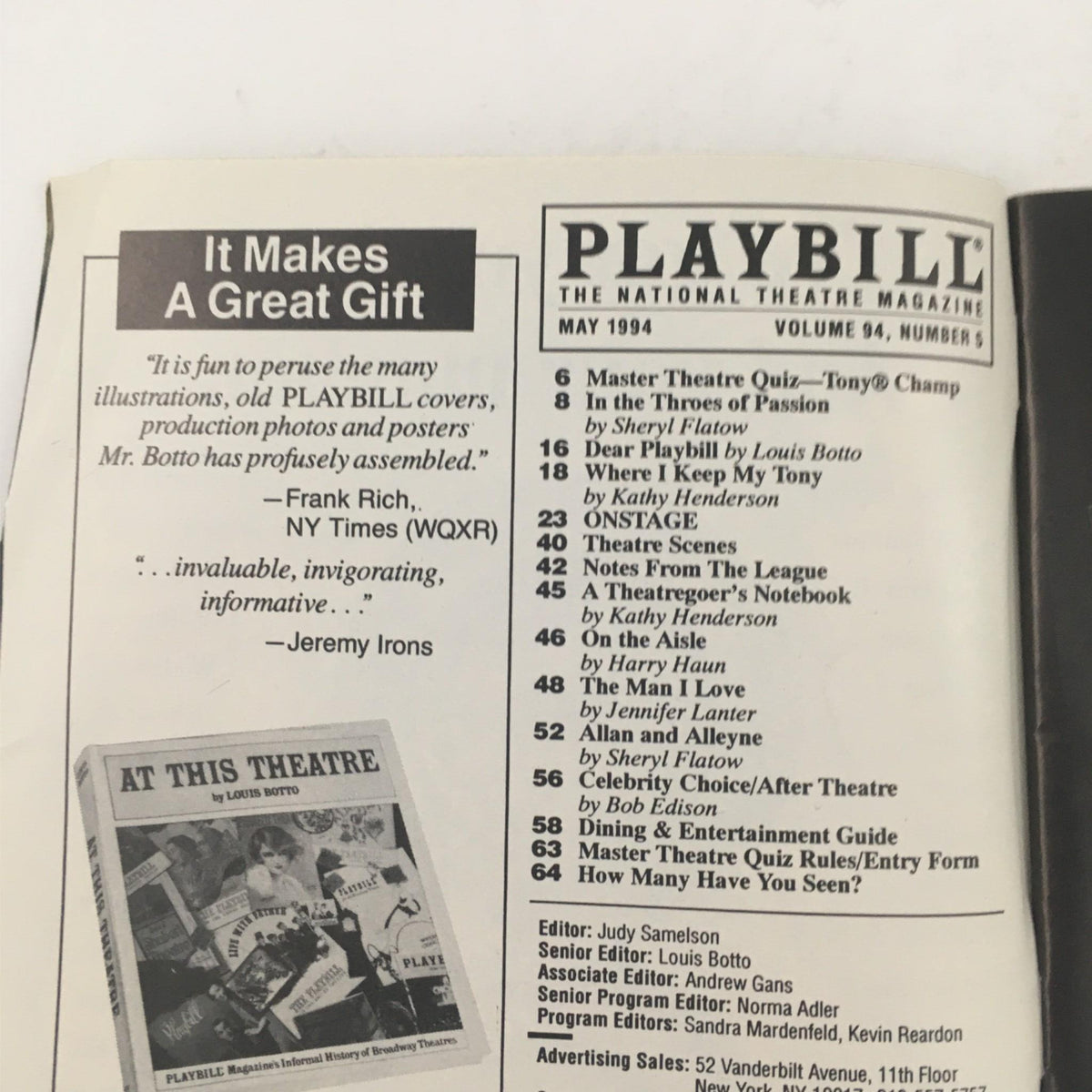
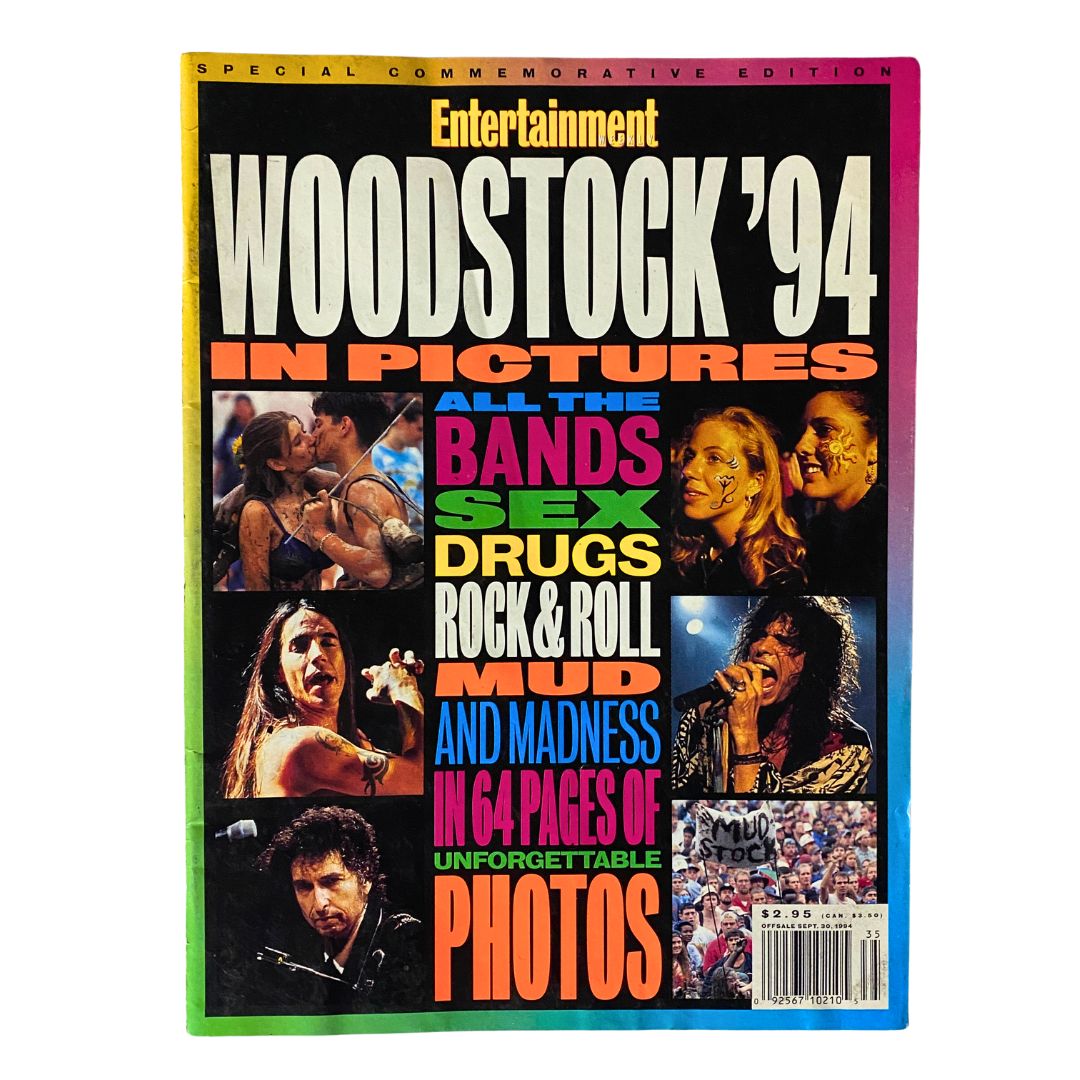
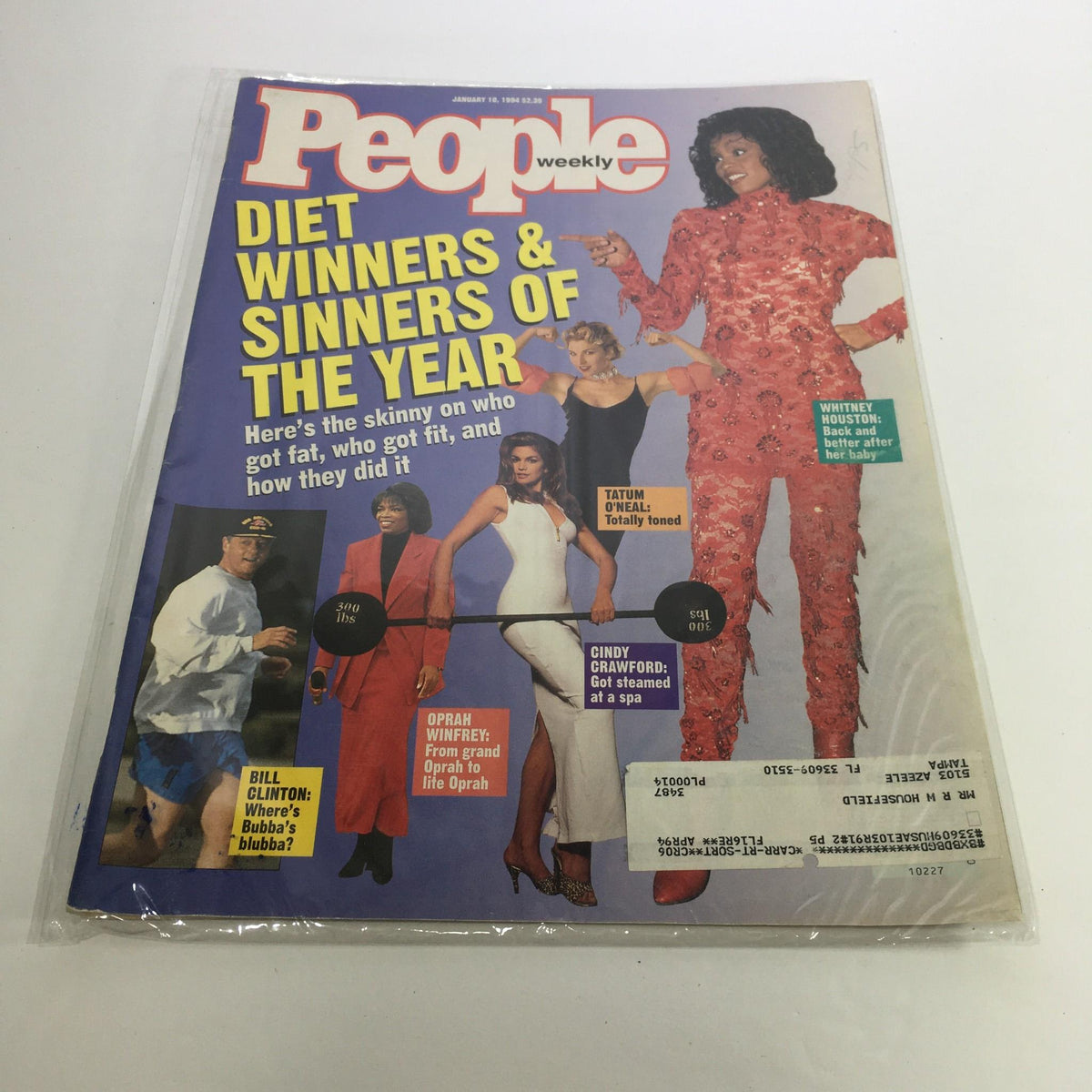
While news magazines chronicled tragedy and scandal, the lifestyle pages of 1994 told a different story. NBC's Friends debuted in September, introducing six coffee-house dwelling New Yorkers whose influence would dominate fashion (the "Rachel" haircut became a salon phenomenon), language, and water-cooler conversation for the next decade. TV Guide and Entertainment Weekly filled their pages with the cast's fresh faces and behind-the-scenes features. In a suburban Washington garage, Jeff Bezos quietly founded Amazon.com in July—an online bookstore that warranted only brief mentions in business magazines like Fortune, though original magazines from 1994 now capture the quaint innocence of early dot-com dreams before anyone imagined global retail domination. Variety chronicled Hollywood's biggest releases while Sports Illustrated covered championship moments, all preserved in genuine advertisements for flannel shirts, dial-up Internet services, and boxy Pentium computers that defined mid-90s consumer culture.
Curator's Checklist: What to Look for in 1994 Vintage Magazines
-
Kurt Cobain's Death: Music magazines like Rolling Stone and mainstream news weeklies featuring memorial coverage, often with iconic photographs of the Seattle grunge scene and retrospectives on Nirvana's meteoric rise from underground obscurity to generational spokesmen.
-
The O.J. Simpson Case: Time, Newsweek, and Life showcasing the infamous Bronco chase photographs, early courtroom sketches, and the media frenzy that transformed celebrity trials into reality television, complete with sidebar analyses of fame and justice.
-
Must See TV's Golden Age: TV Guide and entertainment publications chronicling Friends' debut alongside the broader NBC Thursday night lineup, illustrated with cast photos, set designs, and advertisements for the VCRs needed to record these cultural touchstones.
-
Early Internet Commerce: Business magazines and tech publications like Wired featuring early profiles of Amazon and the nascent online retail movement, often with primitive website screenshots and breathless predictions about the "information superhighway."
-
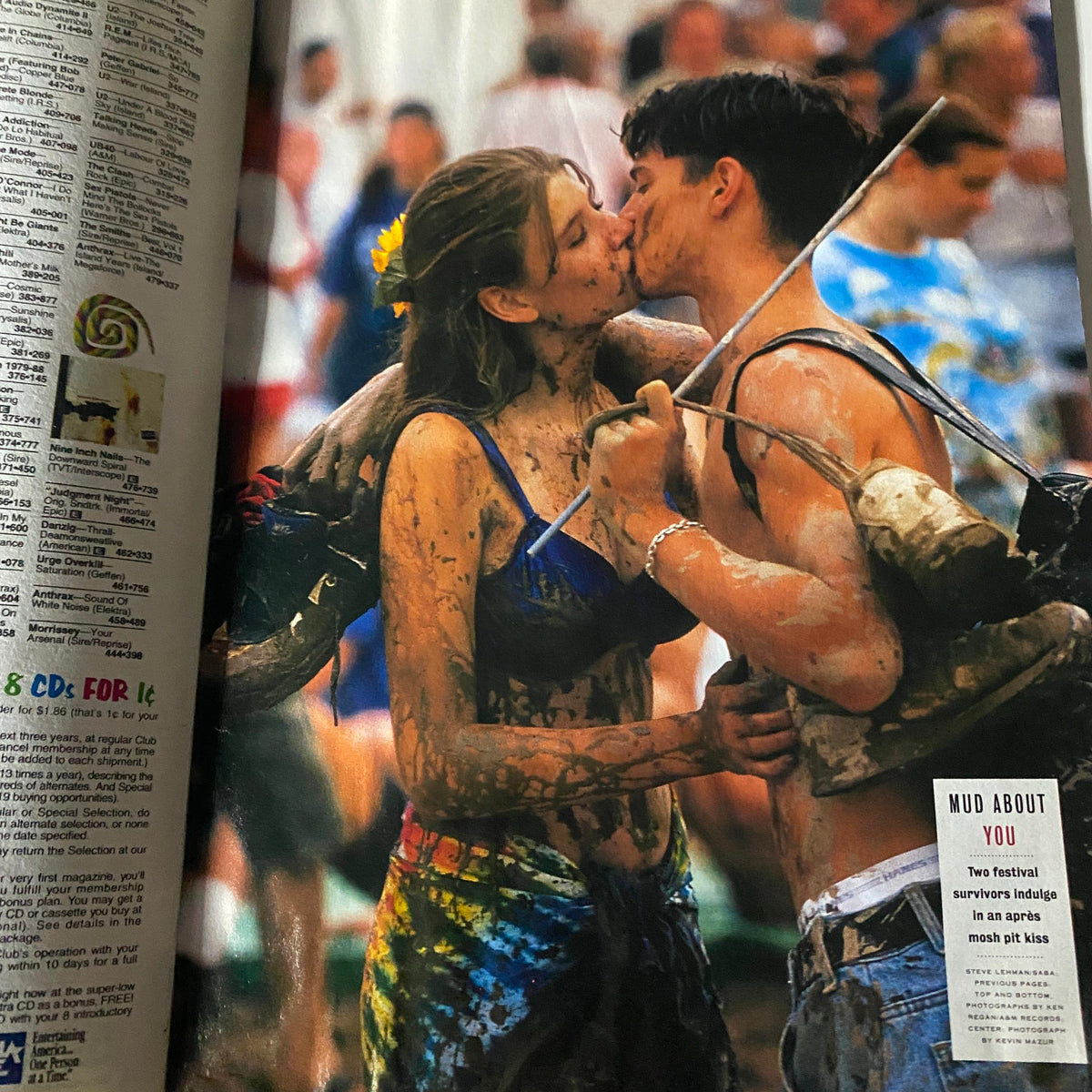
Mid-90s Advertising: Rare magazines from this transitional year showcasing authentic ads for grunge fashion alongside preppy revival, bulky electronics, and the optimistic consumer products of pre-smartphone America—from pagers to CD-ROM drives.
The Perfect Gift
For someone born in 1994, an original magazine from this turbulent year isn't just a nostalgic keepsake—it's authenticated proof of the exact moment when Generation X came of age and the digital future began, preserved in genuine newsprint, photography, and advertisements that no reproduction can replicate.