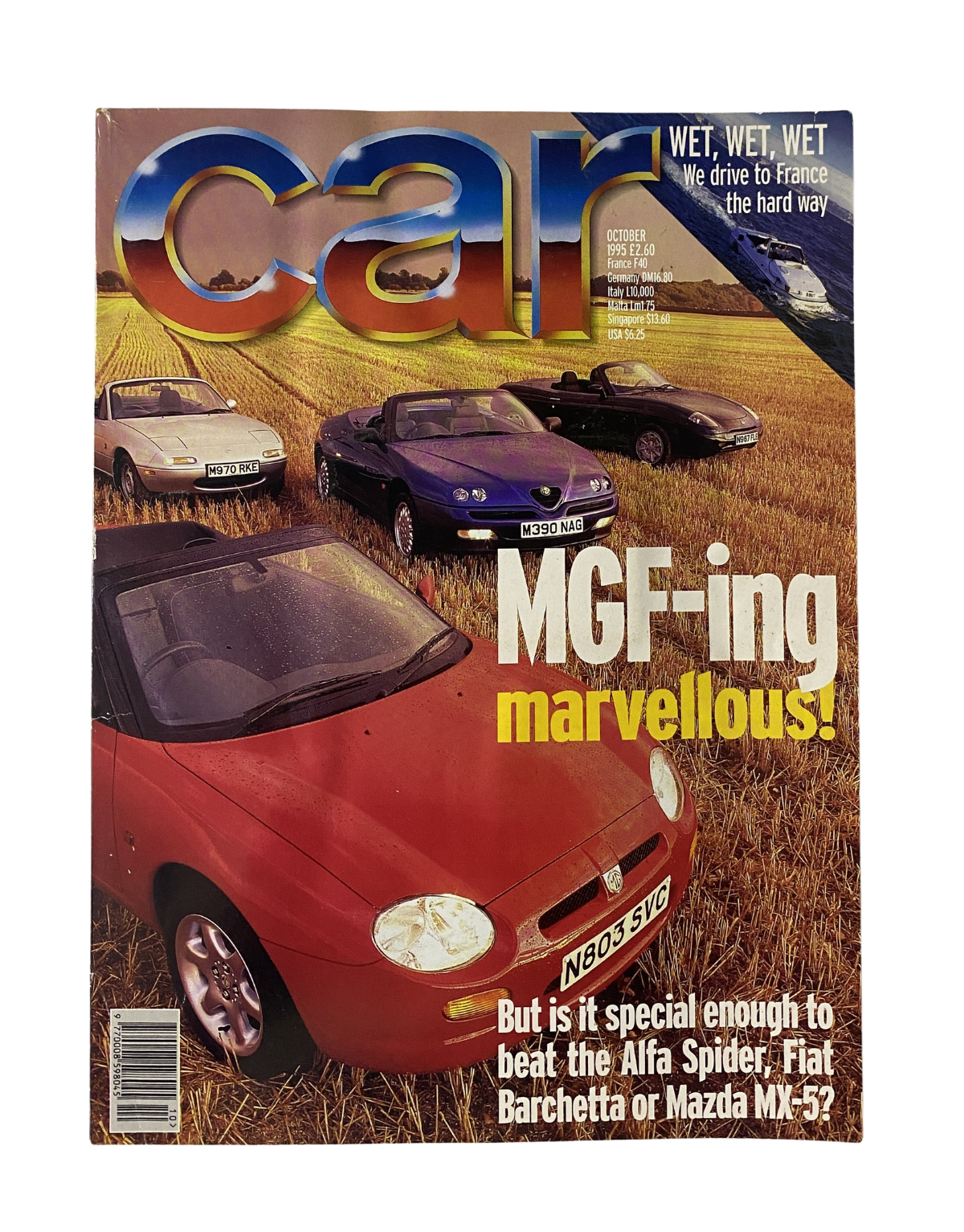
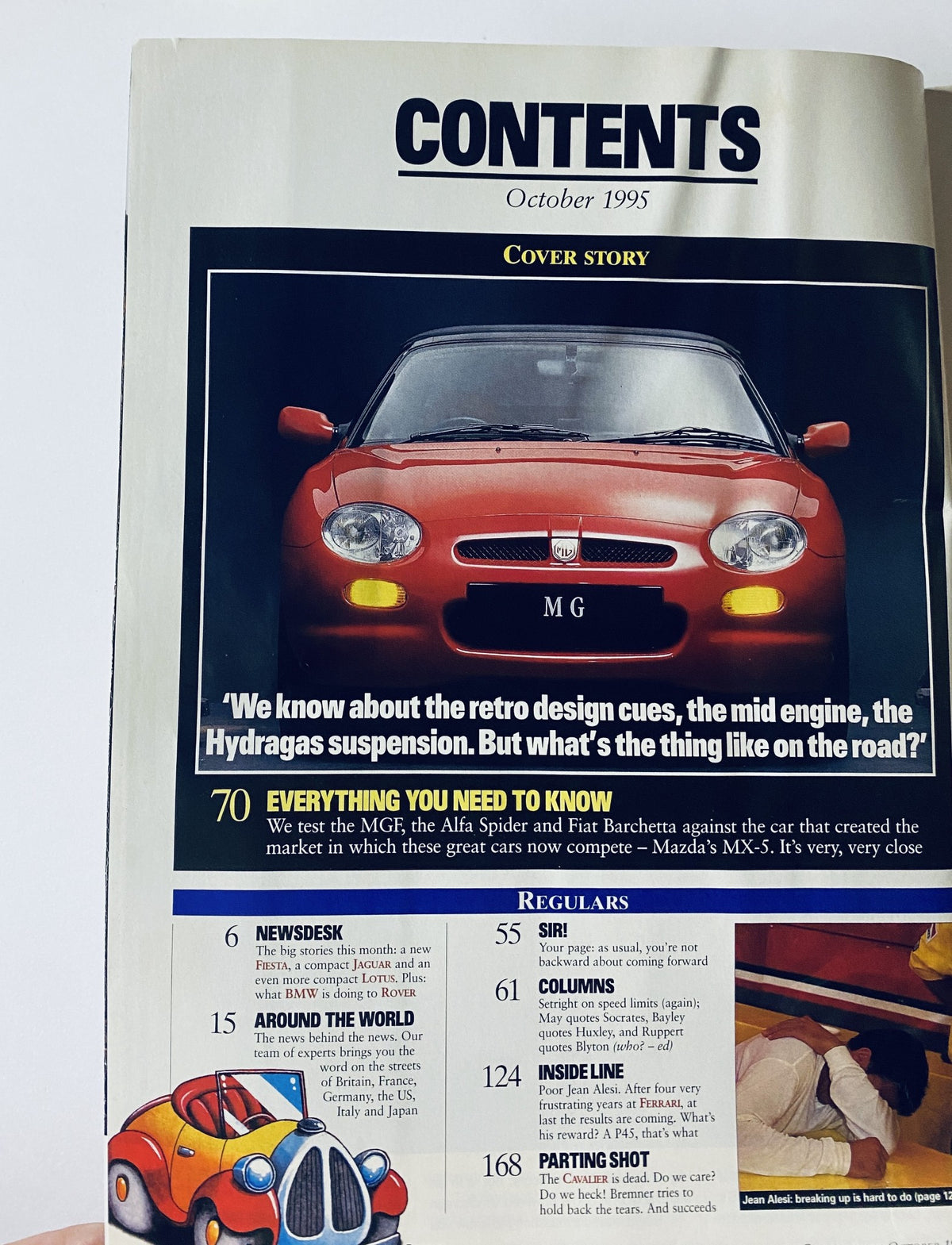
📖 About this Collection
1995: The Year America Watched
Nineteen ninety-five was a year when the entire nation gathered around televisions, watching history unfold in real time. The Oklahoma City bombing on April 19th shattered America's sense of domestic security when Timothy McVeigh detonated a truck bomb outside the Alfred P. Murrah Federal Building, killing 168 people in the deadliest act of domestic terrorism the country had ever witnessed. Months later, on October 3rd, an estimated 150 million Americans watched as O.J. Simpson was acquitted in the "Trial of the Century," a verdict that polarized the nation along racial lines and dominated magazine covers for months. Between these traumatic bookends, the seeds of the digital future were quietly planted: Pierre Omidyar launched "AuctionWeb" from his San Jose home in September—a modest online auction site that would become eBay, beginning with the sale of a broken laser pointer for $14.83. This was the world your loved one entered in 1995, a year suspended between analog certainty and digital possibility.
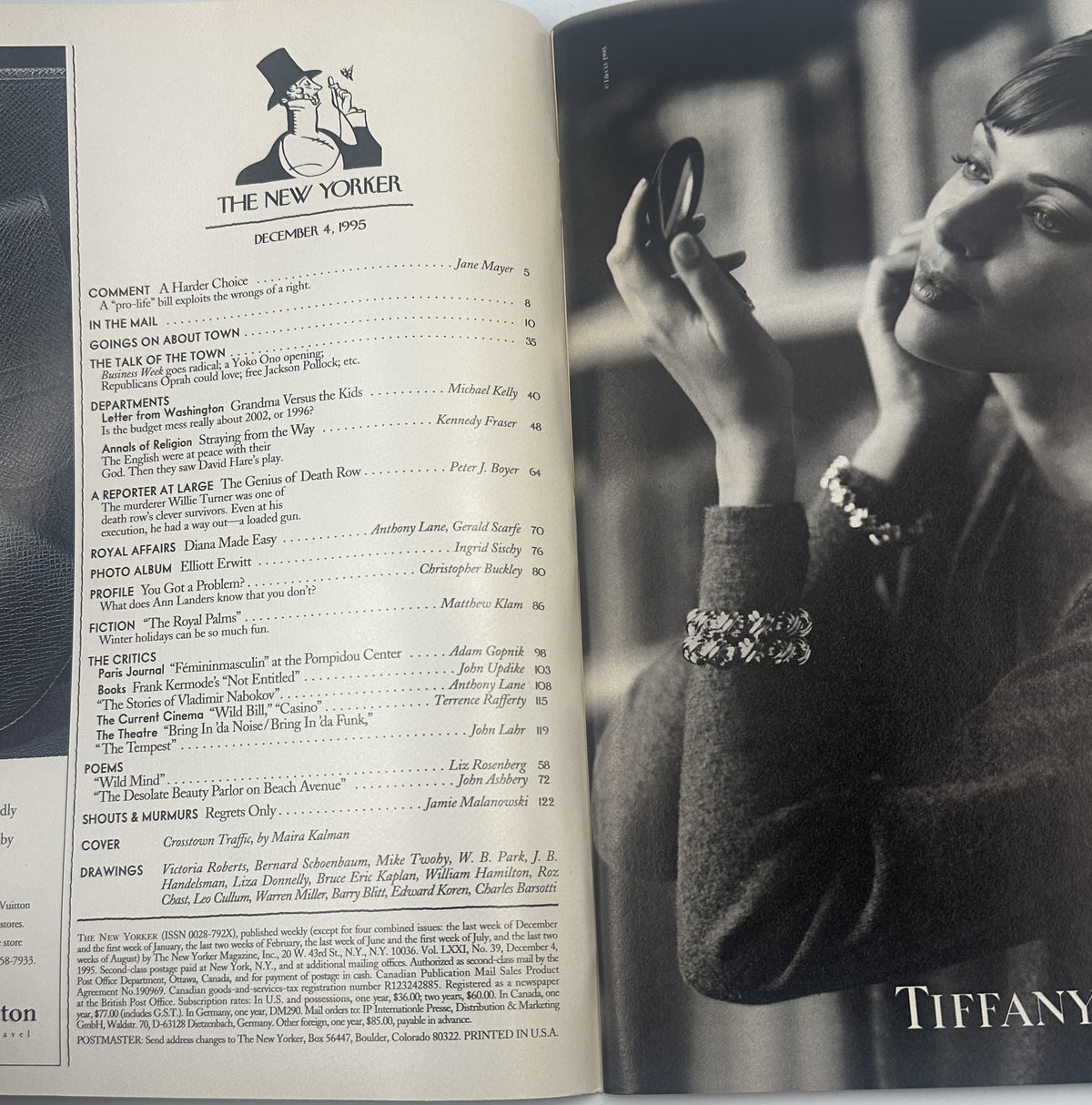
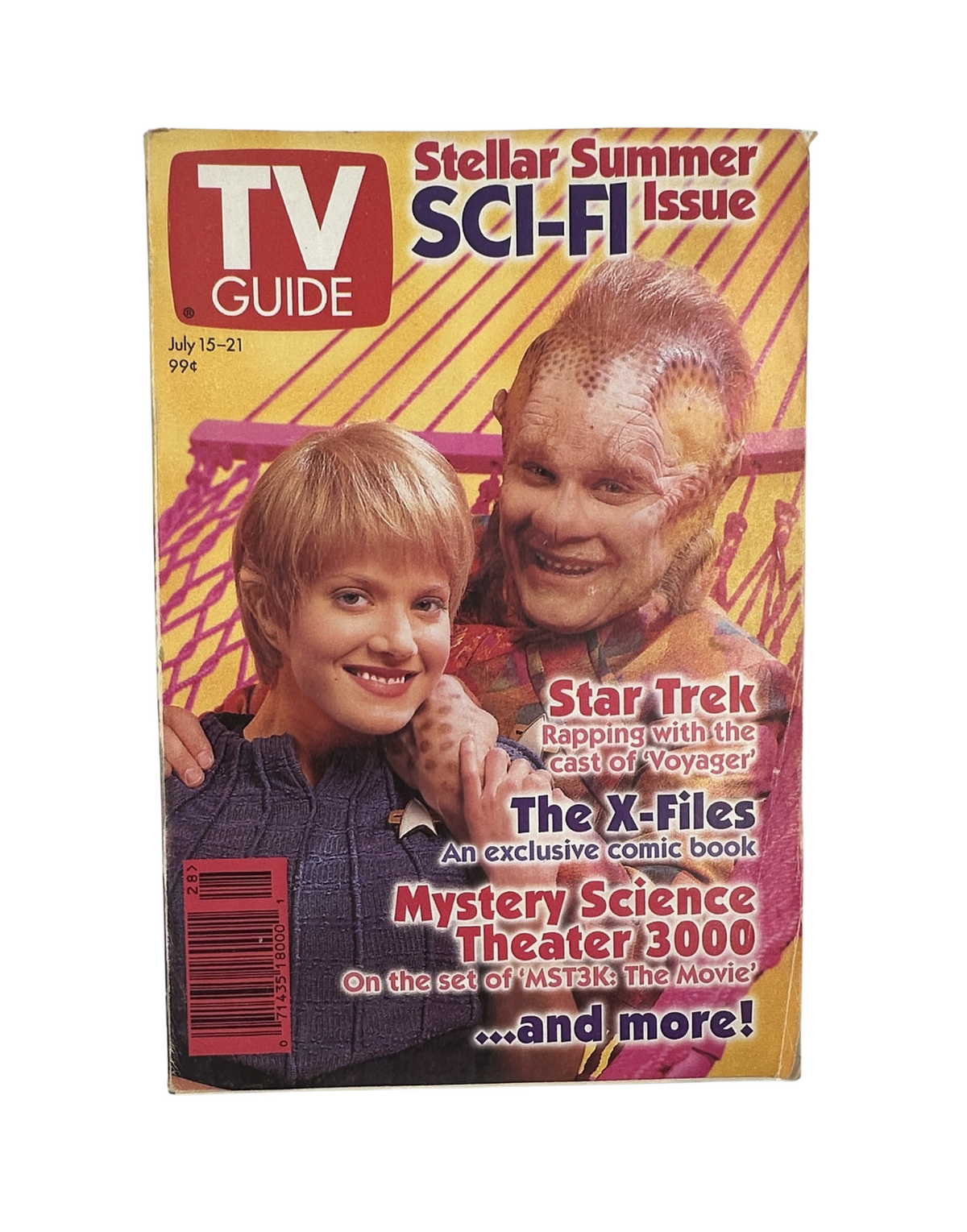
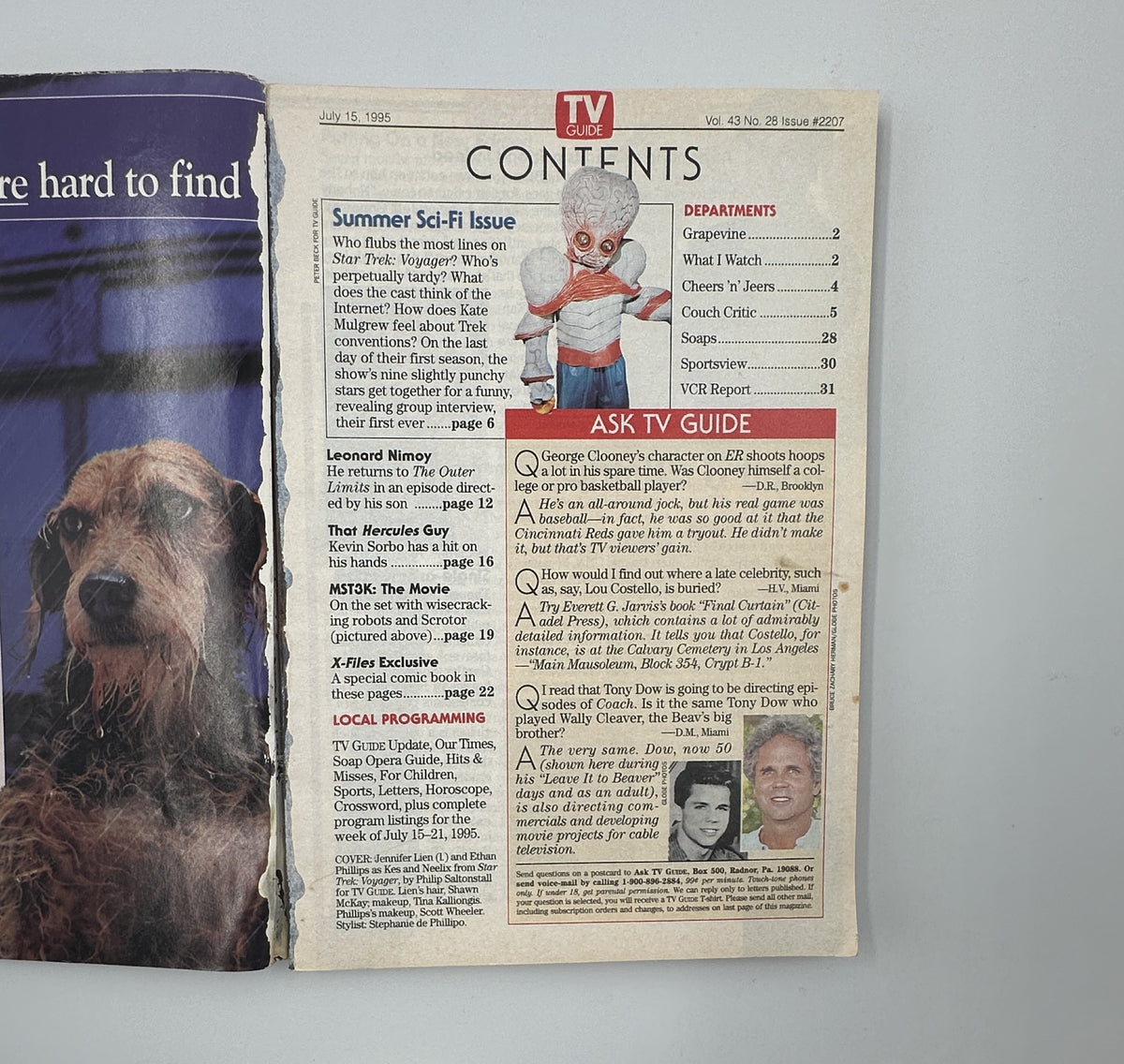
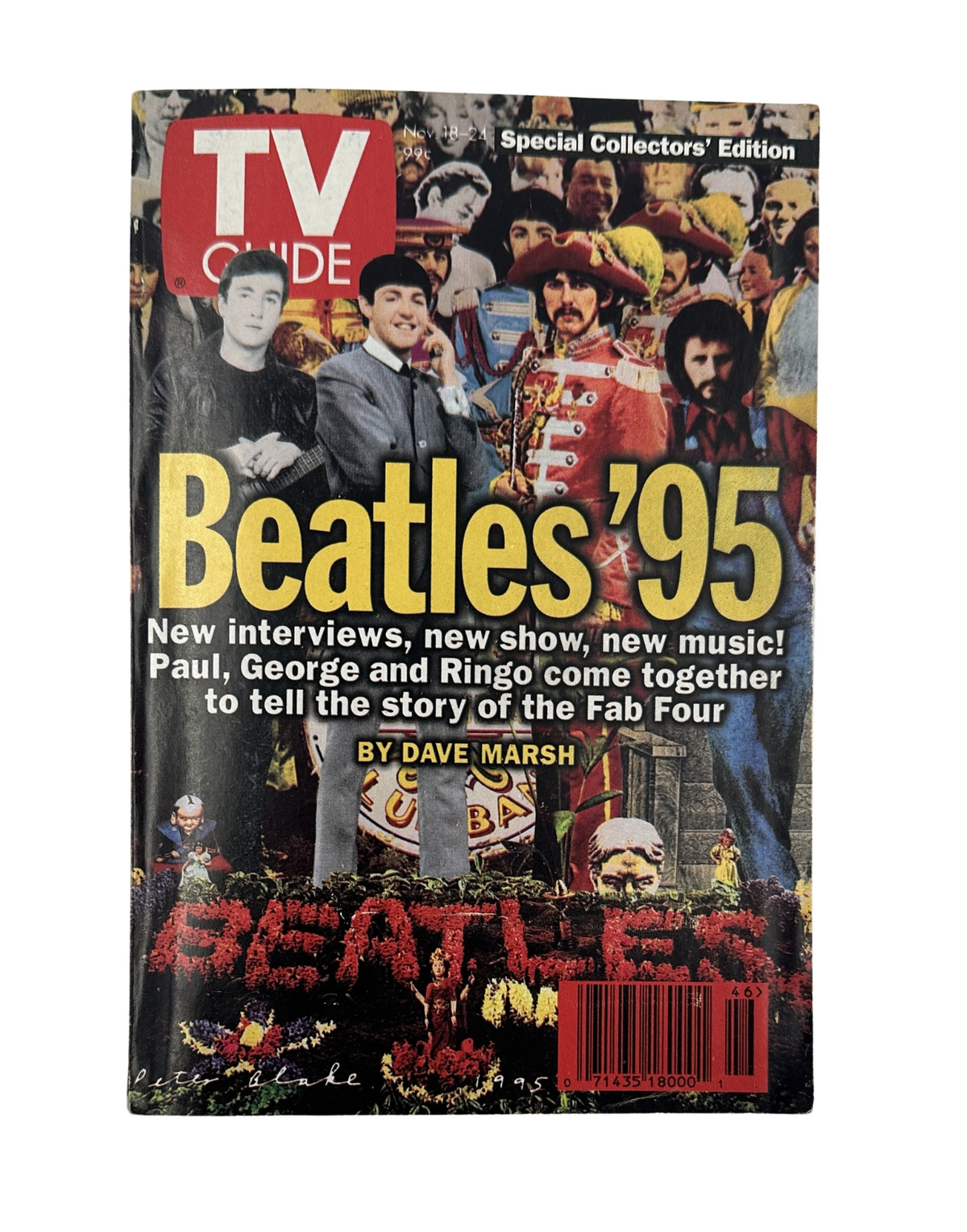
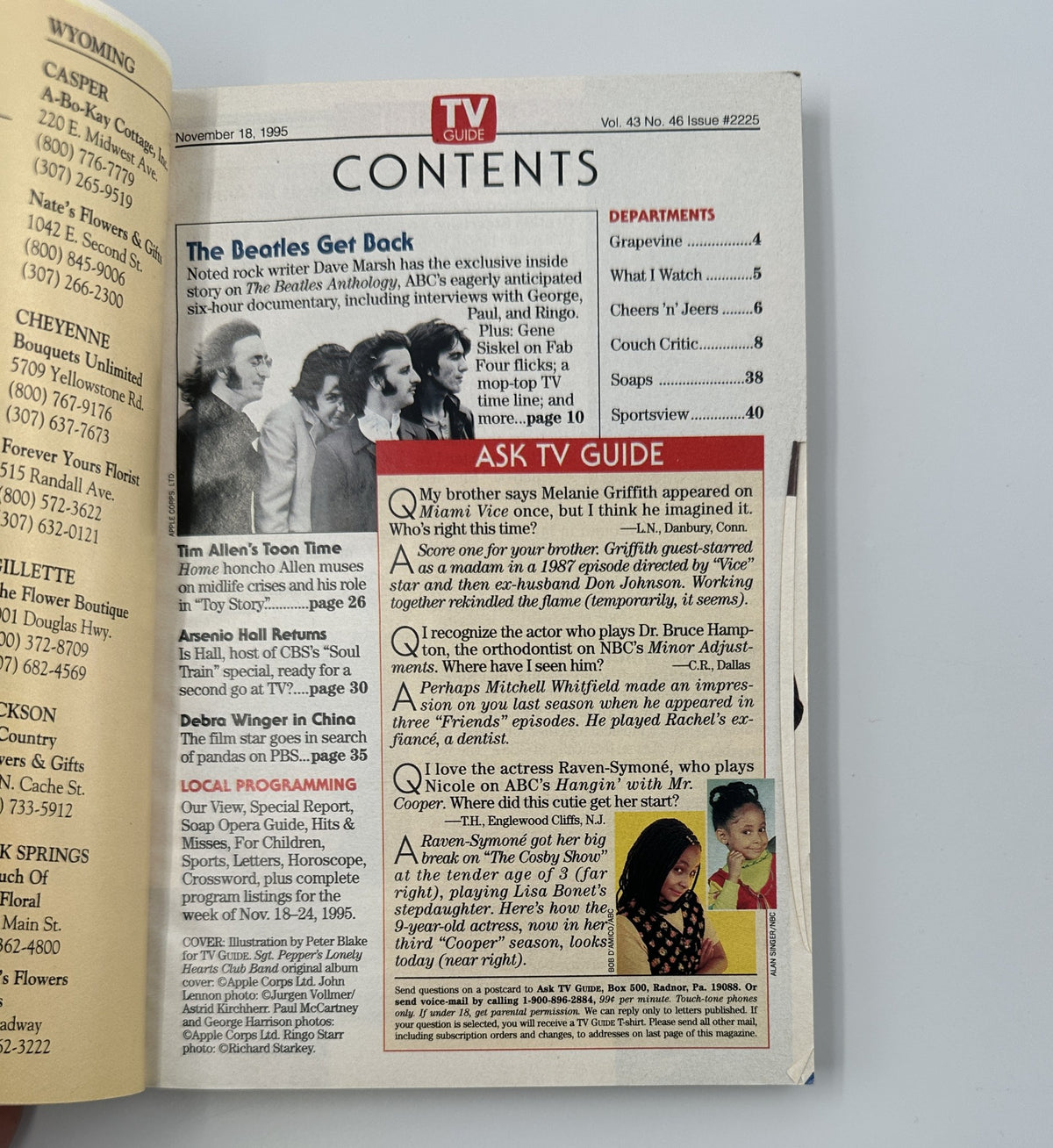
The cultural landscape of 1995 reflected this tension between old and new. Pixar's Toy Story premiered on November 22nd, the first feature-length computer-animated film that would revolutionize the animation industry and prove that technology could create magic. Television coverage of the Simpson trial became a cultural phenomenon unto itself, with Court TV and CNN transforming legal proceedings into daily entertainment. Magazine racks groaned under the weight of special editions—Time, Newsweek, and Life all published extensive coverage of both the Oklahoma City tragedy and the Simpson verdict, their pages filled with the haunting photographs and courtroom sketches that defined the year. Original magazines from 1995 preserve theAdvertised emergence of early internet culture alongside traditional luxury goods, capturing a transitional moment when dial-up modems and CD-ROMs represented cutting-edge technology. Fashion magazines like Vogue showcased the minimalist aesthetic dominating runways, while news weeklies chronicled a nation grappling with violence, justice, and identity.
What You'll Discover in Vintage Magazines from 1995
-
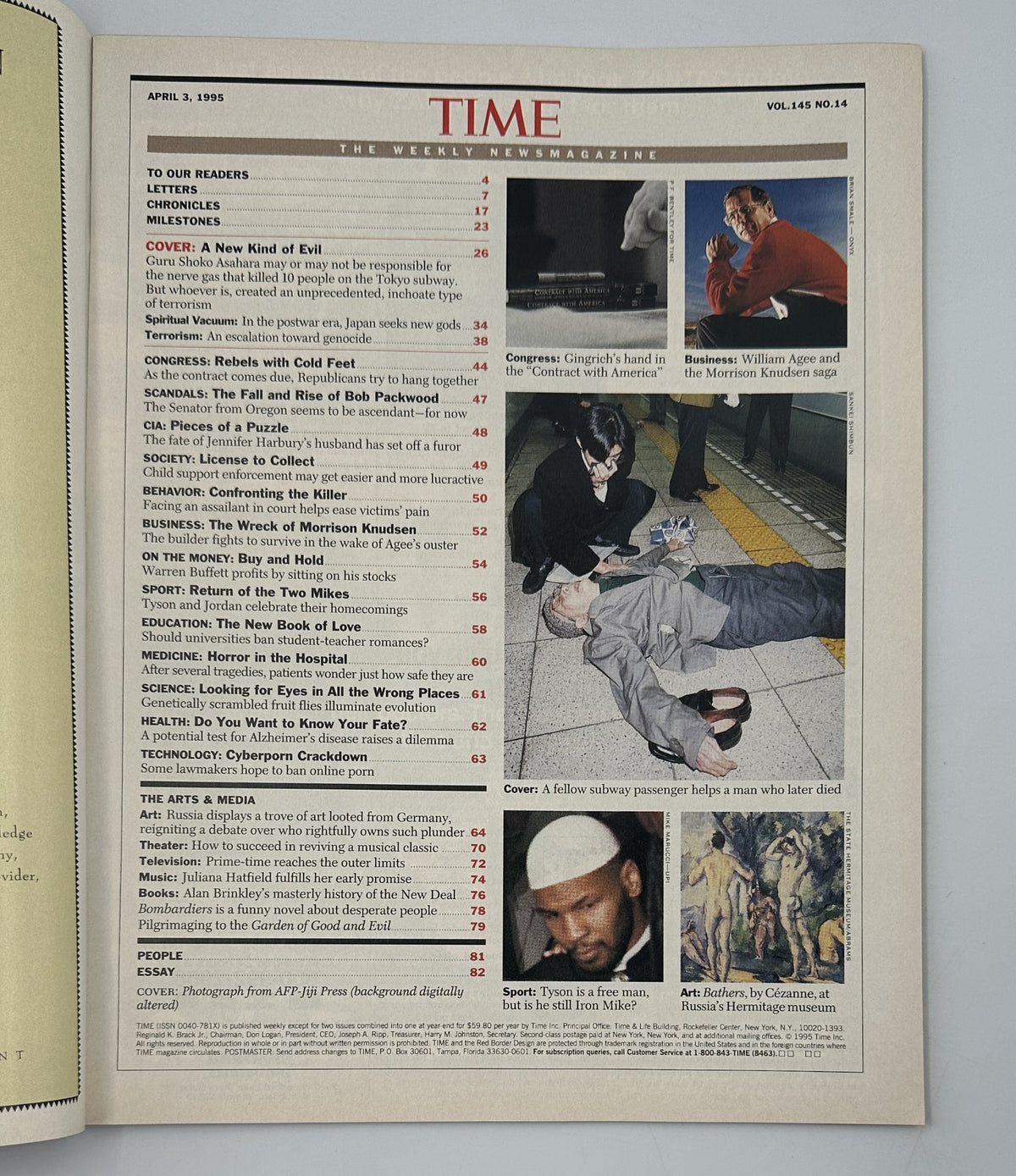
Oklahoma City Bombing Coverage: News magazines like Time, Newsweek, and U.S. News & World Report featuring comprehensive photo essays of the devastated Murrah Building, profiles of victims, and investigative reporting on domestic terrorism, often with exclusive interviews and memorial tributes filling entire issues.
-
The Simpson Trial: Rare magazines including People, Newsweek, and TV Guide chronicling every phase of the "Trial of the Century," showcasing courtroom illustrations, legal analysis, and the cultural divide the verdict exposed, with covers featuring Johnnie Cochran's closing arguments and the infamous "if it doesn't fit, you must acquit" moment.
-
Digital Revolution Beginnings: Technology and business publications like Wired, Forbes, and Fortune documenting the nascent internet economy, featuring early e-commerce pioneers and the primitive web browsers that were reshaping commerce, preserved alongside advertisements for dial-up internet services and early personal computers.
-
Toy Story's Animation Breakthrough: Entertainment magazines such as Variety, Premiere, and Entertainment Weekly celebrating Pixar's groundbreaking achievement with behind-the-scenes features on John Lasseter's direction, technical breakdowns of computer animation, and interviews exploring how technology was transforming storytelling.
-
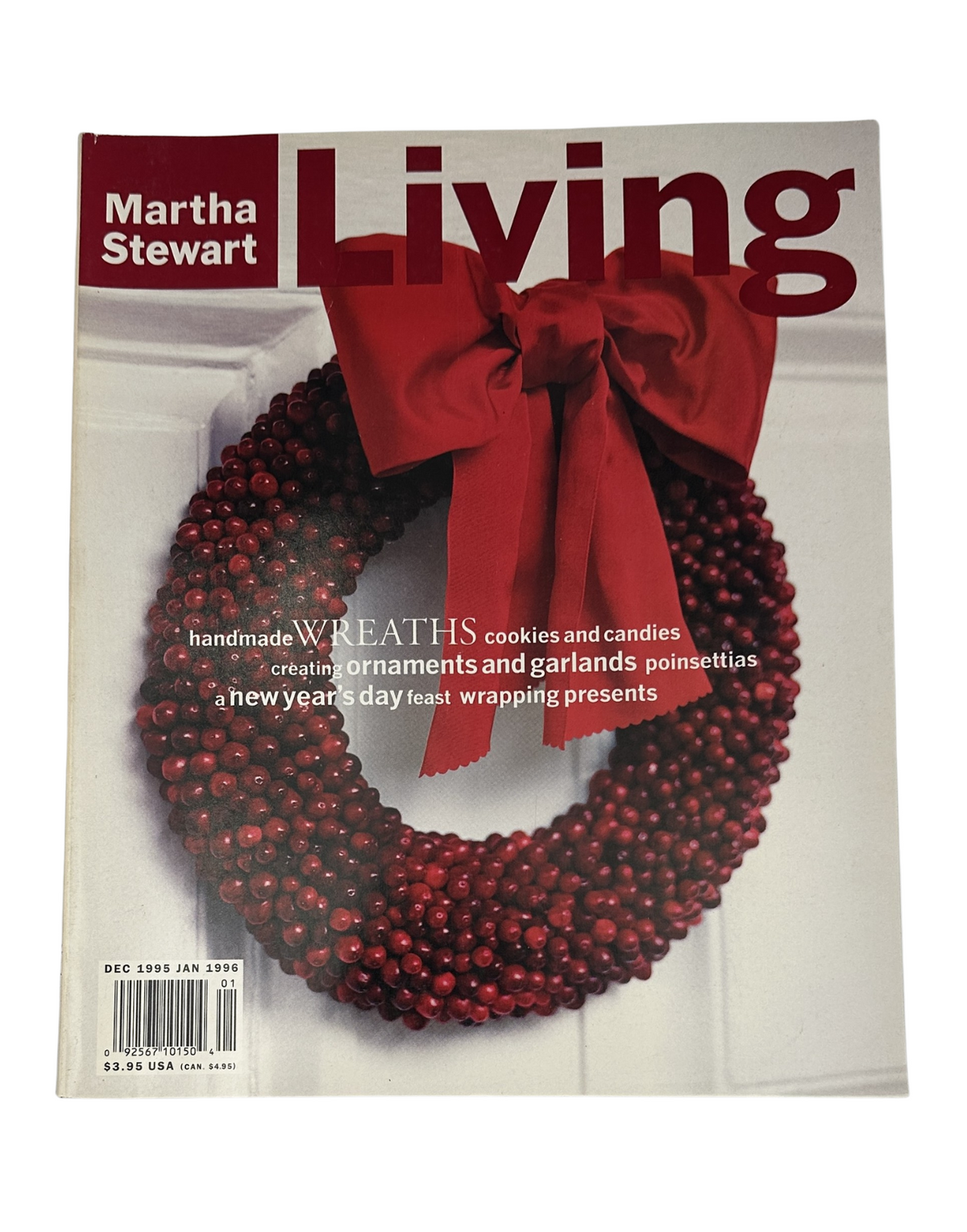
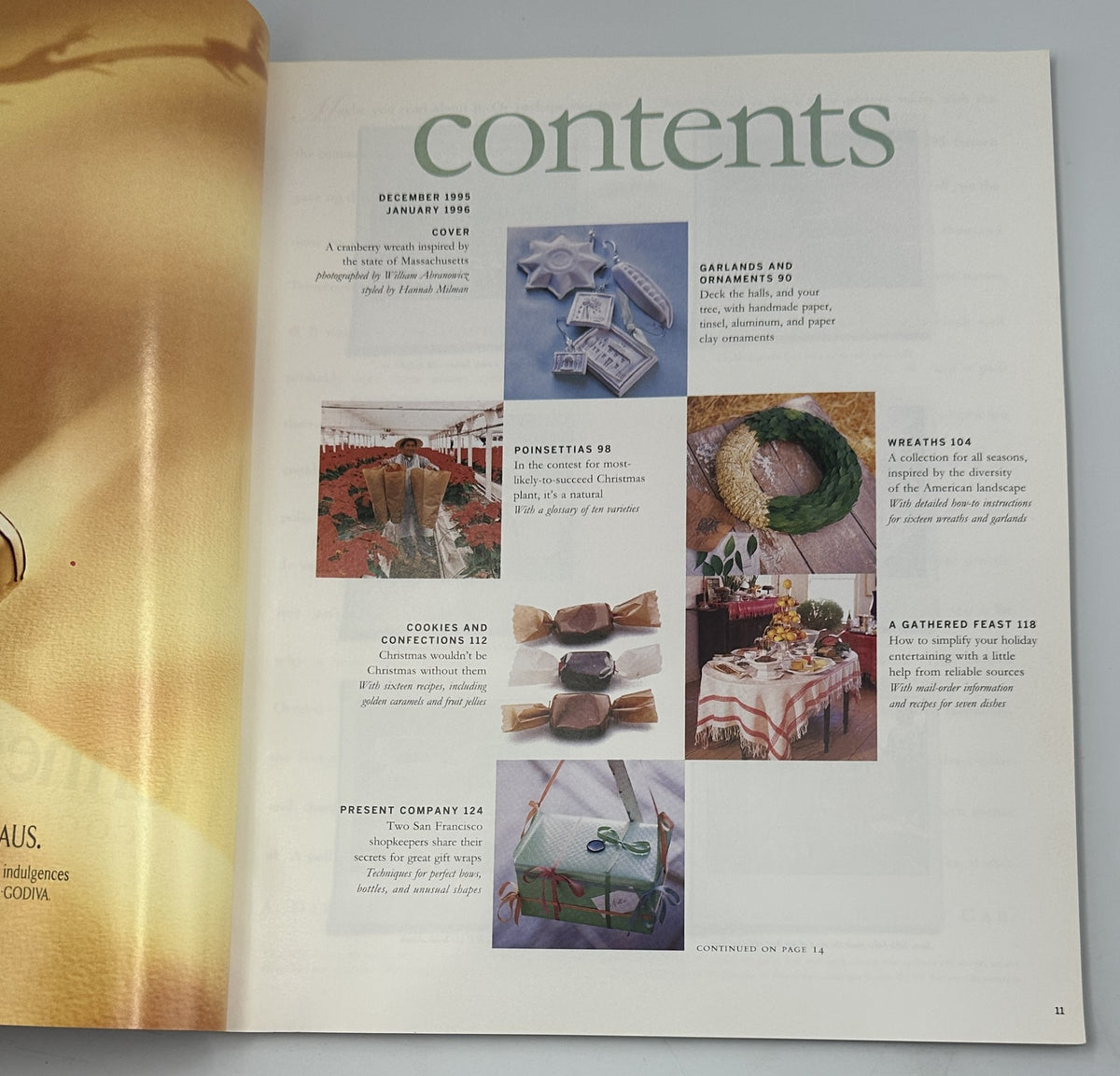
Mid-90s Fashion & Lifestyle: Harper's Bazaar, Vogue, and Mademoiselle showcasing the minimalist grunge-influenced aesthetic, Calvin Klein's clean lines, and the authentic advertisements for products from Motorola pagers to Gateway computers that illustrate how Americans actually lived during this pivotal transitional year.
The Perfect Gift
For someone born in 1995, an original magazine from this watershed year isn't just a nostalgic artifact—it's a genuine time capsule of the moment when America confronted domestic terror, grappled with justice and race, and unknowingly stepped into the digital age, preserved in authentic newsprint, photography, and advertisements.