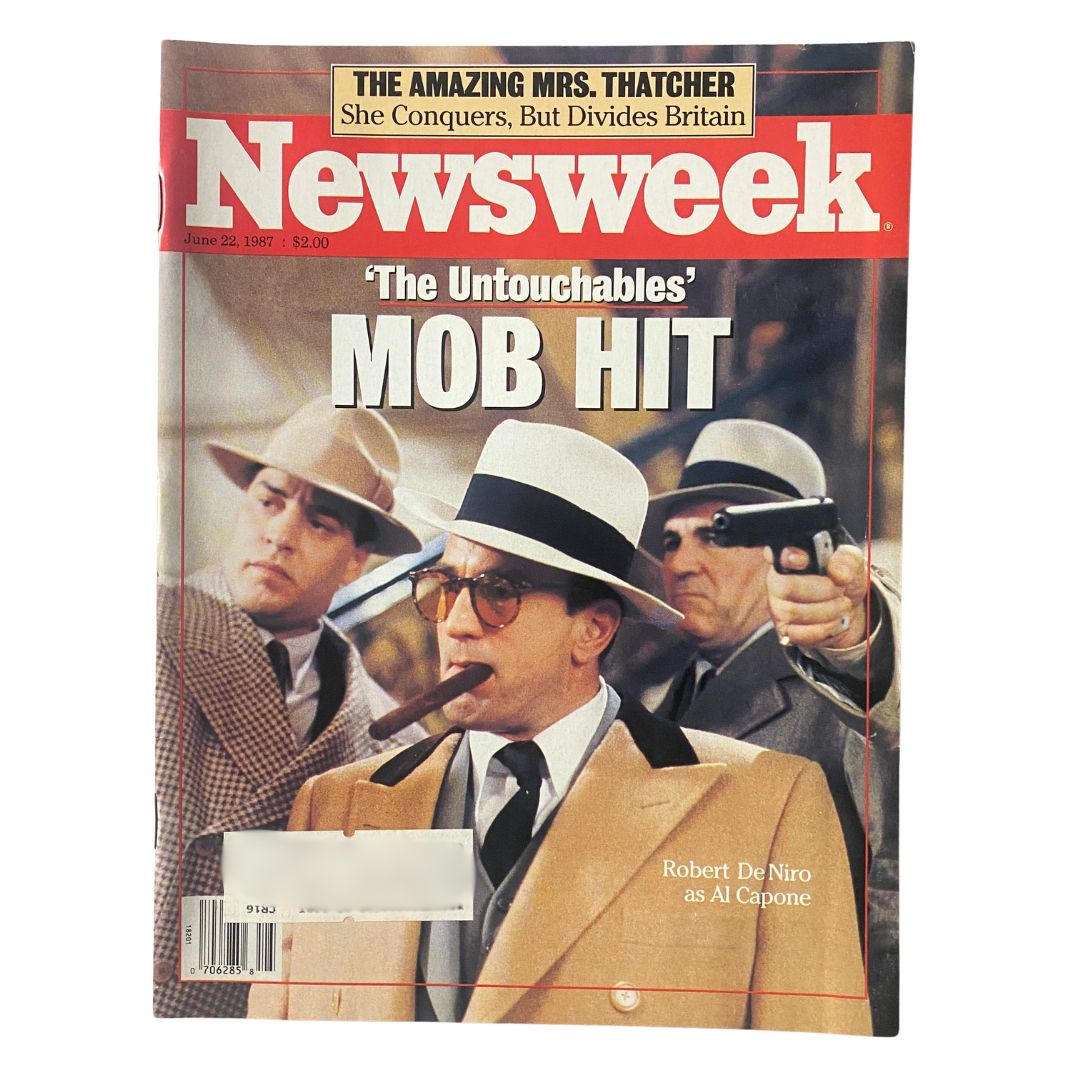
📖 About this Collection
Al Capone: The Ink Never Dried on America's Most Wanted Man
The Legend & The Legacy
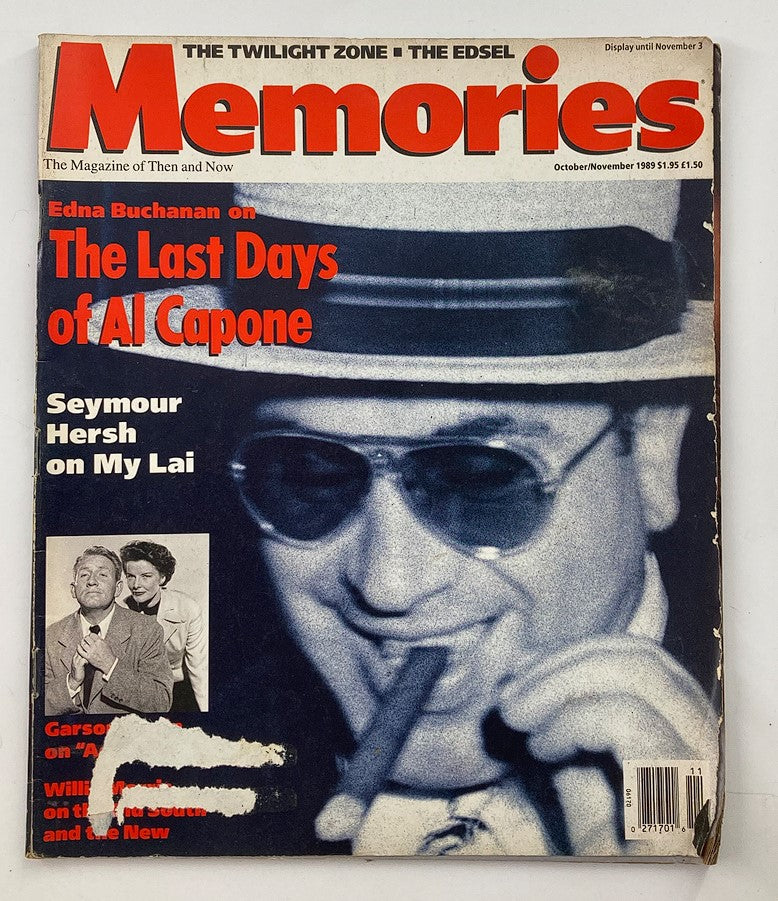
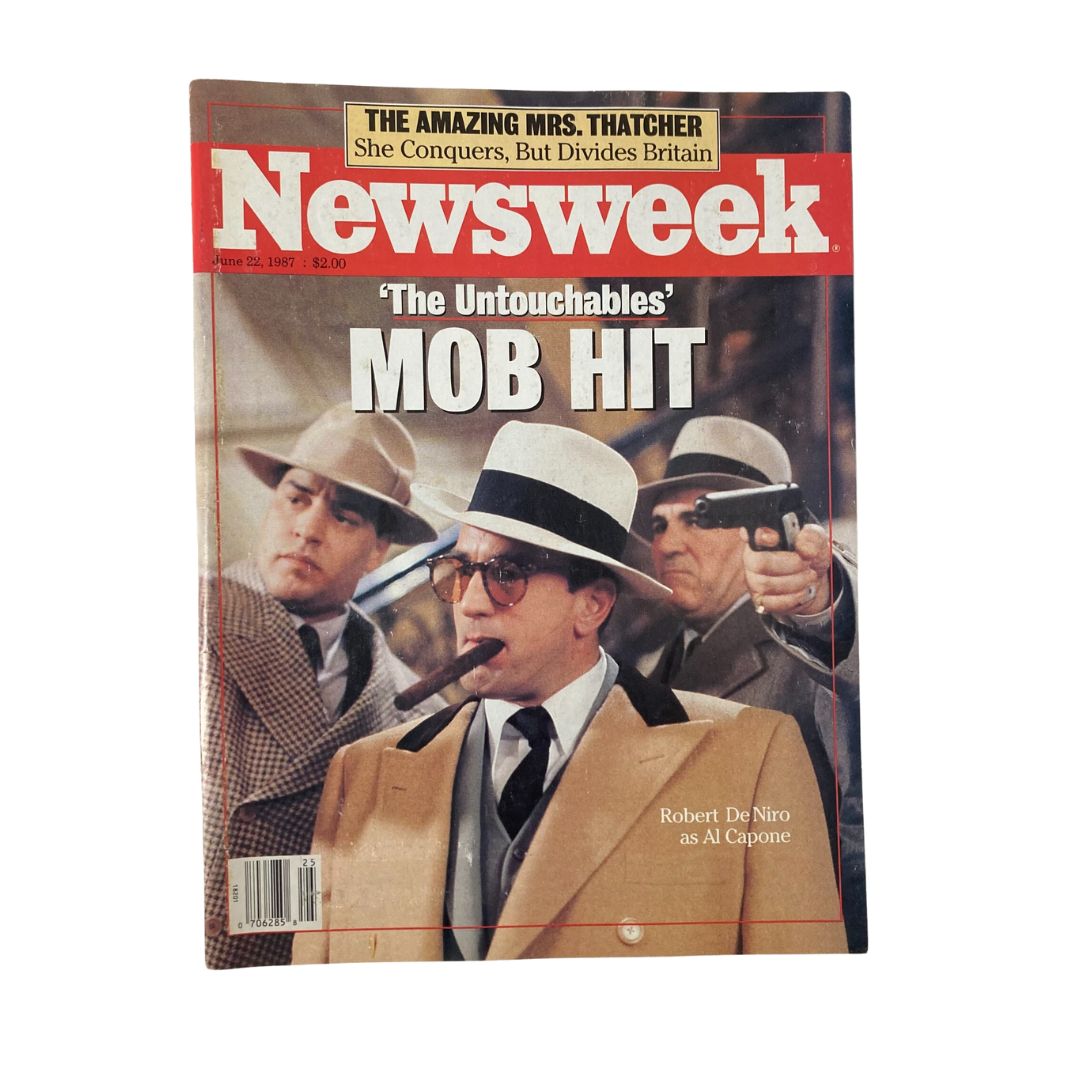
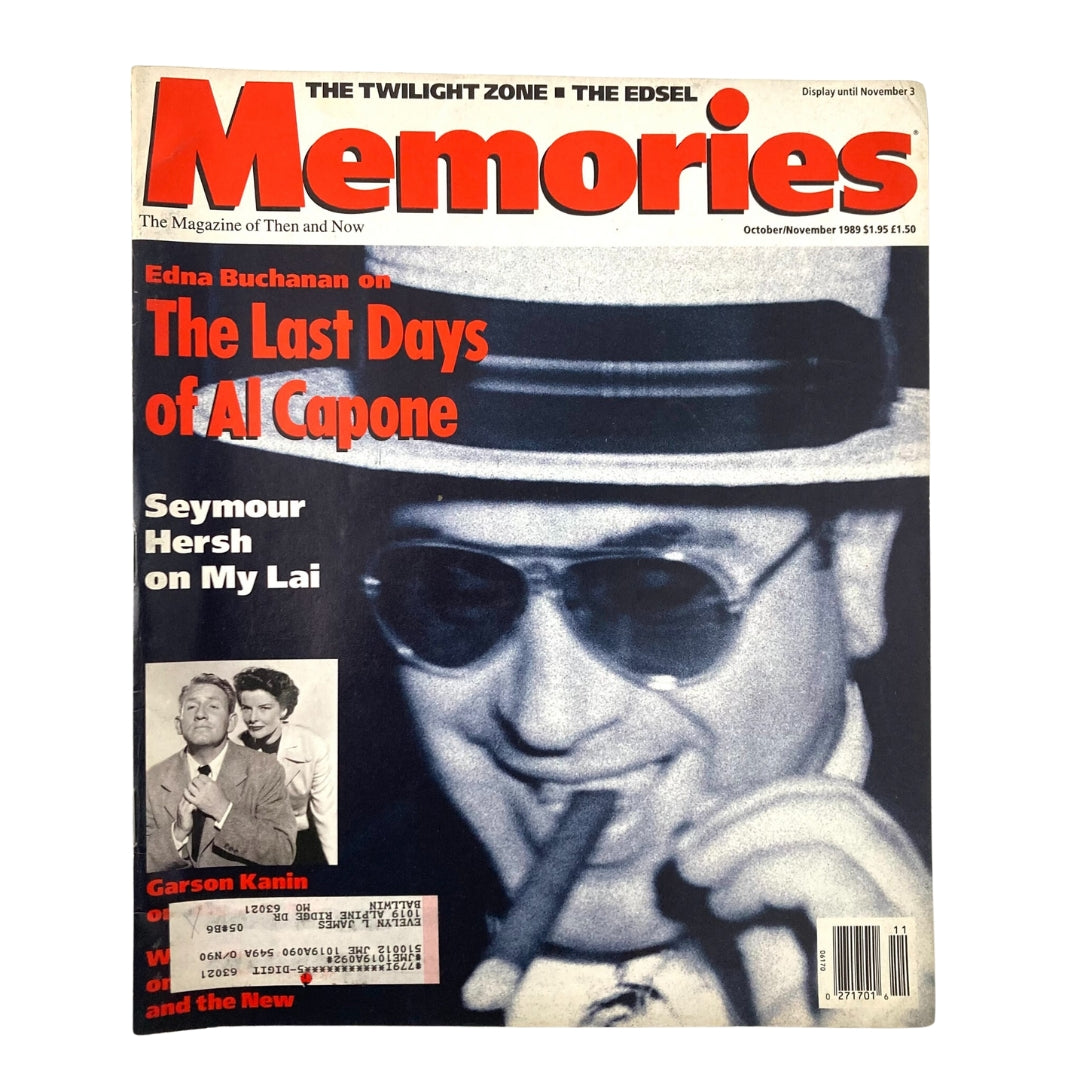
In an era before television brought crime into the living room and long before the internet turned infamy into a scroll, Al Capone was a newspaper and magazine phenomenon — a figure so mythologized, so contradictory, and so inescapably American that the press could not look away. During the Prohibition years of the 1920s and into his dramatic fall in 1931, "Scarface" occupied a singular space in the public imagination: part gangster, part folk anti-hero, part cautionary tale. Readers devoured every dispatch from Chicago's underworld through the physical pages of their weekly and monthly publications, passed hand to hand across barbershops, kitchen tables, and newsstand counters. His brazen defiance of federal law, his iron grip on bootlegging empires, his unlikely acts of public charity during the Depression, and his ultimate downfall at the hands of the IRS rather than the courts — every chapter arrived in print, ink-fresh and urgent, shaping how an entire generation understood crime, power, and the dark underbelly of the American Dream.
Inside the Archive
Vintage publications of the late 1920s and early 1930s covered the Chicago kingpin with a breathless mixture of moral alarm and barely concealed fascination. Photographic spreads tended toward the theatrical — the broad-shouldered figure in a double-breasted suit, the tilted fedora, the half-smile that editors knew would sell copies. Time magazine, which placed him on its cover in March 1930, treated him with the same editorial gravity it reserved for heads of state, cementing his status as a figure of genuine national consequence. The illustrated crime weeklies and pulp-adjacent newsmagazines of the era leaned harder into shadow and menace, while newspapers' Sunday magazine supplements dissected the sociology of organized crime with a reformist urgency. International publications, particularly British titles such as Illustrated London News, covered his story as a window into what they perceived as the wild, self-destructive excess of American modernity. Meanwhile, later retrospective coverage in publications like Life — across its long mid-century run — returned to his legend repeatedly, using archival photography to reframe him as a defining symbol of the Prohibition era and its spectacular failures.
Curator's Checklist: Highlights Often Include
- Trial & Sentencing Coverage (1931): Issues from the autumn of 1931 frequently surface with extensive reporting on his landmark federal tax evasion conviction — the moment the untouchable was finally touched, and the press treated it as a national event of the first order.
- Prohibition-Era Crime Exposés: Feature-length investigations into Chicago's gang wars, the St. Valentine's Day Massacre of 1929, and the broader bootlegging economy often profile him as the central, orchestrating figure.
- The Time Cover Era: Collectors frequently seek out issues and reprints surrounding his iconic 1930 Time appearance — one of the most audacious editorial decisions of the decade, placing a known crime lord alongside presidents and industrialists.
- Post-Prison & Decline Narratives: Publications from the late 1930s and 1940s occasionally feature retrospective pieces on his rapid mental and physical decline following his release from Alcatraz, a poignant coda to the mythology.
- True Crime & Pulp Magazines: Niche crime publications of the 1930s — titles built entirely around gangland reportage — regularly devoted cover features and multi-page spreads to his operations, rivals, and legend, offering some of the most visceral and visually striking primary-source material of the era.
The Collector's Value
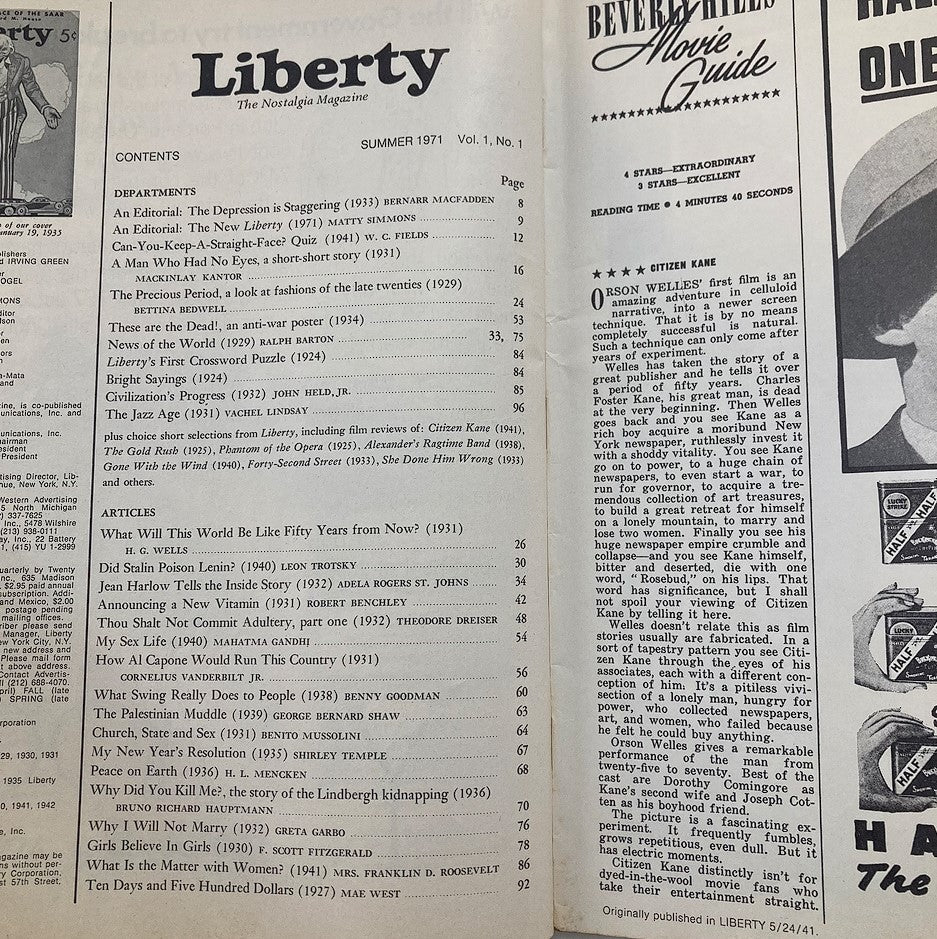
To hold one of these original issues is to hold a primary document of American cultural history — not a reprint, not a digital facsimile, but the very object a Chicago reader might have unfolded at a diner counter in 1931, the morning after the verdict came in. The paper stock of the era has a weight and warmth that no screen can replicate: slightly rough at the edges, subtly yellowed by decades, carrying that unmistakable scent of aged ink and wood pulp that collectors know instantly and deeply. The surrounding advertisements — for whiskey consumed in speakeasies, for automobiles that gangsters made iconic, for a consumer America straining against its own contradictions — place the coverage in full historical relief, making each issue a time capsule rather than merely a clipping. For collectors of American criminal history, Prohibition and Jazz Age memorabilia, or mid-century print and photojournalism, these publications offer an irreplaceable, tactile connection to the moment the story was still breaking — before it became myth, before it became cinema, before it became legend. Browse the current inventory below and discover which pieces of that extraordinary era are available today.