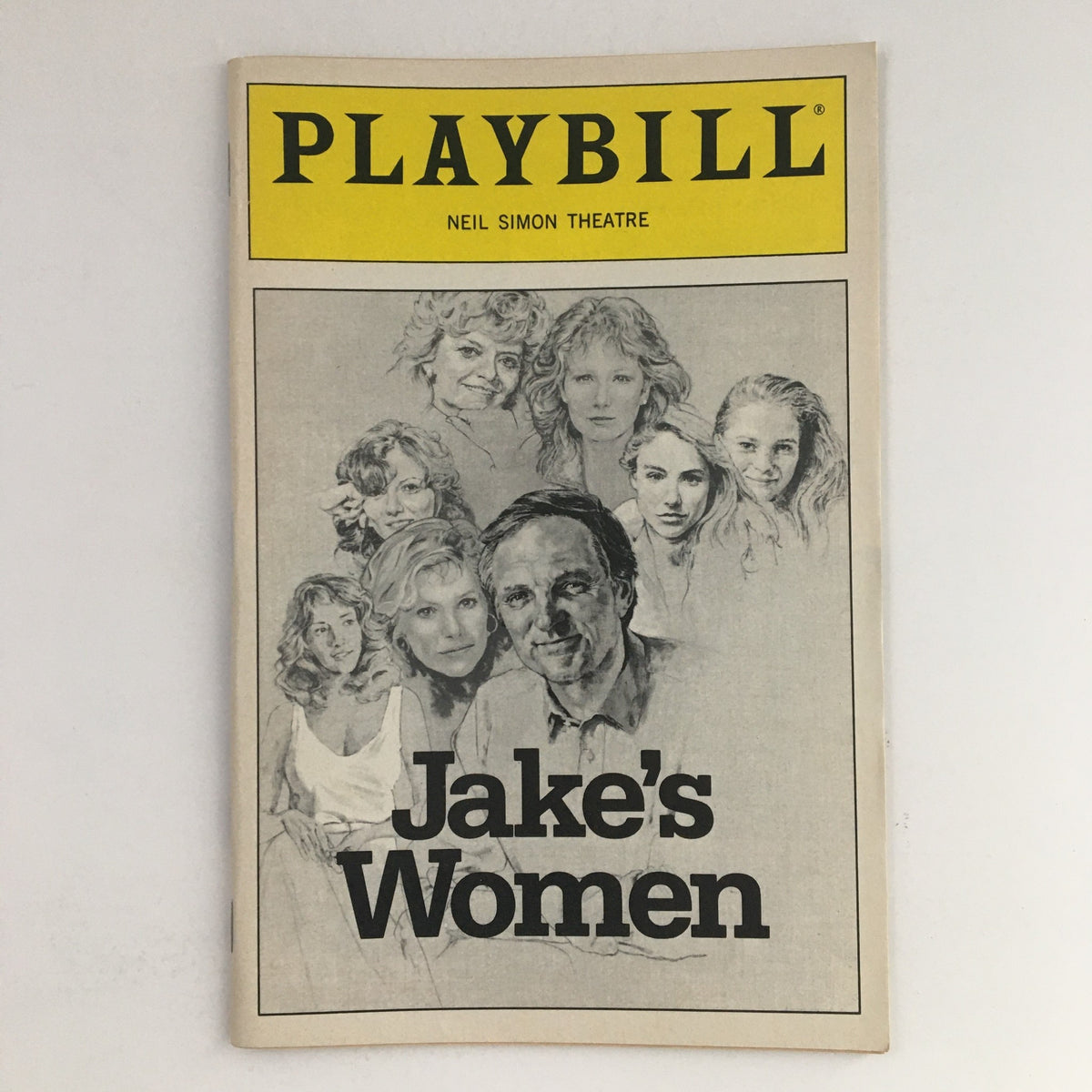
📖 About this Collection
Alan Alda: The Conscience of Prime Time
The Legend & The Legacy
Long before streaming algorithms and social media feeds decided what the public cared about, America fell in love with Alan Alda on its own terms — one Tuesday night at a time. As Hawkeye Pierce on M*A*S*H, he became something rare in the entertainment landscape of the 1970s and early 1980s: a television figure who was simultaneously a comedian, a moralist, and a sex symbol — a man audiences trusted implicitly. His was not a fame manufactured by publicists, but one earned through eleven seasons of a show that used the Korean War as a mirror held up to Vietnam, Watergate, and the fracturing of the American consensus. When the M*A*S*H series finale aired in February 1983, drawing over 106 million viewers — a record that stood for decades — it was a cultural event as significant as any moon landing or presidential address. The print press scrambled to capture a moment that felt, to its audience, genuinely historic. Alda was more than a star; he was a touchstone for an entire generation's disillusionment and, ultimately, its resilience.
Inside the Archive
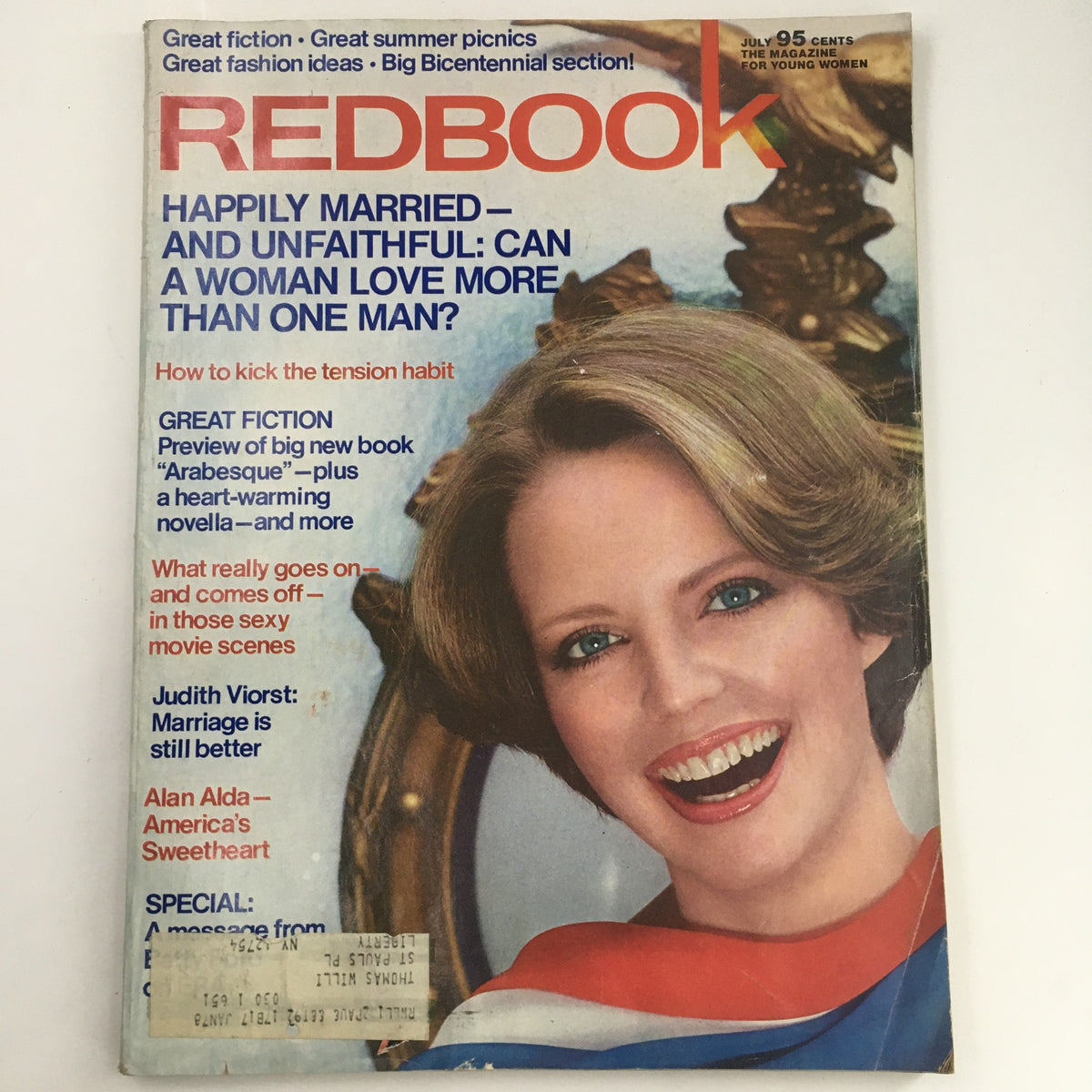
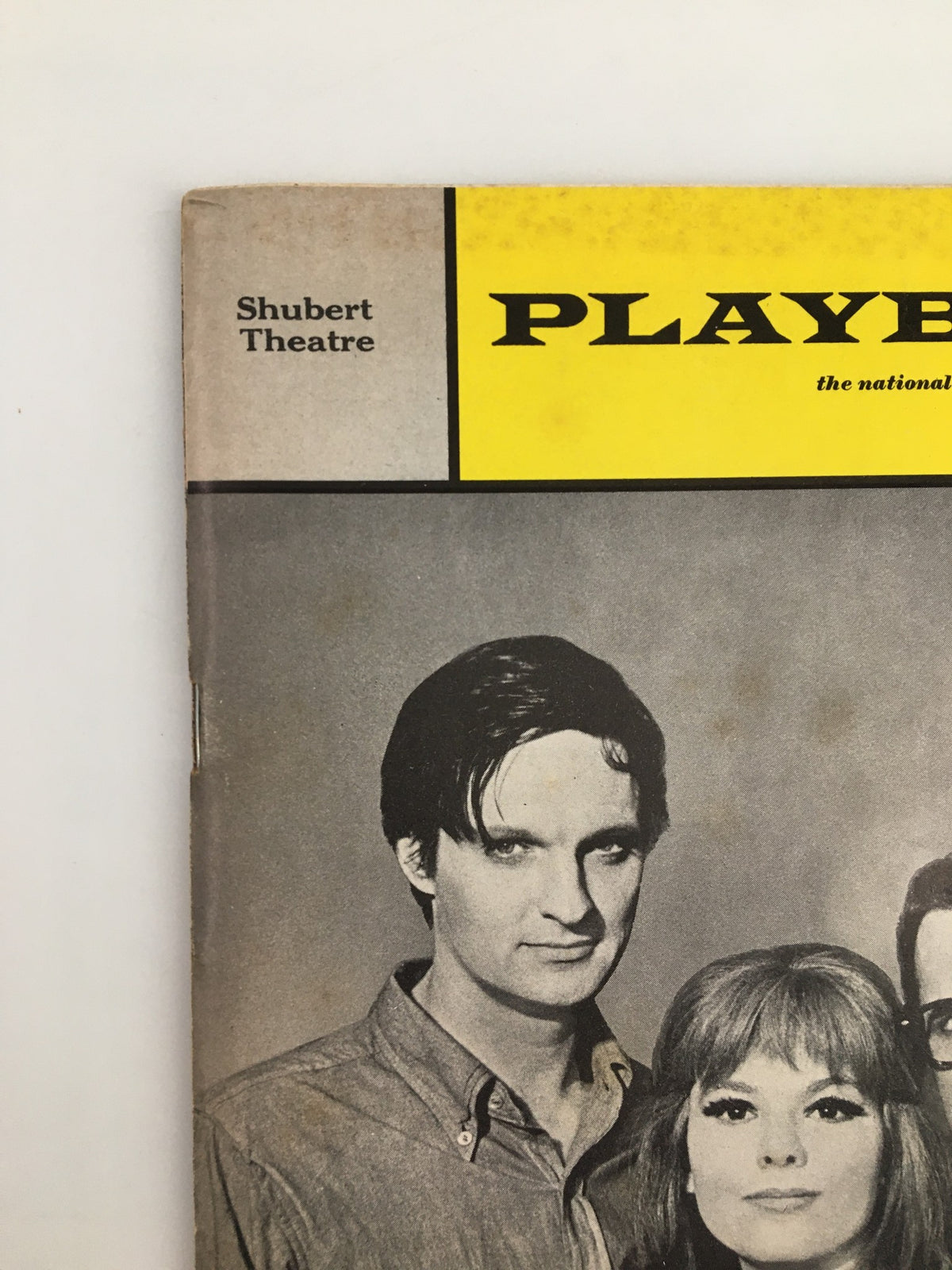
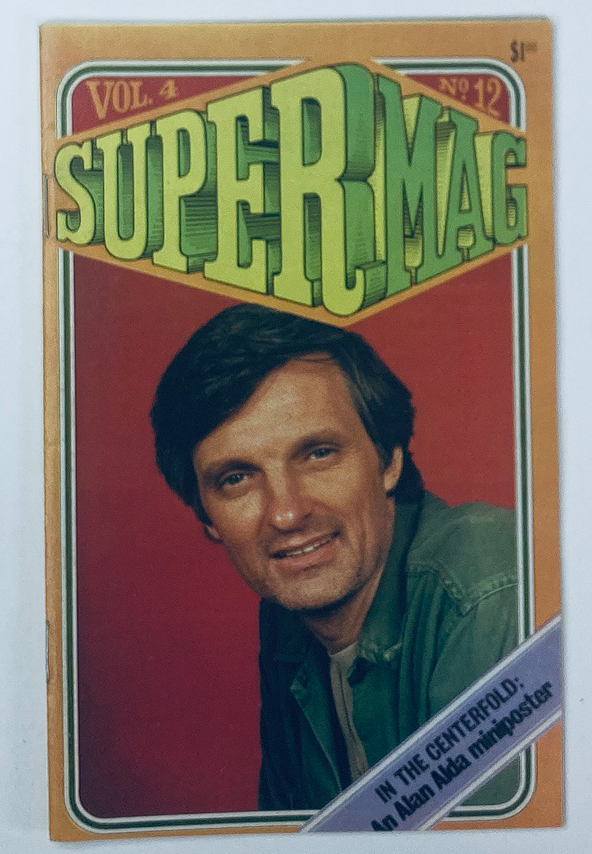
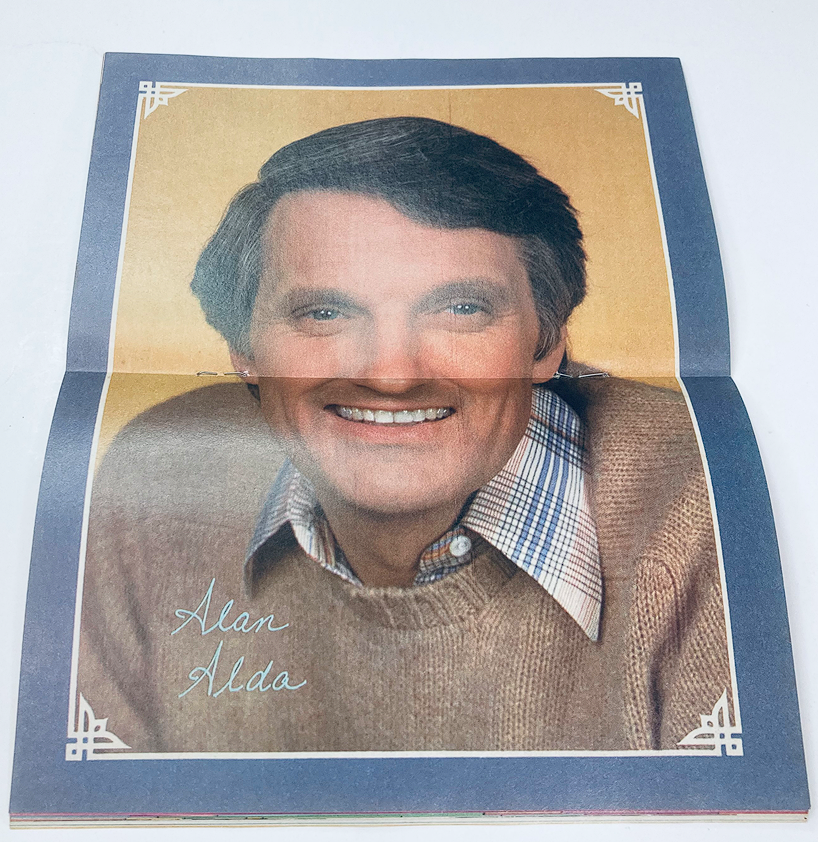
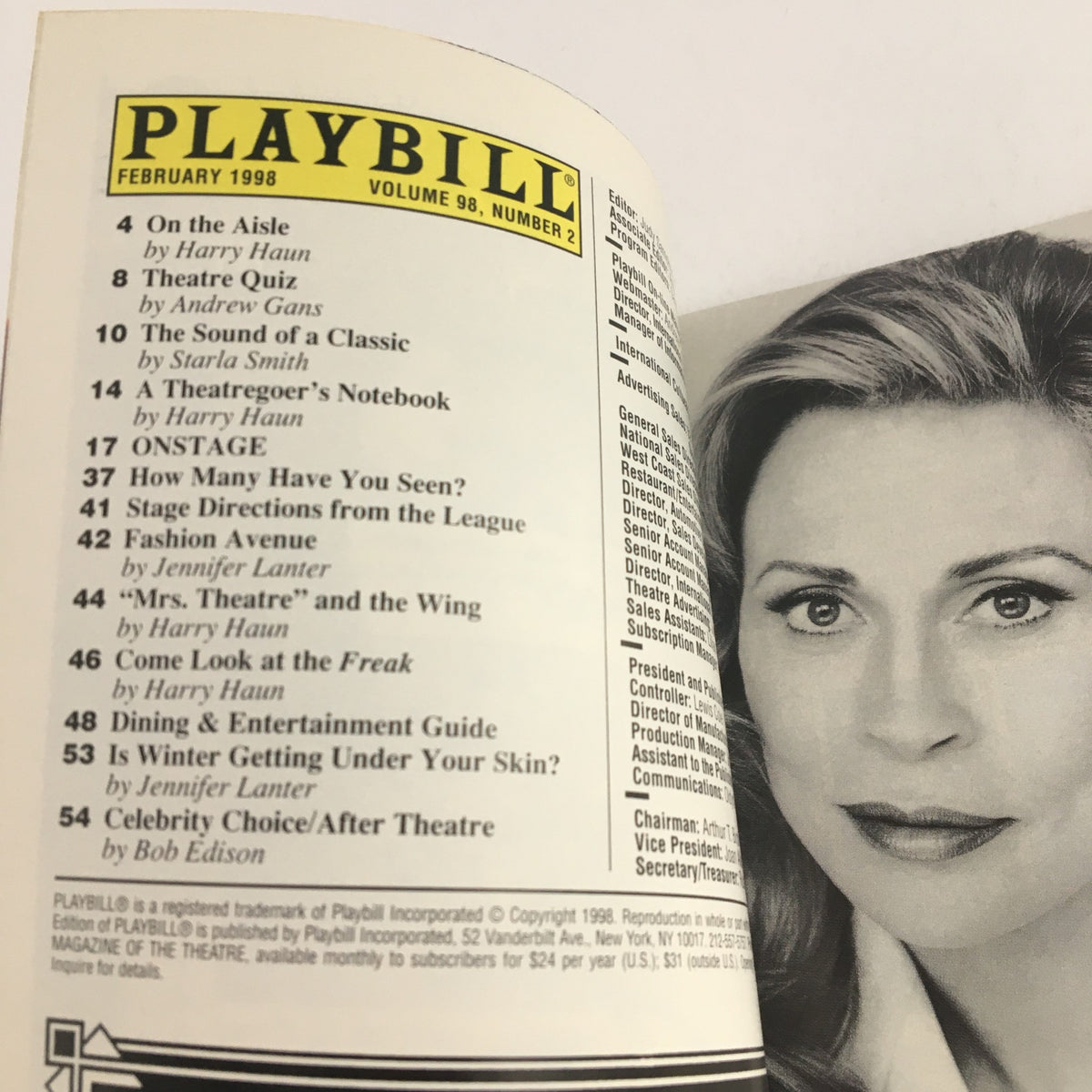
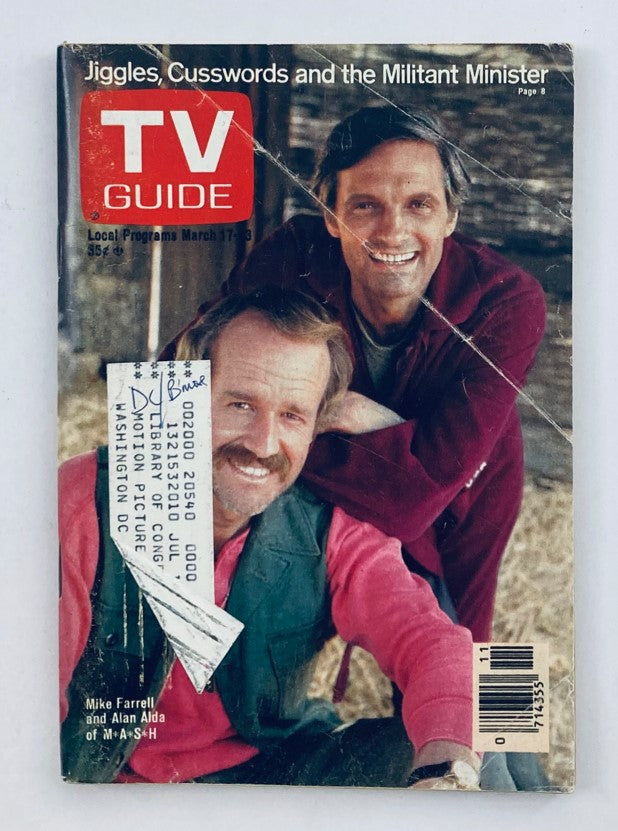
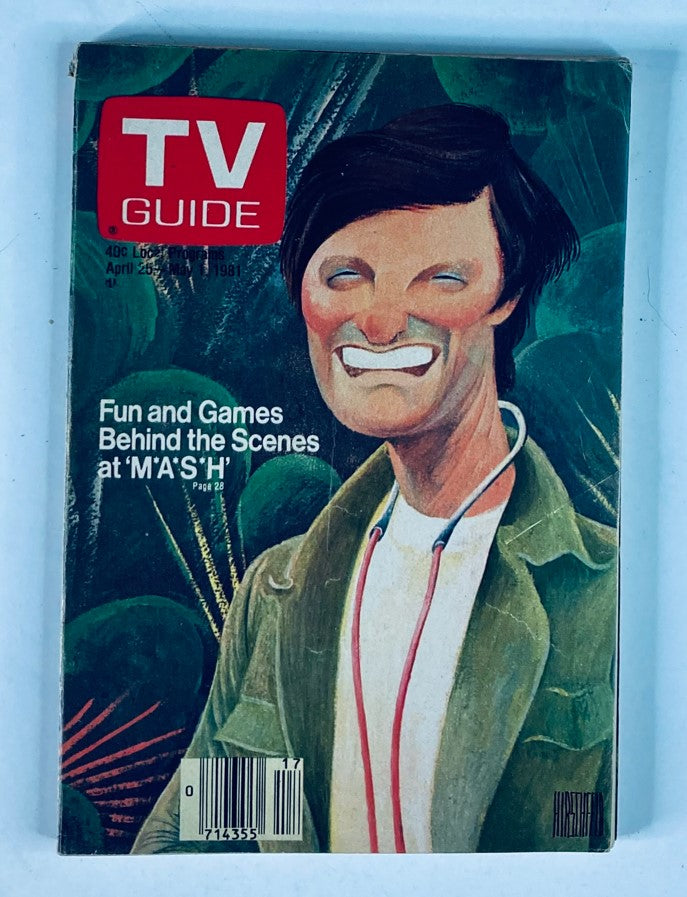
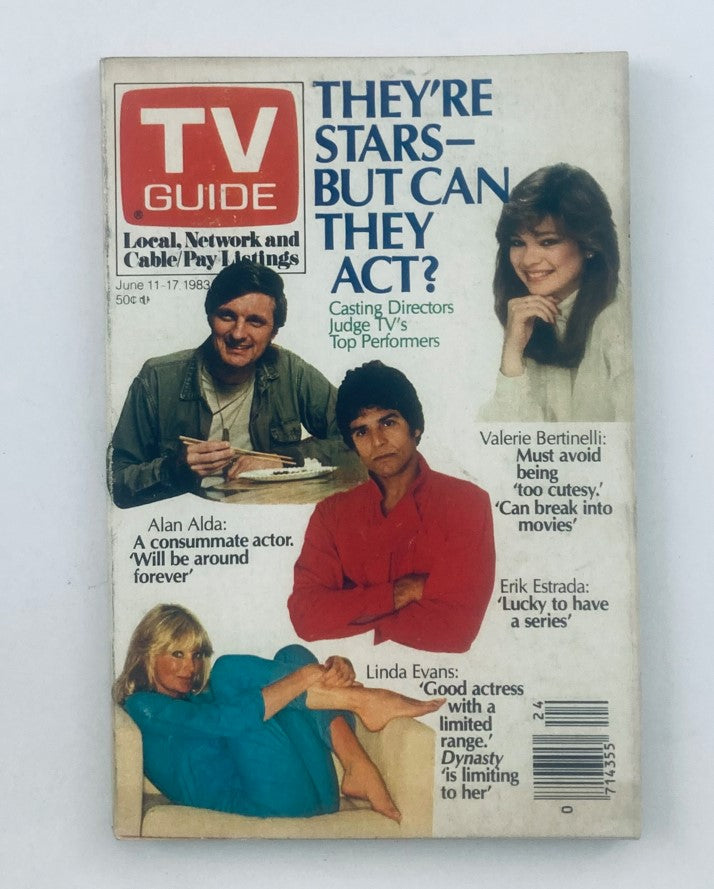
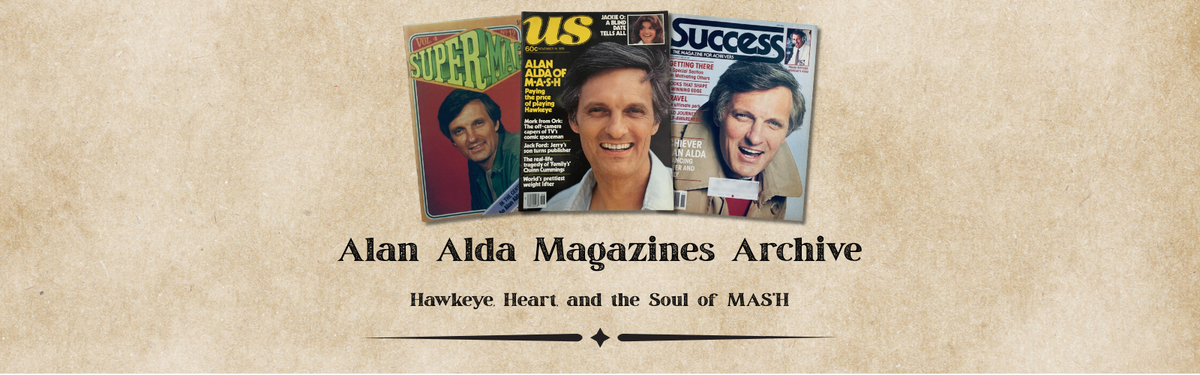
Vintage magazine coverage of the beloved actor and filmmaker reflects the full arc of a man who refused to be reduced to a single role or a single identity. In the early M*A*S*H years, editorial photography tended toward the warm and intimate — set visits, cast portraits, and candid stills dressed in olive drab that paradoxically radiated humanity. Publications like TV Guide treated him with an almost reverent consistency, placing him on covers with a frequency that charts his decade-long dominance of the medium. People magazine, born in 1974 at precisely the moment his stardom was cresting, chronicled not just the actor but the man — his advocacy for the Equal Rights Amendment, his thoughtful public persona, and his marriage to Arlene, which made him a symbol of a new, engaged masculinity. Meanwhile, prestige outlets like Time and Rolling Stone tackled him as a cultural phenomenon worthy of long-form interrogation, asking what it meant that the most beloved man on American television was an avowed feminist and anti-war voice. International publications, too — from British film weeklies to continental entertainment monthlies — recognized that M*A*S*H had crossed every ocean, and the man behind Hawkeye Pierce warranted serious, considered coverage far beyond Hollywood's usual gossip.
Curator's Checklist: Highlights Often Include
- The M*A*S*H Years (1972–1983): Feature spreads and cover profiles from the height of the series, often capturing the ensemble cast alongside in-depth interviews that explored the show's anti-war subtext and Alda's emerging voice as its creative conscience.
- The ERA & Feminist Advocacy Coverage: Editorial features from the late 1970s documenting his role as one of Hollywood's most prominent male advocates for the Equal Rights Amendment — a genuinely rare subject for the entertainment press of that era.
- The Series Finale Event (1983): Commemorative issues and retrospective features marking the M*A*S*H finale as the most-watched television broadcast in history, a journalistic moment treated with the gravity of a national milestone.
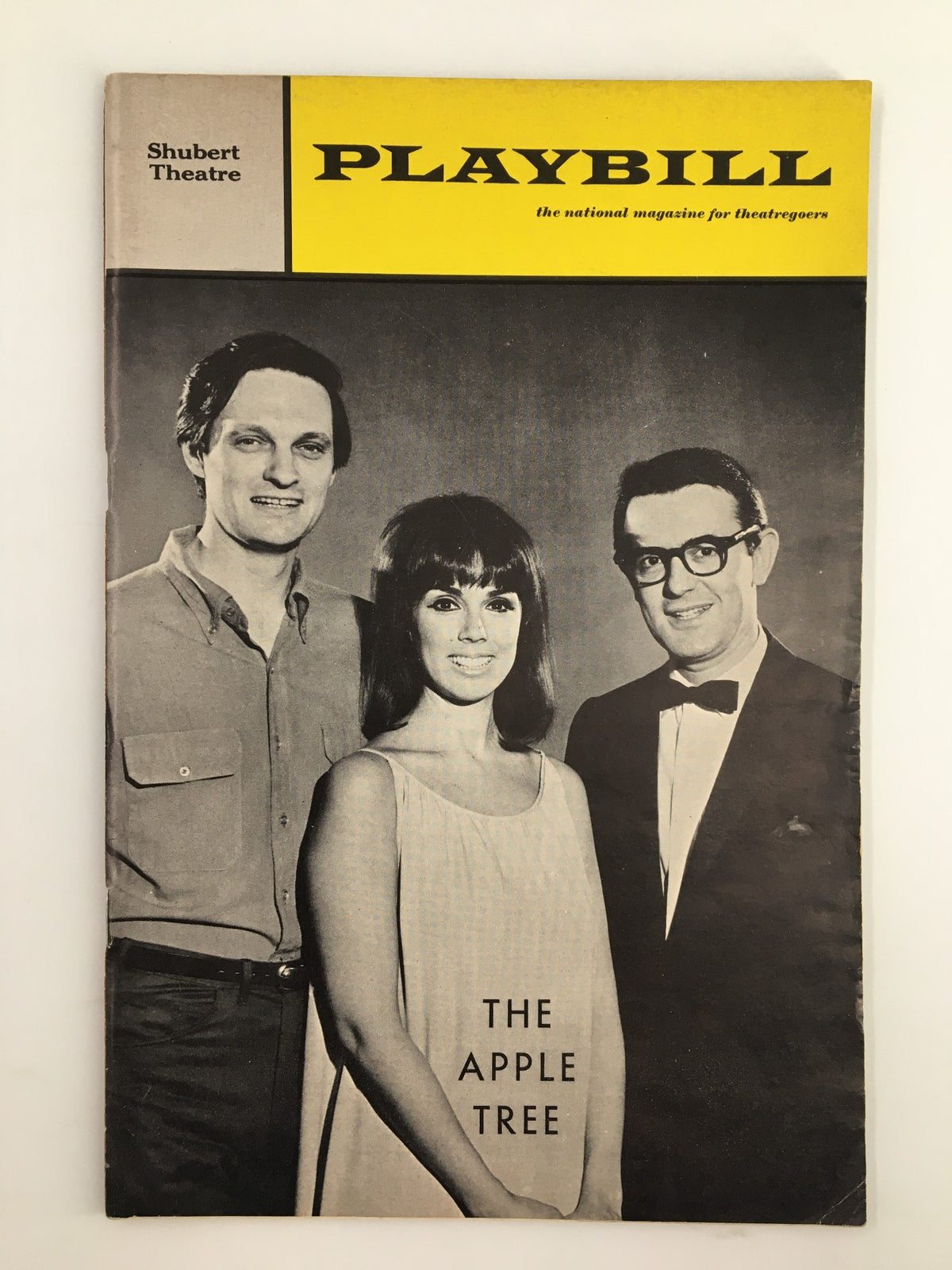
- Film & Stage Transition Features: Coverage from the mid-1980s onward as he navigated Hollywood films, Broadway, and his career as a writer-director — a pivot that entertainment magazines followed with considerable interest and occasional skepticism.
- The Renaissance & Later Recognition: Profiles tied to acclaimed later-career performances, including his Emmy and Golden Globe–recognized work in The West Wing and The Aviator, reassessing a career that had always been deeper than its most famous role.
The Collector's Value
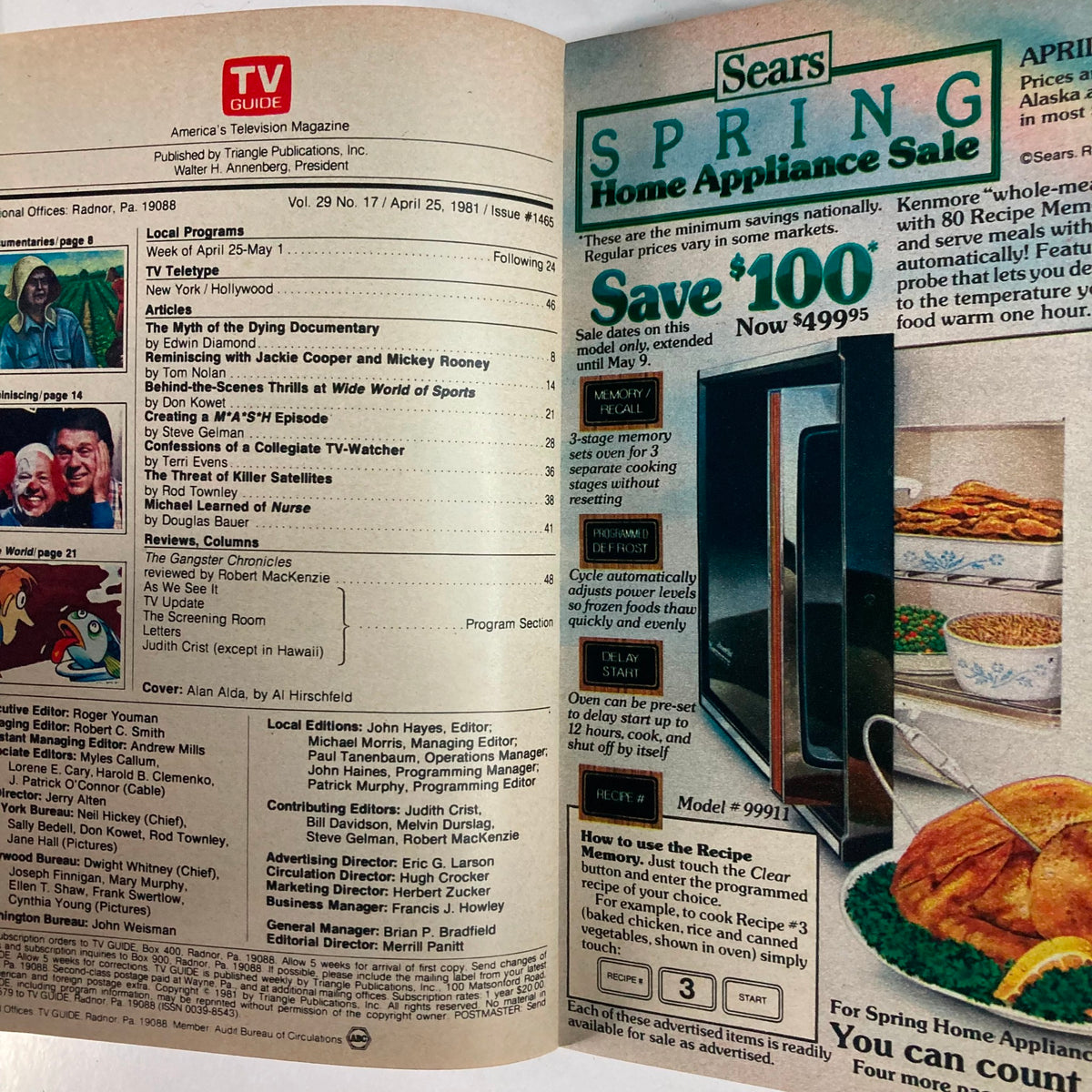
To hold one of these issues is to hold a specific moment in American cultural history — a moment before anyone could simply search a name and retrieve a thousand images in an instant. The paper stock of a 1970s TV Guide or a glossy People from 1977 carries its own testimony: the soft give of slightly aged newsprint, the particular warmth of period ink, the surrounding advertisements for automobiles, cigarettes, and household appliances that frame a portrait of the world as it actually existed when Hawkeye Pierce was the most recognizable face on earth. These are not reprints or digital approximations — they are primary sources, artifacts of a media culture that required patience, attention, and a trip to the newsstand. For collectors of classic American television history, 1970s cultural memorabilia, or the golden age of network drama, these publications offer an irreplaceable window into how a nation processed its own story through the lens of one extraordinary performer. Explore the current selections available below and discover which pieces of this remarkable chapter in print history are waiting to find a new home.