📖 About this Collection
Ali MacGraw: The Girl Who Made Simplicity Iconic
The Legend & The Legacy
In an era when Hollywood glamour meant sequins and studio lighting, Ali MacGraw arrived like a breath of cold New England air — scrubbed clean, intellectually alive, and devastatingly beautiful in the most unaffected way imaginable. Her ascent was meteoric and perfectly timed: Love Story landed in 1970 at the precise cultural moment when a generation was rejecting artifice in favor of something rawer and more real, and the image of her in that knit cap became one of the defining photographs of the decade. Before social media, before celebrity blogs, before the 24-hour entertainment cycle, America fell in love with Ali MacGraw through the pages of glossy magazines stacked on coffee tables and drugstore racks. She was not merely an actress — she was a mood, a movement, a rebuttal to everything overdone. Her turbulent marriage to Steve McQueen, her Harvard Radcliffe pedigree, her effortless translation of Ivy League ease into bohemian chic — all of it played out in print, consumed slowly, savored, and folded into the cultural memory of a generation.
Inside the Archive
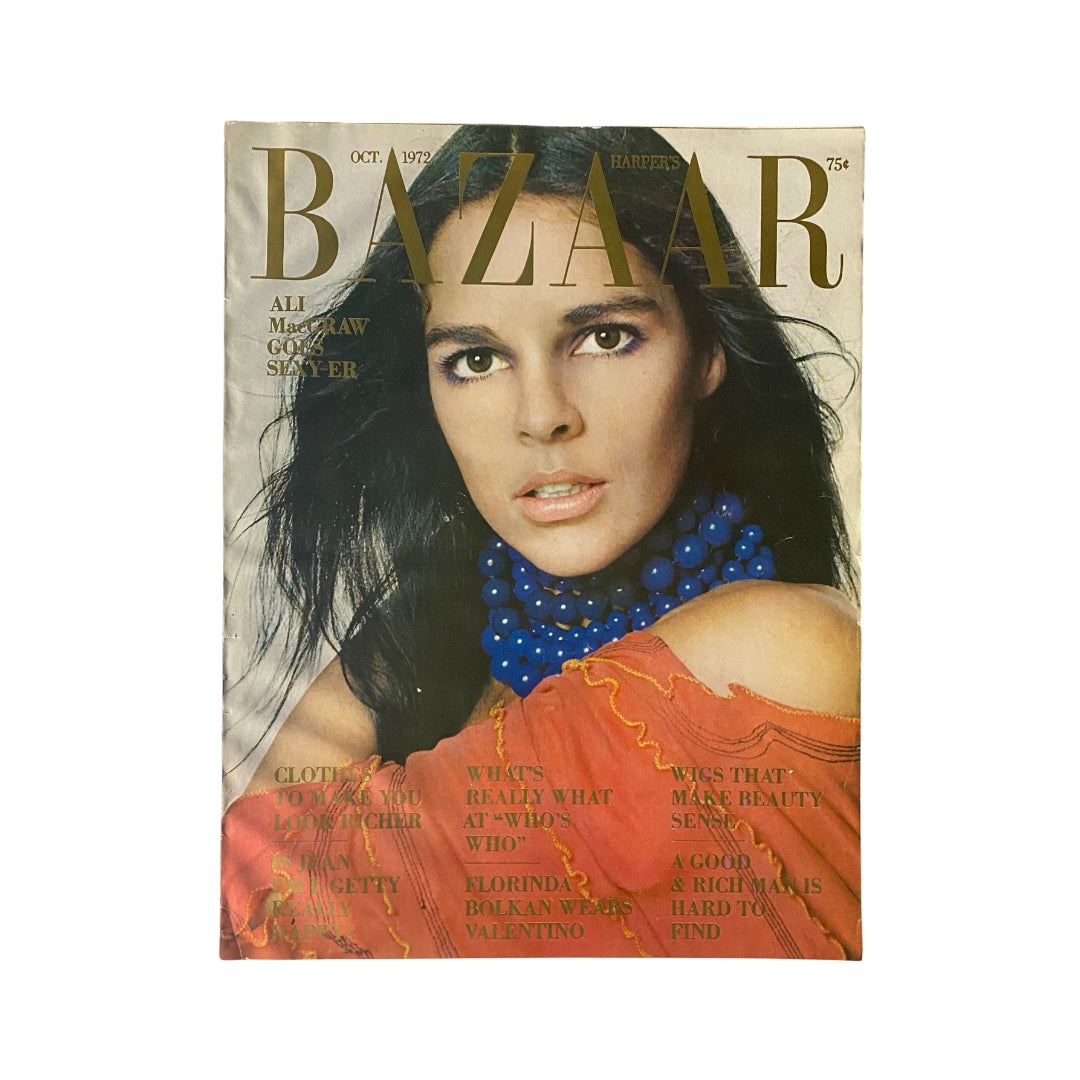
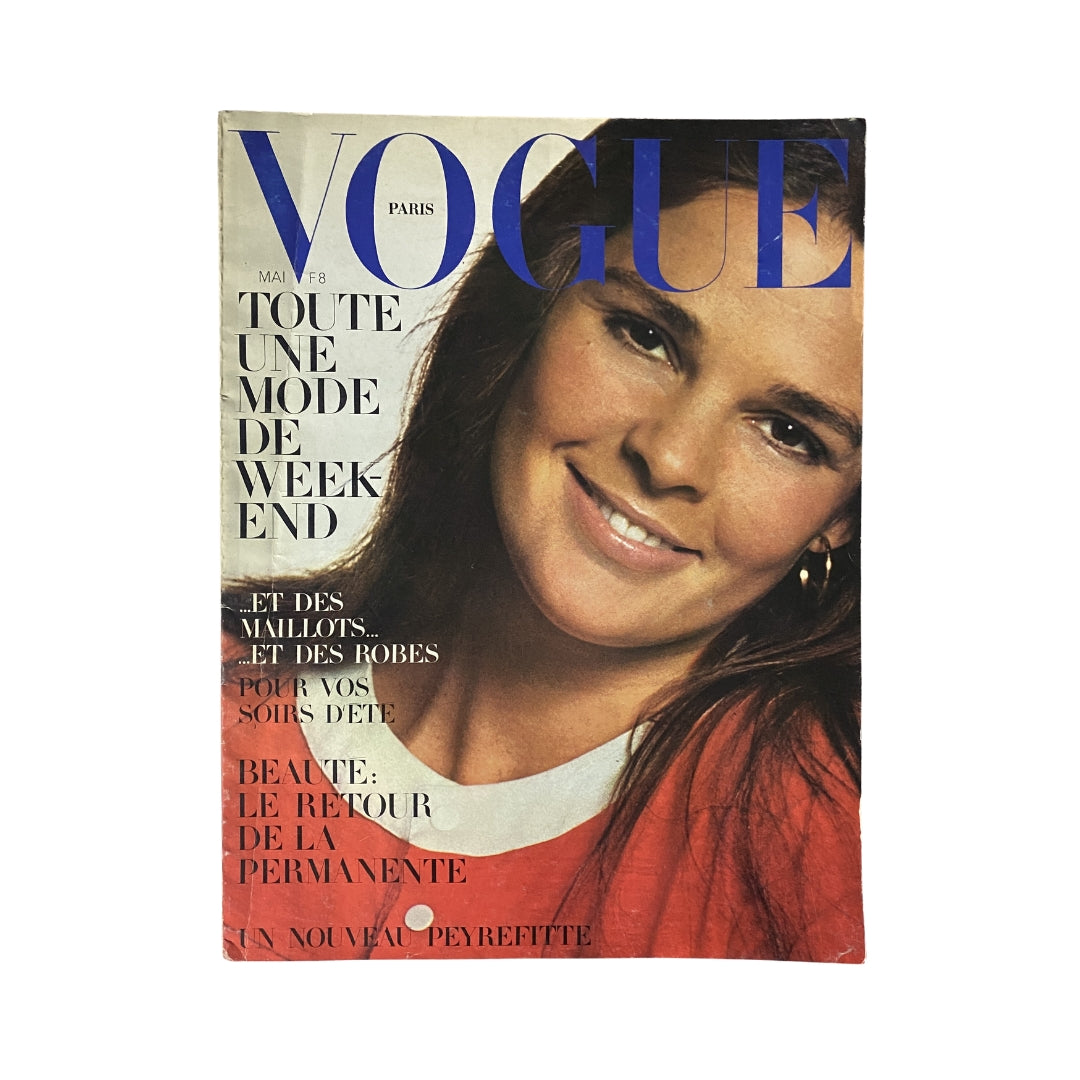
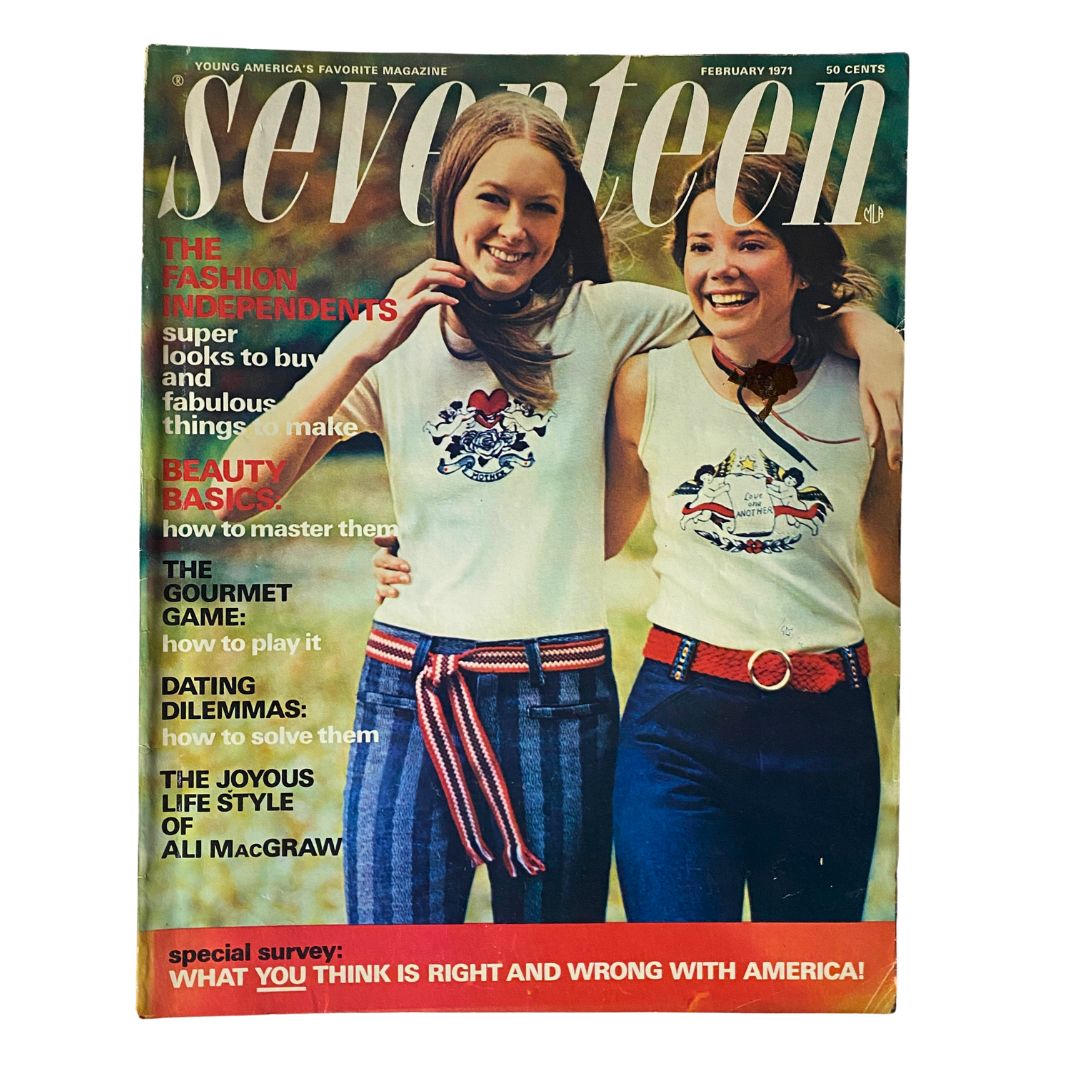
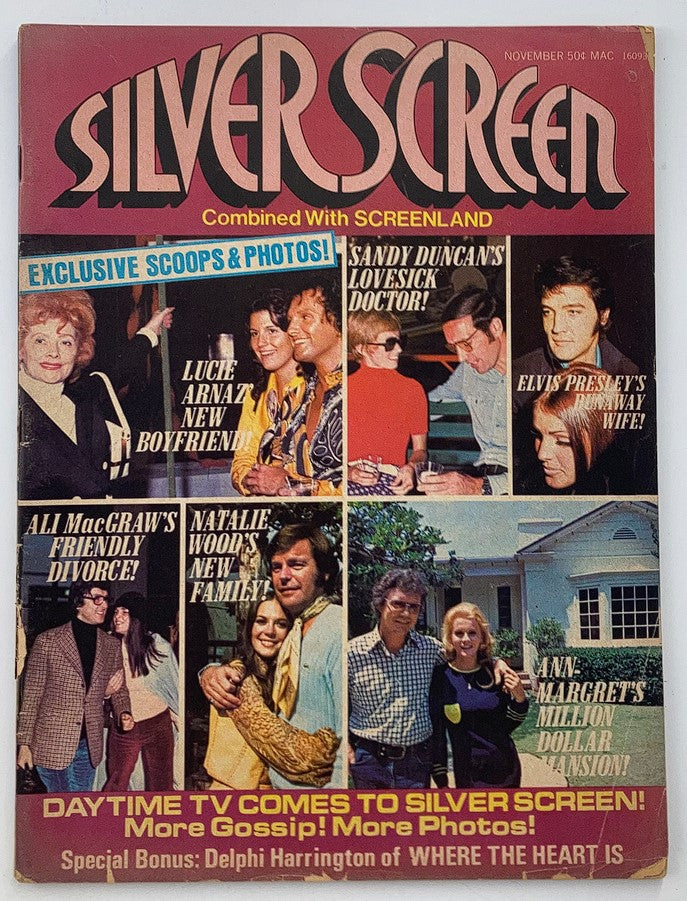
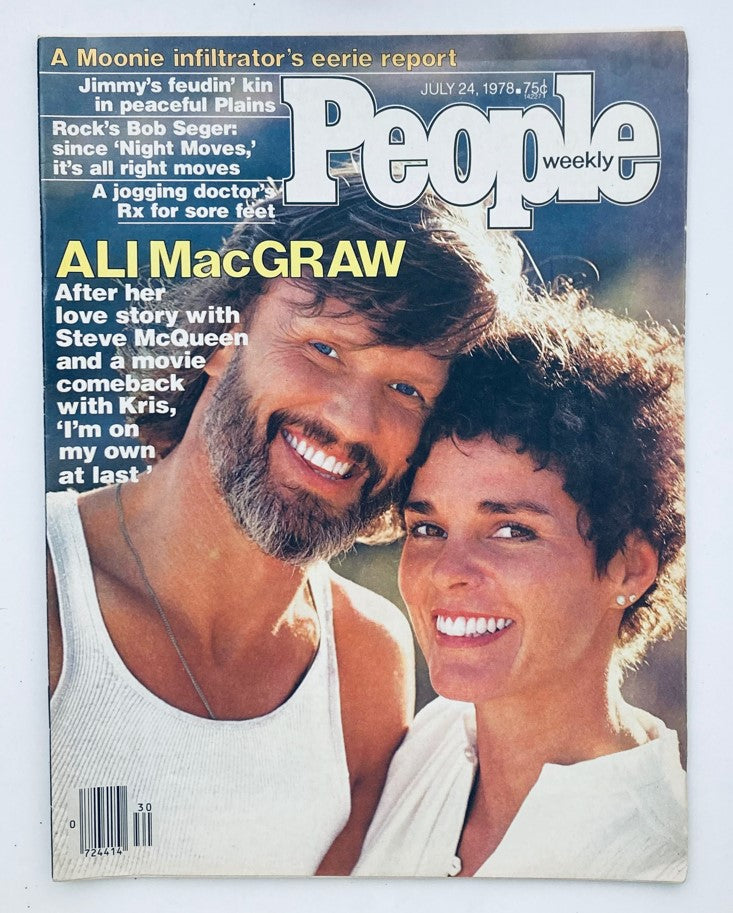
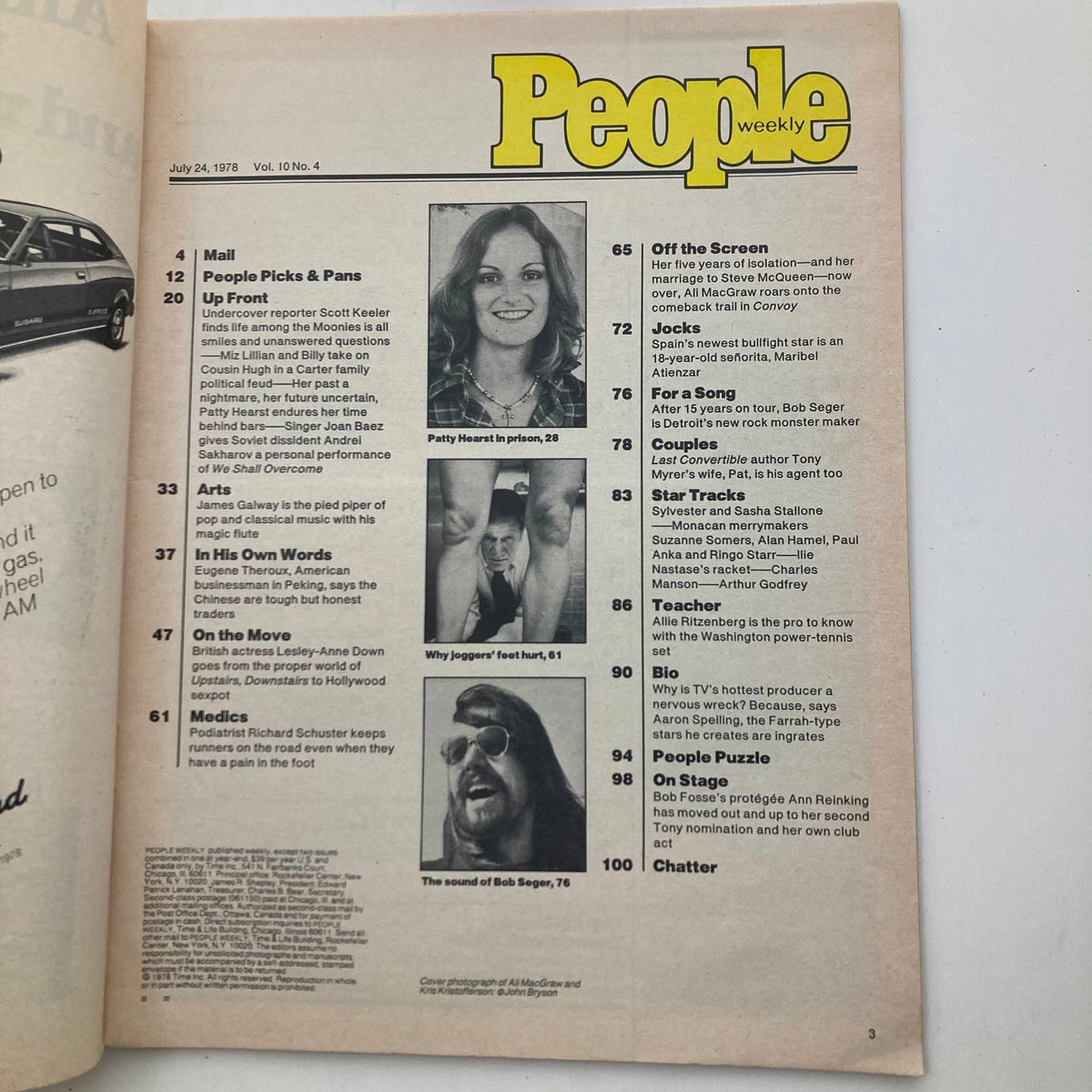
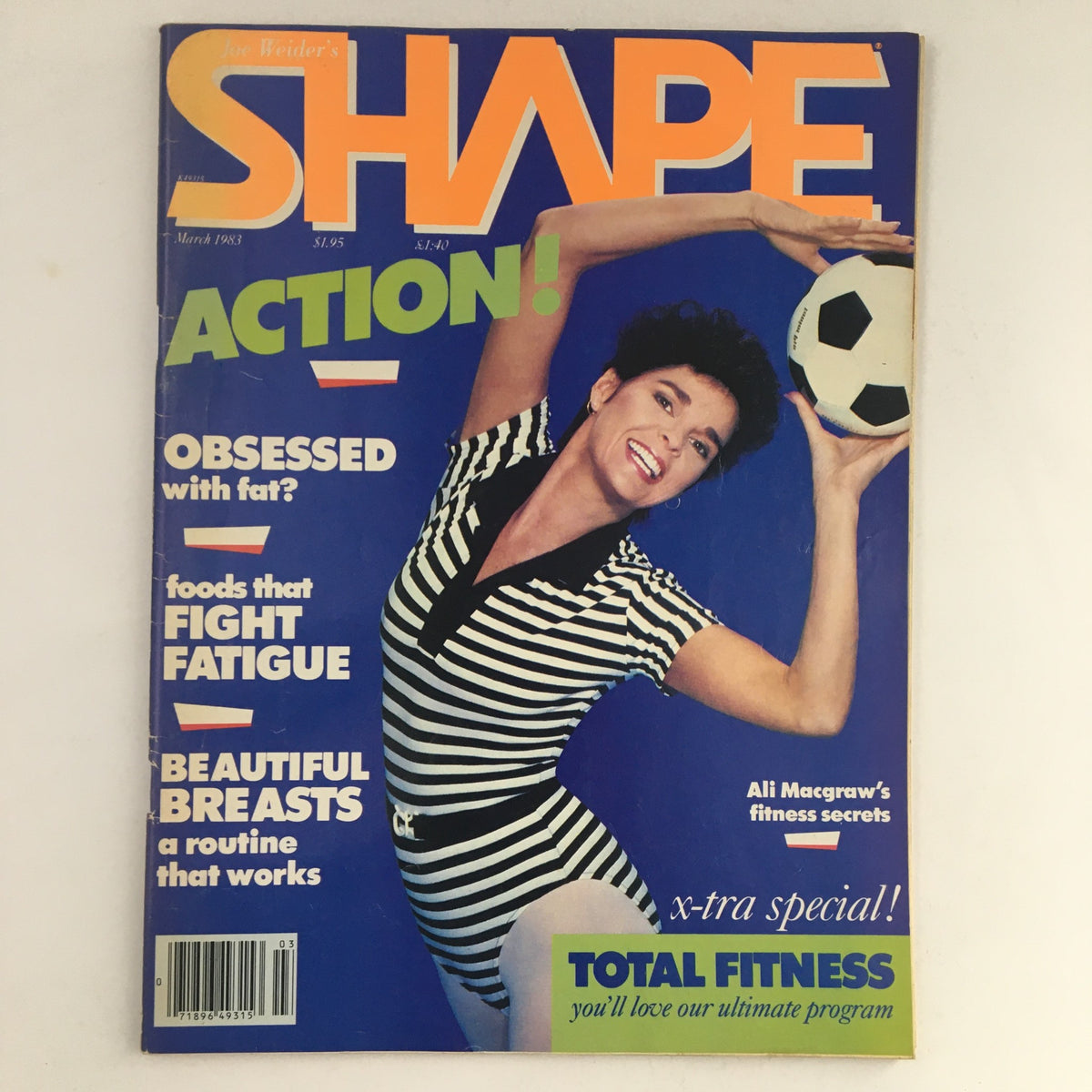
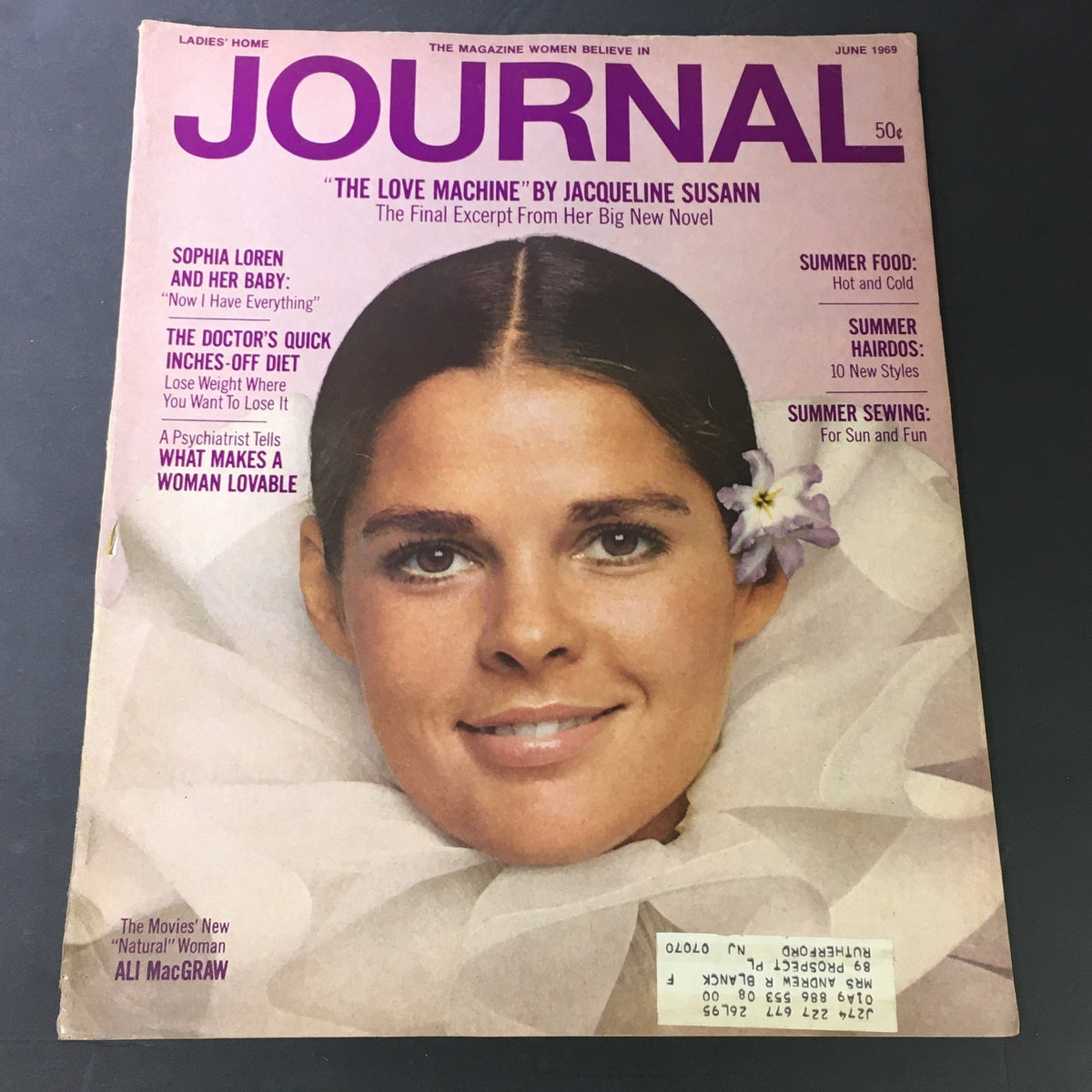
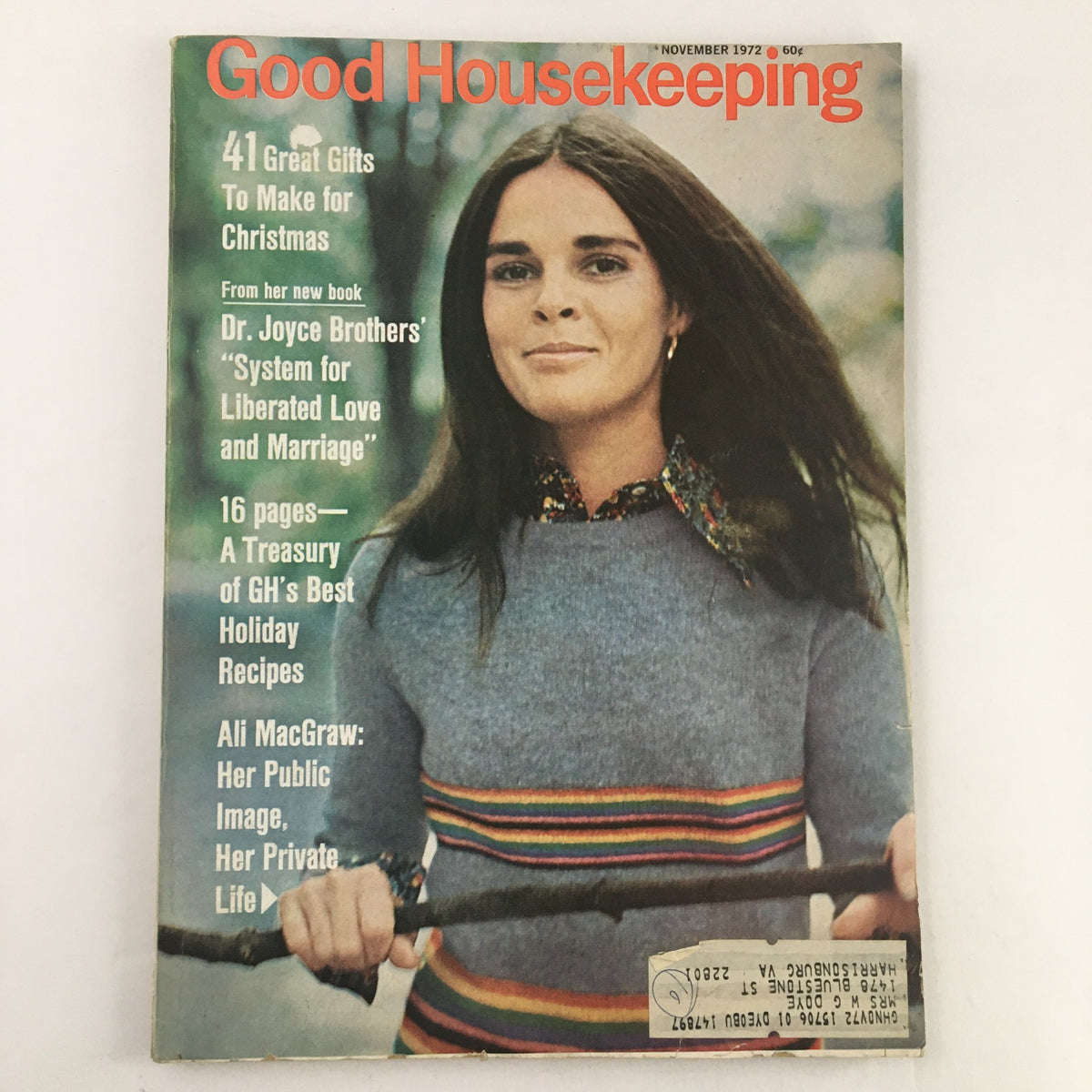
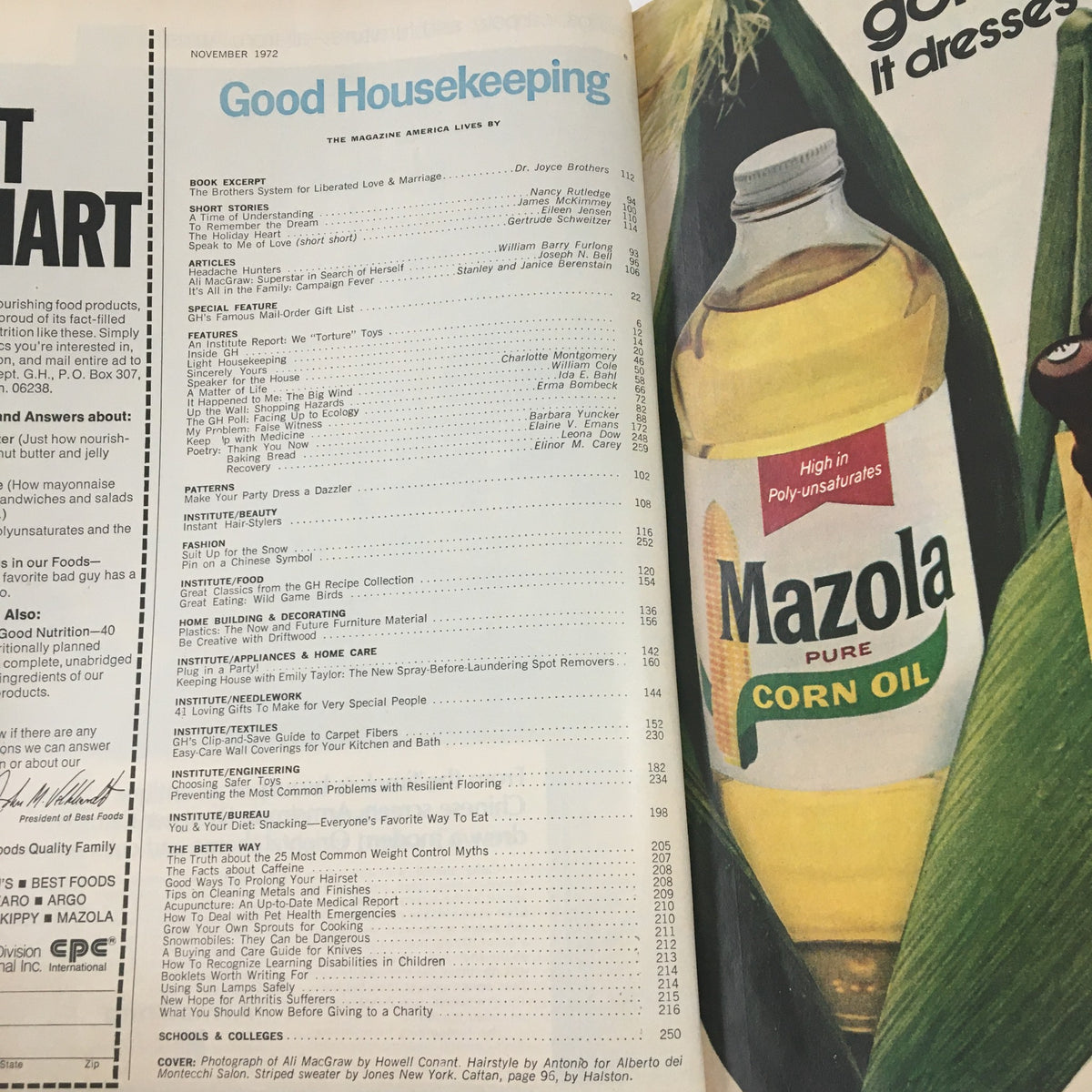
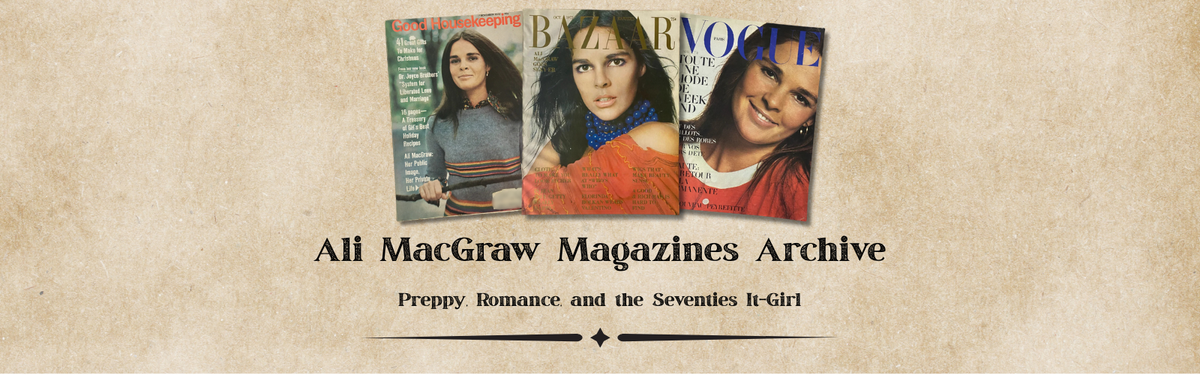
Magazines of the late 1960s and 1970s treated her with a particular reverence reserved for women who seemed to exist slightly outside the ordinary rules of celebrity. Vogue — both its American and international editions — returned to her repeatedly, drawn to the way she photographed: honest, angular, and luminous without theatrics. Life magazine captured her in the broader sweep of New Hollywood, situating her alongside the cultural upheaval of the era as a symbol of a new kind of feminine ideal. People, in its early years, chronicled the McQueen romance with breathless intensity, understanding instinctively that their pairing — the cerebral beauty and the King of Cool — was one of the great tabloid love stories of the decade. Photographically, editorial spreads from this period leaned into her natural quality: minimal makeup, natural light, candid movement. She was rarely photographed as a product. She was photographed as a person, and that distinction made every image feel intimate and urgent in a way that studio portraiture rarely achieved.
Curator's Checklist: Highlights Often Include
- Fashion and beauty editorials from the early-to-mid 1970s, reflecting her status as one of the era's preeminent style icons — a woman whose turtlenecks and wide-brim hats influenced what American women bought the following season
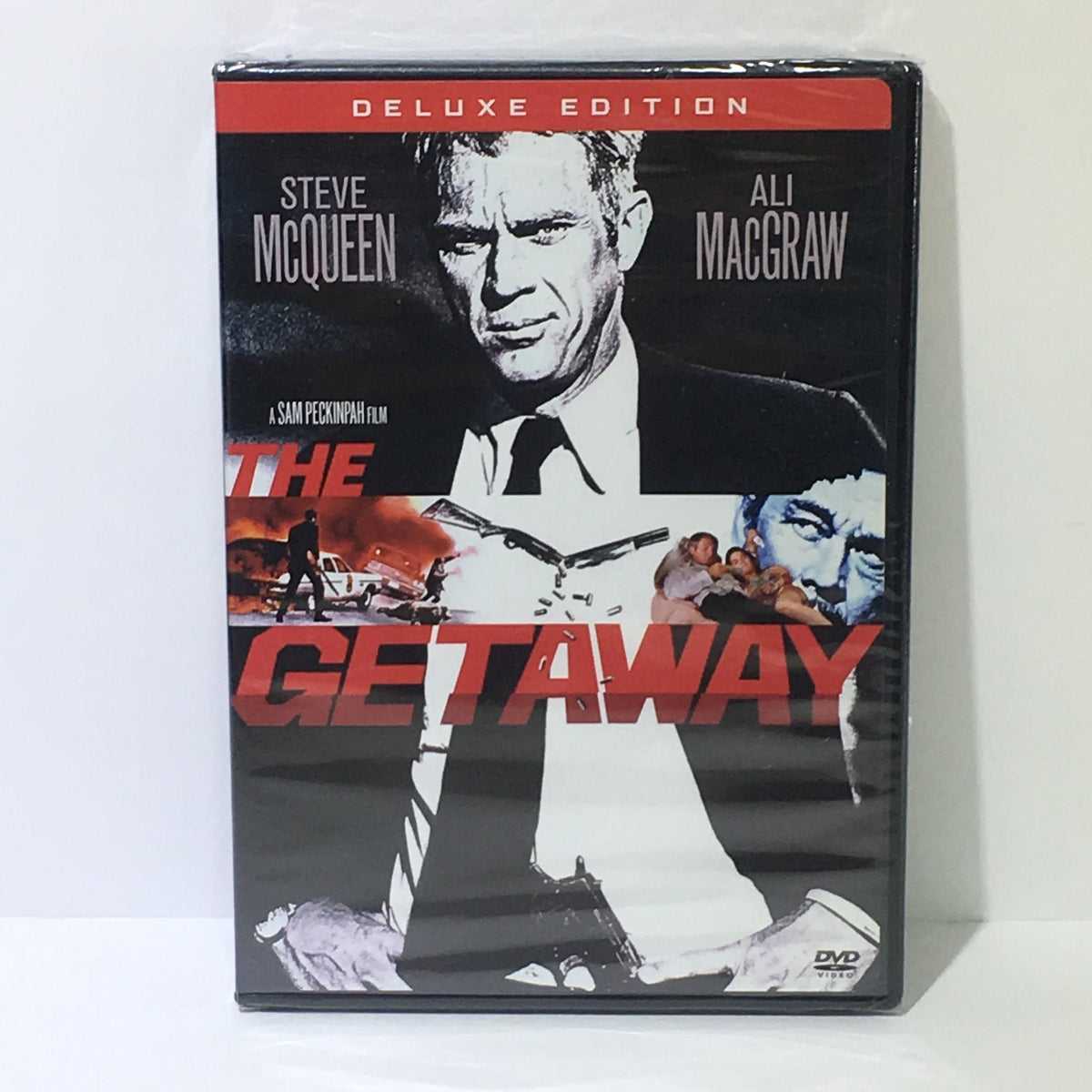
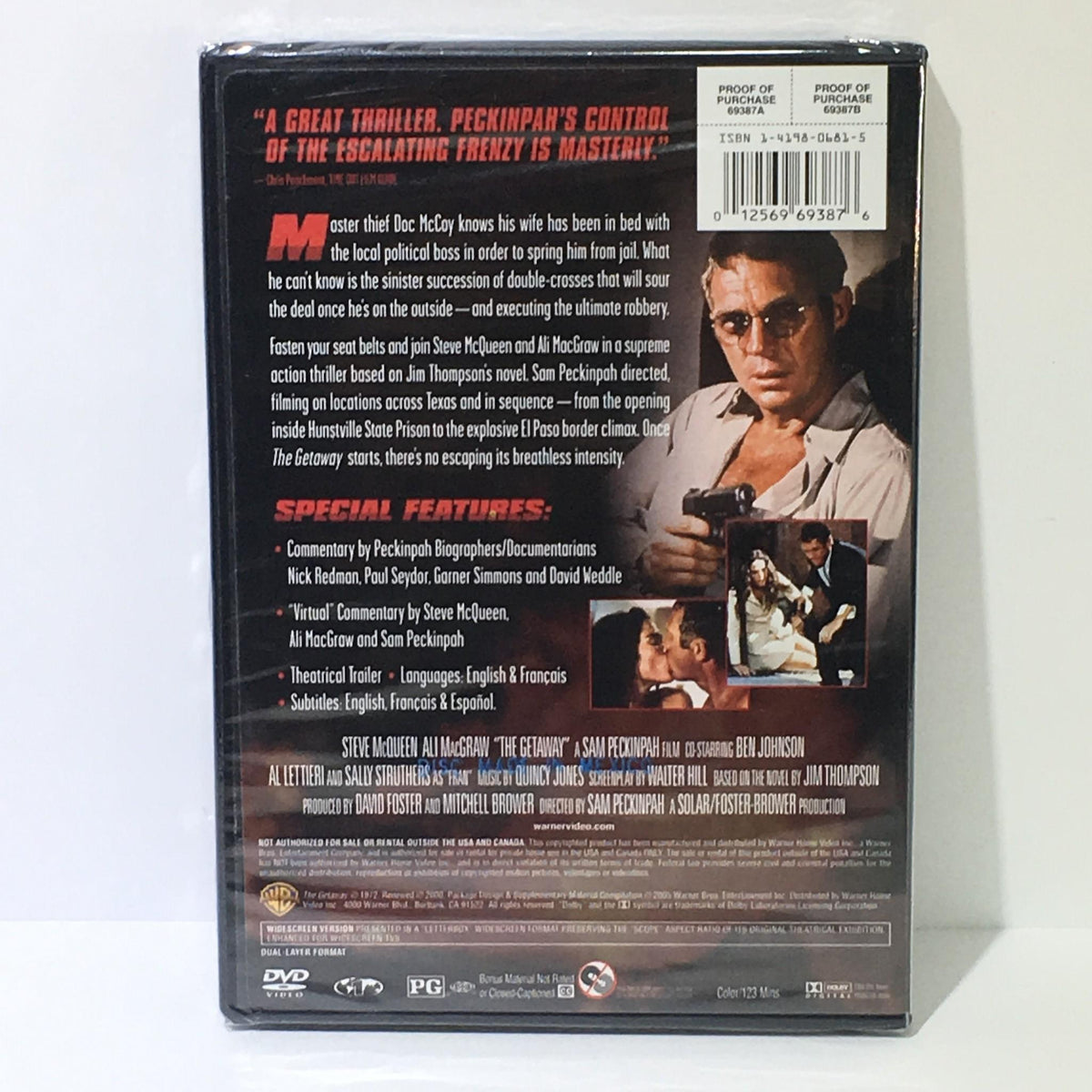
- Film promotional coverage and reviews surrounding Love Story (1970) and The Getaway (1972), including behind-the-scenes features and interviews that captured Hollywood at a transitional, electric moment
- Profile pieces exploring her personal life — her marriage to producer Robert Evans, her relationship with Steve McQueen, and her candid public reflections on ambition, womanhood, and identity that were remarkably frank for the era
- Year-in-review and "Most Beautiful" issues from major publications, where she appeared with striking regularity throughout the early part of the decade as a cultural touchstone rather than simply a film star
- International coverage — particularly from European fashion and cinema publications — that positioned her as an exportable American ideal, the Eastern-educated, naturally elegant counterpoint to the brasher Hollywood archetype
The Collector's Value
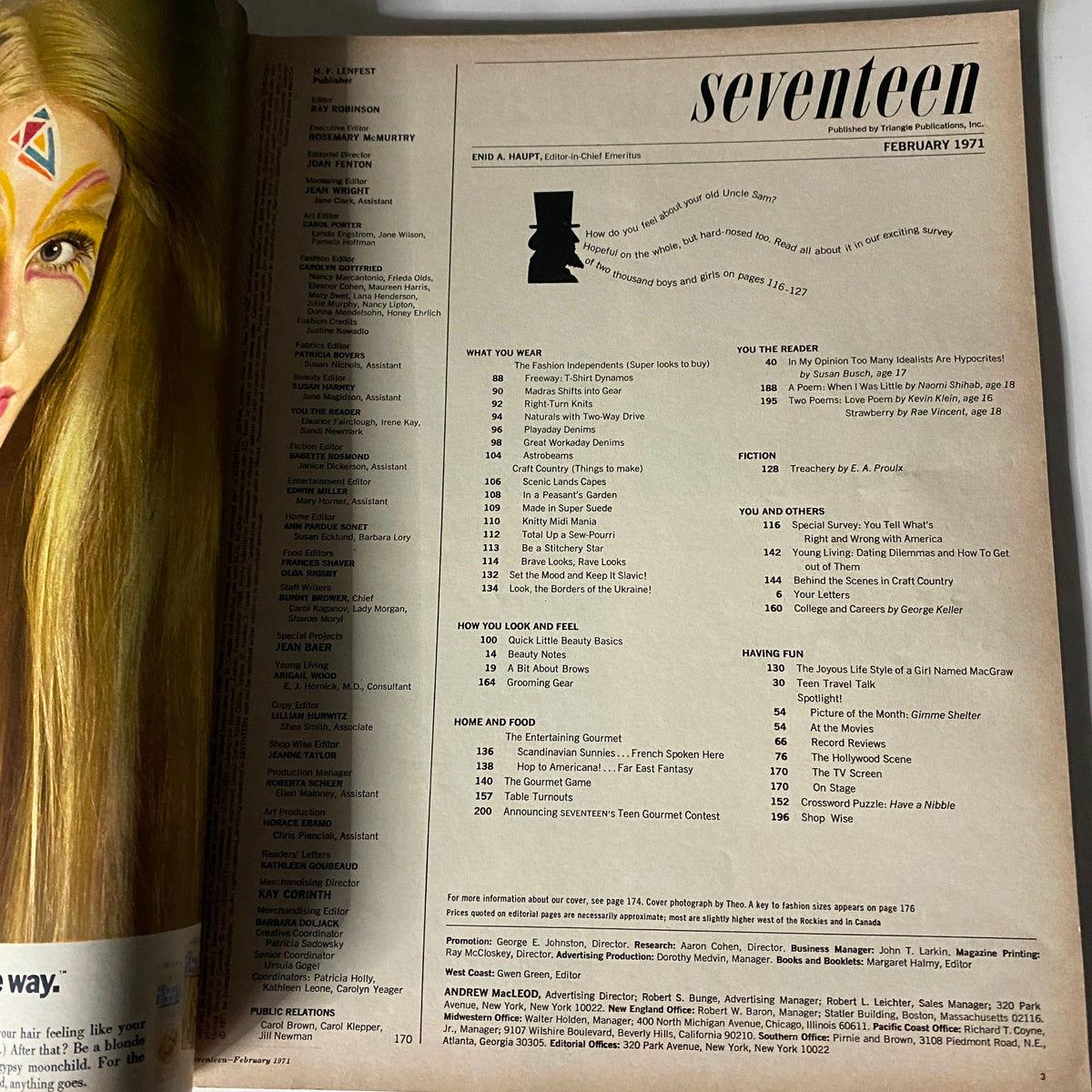
There is something irreplaceable about holding one of these issues in your hands — the slight give of decades-old coated paper stock, the particular amber tint that creeps into the margins of a well-preserved 1971 interior, the ghost of ink that rises faintly when you turn a page under warm light. Surrounding her portraits are the advertisements that tell the full story of the era: perfume campaigns, automobile spreads, pantyhose and Pan Am — a complete anthropological record of American life that no digital archive can replicate. These are primary sources, not reproductions. They were printed when the decade was young, sold on newsstands when Love Story was still in theaters, read by people who experienced the 1970s as the present tense. For collectors of vintage Hollywood and New Cinema memorabilia, 1970s fashion and style history, or iconic American women in cultural history, these publications offer something no streaming service or image search can deliver — the full texture of a moment, preserved. Explore the current available inventory below and find the piece of that era that speaks to you.