📖 About this Collection
Anderson Silva: The Spider's Web — Frozen in Print
The Legend & The Legacy
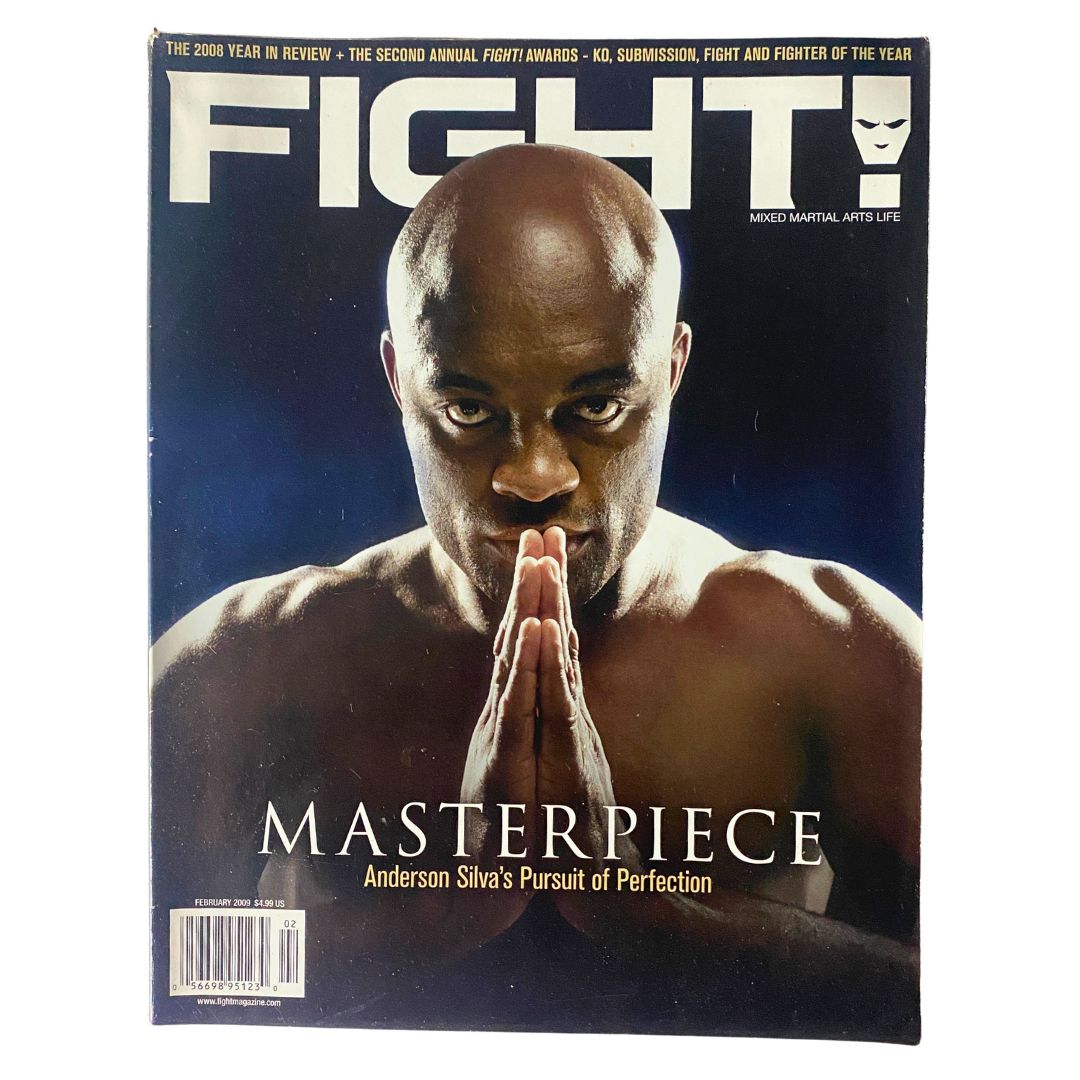
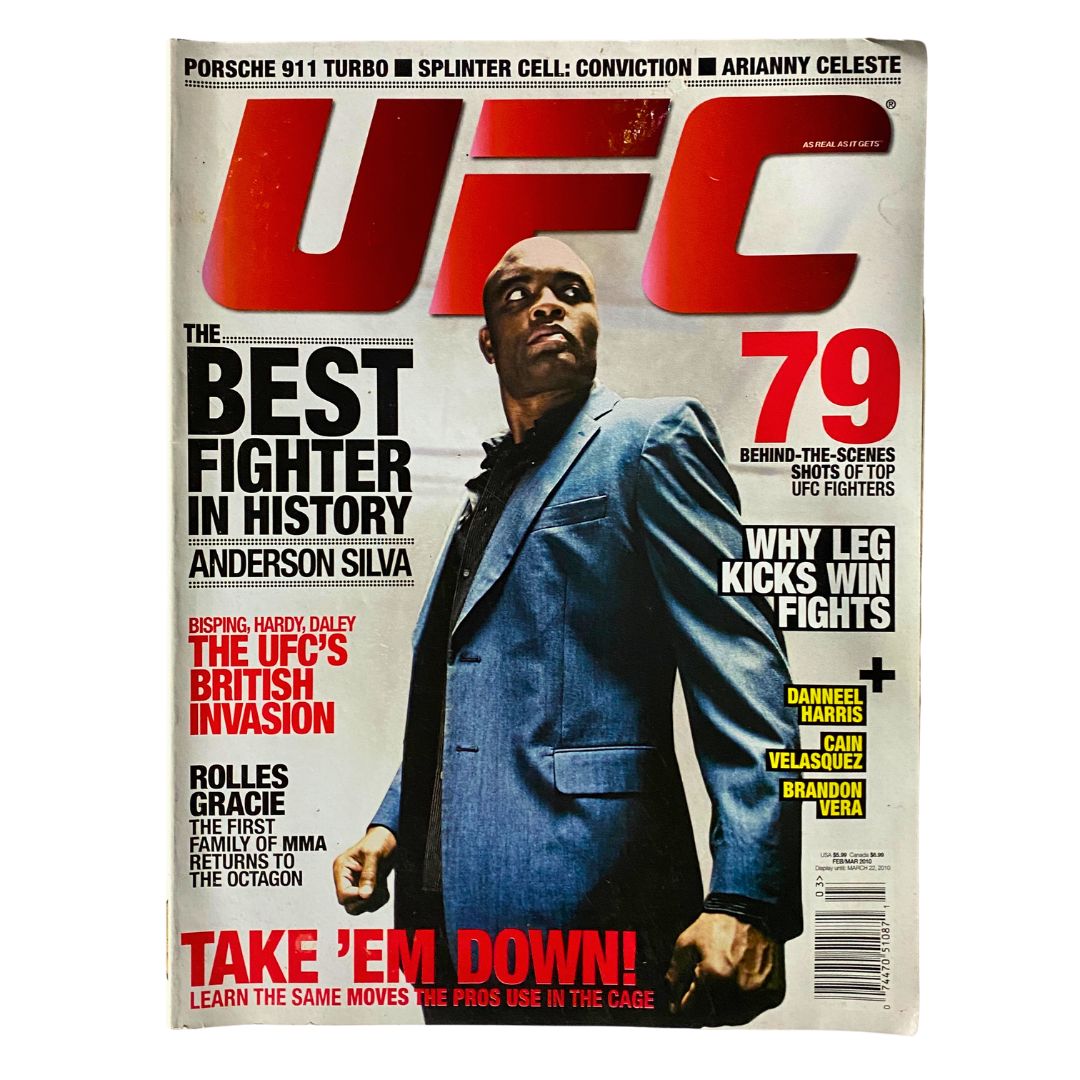
When Anderson Silva climbed to the apex of mixed martial arts in the mid-2000s and held court there for the better part of a decade, the world was witnessing something it had no adequate language for yet. The UFC middleweight champion from Curitiba, Brazil, did not simply win fights — he conducted them, moving with a stillness and economy that felt closer to capoeira or jazz improvisation than anything the combat sports world had catalogued before. In an era when MMA was still fighting for mainstream legitimacy, The Spider became its most compelling argument for recognition as a genuine athletic art form. Fans across Brazil, the United States, Japan, and Europe followed his reign through the pages of glossy fight publications, mainstream sports weeklies, and international martial arts journals — consuming his story in ink and photography long before highlight reels and streaming platforms could flatten the drama into mere content.
Inside the Archive
The print media that chronicled Silva's dominance captured something the digital age has never quite replicated: the gravitas of a man seemingly untouchable in his craft. Sports Illustrated profiled the Brazilian phenomenon as his reign grew impossible to ignore by mainstream American audiences, framing him within the broader narrative of MMA's explosive cultural ascent. ESPN The Magazine, with its bold, high-contrast photography and long-form athletic storytelling, devoted serious editorial space to deconstructing his almost supernatural defensive reflexes and his psychological hold over opponents. Meanwhile, Brazilian publications such as Veja and dedicated combat sports titles like Fighters Only — then the premier glossy of the MMA world — treated him with the reverence of a national institution, their photographers capturing the languid menace of his pre-fight stares and the balletic aftermath of his most iconic knockouts. The editorial tone across these publications oscillated between awe and analytical bewilderment: how does one explain, in print, a fighter who made violence look like calligraphy?
Curator's Checklist: Highlights Often Include
- Championship Milestone Coverage — Issues commemorating his record-breaking UFC middleweight title run, often featuring full-spread photography and retrospective timelines of his most surgical performances inside the Octagon.
- Brazilian Pride Features — Domestic and Latin American publications celebrating the Curitiba-born champion as a cultural ambassador, with coverage frequently woven into broader narratives of Brazil's rising global sporting identity during the pre-World Cup era.
- Signature Fight Retrospectives — Editorial deep-dives into landmark bouts — particularly his breathtaking performances against Forrest Griffin, Vitor Belfort, and Chael Sonnen — dissecting technique with annotated photography in the style of classic boxing journals.
- The Sonnen Rivalry Arc — A chapter so dramatically constructed it generated its own sustained print cycle, from underdog challenger to rematch redemption, covered across fight publications as one of MMA's great rivalry narratives.
- The Fall & The Comeback — Later issues documenting the fractures in the legend — injury, defeat, and the complex, contested twilight of his career — offering collectors the full, unvarnished human arc that transforms an athlete into a historical figure.
The Collector's Value
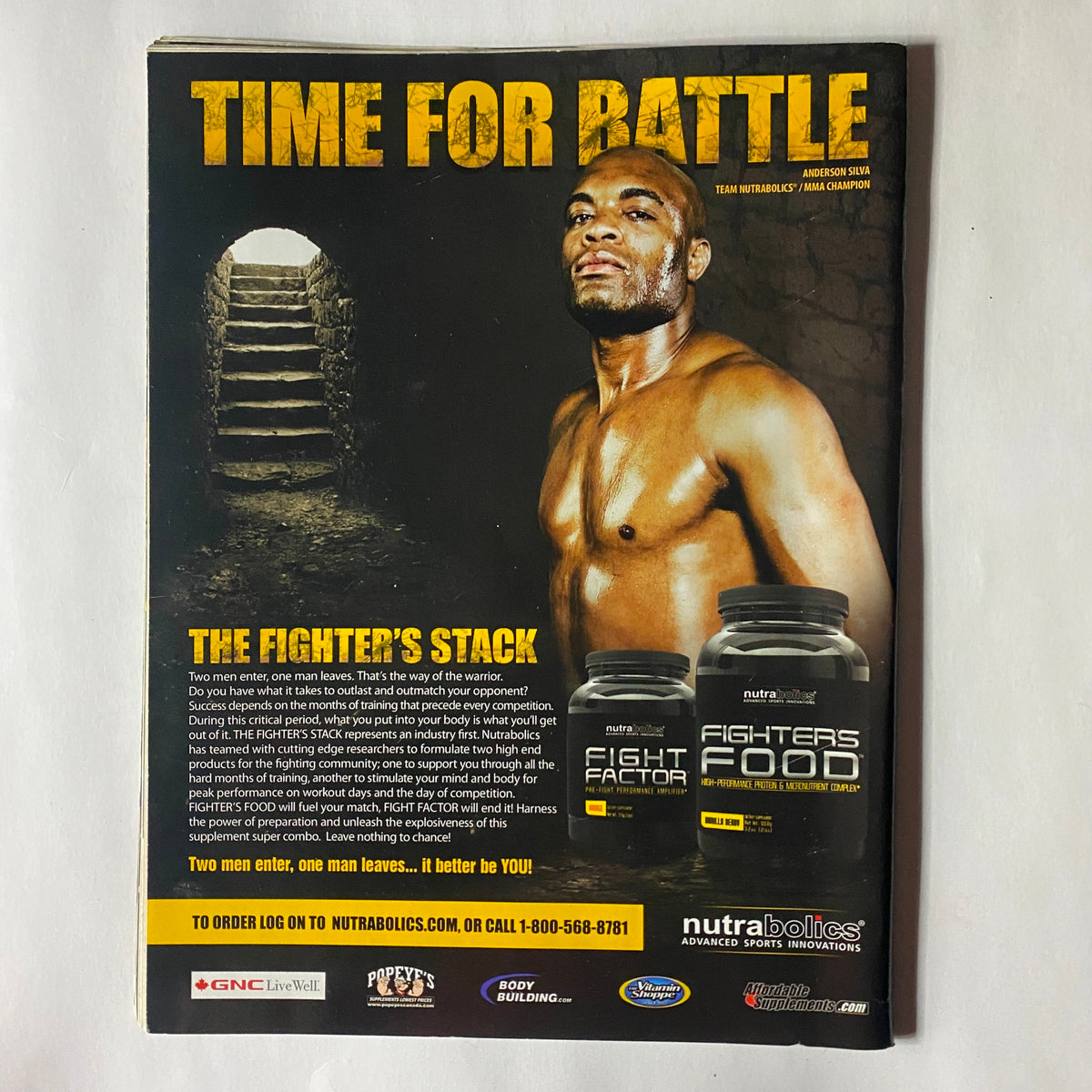
There is something irreplaceable about holding a fifteen-year-old issue of a fight magazine that went to press the week after Anderson Silva did something the sports world had never seen before — the paper slightly yellowed at the margins, the ink carrying that faint, distinctive must of a press run long past, the surrounding advertisements a vivid time capsule of the energy drink brands and pay-per-view promotions of a particular cultural moment. These are not reprints or digital archives; they are primary sources, artifacts of a world processing greatness in real time, before retrospect smoothed every edge into myth. The tactile experience of turning those pages — the weight of a coated sports glossy, the crack of an untouched spine — reconnects the reader to the original urgency of each publication's deadline. For collectors of combat sports history, Brazilian cultural memorabilia, or the broader golden age of MMA print media, these publications offer an irreplaceable window into how the world first learned to describe the indescribable. Explore our current rotating inventory below and claim your piece of that history before it moves on.