📖 About this Collection
Anita Bryant: America's Sweetheart at the Crossroads of Culture and Controversy
The Legend & The Legacy
Few figures of the postwar American era embodied the nation's competing identities quite like Anita Bryant — a Florida orange juice spokeswoman, Miss Oklahoma titleholder, Billboard chart presence, and, ultimately, one of the most polarizing cultural combatants of the 1970s. In the years before cable news and the internet fractured public discourse into infinite channels, the American magazine stood as the great arbiter of celebrity and controversy alike, and she occupied both roles with uncommon intensity. From her early 1960s rise as a fresh-faced pop singer with a wholesome, girl-next-door appeal, through her years as the sun-drenched face of the Florida Citrus Commission, and into her explosive 1977 "Save Our Children" campaign against Miami-Dade County's gay rights ordinance, the public consumed her story almost entirely through the printed page — through glossy covers, full-spread advertisements, and the deeply opinionated feature journalism that defined the era's great magazines. She was, depending on the reader and the decade, a symbol of American innocence, Christian conviction, or reactionary backlash — and the magazines of the time captured every contradictory layer.
Inside the Archive
The photographic treatment of Anita Bryant across vintage print media is a study in how editorial vision shapes public perception. In her early years, publications like TV Guide and Ladies' Home Journal presented her in the warm, saturated tones of midcentury domestic idealism — radiant smiles, patriotic backdrops, and the kind of composed femininity that Madison Avenue considered its gold standard. People magazine, launched in 1974, found in her a recurring subject tailor-made for its human-interest sensibility, chronicling both her commercial persona and the firestorm of her later activism with the breathless intimacy the publication perfected. Meanwhile, Time and Newsweek — the twin pillars of American weekly journalism — approached her 1977 campaign with the gravity of a national cultural reckoning, running feature spreads that placed her at the center of an emerging debate about civil rights, religion, and the changing definition of American family life. The editorial tone shifted dramatically across publications and across decades: the same woman photographed beaming beside a glass of orange juice in a 1975 lifestyle spread would appear just two years later in a hard-news context, her image suddenly charged with the weight of protest, boycott, and a nation arguing with itself.
Curator's Checklist: Highlights Often Include
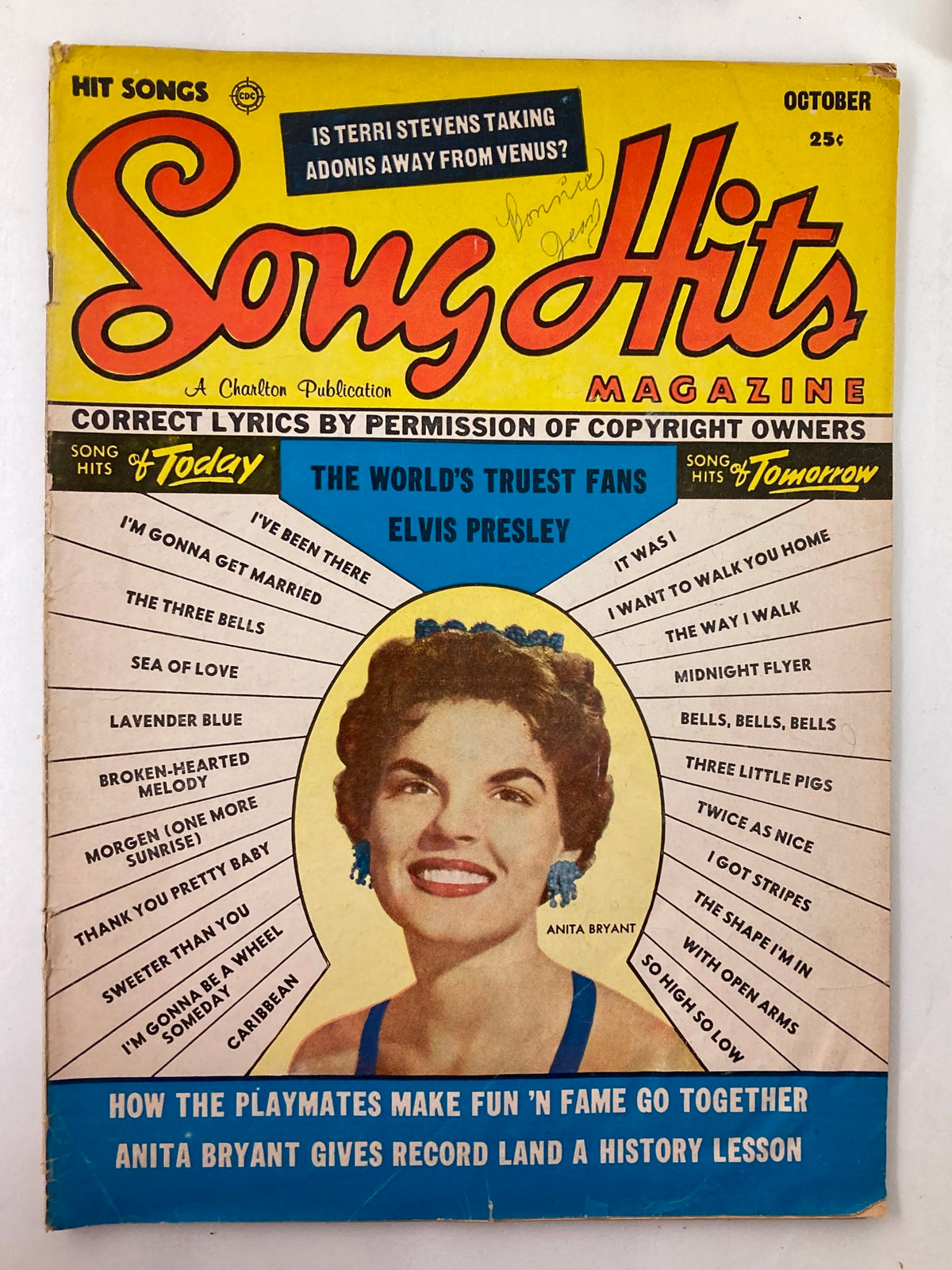
- Early career coverage from the late 1950s and 1960s, including features tied to her Miss Oklahoma and Miss America runner-up appearances, her recording career on Carlton and Columbia Records, and her television variety show appearances that made her a fixture in American living rooms
- Florida Citrus Commission advertisement ephemera and editorial tie-ins from the late 1960s through mid-1970s, when her face was among the most recognized commercial images in the United States — issues from this period frequently carry both her editorial presence and period advertising that doubles as vivid cultural artifact
- 1977–1978 news and opinion coverage of the "Save Our Children" campaign, representing some of the most historically significant print documents of the early American culture wars, with major weeklies and newsmagazines dedicating substantial editorial space to the Miami-Dade ordinance battle
- International and religious press coverage, including publications aimed at evangelical Christian readerships and conservative family-values audiences, which celebrated her activism and framed her as a moral standard-bearer during a period of perceived national decline
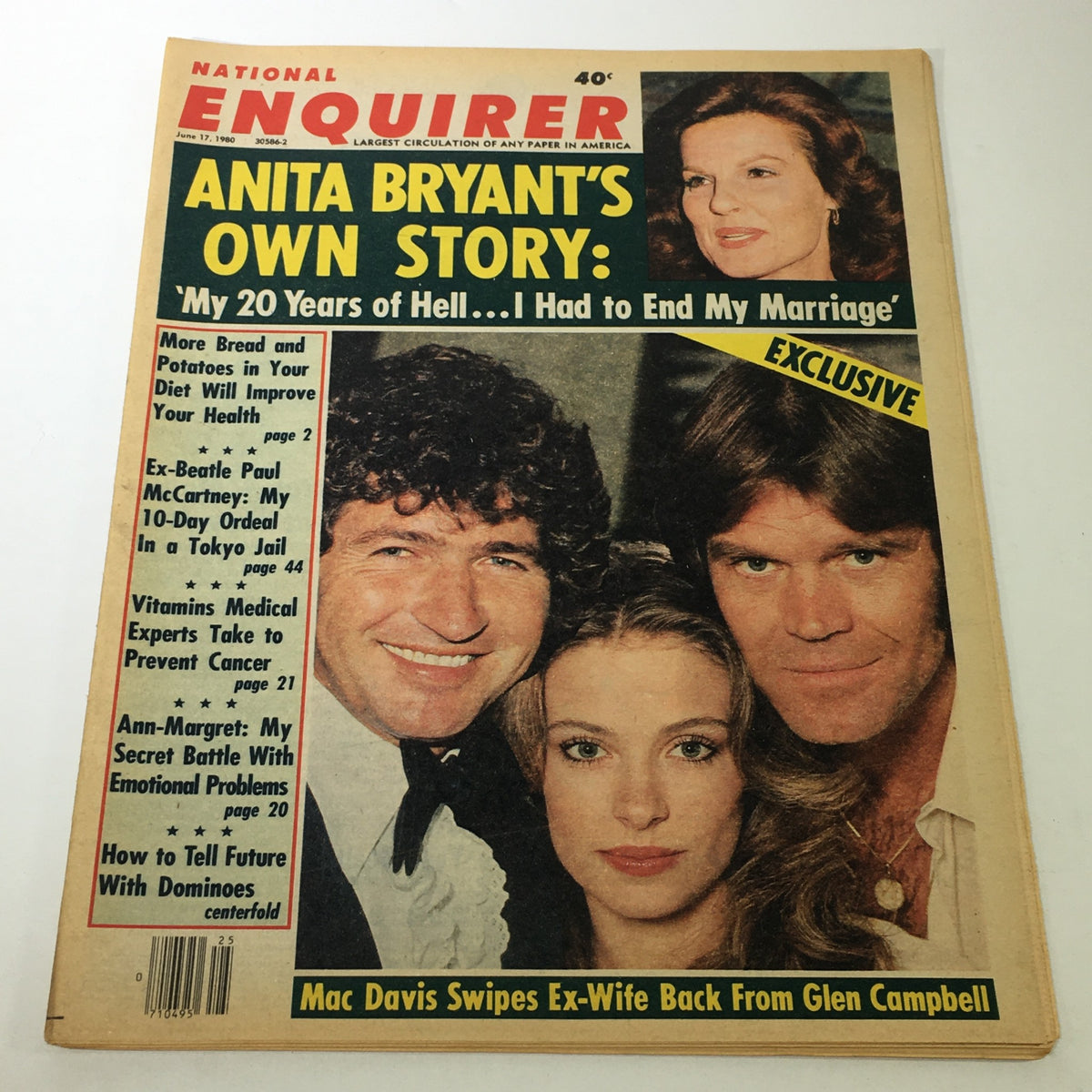
- Post-campaign and personal life coverage from the late 1970s and early 1980s, including features addressing the commercial boycott of Florida orange juice, her divorce from manager Bob Green, and the complicated unraveling of the public image she had so carefully cultivated
The Collector's Value
To hold one of these original issues is to hold something that no digital archive can replicate — the particular weight of coated paper stock from a 1970s Newsweek, the faint mineral smell of decades-old ink, the visual texture of halftone photography printed before the age of digital reproduction. The advertisements alone constitute a time capsule: cigarette brands, domestic appliances, and vacation destinations that conjure an America that has entirely vanished, framing the central editorial content with a contextual richness no reprint or scan can approximate. Anita Bryant's story, refracted through original print media, is not simply celebrity biography — it is primary source material for understanding how America negotiated gender, faith, sexuality, and commercial identity in the late twentieth century. For collectors of Americana and postwar pop culture, LGBTQ+ history and the early civil rights movement, or midcentury celebrity and advertising ephemera, these publications offer irreplaceable firsthand testimony to a pivotal and unresolved chapter in the national story. Explore the current available inventory below, and discover which singular piece of that history is waiting to find its next custodian.