📖 About this Collection
Anne Bancroft: The Woman Who Made the Stage Tremble and the Screen Catch Fire
The Legend & The Legacy
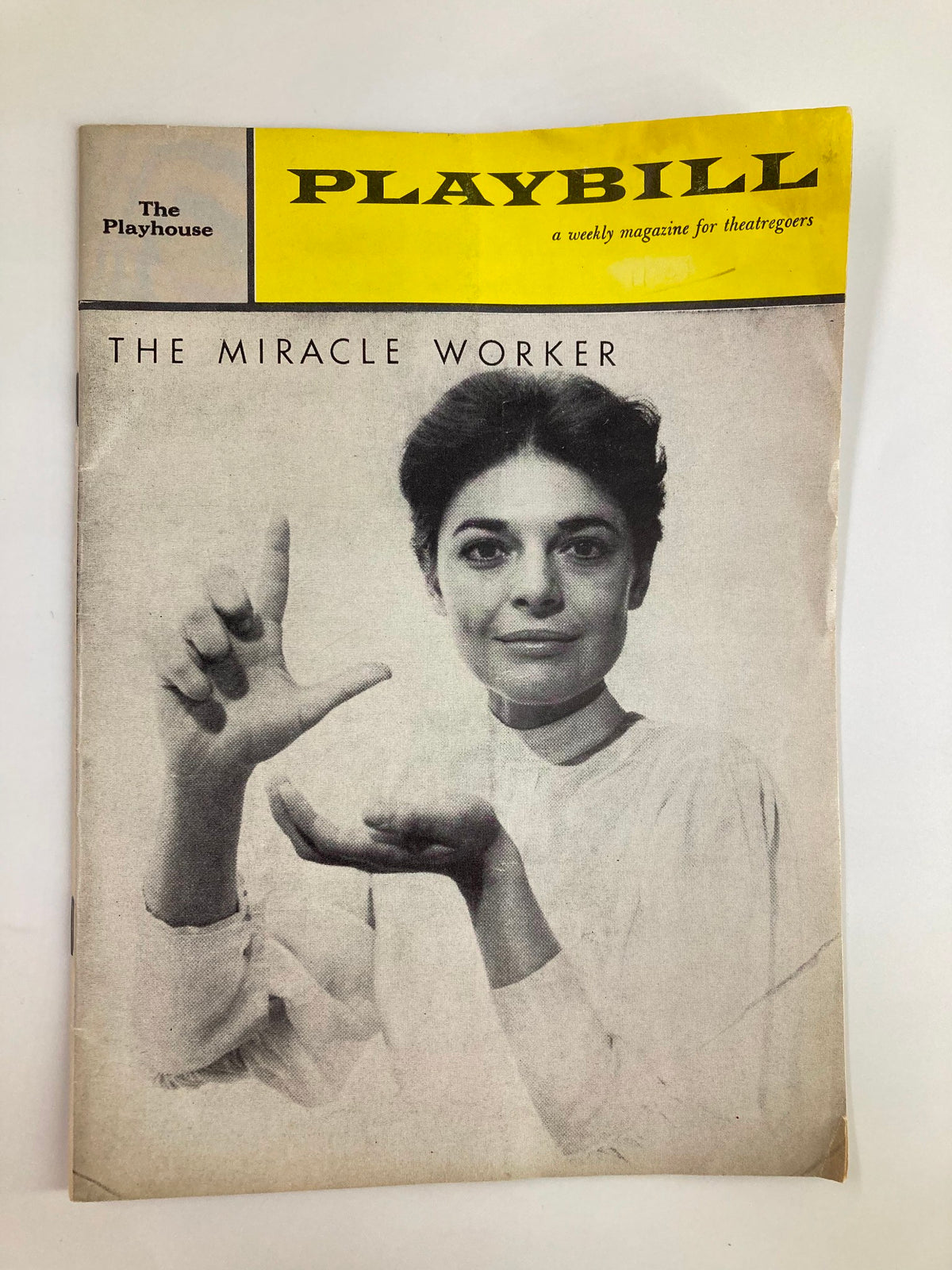
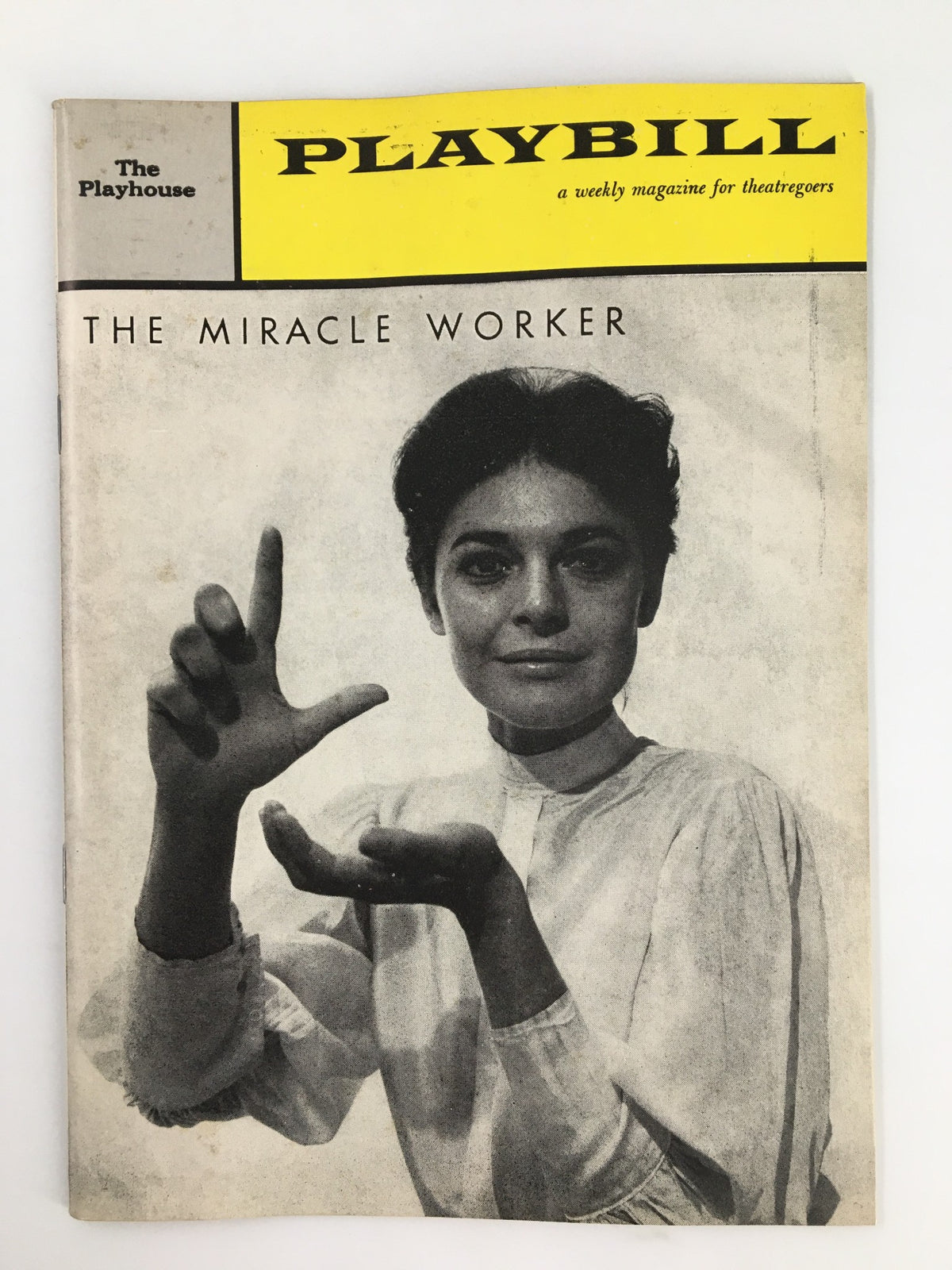
Before the algorithm could reduce a performance to a clip, before a streaming service could flatten a career into a thumbnail, Anne Bancroft was experienced the way great art was always meant to be — in the dark, in the moment, with an audience holding its breath. Born Anna Maria Louisa Italiano in the Bronx, she ascended through the bruising machinery of 1950s Hollywood, shed the studio system's limitations, and returned to the stage to deliver what many critics would call the defining theatrical performance of the 20th century: Annie Sullivan in The Miracle Worker. Her 1963 Academy Award for The Miracle Worker and her Tony Award before it announced something rare — an artist who could command both Broadway and Hollywood simultaneously, and who refused to be owned by either. Then came The Graduate in 1967, and Mrs. Robinson entered the cultural bloodstream permanently, making her a symbol of desire, disillusionment, and dangerous sophistication at the precise moment America was tearing itself apart and remaking itself anew. Magazine readers across the country consumed her story in installments — the comeback, the triumph, the iconography — through glossy pages that captured a woman perpetually ahead of wherever the culture thought it was standing.
Inside the Archive
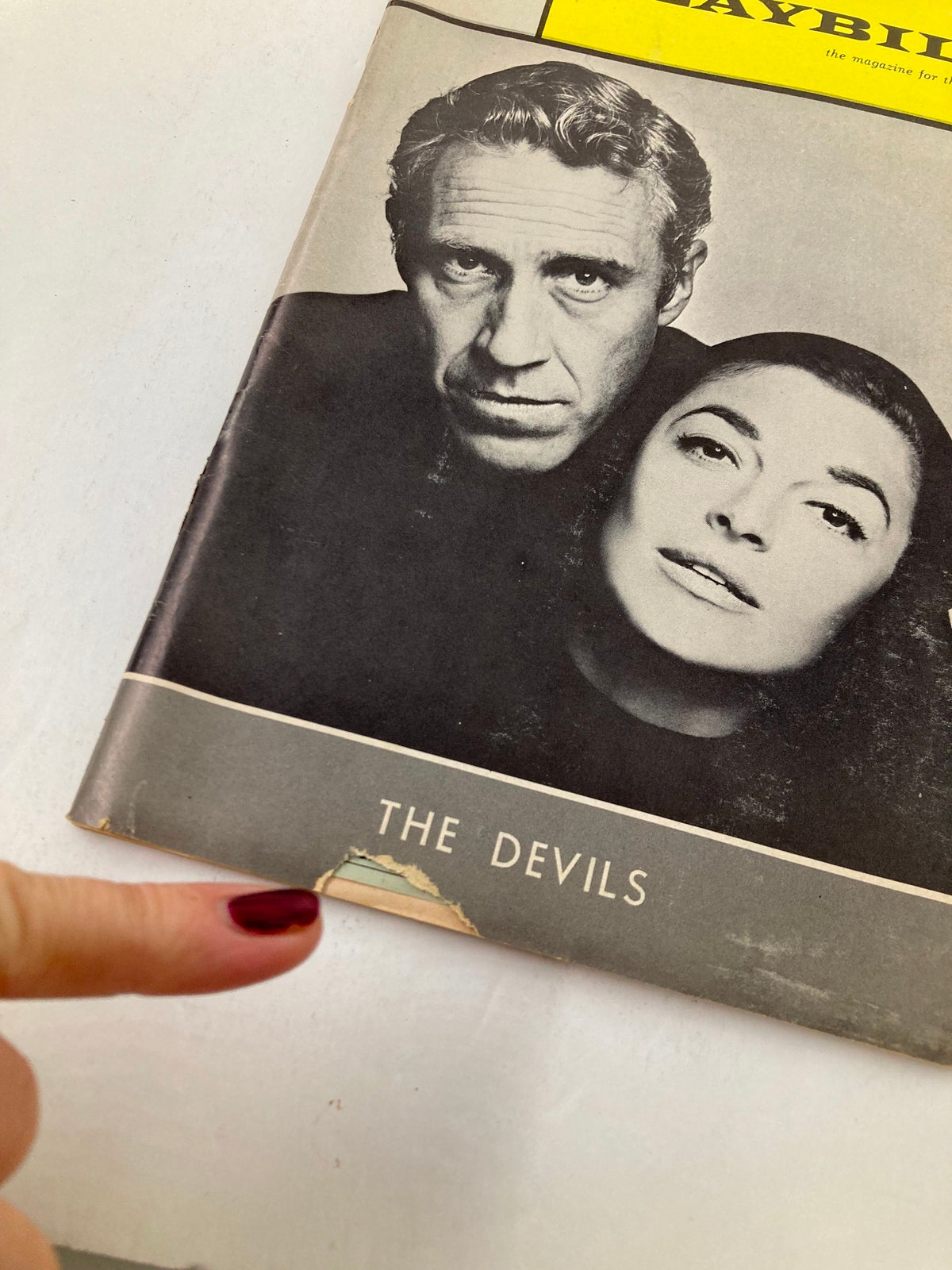
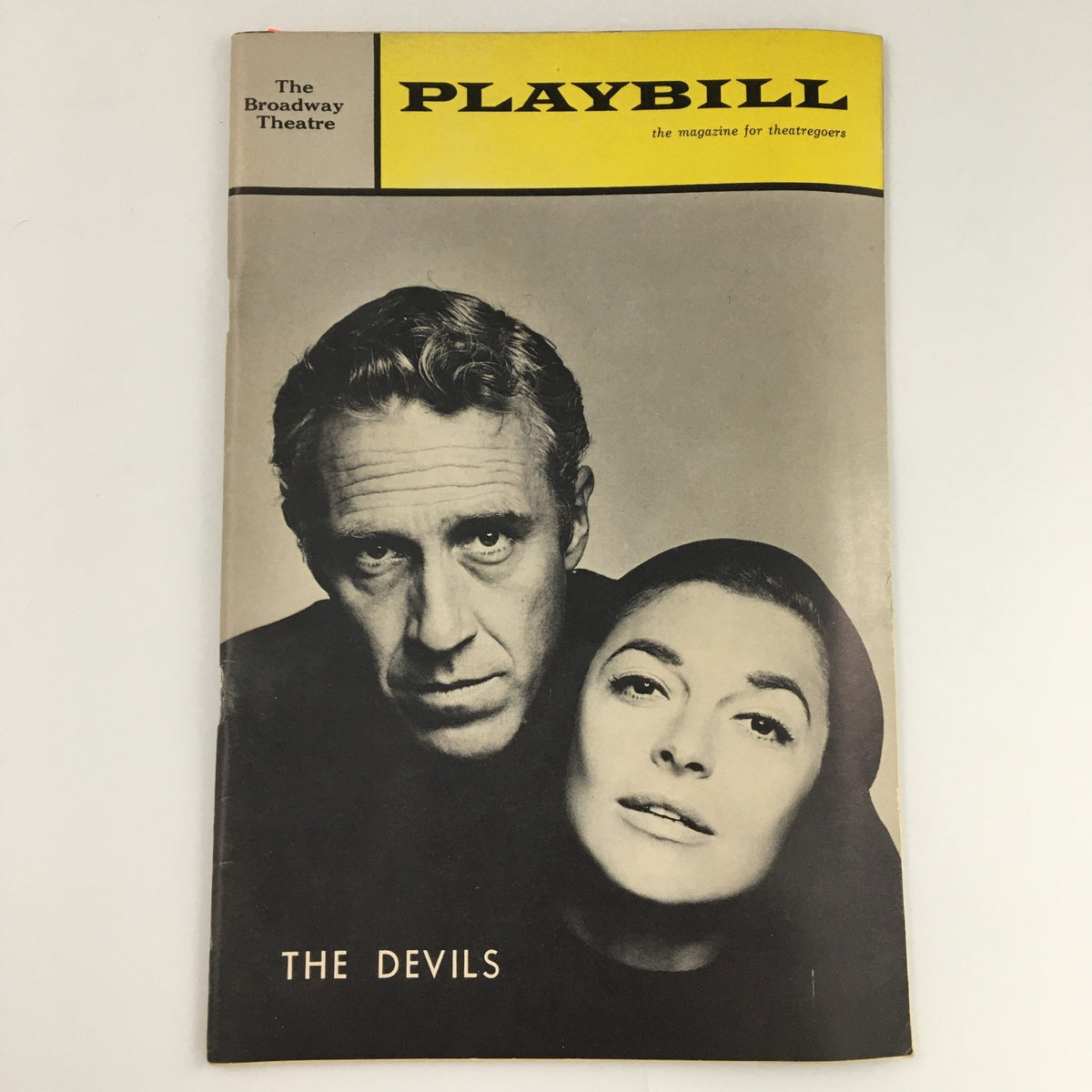
Vintage magazine coverage of Anne Bancroft is a study in how print media grappled with a woman who defied easy categorization. In the early years, publications like Photoplay and Modern Screen ran the obligatory studio-era profiles — glamour photographs, carefully managed personal narratives, the machinery of celebrity working as designed. But as her career pivoted toward the stage and she reclaimed her identity, the editorial tone shifted. Life magazine, with its sweeping full-page photography and its instinct for cultural gravitas, recognized in her a subject worthy of its most serious visual storytelling; coverage from the mid-1960s era in particular captured the magnetic contradictions of a woman who was simultaneously Broadway royalty and Hollywood provocateur. Look magazine offered its own richly photographed profiles during the peak Graduate years, leaning into the cultural storm that film ignited. Internationally, Paris Match — with its celebrated eye for the intersection of beauty and intellect — treated her as a figure of European-worthy artistic seriousness, offering visual documents rarely seen in domestic archives. The photography across these publications ranges from carefully lit studio portraiture to candid, almost theatrical backstage imagery, all of it bearing the unmistakable visual grammar of an era when a magazine cover was the highest form of public consecration.
Curator's Checklist: Highlights Often Include
- Broadway triumph coverage (1959–1962): Features and reviews surrounding her Tony Award-winning run in The Miracle Worker, including theatre-focused publications and general interest weeklies that treated the performance as a national cultural event
- Academy Award season profiles (1963): The prestige-magazine circuit of Oscar coverage, featuring interviews, fashion spreads, and critical retrospectives that cemented her standing as a serious dramatic actress of the first order
- The Graduate era (1967–1968): An exceptionally sought-after period, with entertainment, culture, and general interest magazines grappling with Mrs. Robinson as a social phenomenon — often featuring provocative photography and essays on sexuality, gender, and generational conflict
- Married life with Mel Brooks features: Profiles and human-interest coverage of one of Hollywood's most beloved and intellectually dynamic marriages, frequently appearing in entertainment monthlies throughout the 1970s and 1980s
- Career retrospectives and lifetime achievement coverage (1980s–early 2000s): Later-era magazine tributes examining her full body of work, from Agnes of God to 84 Charing Cross Road, offering the reflective, curatorial tone that positions her legacy in its full historical context
The Collector's Value
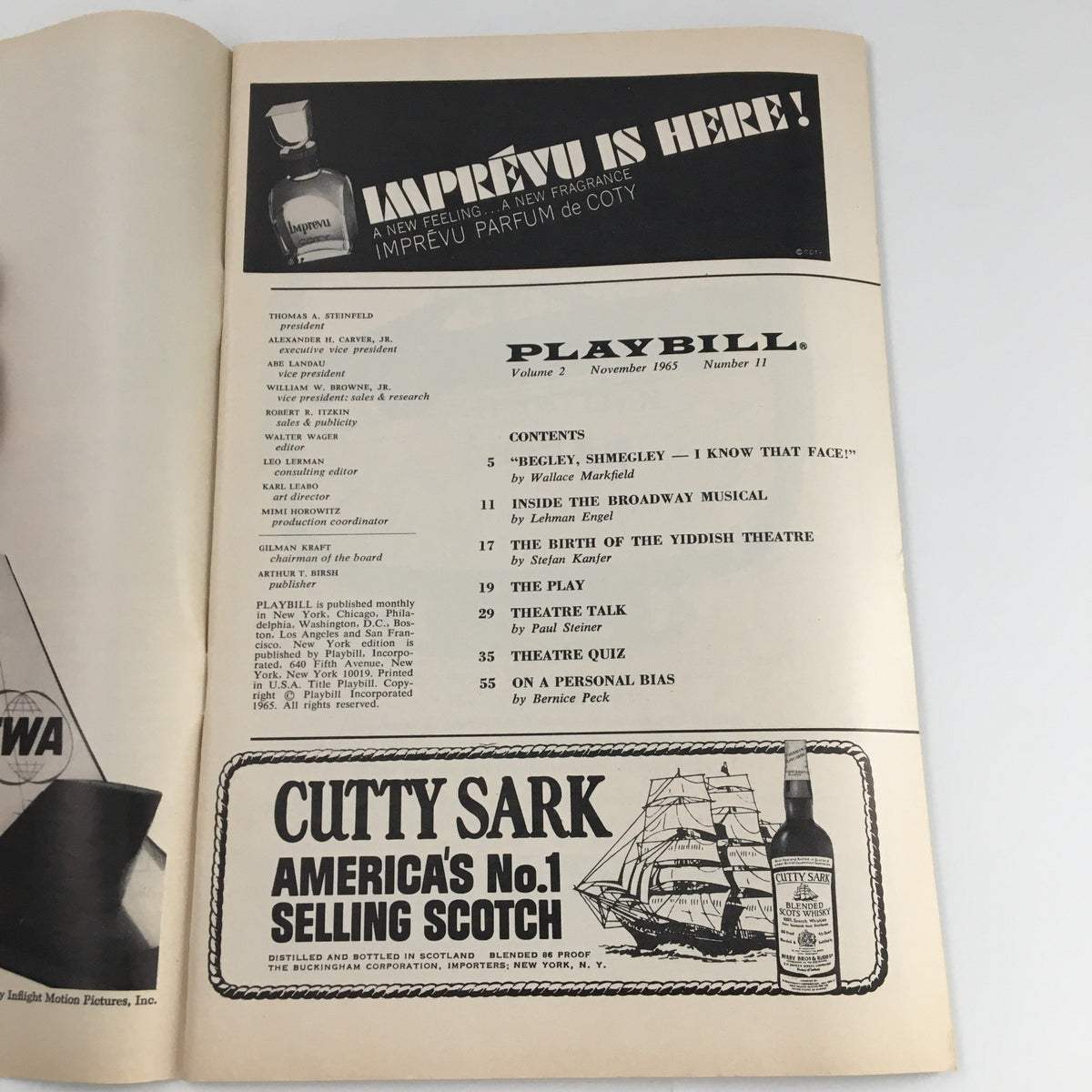
To hold one of these original issues is to hold the specific weight of the moment in which it was printed — the slightly rough tooth of mid-century coated stock, the dense, petroleum-rich perfume of ink that no digital reproduction can conjure, the surrounding advertisements for cars and cigarettes and perfumes that place the entire document precisely in its historical second. These are not reprints or commemorations; they are primary sources, artifacts from a culture actively processing a remarkable woman's career in real time, without the benefit of hindsight or retrospect. The editorial choices, the photograph selections, the language used to describe her — all of it is unfiltered testimony to how the age understood itself. For collectors of golden-age Hollywood memorabilia, mid-century Broadway and American theatre history, or second-wave feminist cultural artifacts, these publications offer an irreplaceable window into a woman whose work permanently altered what audiences expected from a dramatic performance. Explore our current rotating inventory below, and discover which pieces of this remarkable legacy are available to bring home today.