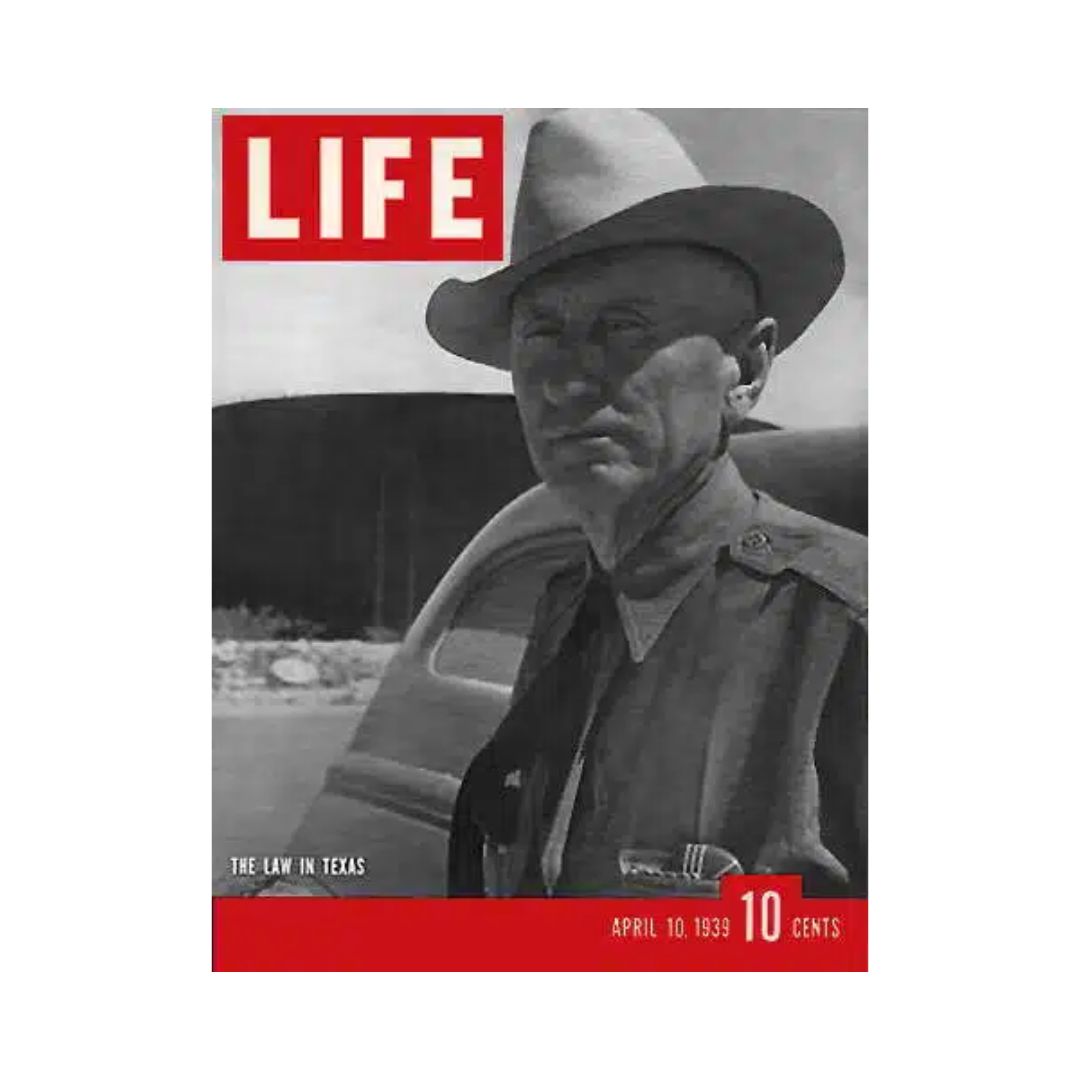
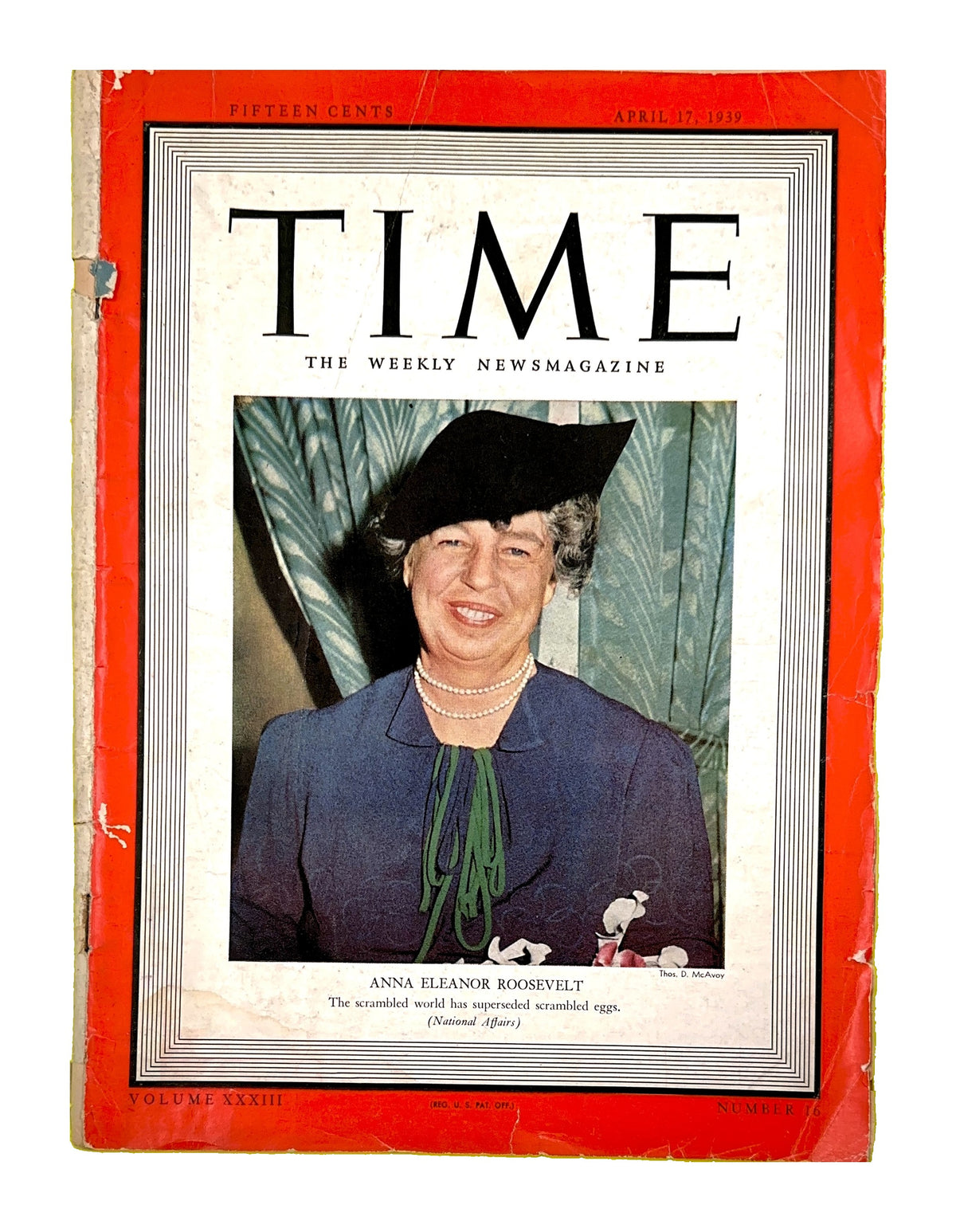
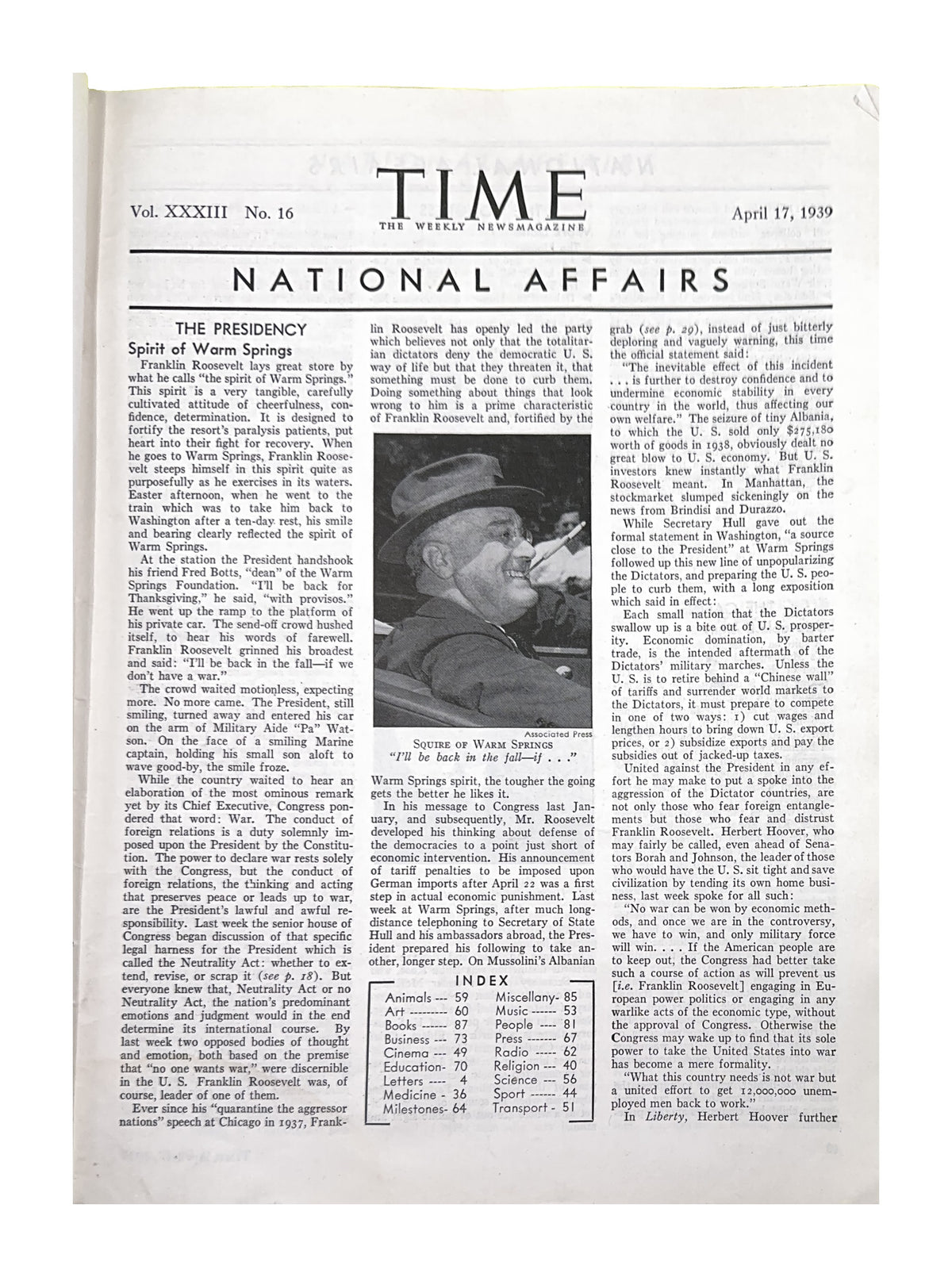
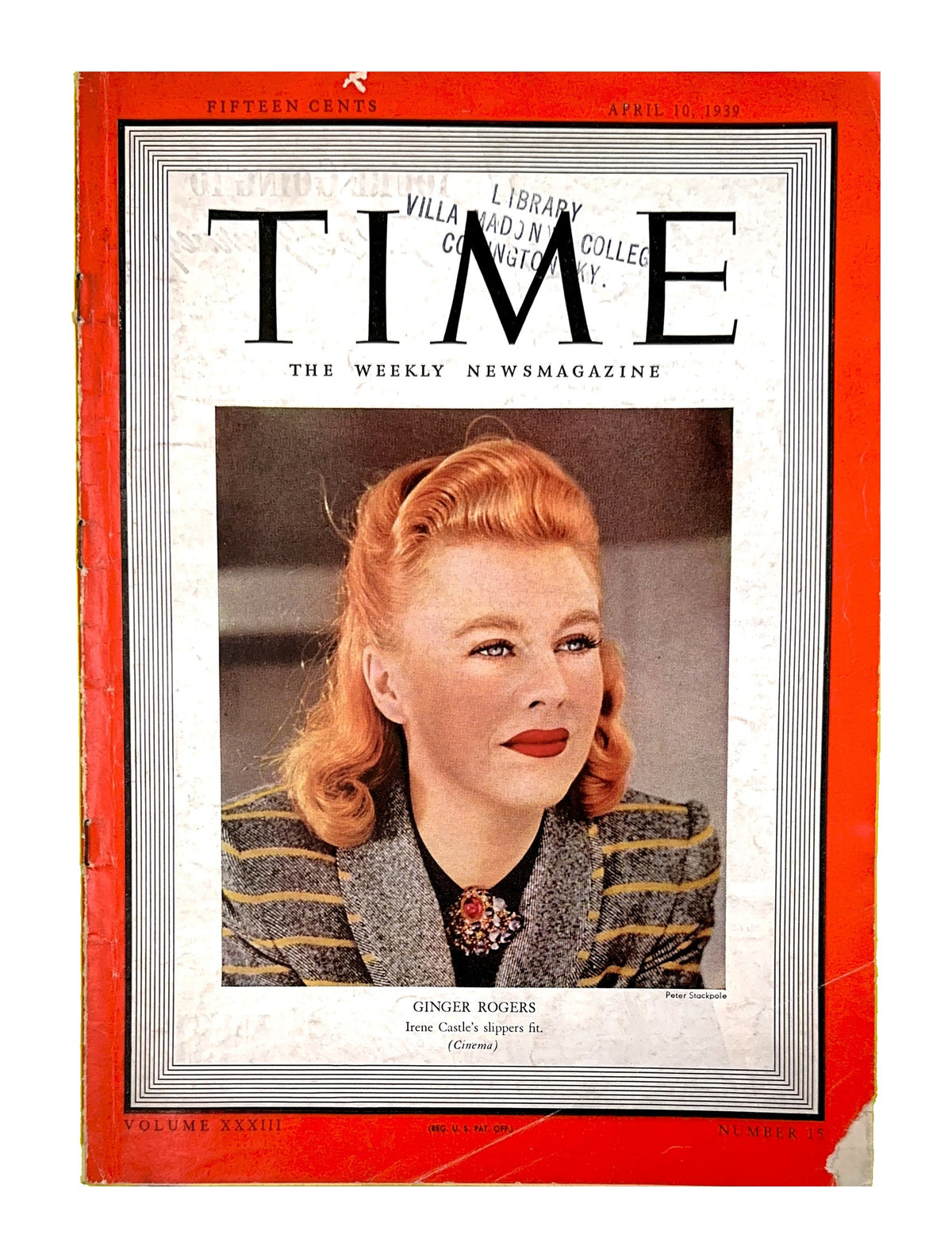
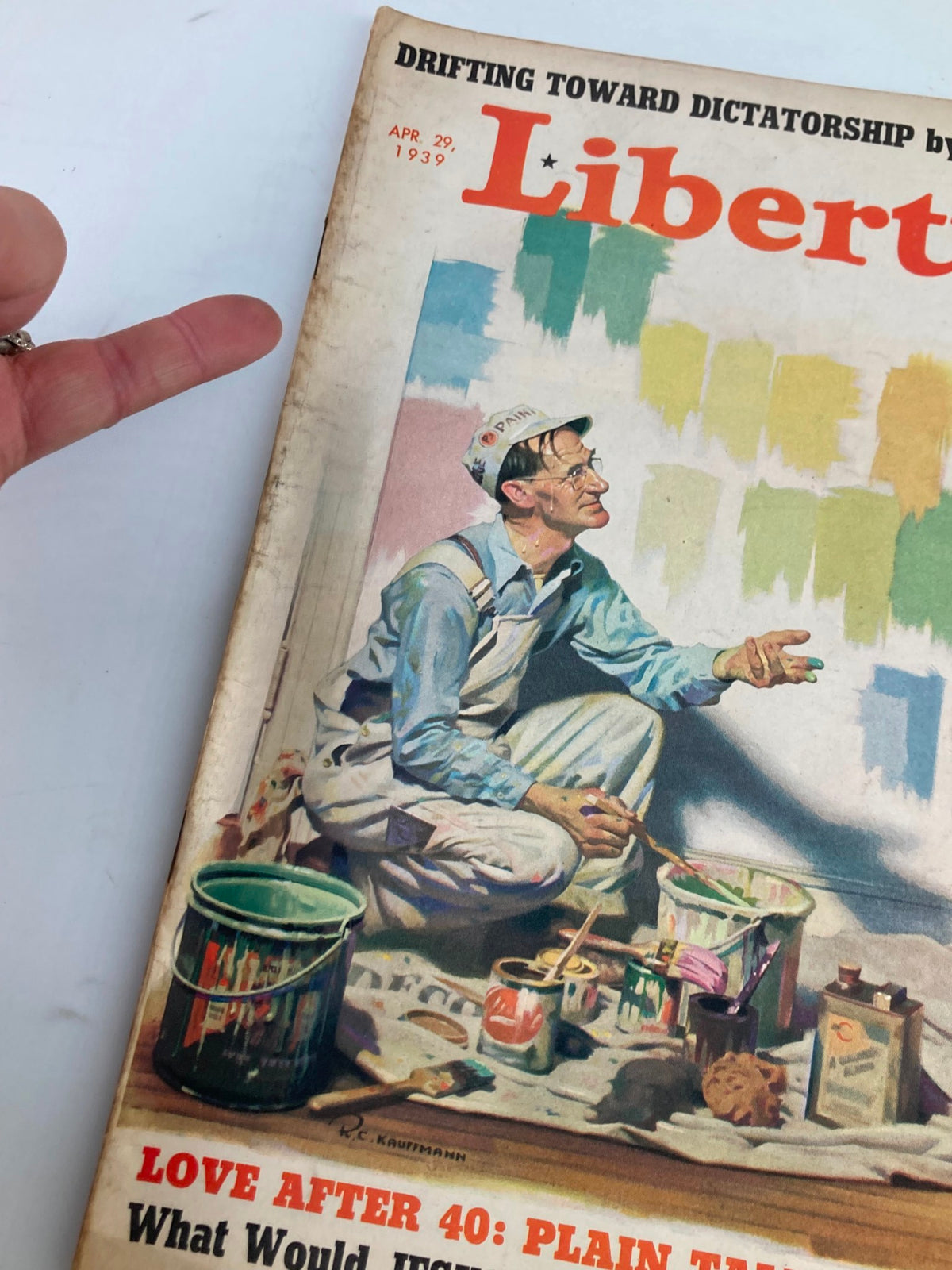
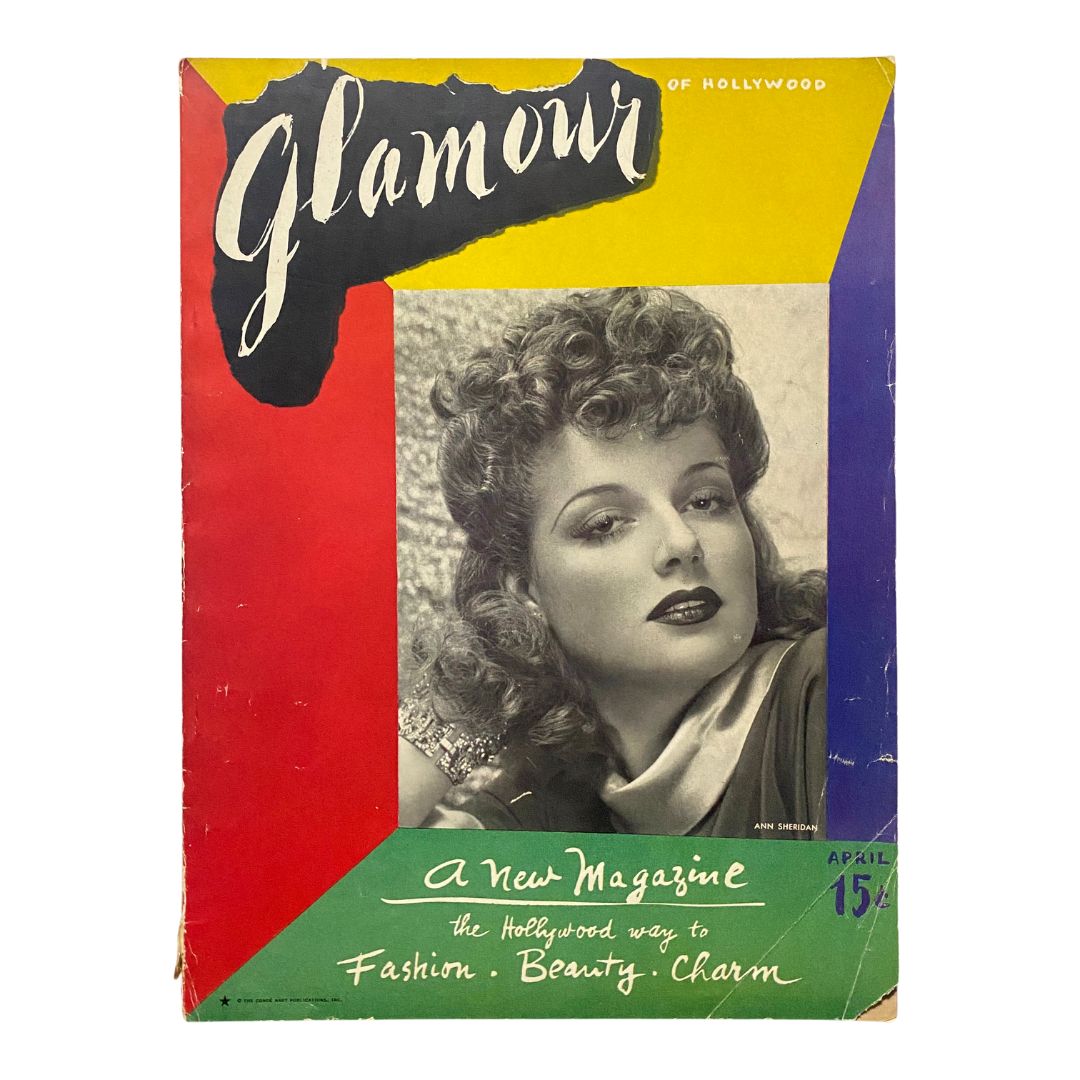
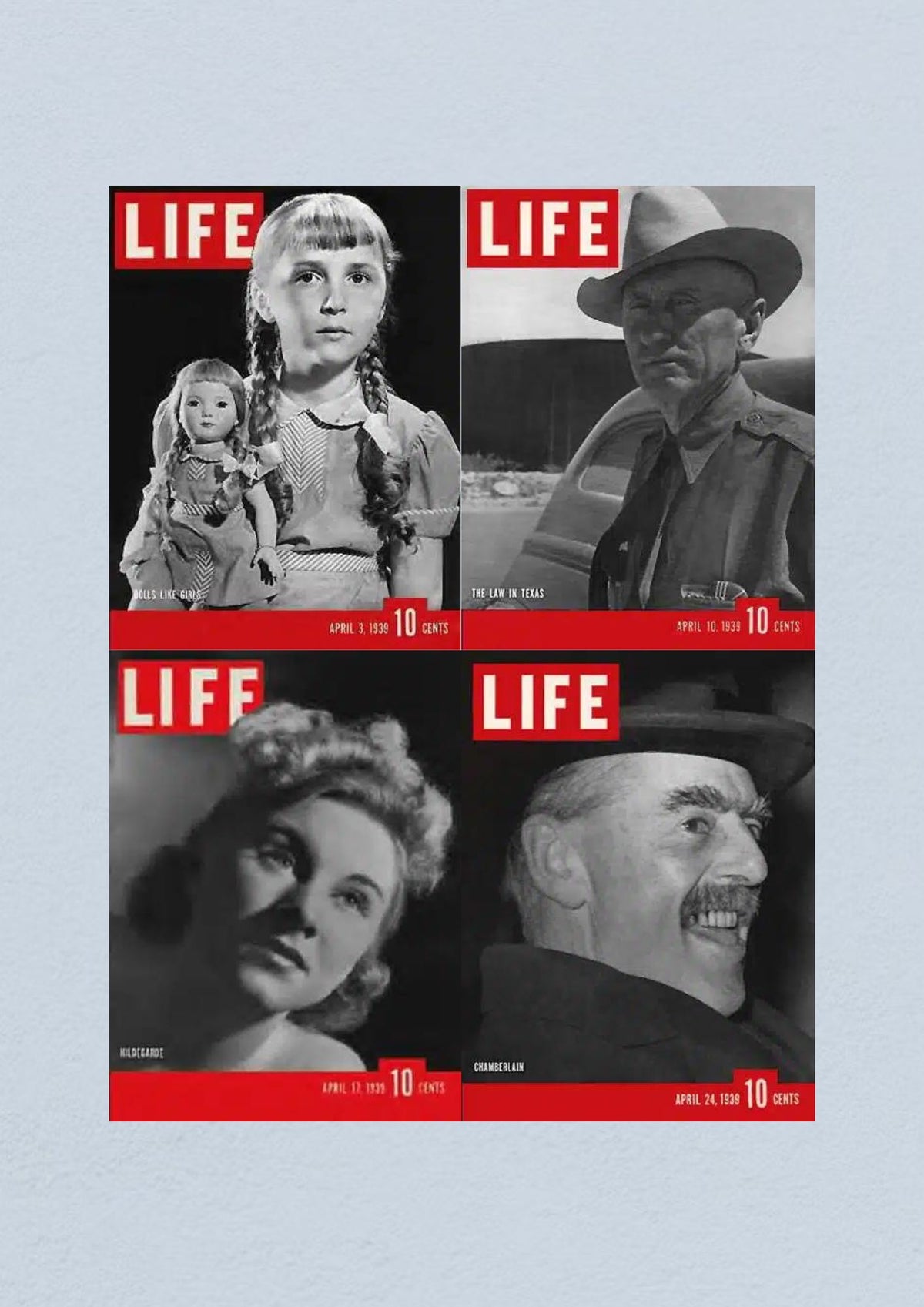
📖 About this Collection
April 1939: Europe on the Edge of the Abyss
The Historical Context
The spring of 1939 arrived with the scent of danger in the air. Europe was fracturing. On April 7, Italy's armies crossed into Albania, sending King Zog I fleeing into exile within days and sending tremors through every foreign ministry on the continent. That same week, the Soviet Union made its move—proposing a military alliance with Britain and France to contain Nazi Germany, a gambit that would ultimately collapse into something far more sinister. Adolf Hitler, meanwhile, claimed his non-aggression pact with Poland remained intact, a hollow reassurance that convinced almost no one. Great Britain and Poland signed their own military pact. Hungary left the League of Nations. The dominoes of diplomacy were tipping, one by one. At the close of the month, President Franklin D. Roosevelt opened the 1939 New York World's Fair—and in doing so became the first U.S. president to appear on television. This was the world your loved one entered: a civilization simultaneously reaching for the future and bracing for catastrophe.
Culture, Sport & the American Scene
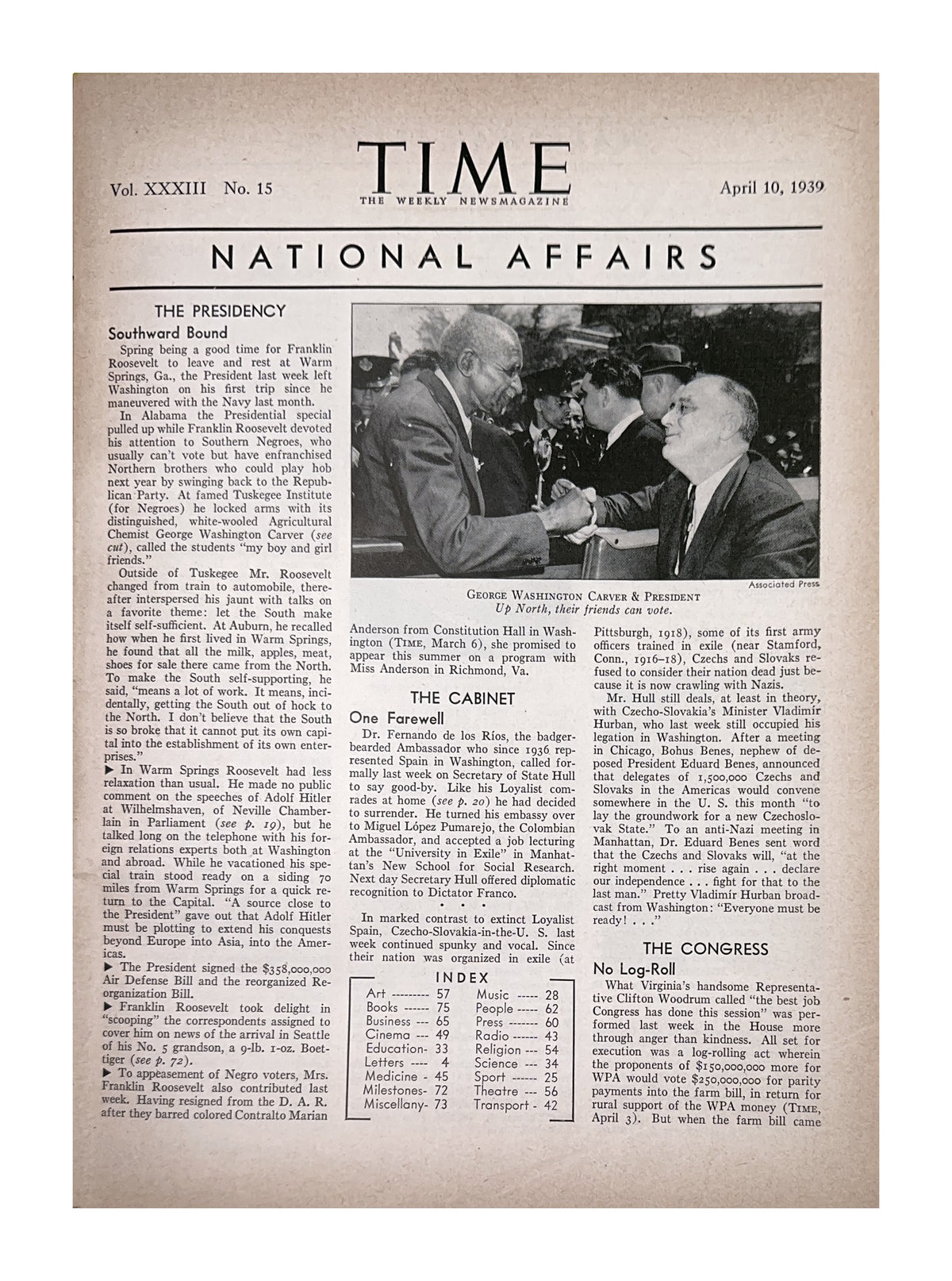
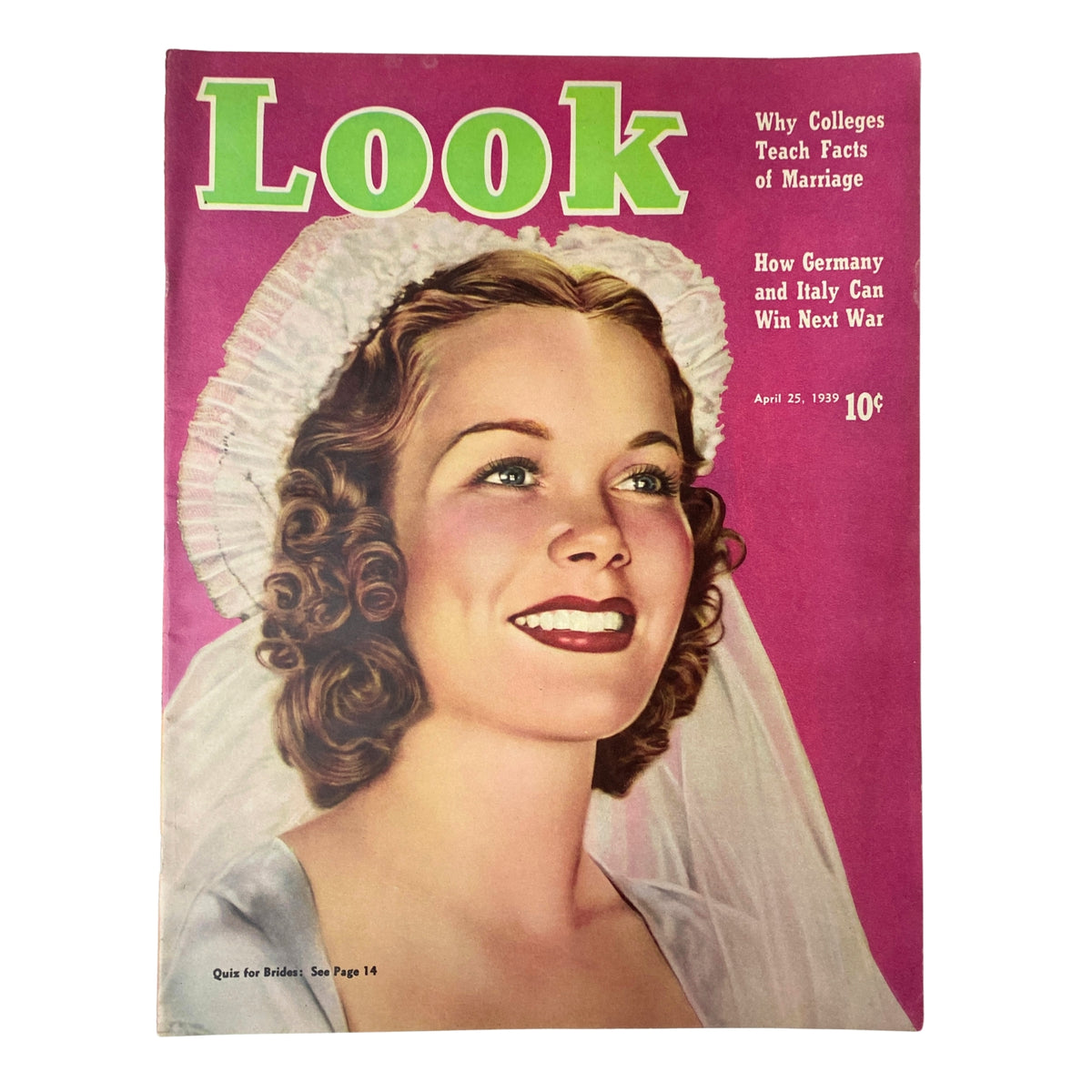
While Europe lurched toward conflict, American life hummed with remarkable energy. On April 9, contralto Marian Anderson stood before 75,000 people at the Lincoln Memorial—after being barred from performing to an integrated audience at Constitution Hall—and delivered one of the most charged musical moments in the nation's history. Two weeks later, John Steinbeck's The Grapes of Wrath hit bookstore shelves on April 14, instantly reshaping how Americans understood poverty and resilience. On the sports pages, the Boston Bruins claimed the Stanley Cup, Ralph Guldahl won the Masters with a record-breaking 279, and Joe Louis defended his heavyweight title with a first-round knockout at Wrigley Field. A young Ted Williams recorded his first Major League hit—and his first home run—in the same remarkable month. Original magazines from April 1939 captured all of this in real time: Life, Time, and Look carried the political thunder while Sports Illustrated predecessors and general weeklies chronicled a sporting month for the ages.
Curator's Checklist
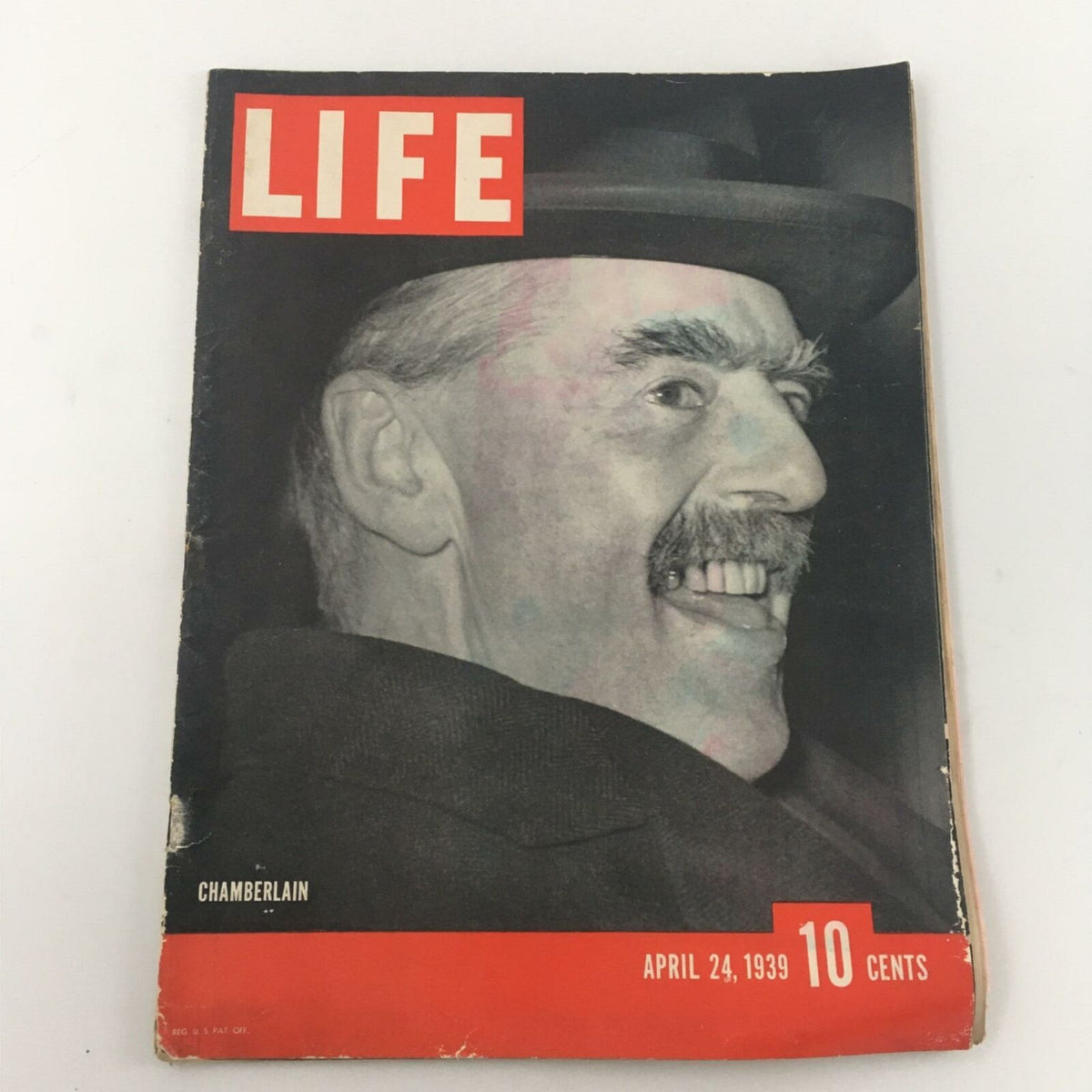
- Italy's Invasion of Albania: News and photojournalism magazines such as Life and Newsweek featuring front-page coverage of Mussolini's forces crossing the Adriatic, often illustrated with dramatic wire photography of troops landing and King Zog's hasty flight from Tirana.
- Marian Anderson at the Lincoln Memorial: Issues of Life and Look showcasing photographic spreads of the 75,000-strong crowd gathered on the National Mall, chronicling one of the most resonant civil rights moments of the pre-war decade—a story told as much in images as in words.
- The Grapes of Wrath publication: Literary and general-interest magazines including the Saturday Evening Post reflecting the Dust Bowl moment in advertising imagery, feature articles, and reviews that placed Steinbeck's novel squarely in the national conversation.
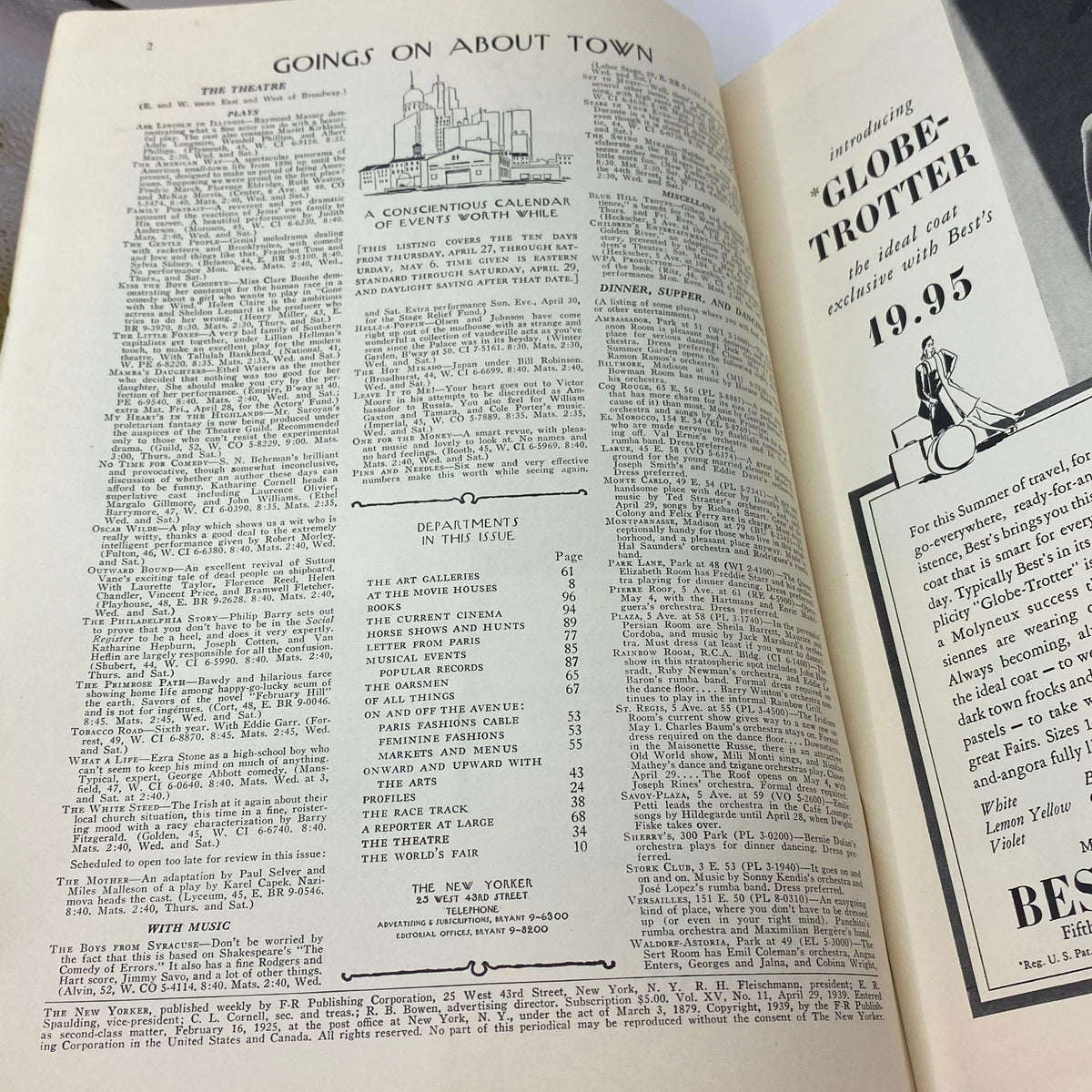
- FDR and the New York World's Fair: Vintage magazines from late April 1939 featuring extensive coverage of the World's Fair opening, showcasing futurist pavilion photography, consumer technology exhibits, and the historic first television broadcast of a sitting president.
- Ted Williams and Lou Gehrig: Sports-focused publications and rare magazines from this month documenting Gehrig's 2,130th consecutive game—his last—alongside Williams' earliest career milestones, making April 1939 an extraordinary month for baseball history collectors.
The Perfect Gift
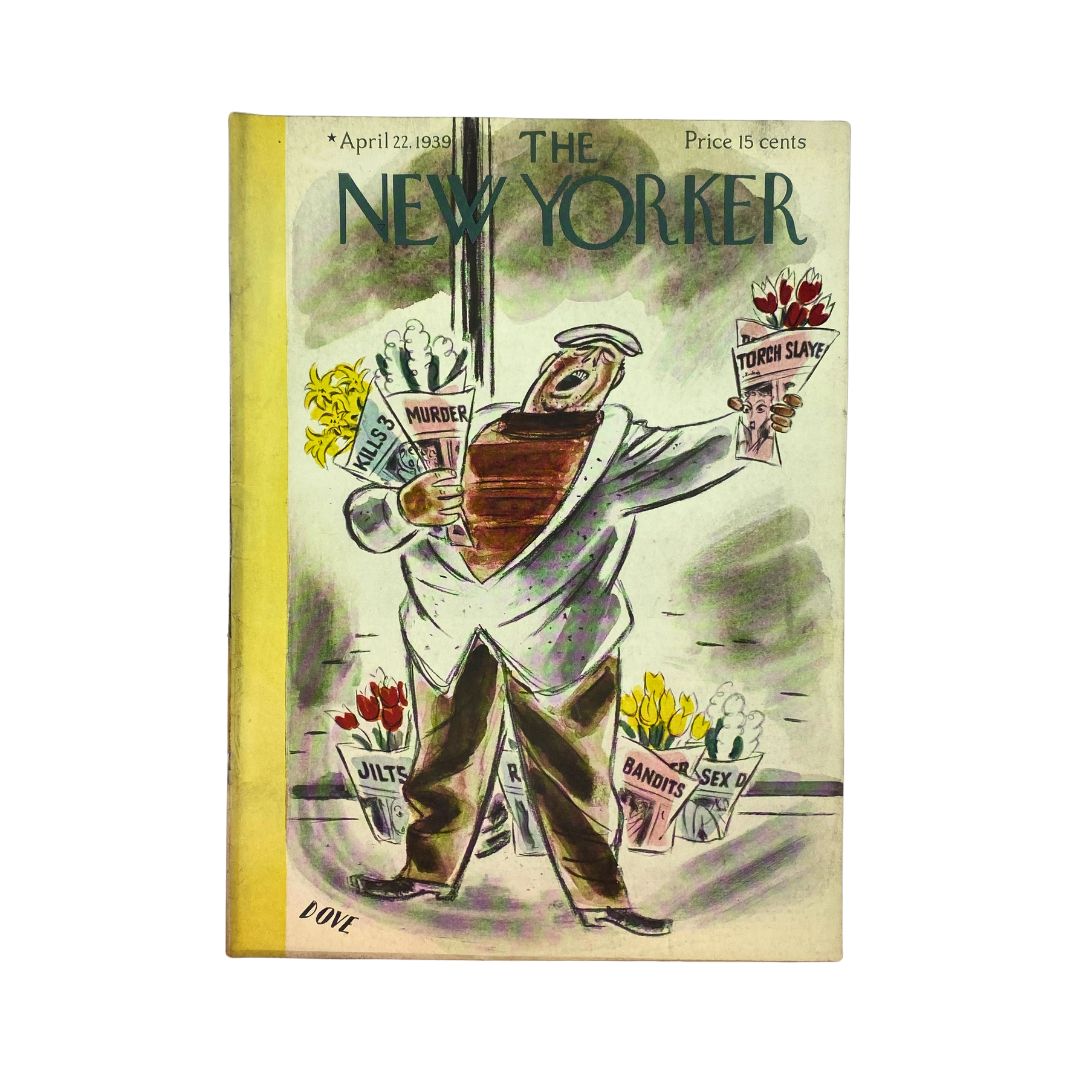
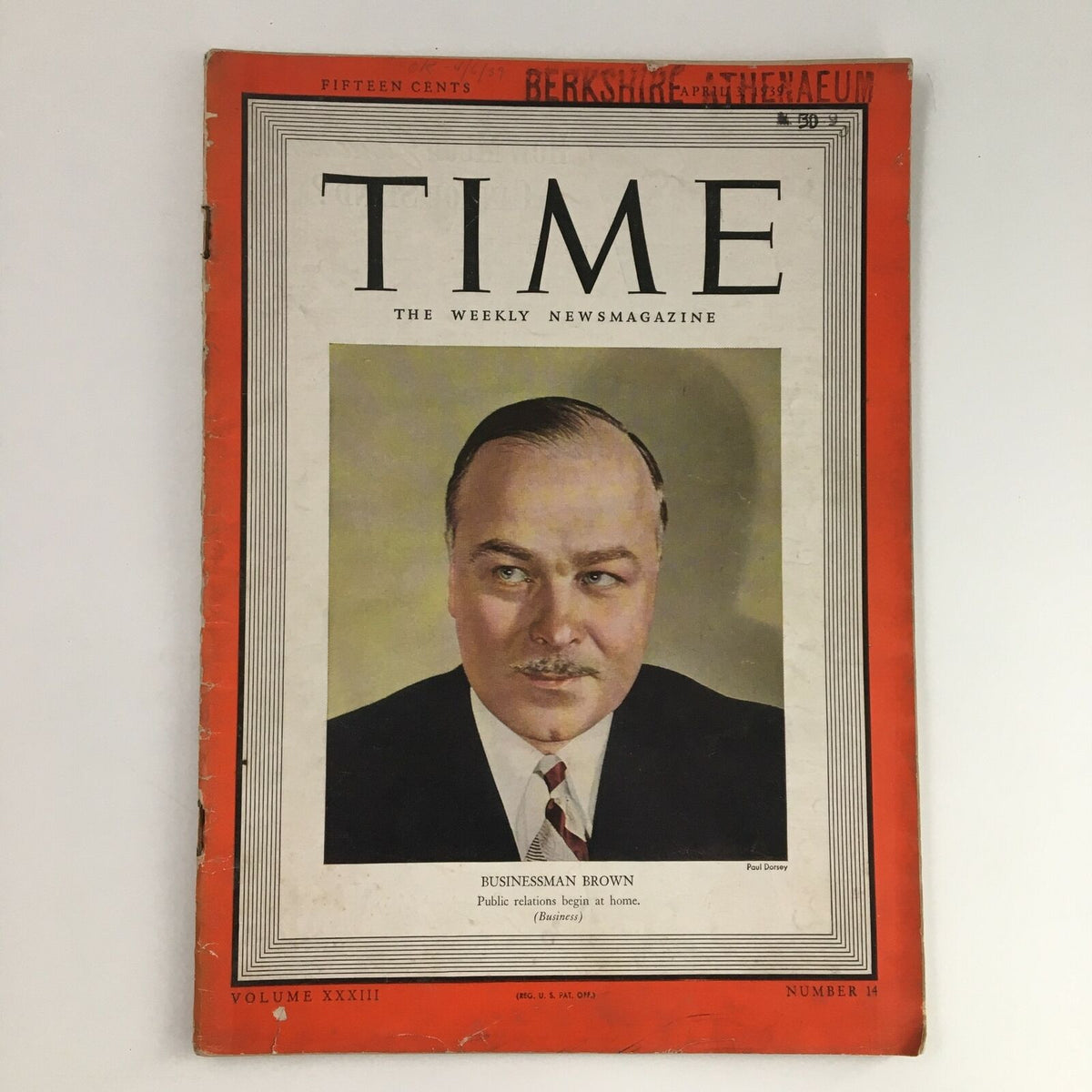
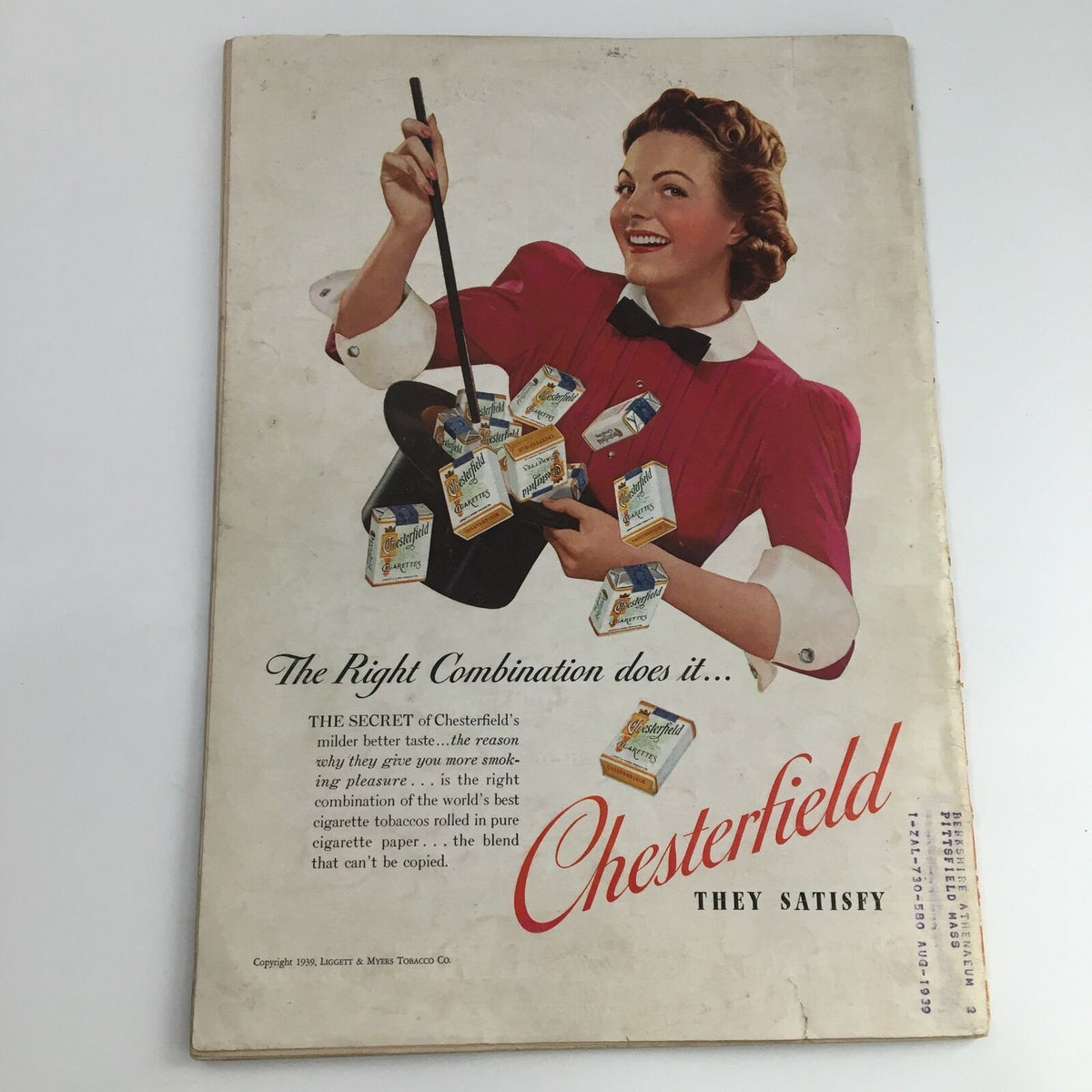
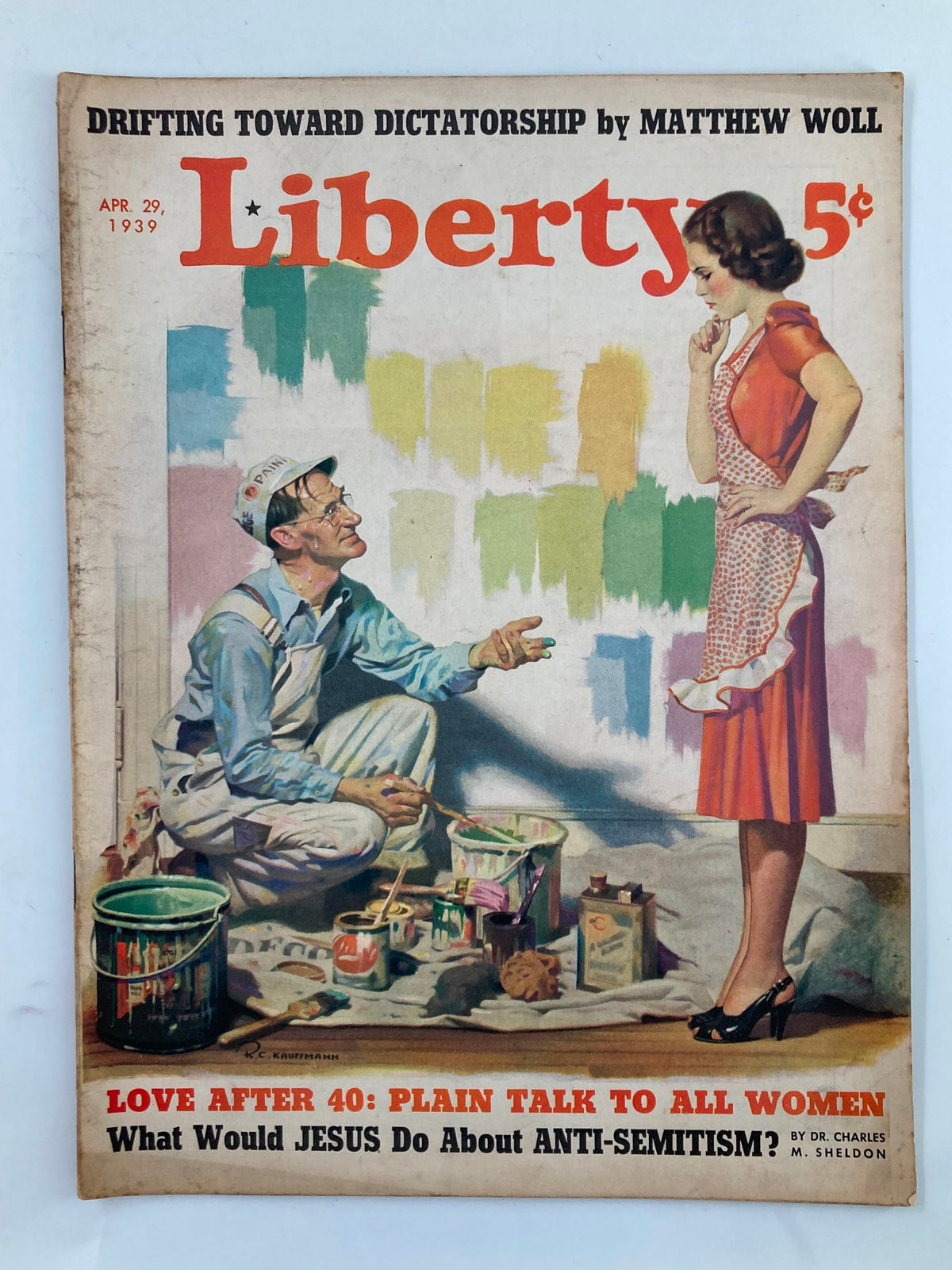
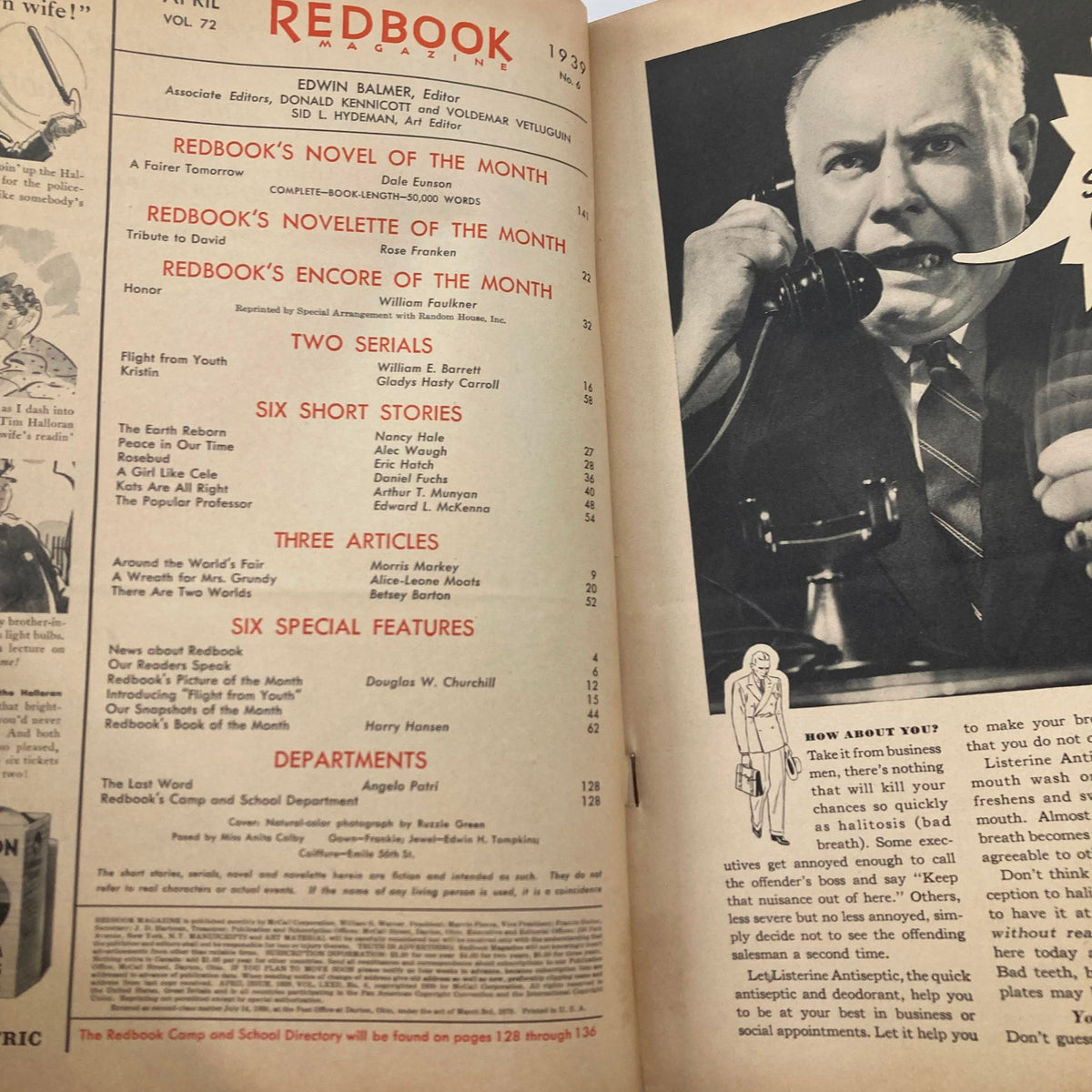
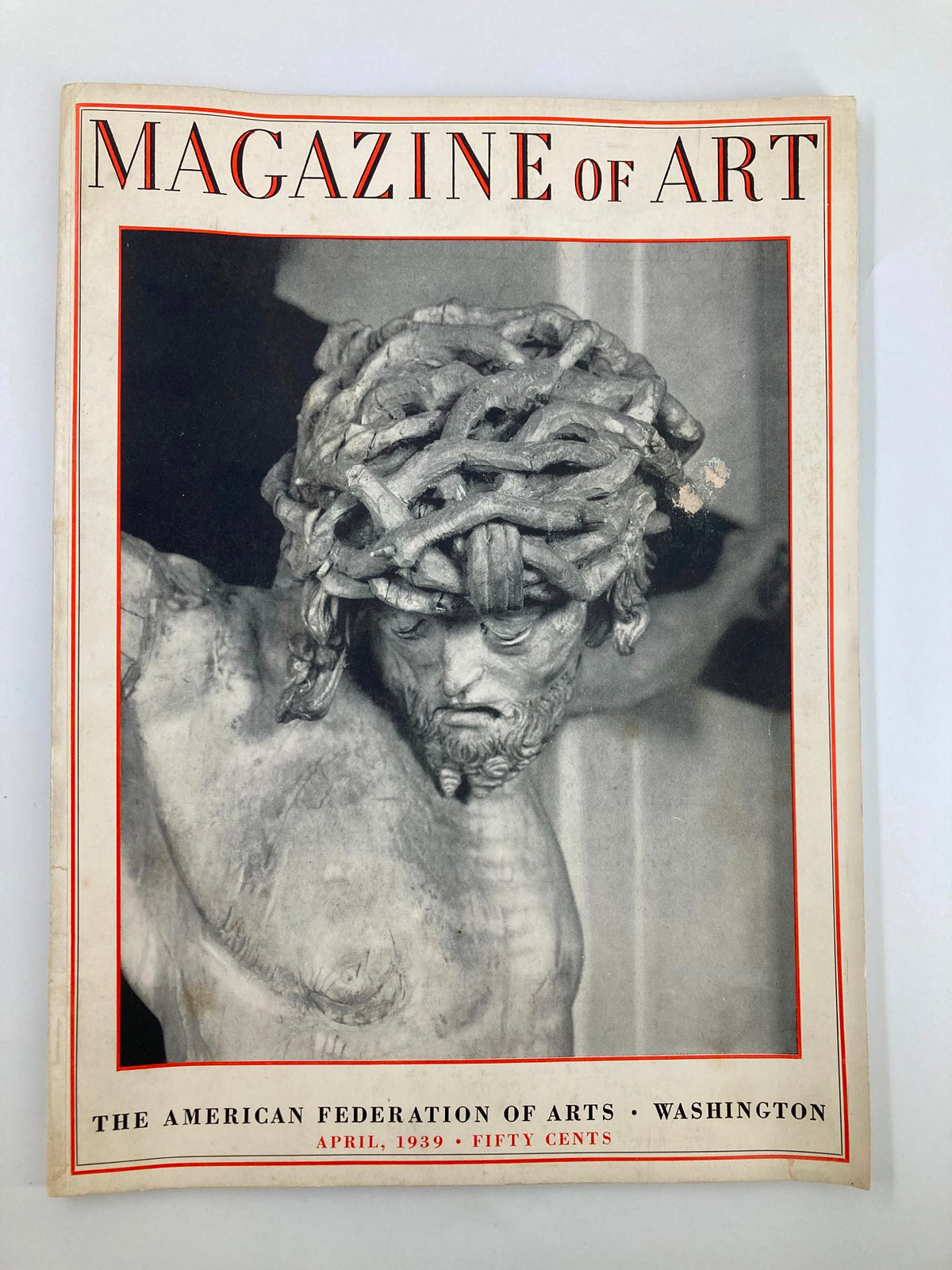
For someone born in April 1939, an original magazine from this pivotal month isn't just a nostalgic keepsake—it's a genuine time capsule of a world standing at the edge of history, preserved in authentic headlines, period advertisements, and the exact photographs that greeted newsstands the week they arrived.