📖 About this Collection
April 1941: Europe in the Balance
The Historical Context
The spring of 1941 arrived not with renewal but with the thunder of boots and bombs. Yugoslavia fell. Greece surrendered. German forces swept across North Africa, seizing Benghazi and threatening Tobruk as British generals were captured in the desert. In Belgrade, Operation Bestrafung opened with a bombing raid that killed 17,000 civilians in a single day—a number that stunned the world and chilled every Allied capital. Winston Churchill, watching the dominoes fall across Europe, sent an urgent private warning to Stalin: the Wehrmacht was coming east next. Stalin ignored it.
In the shadows of these catastrophes, quieter dangers took shape. Pro-German Rashid Ali seized power in Iraq, threatening British oil supplies. Admiral Darlan of Vichy France met privately with Hitler. The Nazi grip on occupied Europe tightened daily—Jewish assets confiscated in the Netherlands, 3,600 Jews rounded up in Paris, newspapers shuttered, even café doors barred. This was the world your loved one entered at birth: one of history's most consequential months, trembling on the edge of outcomes that were anything but certain.
Culture and Life on the Home Front
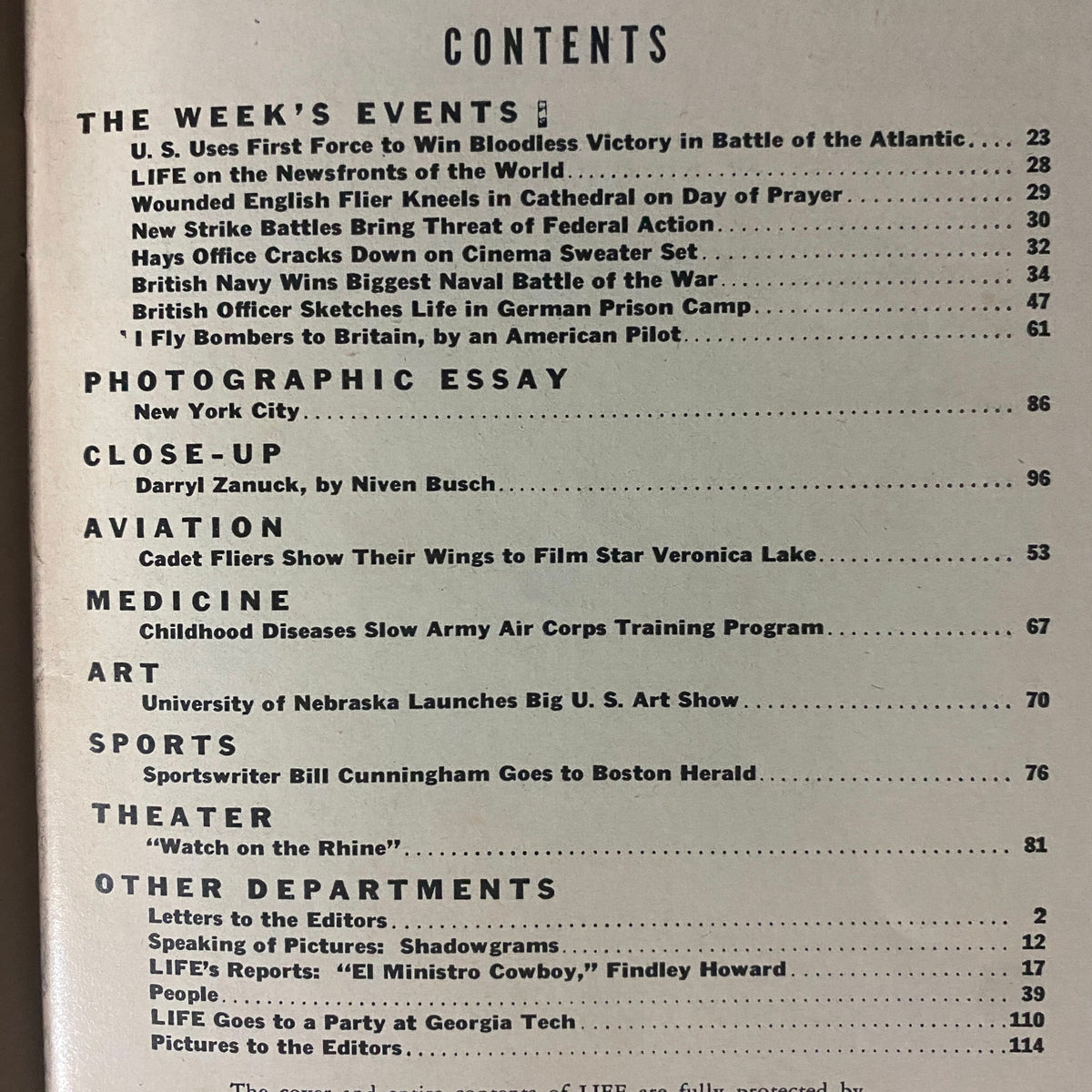
While the front pages darkened, American life carried on with a peculiar, determined normalcy. In New York, Lillian Hellman's Watch on the Rhine—an urgent anti-fascist drama—premiered to electrified audiences who understood its message was no longer allegory. At Augusta, Craig Wood became the Masters' first wire-to-wire champion, edging Byron Nelson by three strokes in the 8th US Masters Tournament. Joe Louis, already a symbol of American strength, defended his heavyweight crown for the fourth time in nine weeks, stopping Tony Musto in the 9th round in Saint Louis.
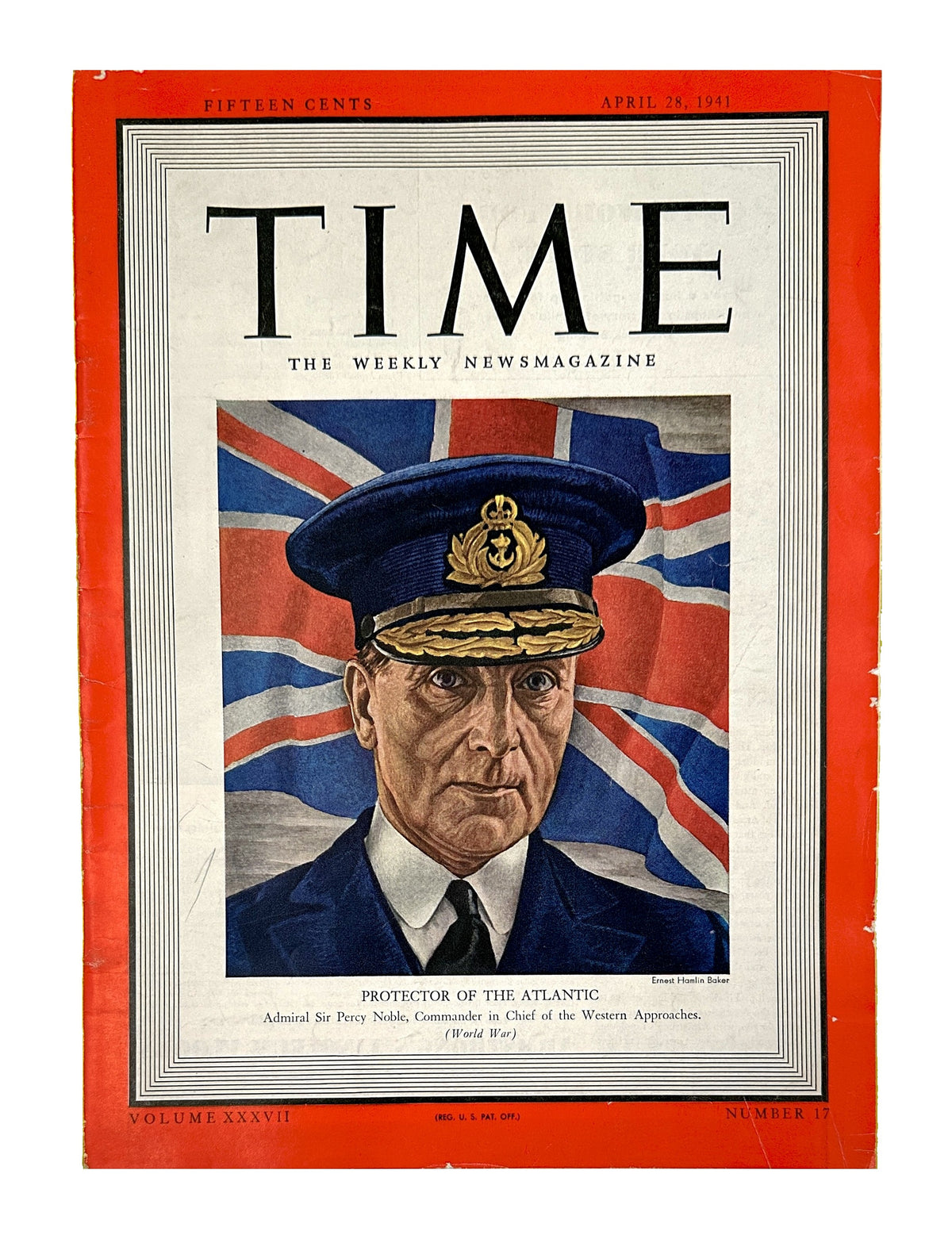
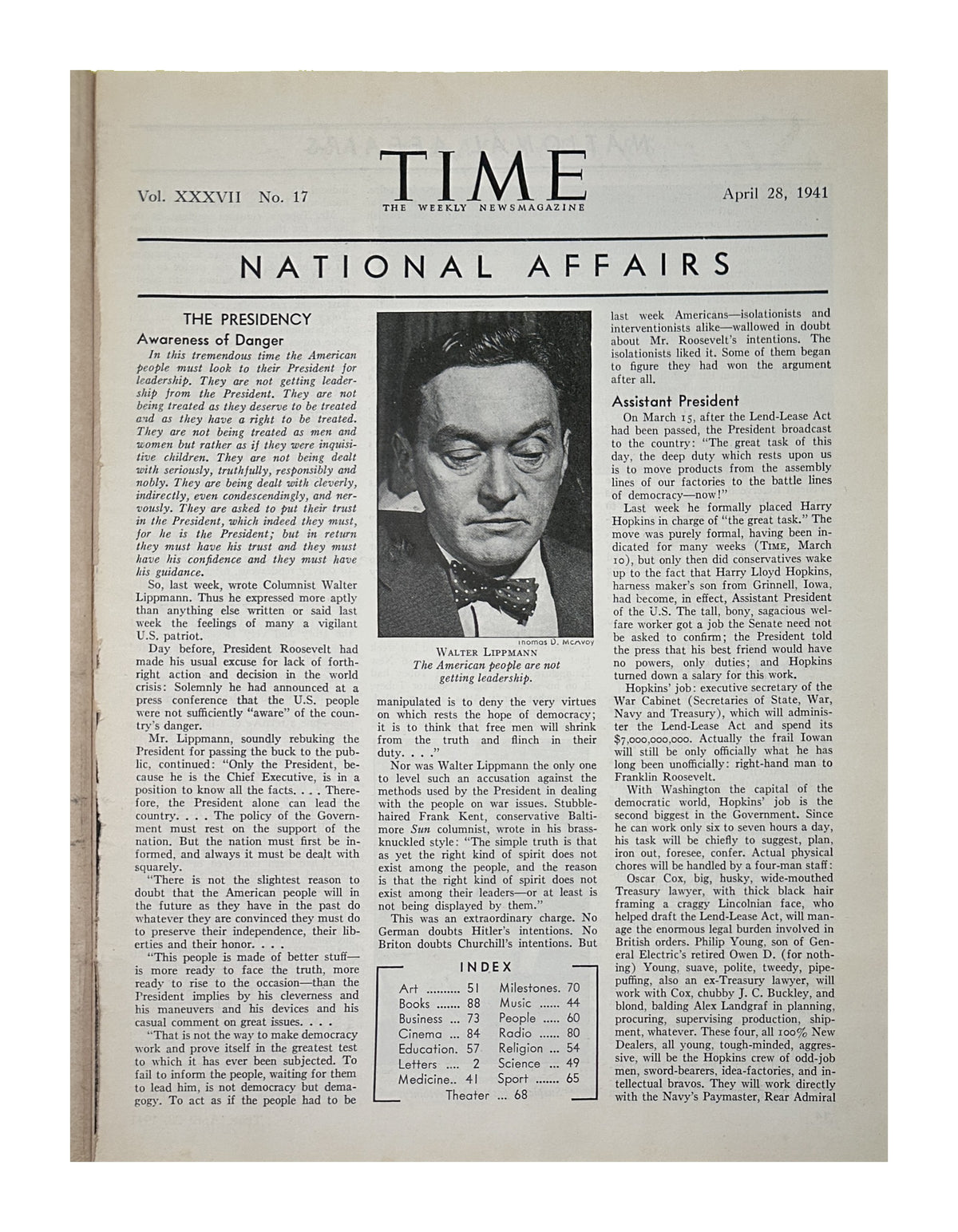
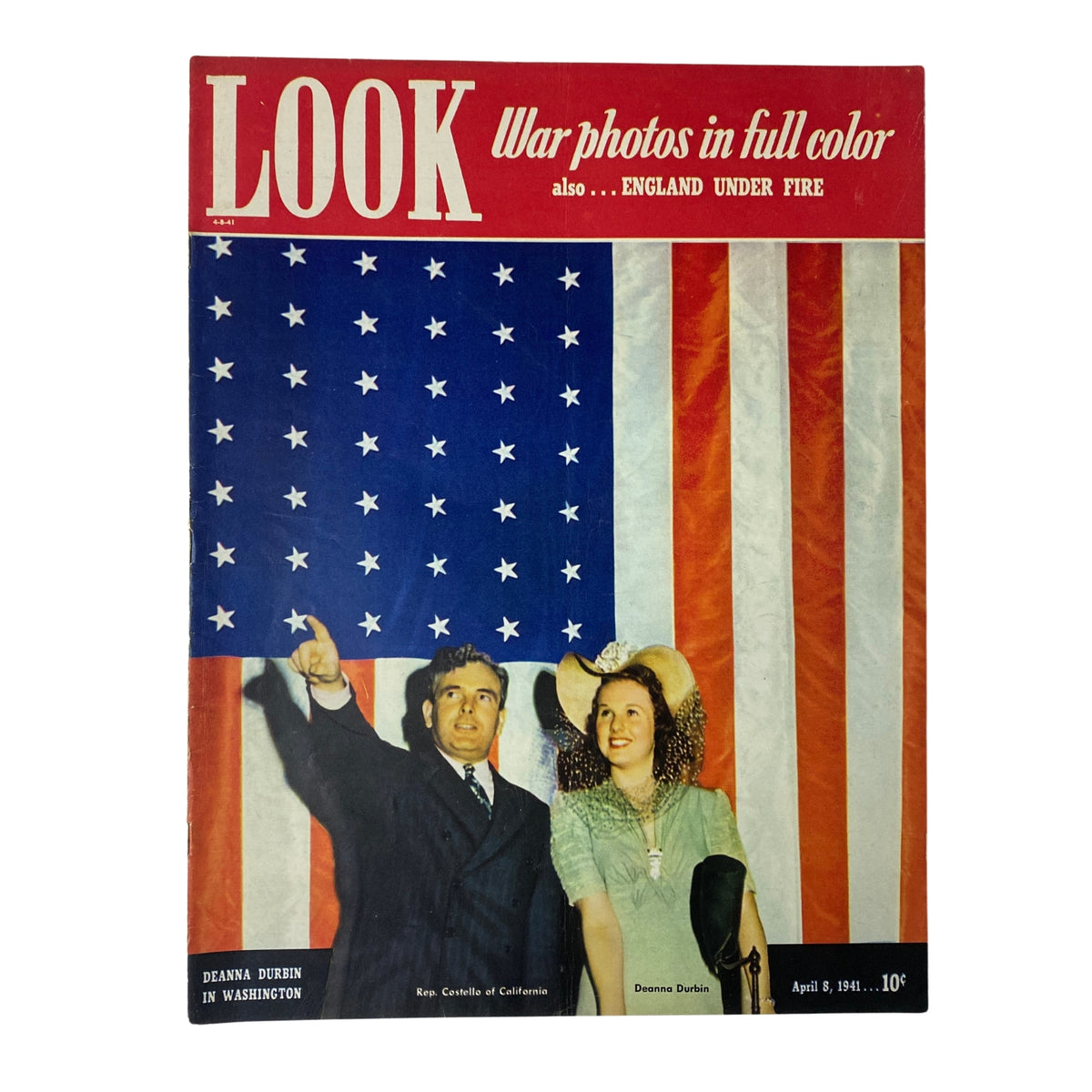
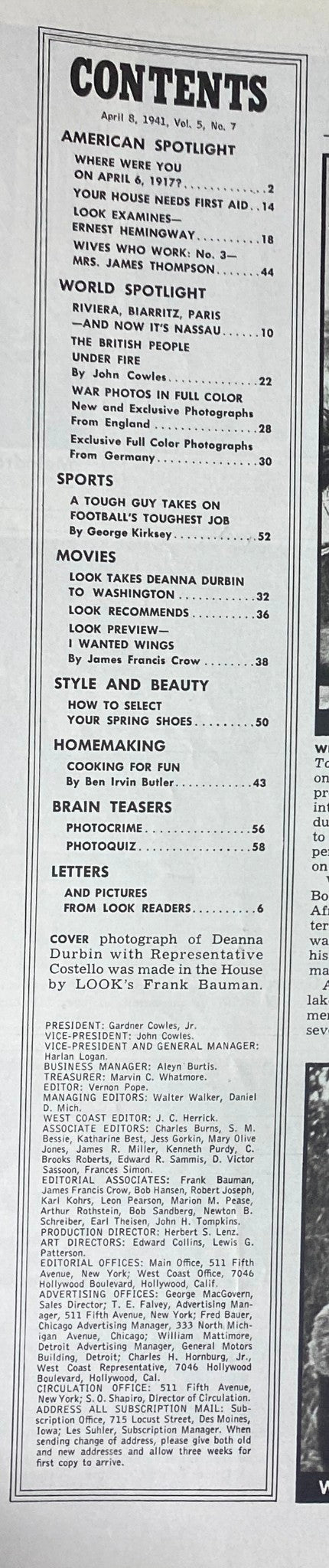
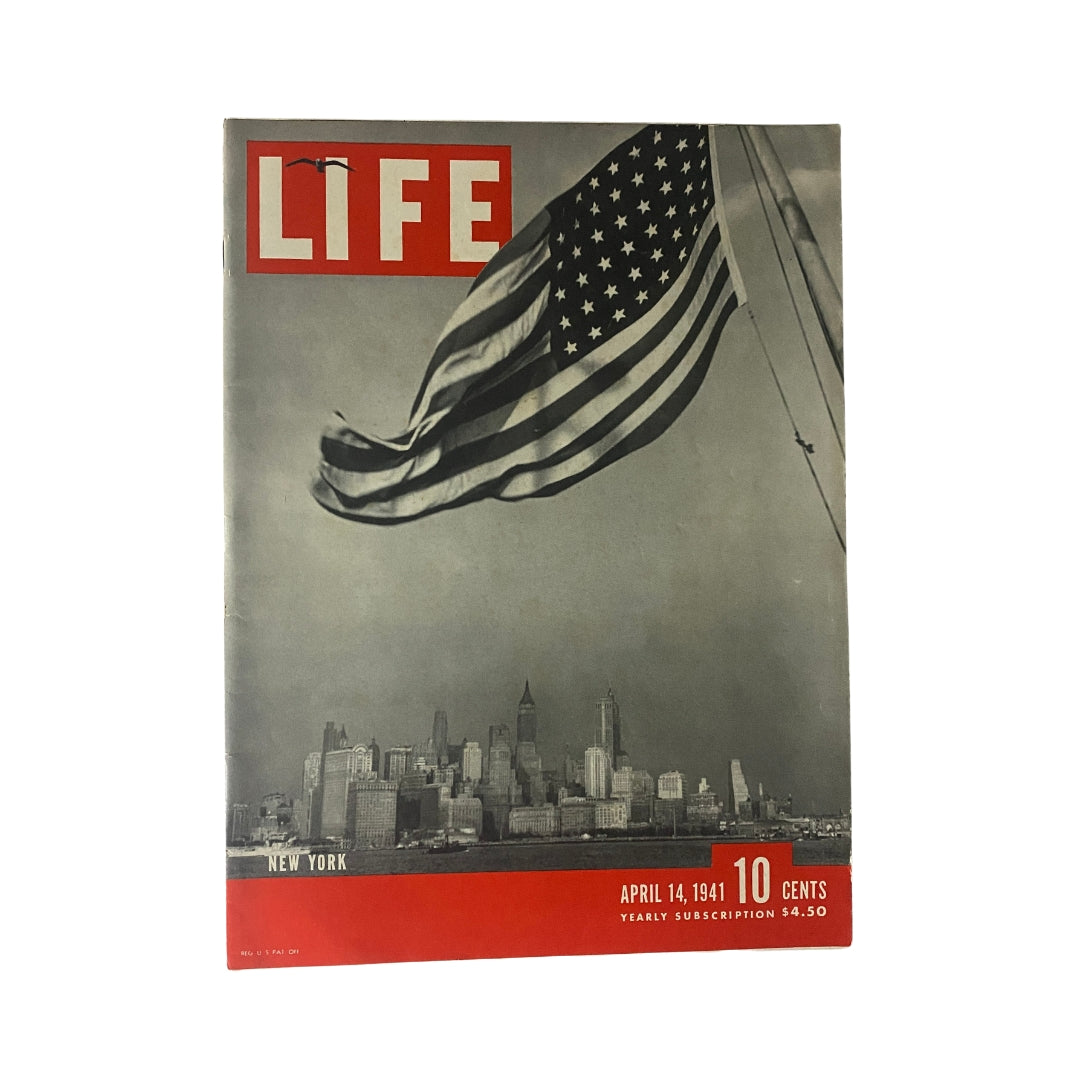
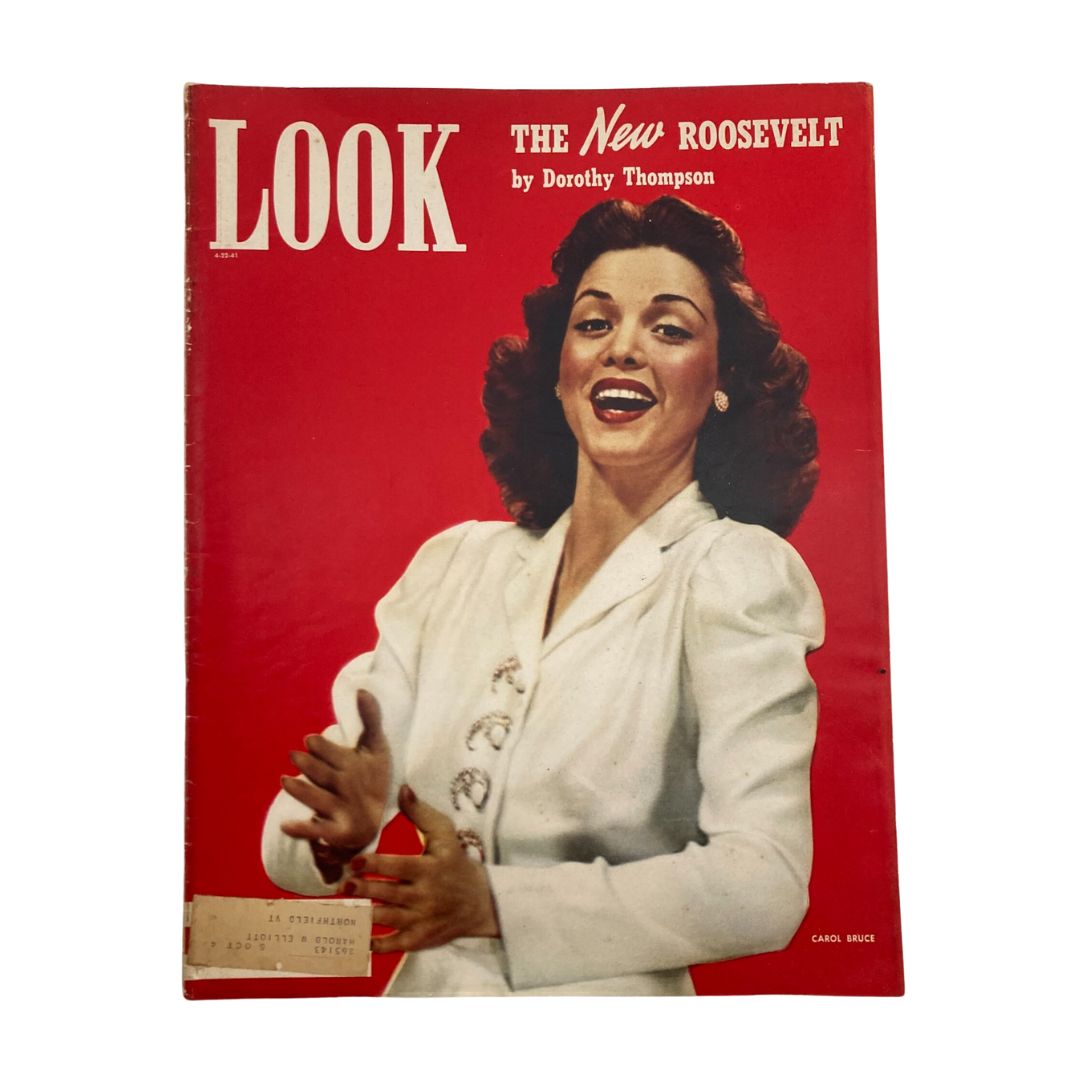
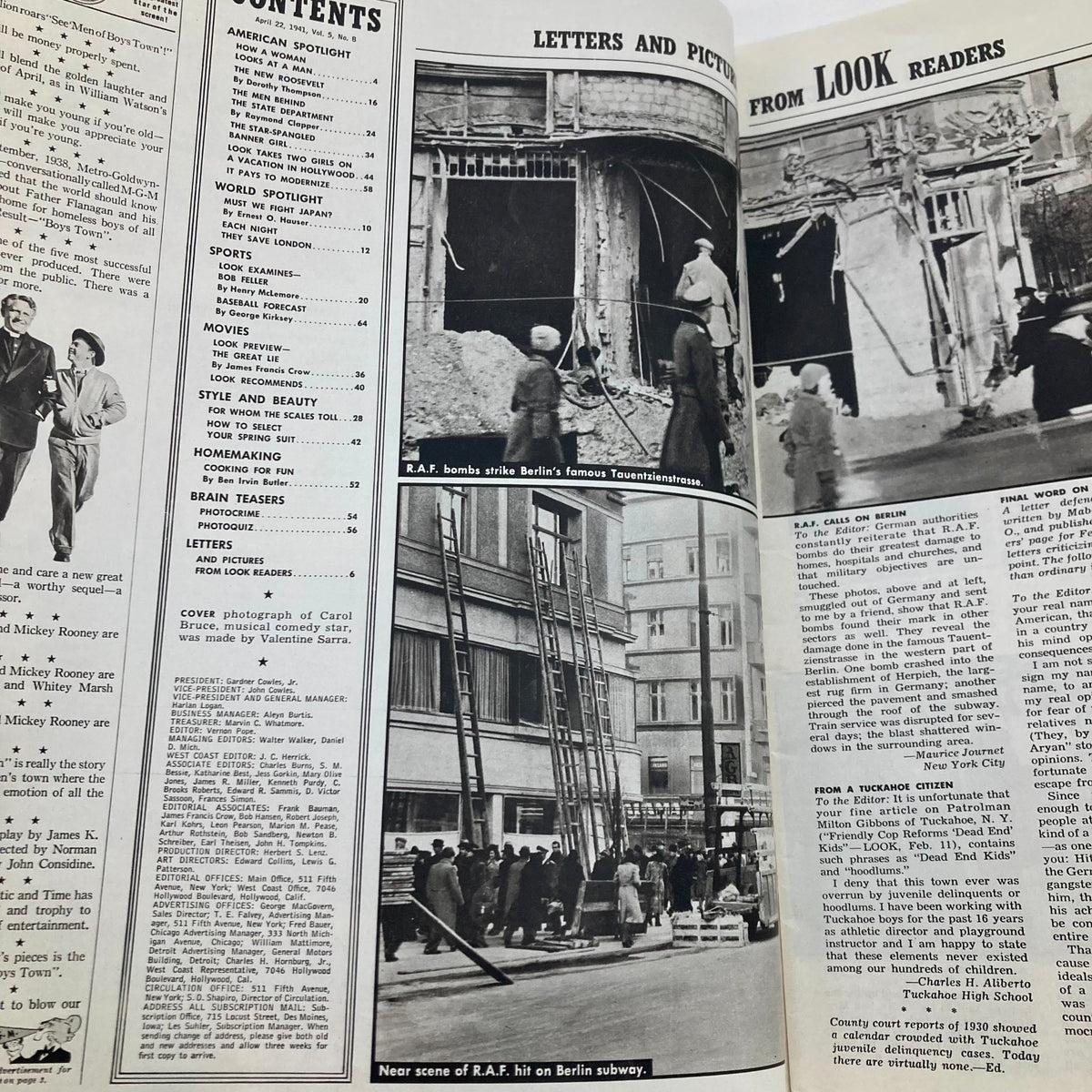
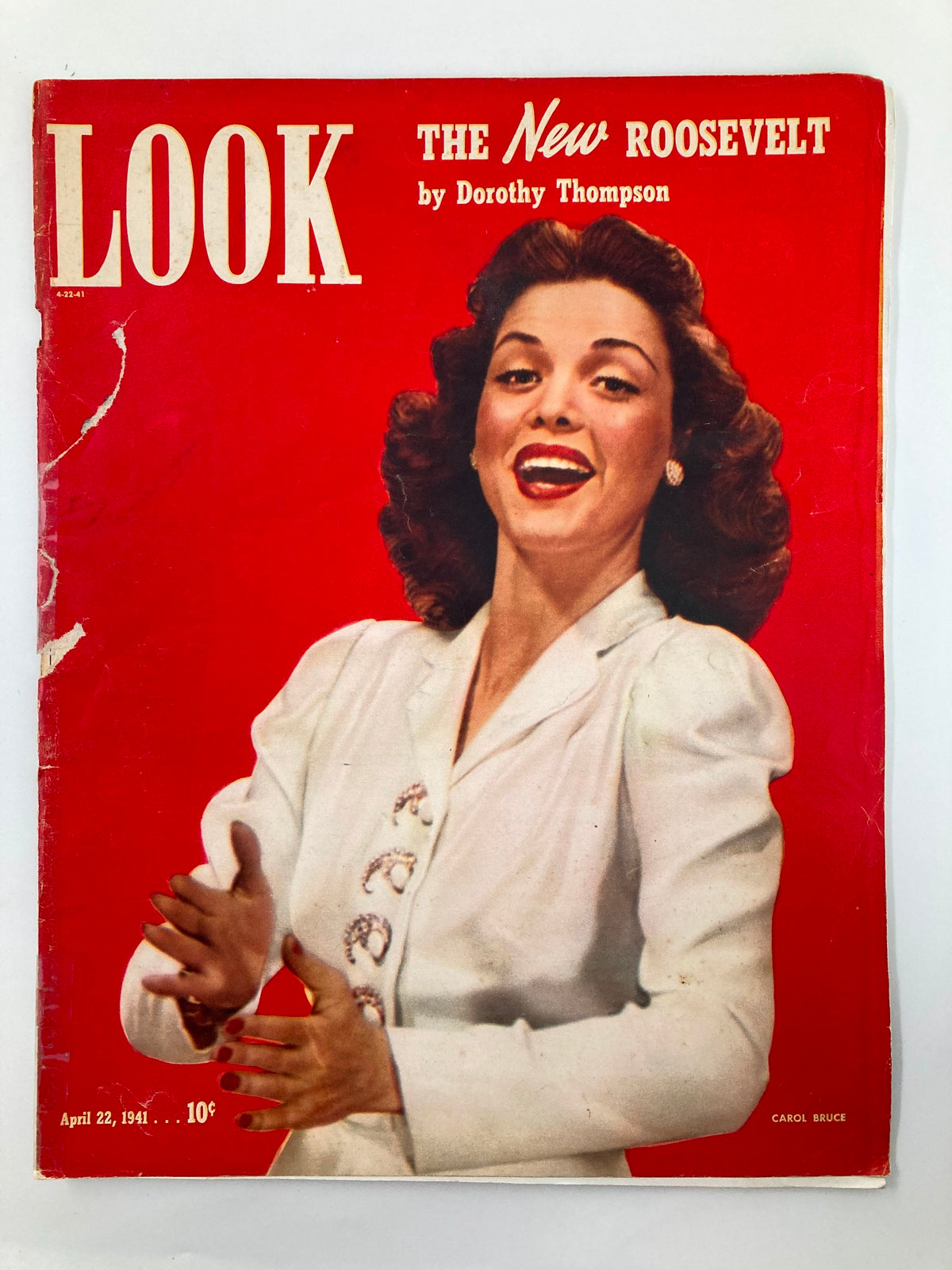
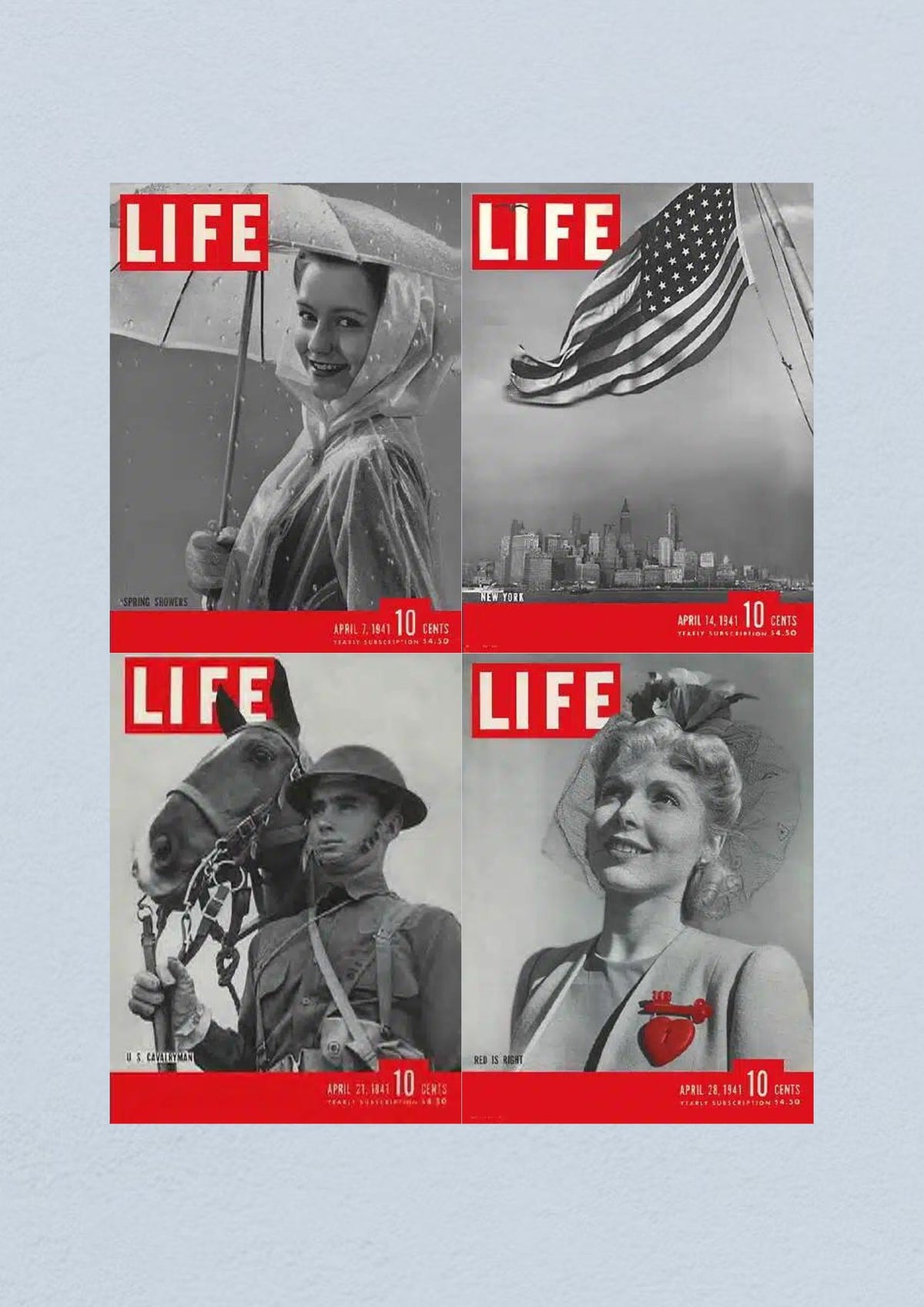
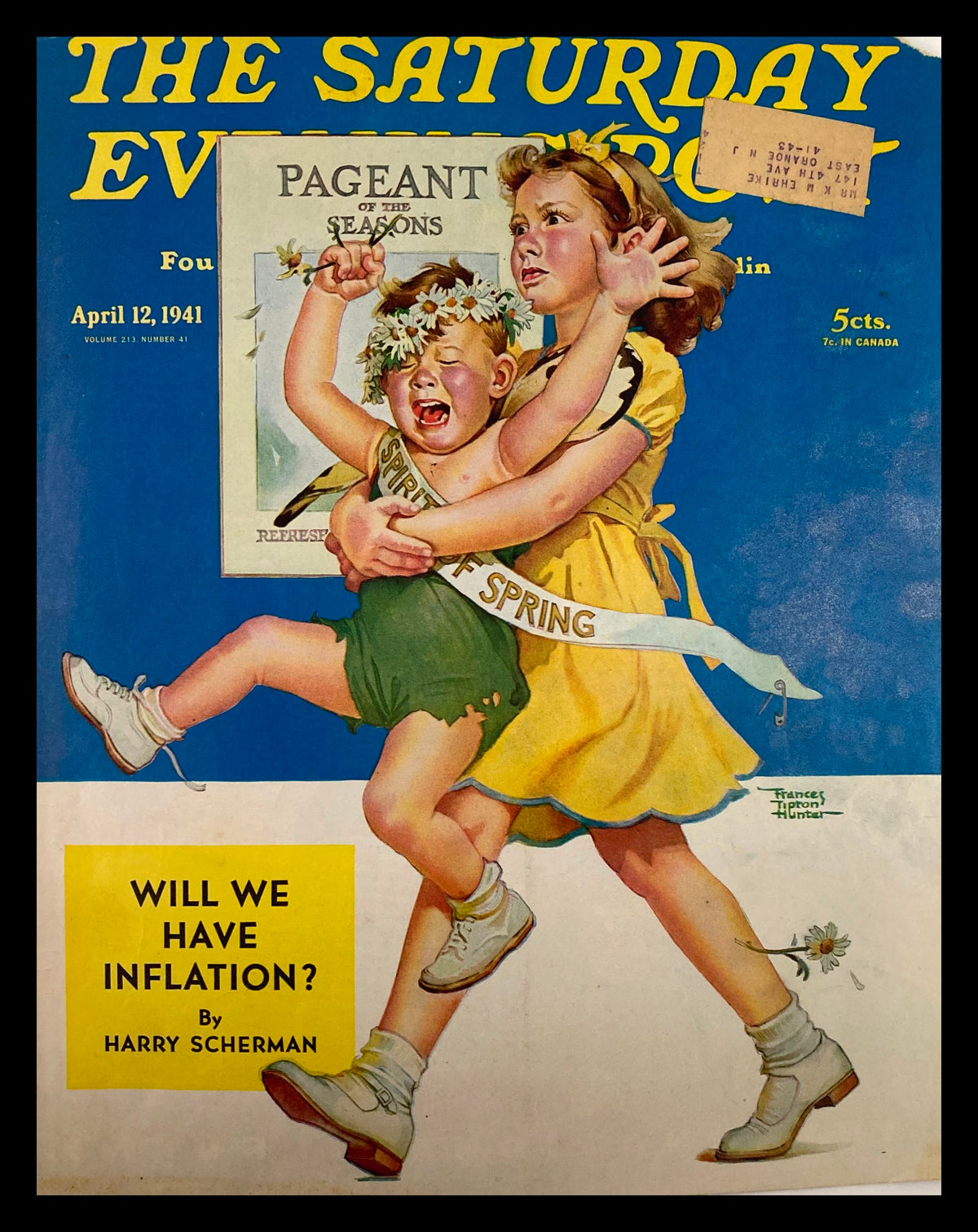
Original magazines from April 1941 capture this jarring double life in vivid detail. Life and Look juxtaposed battlefield photography with gleaming appliance advertisements. Time and Newsweek ran maps of the Balkan collapse alongside Hollywood studio portraits. Sports Illustrated's predecessor publications celebrated Louis and Wood while war correspondents filed from the Greek coast. At Wrigley Field that month, a new tradition quietly began: the first organ music ever played at a baseball stadium. These rare magazines preserve a society simultaneously watching a world war and reaching, stubbornly, for ordinary pleasures.
The Curator's Checklist
-
The Fall of the Balkans: Life, Time, and Newsweek from April 1941 featuring dramatic wire photography of German troops entering Athens, maps of Yugoslavia's collapse, and coverage of the British evacuation from Greece—among the most visually striking war journalism of the year.
-
Churchill's Warning and Allied Diplomacy: News weekly vintage magazines showcasing portraits of Churchill, Stalin, and the uneasy Allied coalition, often illustrated with editorial cartoons that capture the tension of April 1941's shifting alliances with remarkable frankness.
-
The Masters and Joe Louis: Sports Illustrated predecessors and general-interest titles chronicling Craig Wood's wire-to-wire Masters victory and Louis's fourth title defense in nine weeks, capturing an American sports world that offered welcome distraction from overseas dispatches.
-
The Nazi Occupation's Human Cost: Look and Life issues featuring photographic essays on occupied Paris, the Netherlands, and Greece—authentic documentary evidence of civilian life under German control, preserved exactly as American readers first encountered it.
-
Hellman's Broadway Warning: Variety and entertainment publications from this month featuring reviews and cast photographs from Watch on the Rhine, the anti-fascist play that arrived on Broadway just as the events it dramatized were unfolding in real time across Europe.
The Perfect Gift
For someone born in April 1941, an original magazine from this pivotal month isn't just a birthday gift—it's a genuine time capsule of the world at its most uncertain, preserved in authentic headlines, period advertisements, and the precise photography that shaped how a generation understood its moment.