📖 About this Collection
April 1943: The World at War's Turning Tide
The Historical Context
April 1943 arrived with the war in North Africa approaching its endgame. The Allied noose was tightening around Axis forces in Tunisia — British and American armies linked up at Wadi Akarit on April 6th and 7th, a handshake across the desert that signaled the beginning of the end for Rommel's Afrika Korps. Generals Eisenhower, Alexander, Anderson, and Bradley convened on April 14th to finalize the assault on Tunis and Bizerta, while Hitler and Mussolini met in Salzburg in a last-ditch Axis summit, two dictators whose partnership was visibly fraying. Then came the intelligence coup of the war: American codebreakers intercepted and decrypted Japan's naval communication detailing Admiral Isoroku Yamamoto's travel itinerary — the mastermind of Pearl Harbor. On April 18th, Operation Vengeance sent P-38 fighters from Guadalcanal to ambush his transport over the Pacific. Yamamoto was dead. This was the world your loved one entered — one holding its breath, sensing, for the first time, that the Allies might actually win.
What People Were Reading, Watching, and Talking About
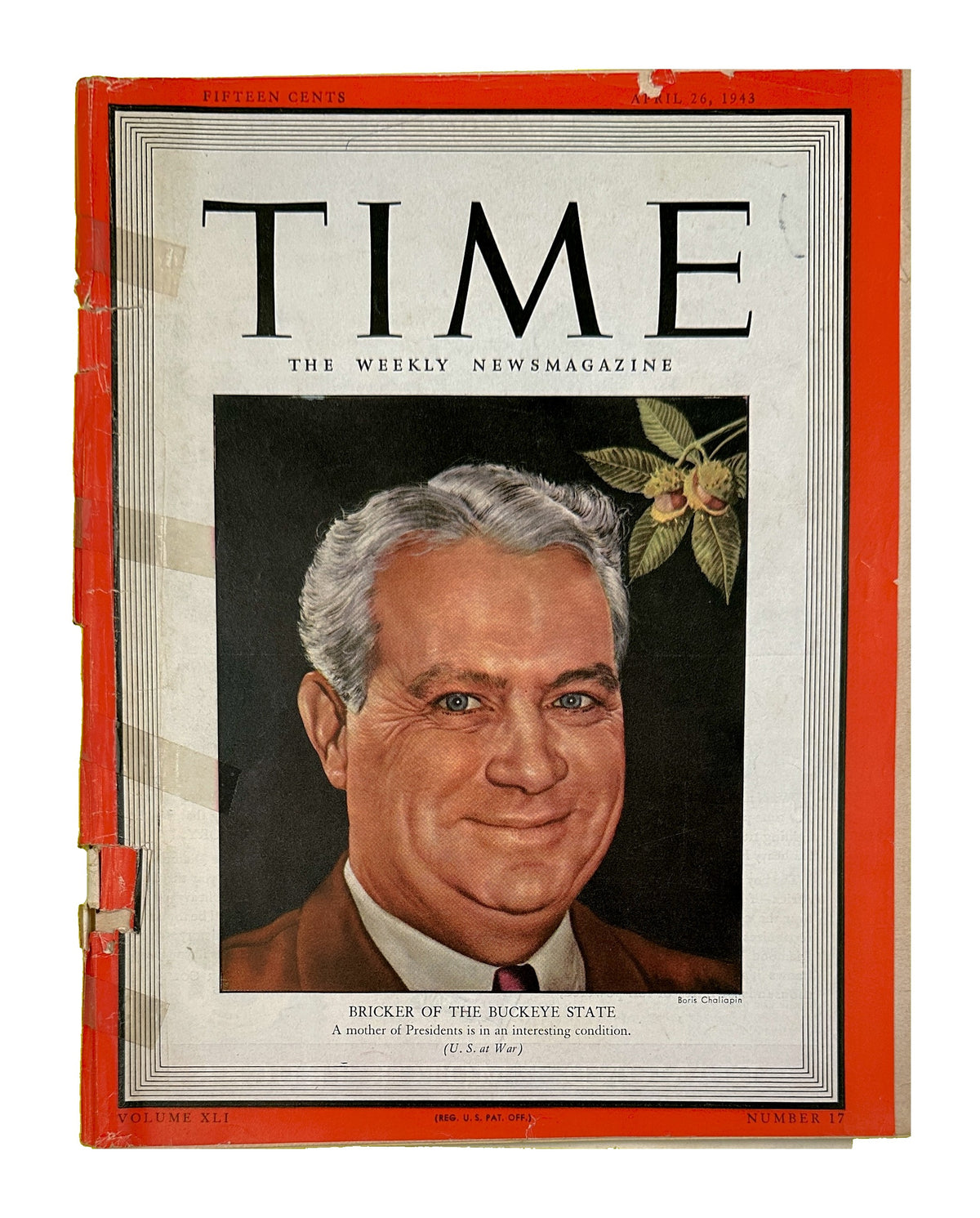
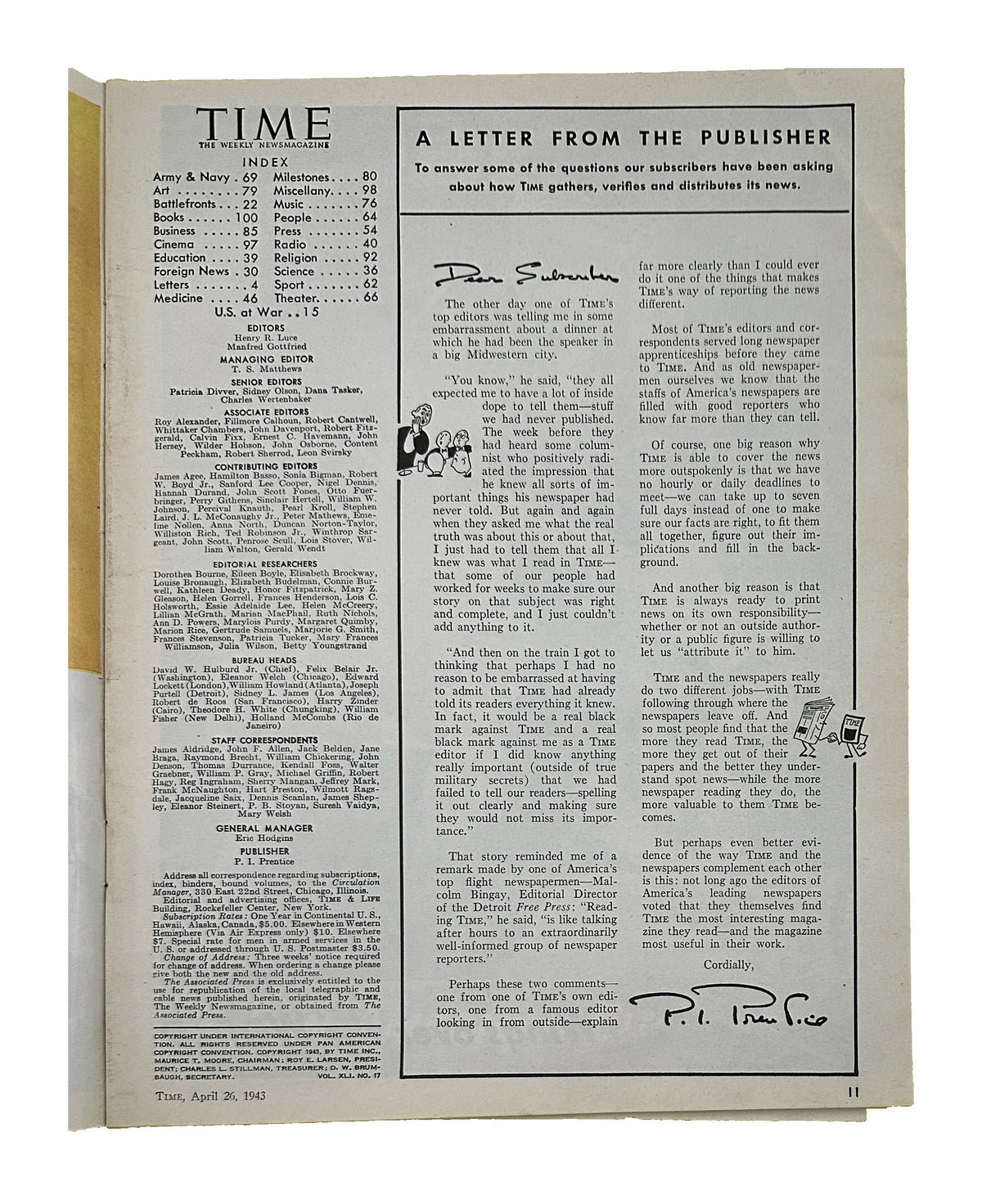
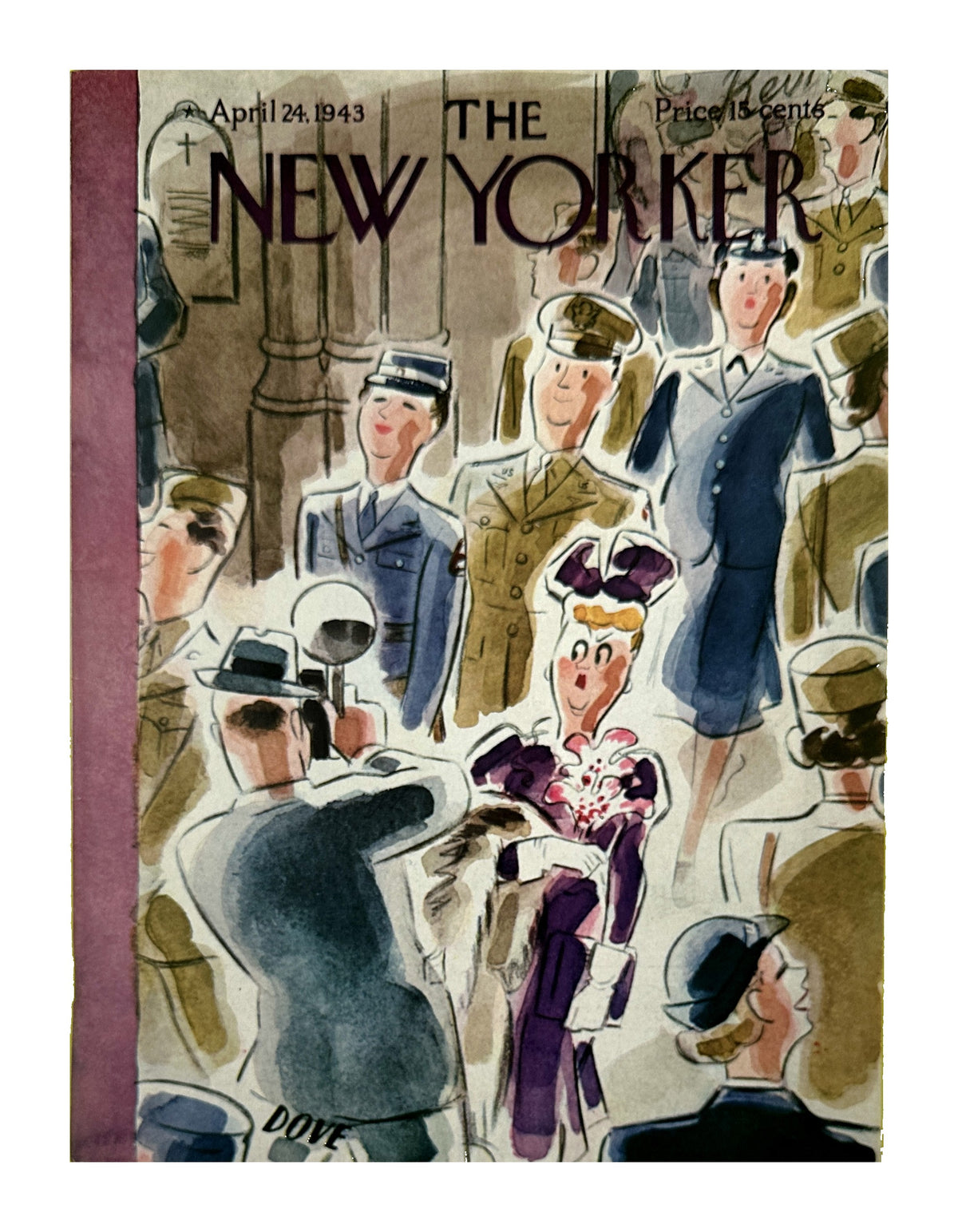
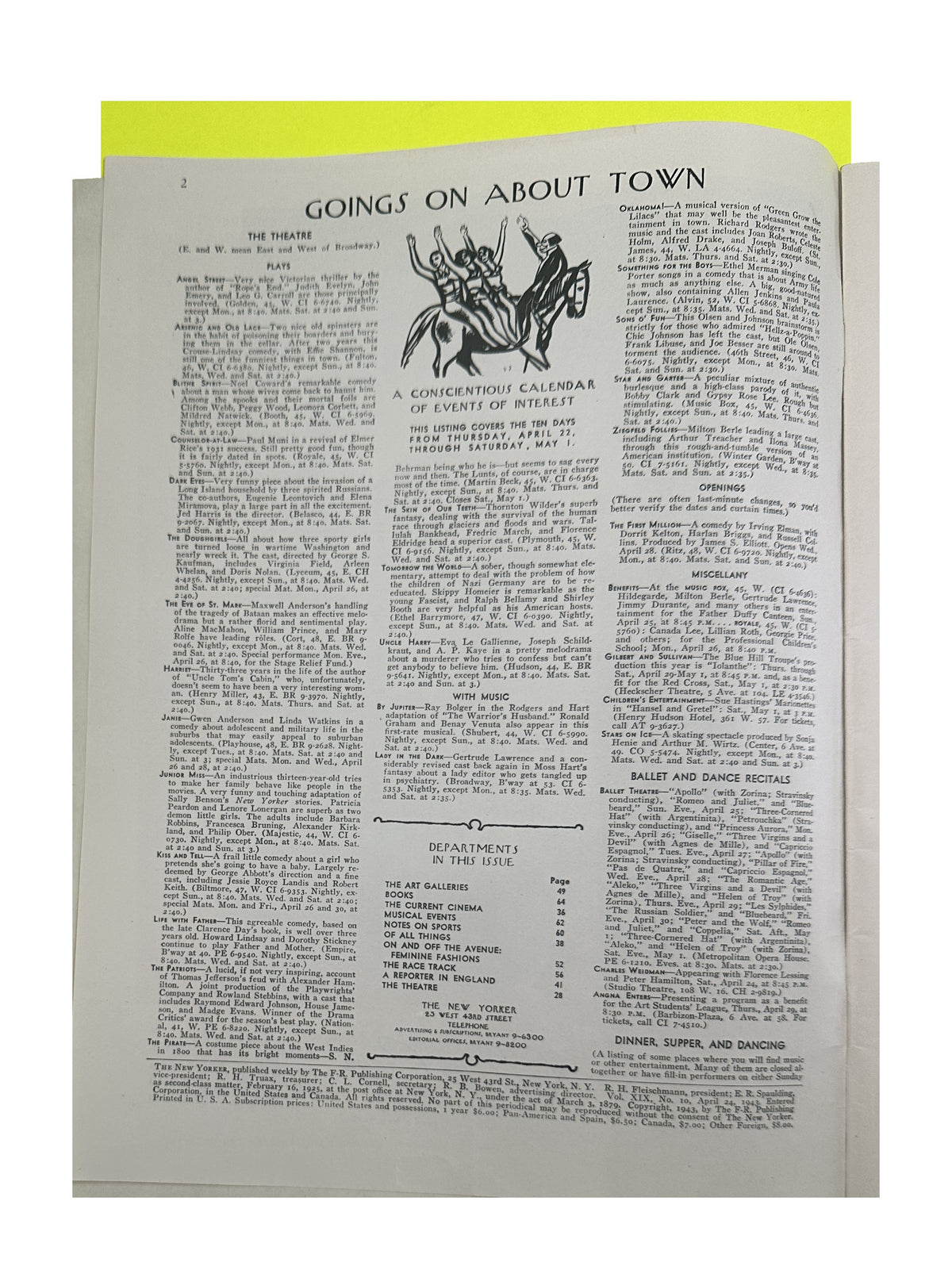
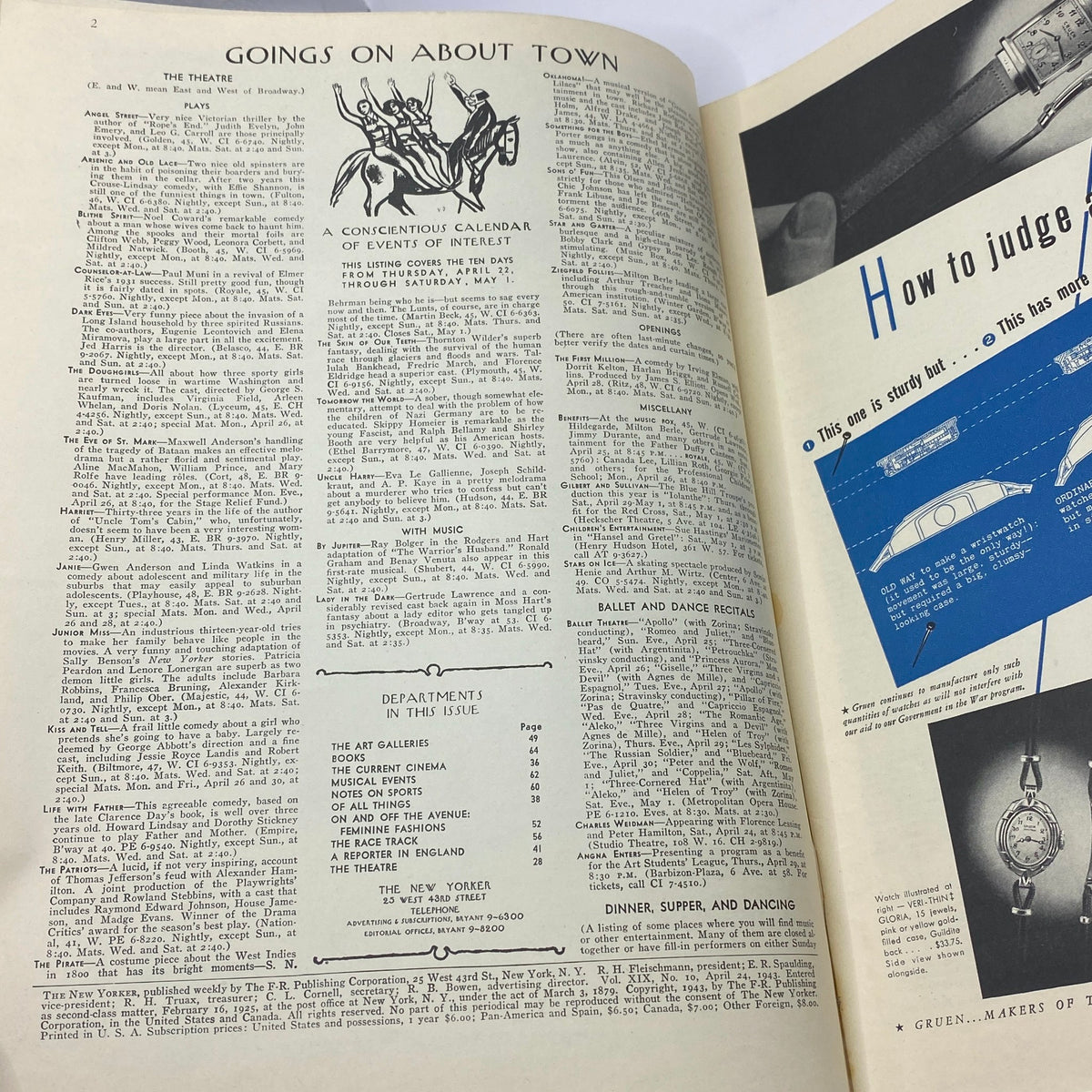
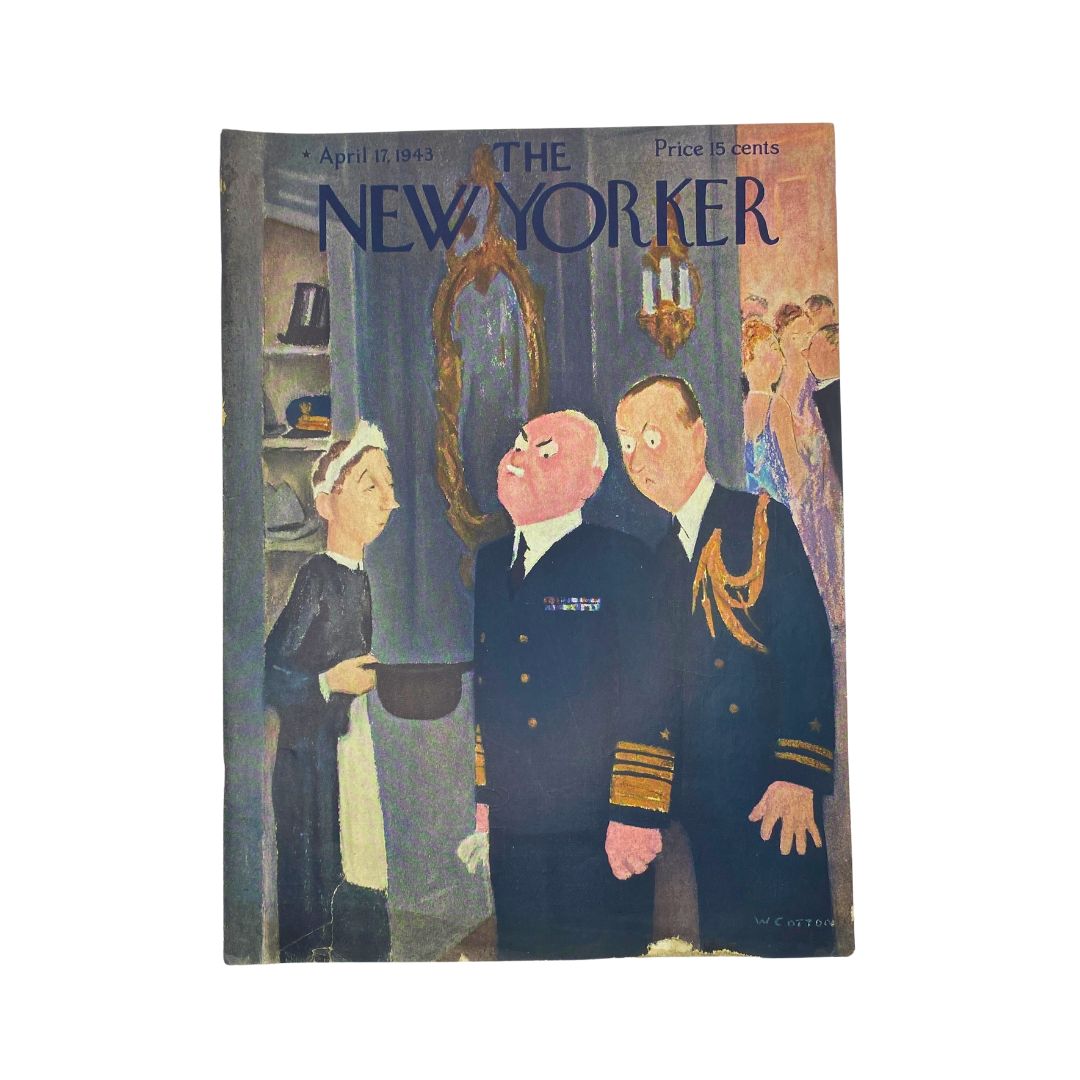
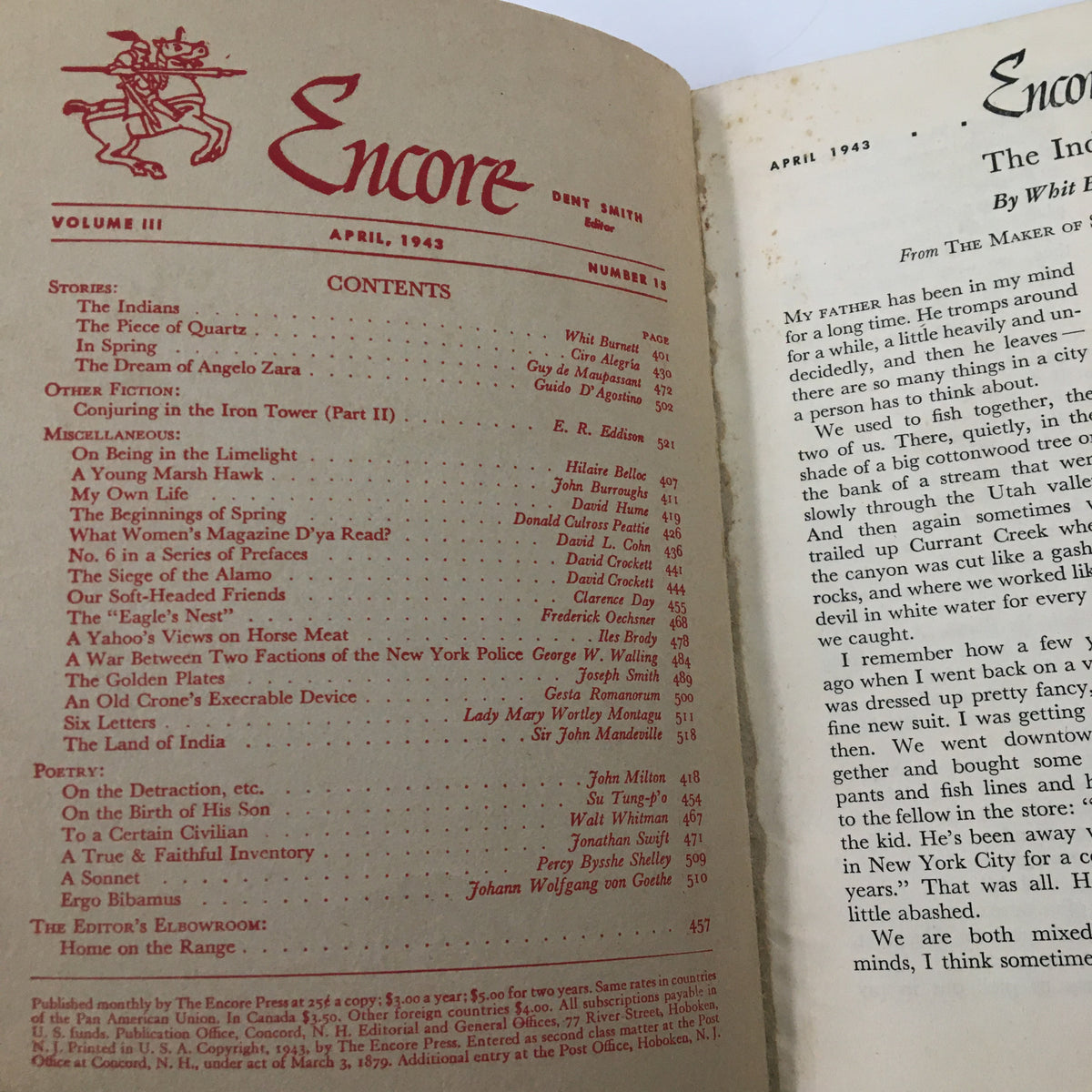
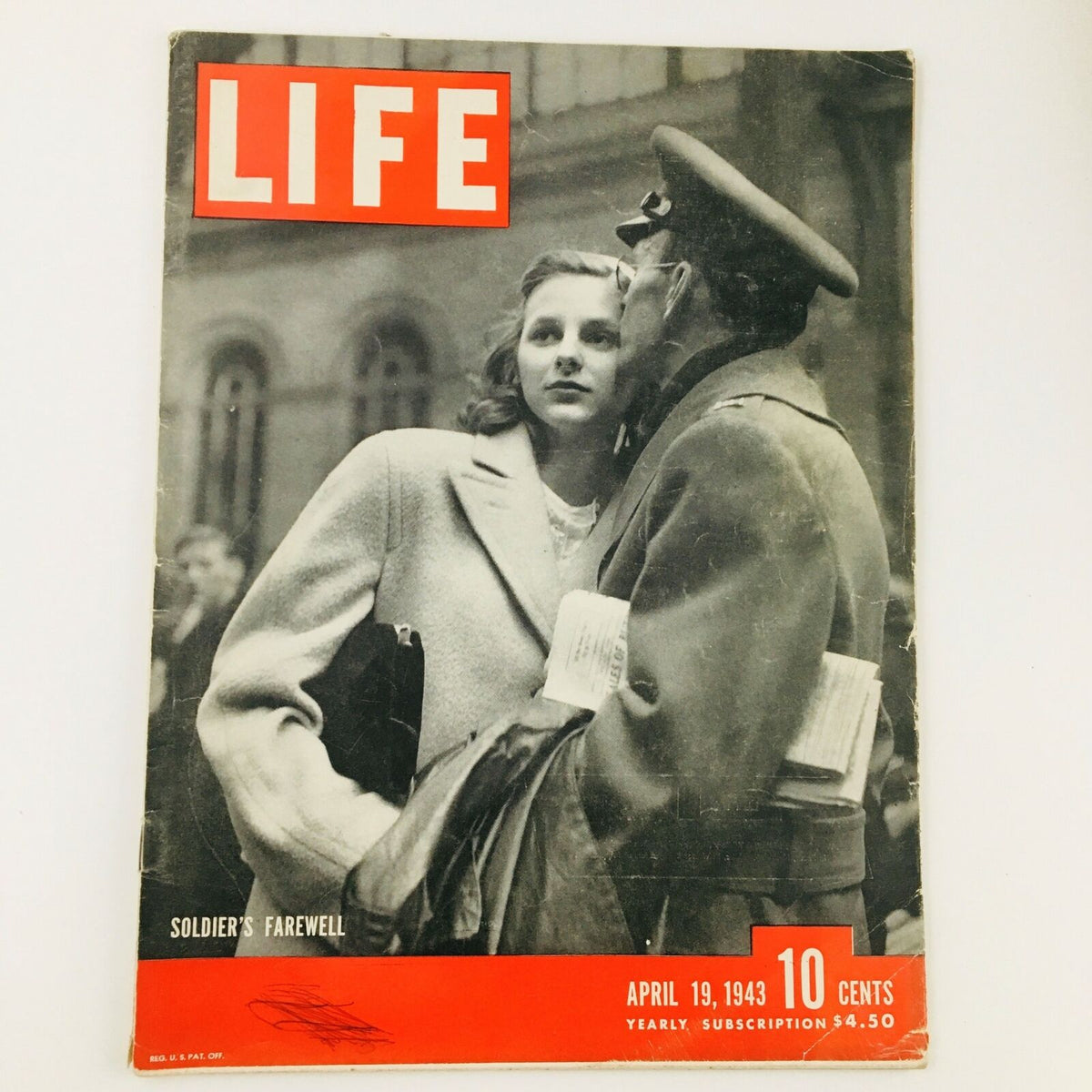
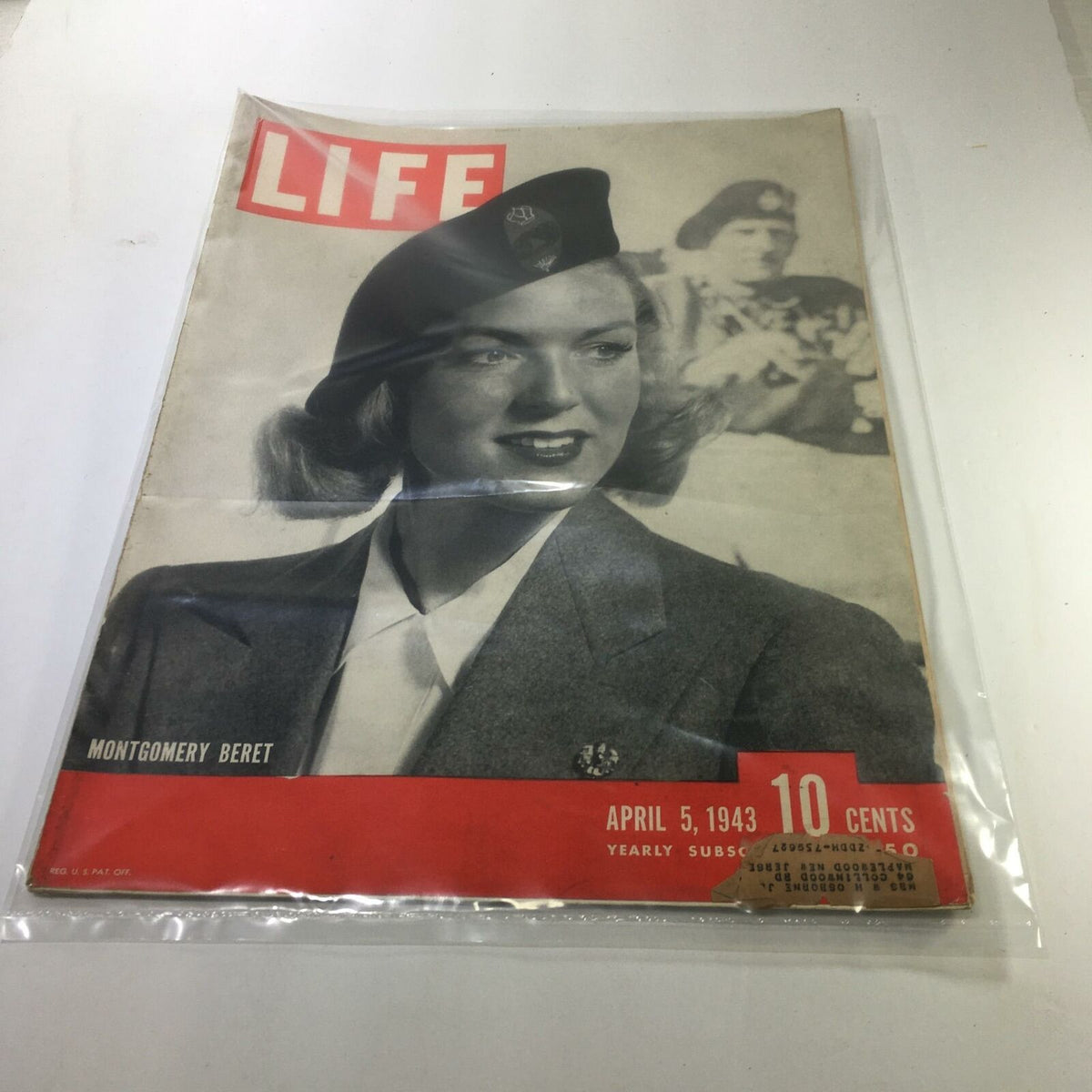
Beyond the front pages, April 1943 offered moments of unexpected cultural vitality. On Broadway, James Gow and Arnaud d'Usseau's Tomorrow the World premiered on April 14th, a drama grappling with Nazi ideology that would become one of the war era's most talked-about theatrical events. In London, Noël Coward opened two productions in quick succession: Present Laughter and This Happy Breed both debuted on April 29th and 30th, a testament to British artistic resilience under wartime conditions. On the sporting front, the Detroit Red Wings swept the Boston Bruins 4-0 to claim their third Stanley Cup, and the 47th Boston Marathon was won by Canada's Gerard Cote in a commanding repeat performance. Original magazines from April 1943 — Life, Time, Look, and Newsweek — capture a readership simultaneously anxious about North Africa and hungry for the small normalcies of sport, theater, and celebrity. These rare magazines also document a scientific event that would reshape the 20th century: Swiss chemist Albert Hofmann's accidental — and then deliberate — discovery of LSD's psychedelic properties on April 16th and 19th.
Curator's Checklist: What to Look for in April 1943 Magazines
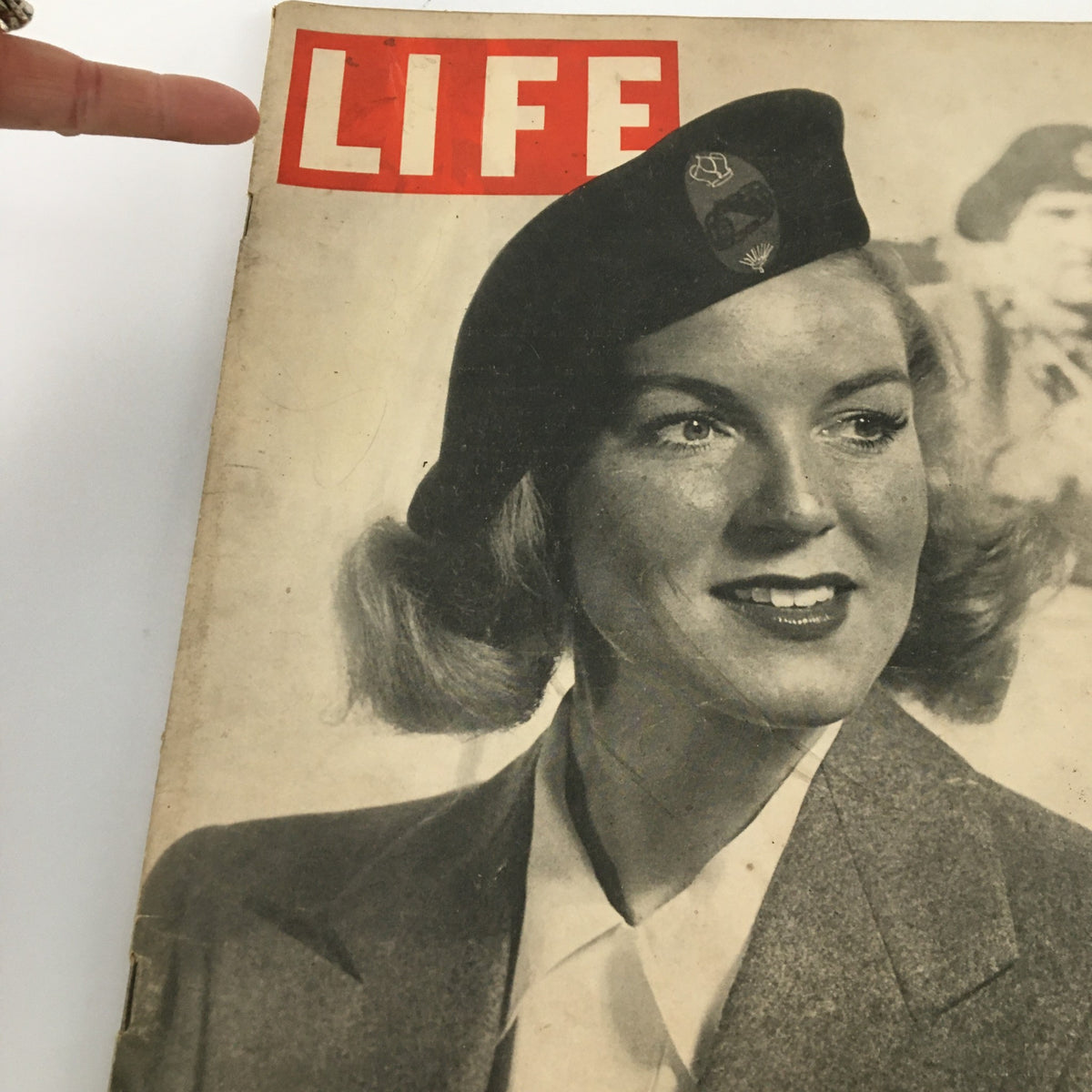
- Operation Vengeance and the Death of Yamamoto: Time and Life featuring front-page coverage of the intelligence operation that killed Japan's most celebrated admiral, illustrated with photographs of Pacific theater air operations and portraits of Yamamoto himself — a story that gripped the entire Allied world.
- The Warsaw Ghetto Uprising: Newsweek and Look chronicling the extraordinary Jewish resistance against SS officer Jürgen Stroop beginning April 19th, with harrowing dispatches and photographs that represent some of the most morally urgent journalism of the entire war era.
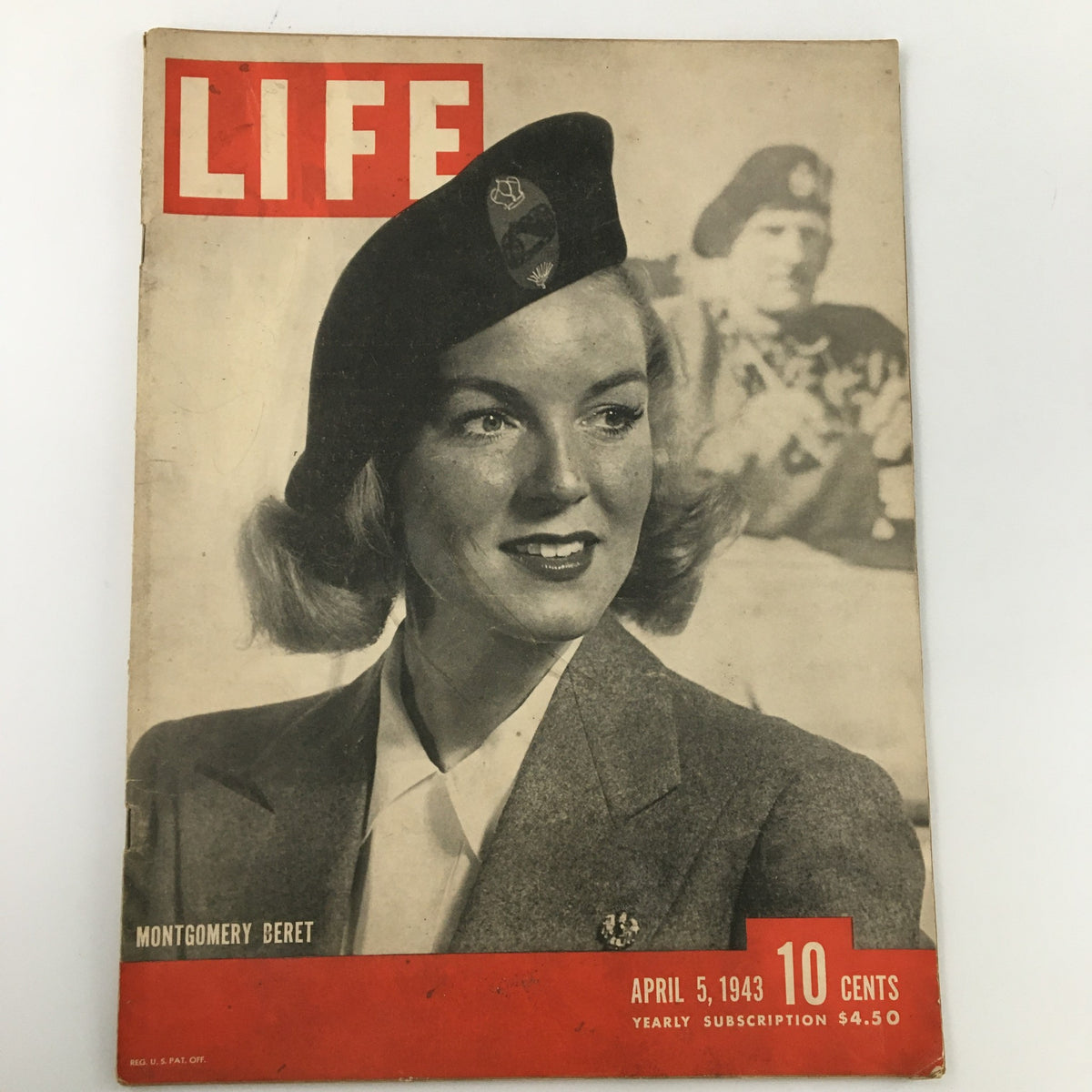
- North Africa: The Final Push: Authentic vintage magazines from this month showcase maps, battlefield photography, and editorial analysis of the Allied convergence on Tunis, featuring portraits of Eisenhower, Montgomery, and the multinational forces closing in on Axis positions.
- FDR's Wartime Economic Freeze: Saturday Evening Post and Newsweek documenting President Roosevelt's April 8th executive order freezing wages, prices, and job changes — look for editorial commentary and the period advertising that reflects a nation adapting to wartime economic controls.
- Poon Lim's 133-Day Survival Odyssey: Feature coverage in Life and illustrated weeklies of the Chinese merchant seaman rescued off Brazil after surviving alone at sea longer than any person on record — a genuine human-interest sensation that editors seized upon as proof of extraordinary individual will.
The Perfect Gift
For someone born in April 1943, an original magazine from this pivotal month isn't just a piece of paper — it's a genuine time capsule of history at its hinge point, preserved in the authentic ink, advertisements, and urgent headlines of the exact week they arrived in the world.