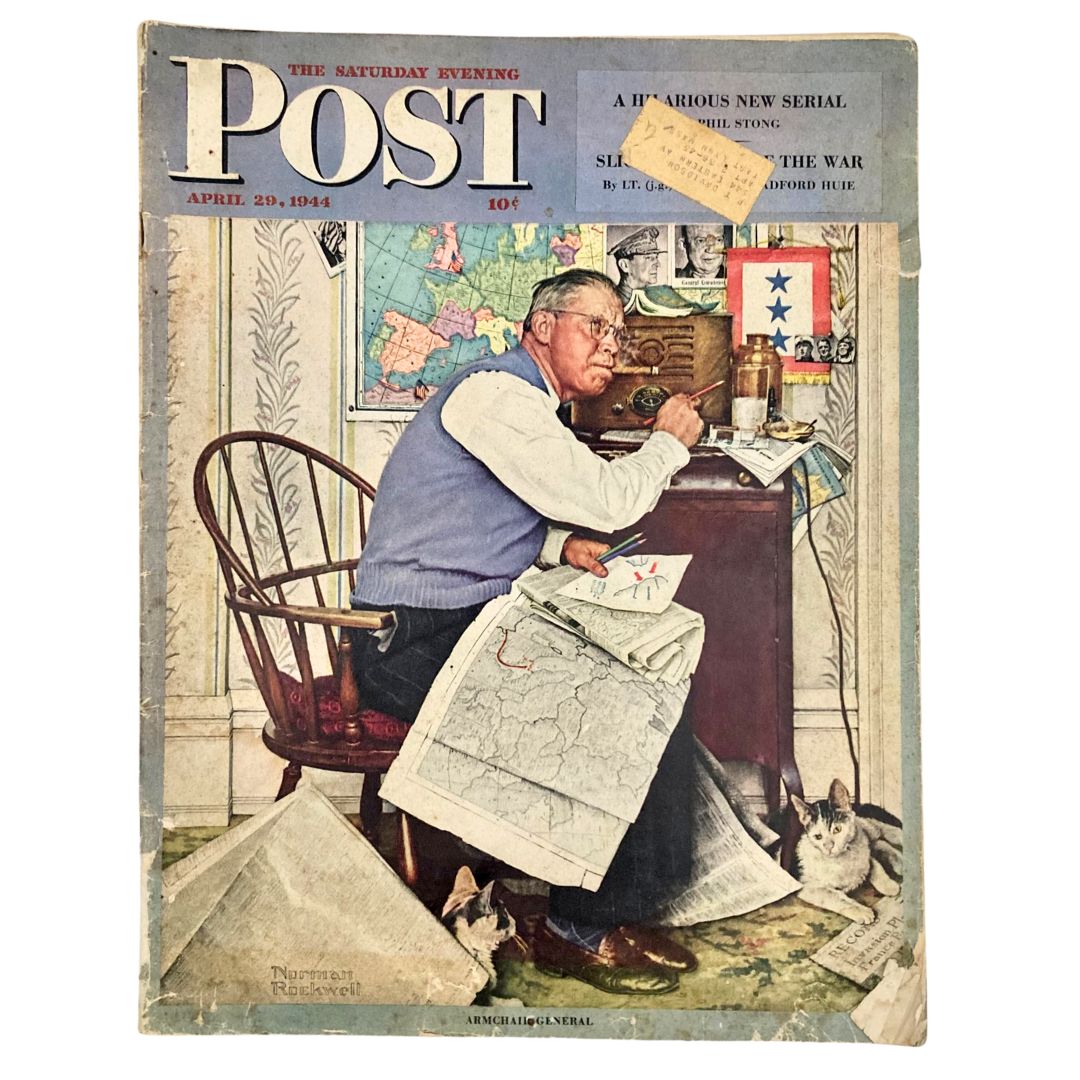
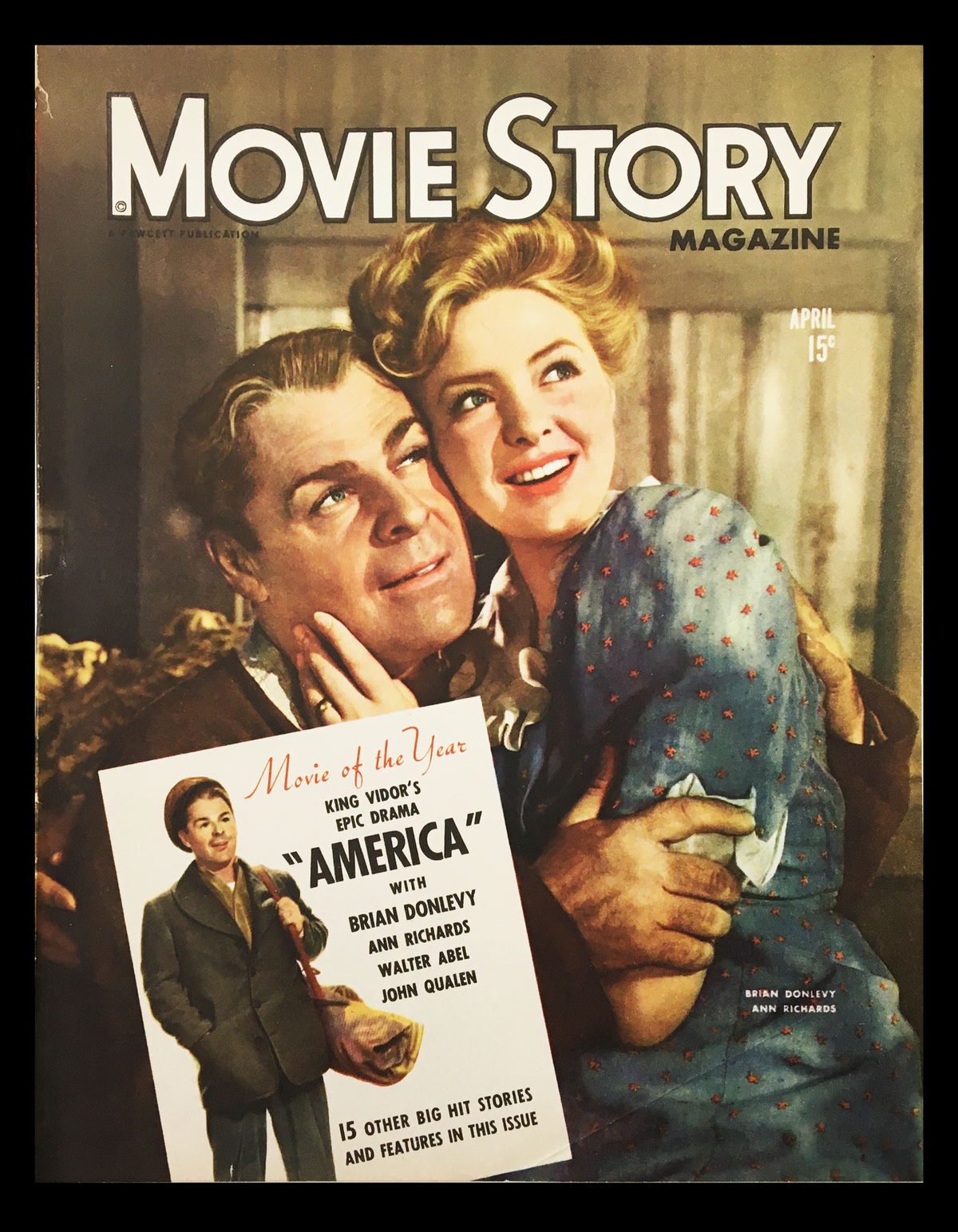
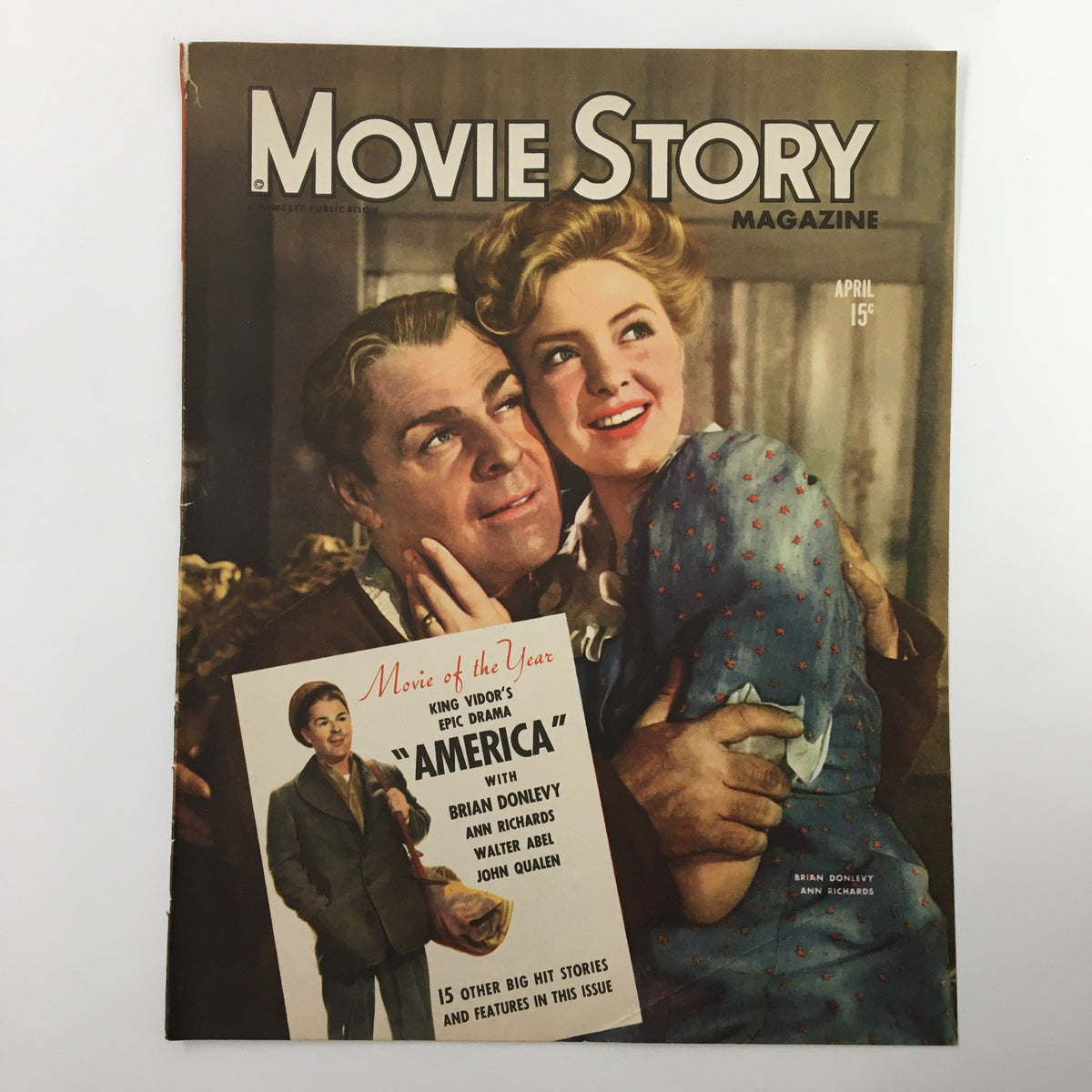
📖 About this Collection
April 1944: The World Poised on a Knife's Edge
The Historical Context
Spring arrived in 1944 under the long shadow of the Second World War, and no month that year felt the weight of history more than April. The world's eyes turned to Europe, where General Dwight D. Eisenhower formally assumed command of the Allied Expeditionary Force — the man who would lead the greatest military operation ever conceived. Behind closed doors, General Montgomery was already briefing his generals at St. Paul's School, sketching out his vision for the landings that would define the century. The war's moral stakes sharpened with devastating clarity mid-month, when Klaus Barbie's Gestapo forces raided the Jewish children's home at Izieu, near Lyon, dragging 44 children and seven adults to the death camps — a crime that would echo through the Nuremberg trials for decades. Simultaneously, Soviet forces liberated Odessa, Allied bombs struck Romania's railways, and the slow, grinding liberation of Europe ground forward. This was the world your loved one entered — charged with both terrible darkness and the first tremors of approaching dawn.
Culture, Sport & the American Home Front
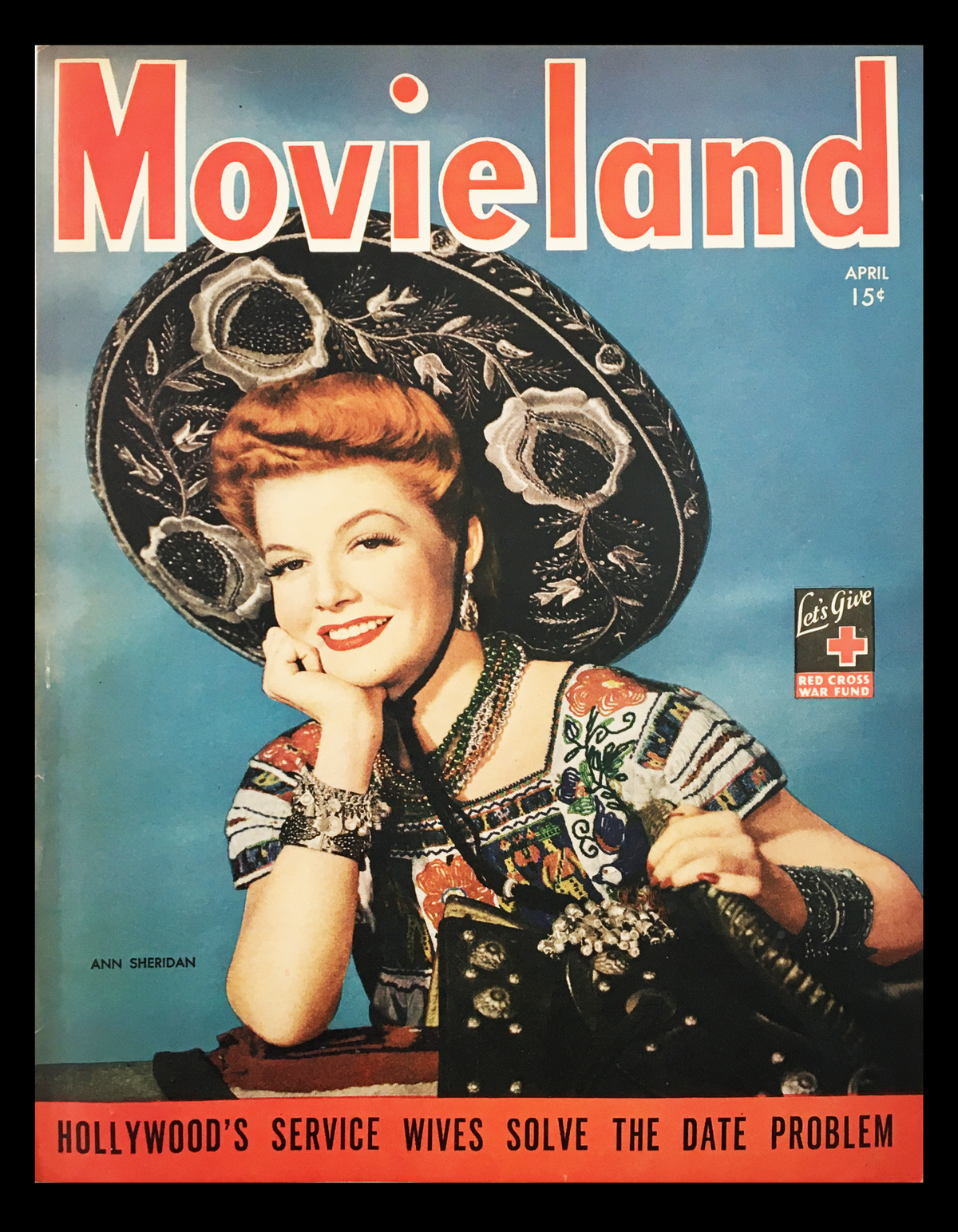
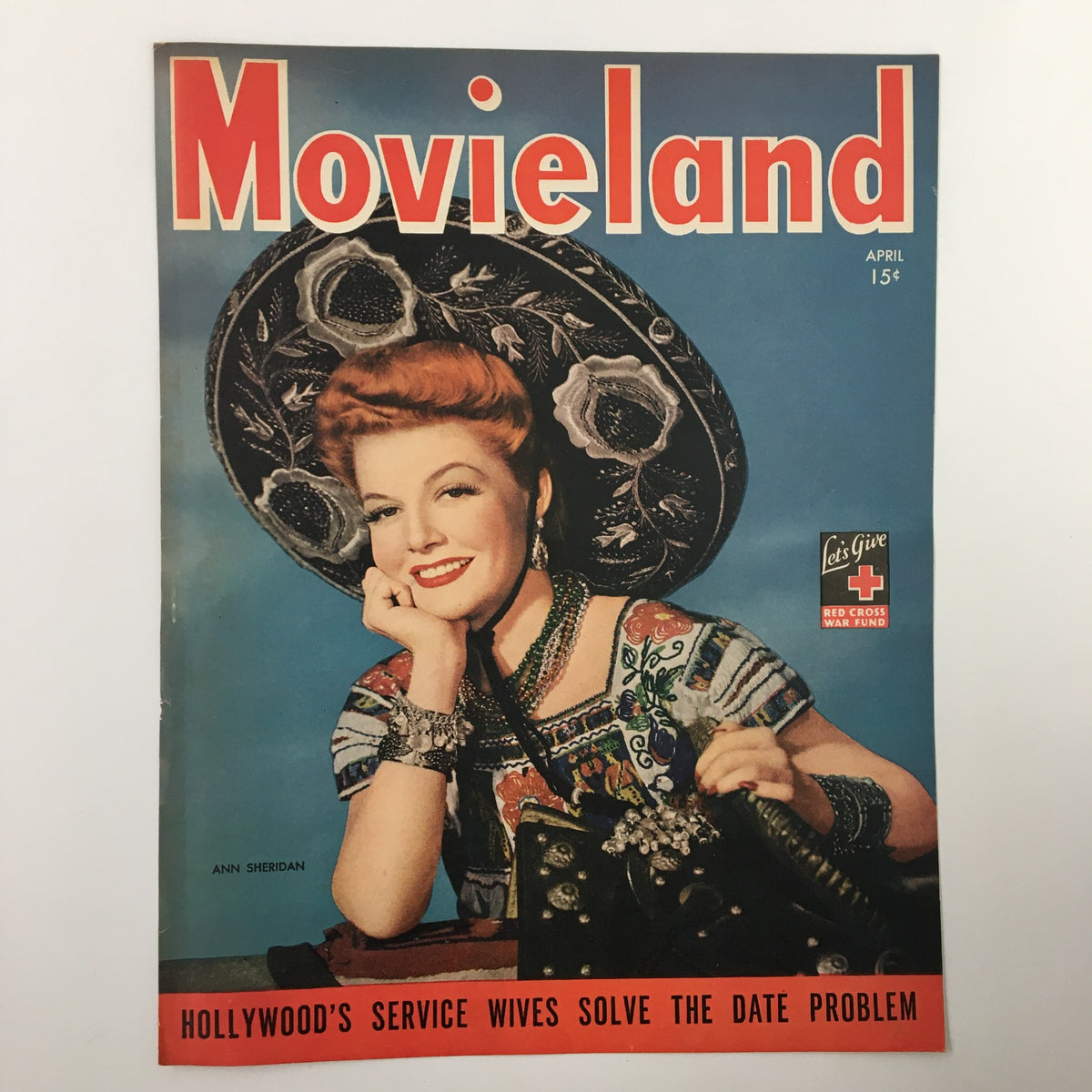
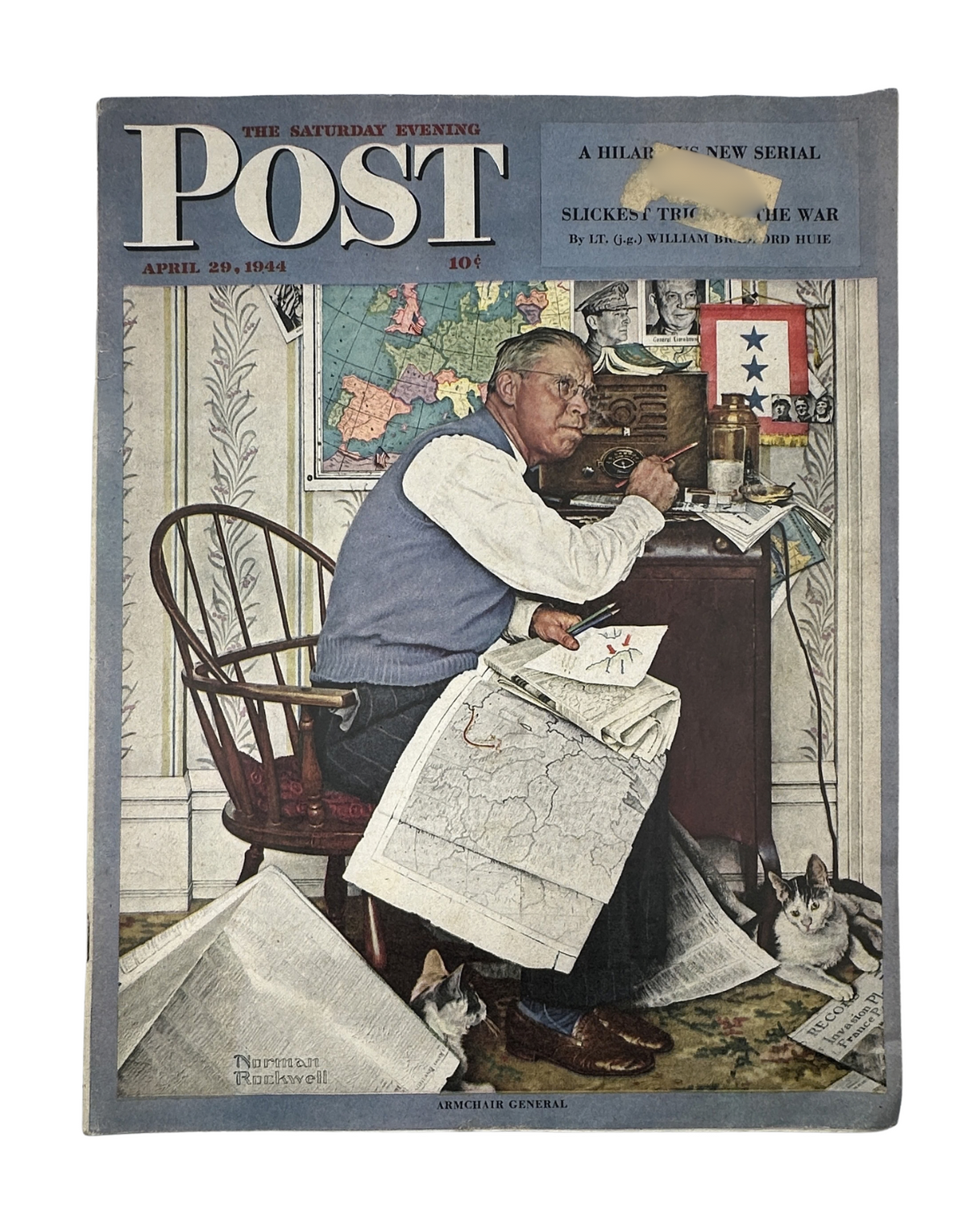
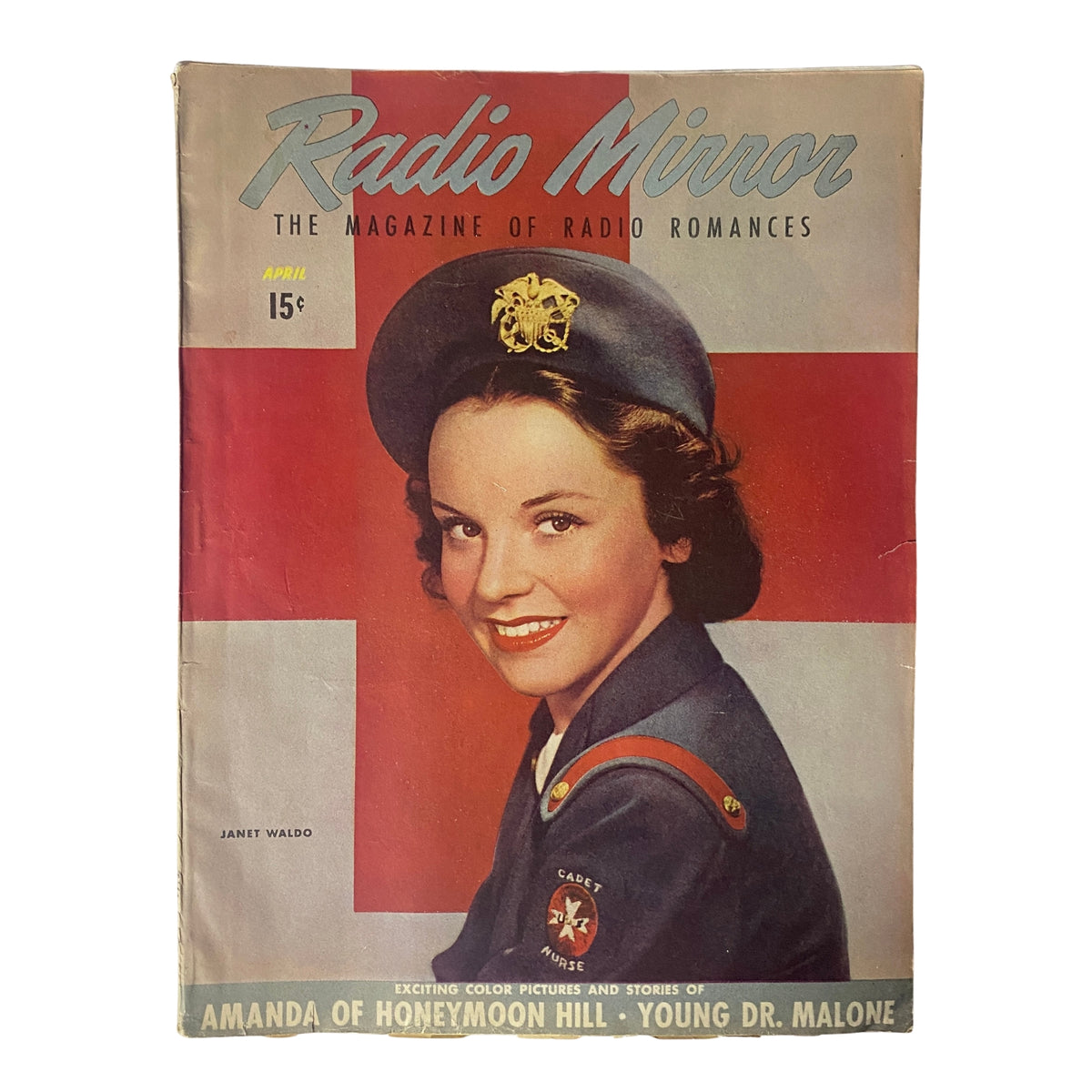
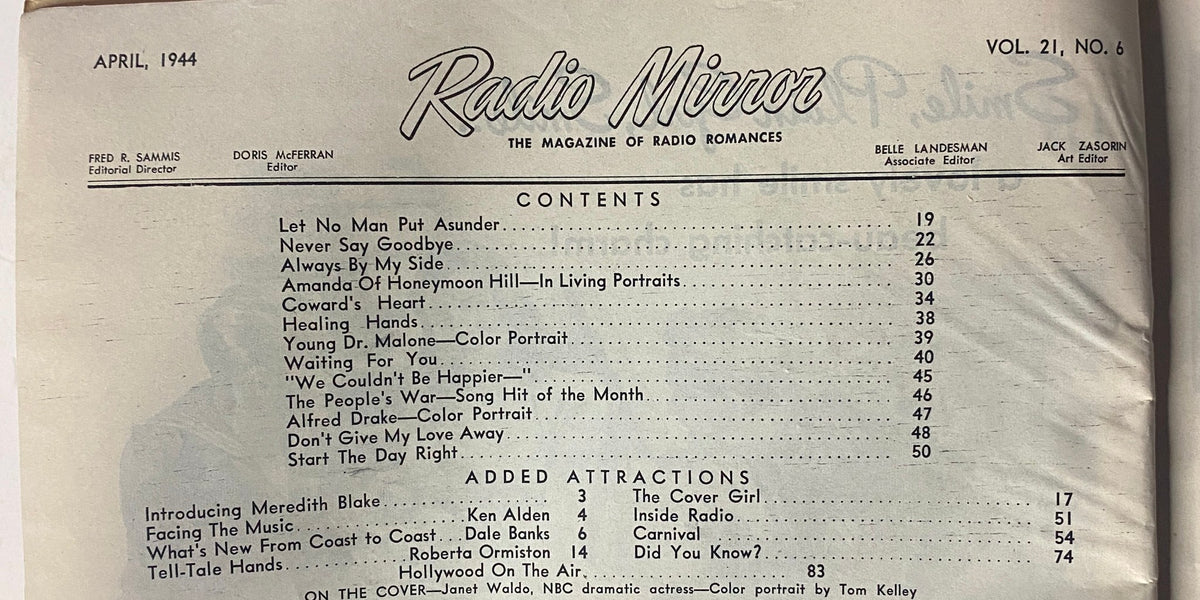
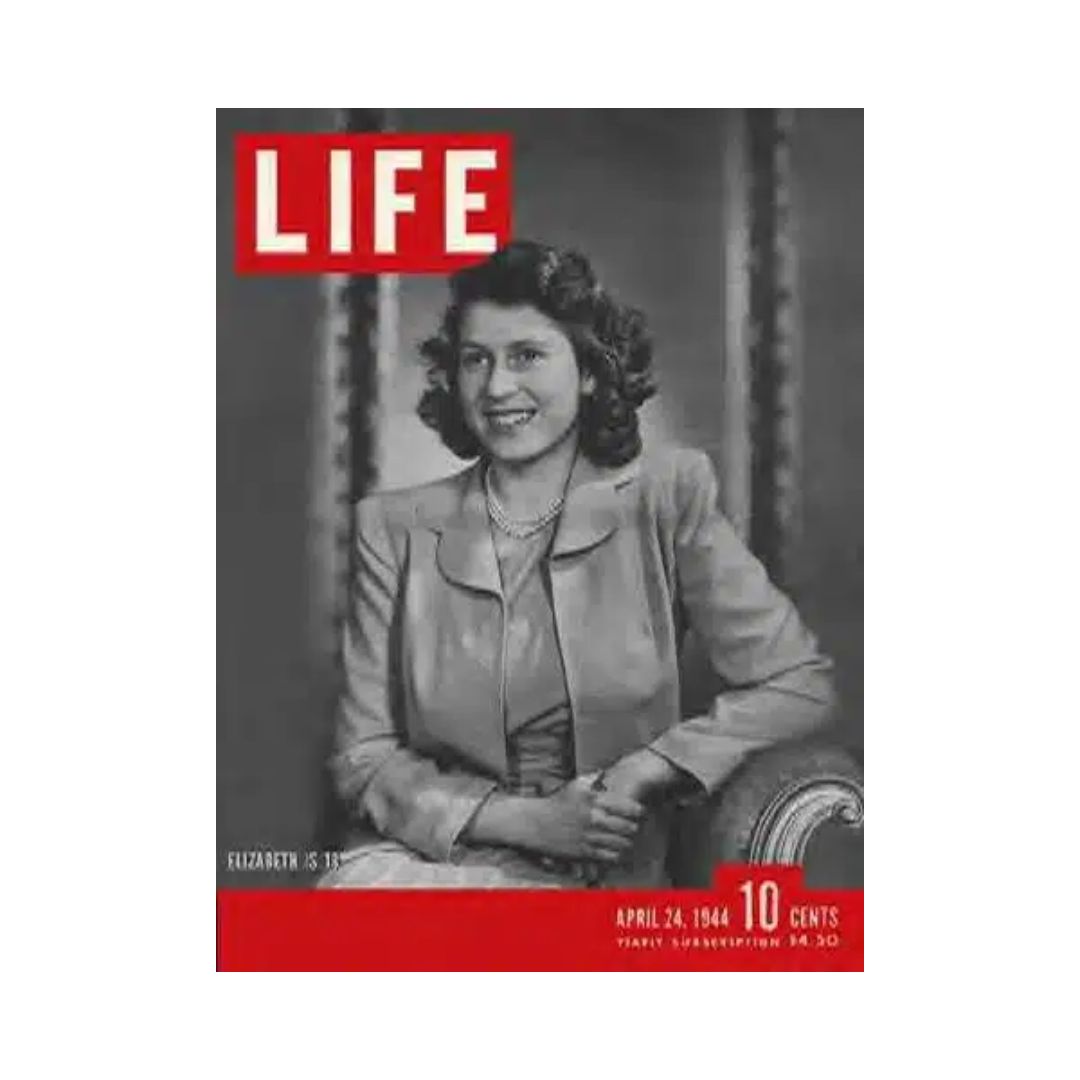
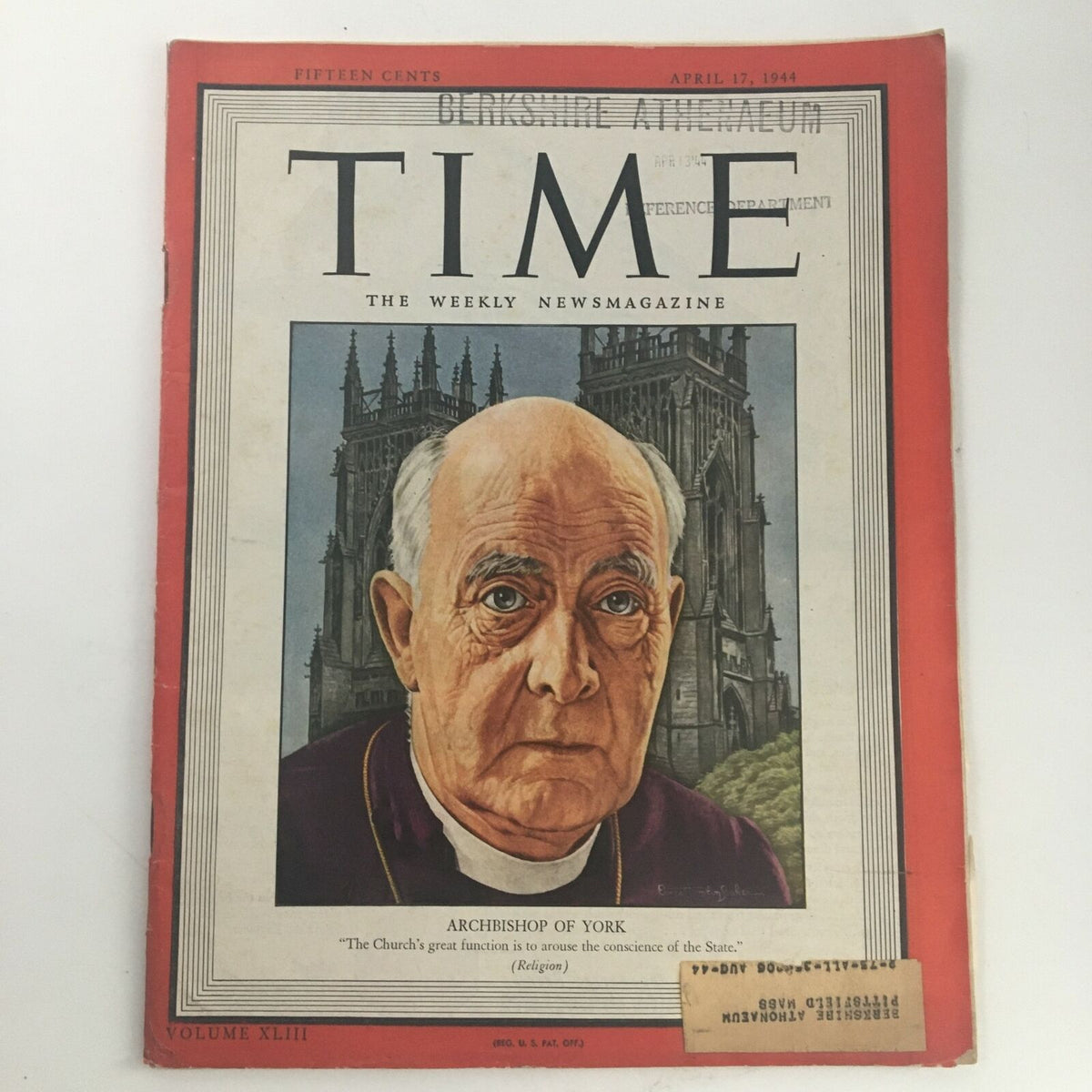
Even as the war consumed the nation's attention, American life pressed on with remarkable vitality. On Broadway, Leonard Bernstein and Jerome Robbins unveiled Fancy Free, a joyful, jazz-infused ballet that captured the restless energy of wartime New York — and would soon inspire the musical On the Town. Jackie Gleason was drawing crowds at the New Century Theatre in Follow the Girls, a musical comedy that ran for an astonishing 888 performances. On the ice, the Montreal Canadiens swept the Chicago Blackhawks in overtime to claim the Stanley Cup — their first championship since 1931. In baseball, New York Giants slugger Phil Weintraub drove in 11 runs in a single game, while teammate Mel Ott scored six runs in one afternoon. Original magazines from April 1944 crackle with this duality: war news alongside victory gardens, bond drives next to radio listings, rationing ads sharing pages with Hollywood glamour. Life, Time, and Newsweek dominated newsstands, their covers split between battle maps and the faces of a nation holding its breath.
Curator's Checklist: What to Look for in April 1944 Magazines
- Eisenhower Takes Command: Issues of Life and Time featuring coverage of Eisenhower's appointment as Supreme Allied Commander, often illustrated with portrait photography and Allied strategy maps that reveal just how the world understood the coming invasion.
- The Izieu Raid & Holocaust Documentation: Rare magazines and dispatches from this period may carry early reports of Nazi atrocities in occupied France, offering sobering primary documentation of the war's moral urgency — context that genuine Newsweek and Look issues of this month preserve with haunting authenticity.
- Leonard Bernstein & Broadway: Vintage magazines covering the arts — including Variety and general-interest weeklies — featuring reviews and photographs of Fancy Free's Metropolitan Opera premiere, showcasing the birth of a quintessentially American artistic voice.
- The Montreal Canadiens Stanley Cup: Sports coverage in Life and illustrated weeklies chronicling the Canadiens' dramatic overtime sweep, complete with action photography and editorial commentary on hockey's wartime season.
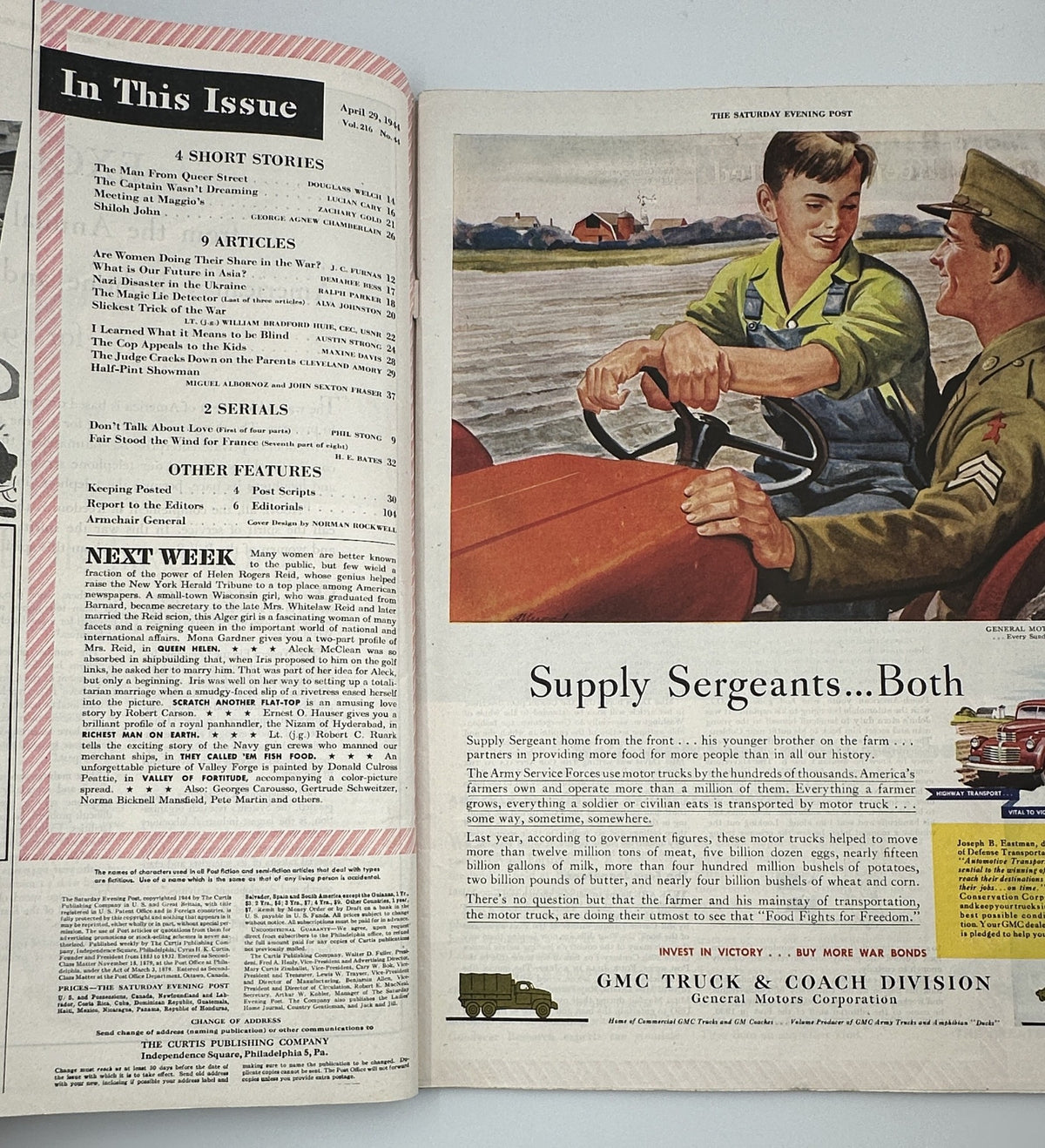
- Home Front Advertising: Authentic period advertisements for war bonds, rationing substitutes, and consumer goods "for after the war" — the genuine commercial voice of April 1944, preserved in original page layouts no reproduction can replicate.
The Perfect Gift
For someone born in April 1944, an original magazine from this extraordinary month isn't just a piece of paper — it's a genuine time capsule of the world on the edge of liberation, preserved in authentic headlines, photographs, and advertisements that no archive or digital file can replace.