📖 About this Collection
April 1949: The Month the West Drew a Line
The Historical Context
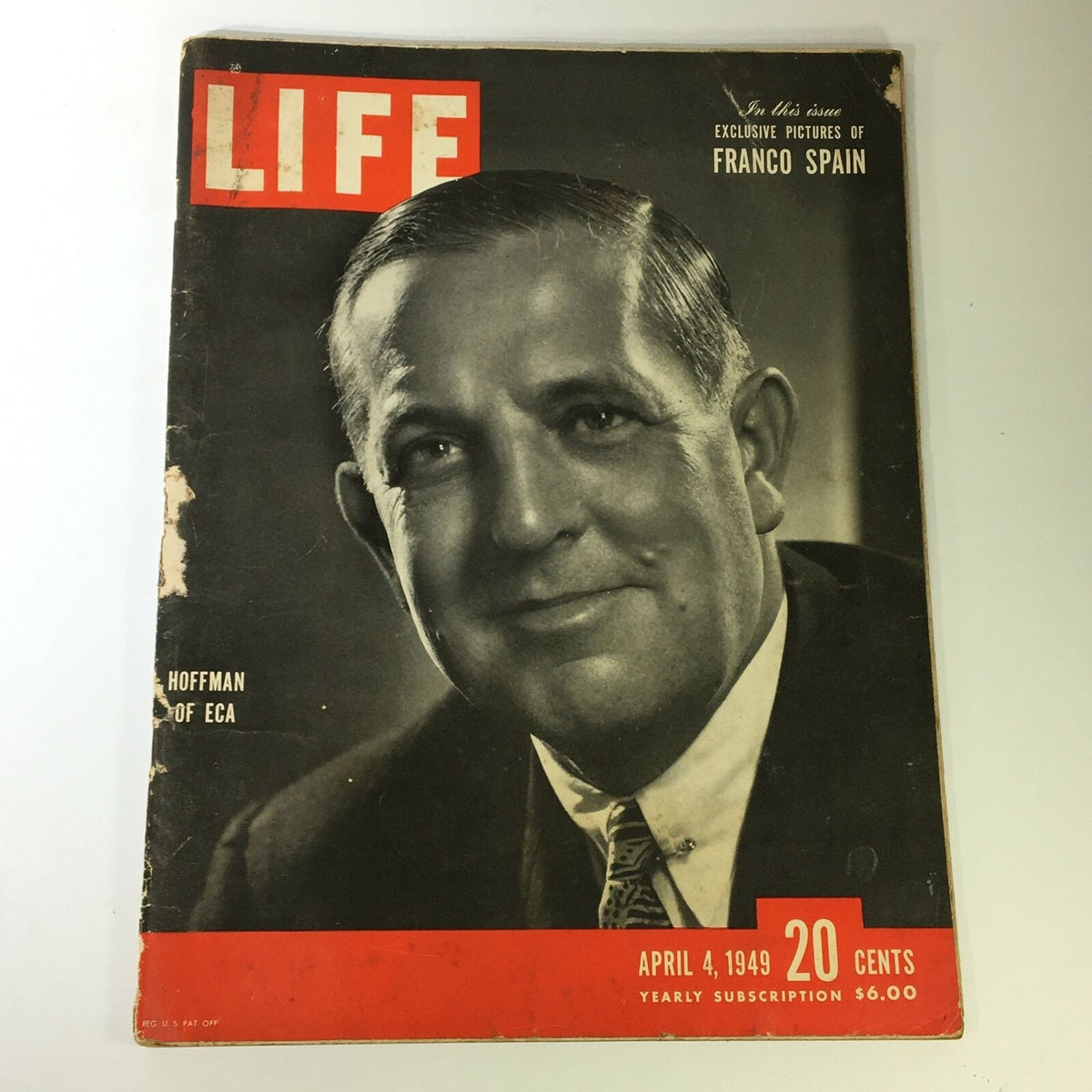
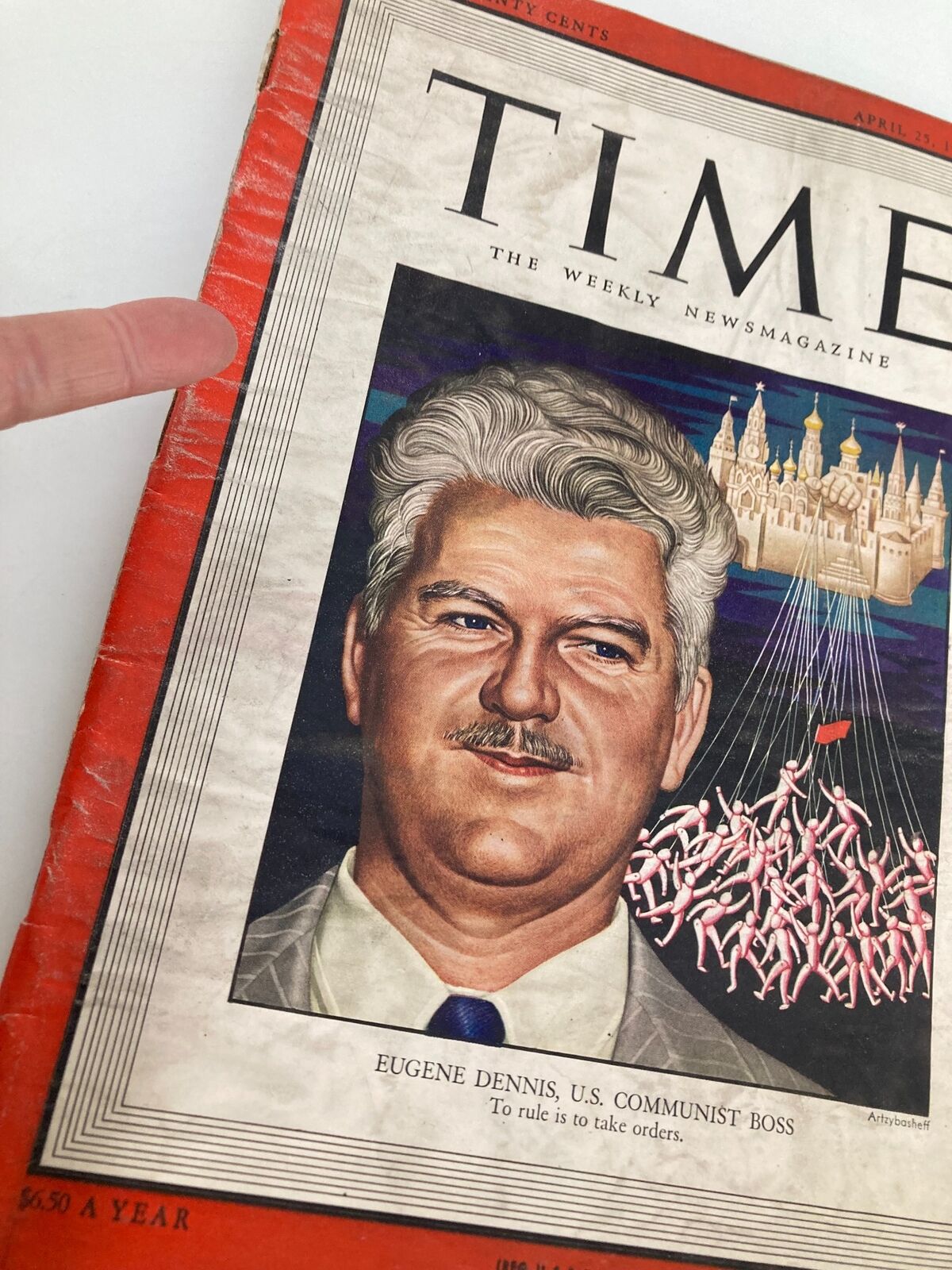
April 1949 arrived with the unmistakable tension of a world still sorting itself out from the wreckage of war. On the fourth of the month, twelve nations gathered in Washington, D.C., and signed the North Atlantic Treaty—a document that would define Western security for generations. The creation of NATO was not merely a diplomatic formality; it was a public declaration that the democracies of the Atlantic world would stand or fall together. Newsweek and Time devoted cover after cover to the negotiations, the faces of the signatories, and the anxious diplomacy that preceded the moment. Meanwhile, in Asia, the Chinese Red Army conquered Nanjing on April 23rd, and the geopolitical map of the Far East shuddered with what that advance meant. Closer to home, the Republic of Ireland formally withdrew from the British Commonwealth, and Transjordan became the Hashemite Kingdom of Jordan. For someone born in April 1949, this was a world drawing new borders—on maps, in alliances, and in history.
What America Was Watching, Wearing, and Humming
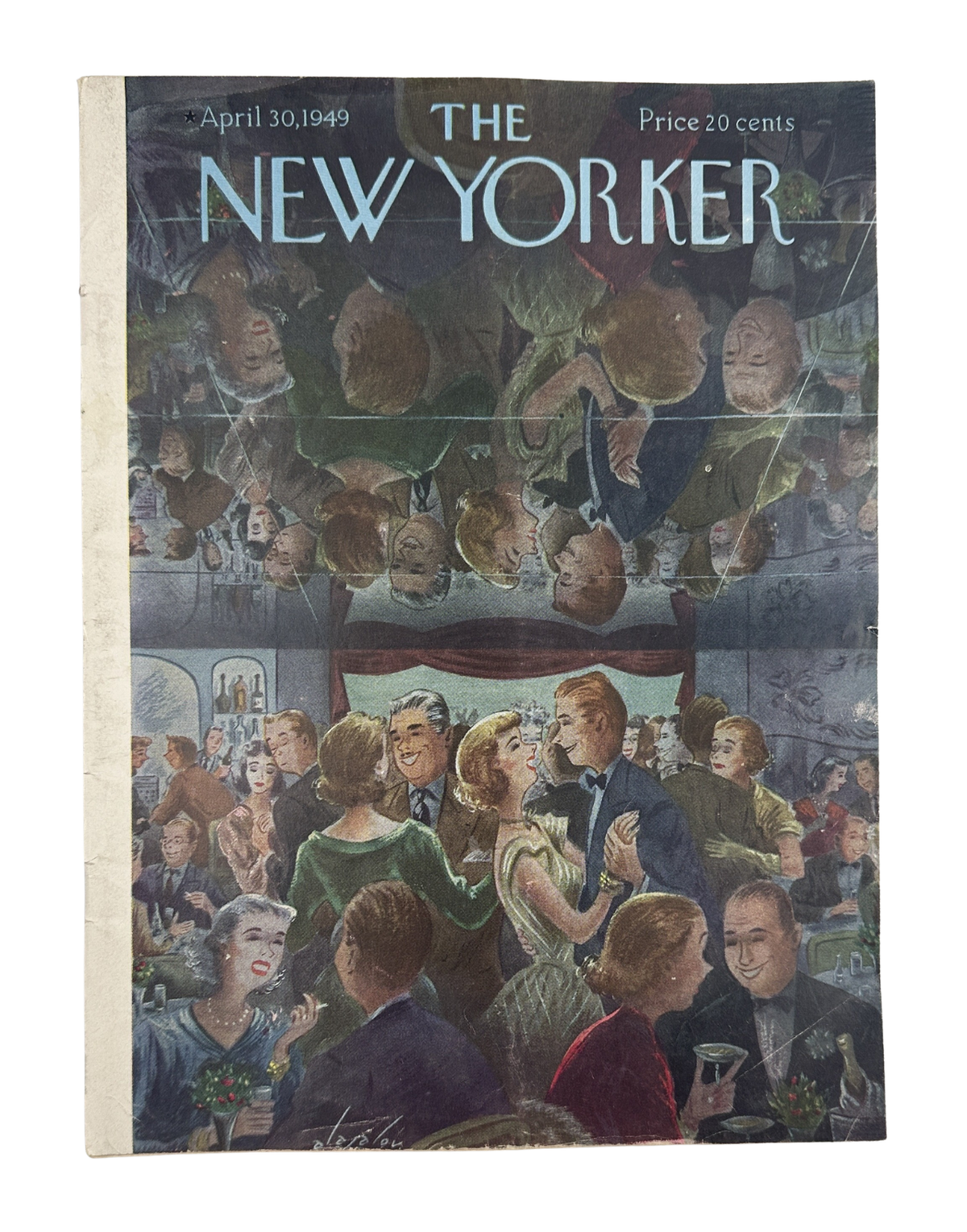
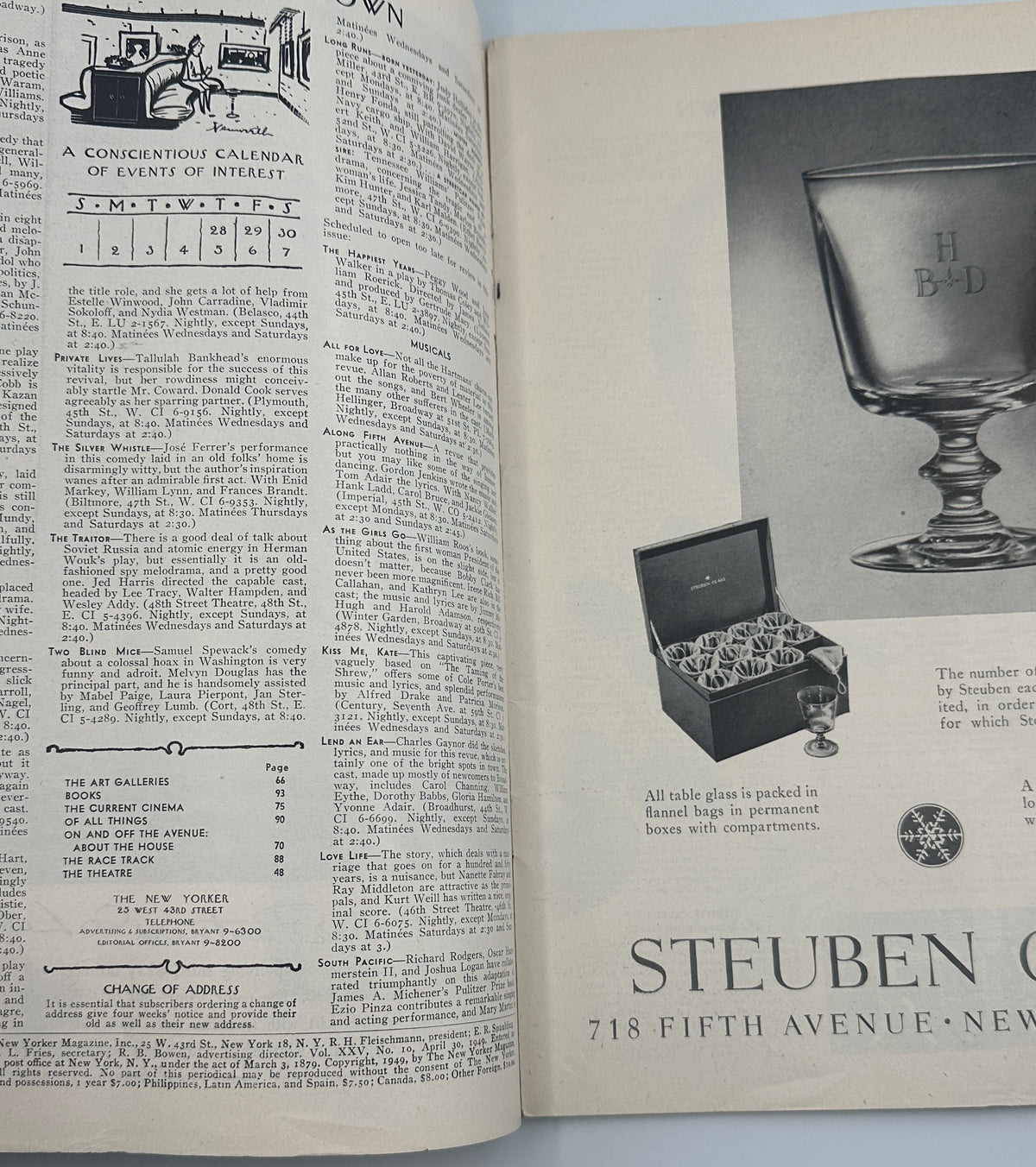
If the headlines crackled with Cold War tension, the cultural life of April 1949 offered something warmer and far more enduring. On April 7th, the curtains rose at New York's Majestic Theater on Richard Rodgers and Oscar Hammerstein's South Pacific, starring the magnificent baritone Ezio Pinza alongside Mary Martin—a production that would run for 1,928 performances and sweep ten Tony Awards. Broadway had rarely seen anything like it, and original magazines from April 1949 were there to record the opening night electricity. Television was still finding its footing but gaining ground fast: Fireside Theater debuted on American screens, and new NBC and ABC affiliates were signing on across the country. At the third Tony Awards on April 24th, Death of a Salesman and Kiss Me, Kate claimed their honors, cementing a golden season for American theater. On the green at Augusta, Sam Snead slipped on his first Masters jacket, winning by three strokes—a moment Sports Illustrated would one day mythologize. These rare magazines capture a culture confident and creative even while the world beyond its shores remained uncertain.
The Curator's Checklist: What to Look For in April 1949 Magazines
- NATO Signing Coverage: Time, Life, and Newsweek issues featuring the Washington ceremony, illustrated with photographs of the twelve signatory nations' foreign ministers and diplomatic commentary on what the new Western alliance meant for the postwar order.
- South Pacific Opening Night: Theater-focused titles and general-interest magazines such as Life and the Saturday Evening Post showcasing production photographs of Mary Martin and Ezio Pinza, opening-night reviews, and the cultural anticipation surrounding the Rodgers & Hammerstein collaboration.
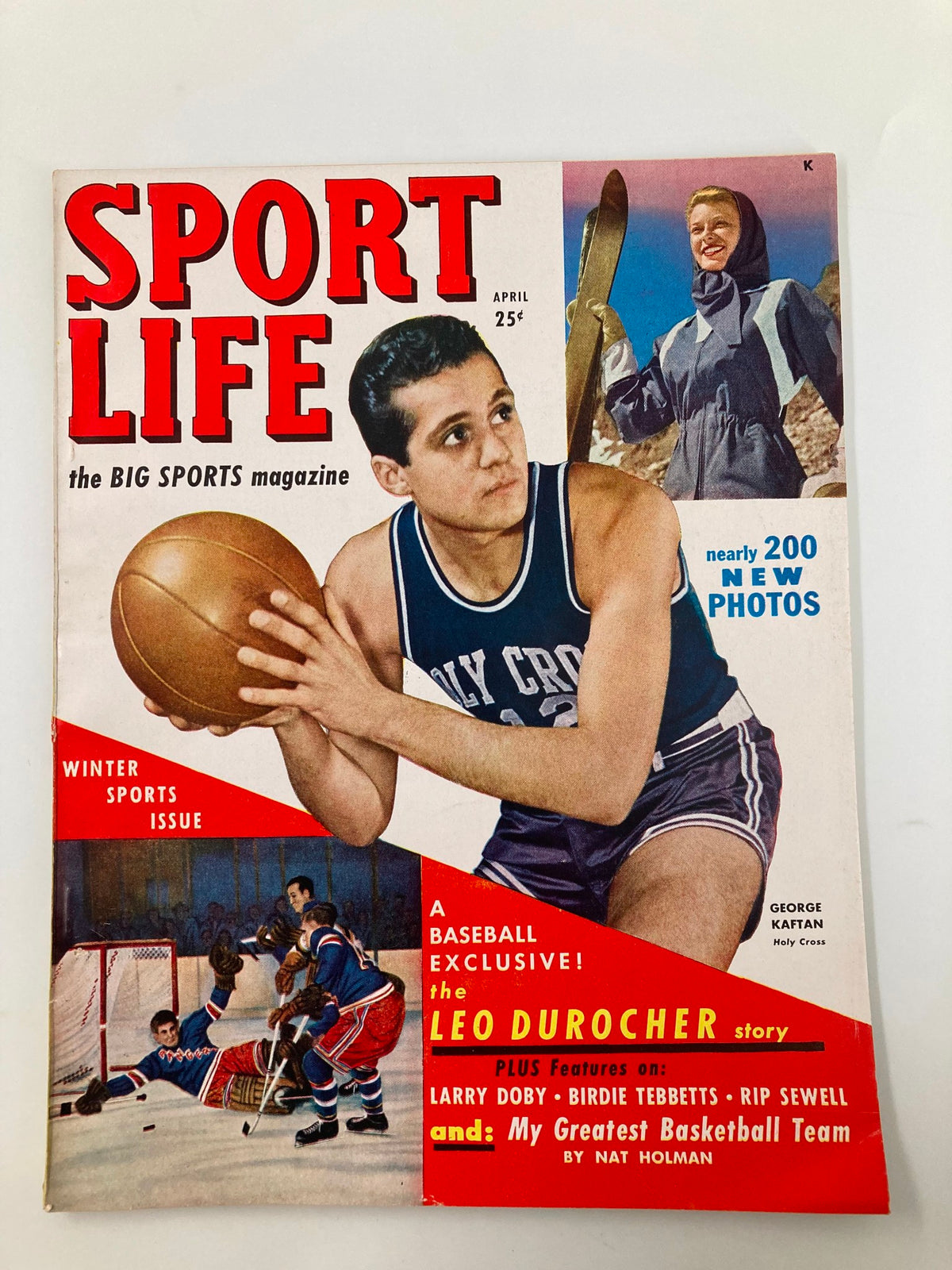
- Sam Snead at the Masters: Sports pages and vintage magazines with wire photographs from Augusta National, chronicling Snead's three-stroke victory—a watershed moment for American golf's postwar revival.
- China and the New Asia: Look and Newsweek issues featuring maps, photojournalism, and editorial analysis of the Communist advance on Nanjing, representing some of the era's most striking documentary photography of a continent in upheaval.
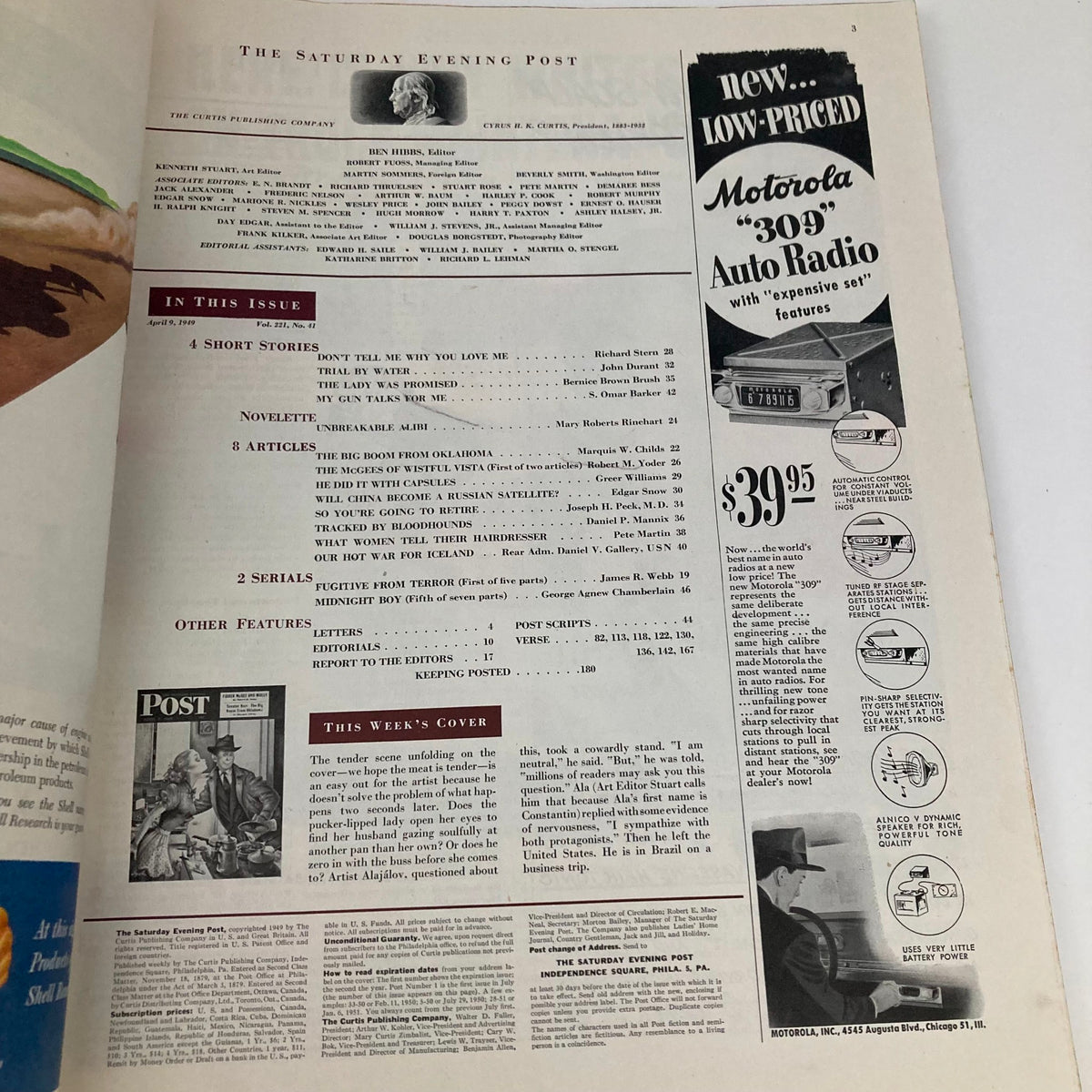
- Tony Awards and Broadway Season: Authentic entertainment coverage from Variety and general-interest titles, preserved with the original advertisements for theatrical runs, fashions, and consumer goods that defined what a sophisticated 1949 reader was purchasing and aspiring to.
The Perfect Birthday Gift
For someone born in April 1949, an original magazine from this watershed month isn't just a piece of old paper—it's a genuine time capsule of the exact world they entered, preserved in the authentic headlines, period advertisements, and original photography of a civilization remaking itself.