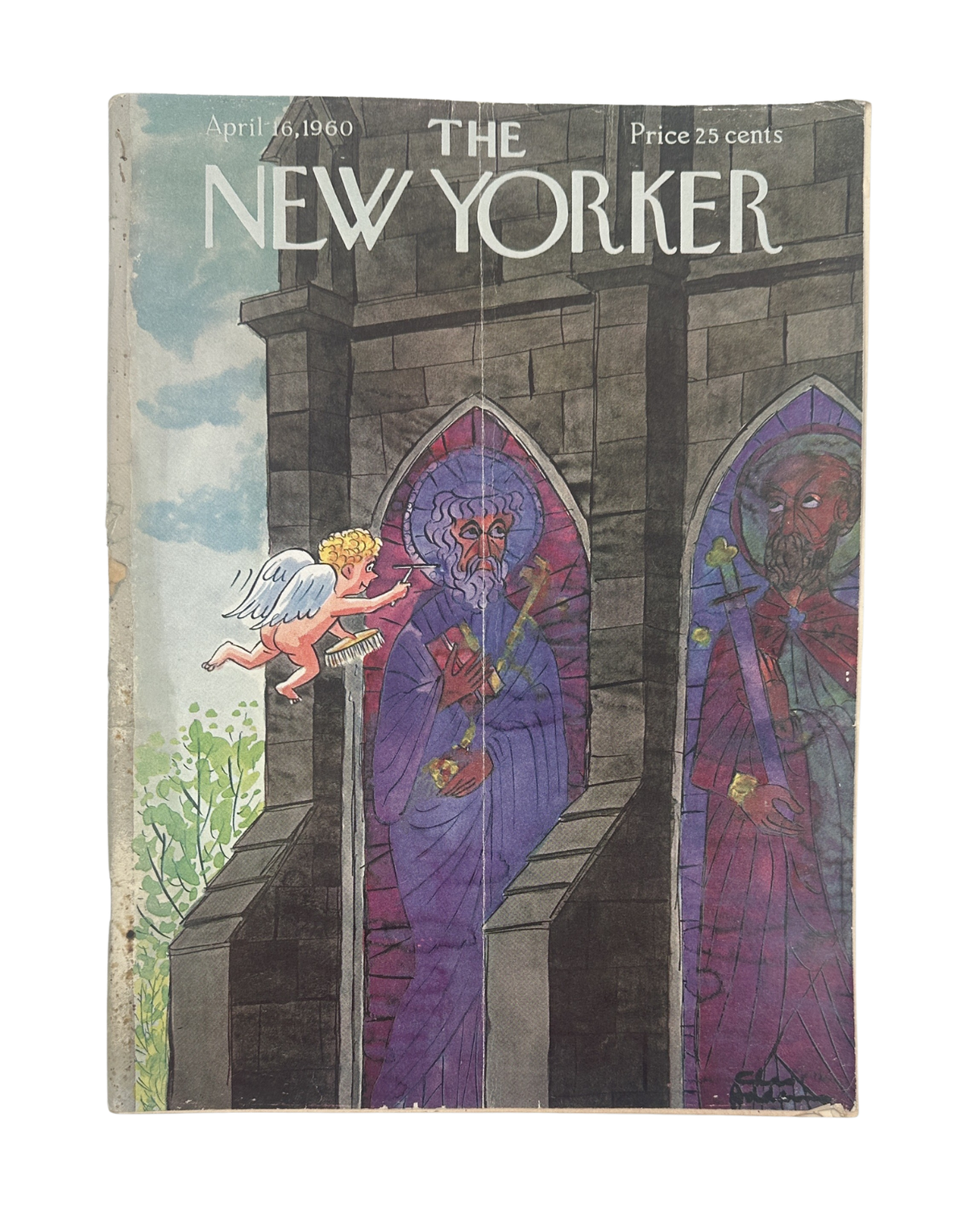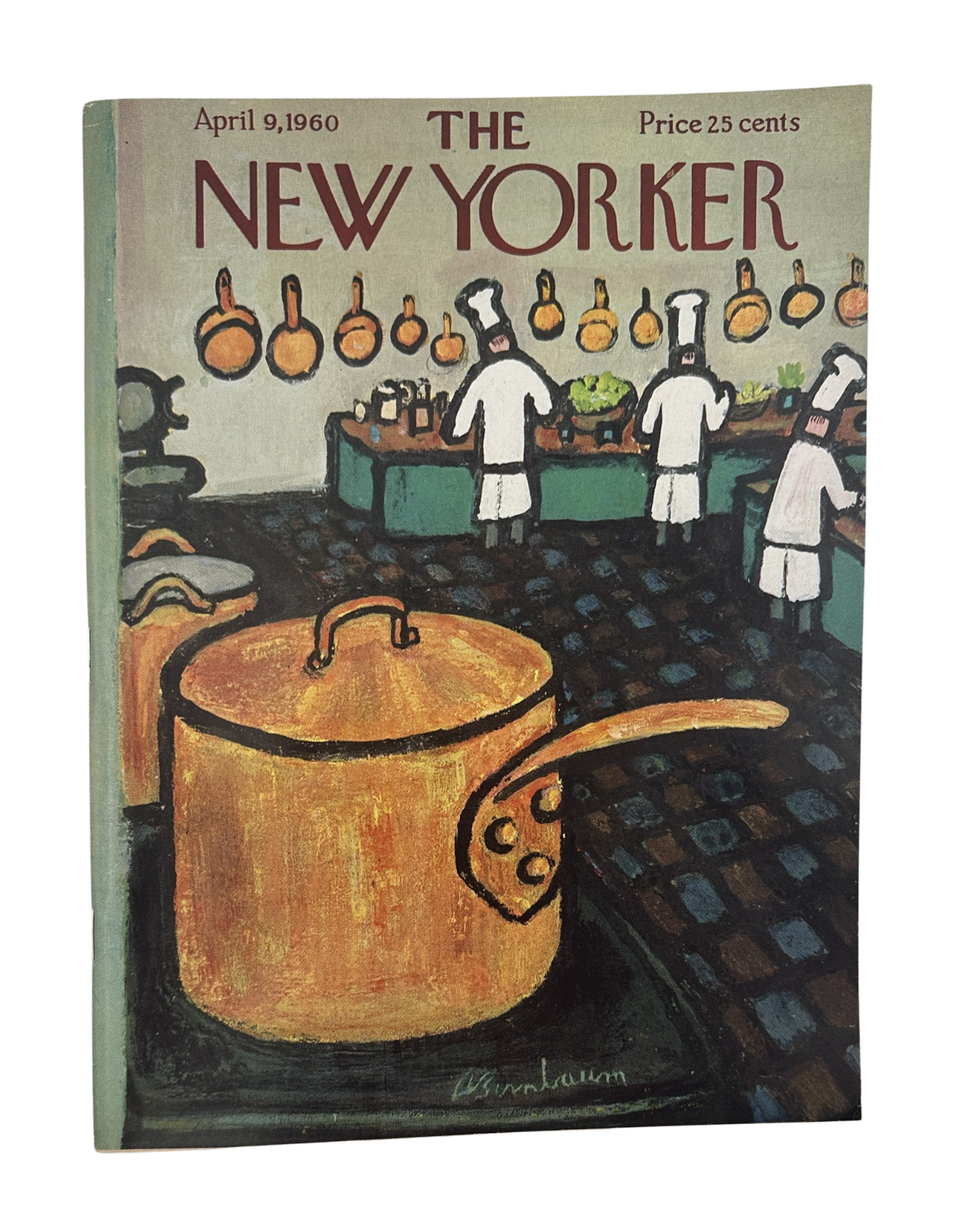
📖 About this Collection
April 1960: The Month Democracy Trembled and History Soared
The Historical Context
The world held its breath in April 1960 as the Cold War entered the Space Age and civil rights battles reached fever pitch on American soil. South Korean President Syngman Rhee's resignation after twelve years of autocratic rule sent shockwaves through Asia, while the U.S. Senate passed a landmark Civil Rights Bill targeting discriminatory voting practices—a legislative victory that would reshape American democracy. Beneath these seismic shifts, technology quietly revolutionized navigation as the first weather satellite, TIROS 1, and the Transit 1B navigational satellite launched into orbit, forever changing how humanity would view Earth from above. France exploded its second atomic bomb in the Sahara, joining the nuclear powers' club, while Elvis Presley recorded what would become his signature ballads at RCA Studios in Nashville. This was the world your loved one entered: a planet simultaneously reaching for the stars and wrestling with the meaning of freedom on the ground below.
When Entertainment Became Epic
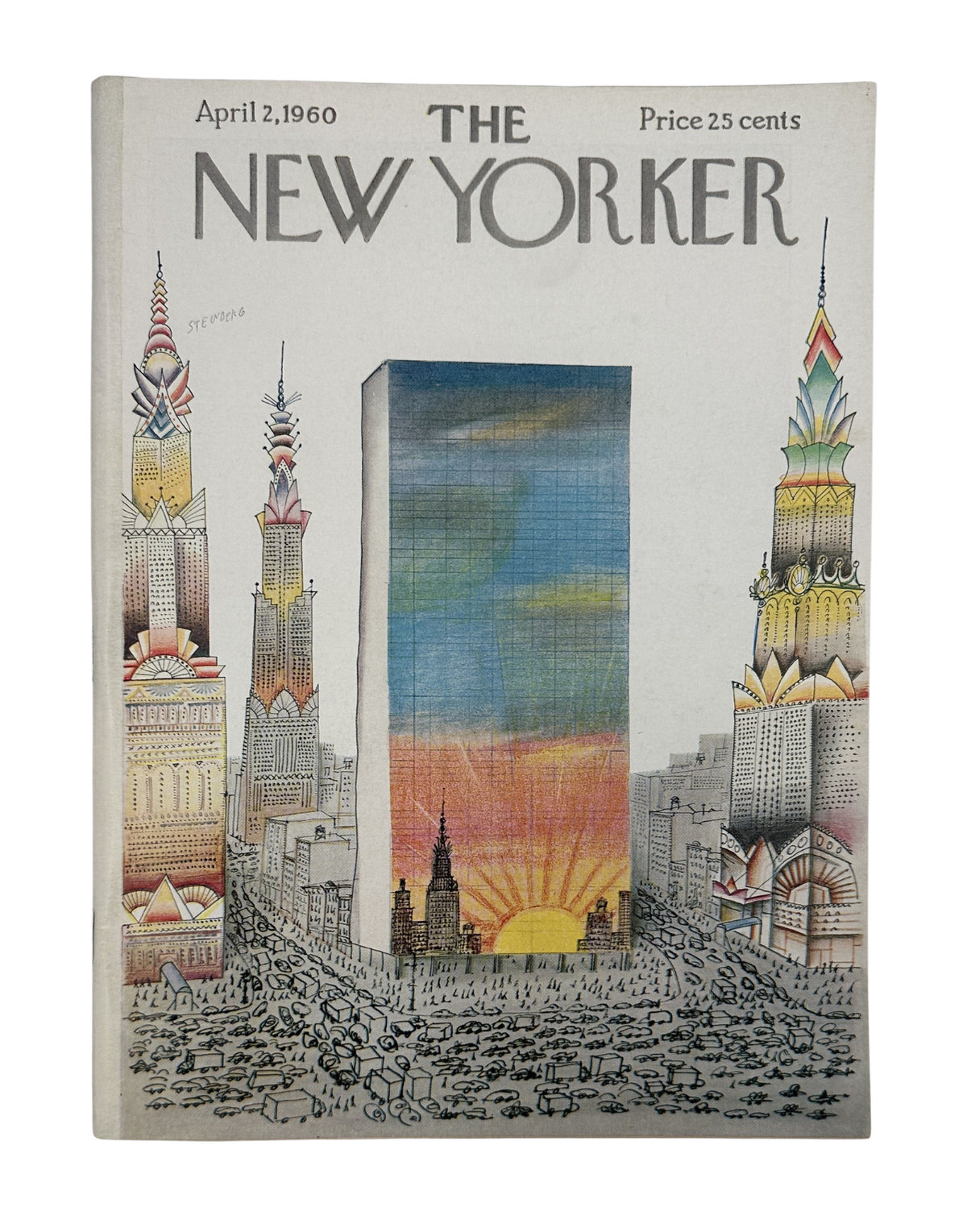
April 1960 belonged to Ben-Hur. The biblical epic swept the 32nd Academy Awards on April 4th, with Charlton Heston claiming Best Actor in a ceremony that dominated original magazines from April 1960 with full-page spreads of Hollywood glamour. Broadway audiences flocked to see Dick Van Dyke launch his career in "Bye Bye Birdie," the rock-and-roll musical that opened April 14th at the Martin Beck Theater and would run for 607 performances. Baseball fans witnessed history at Chicago's Comiskey Park when owner Bill Veeck debuted the "Exploding Scoreboard"—a pyrotechnic marvel that lit up sports sections nationwide. Arnold Palmer electrified golf by birdieing the final two holes to capture the U.S. Masters by a single stroke, while the Montreal Canadiens claimed their fifth consecutive Stanley Cup in a commanding sweep. Berry Gordy Jr. incorporated Motown Record Corporation on April 14th in Detroit, planting seeds for a musical revolution that would reshape American sound for decades. These moments filled the pages of Life, Sports Illustrated, and Time with photography that captured an America simultaneously traditional and transforming.
Curator's Checklist: What to Look For in April 1960 Issues
-
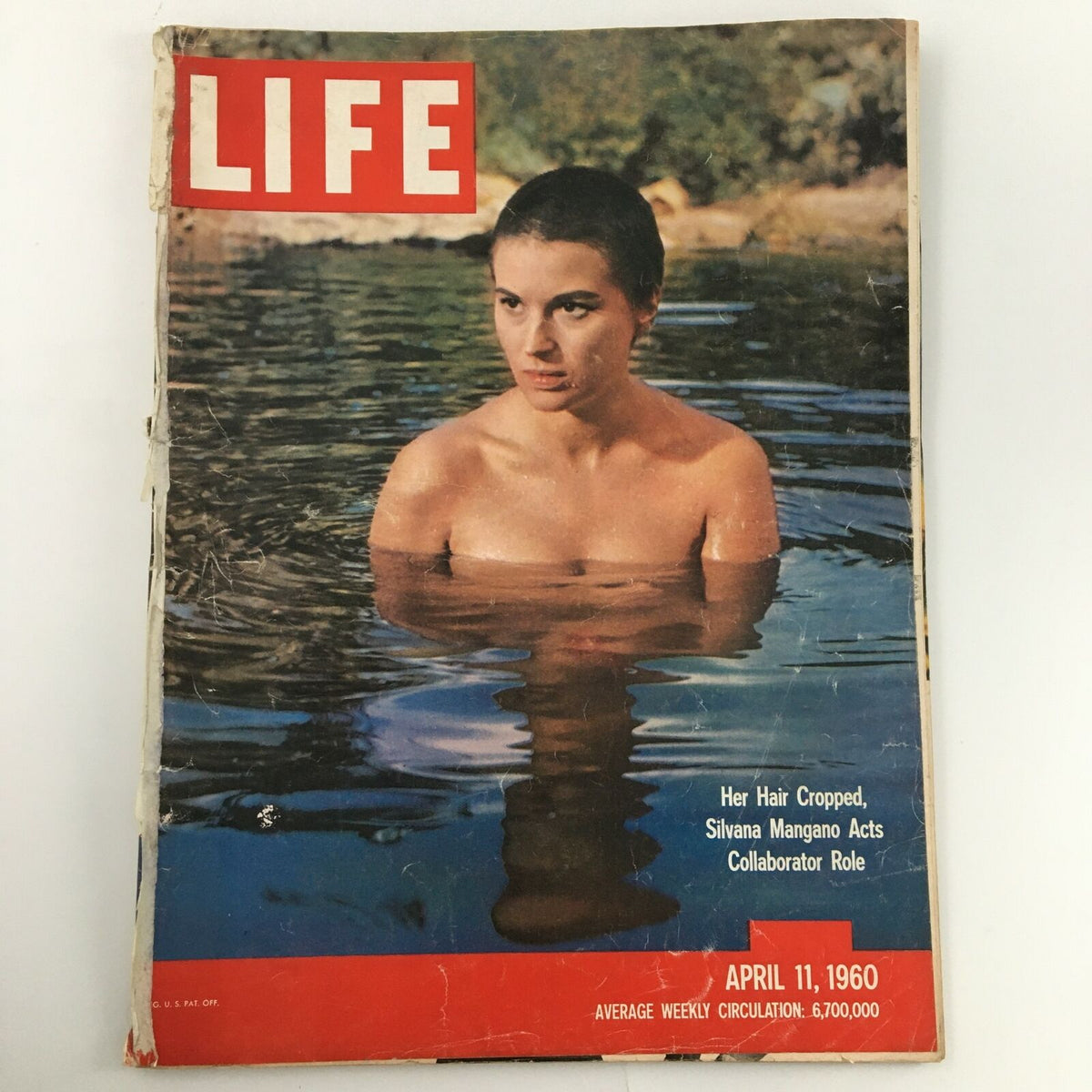
Ben-Hur's Oscar Triumph: Entertainment magazines like Life and Look featuring lavish photo spreads of Charlton Heston's Best Actor win and behind-the-scenes coverage of the 32nd Academy Awards ceremony, often with full-color stills from the eleven-Oscar-winning biblical epic.
-
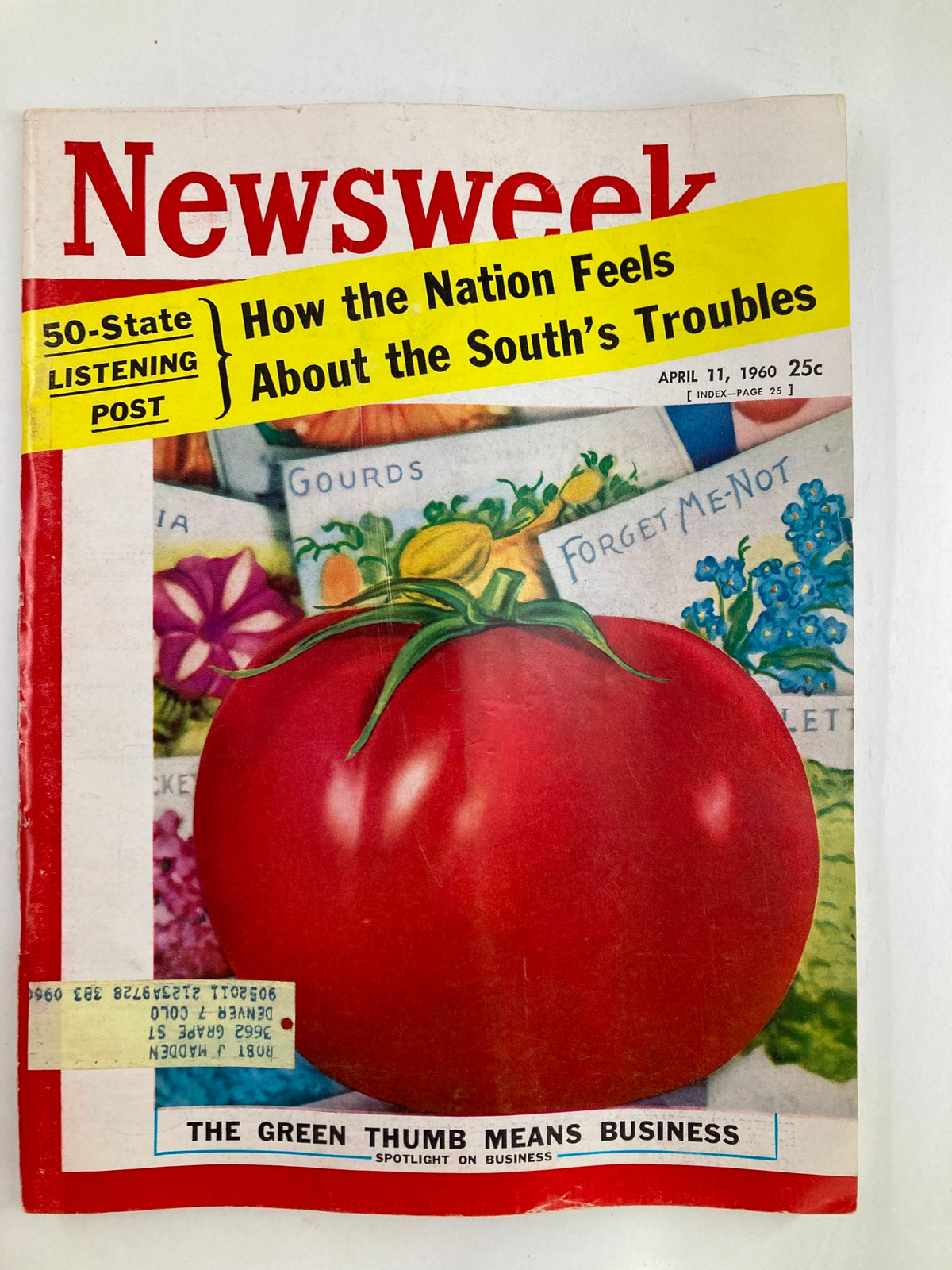
Civil Rights Legislation: News weeklies such as Time, Newsweek, and U.S. News & World Report chronicling the Senate's passage of the Civil Rights Bill, featuring photography of legislative debates and analysis of the voting rights protections that would challenge discriminatory practices across the South.
-
Space Age Navigation: Science and technology features in Popular Mechanics and news magazines documenting TIROS 1's launch and the Transit 1B satellite, illustrated with technical diagrams and artist renderings of how these vintage magazines explained humanity's expanding reach into orbit.
-
Elvis in the Studio: Entertainment publications covering Presley's Nashville recording sessions for "It's Now Or Never" and "Are You Lonesome Tonight," with candid photography and interviews from RCA Studios that captured the King at a creative peak—rare magazines from this era often featured exclusive behind-the-scenes access.
-
Political Upheaval in Asia: International news coverage of South Korean President Syngman Rhee's dramatic resignation after twelve years, with photojournalism documenting the protests and political crisis that reshaped the Korean peninsula, preserved in the pages of Look, Life, and international editions.
The Perfect Gift
For someone born in April 1960, an original magazine from this watershed month isn't just memorabilia—it's an authenticated time capsule from when democracy fought for survival, space exploration became routine, and entertainment reached biblical proportions, all preserved in genuine advertisements, headlines, and photography from the exact week they arrived in this world.