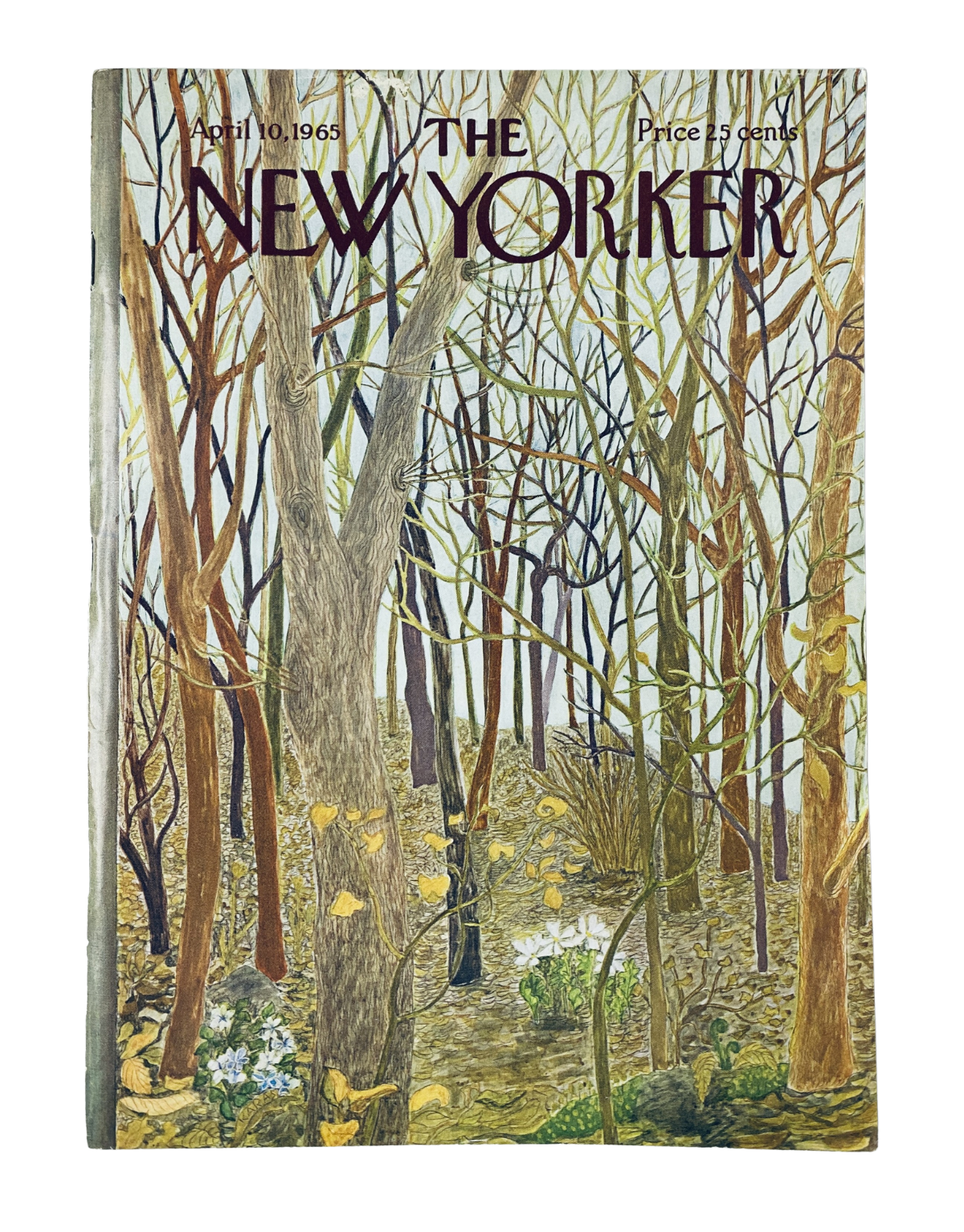
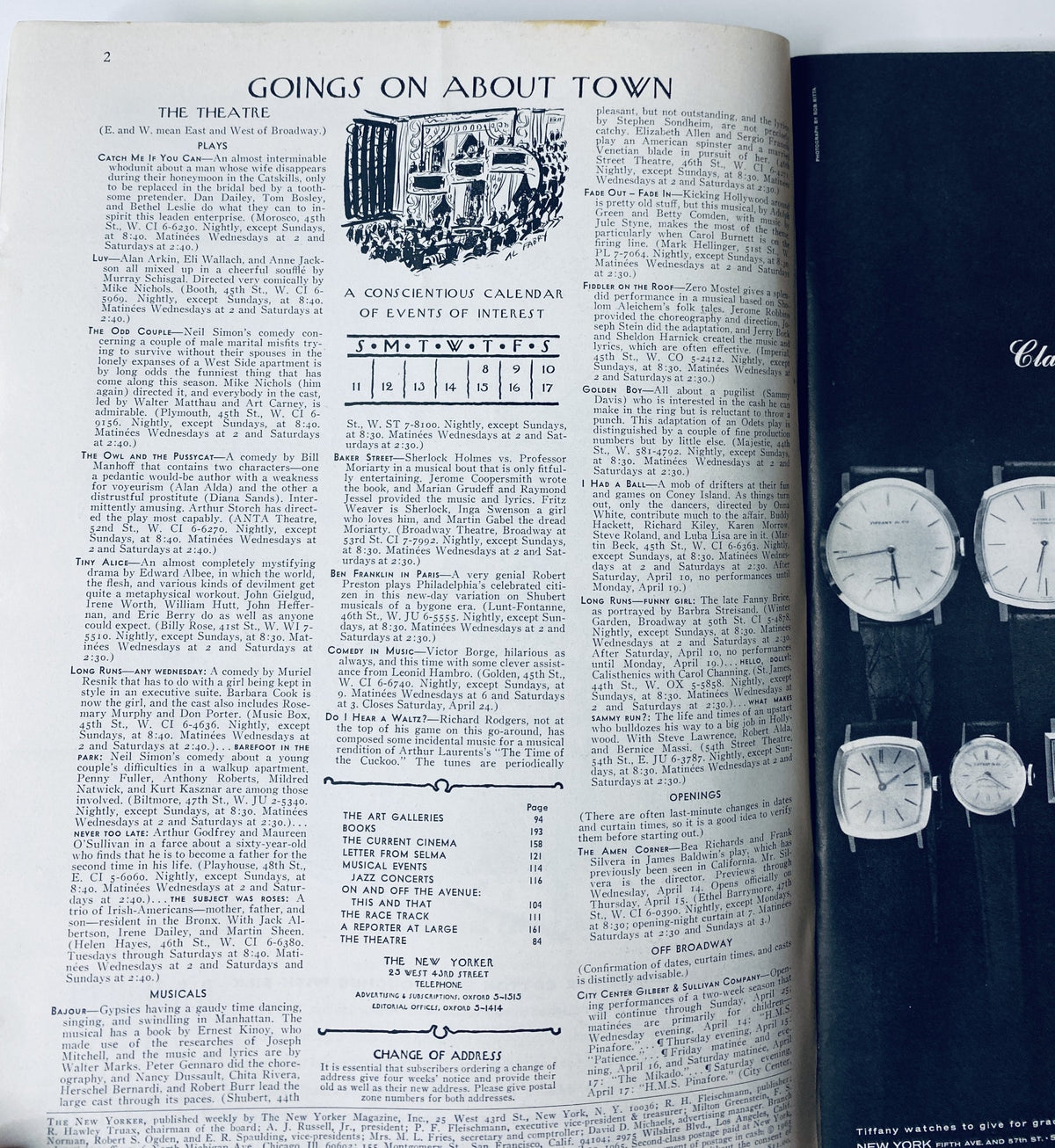
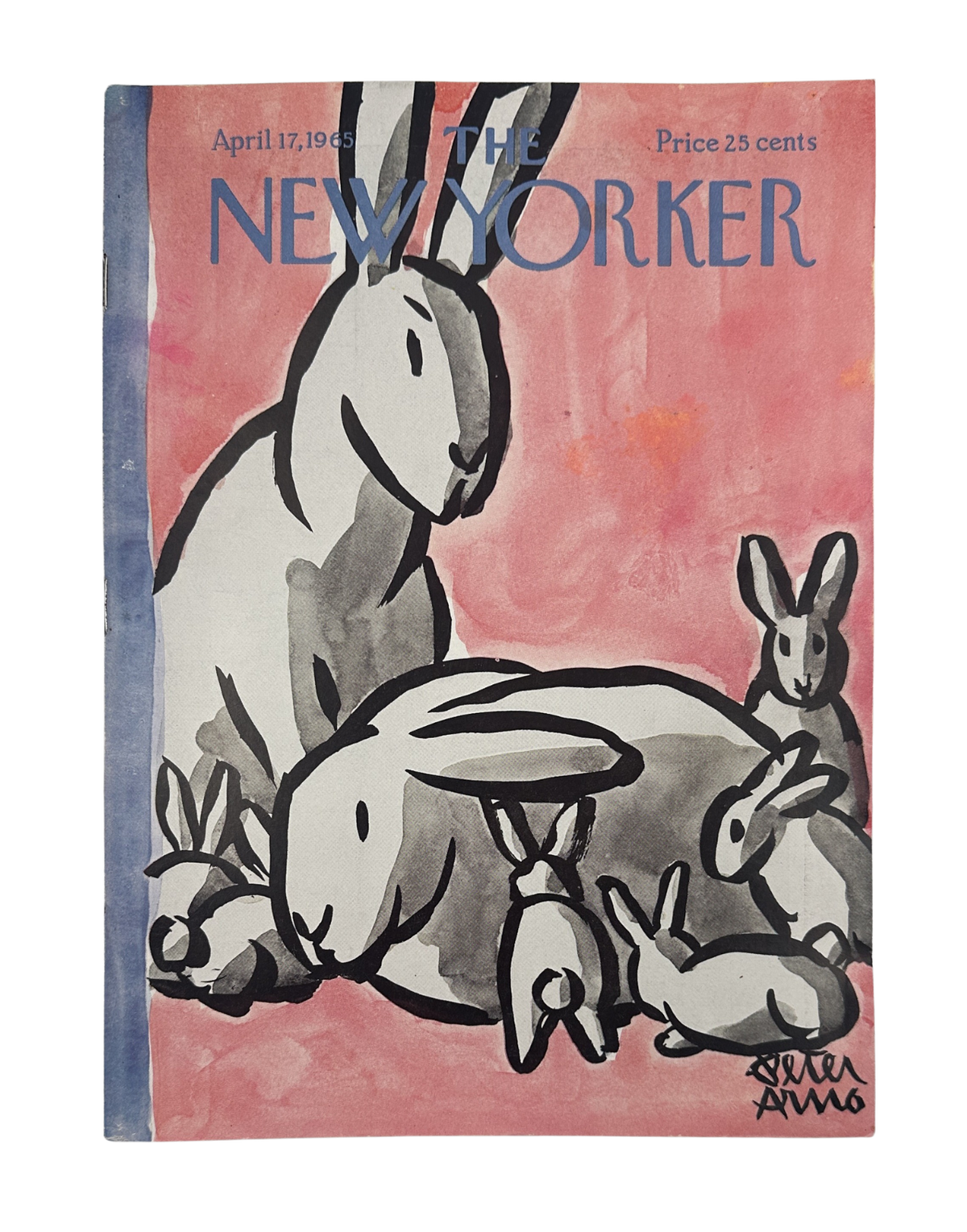
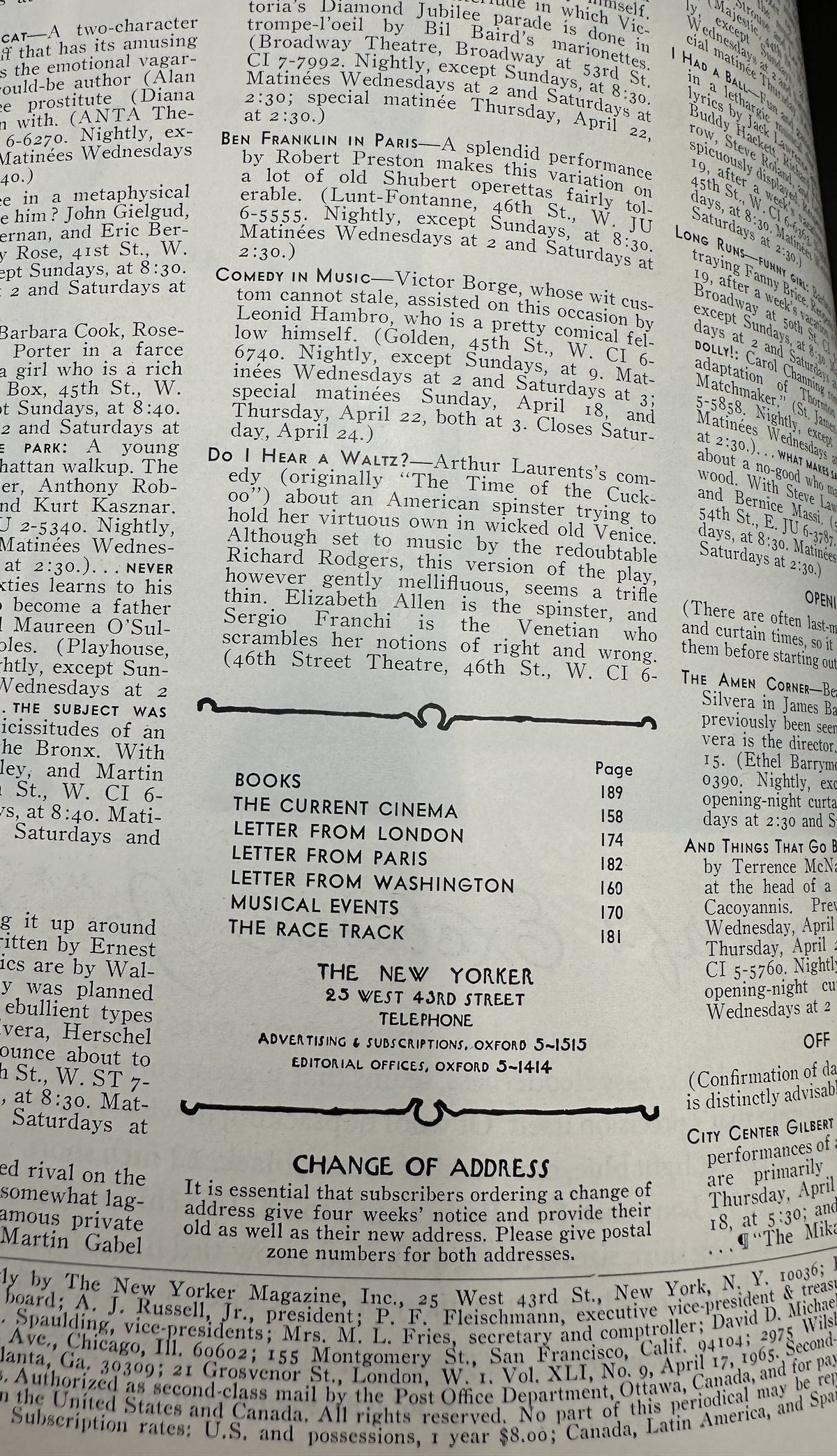
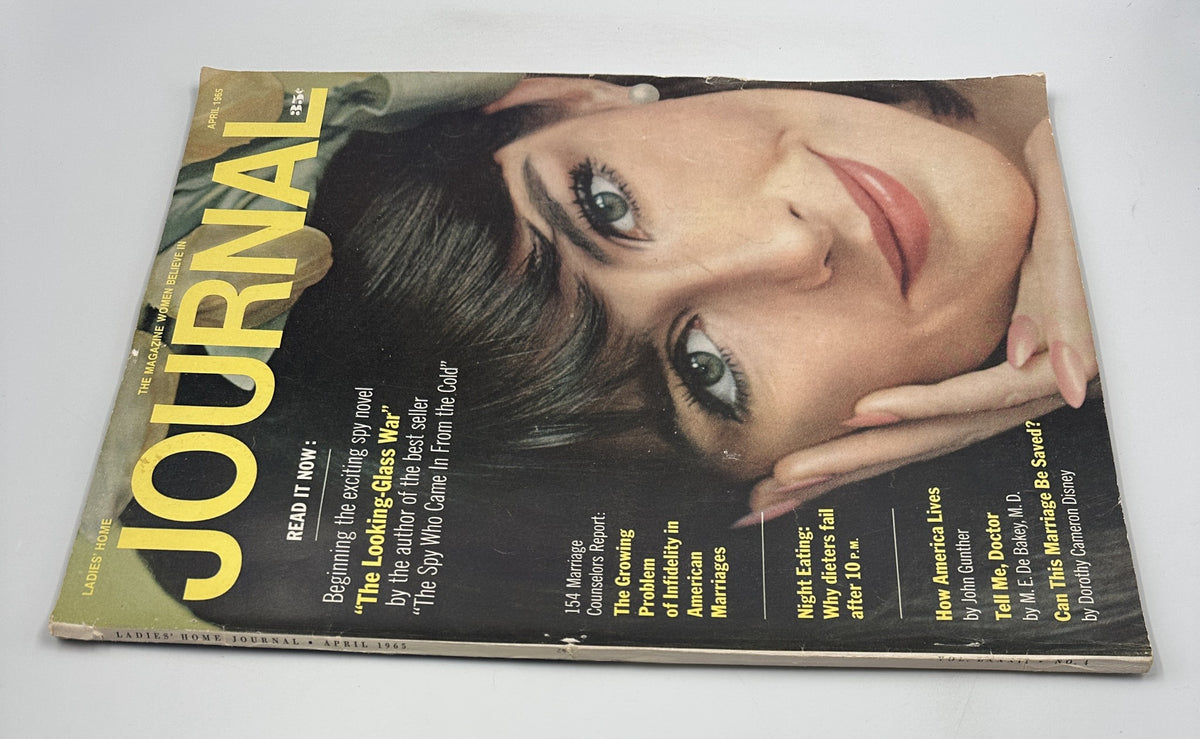
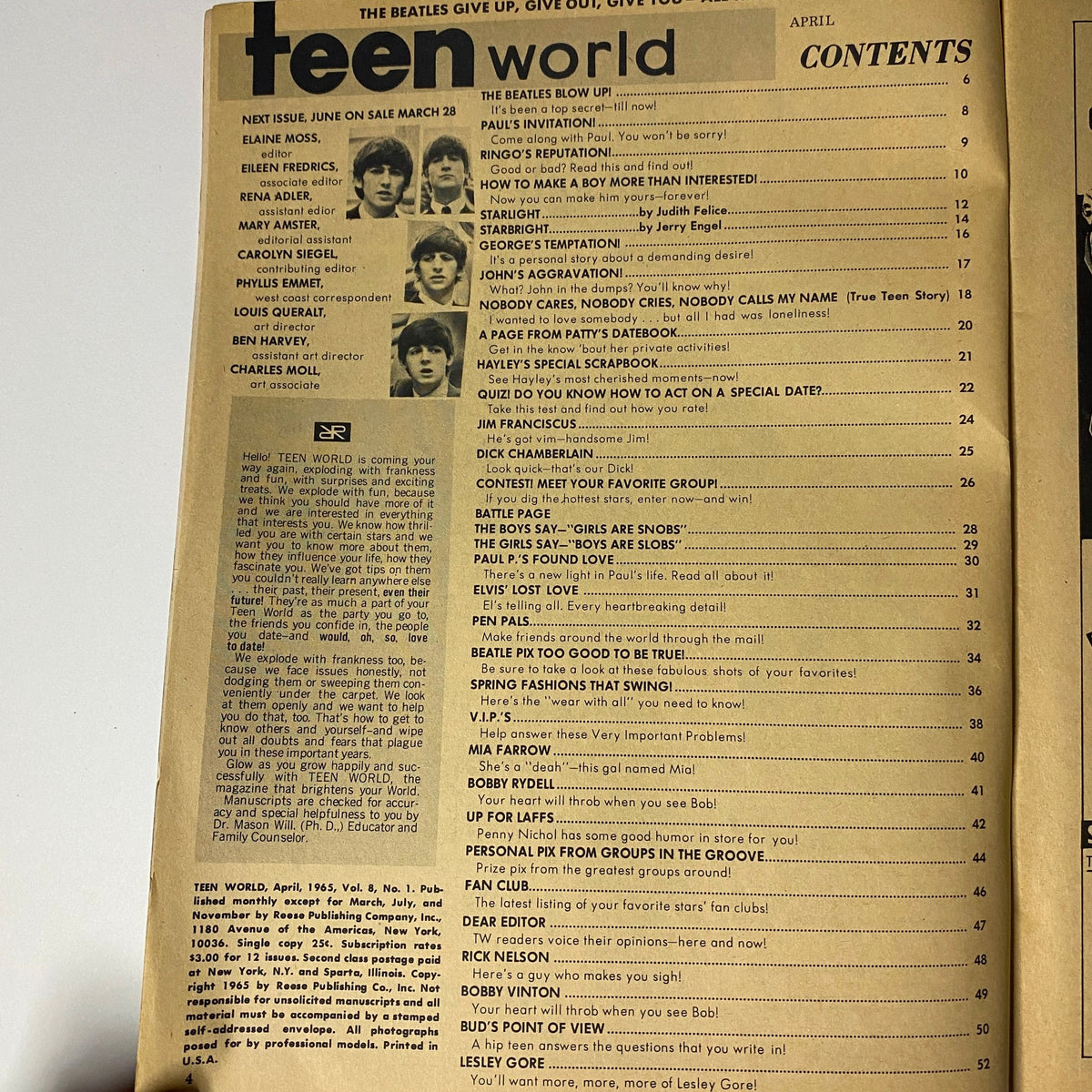
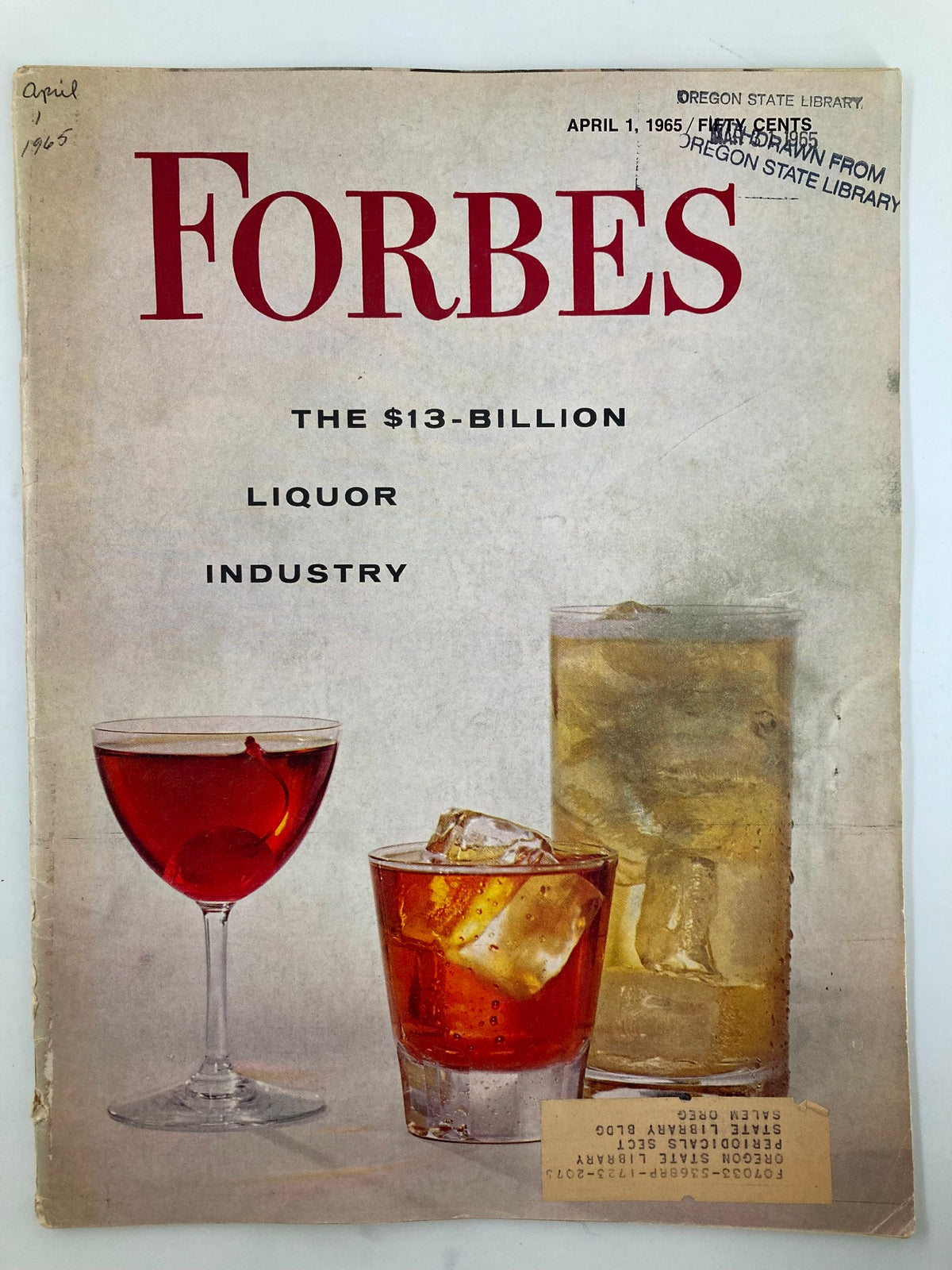
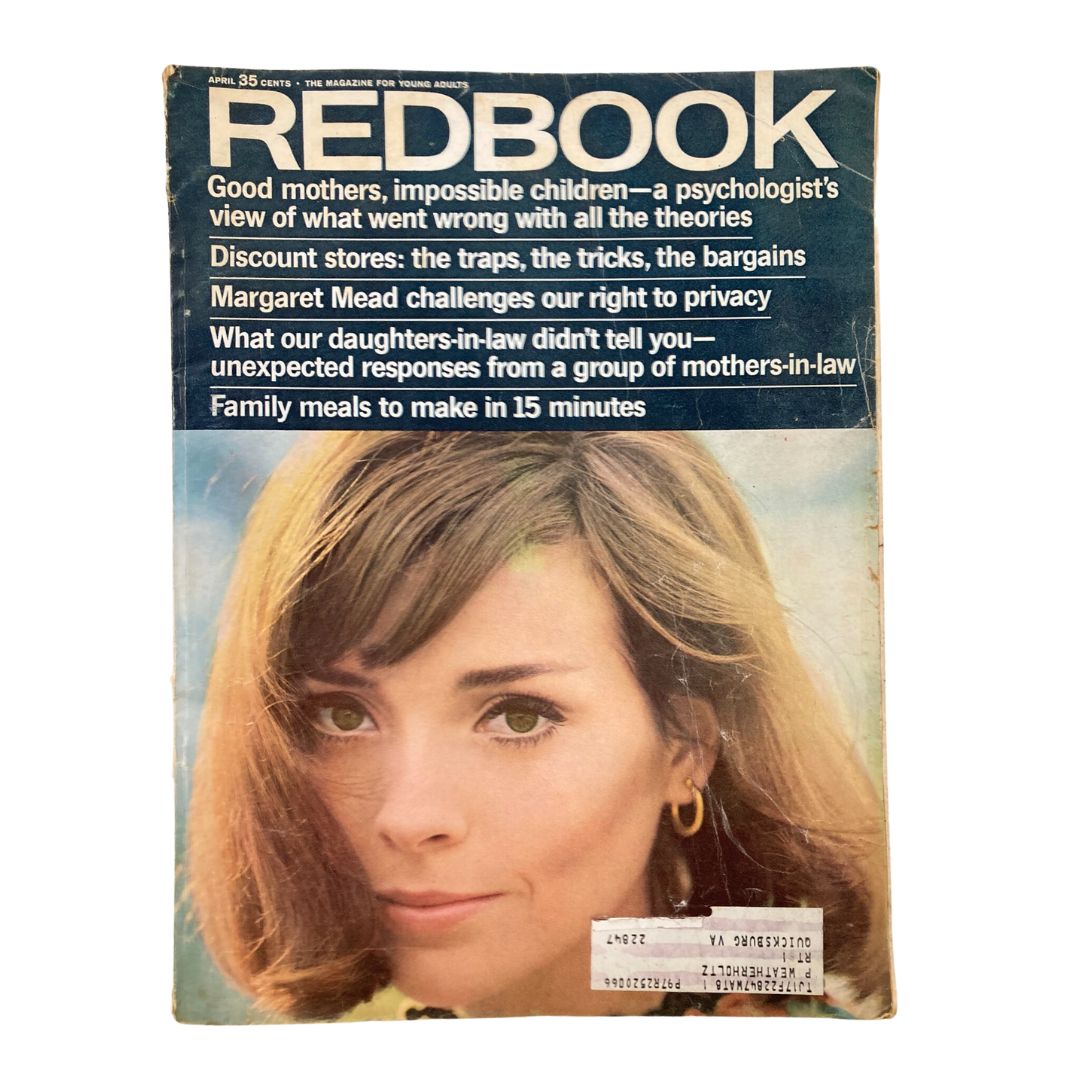
📖 About this Collection
April 1965: The Month America Looked Inward and Outward
The Historical Context
The world crackled with tension in April 1965, caught between Cold War satellites and American boots hitting Caribbean soil. On April 28th, U.S. Marines landed in the Dominican Republic—the first major American military intervention in the hemisphere since the 1920s, signaling Washington's renewed Monroe Doctrine muscle. Just days earlier, Intelsat 1 ("Early Bird"), the first commercial geosynchronous communications satellite, launched into orbit on April 6th, shrinking the globe with 240 telephone circuits connecting continents in real time. The month opened with the unveiling of a first atomic-powered spacecraft and closed with Australia committing troops to Vietnam. Meanwhile, forty tornadoes tore through the American Midwest on April 11th, killing 272 people in one of the deadliest outbreaks in U.S. history. For those born in April 1965, this was a month when the world simultaneously expanded through technology and contracted through conflict—a paradox captured in the genuine headlines and advertisements preserved in original magazines from this pivotal spring.
Pop Culture & Everyday Life
Hollywood glamour dominated newsstands as the 37th Academy Awards on April 5th crowned "My Fair Lady" Best Picture, with Rex Harrison and Julie Andrews (for "Mary Poppins") taking top acting honors. Baseball made history indoors when Mickey Mantle hit MLB's first indoor home run at Houston's revolutionary Astrodome on April 9th, with President Lyndon Johnson in attendance—a spectacle chronicled in Sports Illustrated and news weeklies. The Beatles released "Ticket to Ride" in the UK on April 9th and recorded "Help!" on April 13th, while the Four Tops unleashed "I Can't Help Myself (Sugar Pie Honey Bunch)" on April 23rd, destined to become Billboard's Song of the Year. Barbra Streisand's first television special, "My Name is Barbra," premiered on CBS April 28th. Jack Nicklaus dominated the Masters Tournament with a record-breaking nine-stroke victory over Arnold Palmer and Gary Player. Fashion magazines featured the lava lamp craze (celebrated April 5th) and showcased spring collections in original magazines from April 1965, while Procter & Gamble received the patent for "Pampers" disposable diapers on April 27th, signaling a domestic revolution.
Curator's Checklist: What to Look for in April 1965 Issues
-
Dominican Republic Crisis Coverage: News magazines like Time, Life, and Newsweek featuring dramatic photography of U.S. Marine landings, illustrated maps of Caribbean intervention zones, and analysis pieces questioning American foreign policy in Latin America.
-
The Astrodome Phenomenon: Sports Illustrated and regional publications showcasing baseball's "Eighth Wonder of the World" with color photography of the painted ceiling, artificial turf experiments, and Mickey Mantle's historic indoor home run before 47,876 spectators.
-
Academy Awards Glamour: Entertainment magazines and vintage Life issues featuring Julie Andrews' Mary Poppins triumph, Rex Harrison's British sophistication, and elaborate costume spreads from "My Fair Lady's" Edwardian opulence captured in original color photography.
-
Space Age Communication: Science and news periodicals chronicling the Intelsat 1 "Early Bird" satellite launch with technical diagrams, artist renderings of geosynchronous orbit, and optimistic predictions about global telecommunications—all in rare magazines from this technological watershed.
-
Beatles in Transition: Music and entertainment magazines documenting the Fab Four's evolution with "Ticket to Ride" release coverage, recording session photographs, and authentic 1965 concert advertisements before their touring years ended.
The Perfect Gift
For someone born in April 1965, an original magazine from this transformative month isn't just a birthday gift—it's an authenticated portal to the exact week satellites connected continents, marines landed in tropical conflict, and tornadoes reshaped the Midwest, all preserved in genuine advertisements, headlines, and photography that museums simply cannot replicate.