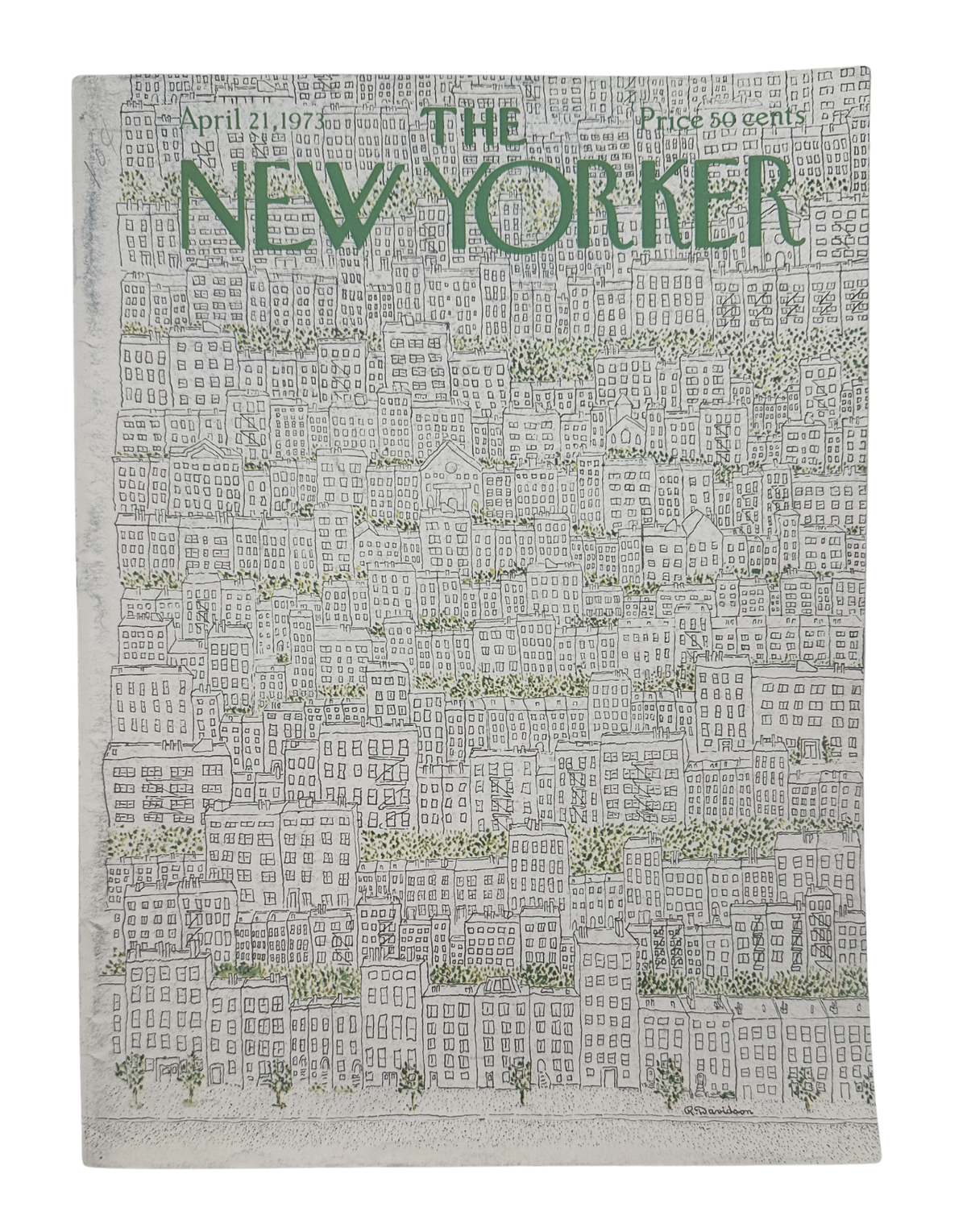
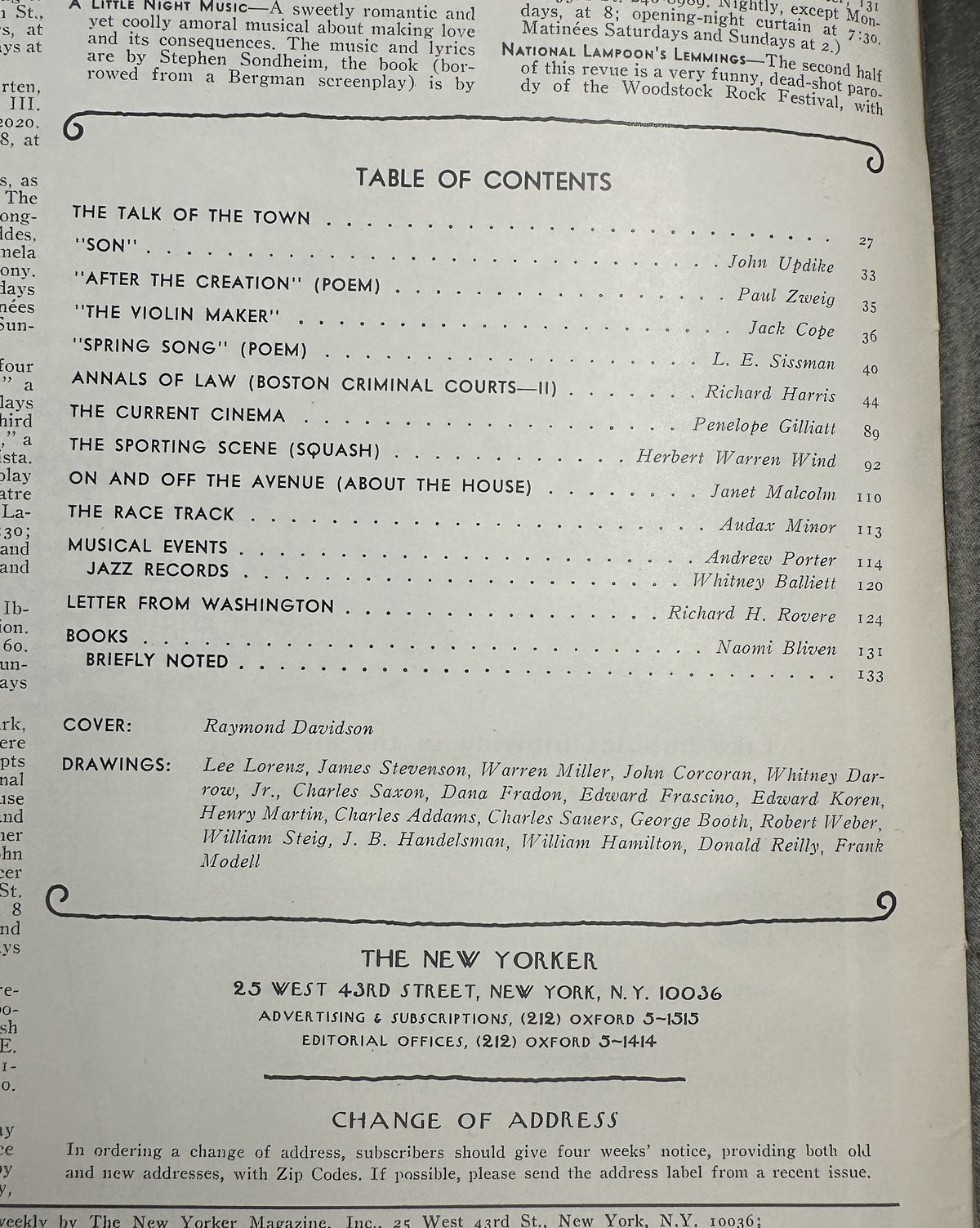
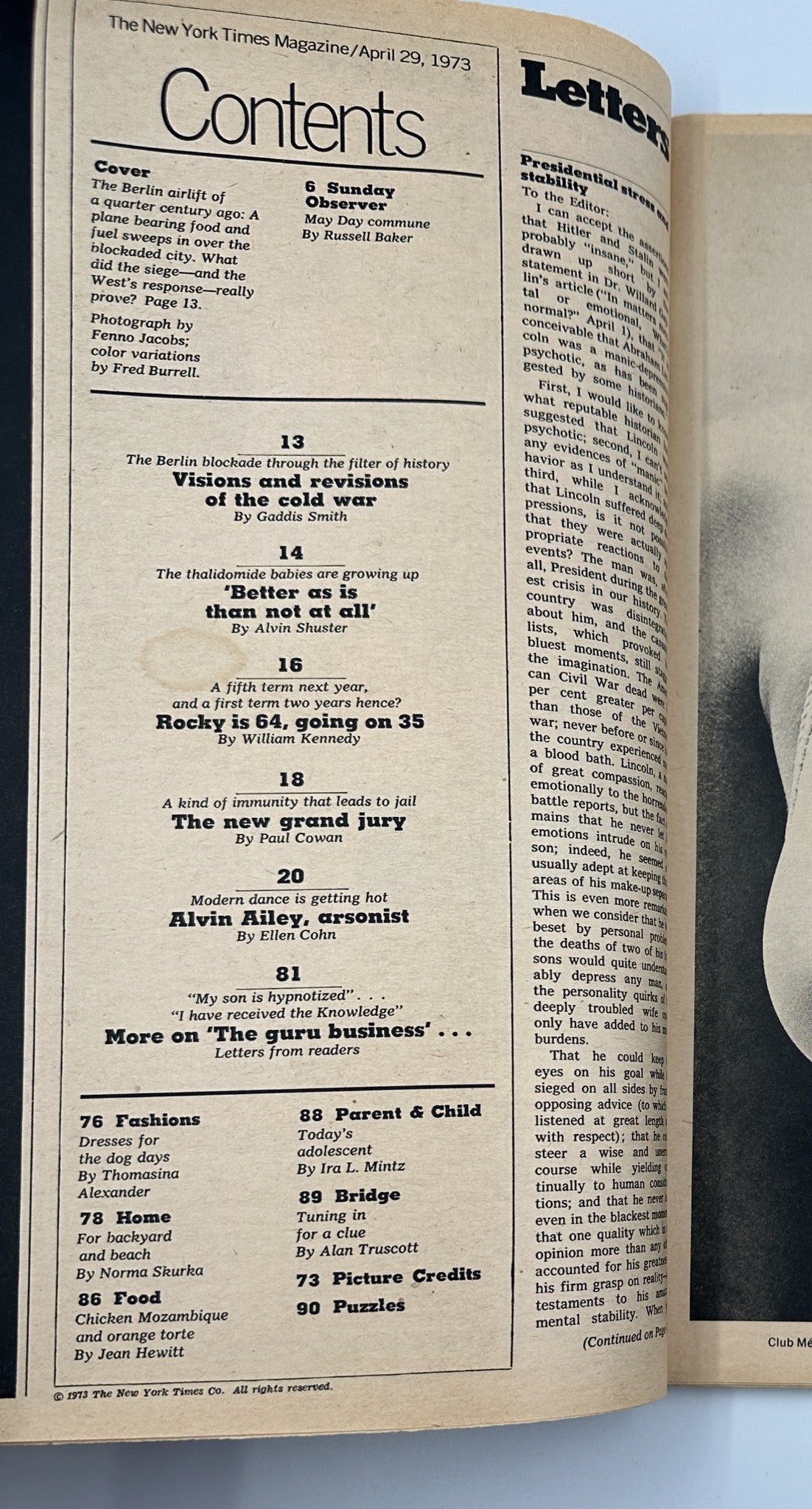
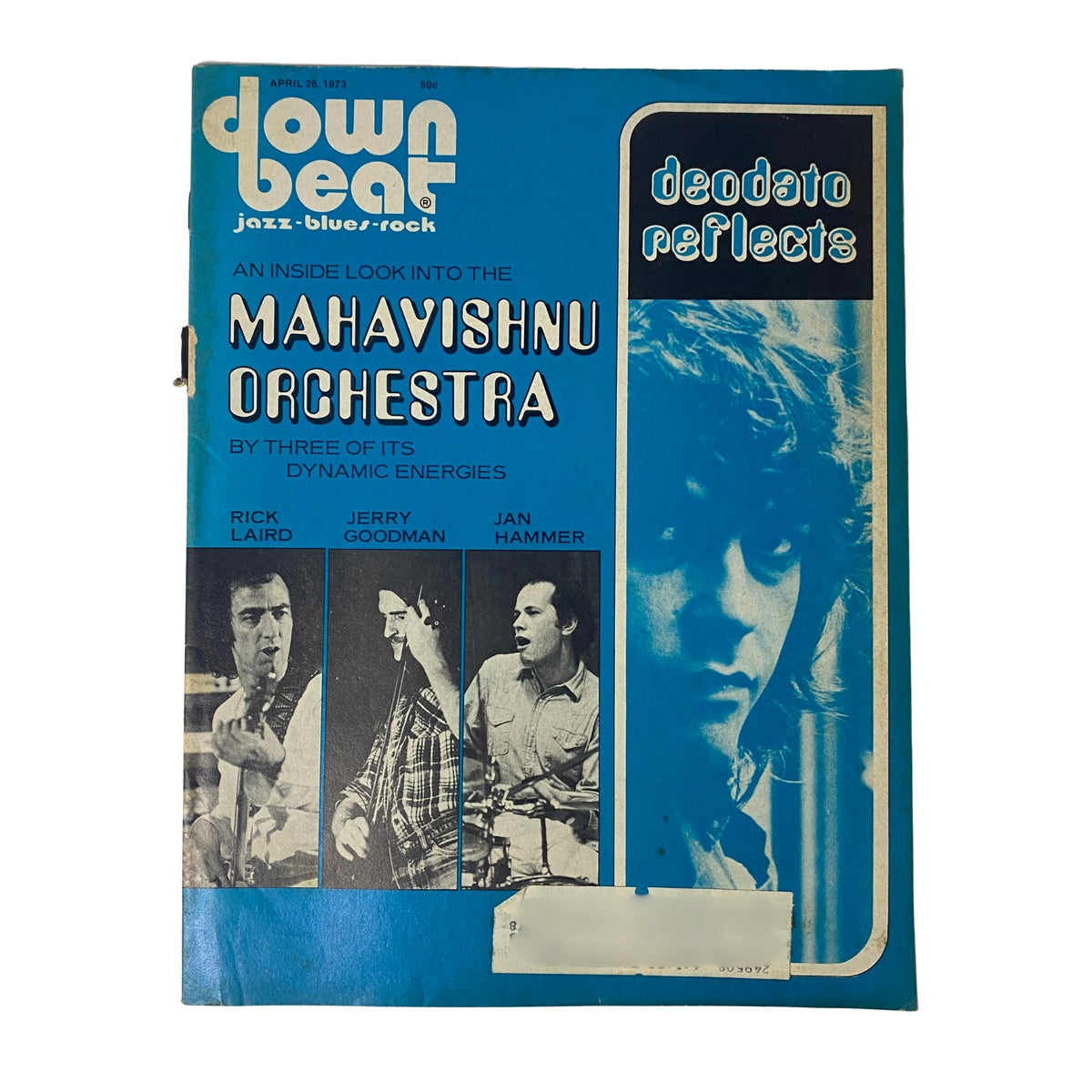
📖 About this Collection
April 1973: The Month Watergate Broke Wide Open
The Historical Context
The nation crackled with tension as spring arrived in 1973. The Watergate scandal exploded into public consciousness when Acting FBI Director L. Patrick Gray resigned on April 14 after admitting he destroyed crucial evidence, signaling the beginning of the end for Nixon's inner circle. Just two weeks later, President Nixon appeared on national television to announce the resignations of his top aides, H.R. Haldeman and John Ehrlichman, in a desperate attempt to contain the spreading crisis. Meanwhile, the world looked skyward as America launched Pioneer 11 toward Jupiter on April 6, and New Yorkers gazed upward at the newly opened World Trade Center, now the world's tallest building at 110 stories. This was the world your loved one entered—a nation grappling with political betrayal while reaching for the stars.
Pop Culture & Lifestyle
While Washington's political drama dominated headlines in Time and Newsweek, Hollywood offered escapism with Peter Bogdanovich's Paper Moon, premiering April 9 and featuring Ryan O'Neal alongside his 10-year-old daughter Tatum, who would become the youngest Academy Award winner. Sports fans witnessed history at Fenway Park when the Yankees' Ron Blomberg became baseball's first designated hitter on April 6, while Boston's John Havlicek electrified the NBA playoffs with a record-setting 54-point performance. The Beatles legacy continued to evolve as John Lennon and Yoko Ono declared the formation of "Nutopia" on April 1, and Paul McCartney released his Red Rose Speedway album on April 30, featuring the romantic ballad "My Love" that dominated radio airwaves. Fashion magazines like Vogue and Harper's Bazaar showcased the era's bold patterns and earth tones, while original magazines from April 1973 captured advertisements for new color television sets and the technological marvel that was about to change communication forever—the first mobile phone call, made in Manhattan on April 3.
Curator's Checklist
When browsing vintage magazines from this pivotal month, collectors should examine:
-
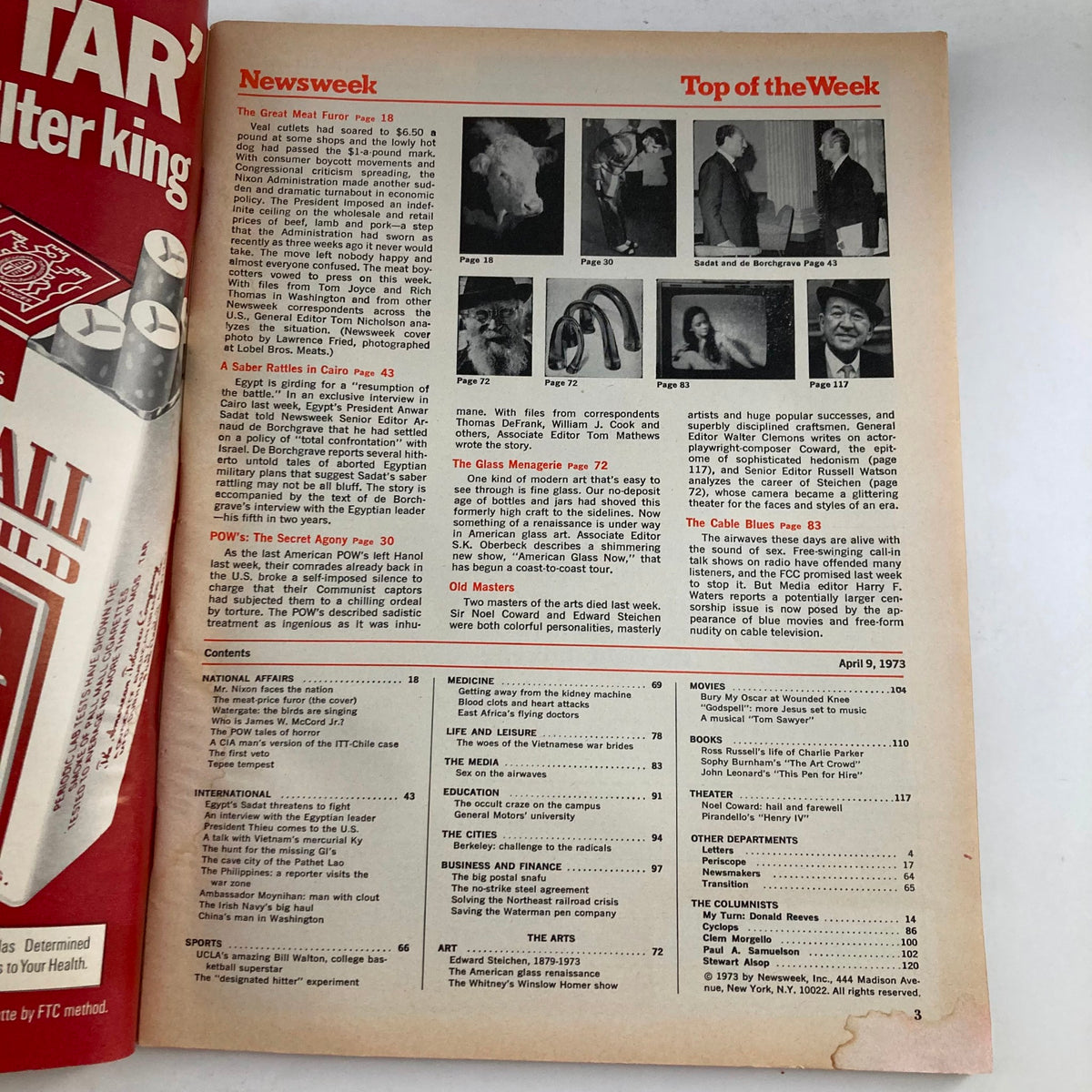
The Watergate Unraveling: News weeklies like Time, Life, and Newsweek featuring dramatic coverage of the Gray resignation and the Nixon administration's crumbling cover-up, often illustrated with stark black-and-white photography of embattled officials and televised addresses that transfixed the nation.
-
World Trade Center Opening: Architecture and lifestyle publications showcasing the Twin Towers' April 4 dedication as the world's tallest buildings, with full-page advertisements celebrating the engineering triumph and New York's skyline transformation that would define the city for nearly three decades.
-
Pioneer 11 Launch: Science magazines and mainstream news publications chronicling America's ambitious April 5-6 mission to Jupiter and Saturn, featuring detailed illustrations of the spacecraft and the outer planets it would study, symbolizing the nation's continued space exploration despite earthbound turmoil.
-
Paper Moon Premiere: Entertainment weeklies like Variety and general-interest magazines covering the heartwarming Depression-era film's Hollywood debut, with rare magazines noting the unprecedented father-daughter casting that would make Oscar history.
-
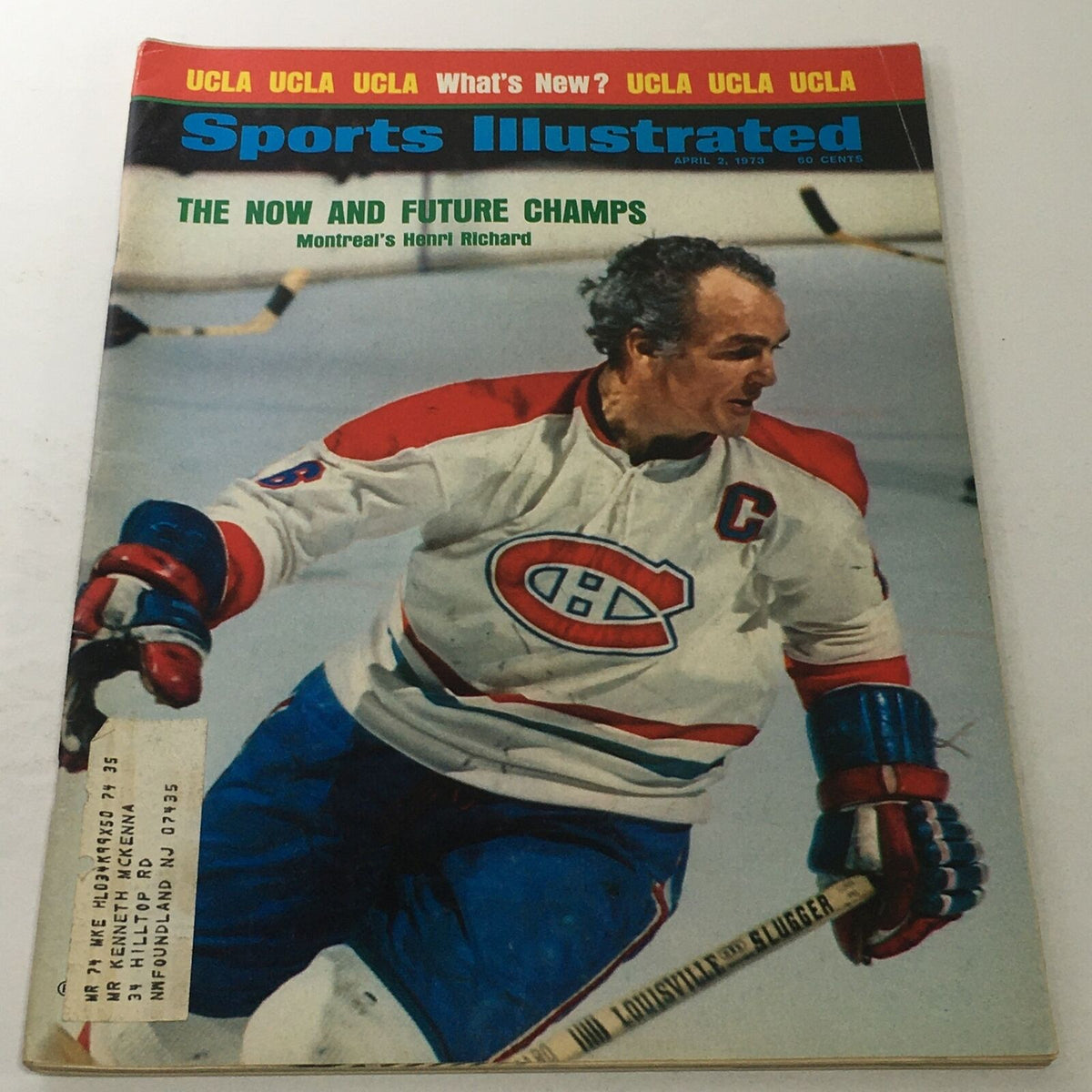
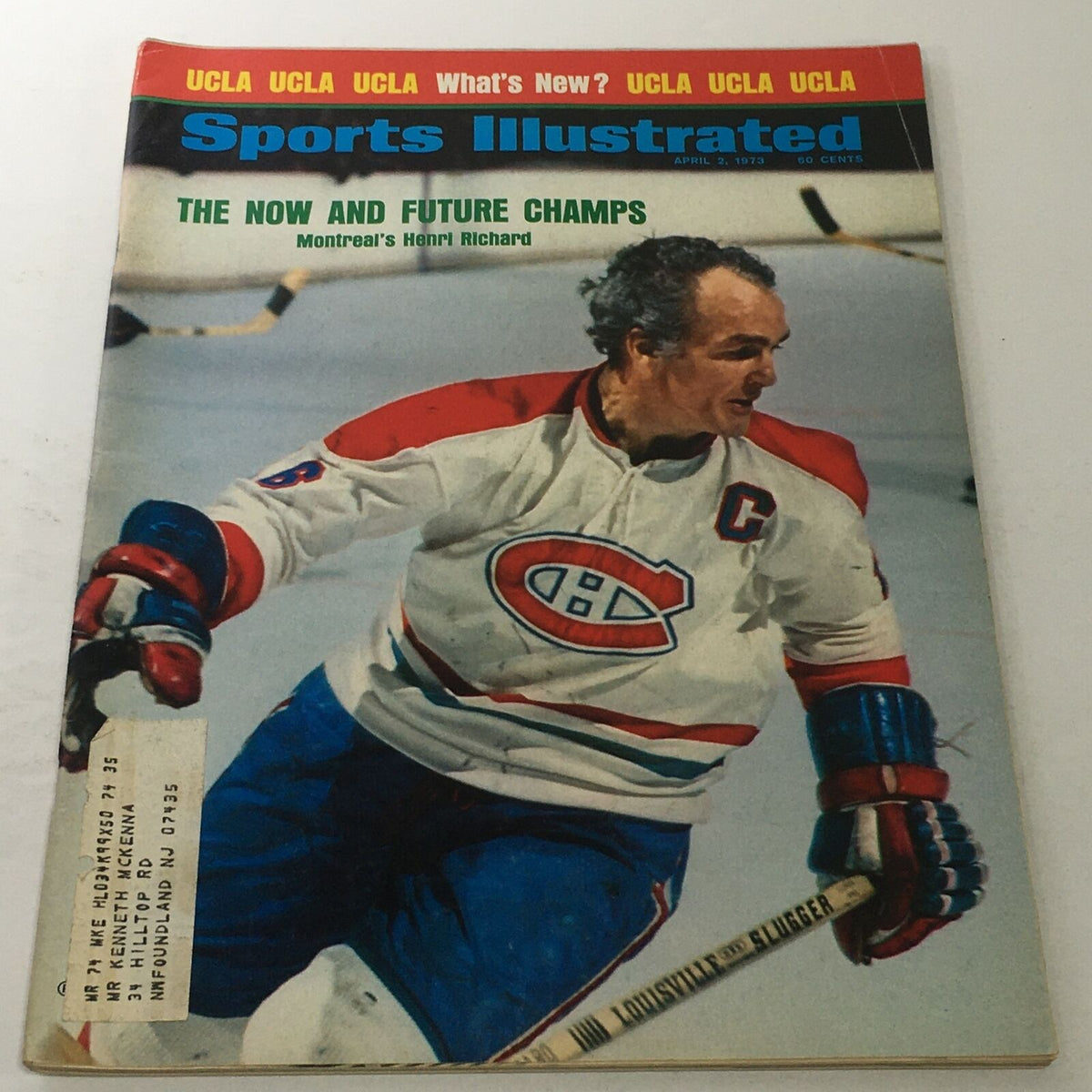
Baseball's Designated Hitter Debut: Sports publications, particularly Sports Illustrated, documenting the controversial April 6 rule change that forever altered America's pastime, with game coverage, statistical analysis, and opinion pieces debating the innovation's impact on the sport's traditions.
The Perfect Gift
For someone born in April 1973, an original magazine from this watershed month isn't just memorabilia—it's authenticated witness to the moment American politics fractured and a president's power began its historic collapse, preserved in genuine newsprint, advertisements for wood-paneled station wagons, and the optimism of a nation still reaching for the cosmos.