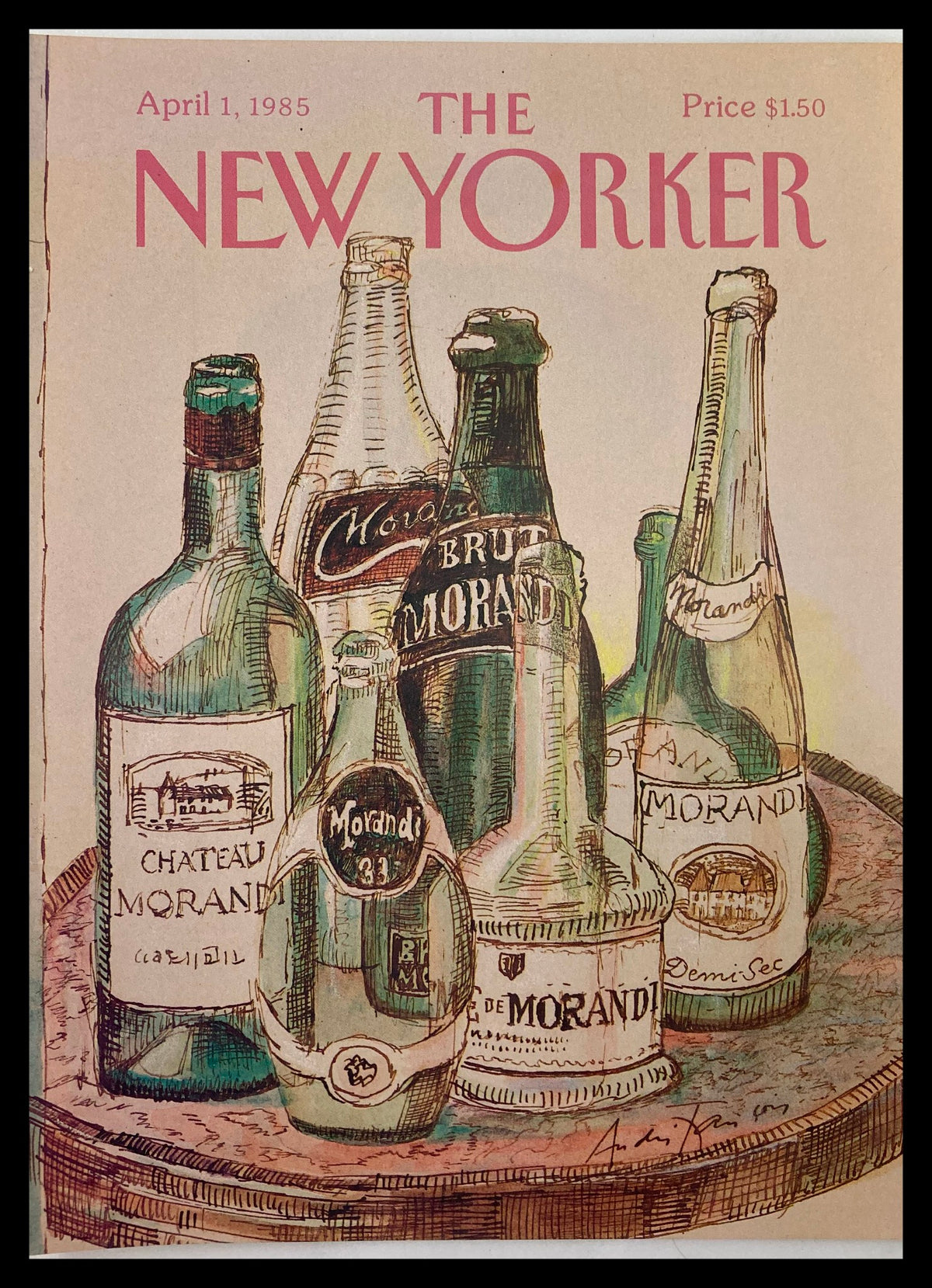
📖 About this Collection
April 1985: The Month America Changed Its Mind
The Historical Context
The nuclear arms race cast its longest shadow yet over April 1985. While the Soviet Union conducted tests at Semipalatinsk and the United States answered at Nevada Test Site, the world watched uneasily as Cold War tensions crystallized in headlines and editorial pages. Against this backdrop of geopolitical uncertainty, corporate America made its own gamble: Coca-Cola announced it was abandoning its century-old formula for "New Coke" on April 23rd, a decision that would spark consumer rebellion and become a case study in marketing hubris. Sudan's constitutional suspension following General Swarreddahab's April 6th coup reminded readers that political stability remained fragile across continents, while West Germany's Parliament took a moral stand on April 25th, ruling Holocaust denial illegal—a legislative milestone that appeared in news magazines alongside coverage of Albania's leadership transition as Ramiz Alia succeeded the hardline Enver Hoxha. This was the world your loved one entered, preserved in every page of genuine periodicals from this pivotal month.
The entertainment landscape of original magazines from April 1985 captured a culture in transition between old showbiz traditions and MTV-era spectacle. Roger Miller's "Big River" opened at the Eugene O'Neill Theater on April 25th, bringing Mark Twain's Huckleberry Finn to Broadway in a production that would run for 1,005 performances and claim three Tony Awards—its opening night reviews filled theater sections of Variety and New York publications. Wham! broke new ground on April 18th as the first Western pop act to release an album in China, a diplomatic entertainment coup chronicled in music magazines. Sports Illustrated documented baseball's opening day drama as Tom Seaver started his record 15th opener, while the NCAA adopted the 45-second shot clock to revolutionize college basketball's pace. Fashion magazines showcased the bold shoulders and power dressing that defined mid-80s professional style, their advertisements offering time-stamped evidence of what sophistication meant in Reagan's America. The authentic pages of vintage magazines from this month preserve these cultural touchstones exactly as contemporary audiences discovered them.
What to Look For in April 1985 Magazines
-
Villanova's Cinderella Championship: Sports publications featuring coverage of the lowest-seeded team (8th) to ever win the NCAA tournament, with their stunning 66-64 upset of Georgetown captured in action photography and post-game analysis that made even casual readers believe in underdogs.
-
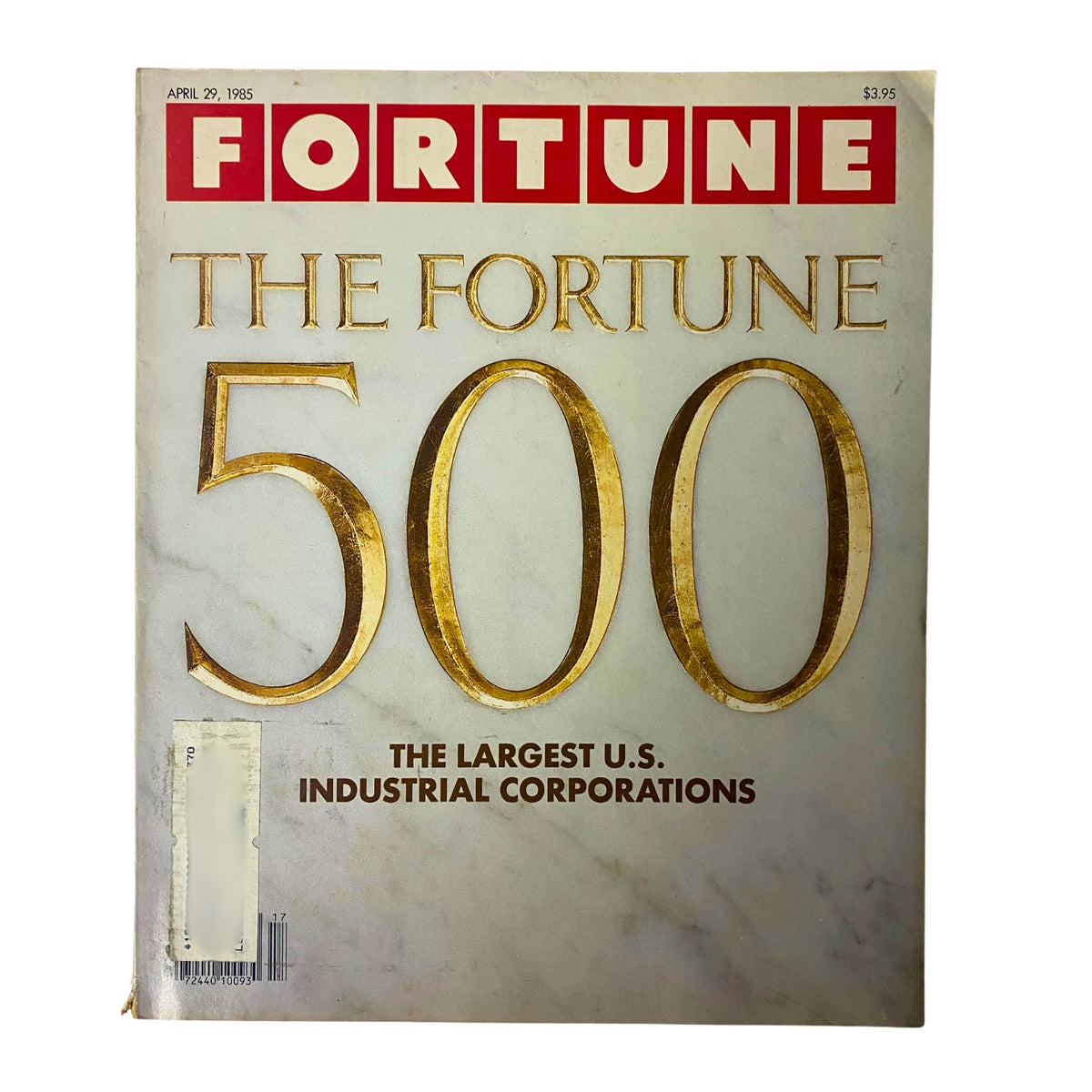
The New Coke Disaster: Business and news magazines chronicling Coca-Cola's April 23rd announcement, often featuring the company's confident marketing language that would within months become one of the most famous corporate reversals in American history—authentic advertising arrogance preserved on glossy pages.
-
Gretzky's Dominance: Hockey coverage in Sports Illustrated and regional publications documenting Wayne Gretzky's 34th career hat trick (breaking his own NHL record) and his astonishing 7-point playoff performance on April 25th, illustrated with the Great One in Edmonton Oilers glory.
-
Space Shuttle Missions: Time, Life, and Newsweek featuring twin shuttle stories—Discovery 4's April 19th return with Senator Jake Garn aboard, and Challenger 7's April 29th launch—complete with NASA photography and Cold War space race commentary that now carries haunting historical weight.
-
Masters and Marathon Records: Rare magazines covering Bernhard Langer becoming the first German to win the Masters on April 14th, alongside Carlos Lopes' world record marathon (2:07:12) on April 20th, preserved in the specialized sports photography and statistical breakdowns that defined mid-80s athletic journalism.
The Perfect Gift
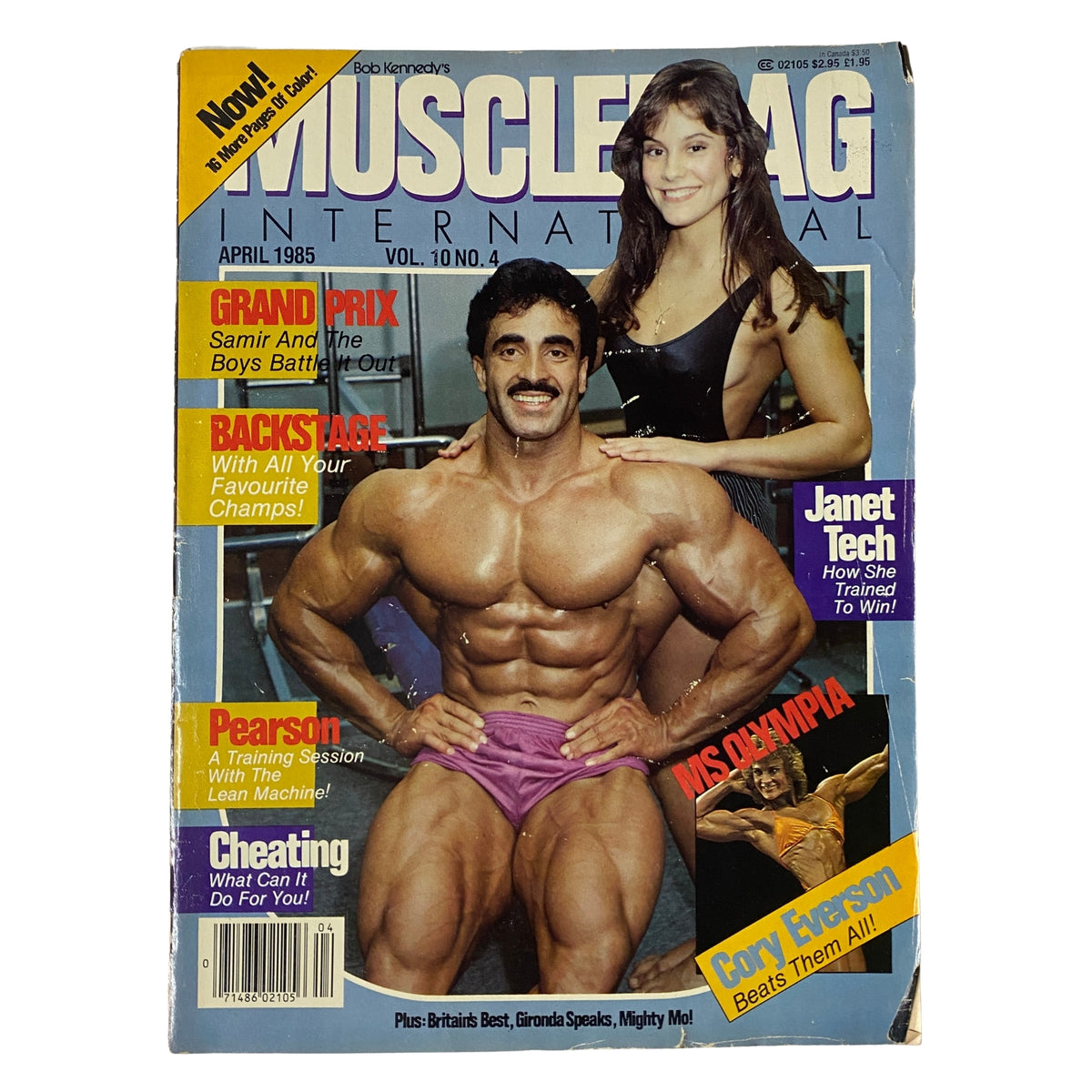
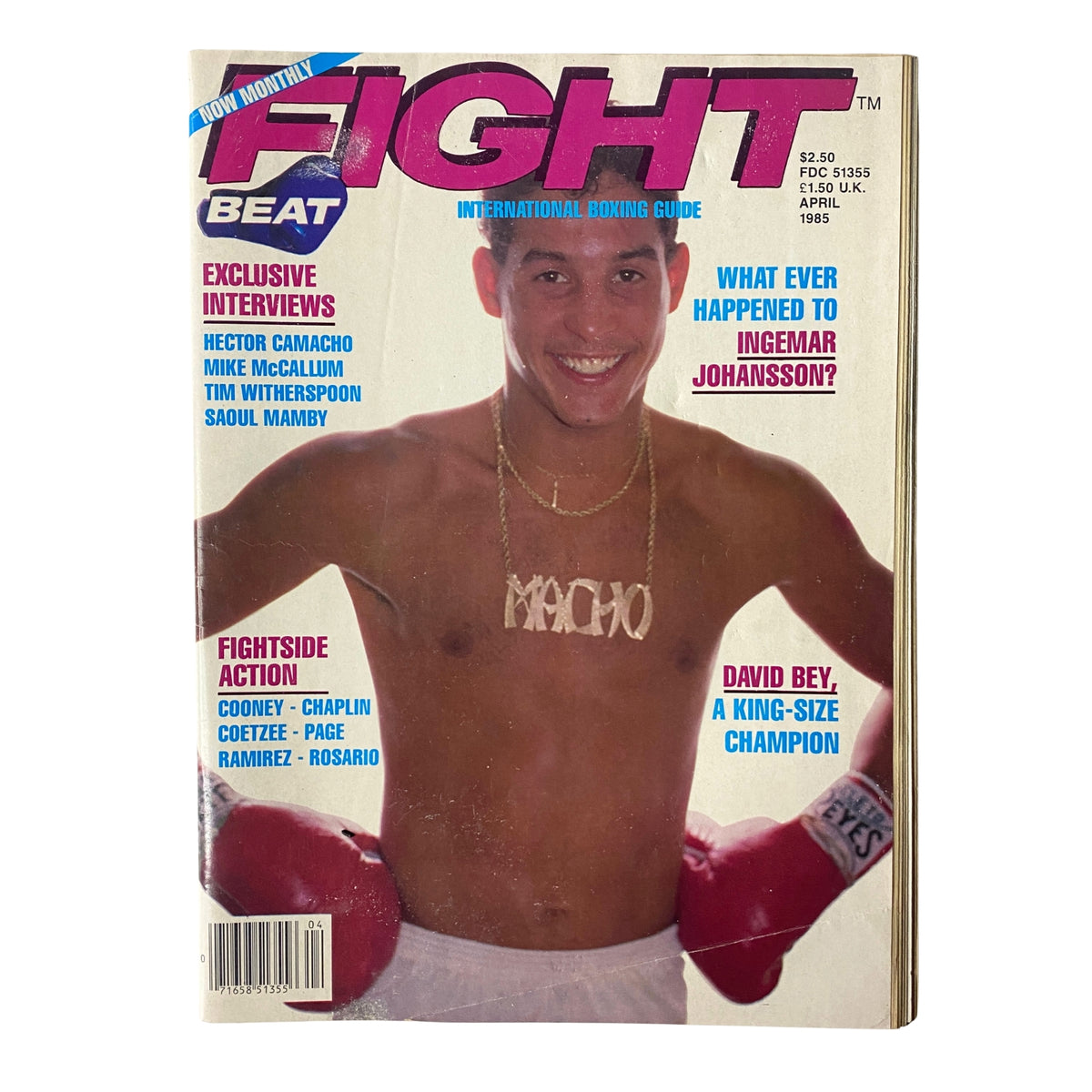
For someone born in April 1985, an original magazine from this consequential month isn't just a collectible—it's authenticated proof of the nuclear anxieties, corporate miscalculations, and sporting heroics that defined their birth moment, preserved in genuine advertisements, headlines, and photography that no digital archive can replicate.