📖 About this Collection
Arnold Palmer: The King's Gallery — Where Golf Met Glory
The Legend & The Legacy
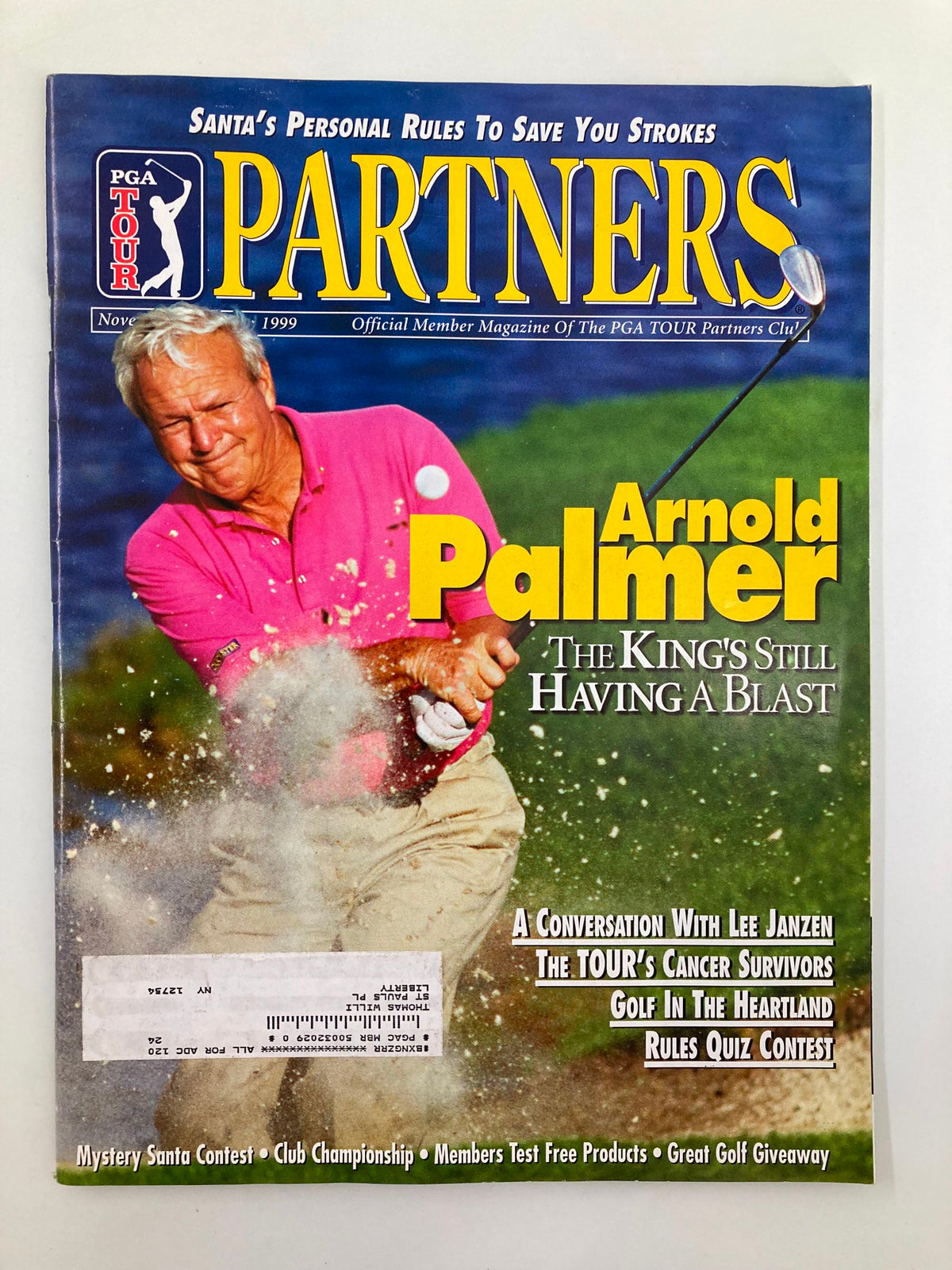
Before highlight reels and social media algorithms, Arnold Palmer built an empire on charisma, grit, and a swing that looked like it was trying to start a lawnmower — and somehow made it beautiful. Emerging from the working-class steel country of Latrobe, Pennsylvania, Palmer transformed professional golf from a gentleman's pastime into a televised drama, dragging the sport into the living rooms of middle America through the still-nascent medium of broadcast television in the late 1950s and 1960s. Yet it was the printed page that first canonized him. Golf fans, sports enthusiasts, and casual observers alike reached for their favorite magazines to read about his legendary charges — those thrilling final-round comebacks that earned him the devoted following known simply as "Arnie's Army." At a time when a single magazine cover could define a man's legacy, Palmer appeared on them often and magnificently, his jaw set, his sleeves rolled up, his presence communicating something rare: a champion who felt genuinely accessible. Long before he became a brand unto himself — synonymous with the half-iced-tea, half-lemonade drink that bears his name — he was the sport's first true celebrity, and the glossy pages of mid-century print media were his first monument.
Inside the Archive
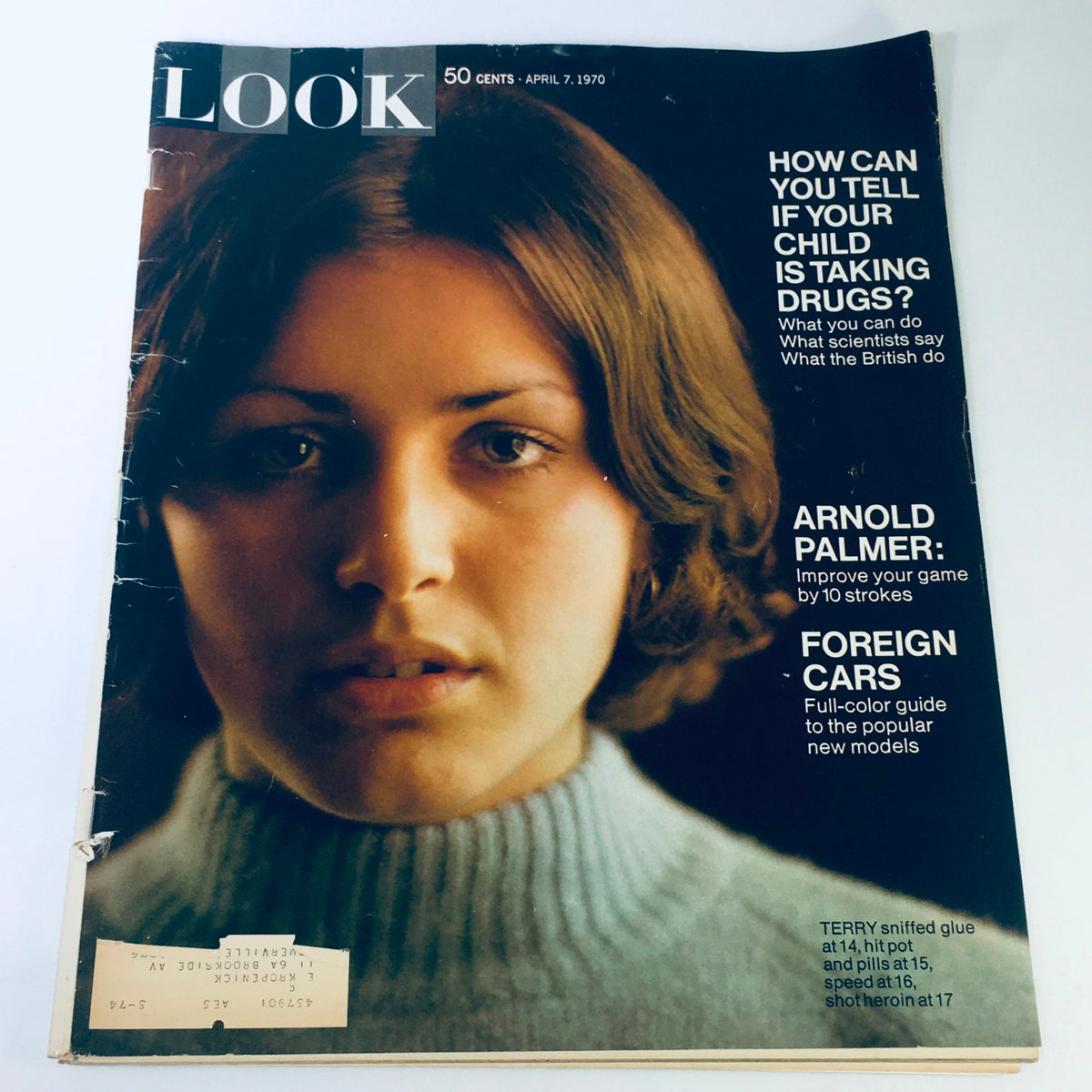
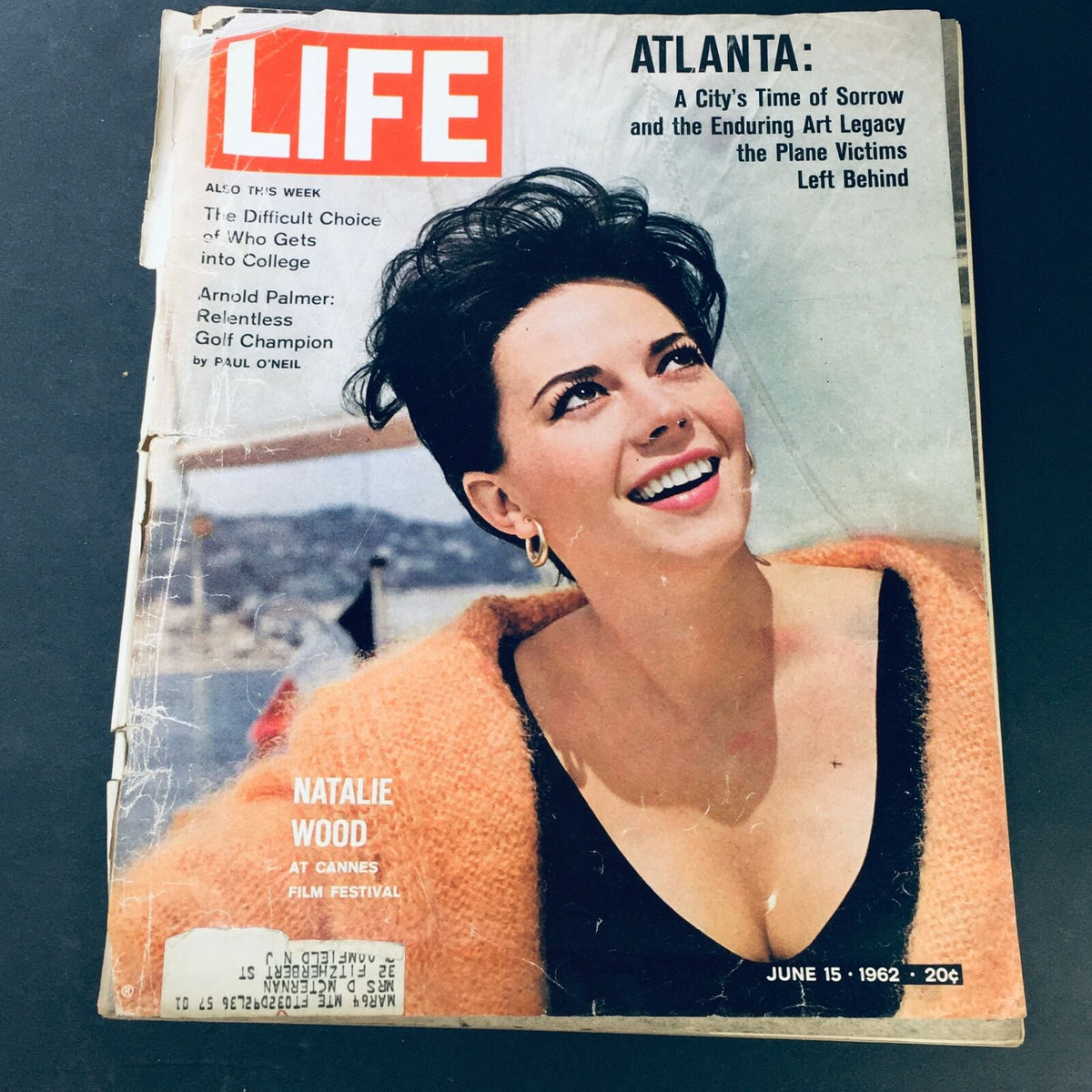
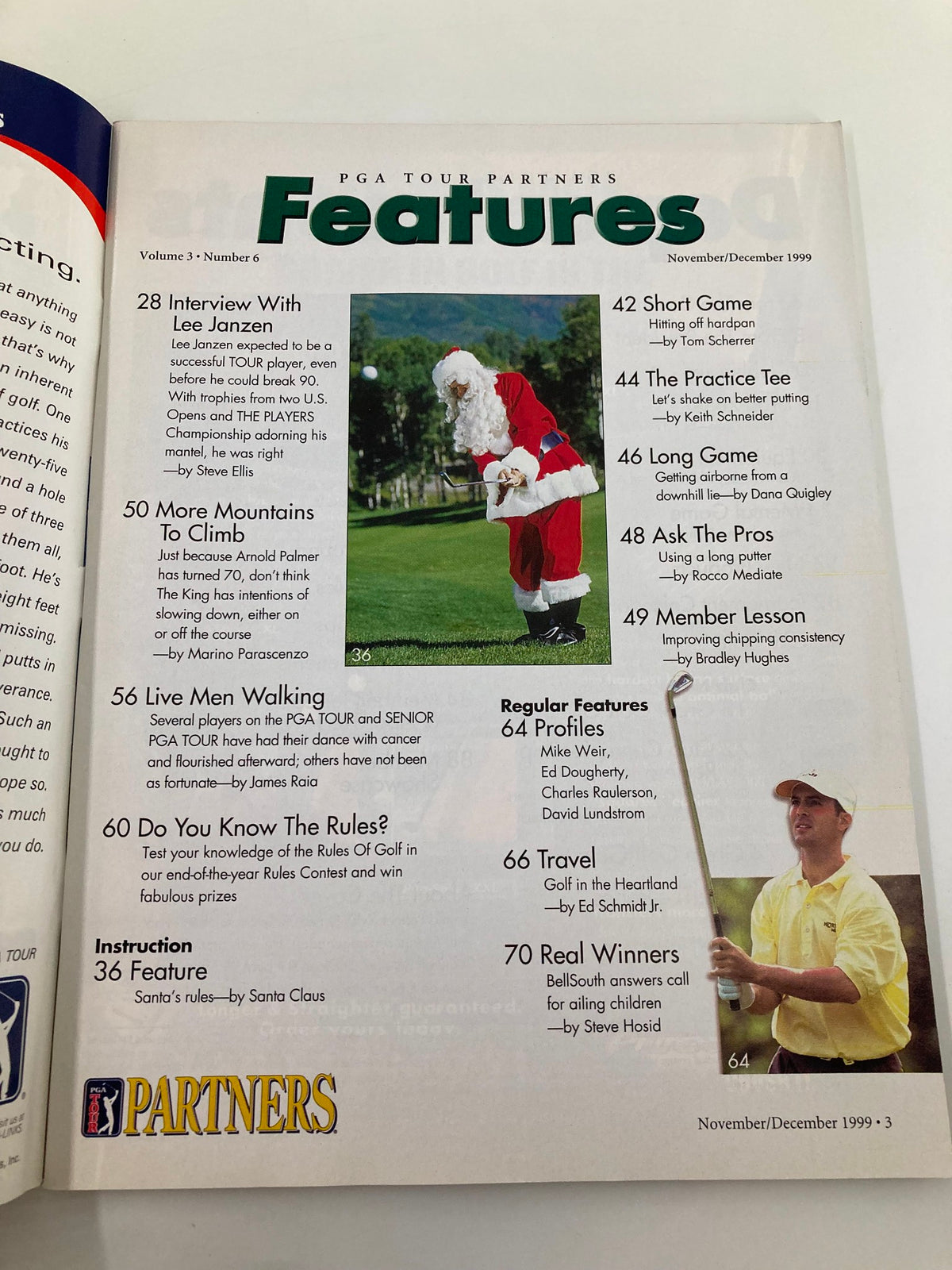
Vintage magazines captured Palmer with an intimacy that modern sports photography rarely achieves — wide-angle fairway shots drenched in the golden light of Augusta afternoons, close editorial portraits that lingered on the concentration in his eyes before a crucial putt, and candid images of a man utterly at ease with his own greatness. The editorial tone of the era matched the man himself: direct, warm, patriotic, and laced with admiration. Sports Illustrated, which launched in 1954 and grew into the defining chronicle of American athletic culture, treated Palmer as a recurring protagonist in the sport's golden narrative, placing him on its cover multiple times throughout the 1960s as he accumulated major championships and captivated the country. Life Magazine, with its unparalleled photojournalism and mass-market reach, contextualized him within the broader sweep of postwar American optimism — a self-made hero for a self-made era. Beyond American borders, Golf World and international sporting publications tracked his overseas campaigns, particularly his conquests at The Open Championship, documenting how a man from western Pennsylvania managed to become a global ambassador for the game. Together, these publications form a rich, layered portrait of a legend in real time — journalism written without the benefit of hindsight, and all the more electric for it.
Curator's Checklist: Highlights Often Include
- Major Championship Coverage — Issues documenting his four Masters titles, two Open Championships, and two U.S. Opens, including the tactical narratives and scoring drama that defined each campaign throughout the late 1950s and 1960s
- The Arnie's Army Phenomenon — Editorial features exploring the unprecedented gallery culture that formed around him, capturing the sociological curiosity of a sport suddenly drawing blue-collar, working-class crowds who saw themselves reflected in their hero
- Television & The Modern Game — Period journalism examining how Palmer and the rise of televised golf changed the sport's commercial landscape forever, a media story as much as an athletic one
- Business Empire & Endorsements — Later coverage from the 1970s and 1980s profiling his pioneering role as a sports marketing icon, representing one of the first athlete-entrepreneurs before that concept had a name
- Ryder Cup & Patriotic Coverage — Nationalistic, flag-draped features surrounding his many appearances as both player and captain in the Ryder Cup, often treated by the press with the gravity of international sporting diplomacy
The Collector's Value
To hold one of these magazines is to hold something the internet cannot replicate. The paper stock — heavier, more textured, and slightly yellowed at the margins — carries a sensory weight that digital archives simply cannot simulate. The ink has a faint, earthy richness to it, and the surrounding advertisements speak volumes about the era: cigarette brands, American automobiles, whisky distillers, and golf equipment companies that read like a time capsule of mid-century consumer culture, framing the King himself within the world he actually inhabited. These are primary sources in the truest sense — journalism written in the present tense of history, before outcomes were settled and legacies were fixed. For collectors of vintage golf memorabilia, mid-century American sports history, or classic print and photojournalism, these publications offer an irreplaceable window into the era when a man with a charismatic swing and an everyman's handshake changed an entire sport — and the business of sports itself. Explore the current available inventory below and find your piece of the fairway.