📖 About this Collection
Art Carney: The Gentle Giant of American Comedy
The Legend & The Legacy
Long before streaming algorithms decided what made America laugh, Art Carney earned his place in the national consciousness one live broadcast at a time. As Ed Norton — the lovably philosophical sewer worker who served as the perfect foil to Jackie Gleason's blustering Ralph Kramden on The Honeymooners — Carney became one of the defining comic presences of the 1950s television age. But his legacy refused to be contained by a single role. He was a classically trained performer who moved with equal grace through drama and comedy, winning five Emmy Awards before the medium had even found its footing, and then stunning a new generation when he claimed the Academy Award for Best Actor in 1975 for Harry and Tonto — a victory that shocked Hollywood and reminded the world that the man behind Norton was something far rarer: a genuinely great actor. In an era when the public met its stars through ink and paper, Carney's warmth, wit, and quiet depth made him irresistible editorial material for a nation hungry to know the man behind the beloved character.
Inside the Archive
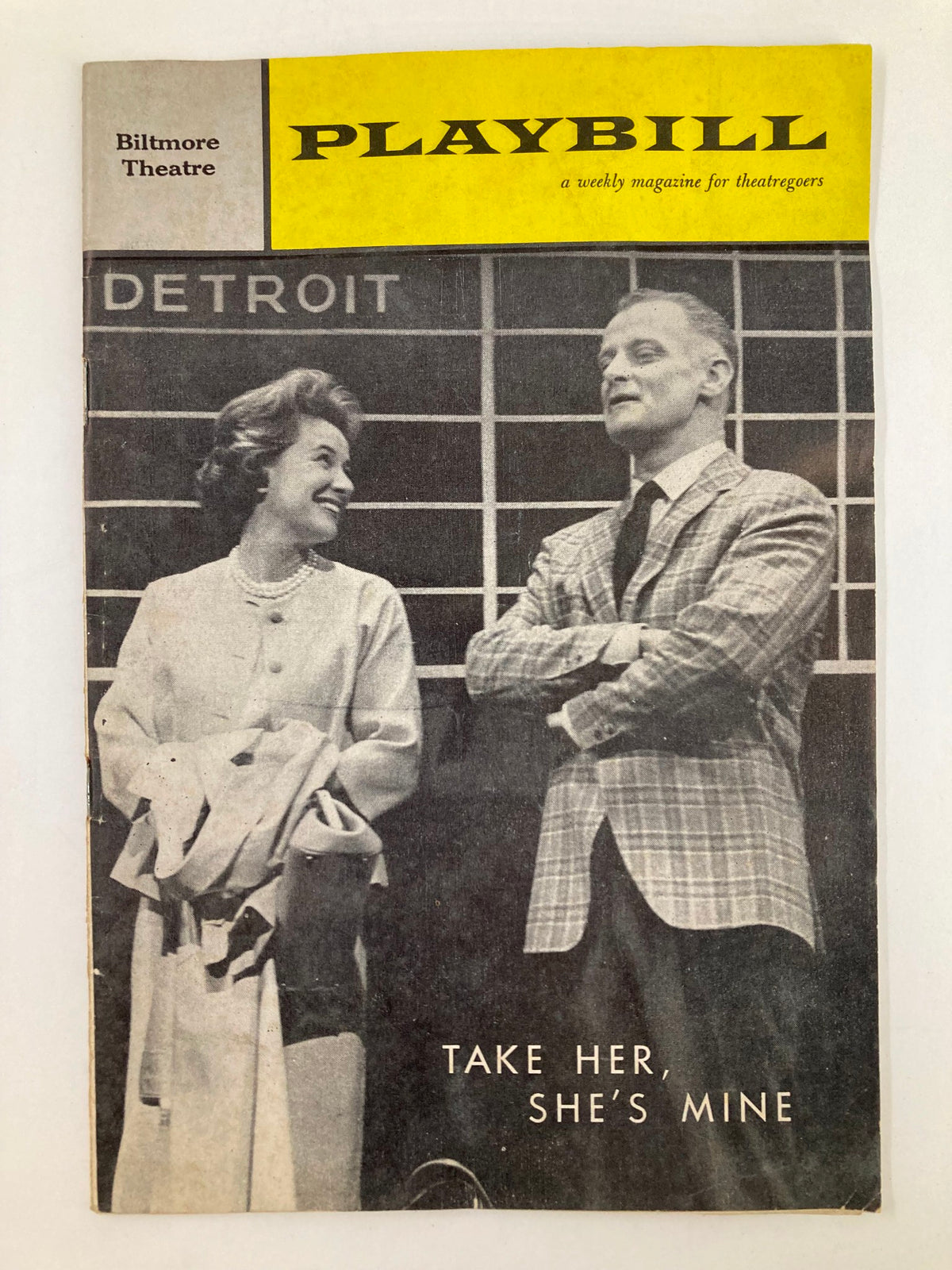
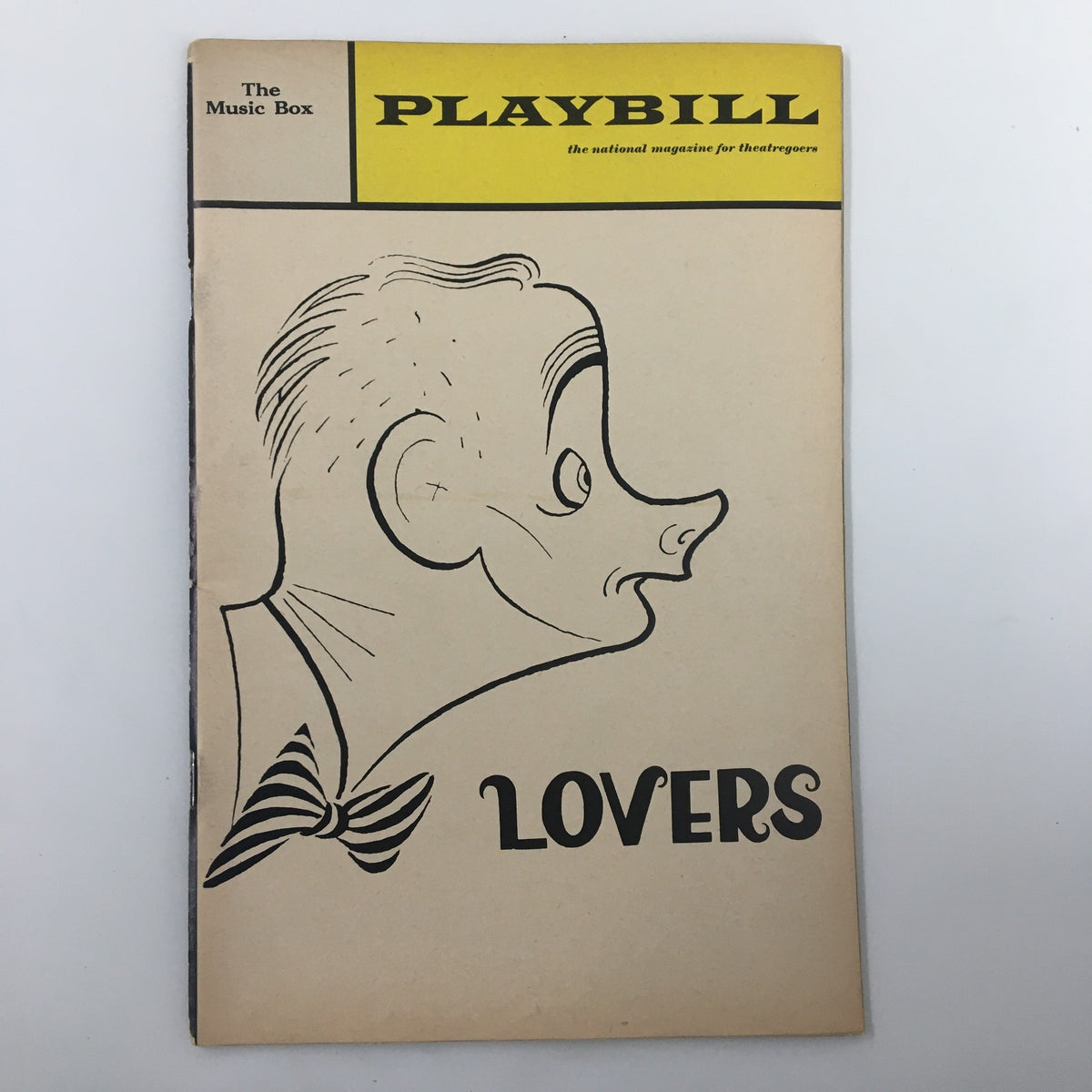
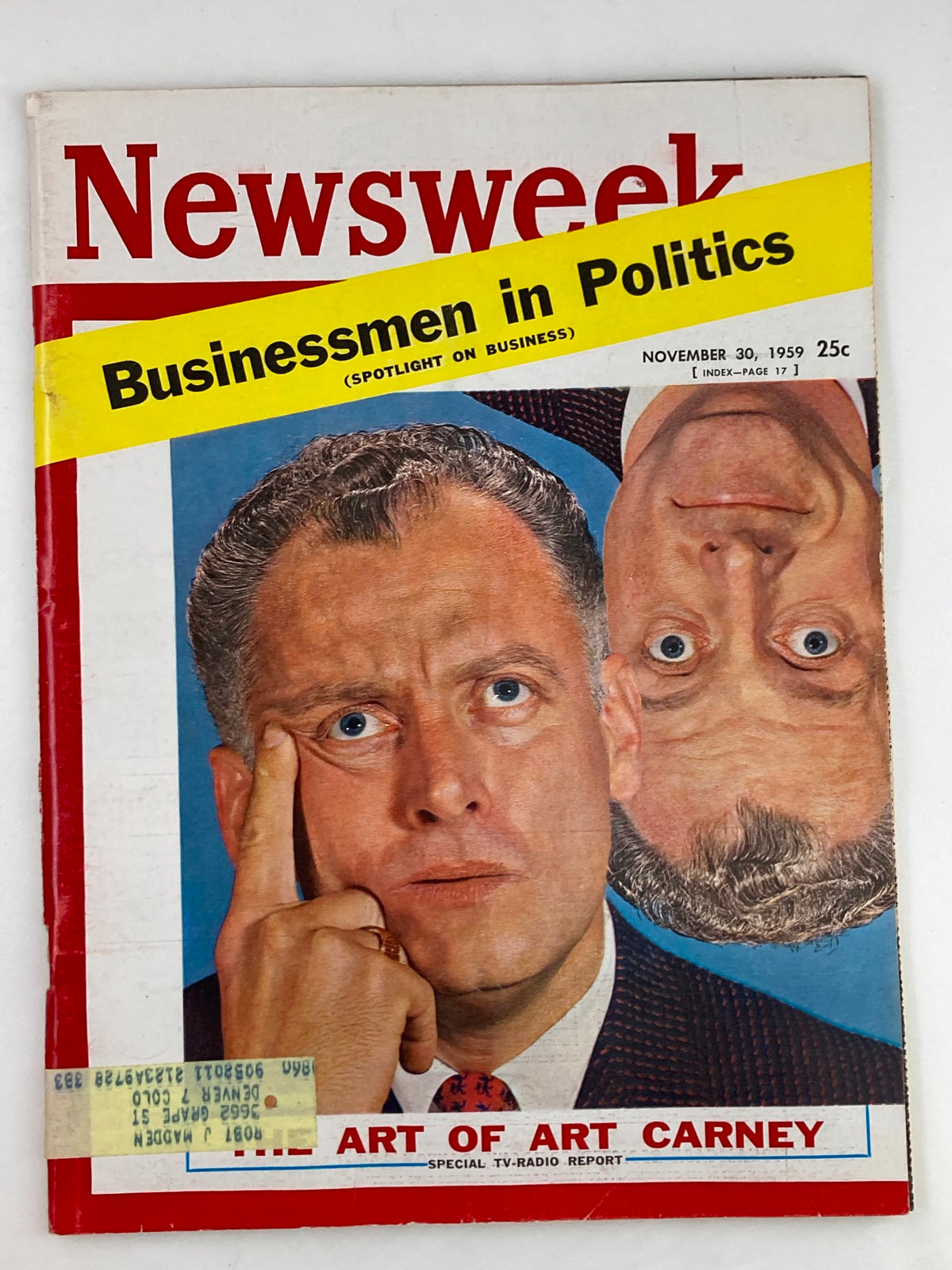
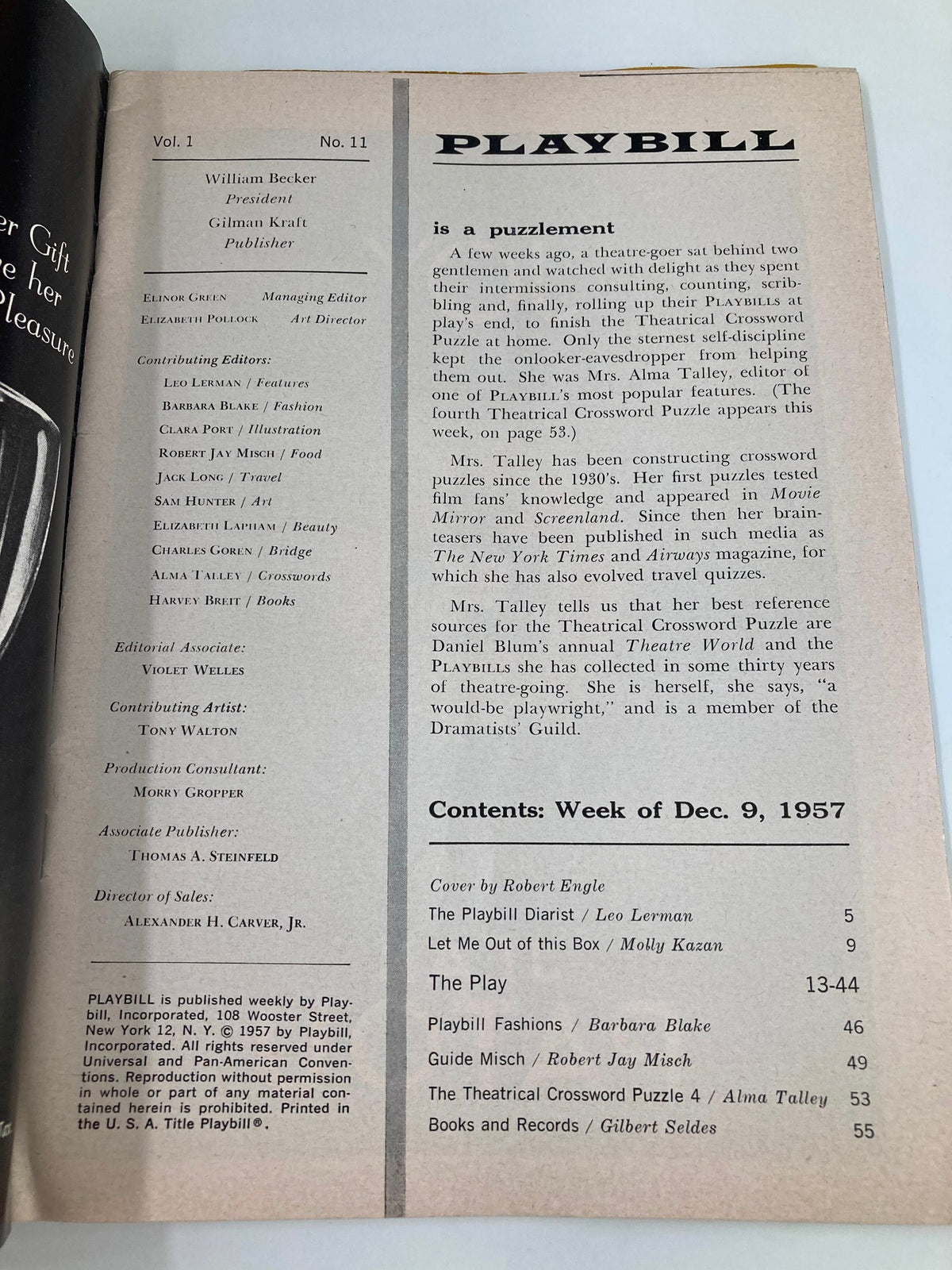
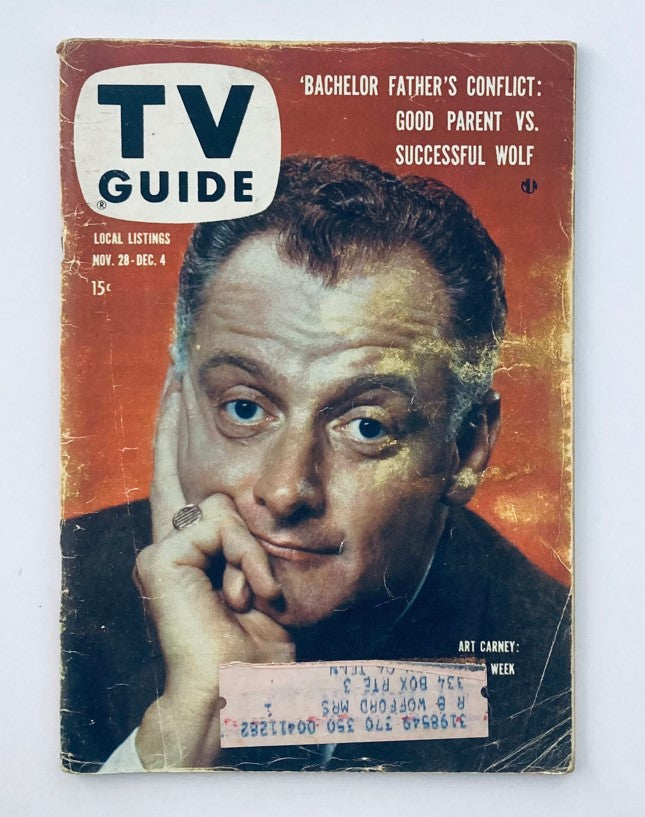
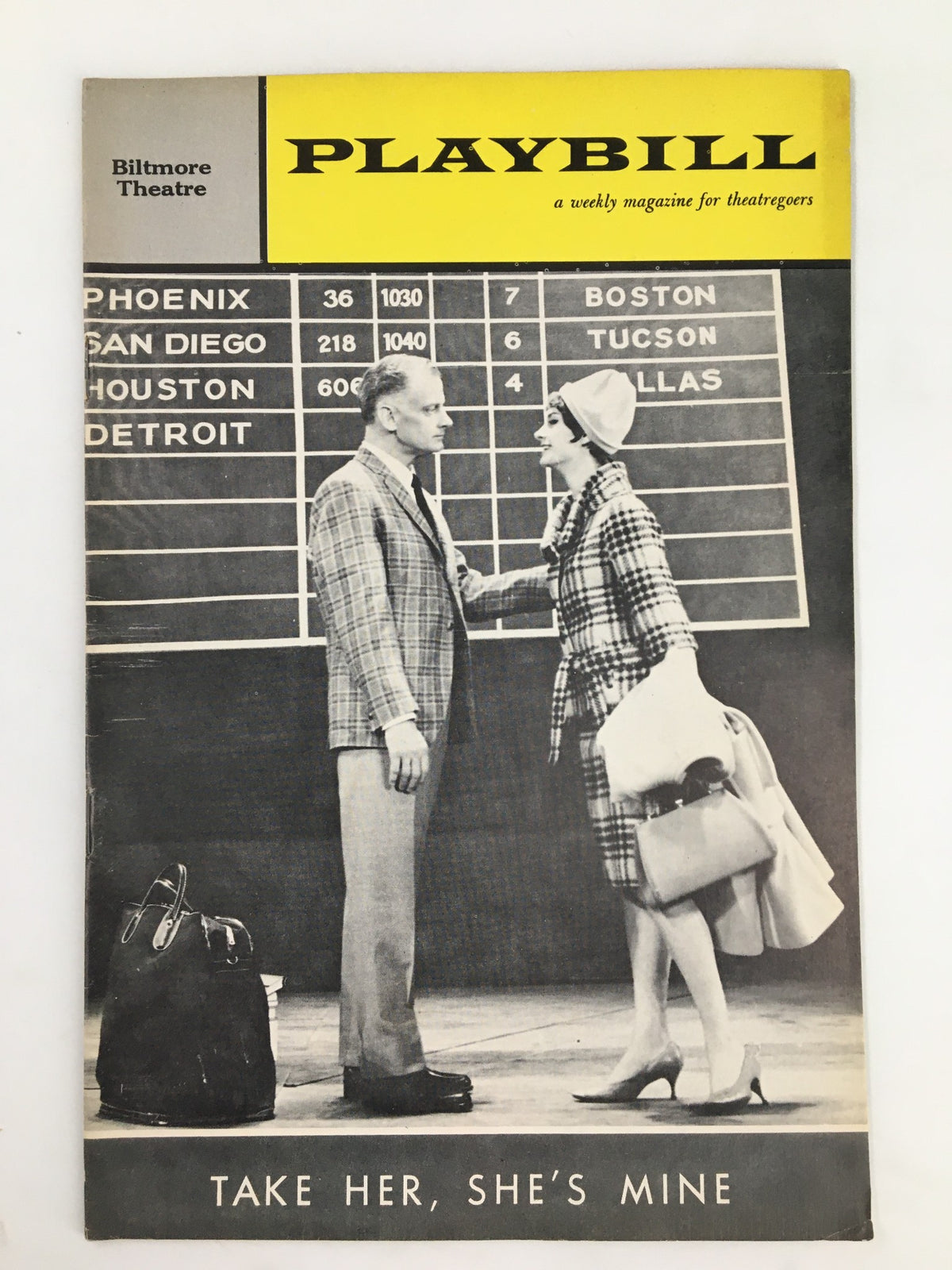
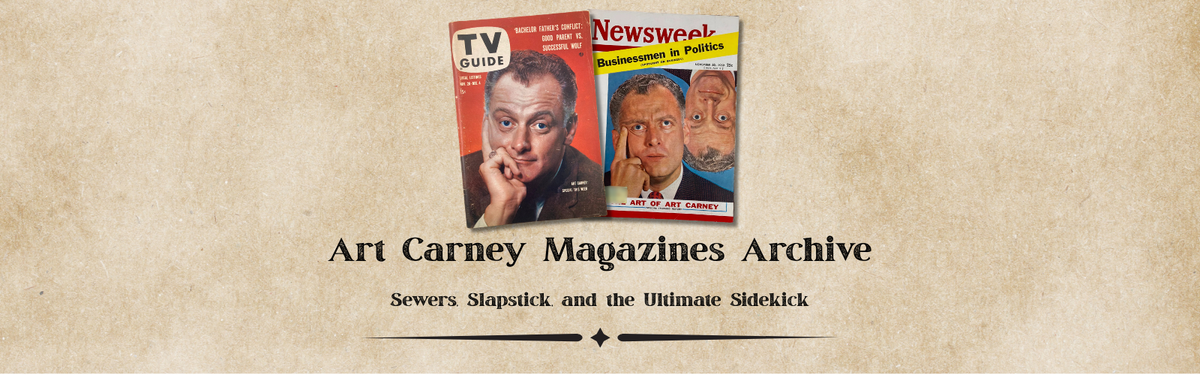
The magazines of Carney's peak era treated him with a particular kind of affectionate reverence — the profile of a man who seemed, impossibly, to be exactly as decent in person as he appeared on screen. Television weeklies like TV Guide devoted countless covers and feature spreads to him during the golden age of live television, capturing his elastic physicality and his chemistry with Gleason in striking black-and-white photography that has since become synonymous with mid-century American domesticity. Life magazine, with its sweeping full-page photographic essays, chronicled both the spectacle of early television production and the human stories behind it — and Carney, unassuming and quotable, was a natural subject. Meanwhile, entertainment publications like Photoplay offered more intimate, candid portrayals, exploring the personal struggles and the quiet resilience of a performer who battled his own private demons with the same understated dignity he brought to every role. Together, these publications form a layered portrait of an artist whose story unfolded, issue by issue, across the American coffee table.
Curator's Checklist: Highlights Often Include
- Early television era features (early-to-mid 1950s): Coverage of the live broadcast golden age, with behind-the-scenes photography from The Honeymooners and The Jackie Gleason Show, often capturing the raw energy of television produced without a safety net
- Emmy Award profiles: Editorial spreads and congratulatory features from the years Carney dominated the television academy, reflecting the press's growing recognition that this was no mere supporting player
- Career retrospectives and comeback narratives: Following personal difficulties in the 1960s, Carney's return to form generated deeply human profile pieces — the kind of long-form journalism that mid-century magazines did better than any medium before or since
- The Harry and Tonto Oscar moment (1975): Entertainment weeklies and film publications captured the genuine surprise of his Best Actor win, offering a remarkable snapshot of Hollywood at a crossroads between Old Guard and New Wave
- Television anniversary and nostalgia issues (1960s–1980s): As The Honeymooners entered syndication and achieved timeless status, the beloved Norton character resurfaced regularly in retrospective features celebrating the founding myths of American sitcom culture
The Collector's Value
To hold one of these original issues is to hold something the internet cannot replicate — the weight of the actual paper stock on which America first fell in love with a character, the slight foxing at the edges that speaks to decades of careful keeping, the faint ghost of mid-century ink that rises when you turn a page past a Carney profile sandwiched between advertisements for Chevrolets and Lucky Strike cigarettes. These are primary sources, not reproductions — artifacts that place you in the living room of 1955, reading about a man the whole country was talking about. For collectors of vintage television memorabilia, Golden Age Hollywood ephemera, or mid-century American pop culture, these publications offer an irreplaceable window into an era when a single performance could unite a nation, and when print media was the sole custodian of a star's story. Browse the current available inventory below and discover which pieces of this remarkable legacy are waiting to find a new home.