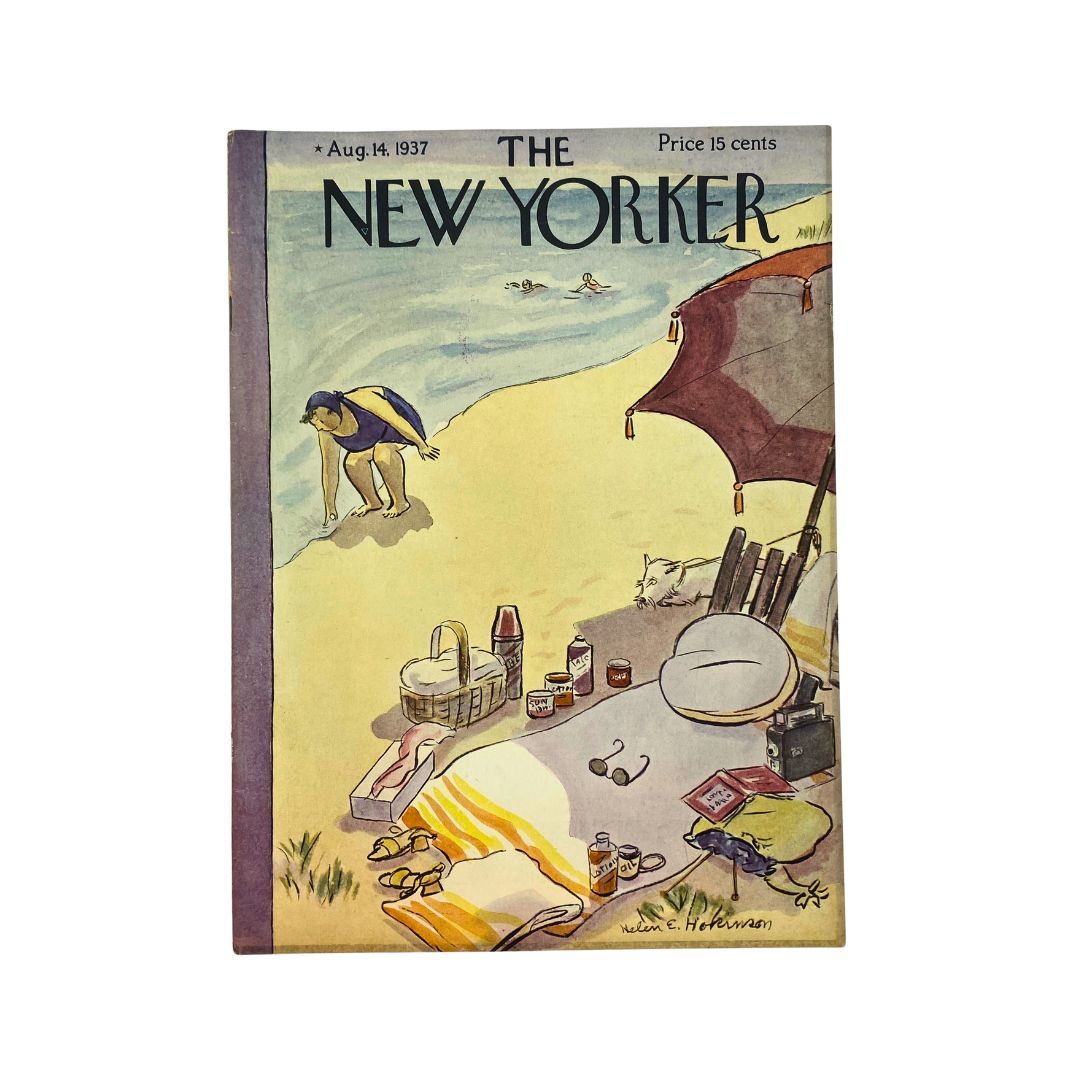
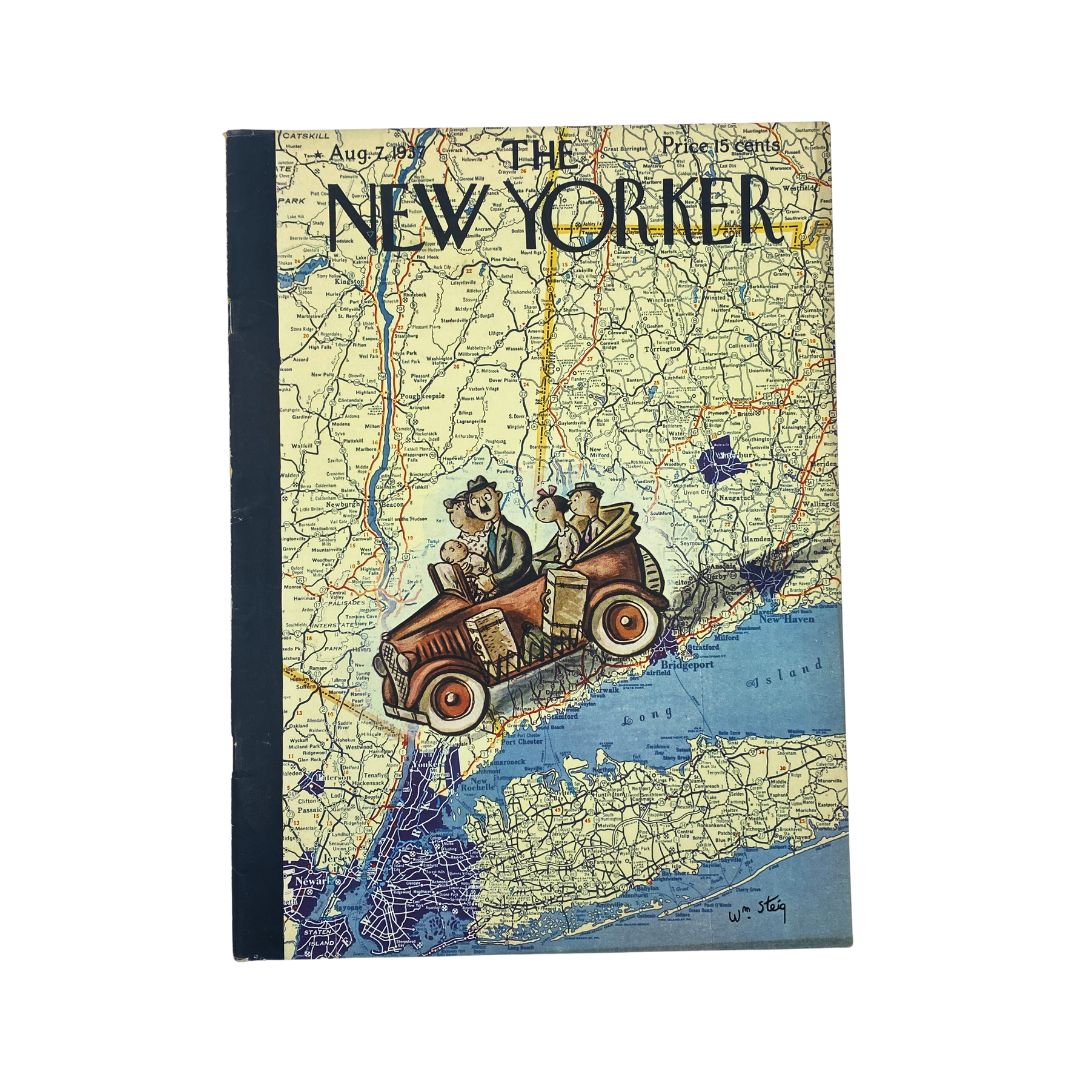
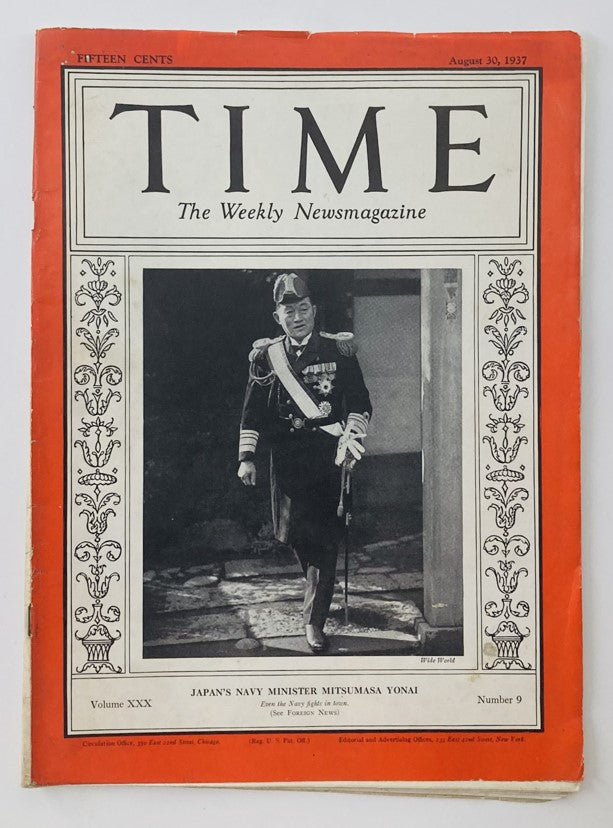
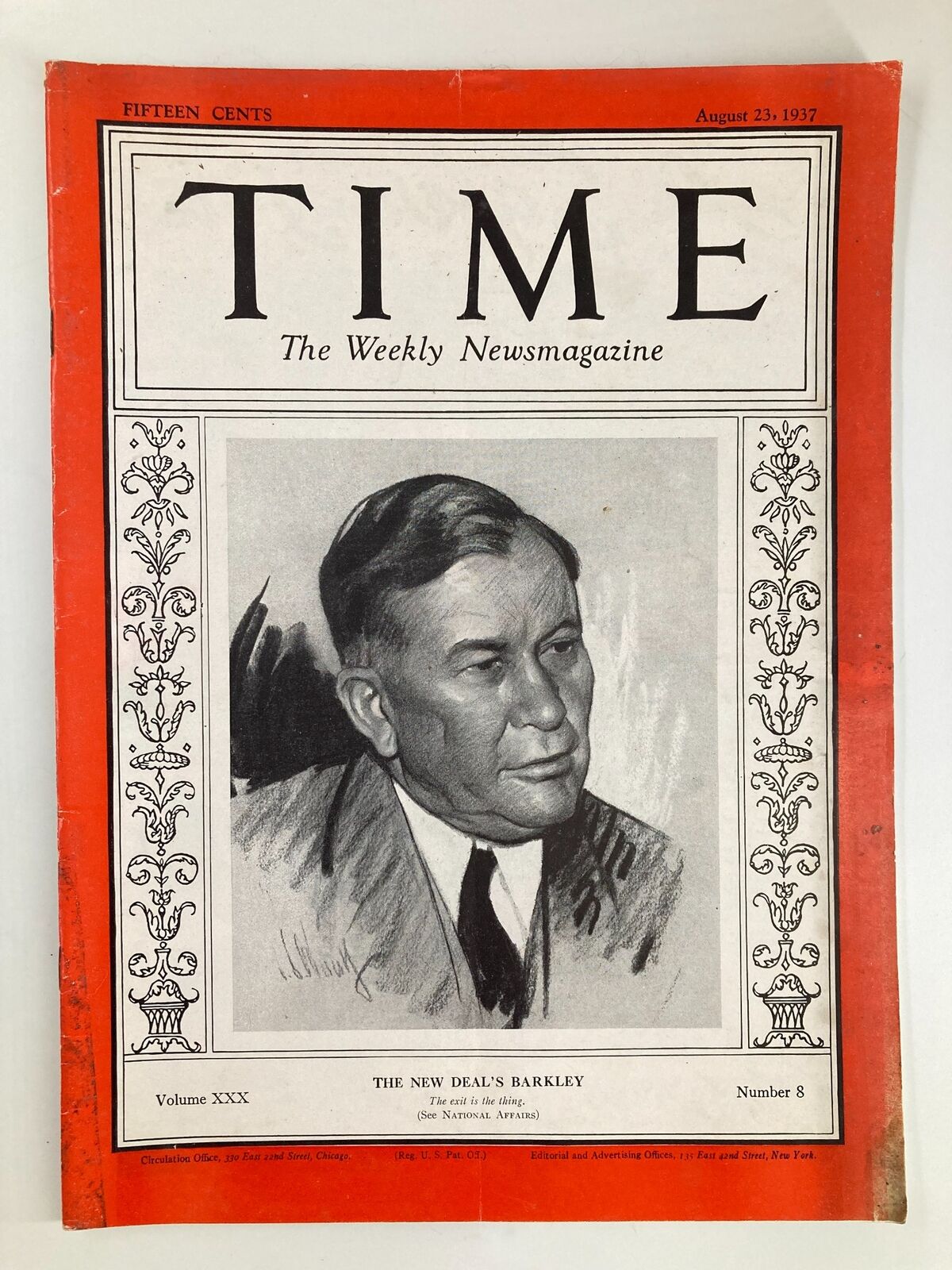
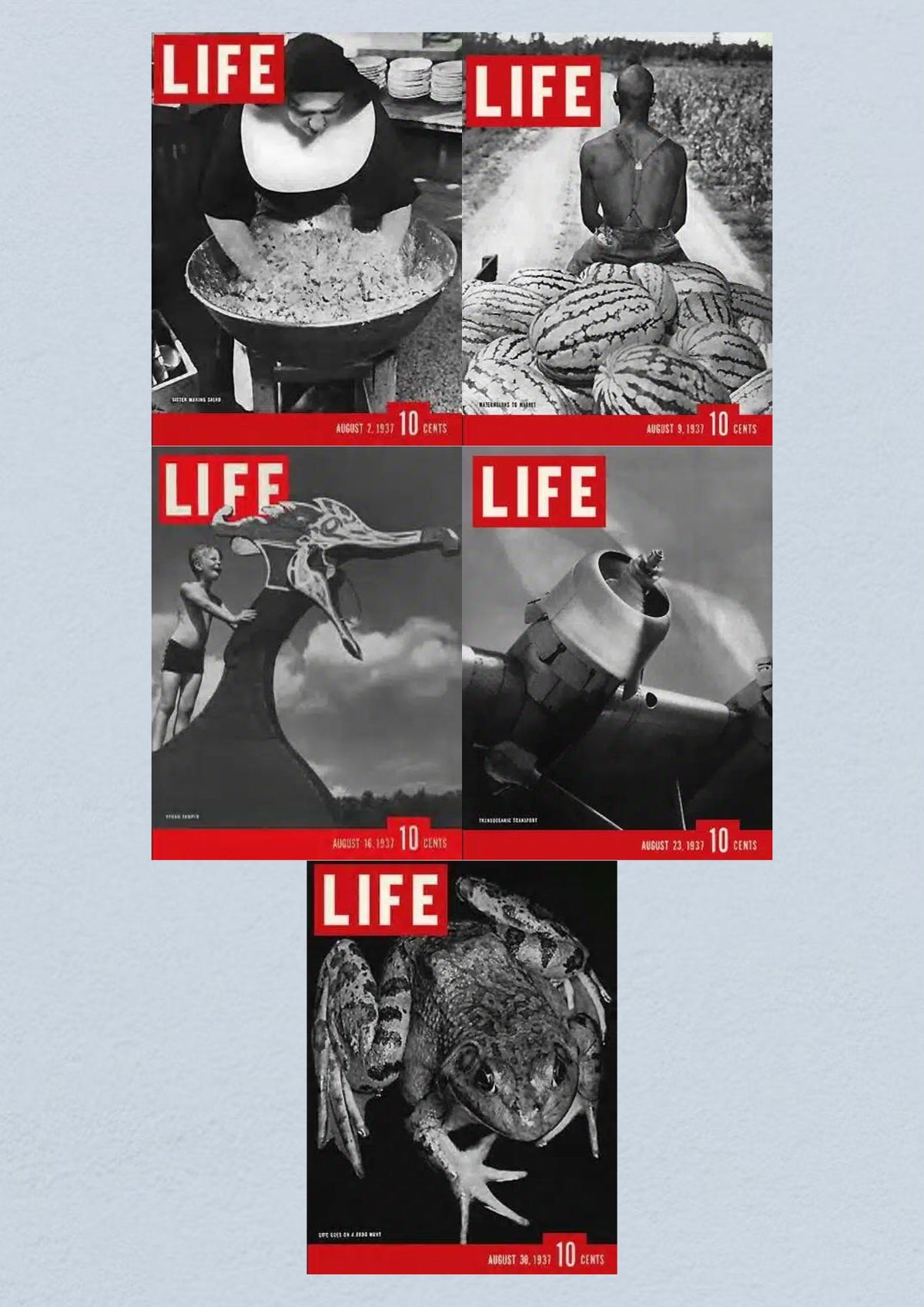
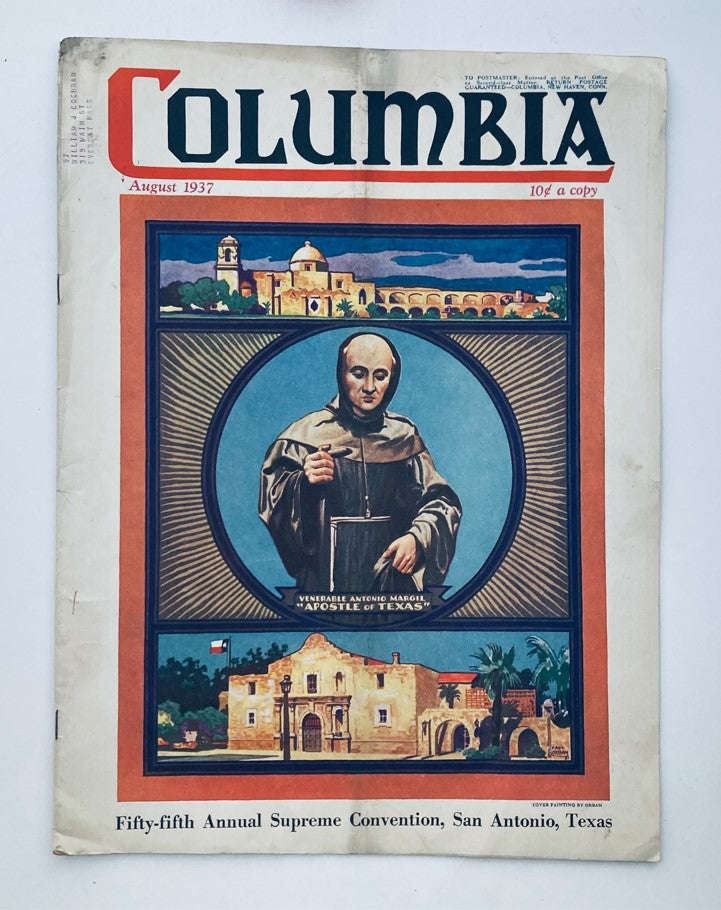
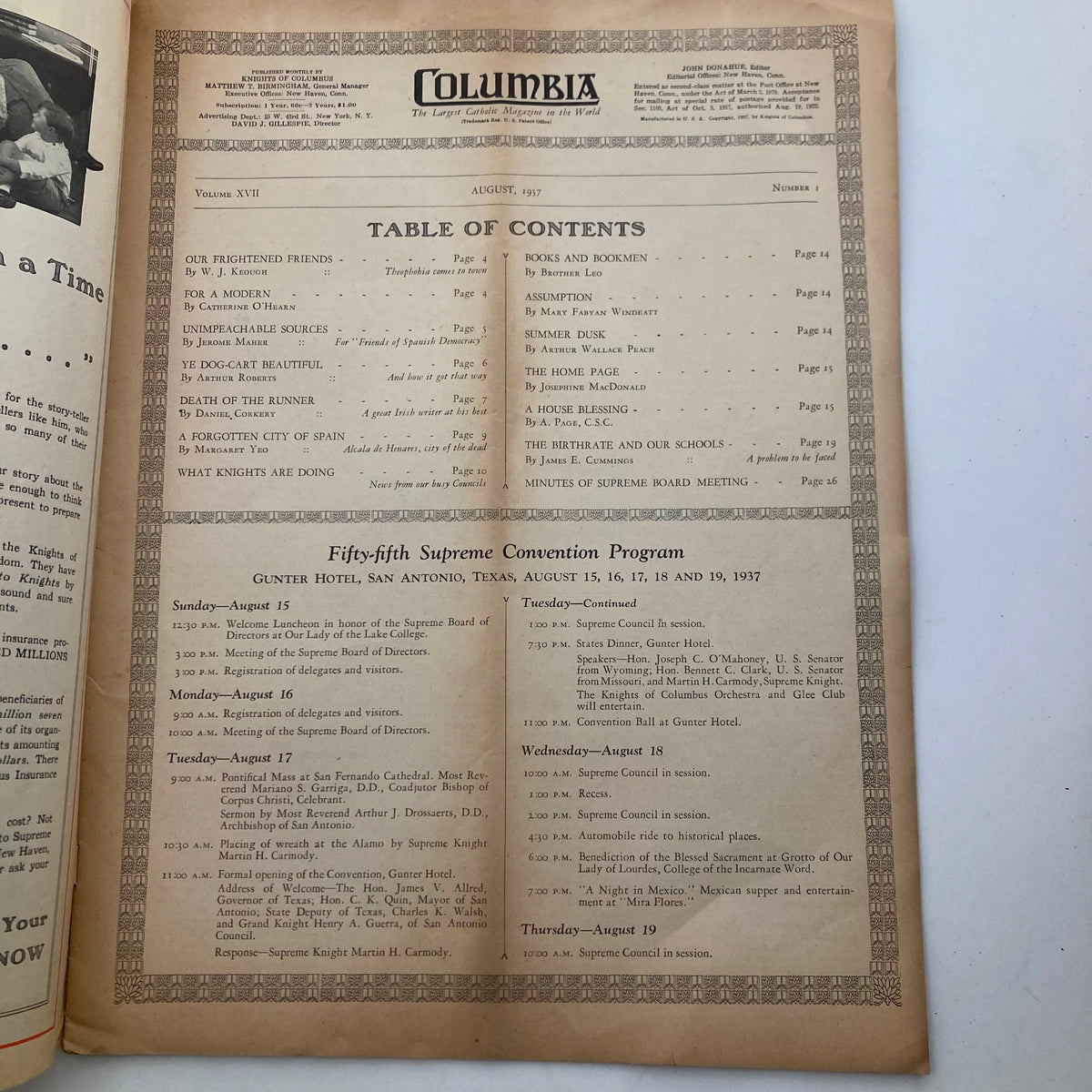
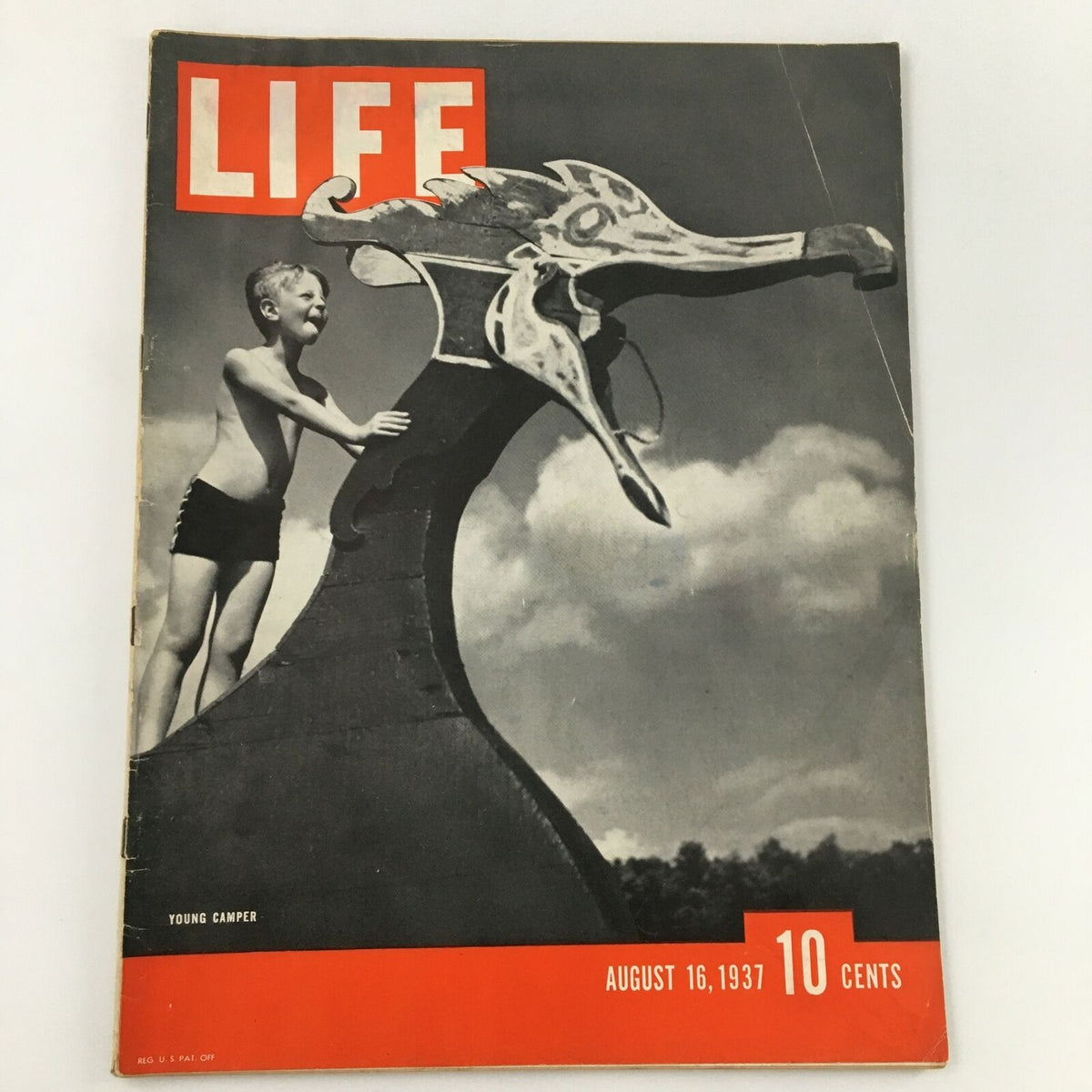
📖 About this Collection
August 1937: When the World Held Its Breath
The Historical Context
The summer of 1937 crackled with a tension that readers could feel in every headline. From the Pacific to the Atlantic, the month opened with the eruption of full-scale war — on August 13, Japanese forces launched the Battle of Shanghai, a massive three-month confrontation drawing over one million troops into one of history's most brutal urban conflicts. Within 24 hours, China formally declared war on Japan, and by month's end the Japanese fleet had blockaded the entire Chinese coast. The world sensed, dimly but with dread, that something irreversible had begun.
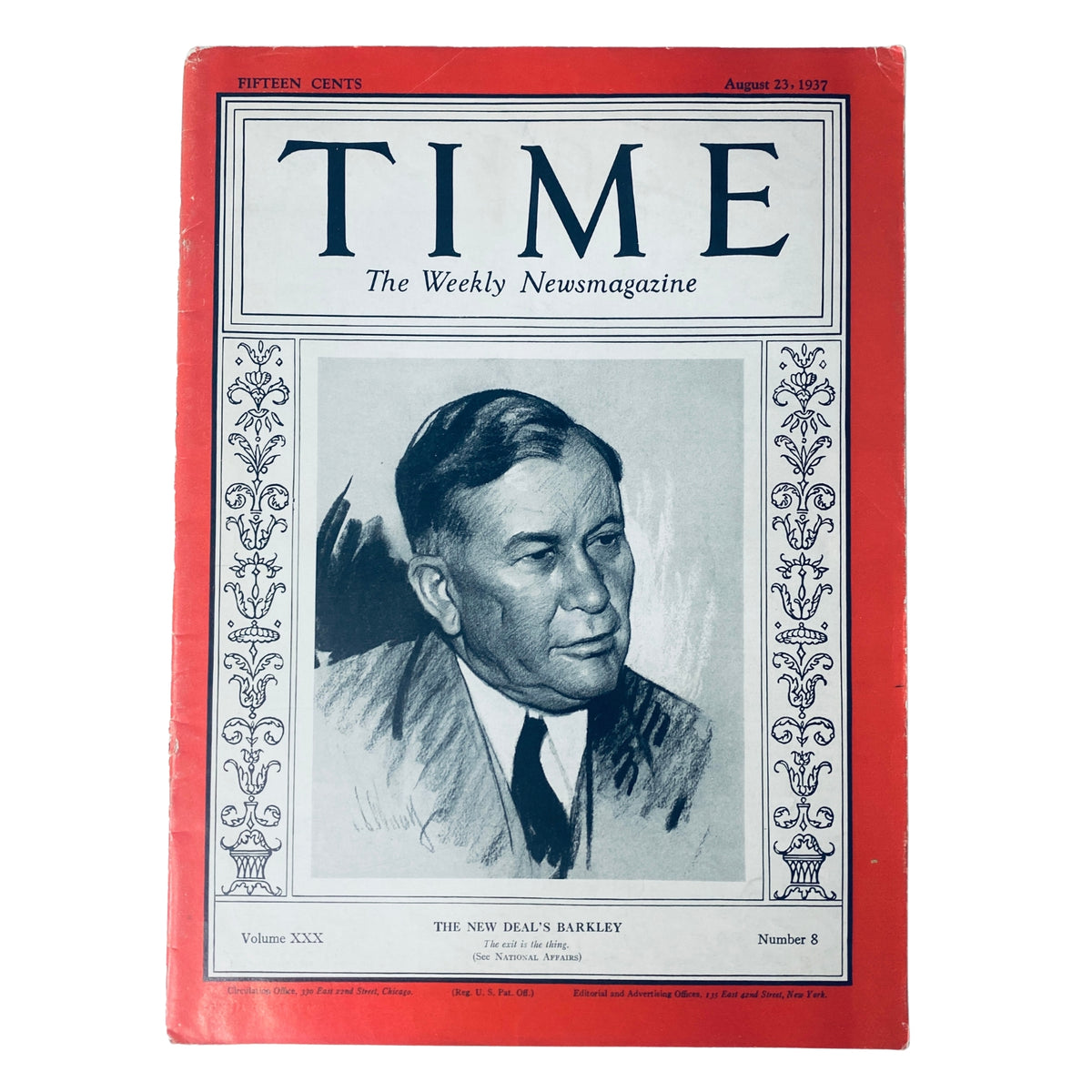
Closer to home, the shadows of Europe's gathering storm fell across the front pages. Francisco Franco's Nationalist forces fired artillery on Madrid, swept through Santander, and accepted the surrender of the Basque Army — Spain's agony playing out in dispatches filed by the world's most urgent reporters. Meanwhile, in Washington, the Marihuana Tax Act passed with little fanfare, quietly reshaping American law. Time, Life, and Newsweek captured every dispatch. This was the world your loved one entered — restless, charged, and on the cusp of catastrophe.
Culture, Sport & the Everyday
Away from the front pages, August 1937 offered flashes of extraordinary vitality. Paul Muni's commanding performance in The Life of Émile Zola premiered in New York on August 11 — a film that would take home the Best Picture Oscar, its message about justice and moral courage resonating against the era's darkening backdrop. The 5th Venice Film Festival opened days earlier, gathering the international film world as Europe edged toward conflict. On the radio dial, history was quietly being made: the first FM radio construction permit was issued in Boston, a signal that the future of broadcasting was coming.
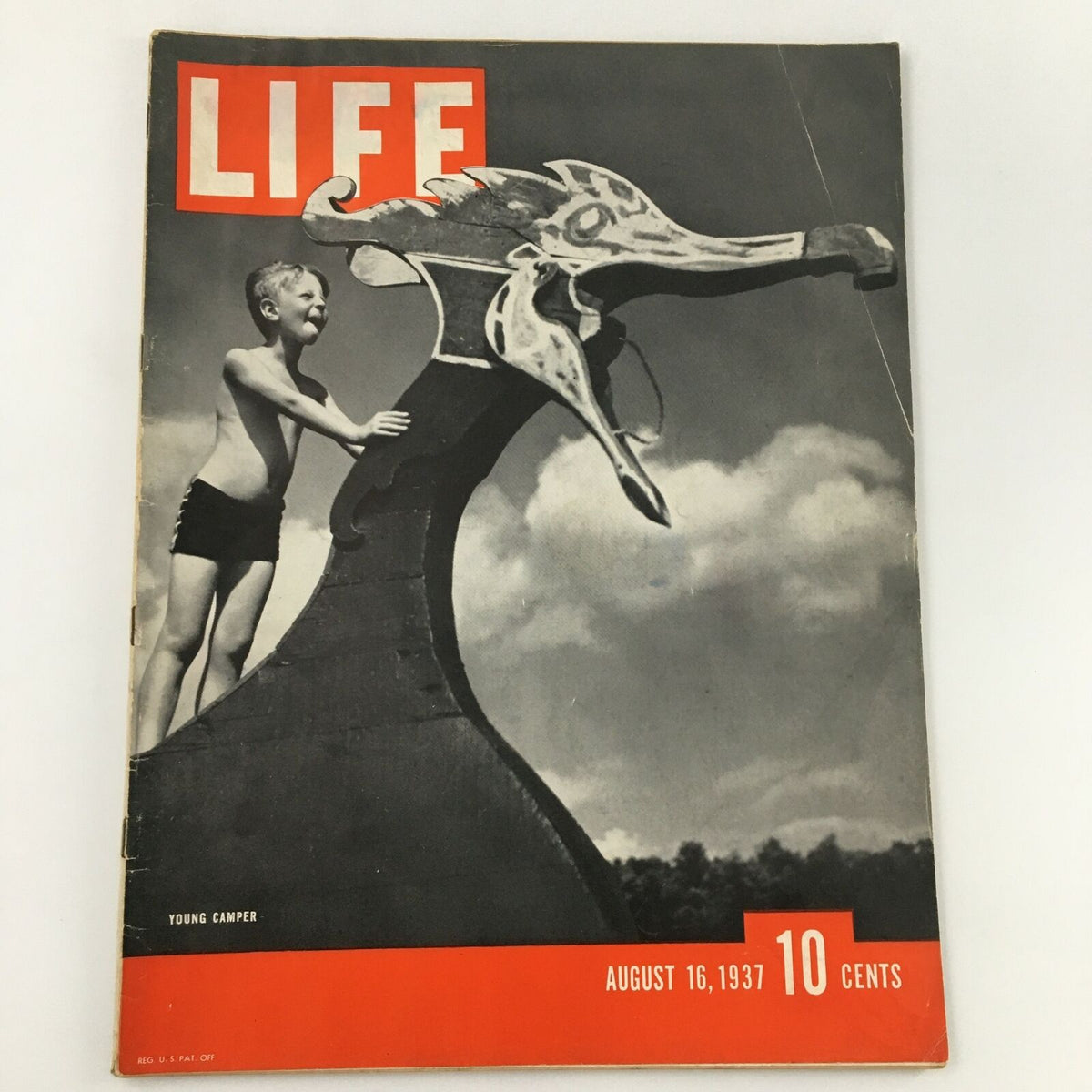
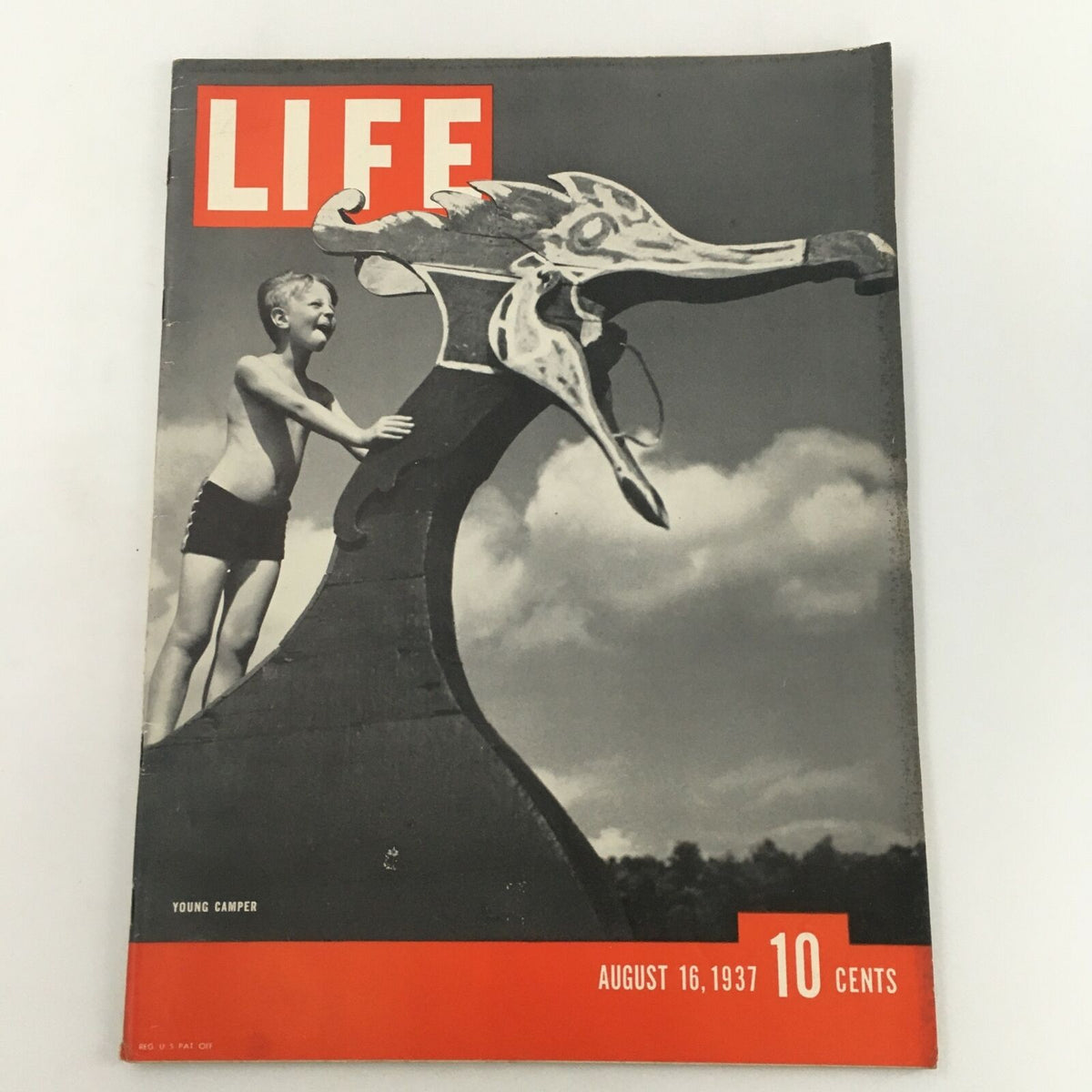
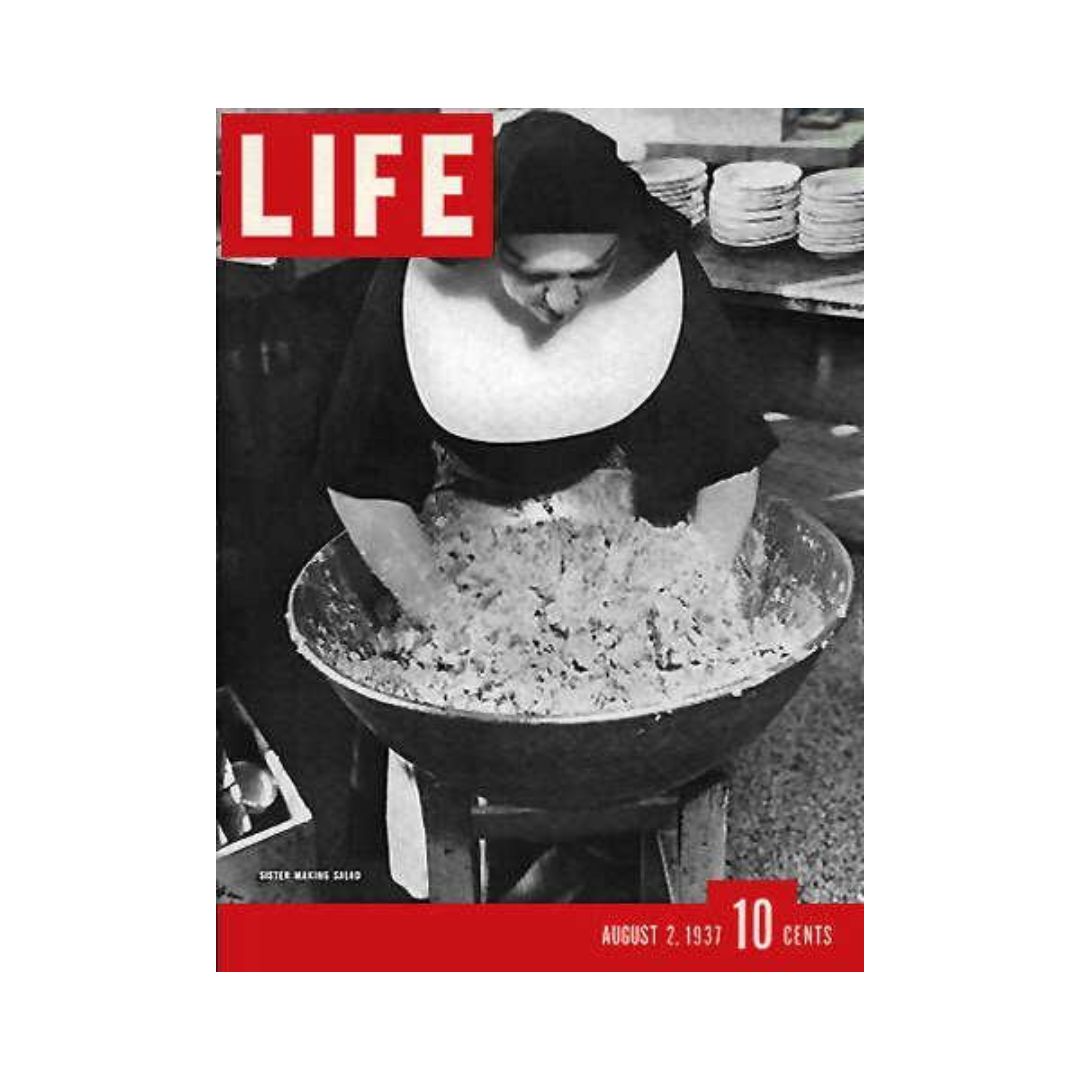
At the ballpark, the feats were almost mythological. Rudy York of the Detroit Tigers set a record 18 home runs in a single month; the Tigers themselves demolished the St. Louis Browns across a doubleheader with a staggering 36 combined runs. Joe Louis defended his heavyweight title against Tommy Farr in 15 hard-fought rounds. Original magazines from August 1937 — from Sports Illustrated's predecessors to Life photo spreads — captured these athletic giants in full stride. Beyond sport, America was building, too: the Appalachian Trail was formally completed, all 2,000 miles of it, and Toyota was incorporated as an independent company. Rare magazines from this month offer an astonishing window into the rhythm of everyday life beneath the headlines.
Curator's Checklist: What to Look For
-
Battle of Shanghai / Sino-Japanese War: Time, Life, and Newsweek issues featuring front-page photography and illustrated maps of the Shanghai conflict, often with dramatic wire photographs of troops in urban combat and civilian displacement imagery.
-
Spanish Civil War Coverage: Look for Life and Look issues showcasing Franco's advances and Basque surrender, frequently illustrated with stark battlefield photography and editorials debating American neutrality policy.
-
Joe Louis Championship Bout: Sports-focused titles and Life pictorials featuring action photography from the Louis-Farr fight, with vintage advertisements for boxing promoters and sports equipment framing the coverage.
-
Hollywood & The Venice Film Festival: Entertainment trade papers and early Variety issues alongside general magazines carrying The Life of Émile Zola premiere coverage — look for studio portrait photography of Paul Muni typical of the era's cinematic advertising.
-
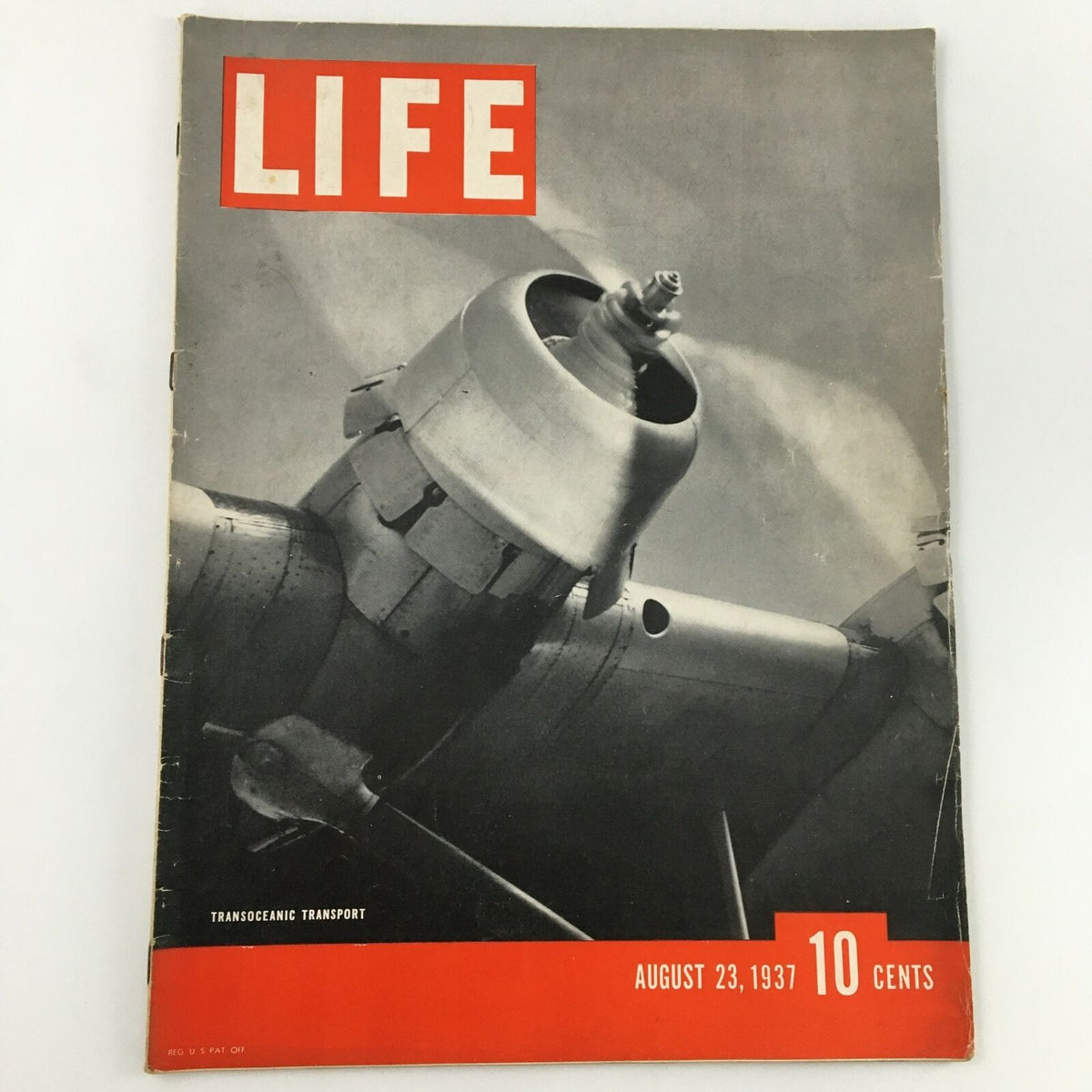
American Infrastructure & Innovation: Popular Mechanics and Saturday Evening Post issues from this month are prized for features on the Bonneville Dam's inaugural power generation and the first FM radio permits, illustrated with the optimistic industrial photography that defined the New Deal era. These vintage magazines offer a striking counterpoint to the war dispatches on adjacent pages.
The Perfect Gift
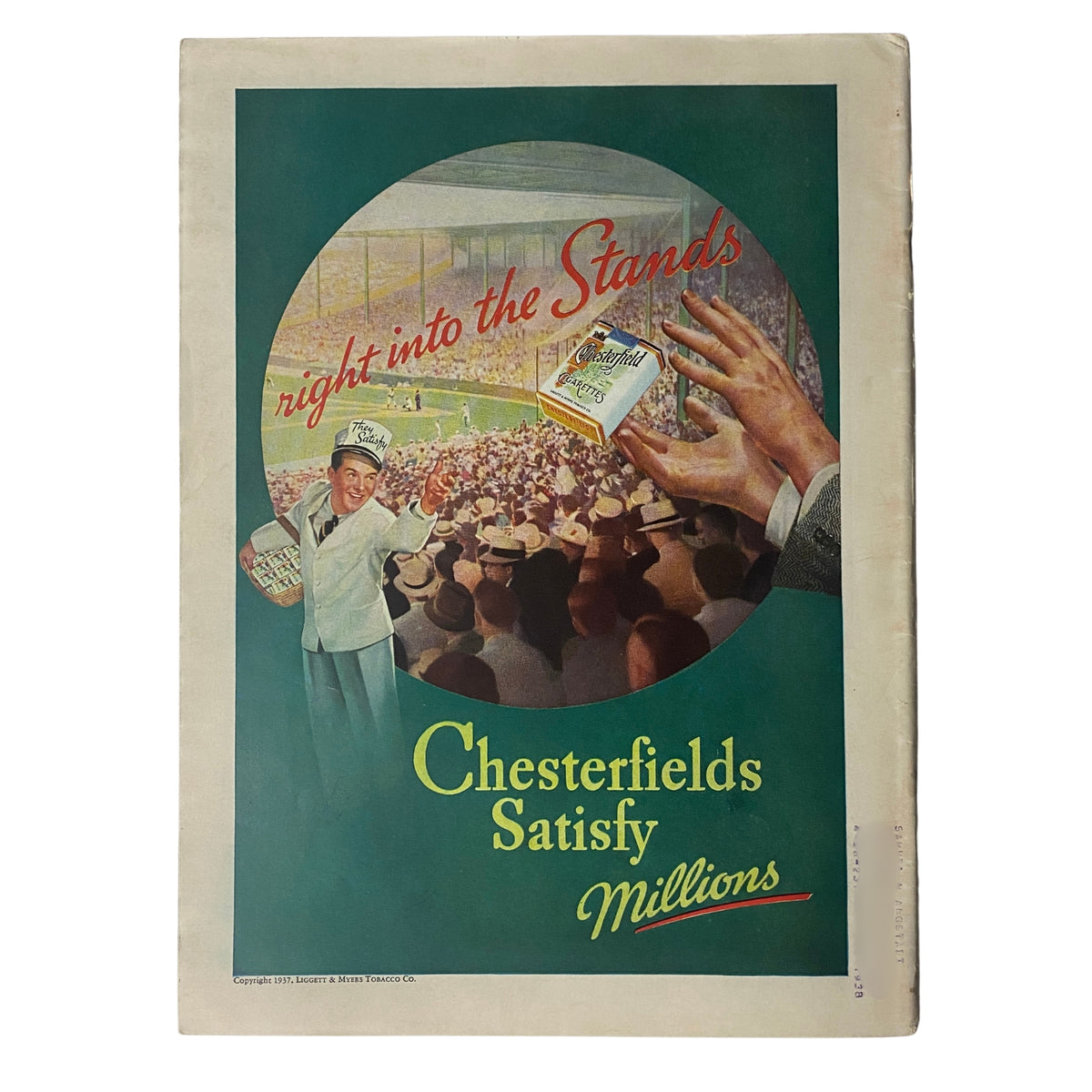
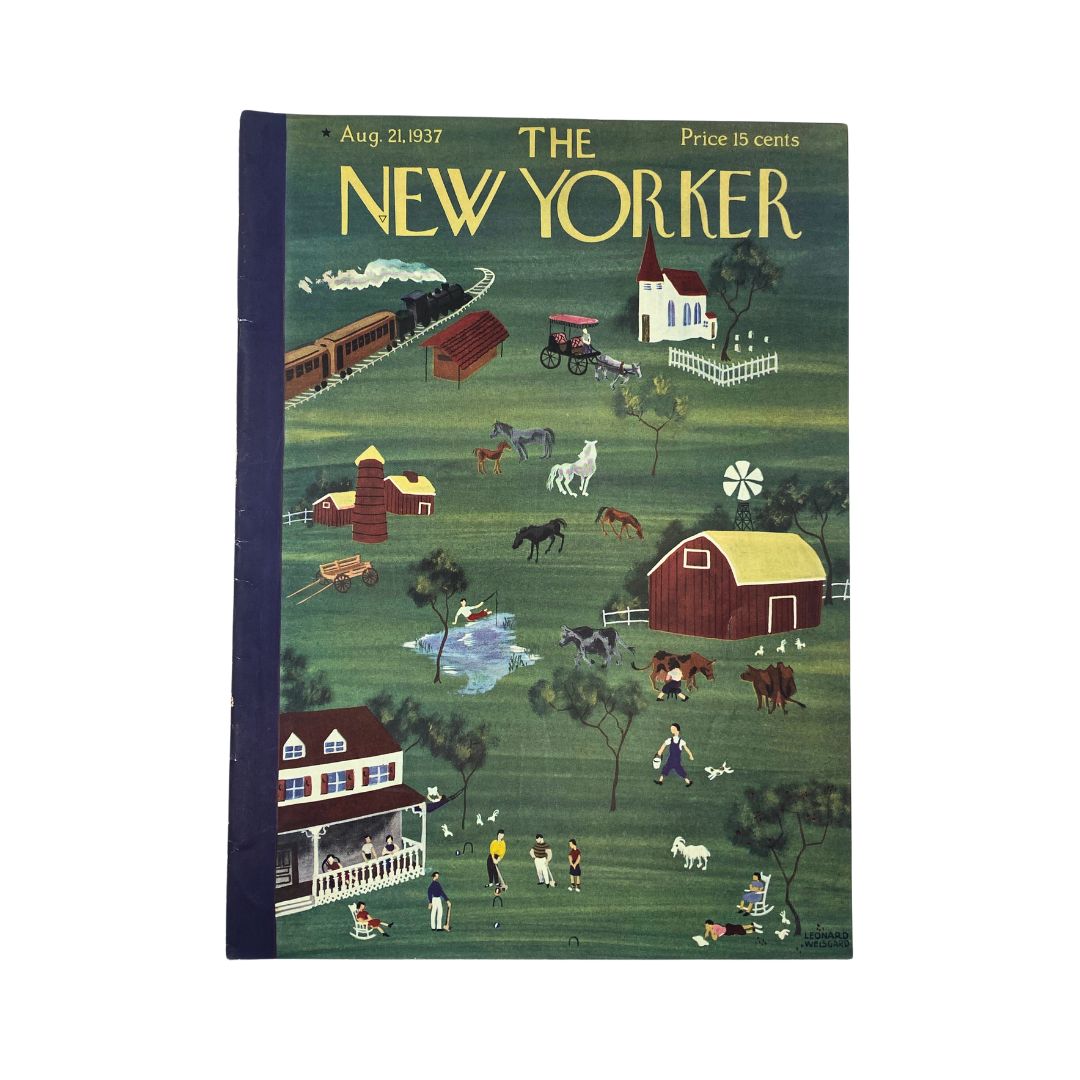
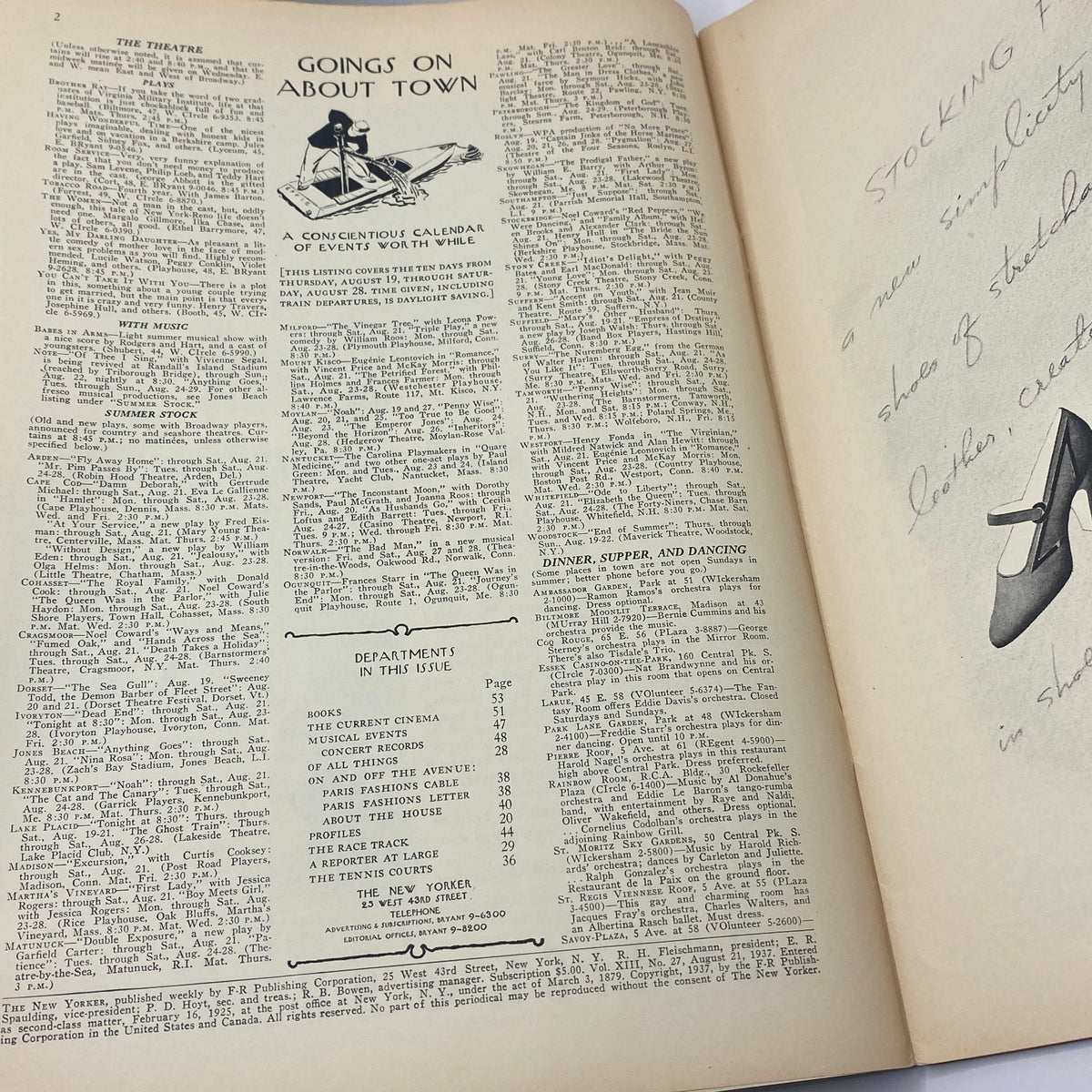
For someone born in August 1937, an original magazine from this charged and consequential month isn't just a piece of paper — it's an authenticated time capsule of the precise world they arrived in, preserved in genuine period headlines, period photography, and the actual advertisements that lined America's newsstands that summer.