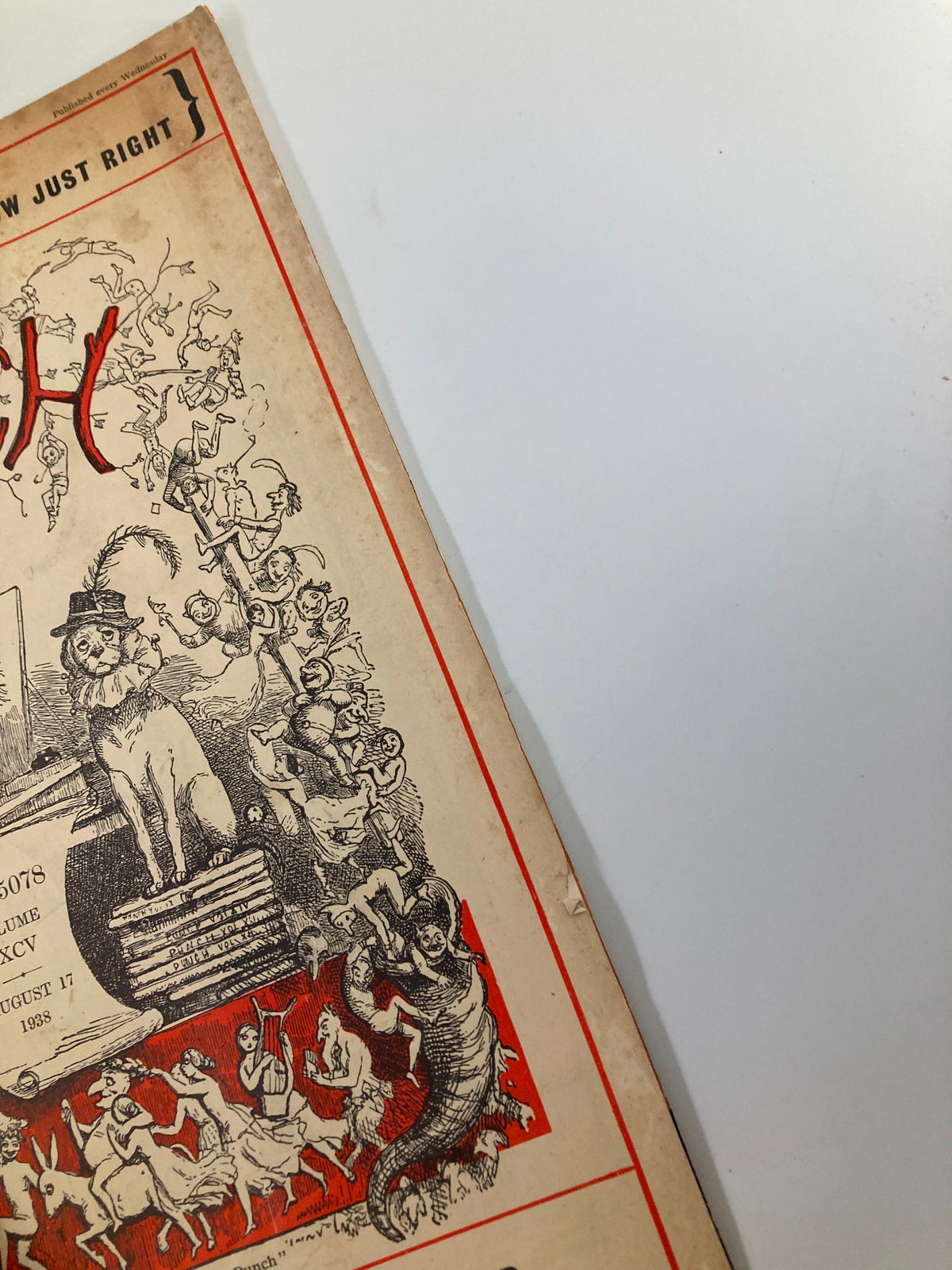
📖 About this Collection
August 1938: A Nation at Play on the Edge of Darkness
The Historical Context
The summer of 1938 hummed with a peculiar, charged energy—the kind that arrives when a world tries desperately to enjoy itself while thunderclouds gather on the horizon. In America, stadium crowds roared, bridges were dedicated, and Hollywood delivered its finest fare. In Europe, the shadows were lengthening. This was August 1938: a month that lived on two frequencies simultaneously, and the tension between them made every headline crackle.
The world's eyes that August were fixed on a cricket oval in Surrey, England, where Len Hutton batted for thirteen hours and twenty minutes, scoring a staggering 364 runs as England declared at 7-903 against Australia—a record that would stand for decades. But darker dispatches arrived alongside the sporting cables: Italy had barred Jewish teachers from public schools, Nazi authorities shuttered the theology faculty at Innsbruck University, and the Mauthausen concentration camp opened its gates in Austria. Franklin D. Roosevelt, meanwhile, crossed the border at Kingston to dedicate the Thousand Islands Bridge, a gleaming symbol of American-Canadian friendship in a world fracturing apart. This was the world your loved one entered.
Pop Culture & The American Newsstands
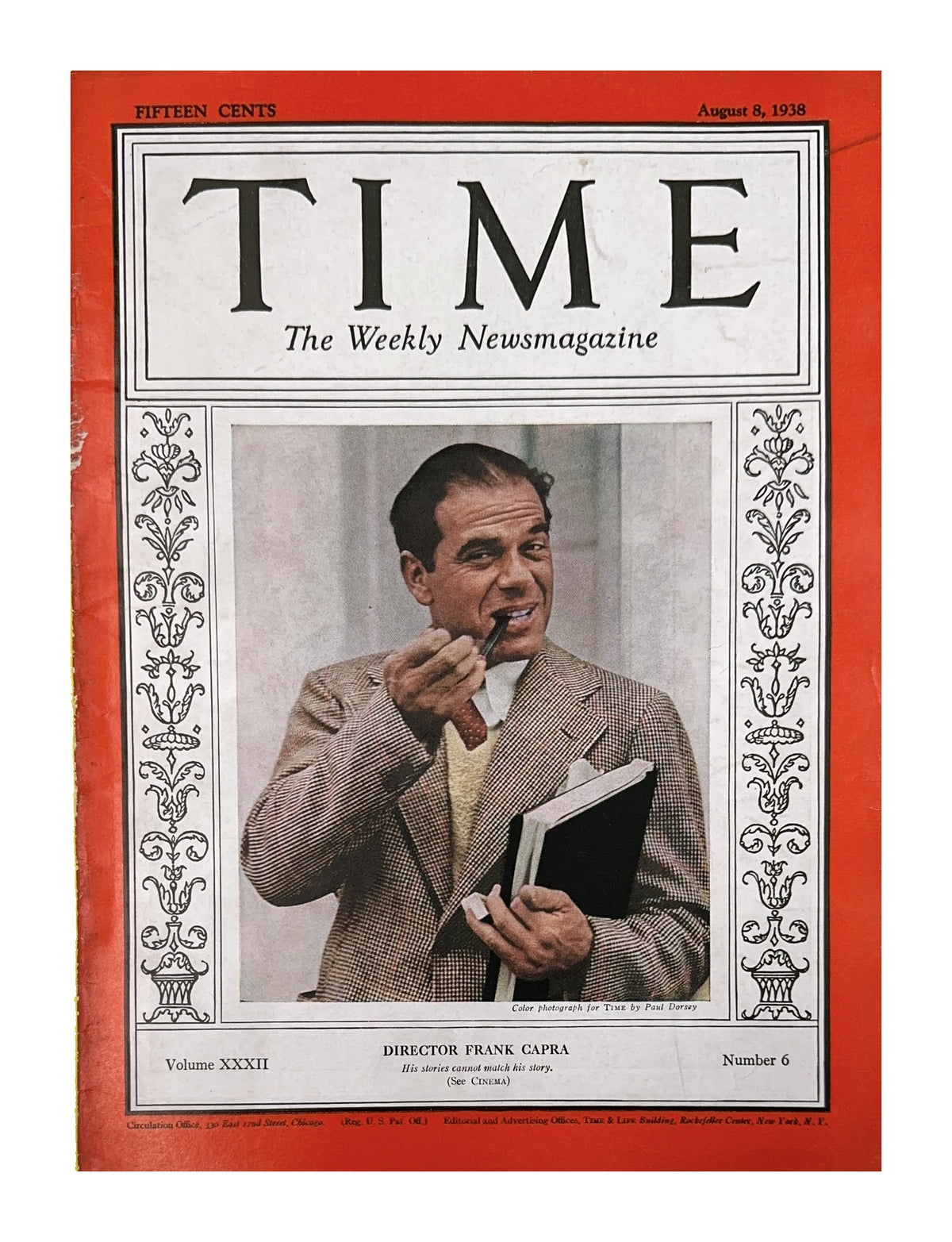
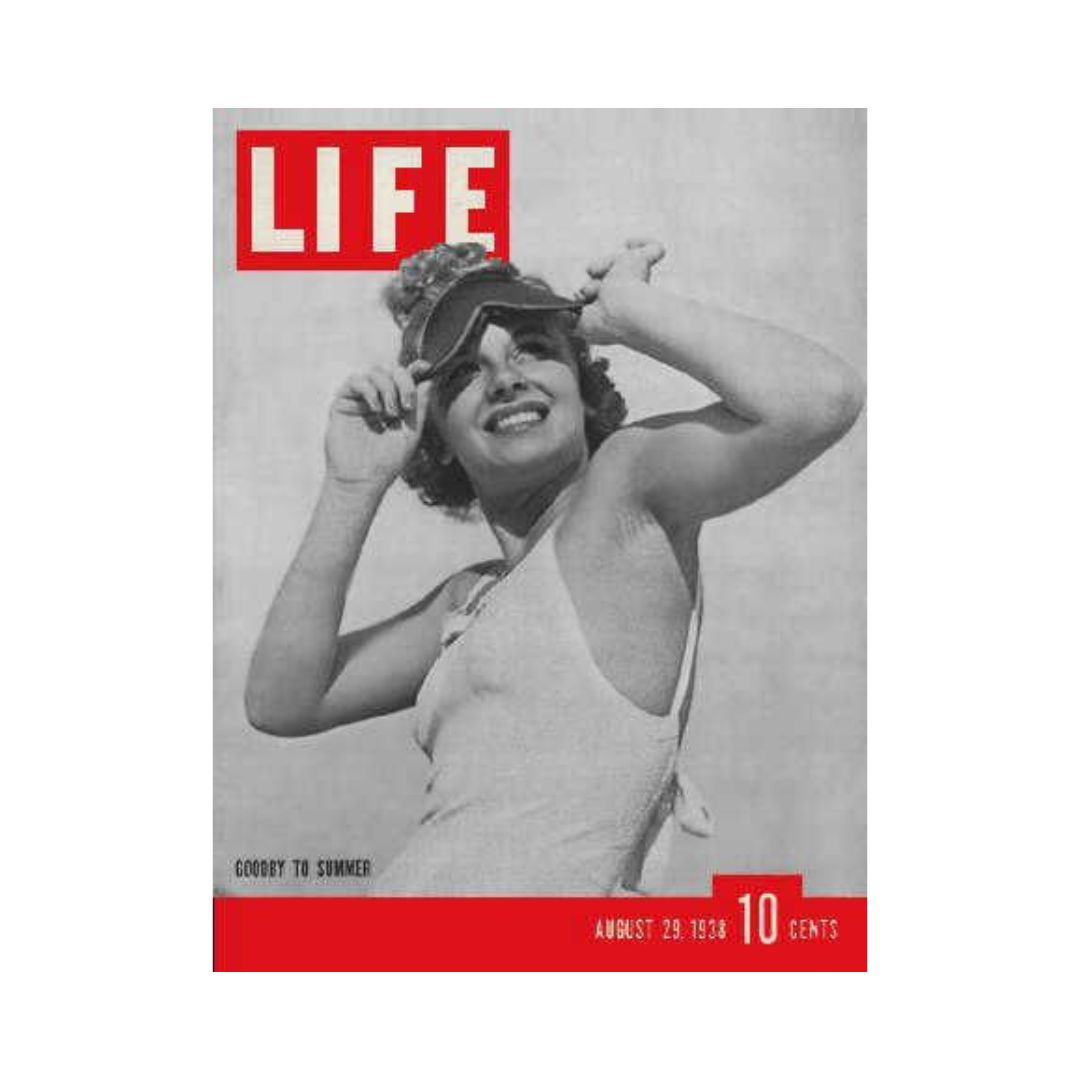
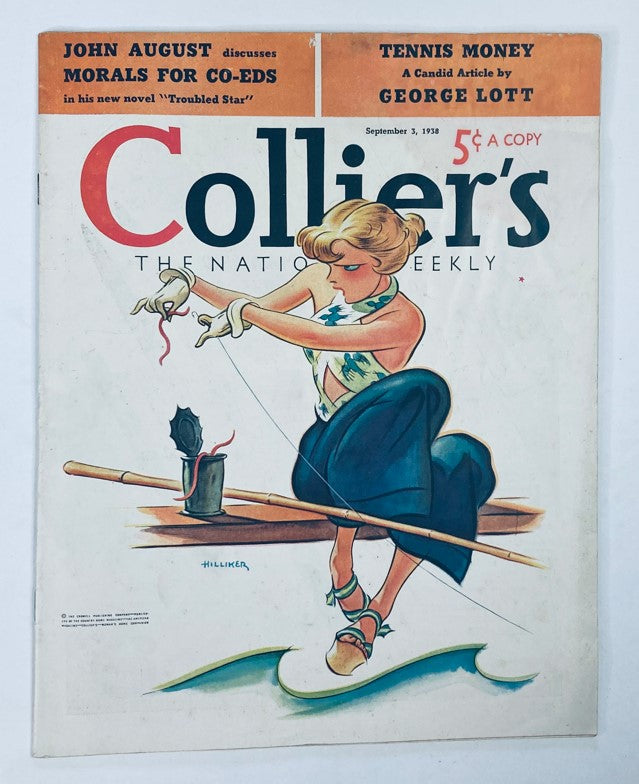
If the front pages carried forebodings, the back pages and the newsstands told a different story entirely. Frank Capra's You Can't Take It With You—adapted from the Kaufman and Hart Broadway smash and starring an irresistible James Stewart and Jean Arthur—premiered to rapturous audiences on August 23, the kind of picture that made people feel that decency still won. It would sweep to Best Picture at the following year's Academy Awards, and Life and Look were already running lush photo spreads on its stars.
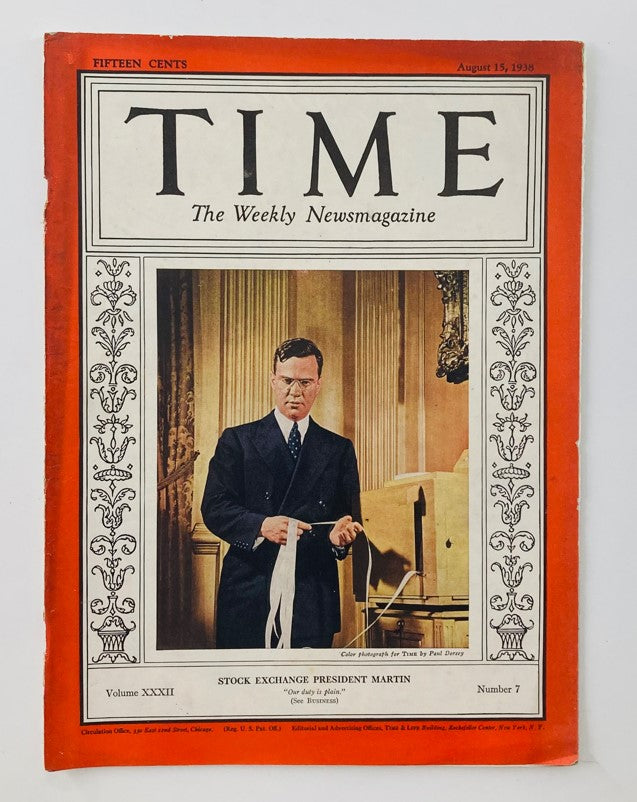
On the sports pages, Henry Armstrong claimed an almost unthinkable achievement: three simultaneous world boxing titles. Lou Gehrig crushed his record-setting 23rd grand slam at Shibe Park. The Yankees' Monte Pearson no-hit Cleveland 13-0, with Joe DiMaggio hammering three triples for good measure. Original magazines from August 1938 overflow with this athletic abundance—Sports Illustrated was still years away, but Life and the Saturday Evening Post devoted full spreads to these champions. The 6th Venice Film Festival opened, and the cultural conversation hummed across Time, Newsweek, and Variety. Even Northwestern University played its part in the era's showbiz spirit, awarding an honorary degree to Charlie McCarthy—ventriloquist Edgar Bergen's radio dummy—a stunt that made every gossip column in America.
Curator's Checklist: What to Look For in August 1938 Magazines
-
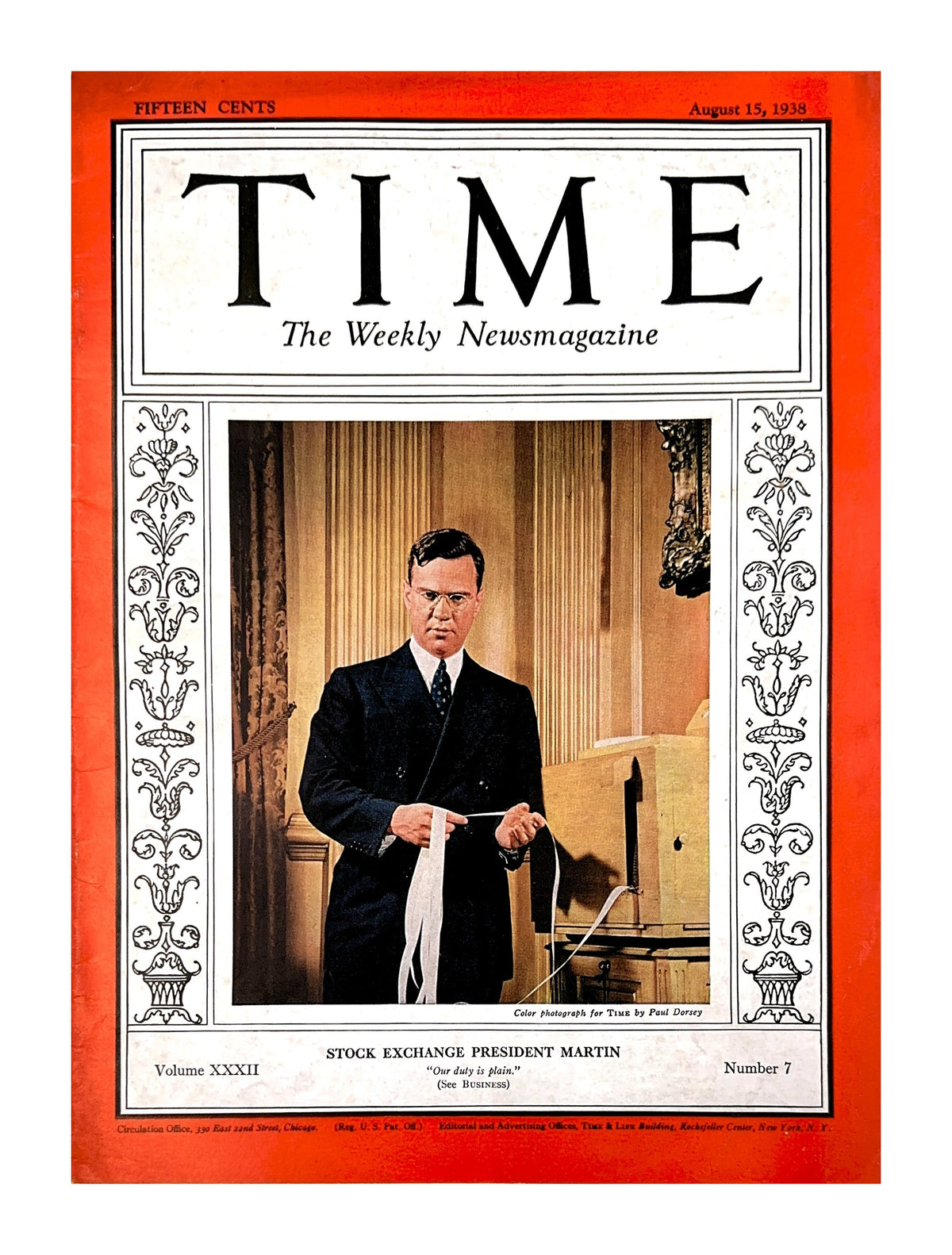
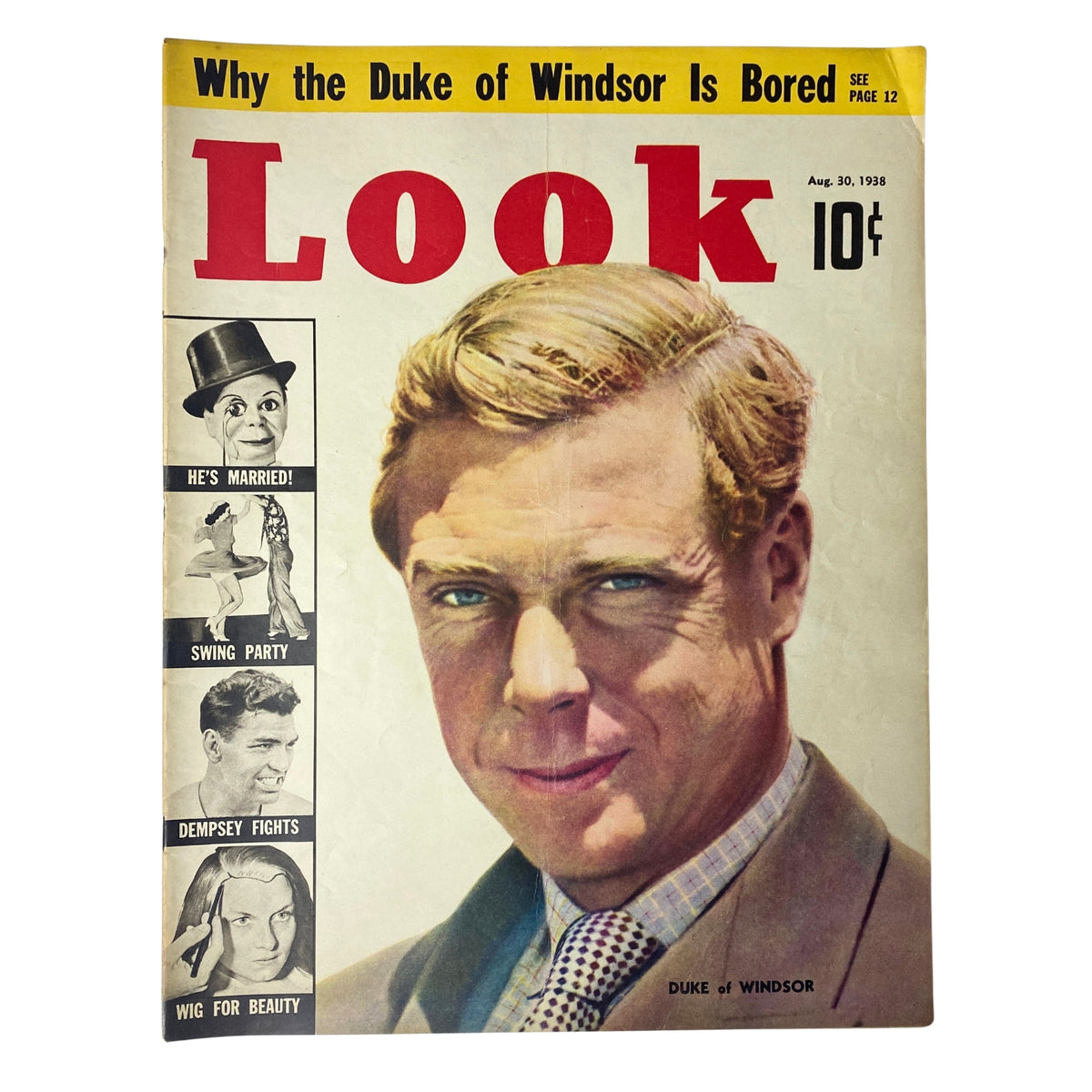
The Len Hutton Cricket Record: News and illustrated magazines including Time and Look featuring coverage of England's historic 7-903 declared innings, often illustrated with action photography from The Oval and detailed scorecards capturing this extraordinary sporting milestone.
-
Frank Capra's You Can't Take It With You: Entertainment publications and general-interest magazines such as Life and the Saturday Evening Post showcasing premiere coverage and studio portraits of James Stewart and Jean Arthur, with movie advertisement layouts that are among the most collectible of the late Depression era.
-
Henry Armstrong's Triple Crown: Boxing coverage across sports pages and illustrated weeklies chronicling Armstrong's unprecedented third consecutive world championship, offering authentic photographic records of one of the greatest athletic feats of the 20th century.
-
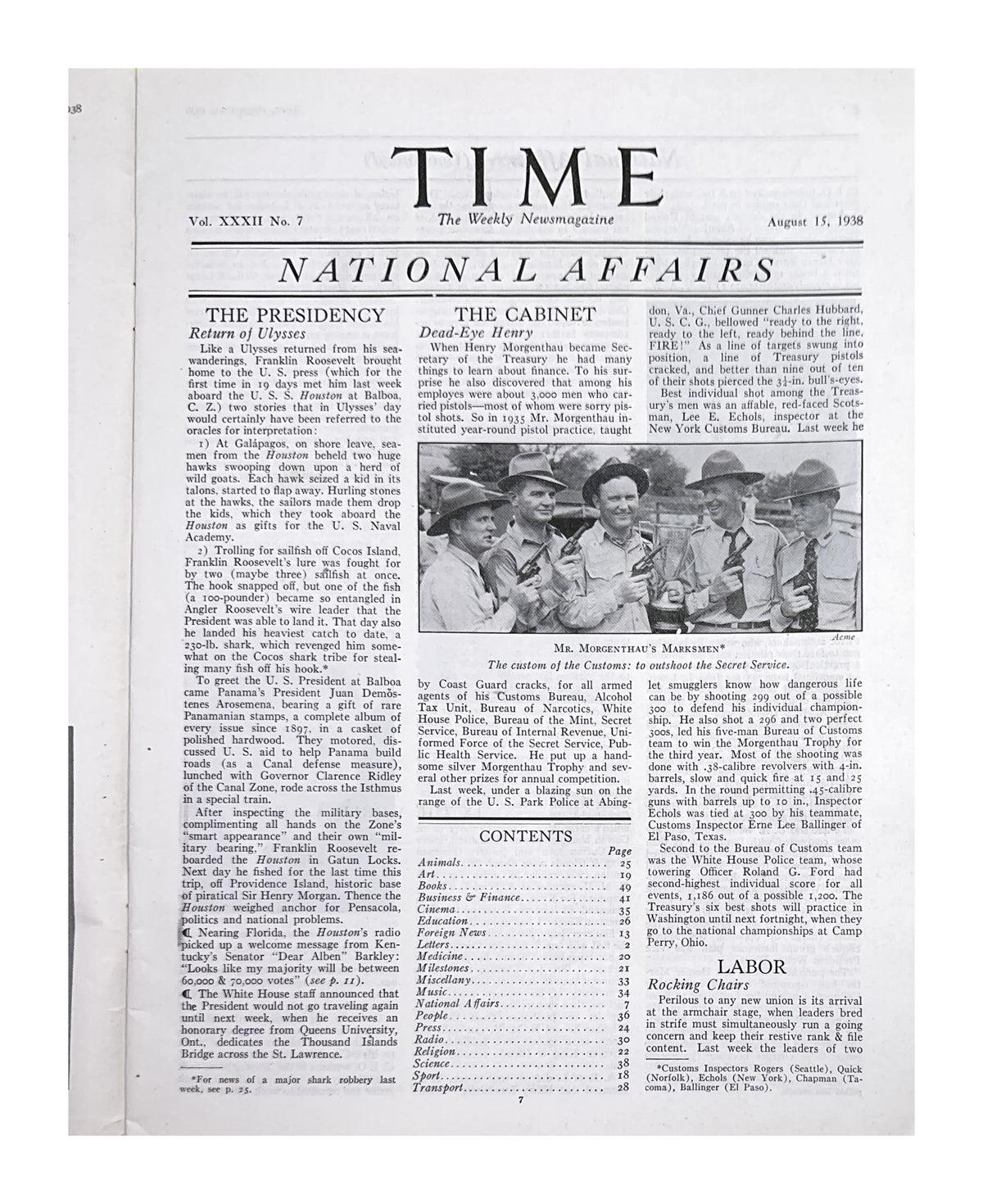
Roosevelt Dedicates the Thousand Islands Bridge: Rare magazines from this month featuring wire photographs and editorial coverage of FDR's August 18 dedication ceremony—a striking visual record of presidential pageantry and American infrastructure pride at its peak.
-
Lou Gehrig's Record Grand Slam: Vintage magazines from August 1938 preserving newspaper box scores, photographic spreads, and sports columns documenting Gehrig's 23rd and final grand slam—a bittersweet piece of history acquired particular poignance within a year.
The Perfect Gift
For someone born in August 1938, an original magazine from this luminous, complicated month isn't just a piece of paper—it's an authenticated time capsule of the exact world they arrived in, preserved in genuine period advertising, original photography, and the urgent headlines that shaped everything that came after.