📖 About this Collection
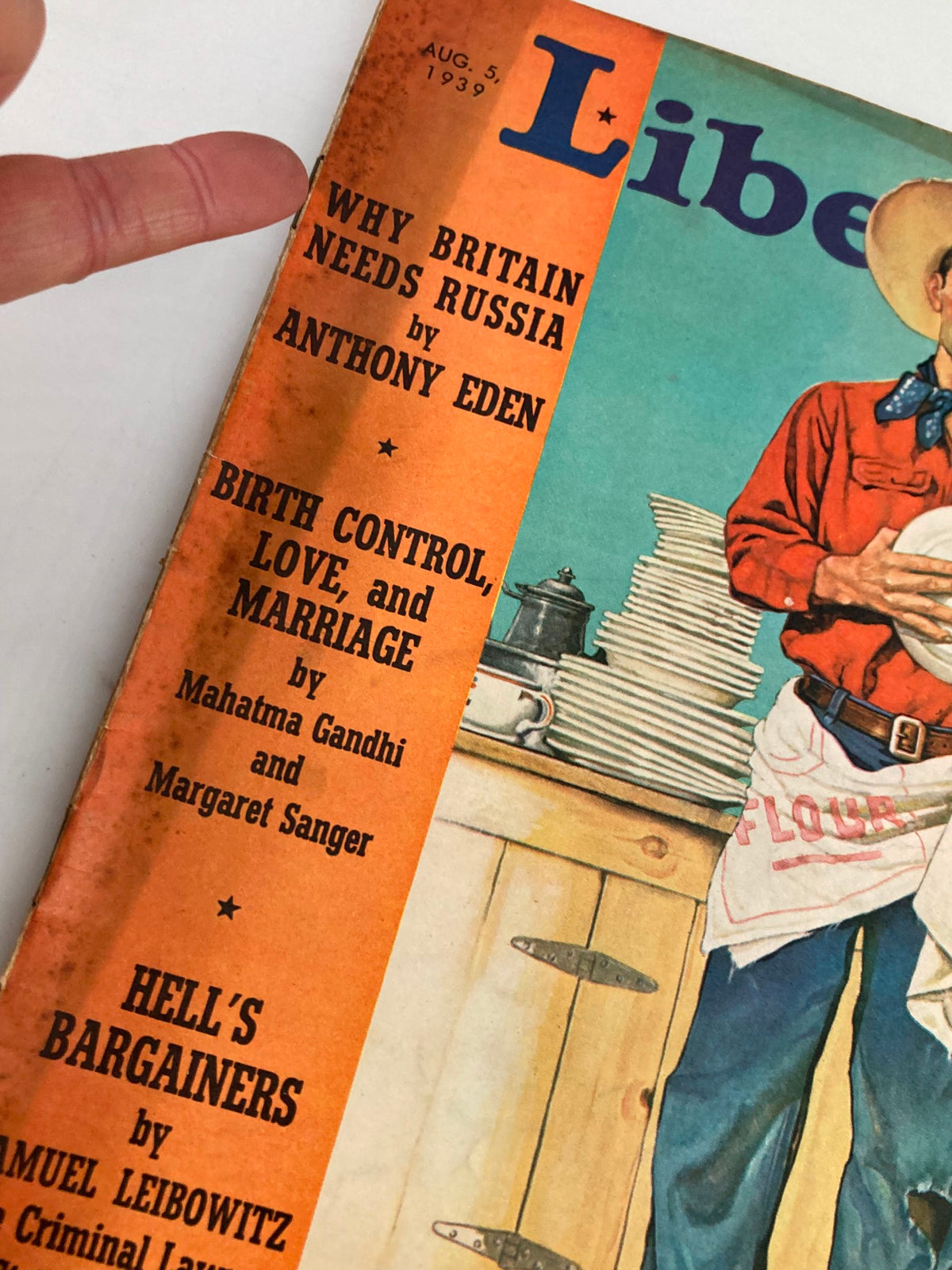
August 1939: Europe on the Edge of Everything
The Historical Context
The summer of 1939 crackled with a dread that ordinary people could feel but not yet name. In the final days of August, the world lurched toward catastrophe as Nazi Germany and the Soviet Union signed the Molotov-Ribbentrop Pact—a non-aggression agreement that secretly carved Poland between two dictators and made world war not merely possible, but inevitable. The ink had barely dried when SS agents staged a false flag attack on a German radio station, handing Hitler his manufactured pretext. Journalist Clare Hollingworth watched from the Polish border as hundreds of tanks and field guns massed in the darkness. Three days later, they rolled.
Yet Washington, too, was stirring. Albert Einstein dispatched a letter of staggering consequence to President Franklin D. Roosevelt, warning that nuclear fission could yield "extremely powerful bombs"—a quiet correspondence that would reshape history a continent away. This was the world your loved one was born into: suspended between the last breath of peace and the first thunder of the most devastating conflict humanity had ever known.
Culture and Daily Life in August 1939
Even as Europe mobilized, Americans found reasons to gather and marvel. The most enchanting was a yellow brick road. The Wizard of Oz premiered at Grauman's Chinese Theatre on August 15th, and within days Judy Garland's voice was drifting out of every radio and cinema lobby in the country. Harold Arlen and Yip Harburg's songs felt like something conjured, not written. On the sporting front, the New York Yankees delivered a thunderous 21–0 shutout of the Athletics, and on August 14th, Chicago made history with its first-ever night game at Comiskey Park. The National Broadcasting Company debuted The Dinah Shore Show on NBC Radio, launching one of the most enduring entertainment careers of the century.
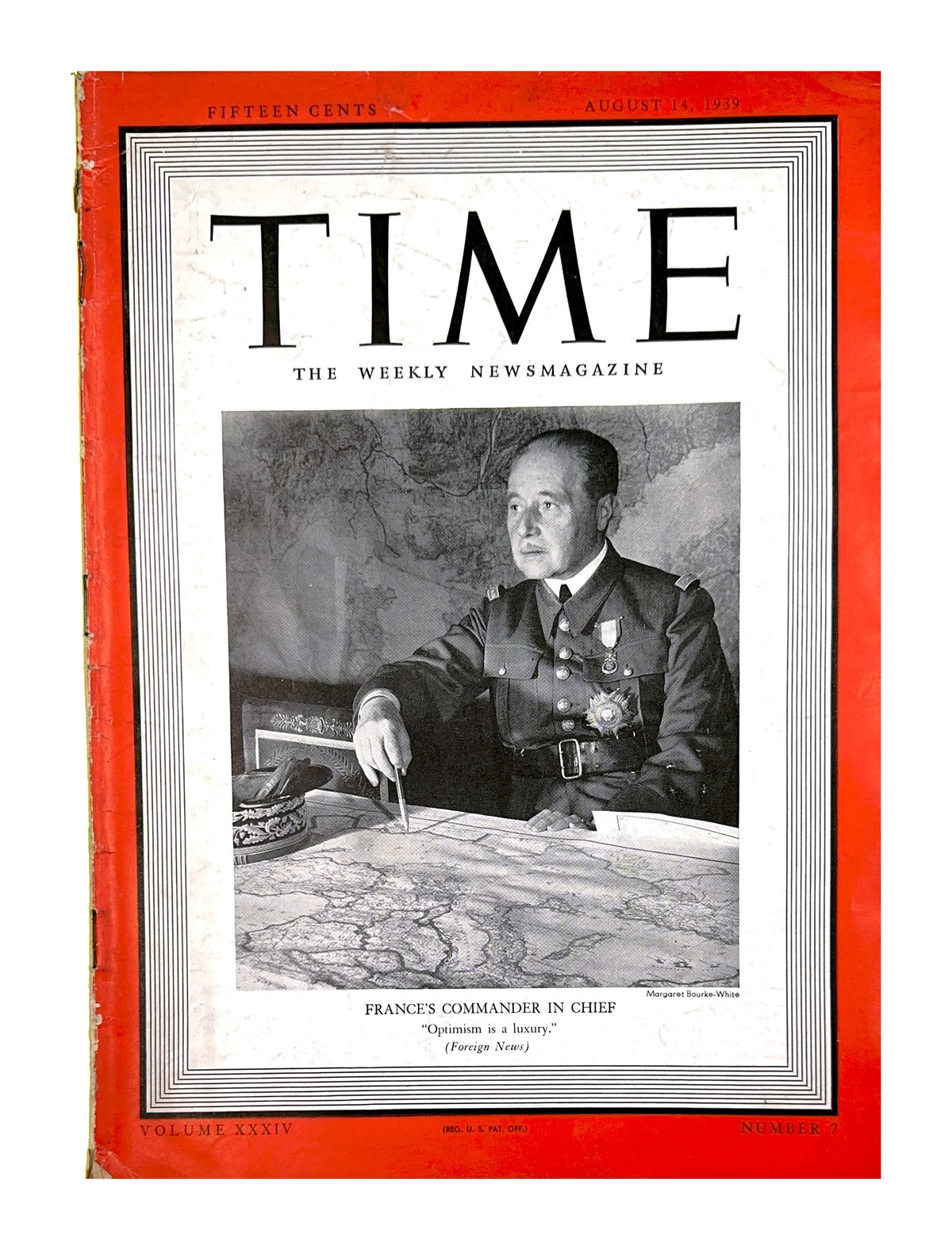
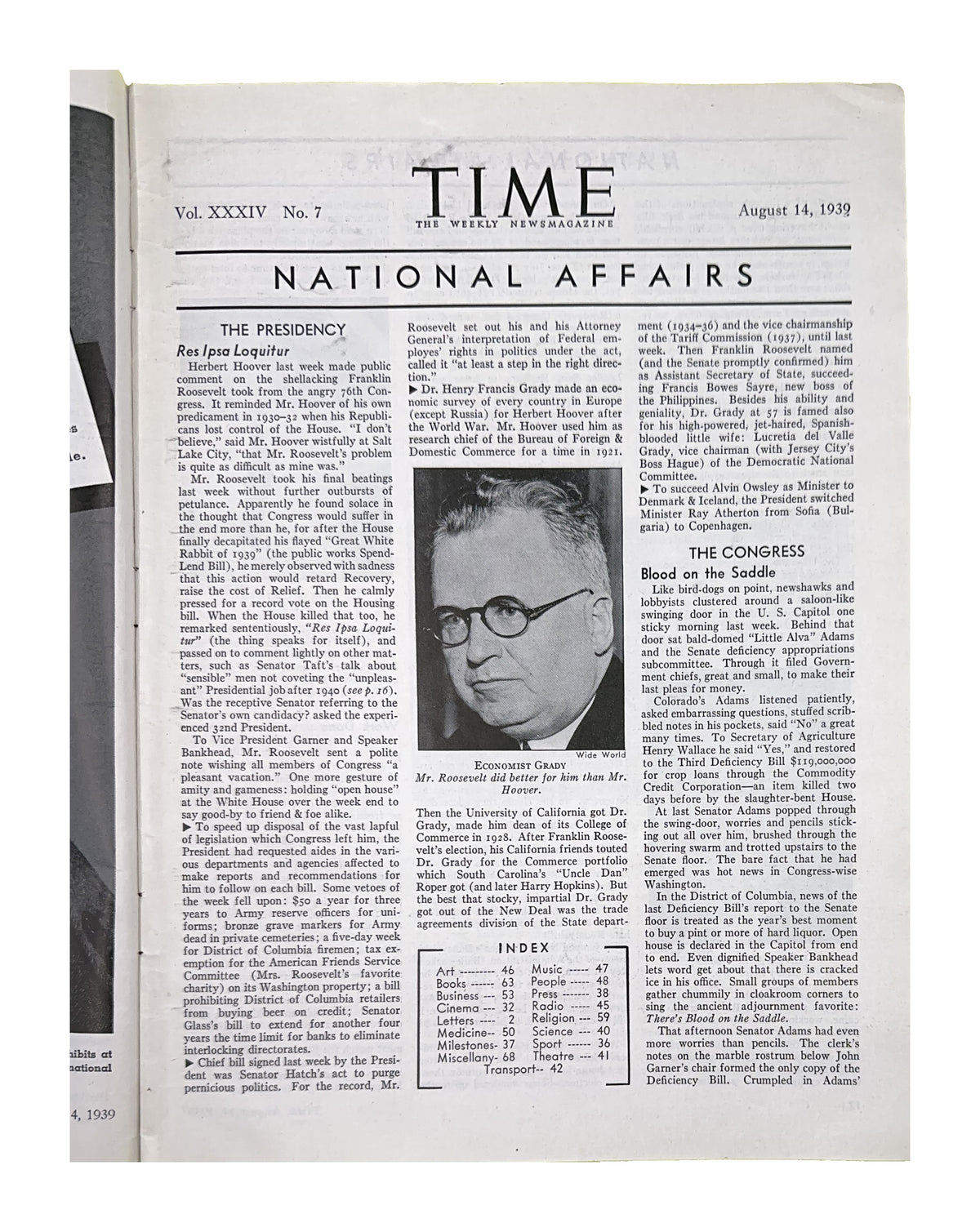
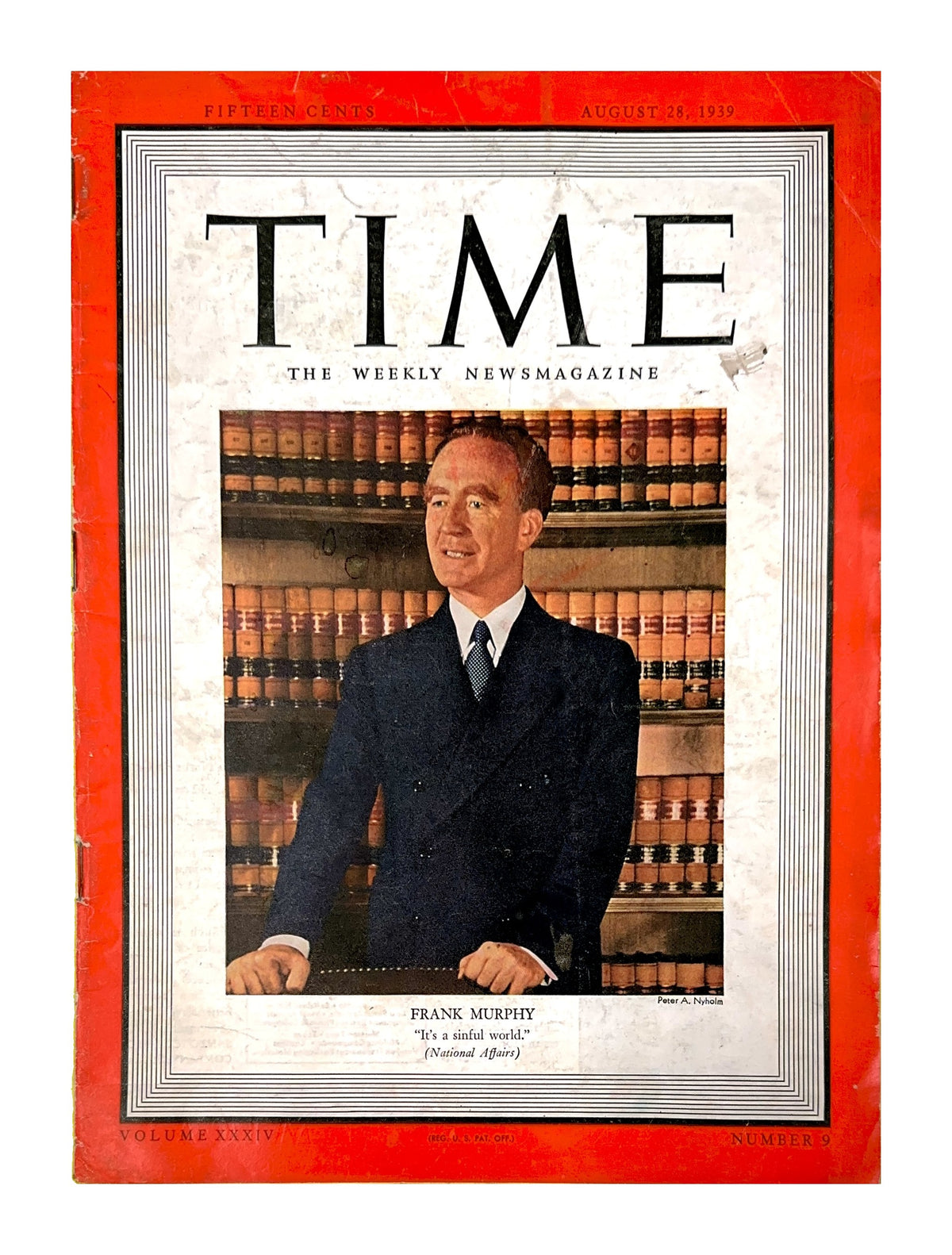
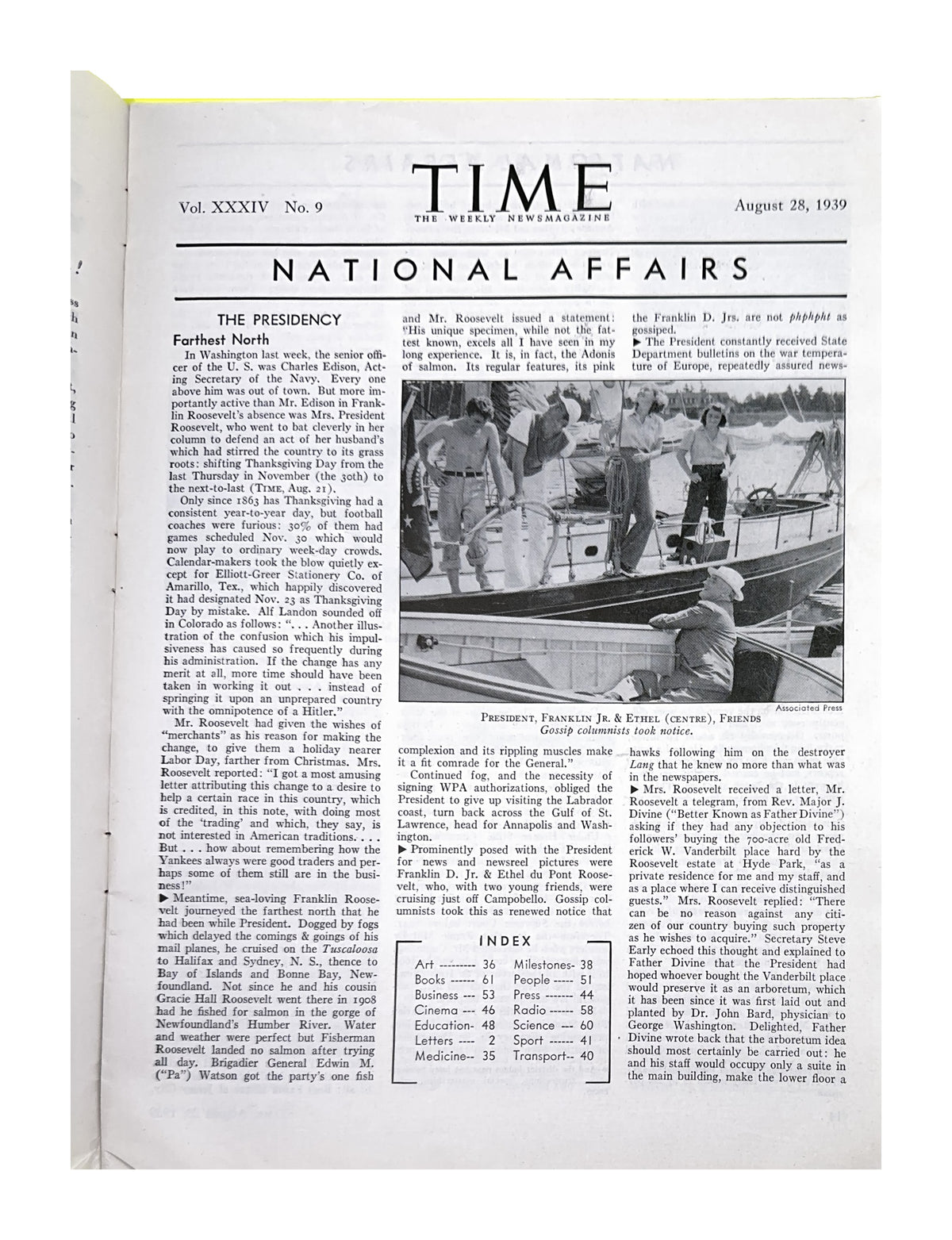
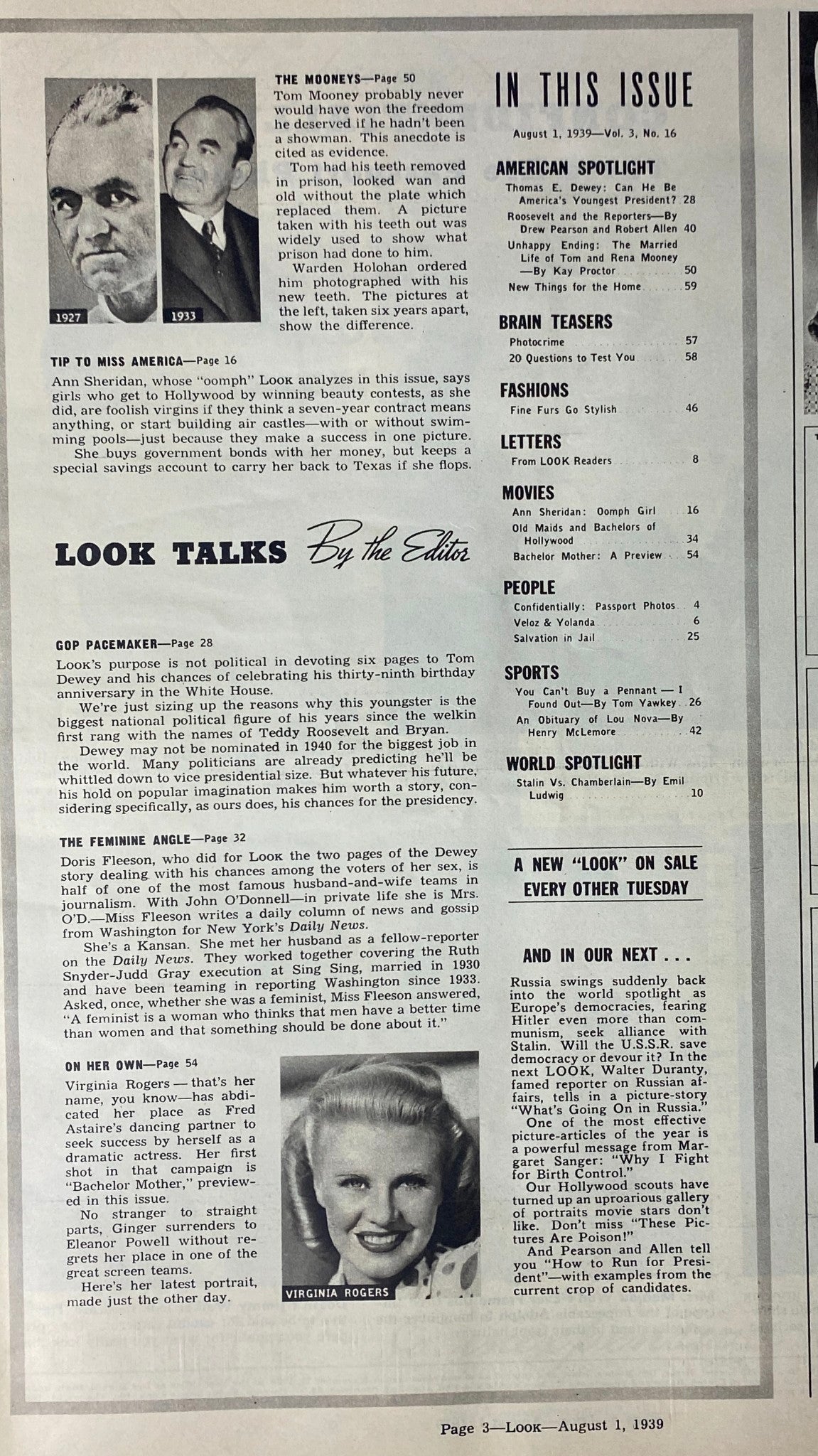
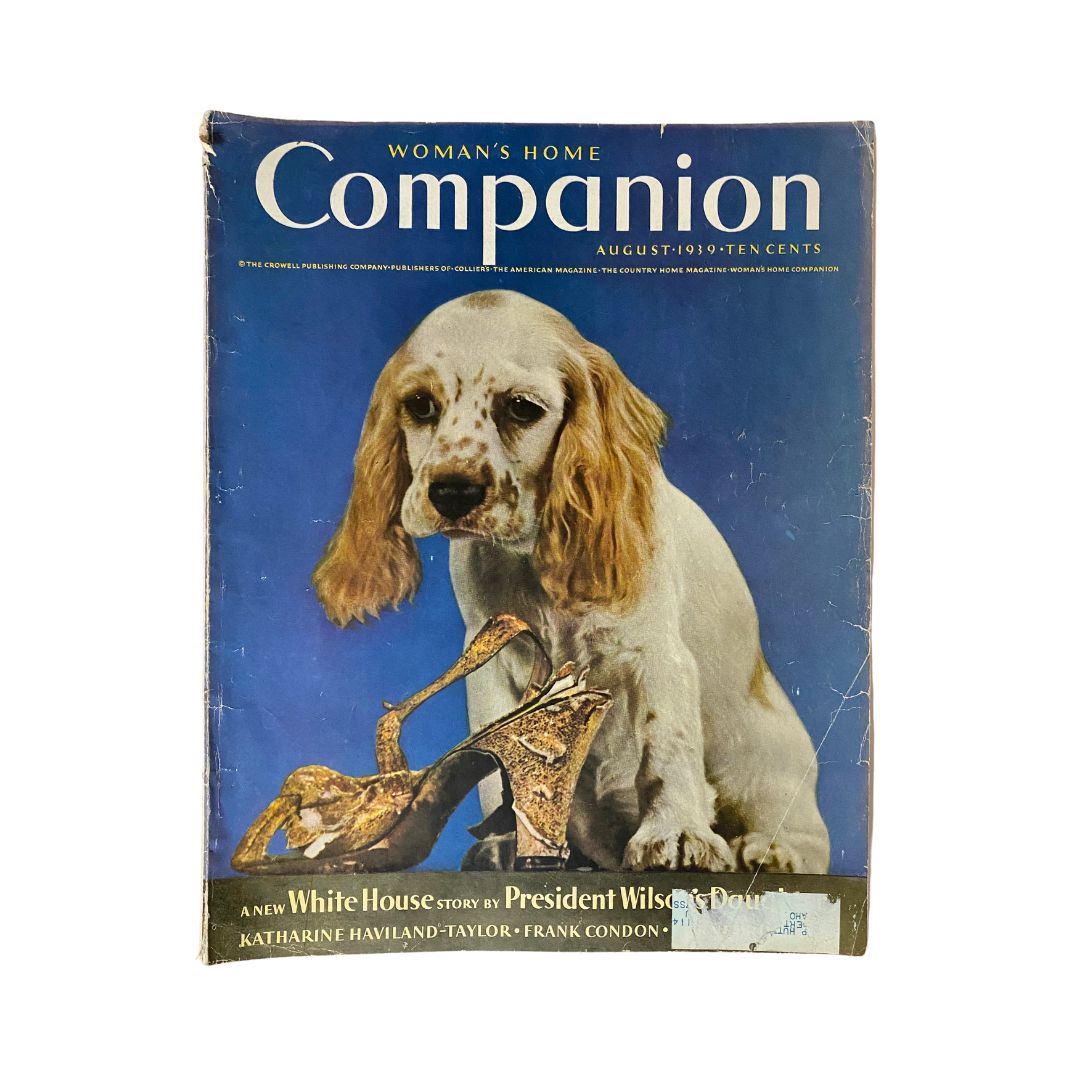
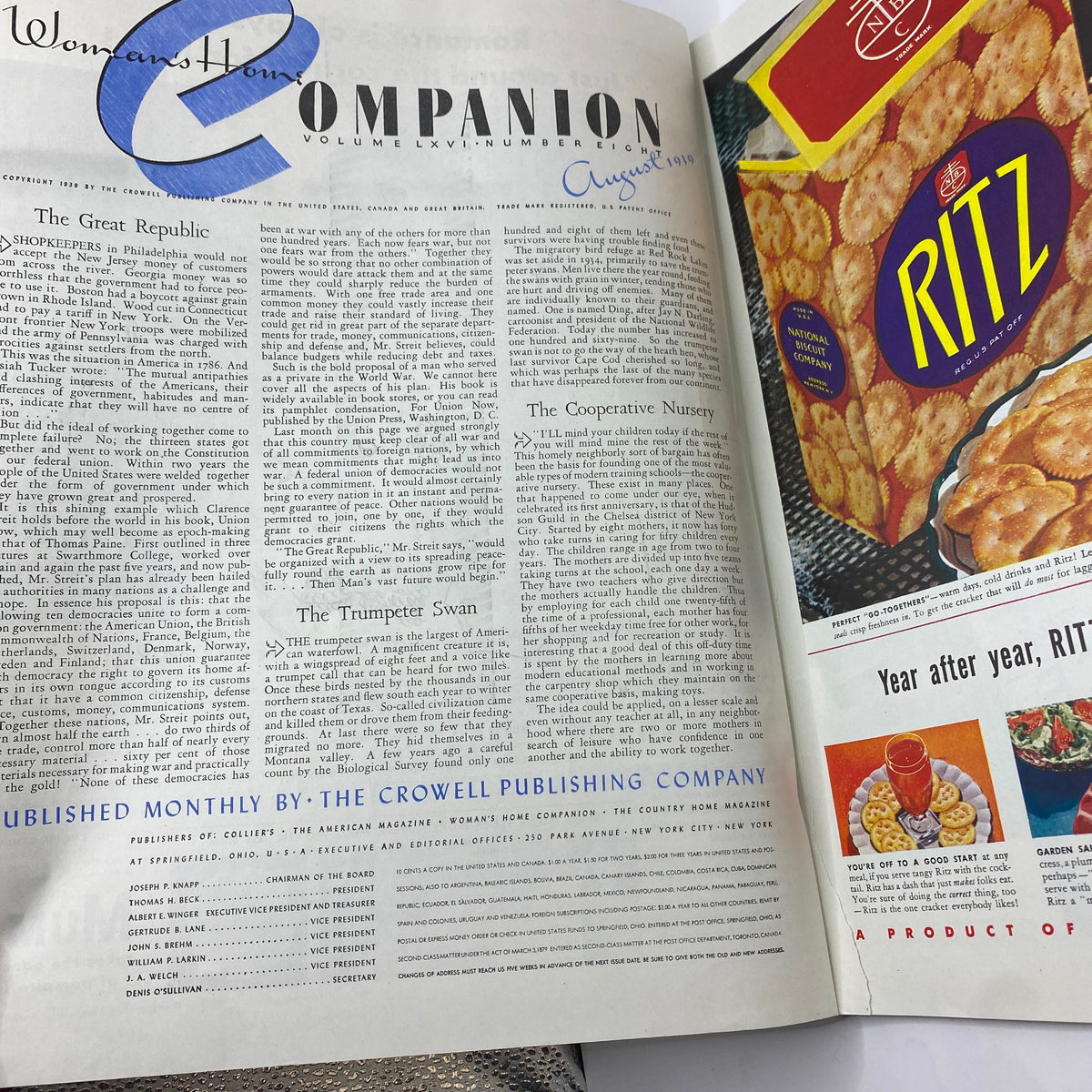
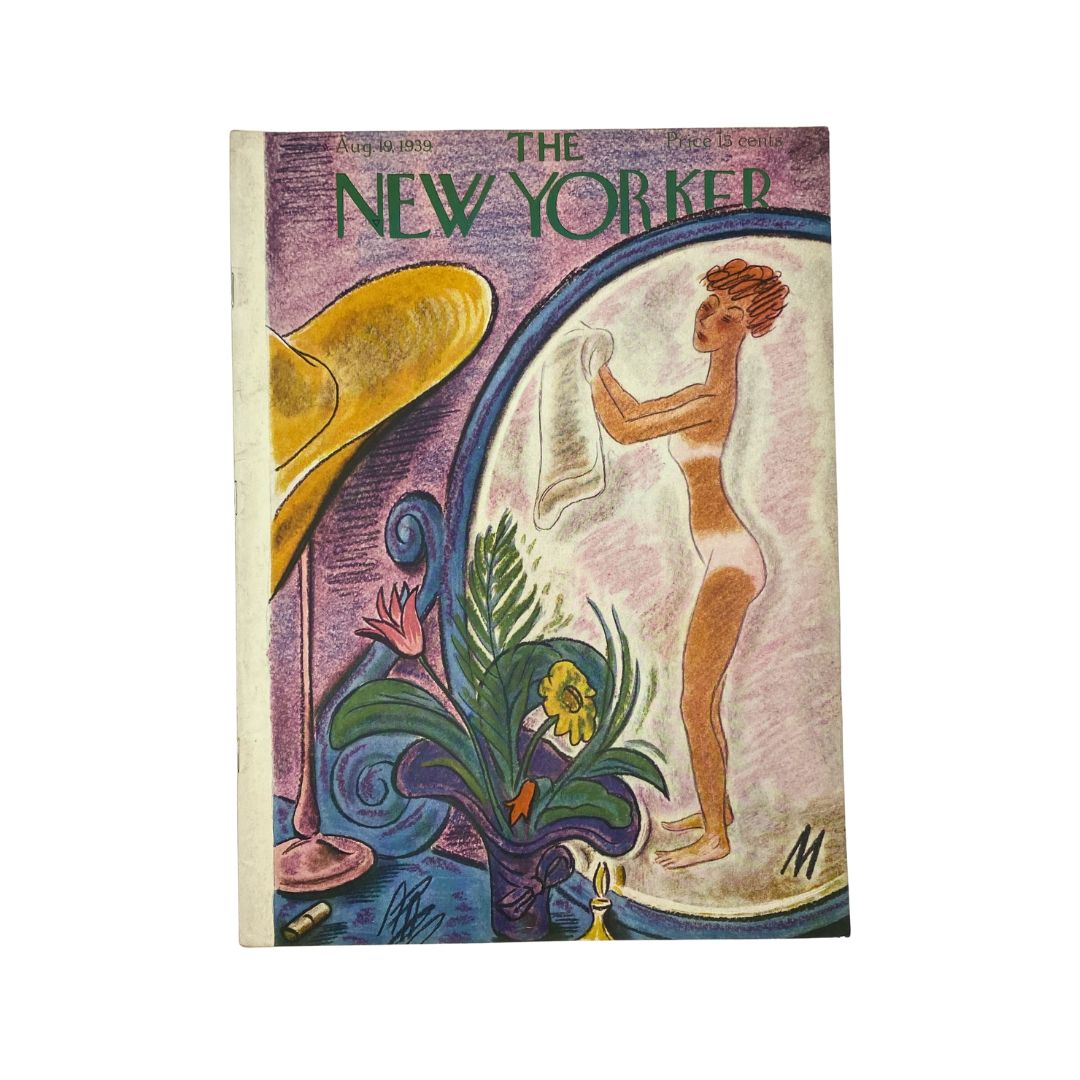
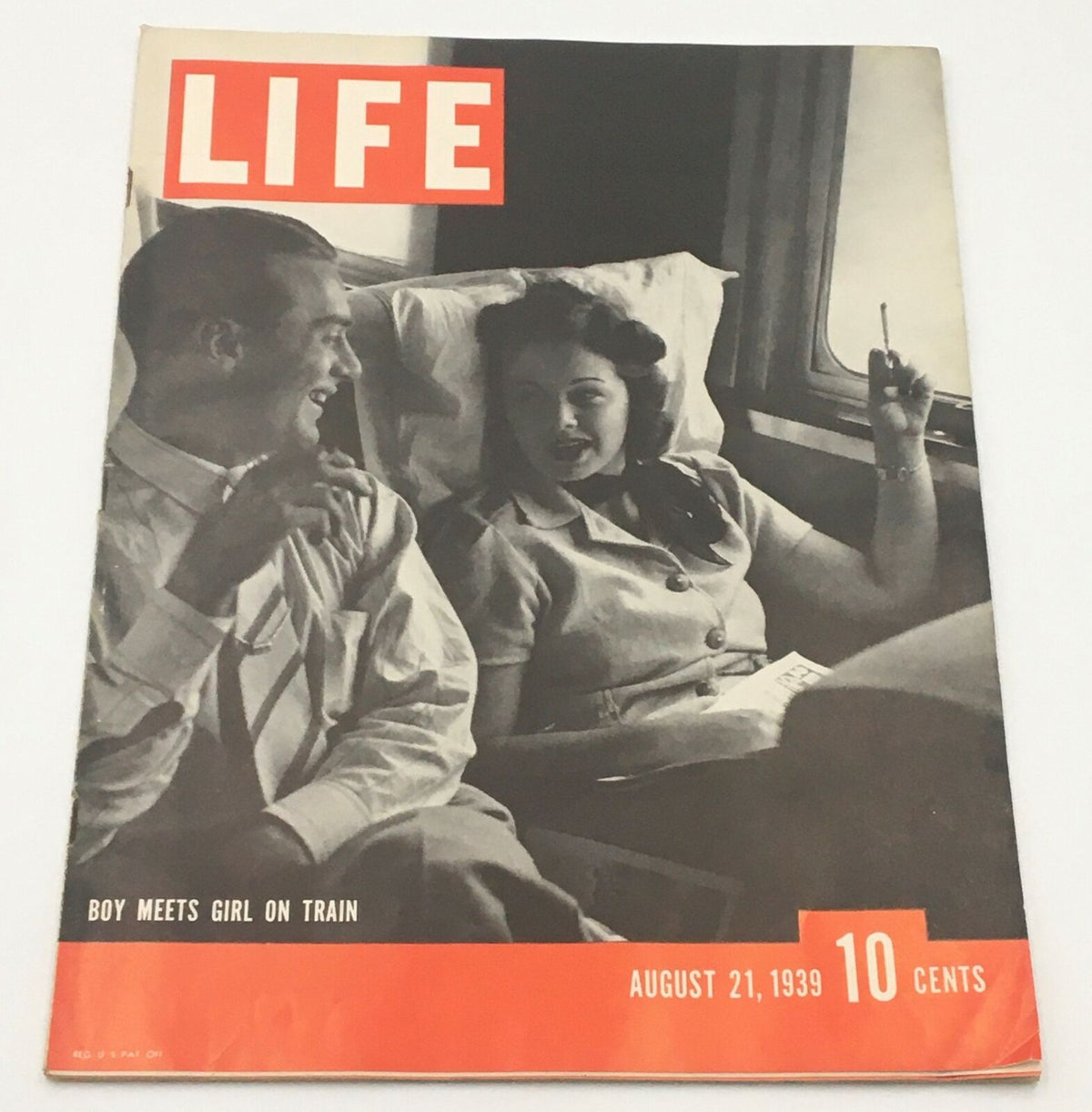
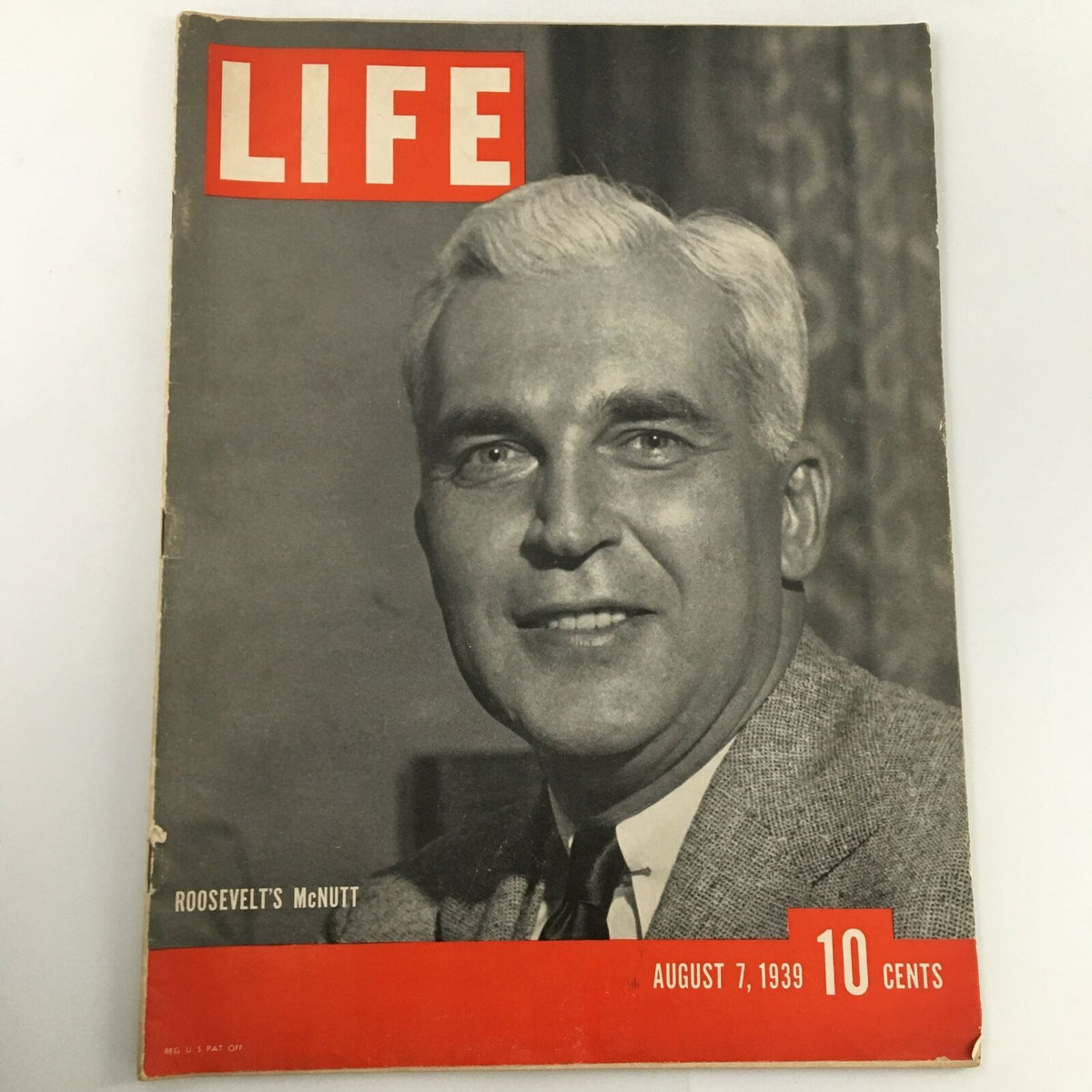
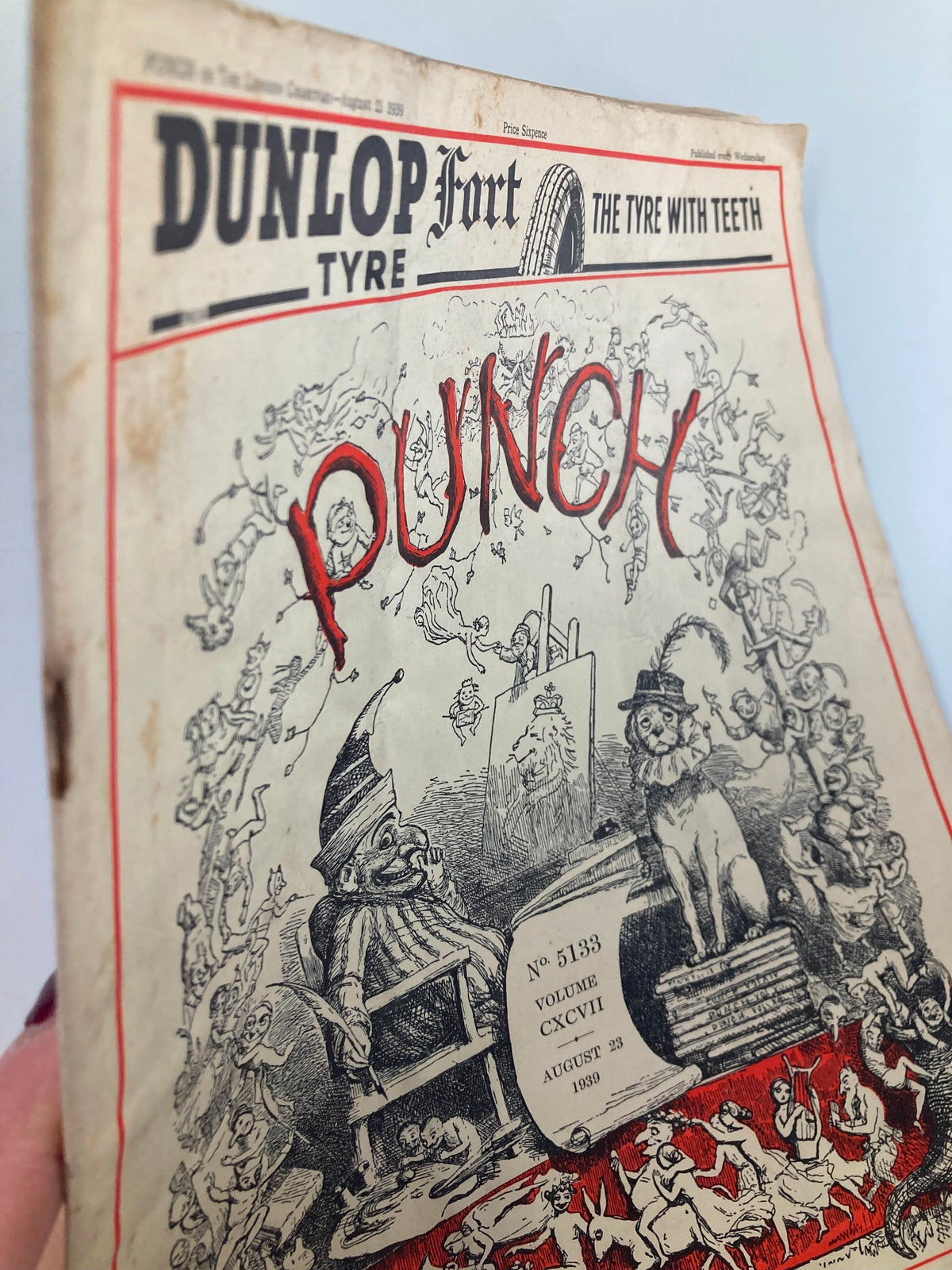
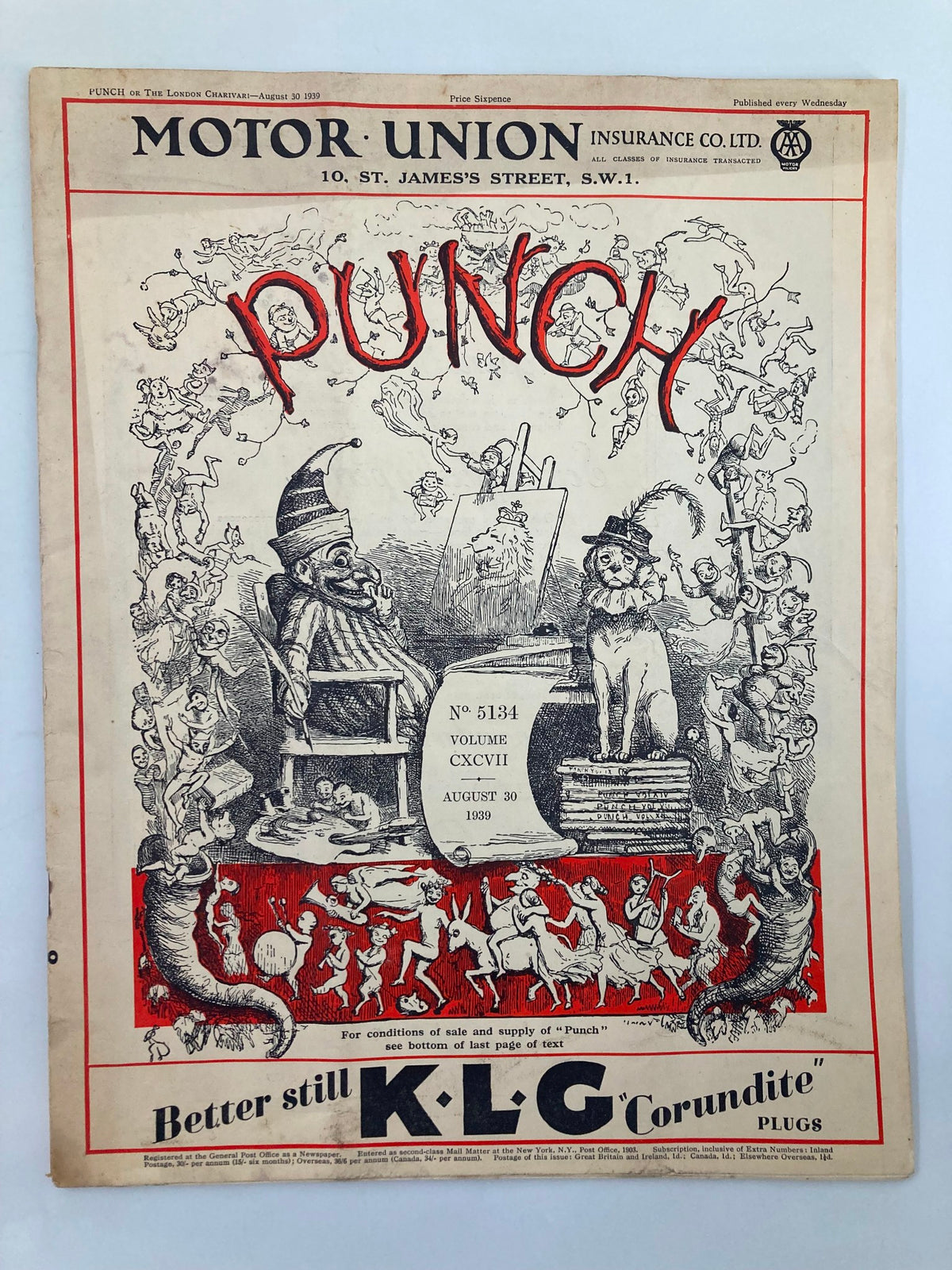
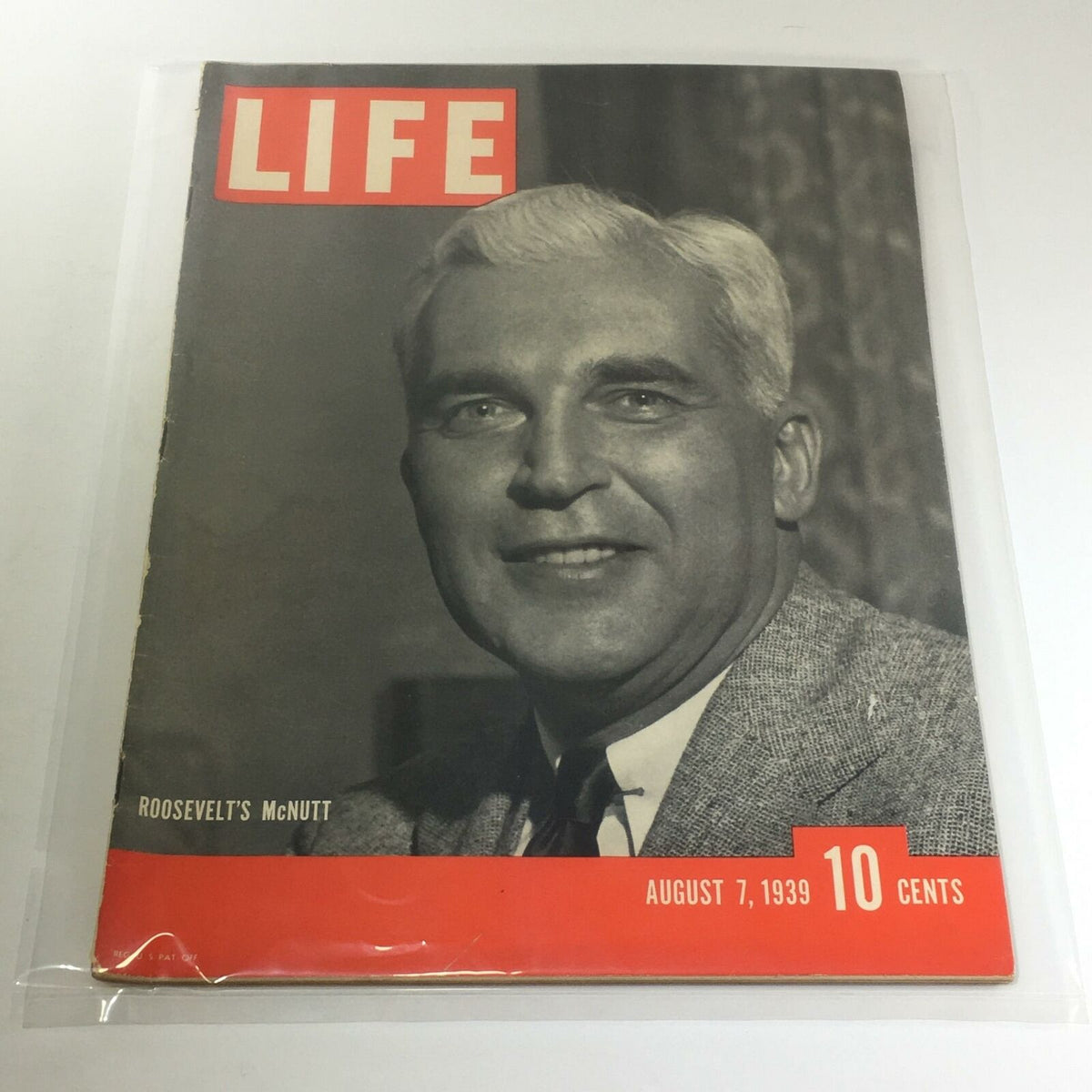
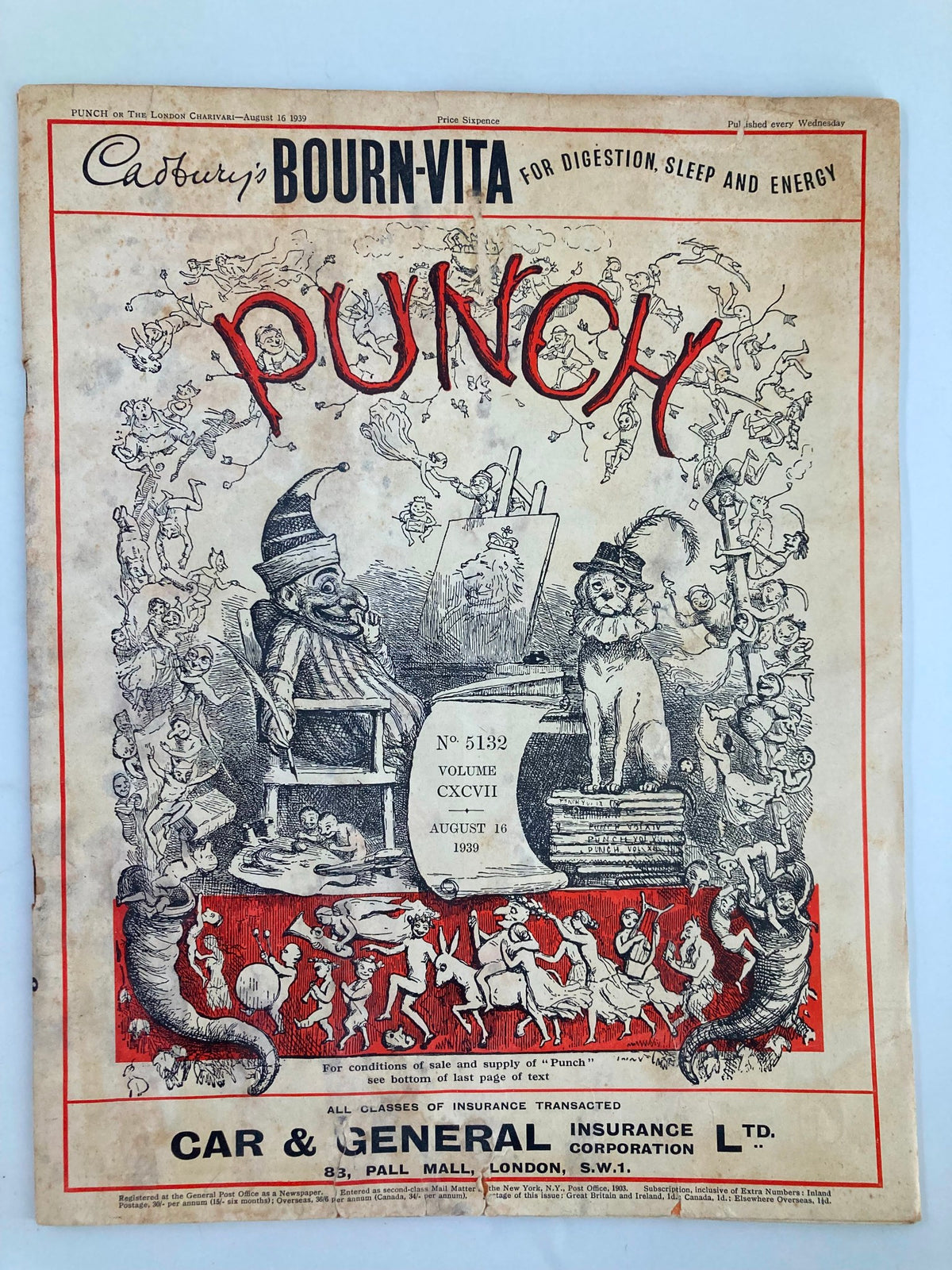
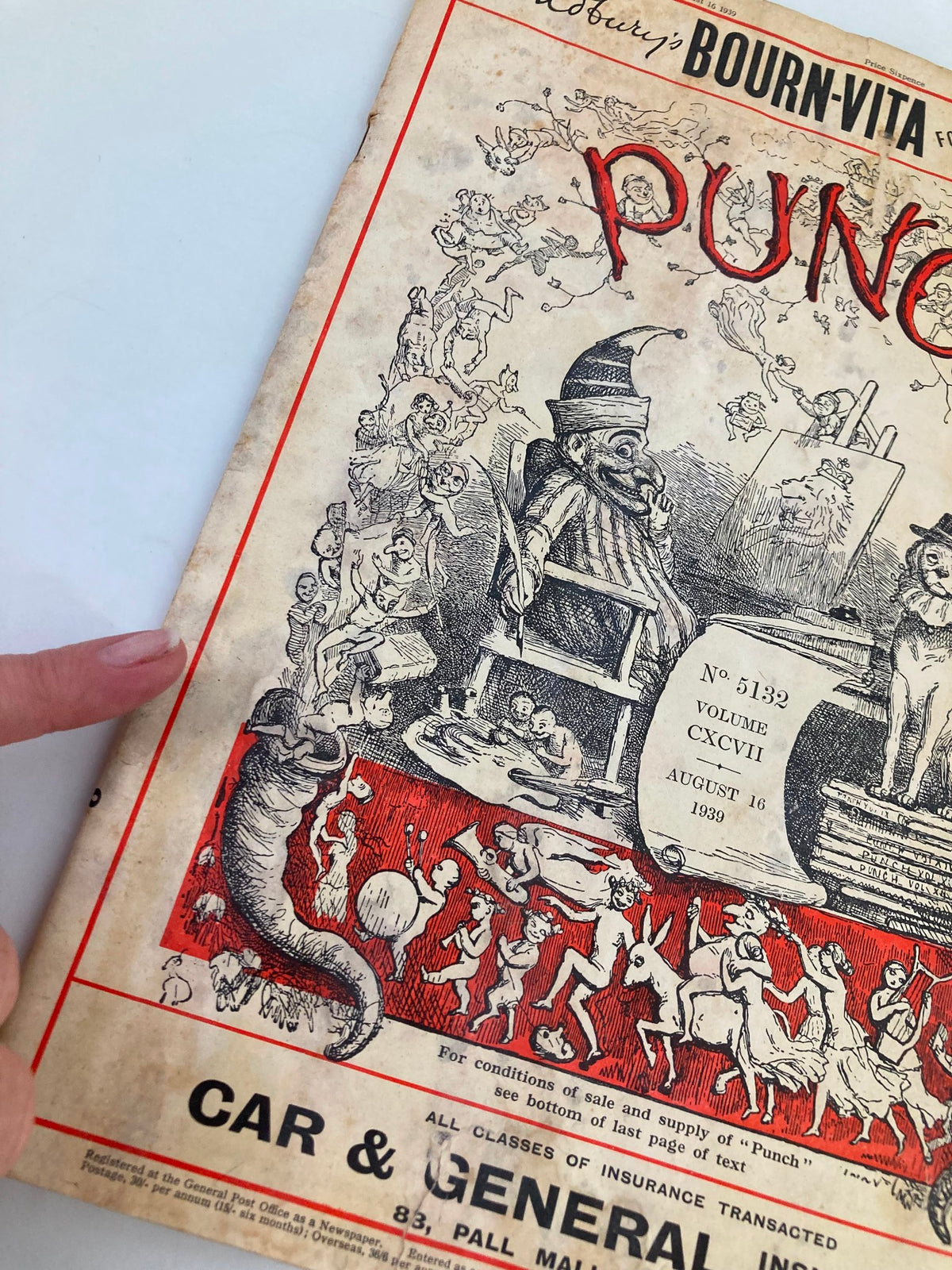
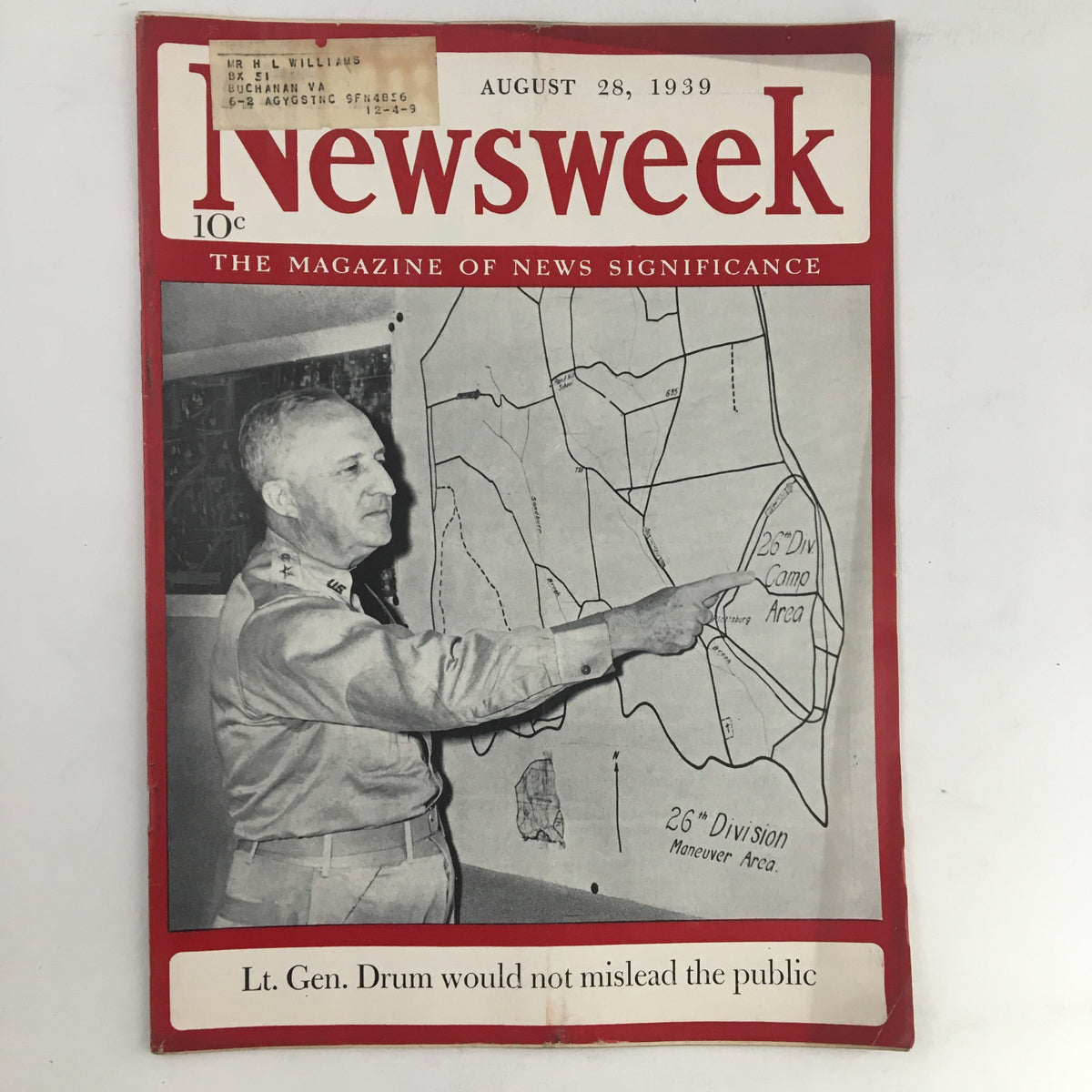
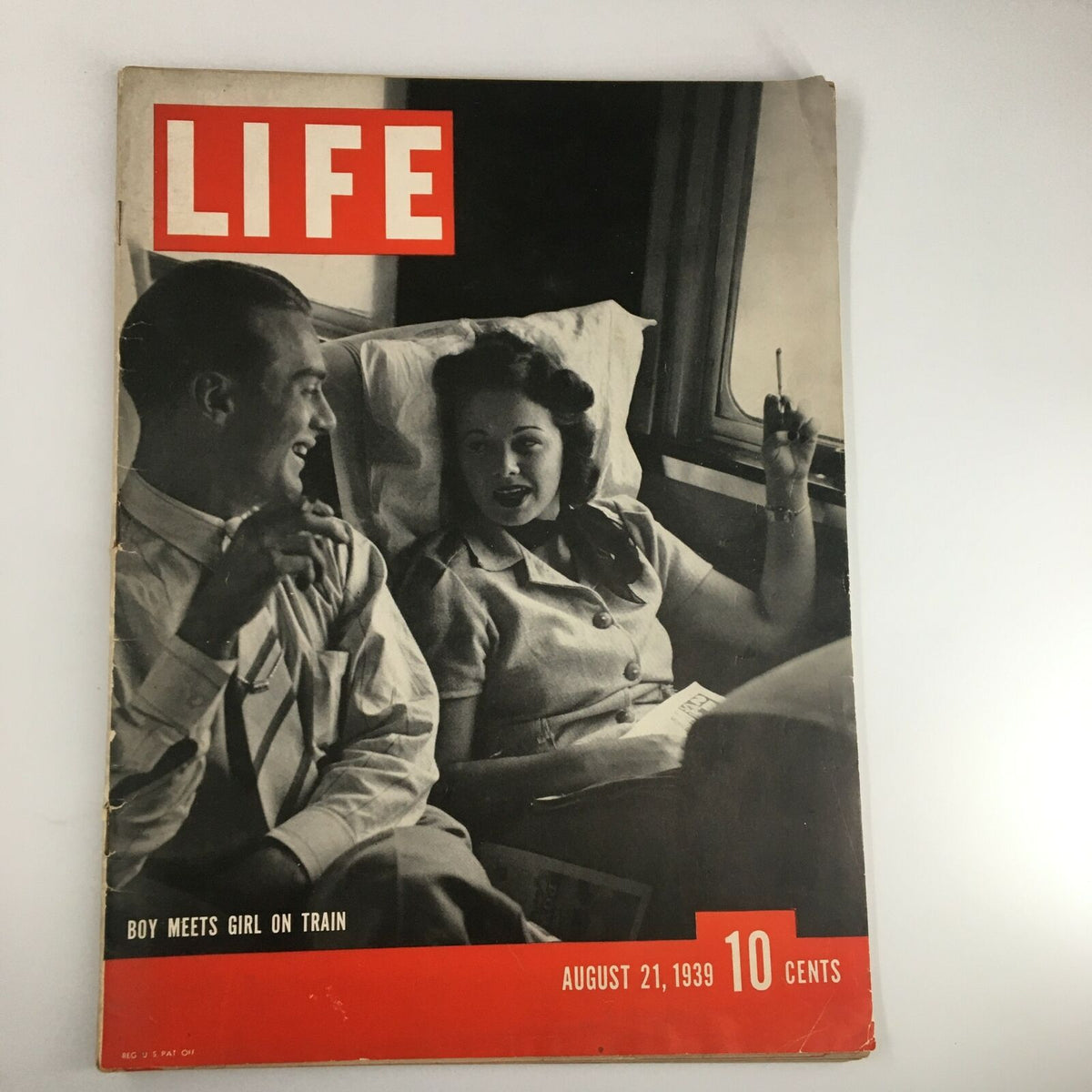
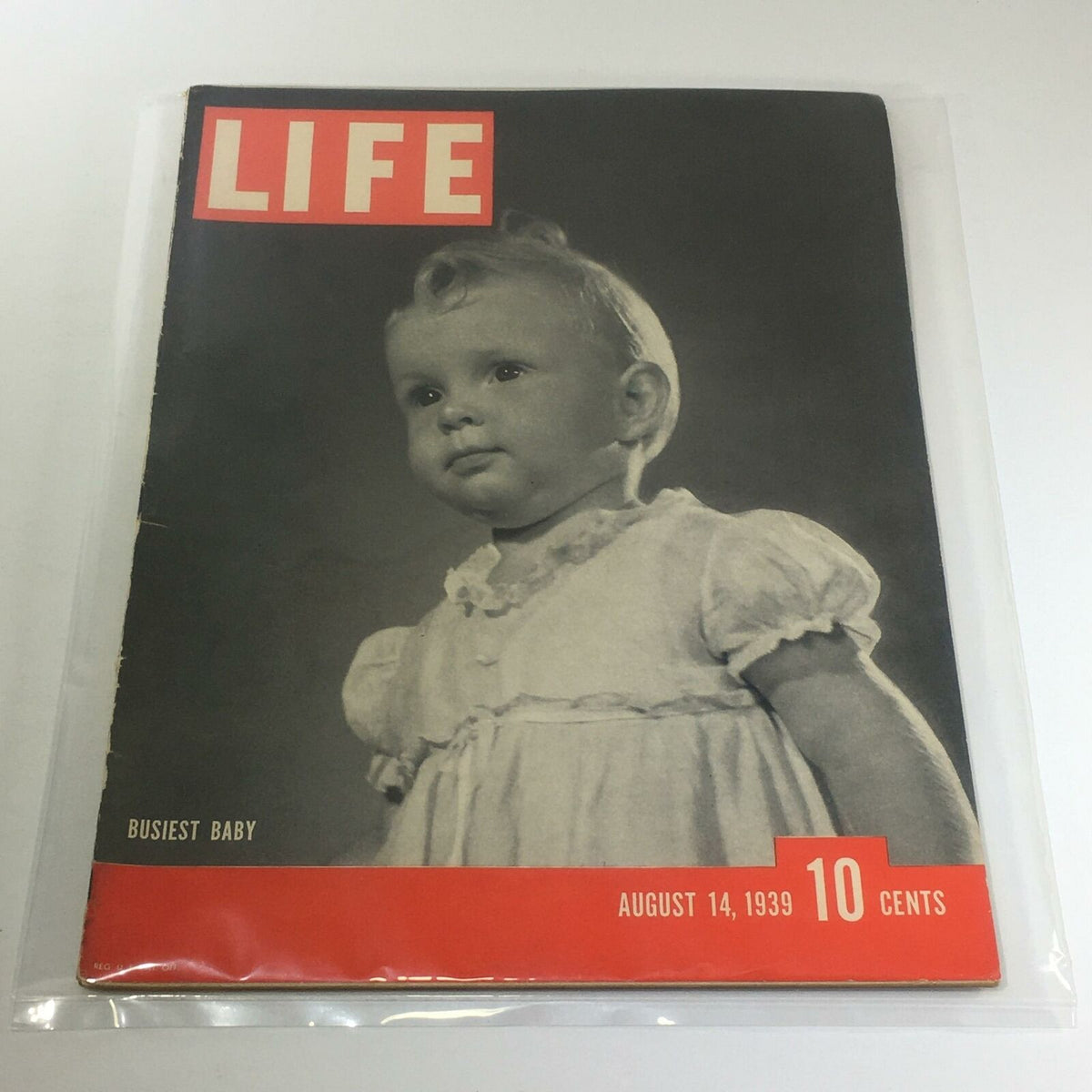
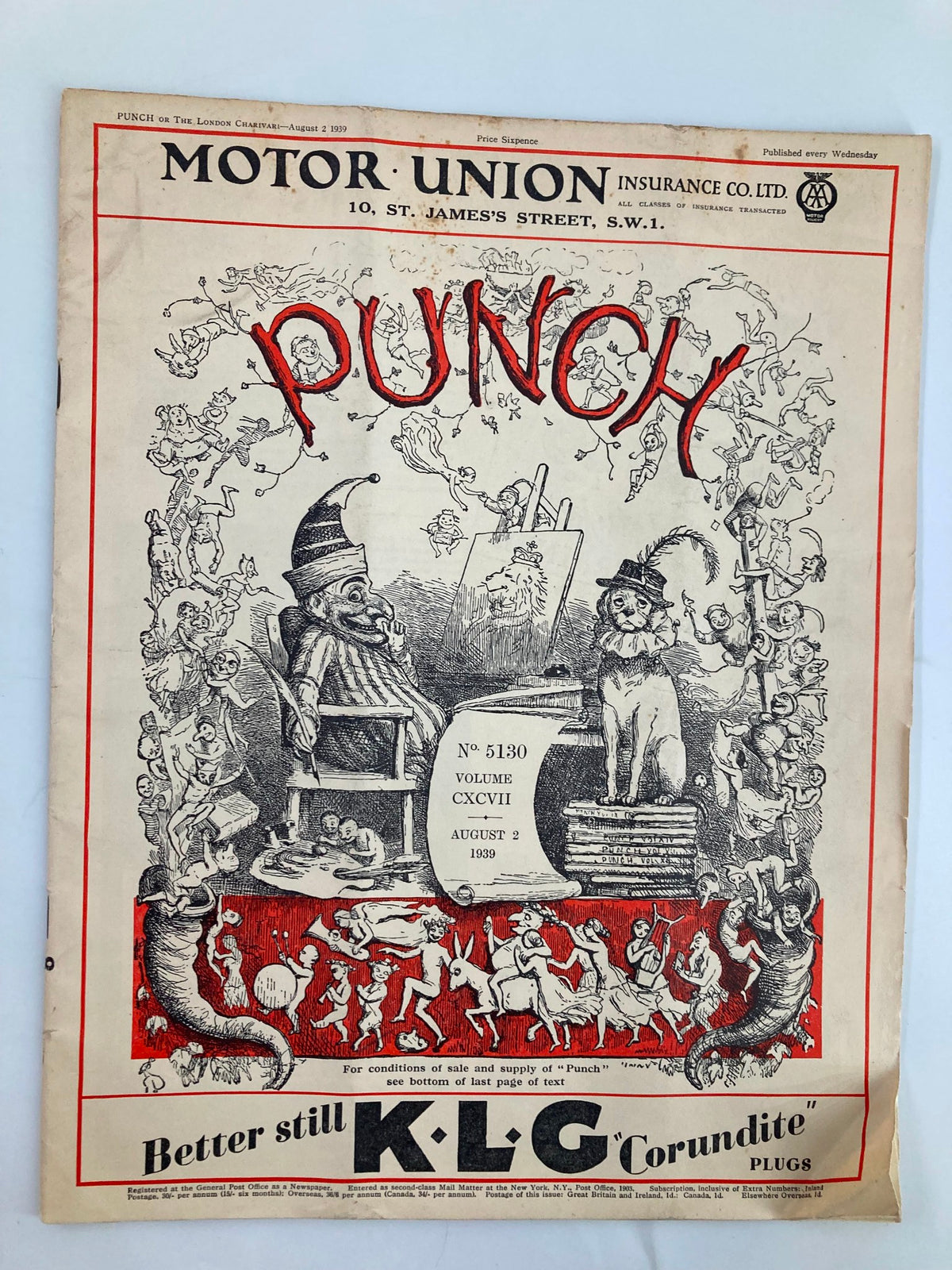
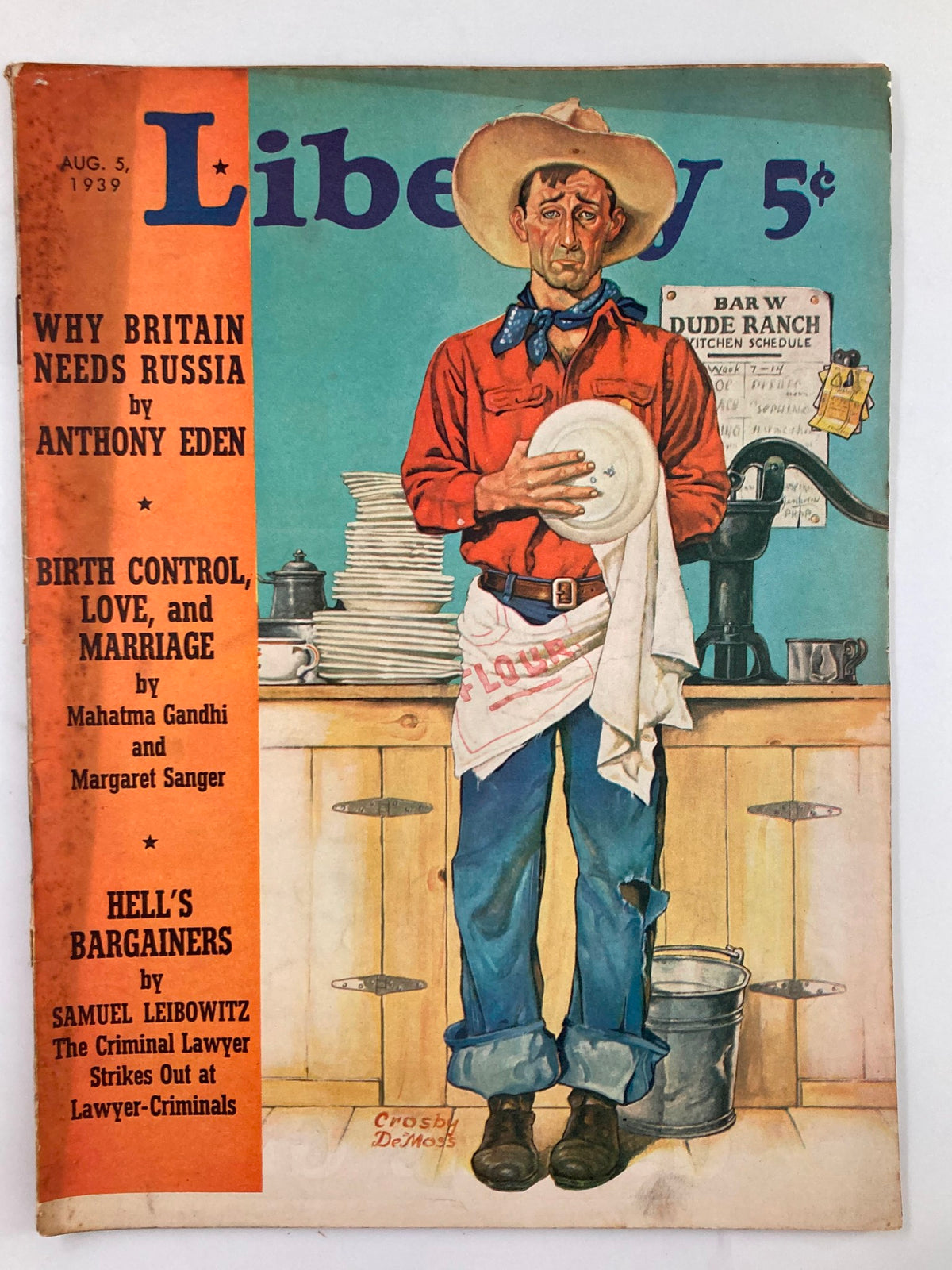
Original magazines from August 1939 capture this breathtaking collision of wonder and foreboding. Life and Look balanced dispatches from the European front with glamorous spreads on Hollywood's newest fantasy film. Time and Newsweek ran anxious analyses of the Nazi-Soviet pact, while Variety trumpeted the Oz premiere with characteristic showbiz enthusiasm. These rare magazines hold a world paused at its most consequential crossroads.
Curator's Checklist: What to Look For
-
The Molotov-Ribbentrop Pact: Time, Life, and Newsweek from late August 1939 featuring urgent front-page coverage of the Nazi-Soviet agreement, often illustrated with photographs of Ribbentrop in Moscow and maps of a divided Poland—among the most historically significant news pages of the 20th century.
-
Einstein's Letter to Roosevelt: Look for Popular Mechanics and science-adjacent publications from this month that had begun covering nuclear fission research; the letter itself was classified, but the genuine anxiety about atomic possibility permeates science journalism of this era.
-
The Wizard of Oz Premiere: Variety, Life, and entertainment supplements featuring Judy Garland and the full Oz cast, with authentic studio photography and original film advertising that no modern reproduction can replicate—vintage magazines from this week are among the most sought-after by collectors.
-
Night Baseball at Comiskey Park: Sports Illustrated wouldn't launch until 1954, but The Saturday Evening Post and regional sports sections chronicled this milestone with vivid photography of the floodlit field, capturing a transformation in how Americans experienced America's pastime.
-
Howard Hughes and the Congressional Gold Medal: Life and Look ran illustrated profiles of the millionaire aviator following his Congressional honor, showcasing the period's distinctive photojournalism style and the full-page advertisements for automobiles and consumer goods that make these a genuine time capsule of the era.
The Perfect Gift
For someone born in August 1939, an original magazine from this pivotal month isn't just a piece of paper—it's an authenticated portal to the last summer before the world changed forever, preserved in the genuine headlines, photographs, and advertisements of the exact days that shaped their world.