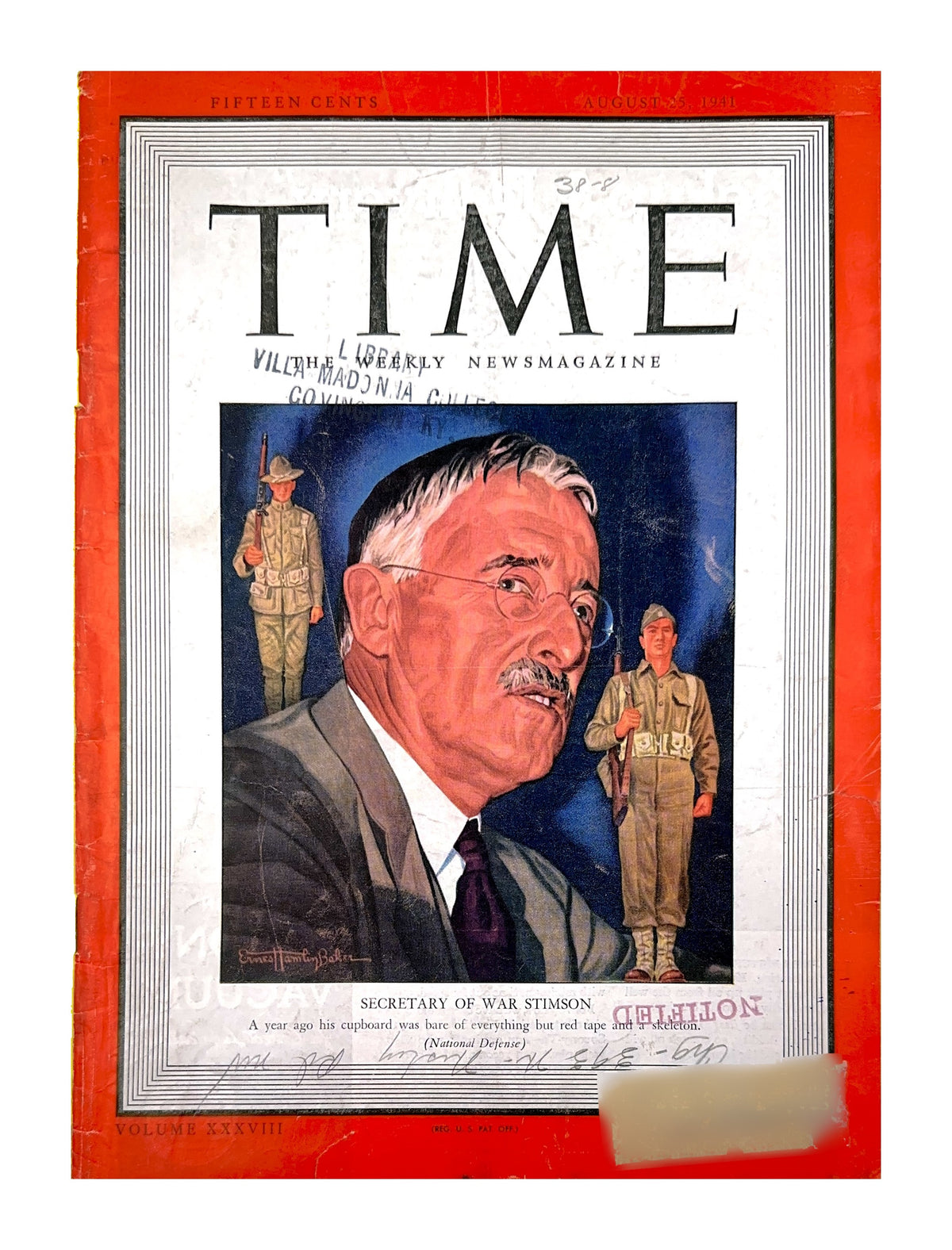
📖 About this Collection
August 1941: The World at War's Darkest Summer
The Historical Context
August 1941 arrived with the world holding its breath. The German war machine was carving through the Soviet Union with terrifying momentum—Nazi troops encircling twenty Soviet divisions at Uman, advancing on Smolensk, and pushing toward the gates of Leningrad itself. The scope of Operation Barbarossa was becoming impossible to ignore, and newsrooms on both sides of the Atlantic scrambled to make sense of a conflict growing larger by the hour.
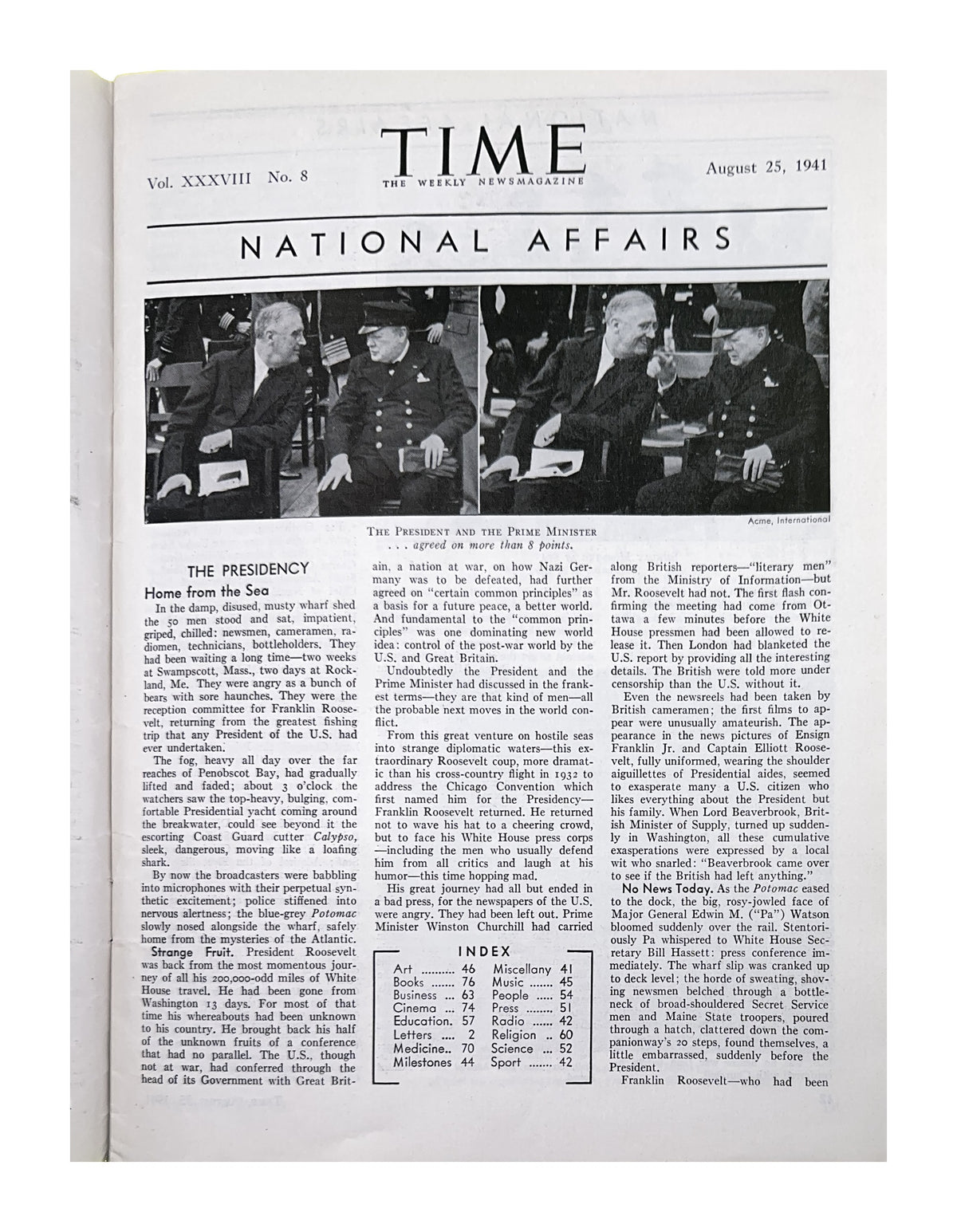
Yet amid the darkness, a flicker of hope emerged from the North Atlantic. On August 9th, Winston Churchill sailed into Placentia Bay, Newfoundland, for a secret rendezvous with Franklin D. Roosevelt. Five days later, the two leaders issued a joint declaration that would echo through history: the Atlantic Charter, laying out a vision for the postwar world before the war had even turned. It was an act of extraordinary defiance and foresight. Meanwhile, in the Middle East, British and Soviet forces jointly occupied pro-German Iran on August 25th, forcing Shah Reza Pahlavi to abdicate in favor of his son. This was the world your loved one entered—electric with tension, reshaping itself by the week.
America at the Newsstand
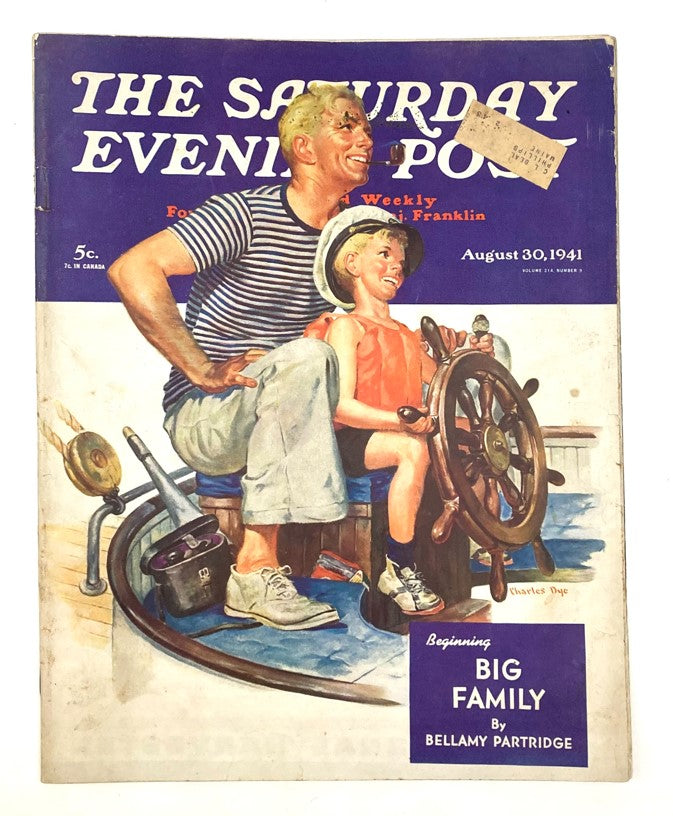
Even as war dominated every front page, American life pressed forward with a stubborn vitality that original magazines from August 1941 capture in extraordinary detail. Baseball commanded national attention that summer. Joe DiMaggio's extraordinary 74-game on-base streak came to an end on August 3rd, and the sports pages grieved as if something irreplaceable had slipped away. On the same newsstands, readers were also buzzing about the debut of The Great Gildersleeve on NBC radio—the first spin-off in broadcast history, premiering August 31st—signaling a new era in American entertainment.
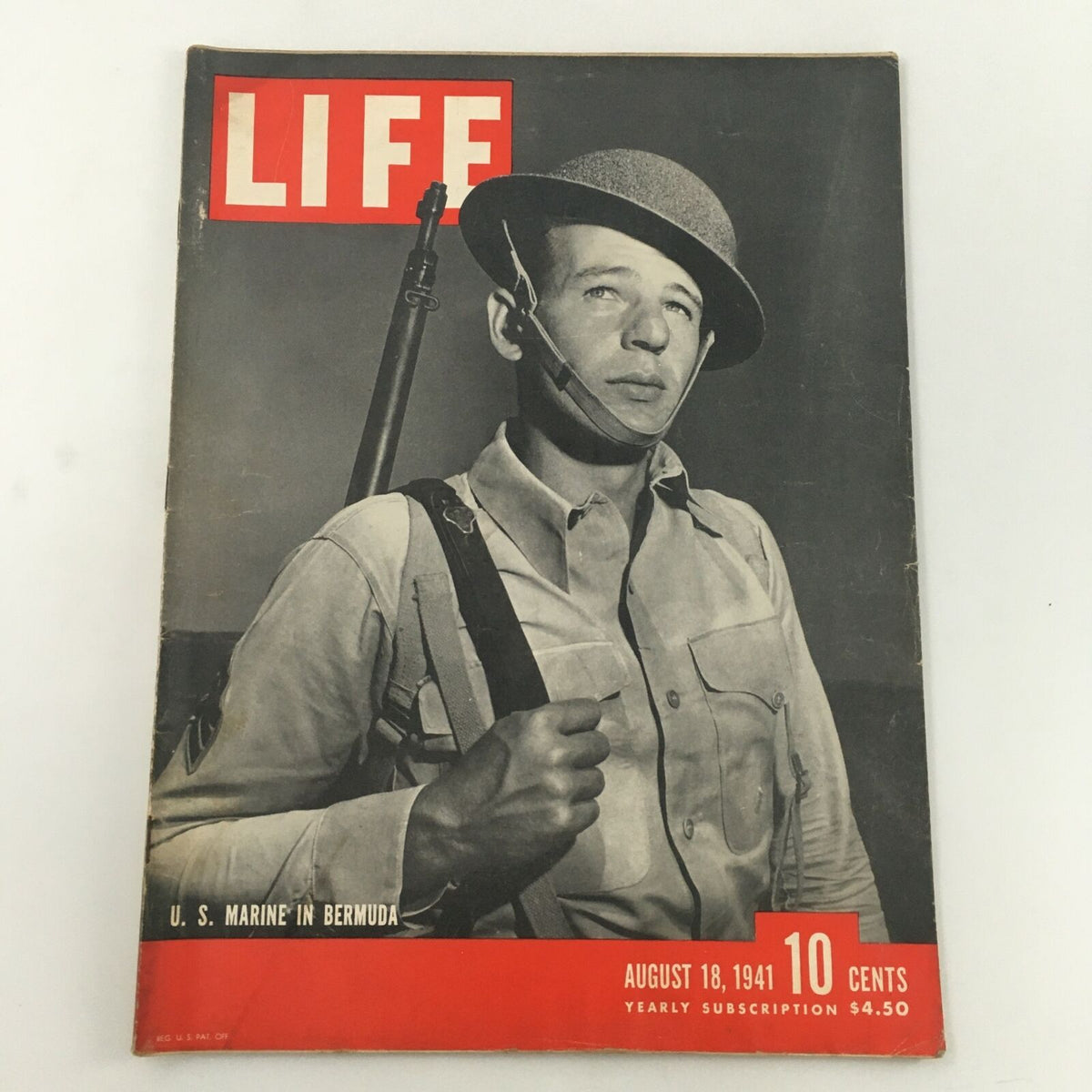
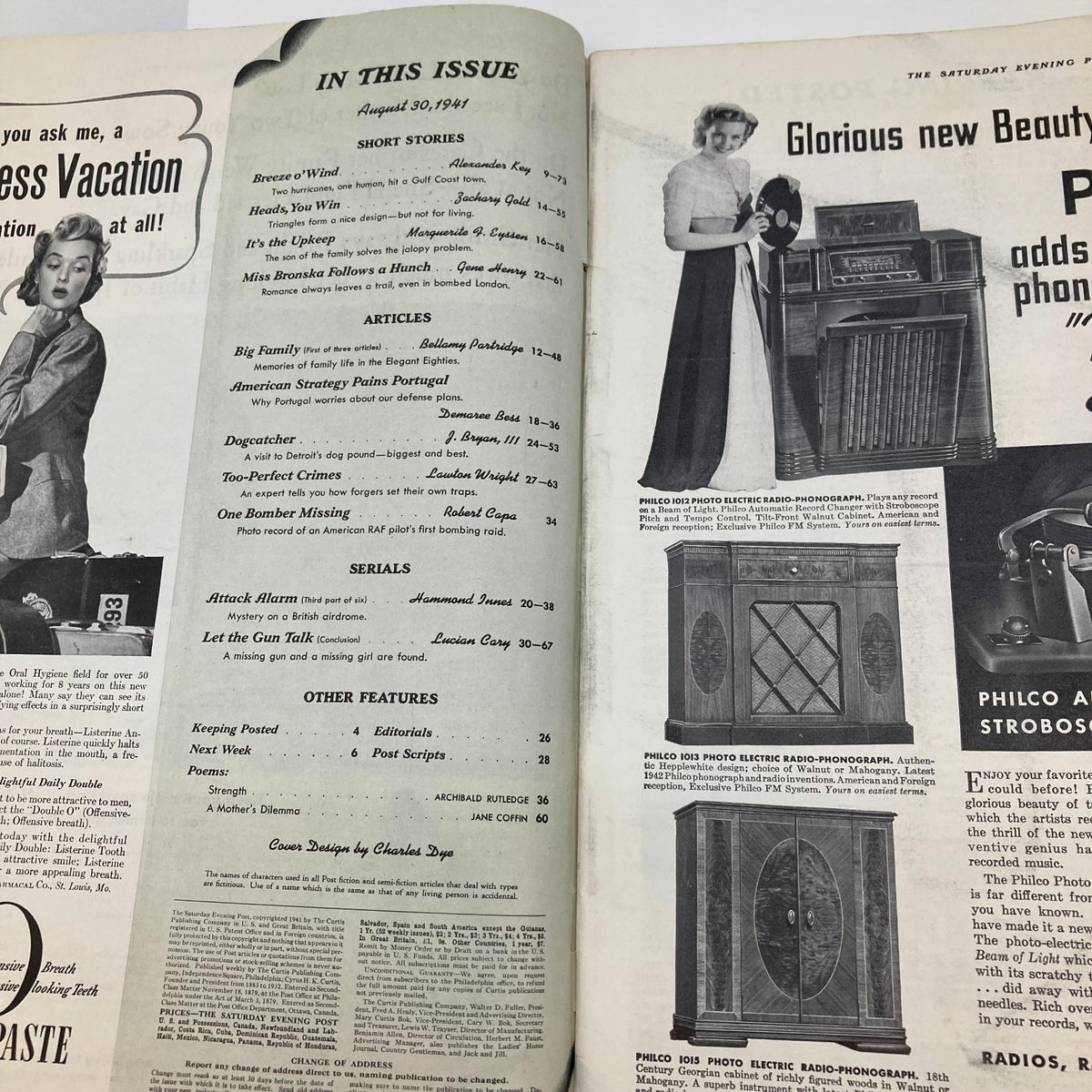
Detroit was making history too, though not on a diamond: the very first Jeep rolled off the production line on August 1st, a vehicle that would define both military utility and postwar American identity. Gas rationing began in earnest, reminding civilians that sacrifice was no longer distant. Life, Look, and Time crowded newsstands with stark war photography alongside ads for the consumer goods Americans were quietly learning to do without. Vintage magazines from this month offer a unique double exposure: the last advertisements of peacetime abundance, pressed against the gathering shadow of total war.
Curator's Checklist: What to Look For
-
The Atlantic Charter: Issues of Time, Life, and Newsweek from late August 1941 featuring coverage of the Churchill-Roosevelt meeting, often illustrated with dramatic naval photography from Placentia Bay and diplomatic portraits of both leaders aboard ship.
-
Operation Barbarossa Coverage: Life and Look issues showcasing rare photographic dispatches from the Eastern Front—maps of Nazi advances toward Leningrad, images of Soviet evacuations—making these among the most visually arresting rare magazines of the war years.
-
DiMaggio's Streak Ends: Sports Illustrated had not yet launched, but Life and general-interest weeklies ran extensive features on DiMaggio's 74-game on-base streak, with action photography and statistical breakdowns that collectors prize for their intimate portrait of baseball's golden era.
-
The First Jeep: Popular Mechanics and automotive trade publications from August 1941 capture the debut of the Willys MB Jeep, featuring technical illustrations and manufacturer announcements that now read as authentic artifacts of wartime industrial history.
-
Radio's New Era: TV Guide did not yet exist, but radio program guides and general magazines from this month document the debut of The Great Gildersleeve, preserving schedules, cast photographs, and network promotional materials from a genuine turning point in American broadcasting.
The Perfect Gift
For someone born in August 1941, an original magazine from this pivotal month isn't just a birthday gift—it's a genuine time capsule of the world at its most consequential, preserved in the authentic headlines, photography, and advertisements of that exact summer.