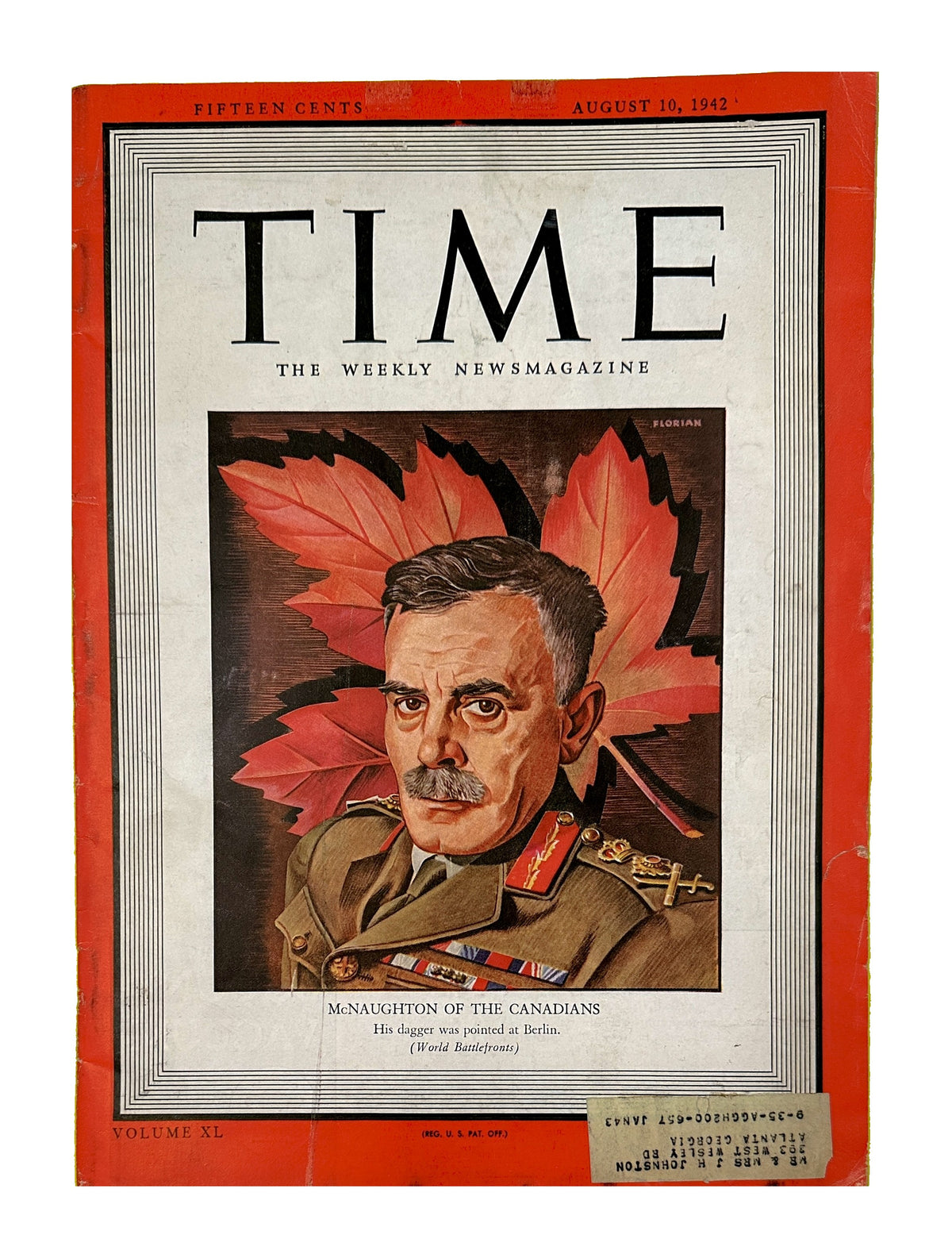
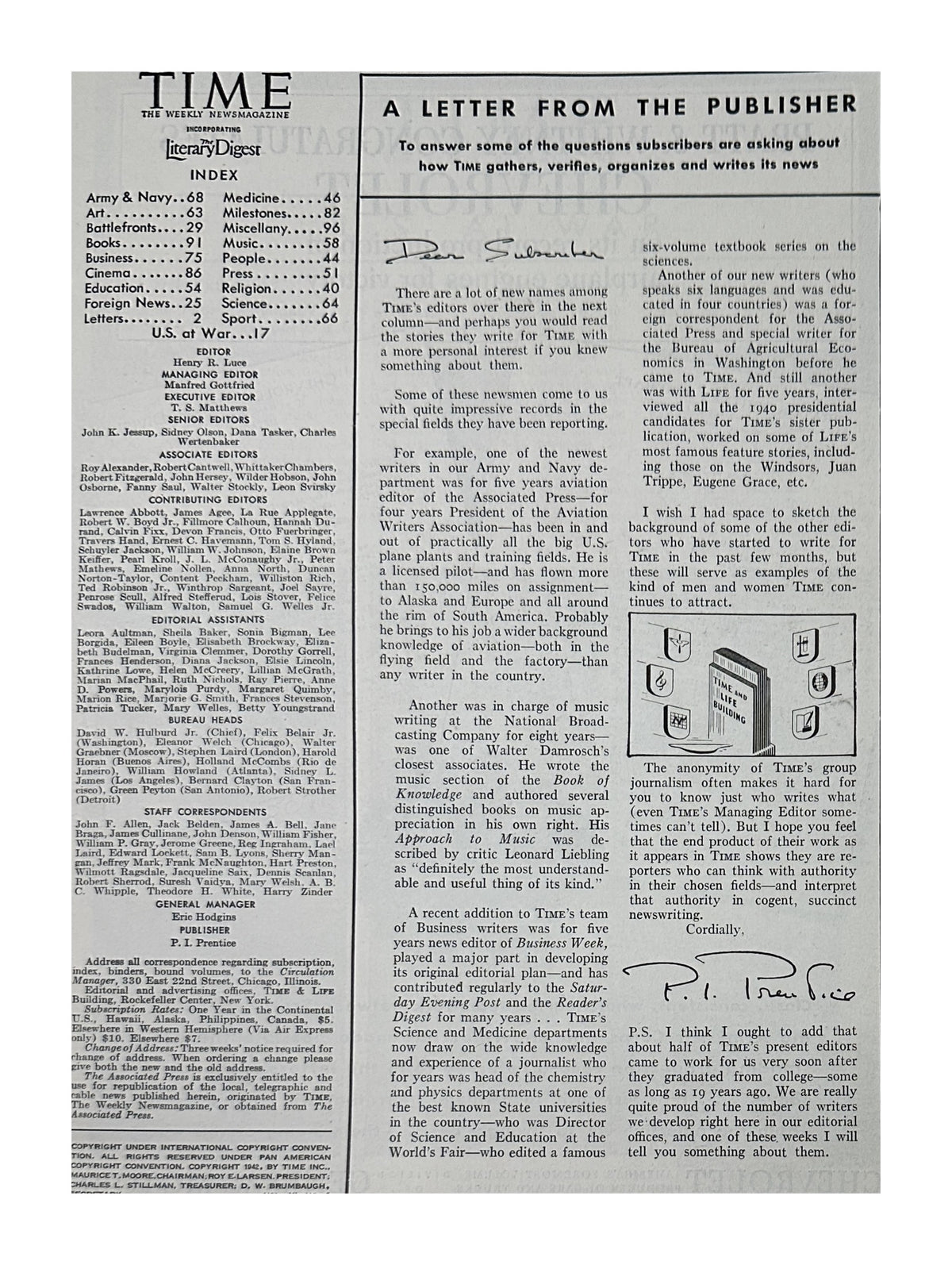
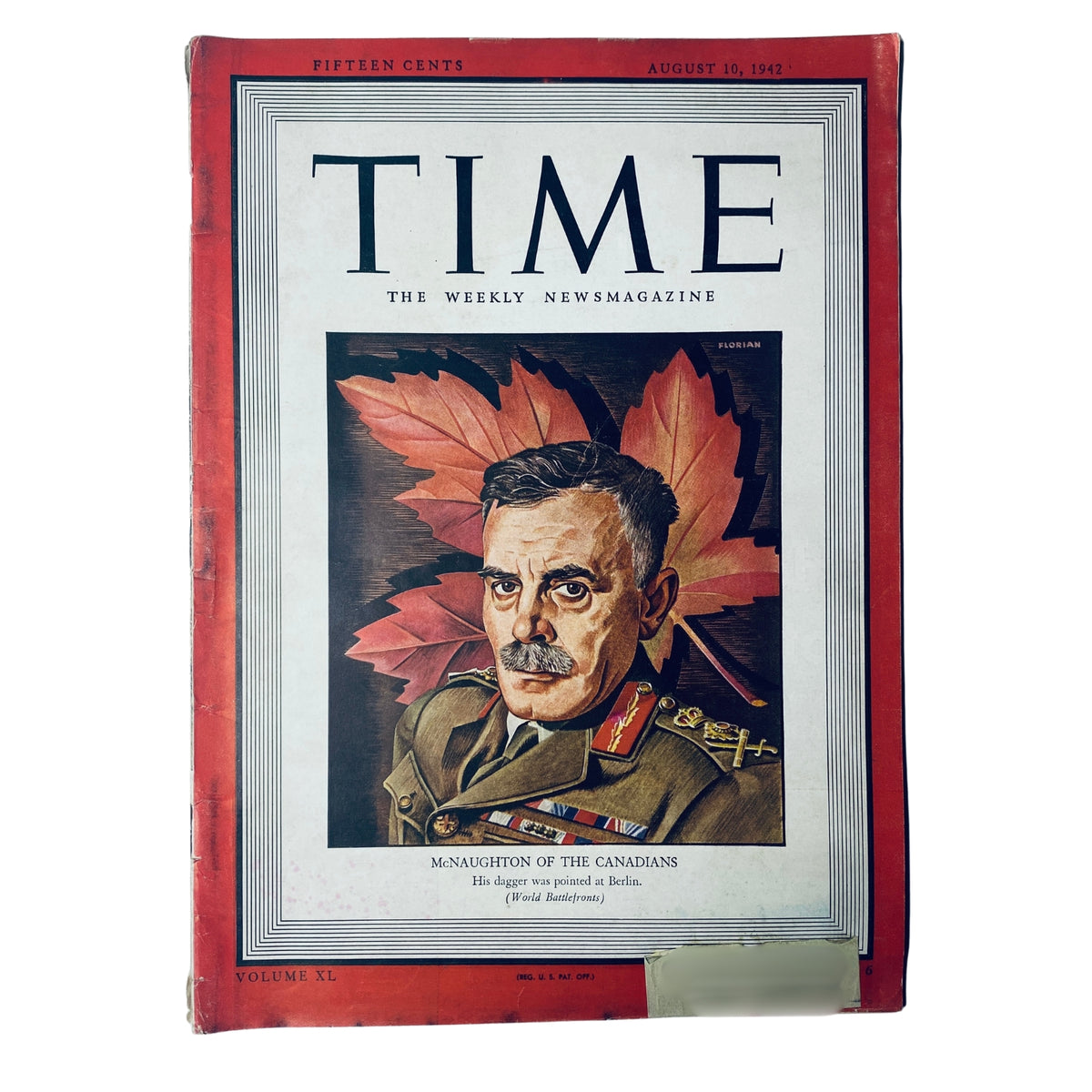
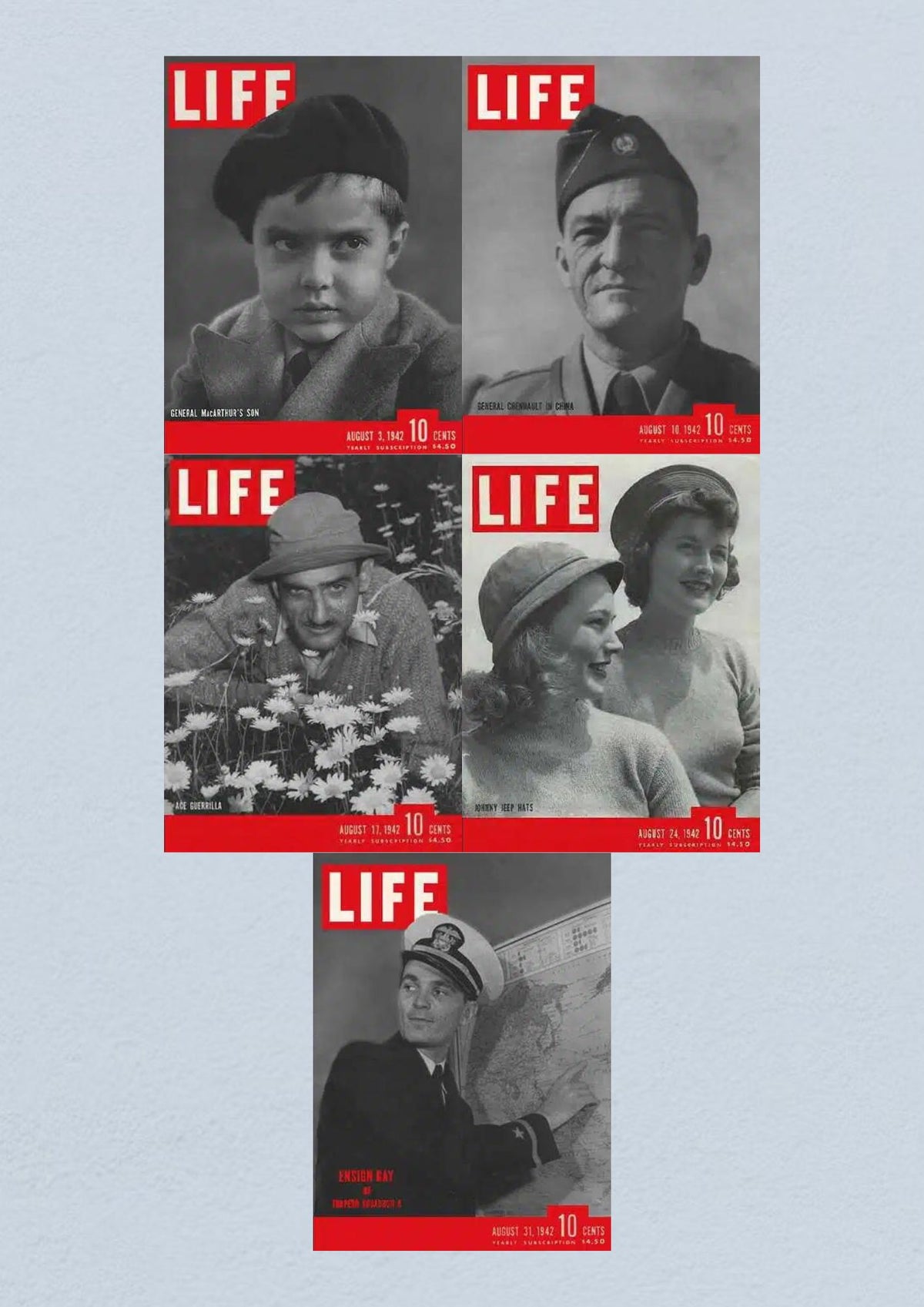
📖 About this Collection
August 1942: The World at the Crossroads of War
The Historical Context
The summer of 1942 pressed down on the world with terrible weight. Across three continents, the outcome of the war remained genuinely uncertain—and in August, the scales trembled. The Battle of Stalingrad erupted in full fury, with General Friedrich Paulus ordering the German 6th Army to conquer the city on the Volga that bore Stalin's name. On August 23, 600 Luftwaffe planes rained fire on Stalingrad, killing 40,000 civilians in a single day—a horror that reverberated across every Allied capital. In the Pacific, American forces launched their first offensive of the war, storming Guadalcanal on August 7 in the Solomon Islands, opening a brutal island campaign that would define the war's turning point. Winston Churchill shuttled between Cairo and Moscow, personally meeting Stalin to coordinate Allied strategy while shaking up British command—appointing the fierce General Bernard Montgomery to lead the 8th Army at El Alamein. This was the world your loved one entered, a planet in the balance.
Life Between the Dispatches
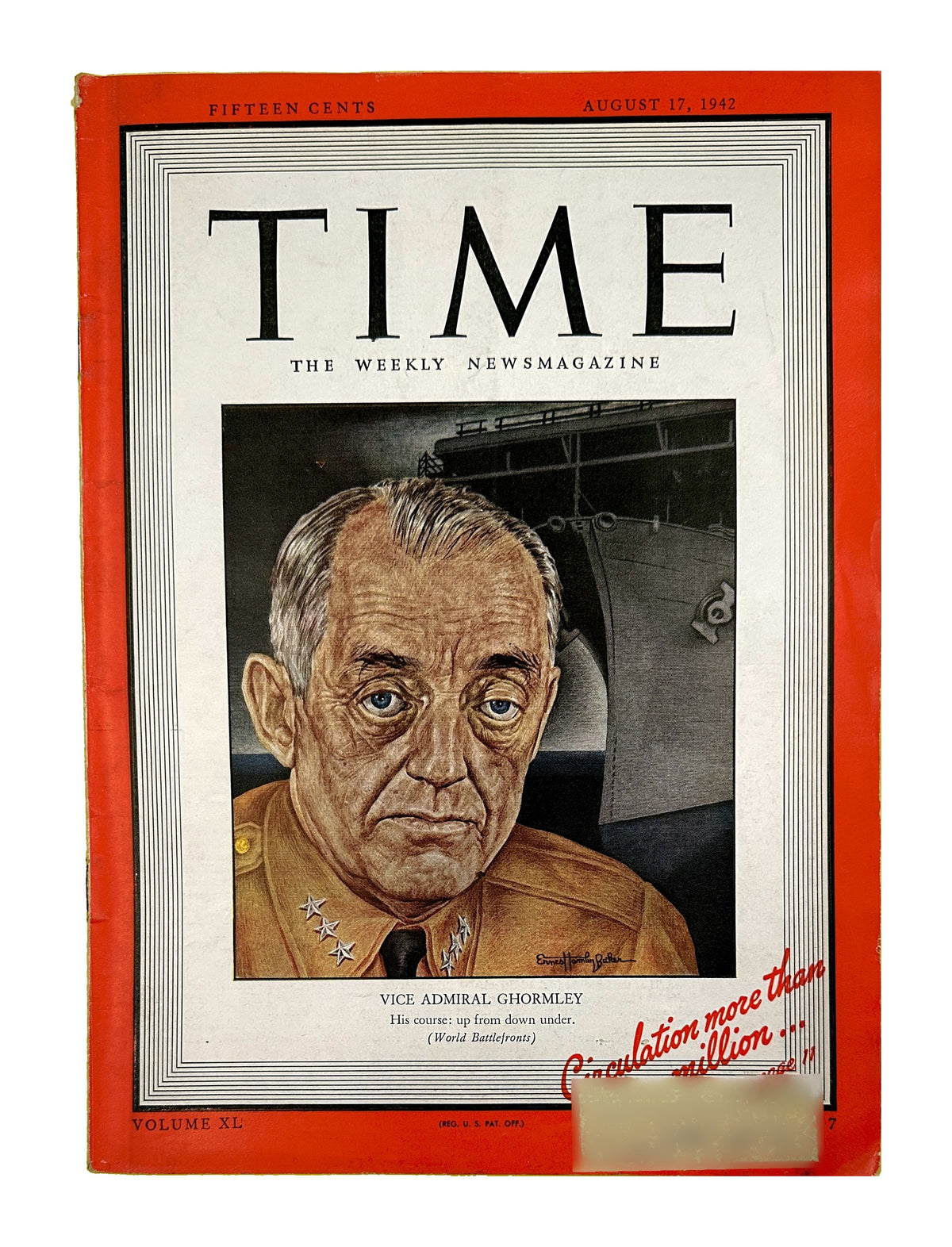
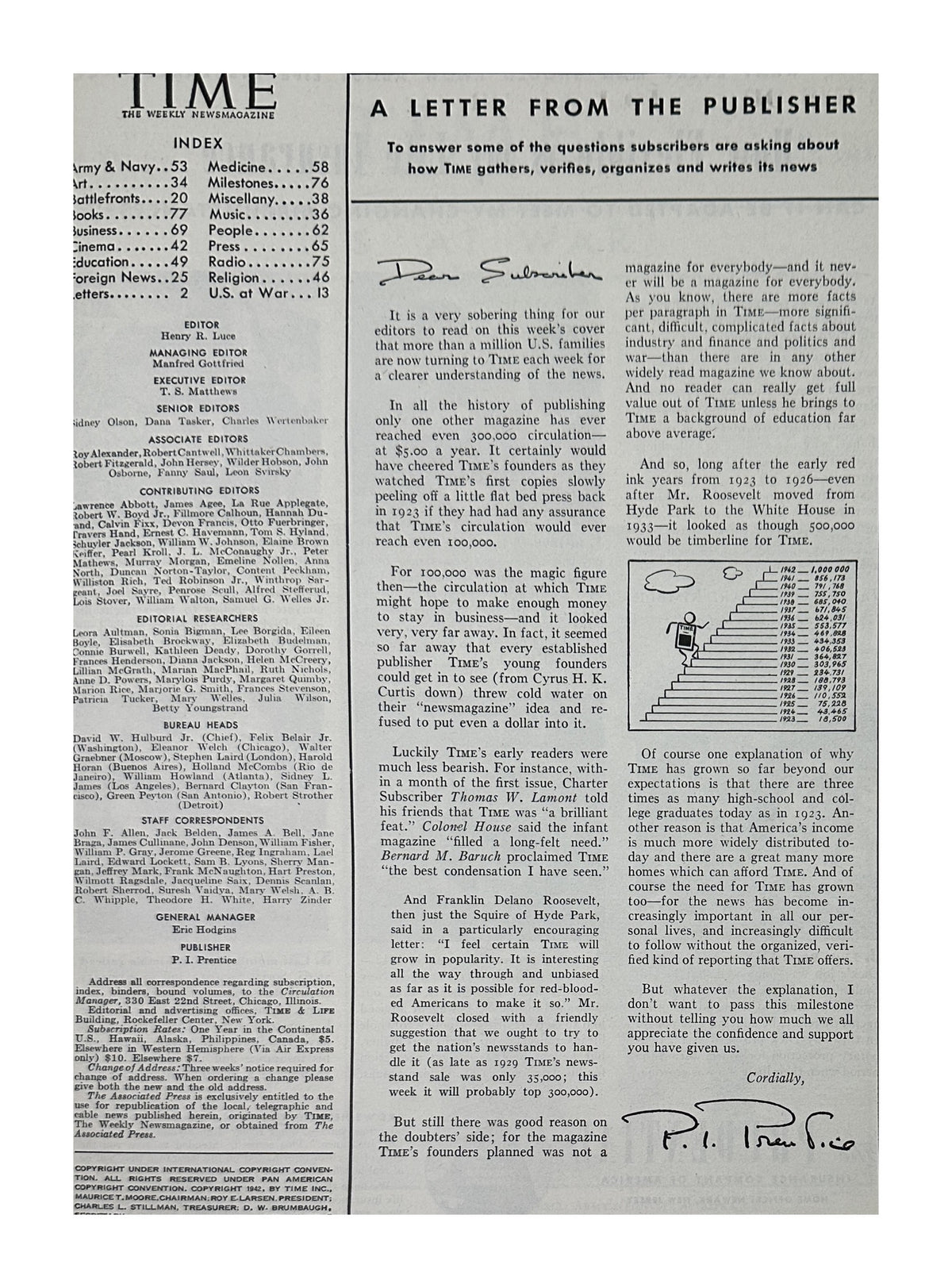
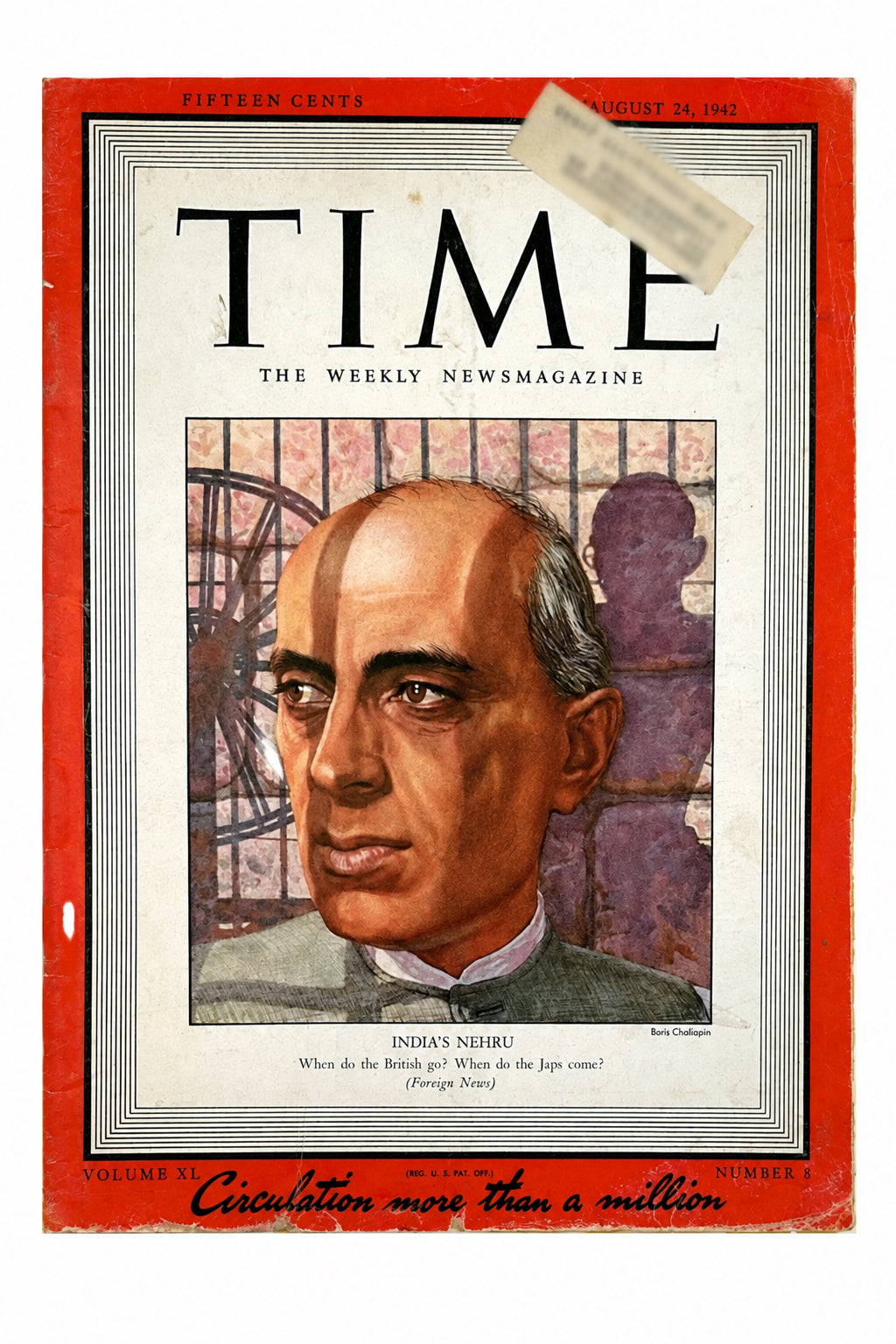
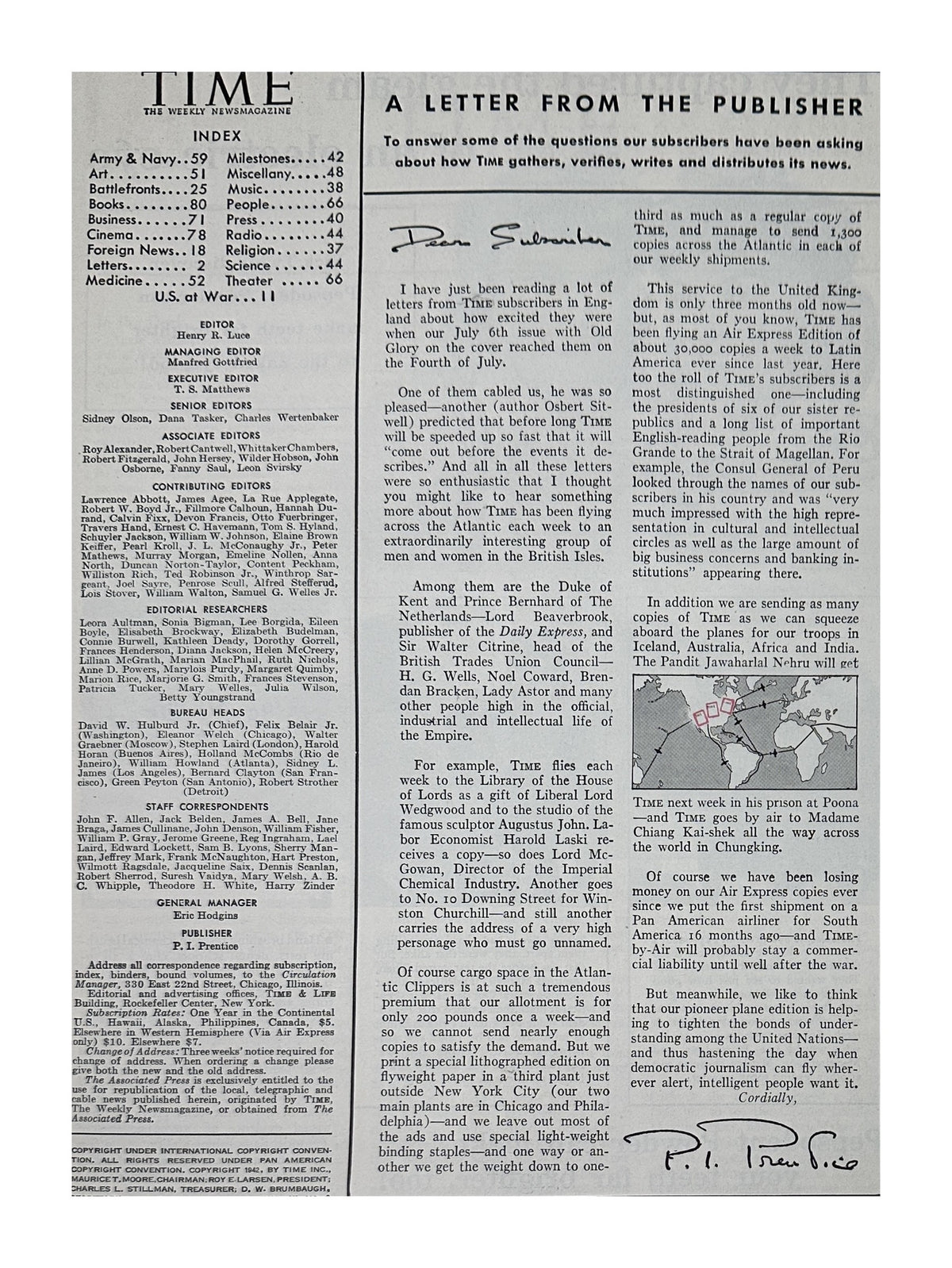
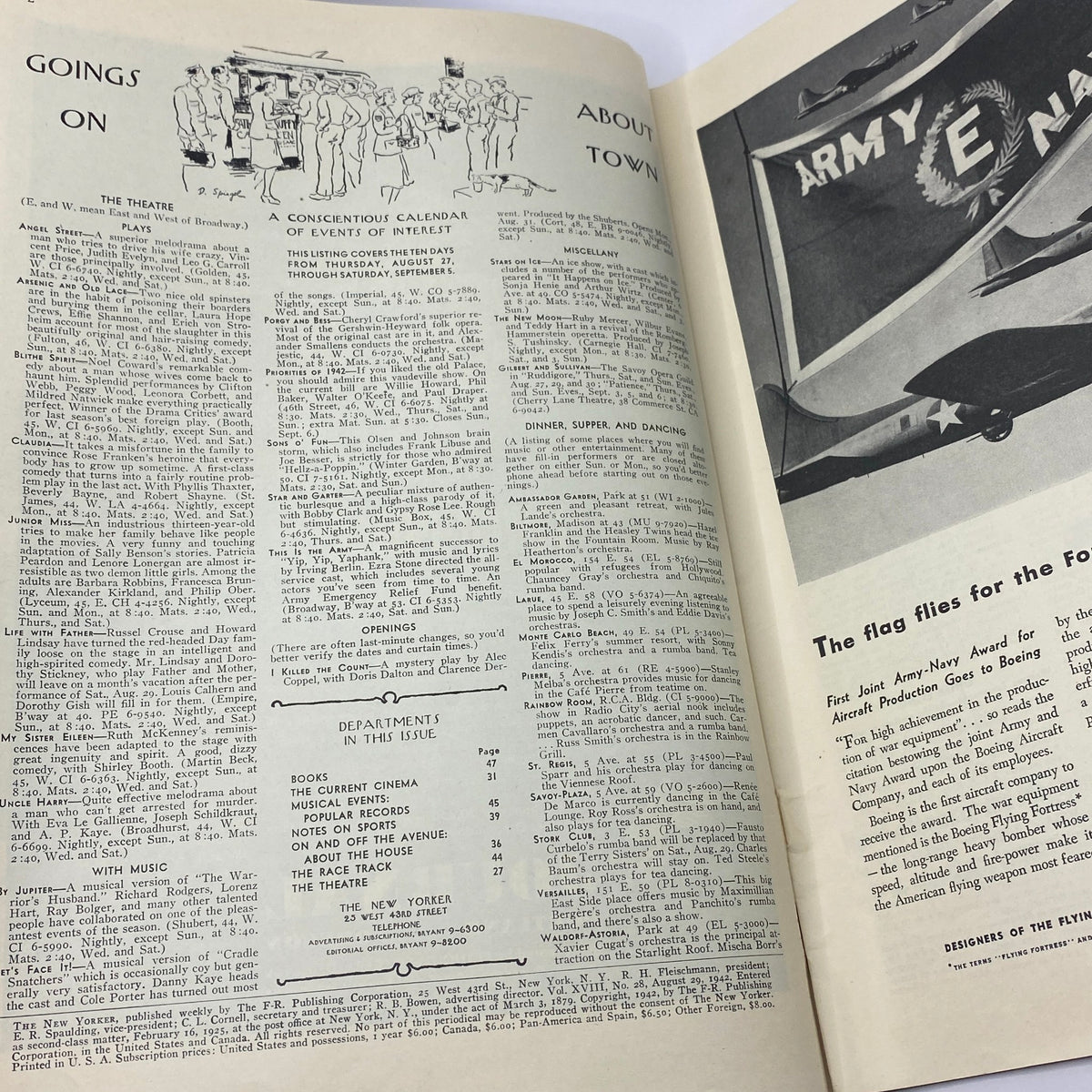
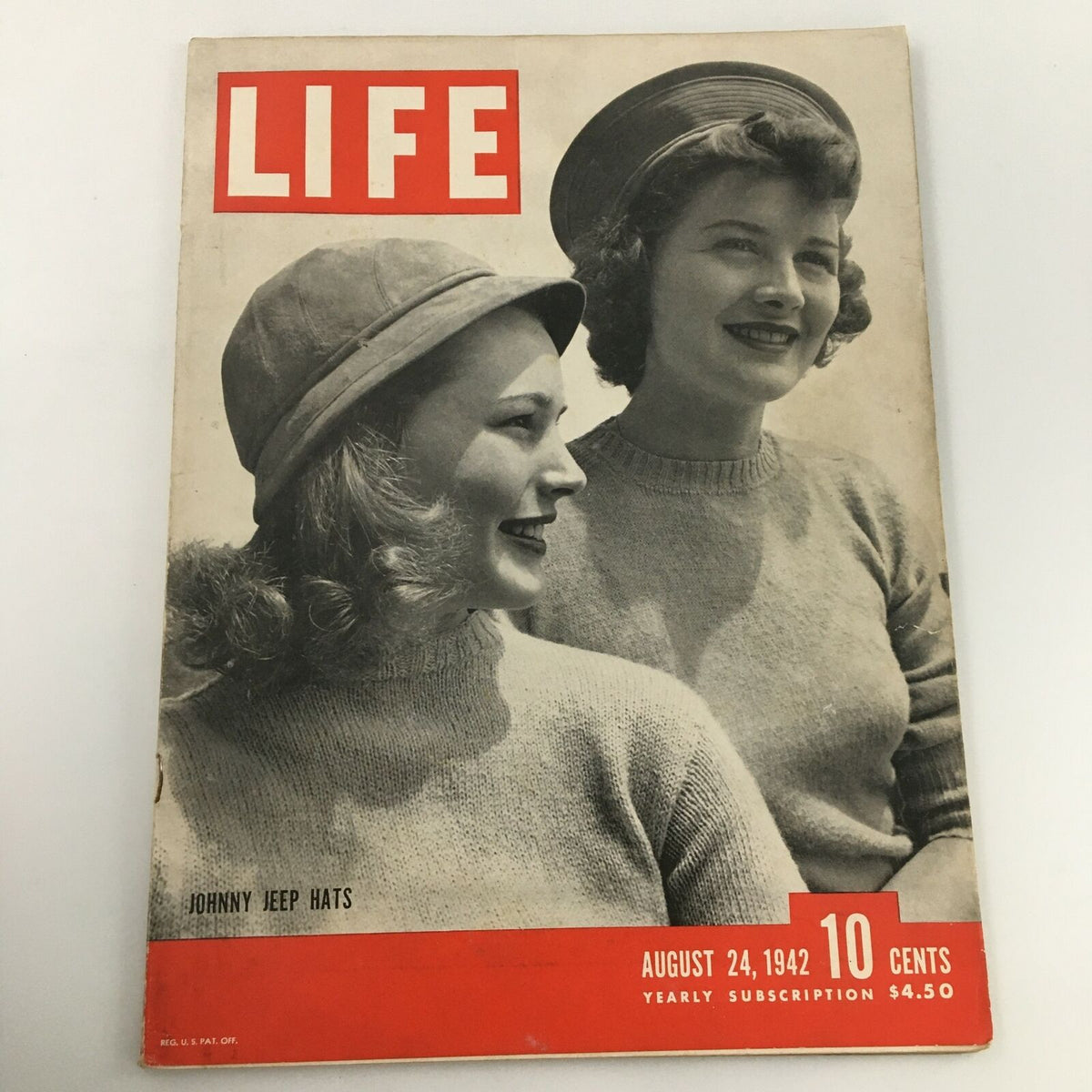
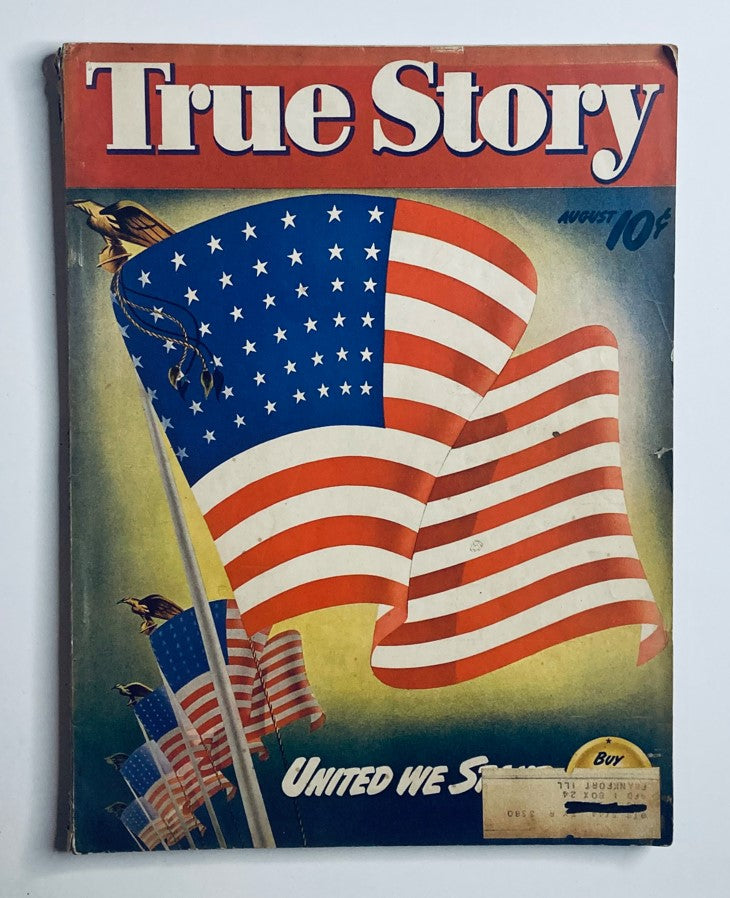
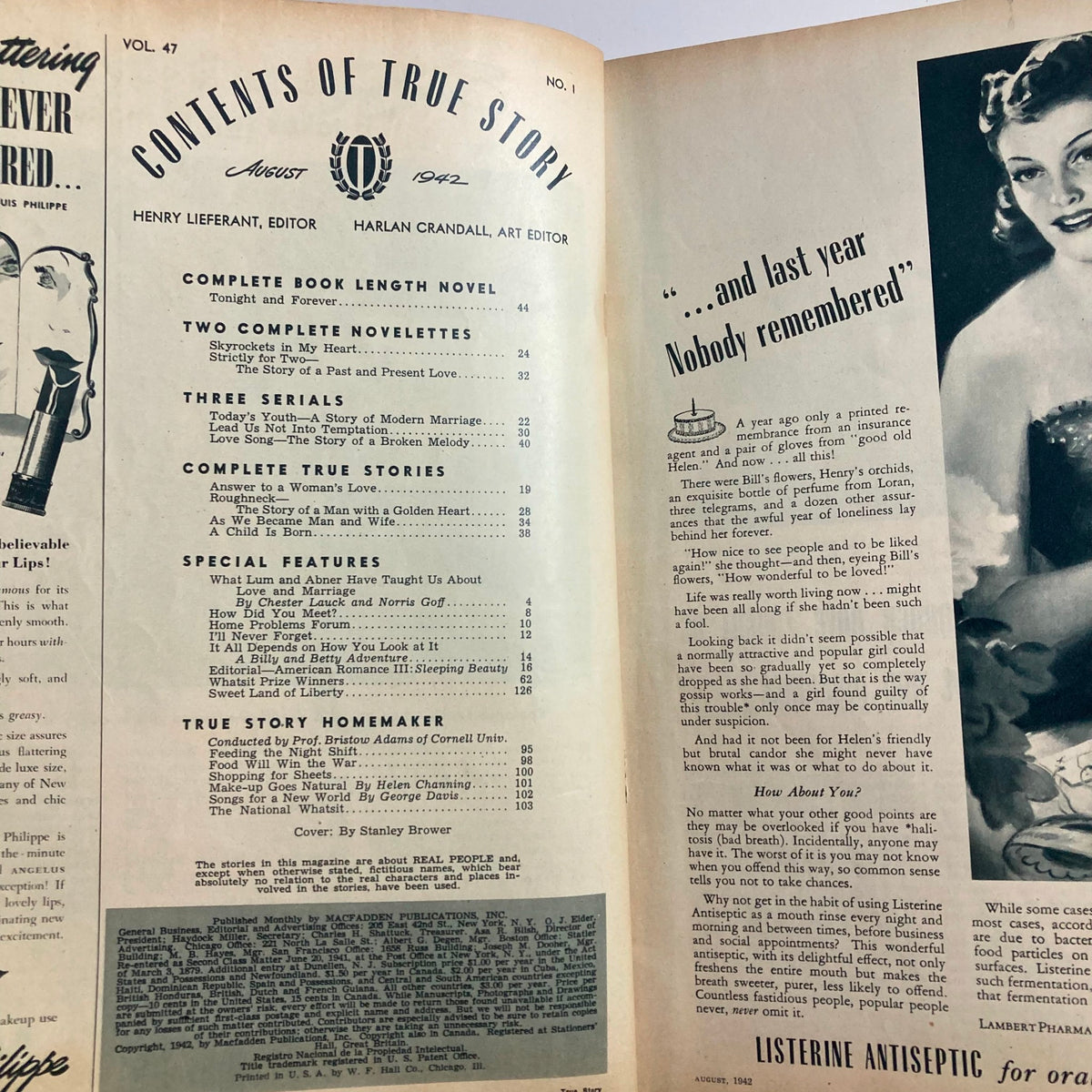
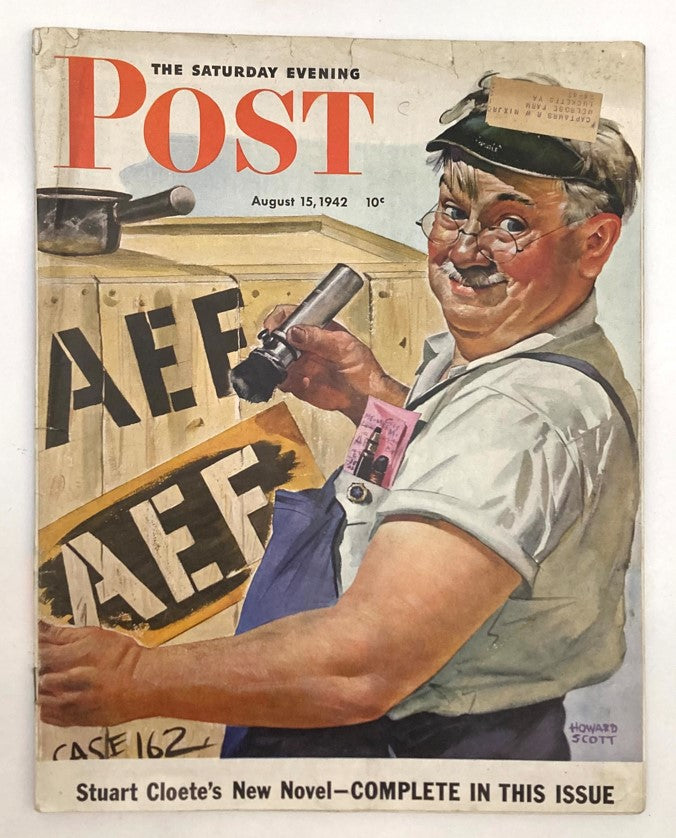
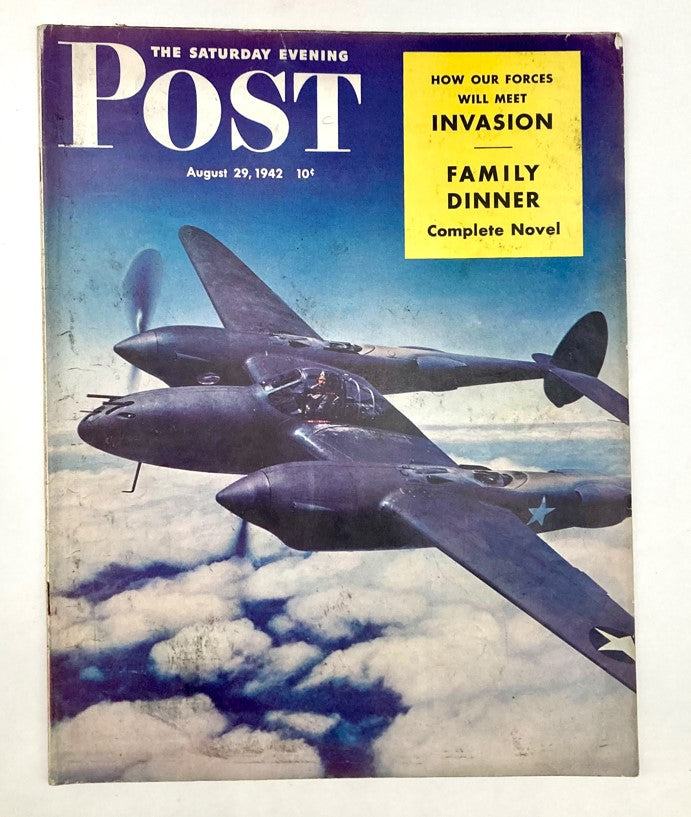
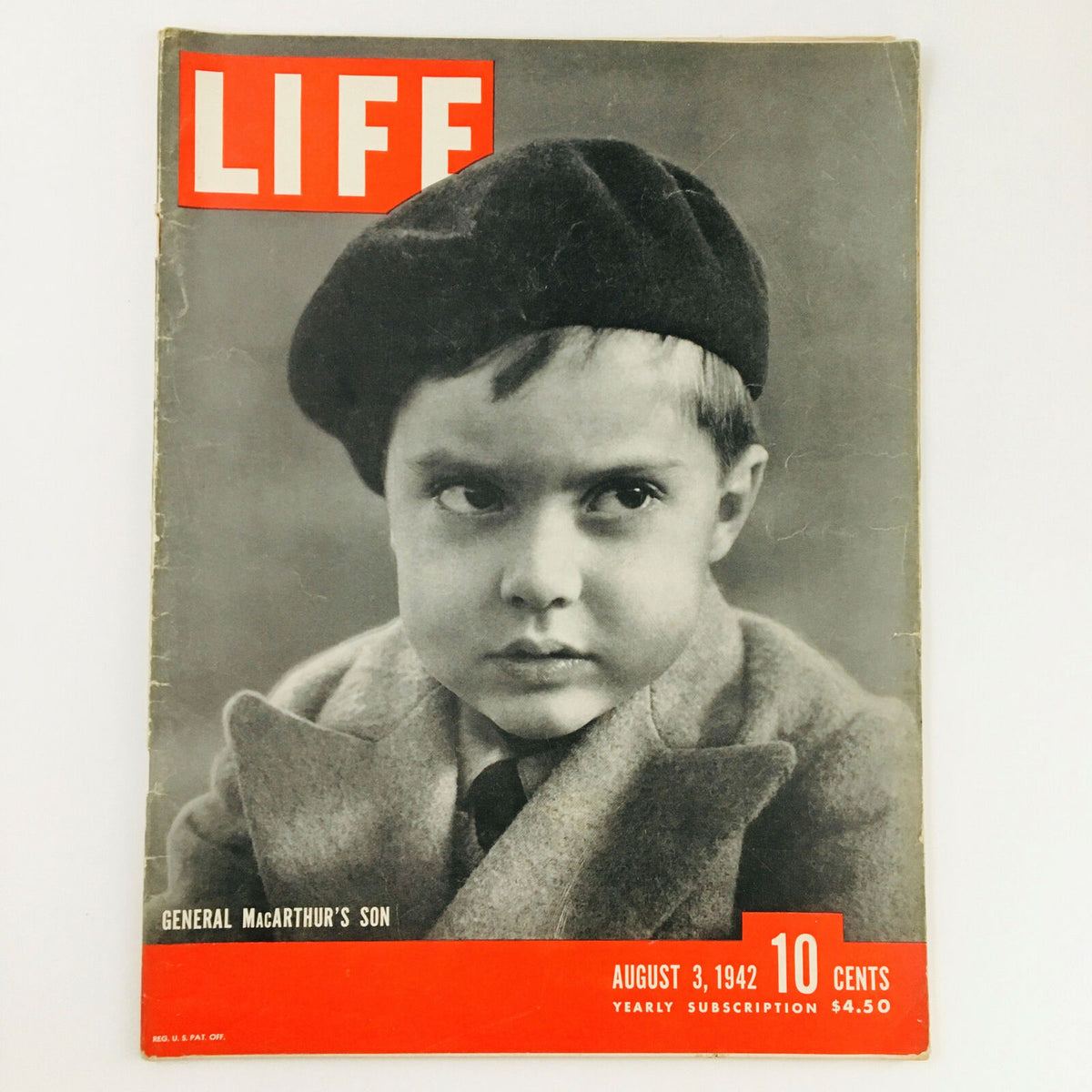
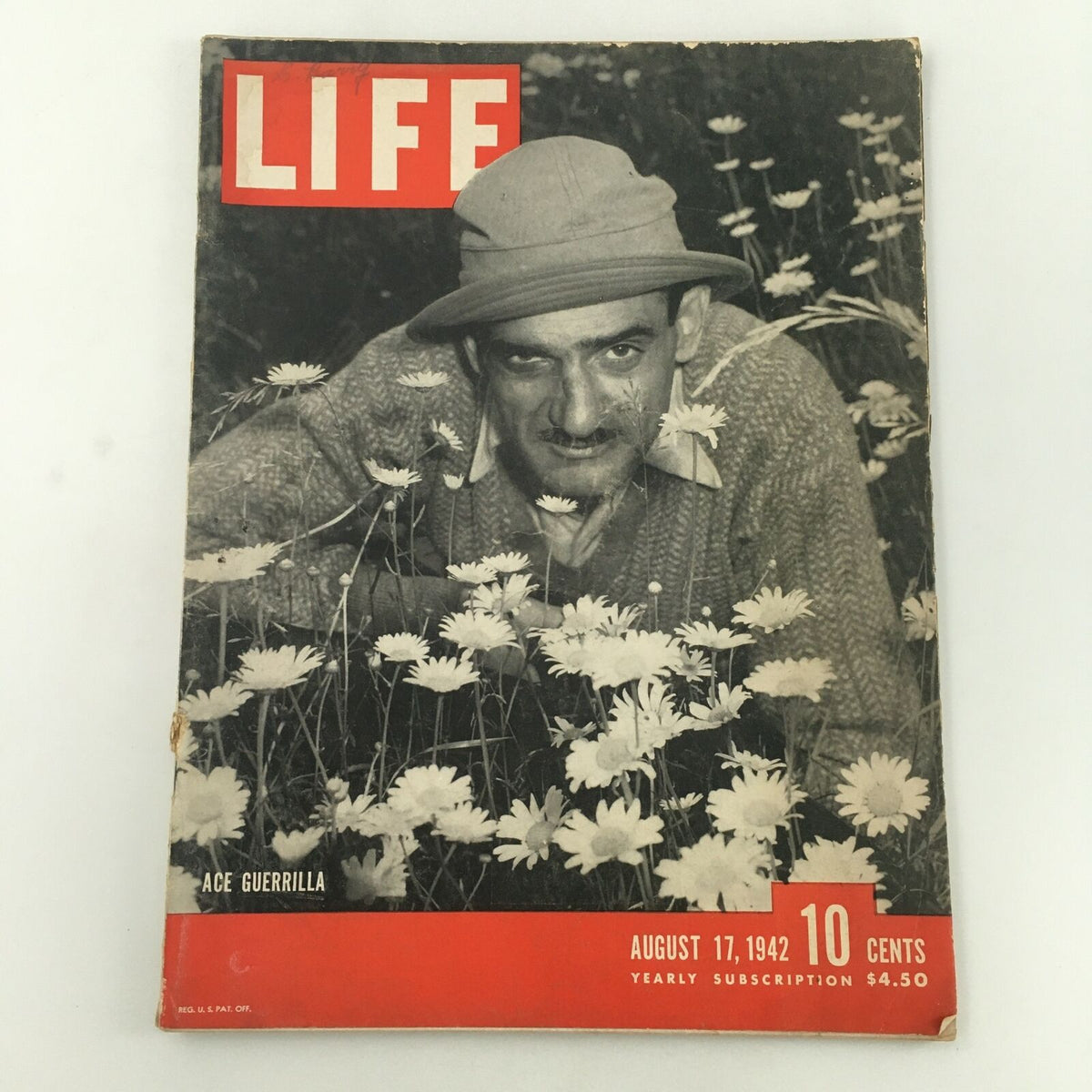
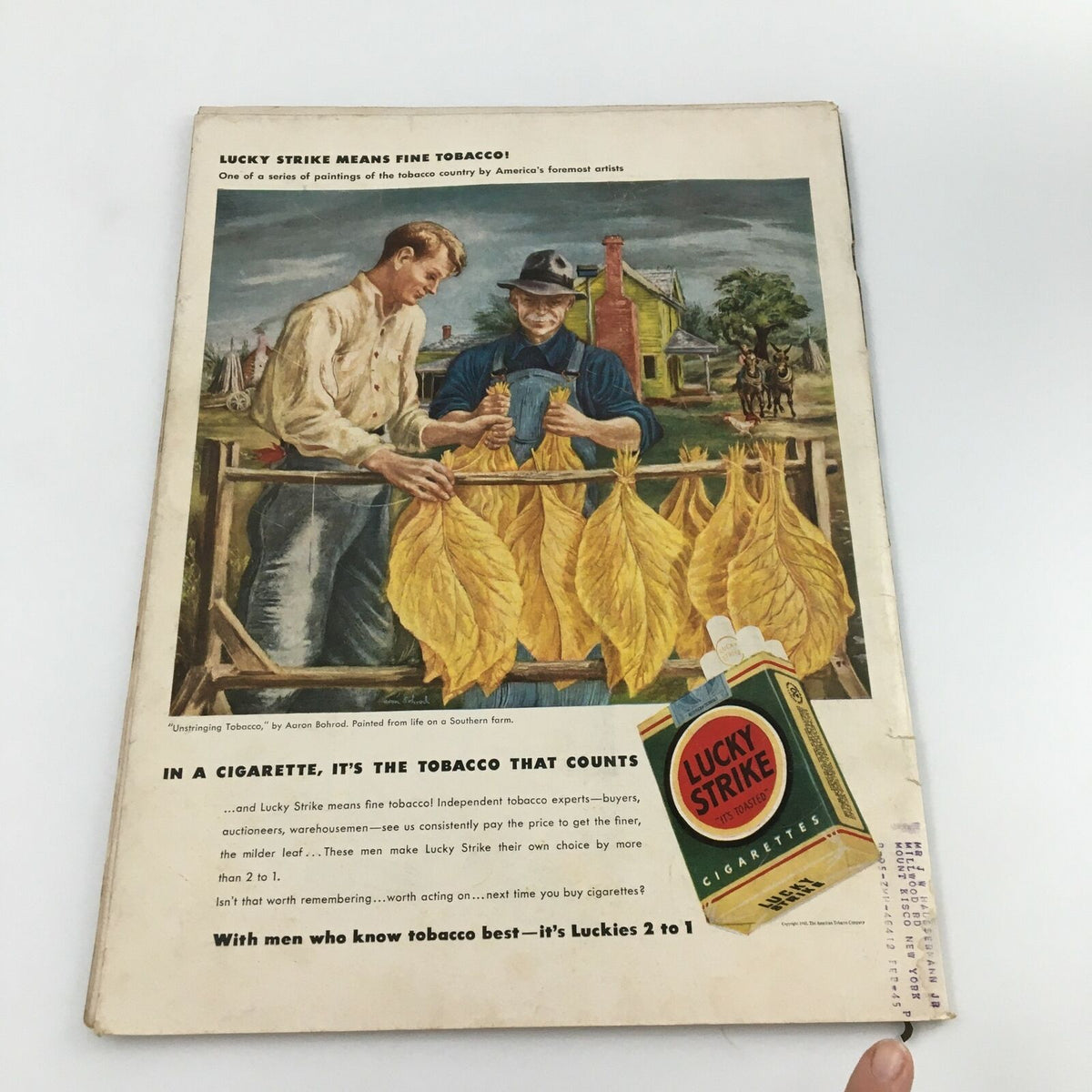
Even as the world burned, American culture endured and adapted in August 1942. Walt Disney's Bambi opened in theaters on August 21, offering families a rare few hours of grace amid the grim headlines—a film that would outlast the war by generations. At Yankee Stadium, a pregame spectacle drew 69,000 fans as baseball legend Babe Ruth faced pitcher Walter Johnson at the plate, raising $80,000 for Army-Navy relief—sport and sacrifice woven together as only that era could manage. On the radio, CBS launched the wartime series Our Secret Weapon, reflecting how deeply the conflict had penetrated domestic life. The Manhattan Project commenced in secret on August 13 under General Leslie Groves, an event invisible to the public but one that would reshape the century. Original magazines from August 1942 capture this extraordinary duality—front pages screaming of Stalingrad and Guadalcanal alongside advertisements for war bonds, nylon substitutes, and the rationed luxuries of home. Look for Life, Time, Newsweek, and Look chronicling the month's defining drama with the urgency only genuine wartime journalism carries.
Curator's Checklist: What to Look For in August 1942 Magazines
-
The Battle of Stalingrad: Life and Time issues from this month contain dramatic photographic spreads and detailed battlefield maps chronicling the German assault on Stalingrad—rare magazines featuring maps, casualty tallies, and front-line photographs that convey the battle's catastrophic scale before its outcome was known.
-
Guadalcanal and the Pacific Offensive: Look for Life and Newsweek issues showcasing the first American Pacific offensive, illustrated with Navy and Marine Corps photography from the Solomon Islands—authentic visual documents of a campaign most Americans were hearing about for the very first time.
-
Winston Churchill and the Allied Command: Genuine Time covers and Life photo essays from August 1942 frequently featured Churchill's dramatic shuttle diplomacy between Cairo and Moscow, often illustrated with rare photographs of the Prime Minister alongside Stalin—a preserved record of Allied coalition-building at its most precarious.
-
The Manhattan Project and Eisenhower's Appointment: While the atomic program remained classified, vintage magazines of this era reflect the broader mobilization story—Popular Mechanics and Life documented industrial and military expansion, capturing the moment Eisenhower was named to command the North Africa invasion, a story printed before its outcome was known.
-
Bambi and Wartime Entertainment: Variety and general interest magazines from August 1942 carried reviews and advertising for Disney's Bambi, alongside war bond announcements and entertainment features—authentic artifacts showing how Hollywood balanced escapism with patriotic duty in a single newsstand issue.
The Perfect Gift
For someone born in August 1942, an original magazine from this harrowing, history-making month isn't just a piece of paper—it's a genuine time capsule of the world on the knife's edge, preserved in authentic wartime headlines, photography, and the advertisements of an America fighting for its life.